



Solanaceae
-
- Capsicum annuum L. (39)
- Nicotiana tabacum L. (32)
- Withania somnifera (27)
- Solanum lycopersicum L. (21)
- Physalis minima Linn. (14)
- Solanum nigrum Linn. (14)
- Anisodus tanguticus (Maxinowicz) Pascher (11)
- Lycium chinense Miller (11)
- Solanum tuberosum L. (10)
- Atropa belladonna Linn. (8)
- Alkekengi officinarum Moench (7)
- Datura metel L. (7)
- Solanum lyratum Thunberg (7)
- Solanum melongena L. (7)
- Solanum torvum Swartz (7)
- Datura metel Linn. (6)
- Datura stramonium L. (6)
- Solanum tuberosum Linn. (6)
- Alkekengi officinarum var. franchetii (Mast.) R.J.Wang (4)
- Hyoscyamus niger L. (4)
- Lycium barbarum L. (4)
- Physalis angulata L. (4)
- Etunia hybrida (J. D. Hooker) Vilmorin (3)
- Datura innoxia Miller (2)
- Duboisia leichhardtii (F.Muell.) F.Muell. (2)
- Rhizophora mucronata Lam (2)
- Solanum chrysotrichum Schltdl. (2)
- Solanum dulcamara L. (2)
- Solanum (2)
- Przewalskia tangutica Maximo. (2)
- Brugmansia arborea (L.) Lagerh. (1)
- Capsicum baccatum L. (1)
- Capsicum chinense Jacq. (1)
- Cestrum nocturnum Linn. (1)
- Cestrum parqui (Lam.) (1)
- Duboisia hopwoodii (F.Muell.) F.Muell. (1)
- Fabiana imbricata Ruiz & Pav. (1)
- Lycium ferocissimum Miers (1)
- Lycium ruthenicum Murray (1)
- Lycium schweinfurthii Dammer (1)
- Nicotiana attenuata Torr. ex S.Watson (1)
- Nicotiana plumbaginifolia Viv. (1)
- Petunia axillaris (Lam.) Britton, Sterns & Poggenb. (1)
- Physalis divaricata (1)
- Physalis hispida (Waterf.) Cronquist (1)
- Solanum aculeatissimum Jacq. (1)
- Solanum laciniatum Aiton (1)
- Solanum mammosum L. (1)
- Solanum paniculatum L. (1)
- Solanum phureja Juz. & Bukasov (1)
- Solanum virginianum Linnaeus (1)
- Withania coagulans (Stocks) Dunal (1)
-
Solanaceae (300)

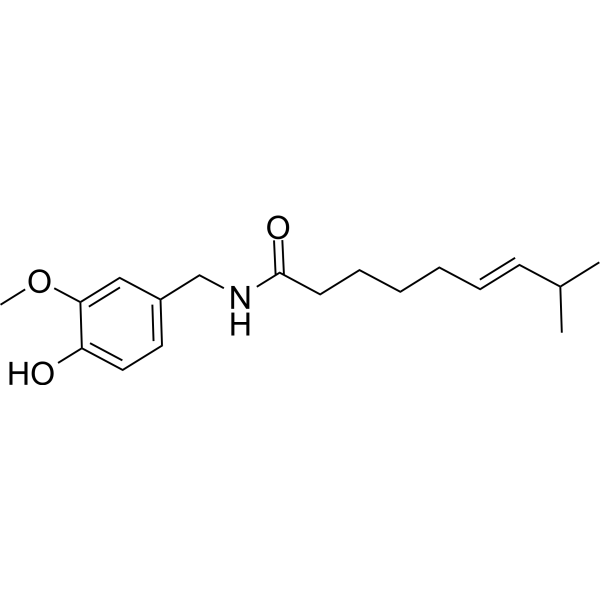
- Formula: C18H27NO3
- Molecular Weight: 305.41
Capsaicin ((E)-Capsaicin), an active component of chili peppers, is a TRPV1 agonist. Capsaicin induces a nociceptive response by binding to its receptors. Capsaicin has analgesic effects on neurological disorders. Capsaicin has antioxidant, anti-inflammatory, anti-cancer effects.
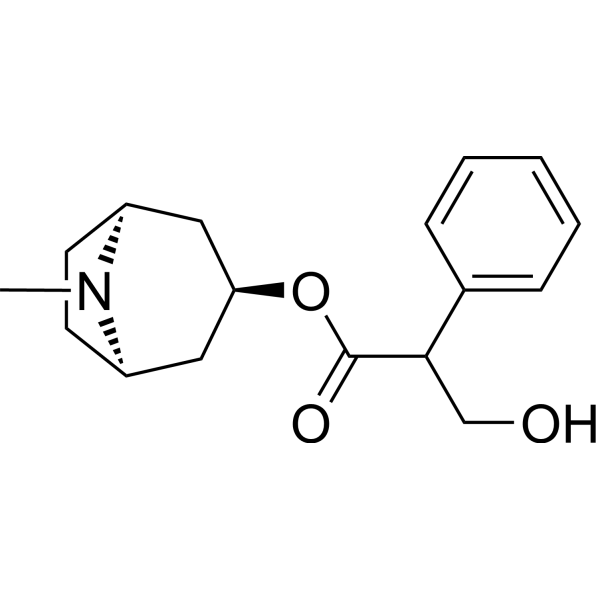
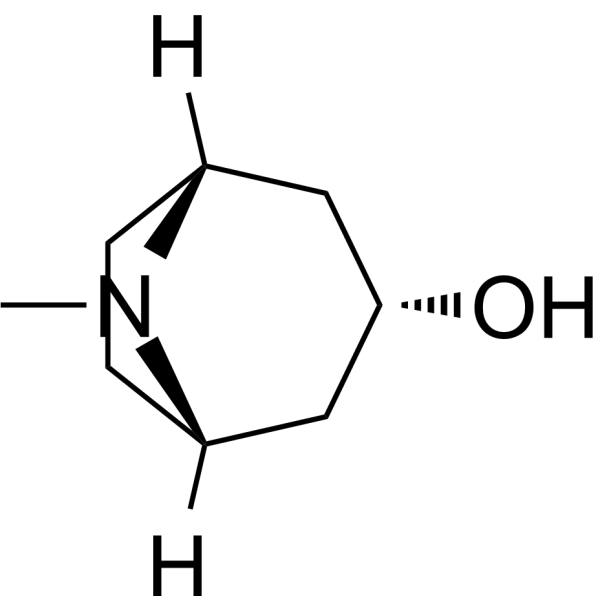
- Formula: C17H23NO3
- Molecular Weight: 289.38
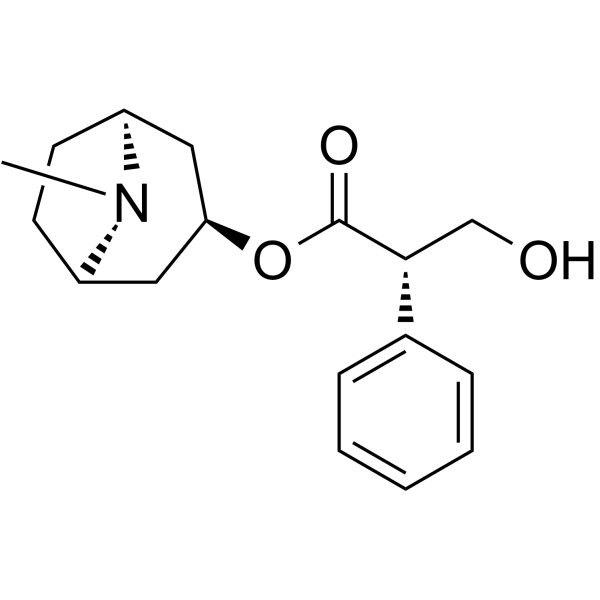
Atropine (Tropine tropate) is a competitive muscarinic acetylcholine receptor (mAChR) antagonist with IC50 values of 0.39 and 0.71 nM for Human mAChR M4 and Chicken mAChR M4, respectively. Atropine inhibits ACh-induced relaxations in human pulmonary veins. Atropine can be used for research of anti-myopia and bradycardia.
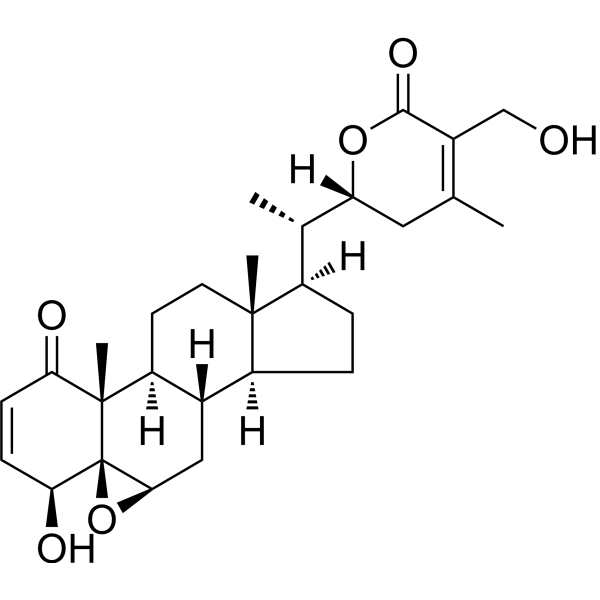
- Formula: C28H38O6
- Molecular Weight: 470.60
Withaferin A is a steroidal lactone isolated from Withania somnifera, inhibits NF-kB activation and targets vimentin, with potent antiinflammatory and anticancer activities. Withaferin A is an inhibitor of endothelial protein C receptor (EPCR) shedding.
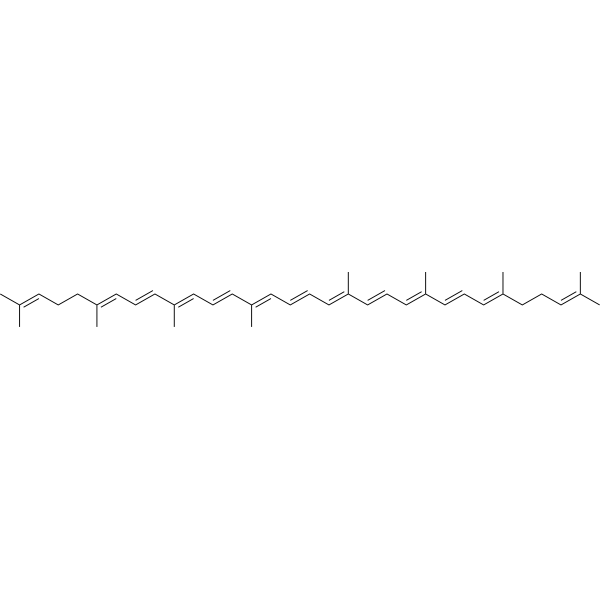
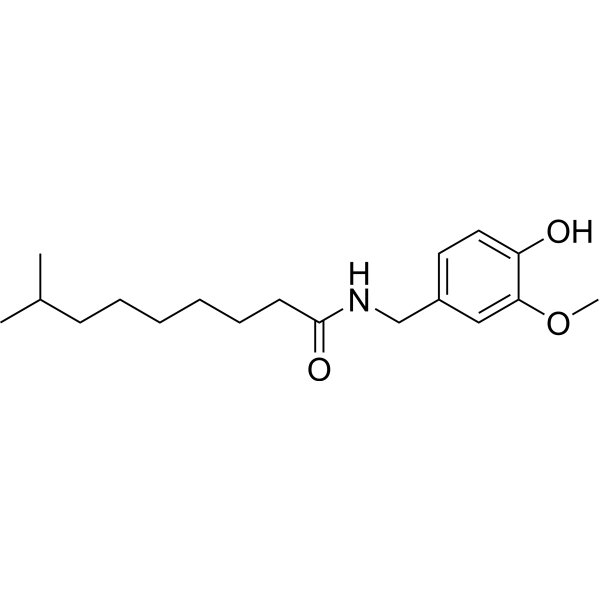
- Formula: C18H29NO3
- Molecular Weight: 307.43
Dihydrocapsaicin, a capsaicin, is a potent and selective TRPV1 (transient receptor potential vanilloid channel 1) agonist. Dihydrocapsaicin reduces AIF, Bax, and Caspase-3 expressions, and increased Bcl-2, Bcl-xL and p-Akt levels. Dihydrocapsaicin enhances the hypothermia-induced neuroprotection following ischemic stroke via PI3K/Akt regulation in rat.
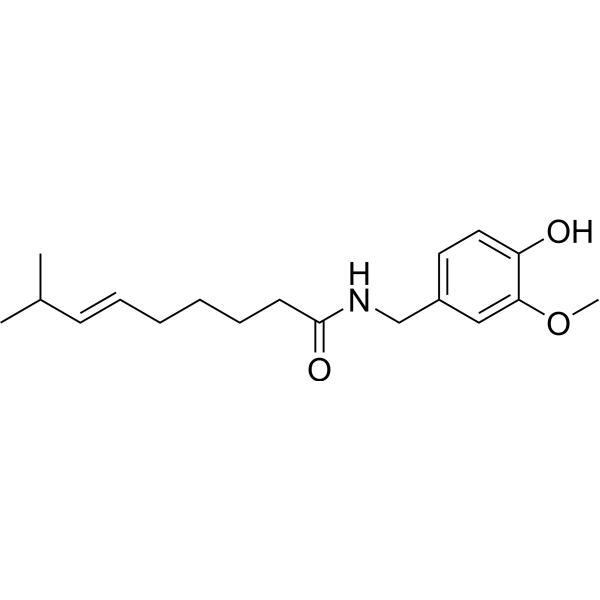
- Formula: C18H27NO3
- Molecular Weight: 305.41
Capsaicin (Standard) is the analytical standard of Capsaicin. This product is intended for research and analytical applications. Capsaicin ((E)-Capsaicin), an active component of chili peppers, is a TRPV1 agonist. Capsaicin induces a nociceptive response by binding to its receptors. Capsaicin has analgesic effects on neurological disorders. Capsaicin has antioxidant, anti-inflammatory, anti-cancer effects.
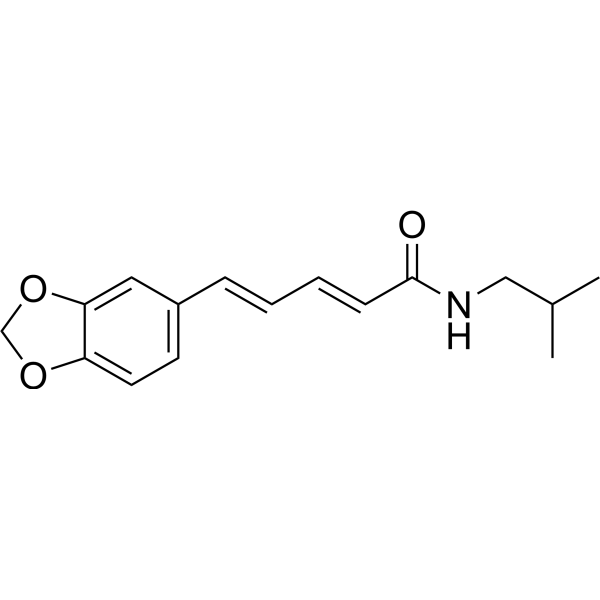
- Formula: C16H19NO3
- Molecular Weight: 273.33
Piperlonguminine is a cytochrome P450 (CYP450) inhibitor. Piperlonguminine also inhibits the growth of epimastigotes and intracellular amastigotes of Trypanosoma cruzi, with IC50 values of 53.8 and 33.9 μM, respectively. Piperlonguminine regulates HMGB1/TLR4-NF-κB/MAPK-related inflammatory responses, endothelial protein C receptor (EPCR) shedding, melanogenesis, glycolipid metabolism, ischemic brain injury and tumor growth. Piperlonguminine can be used in research on hyperlipidemia, sepsis, Chagas disease, ischemic stroke, sarcoma and severe acute pancreatitis-associated lung injury.
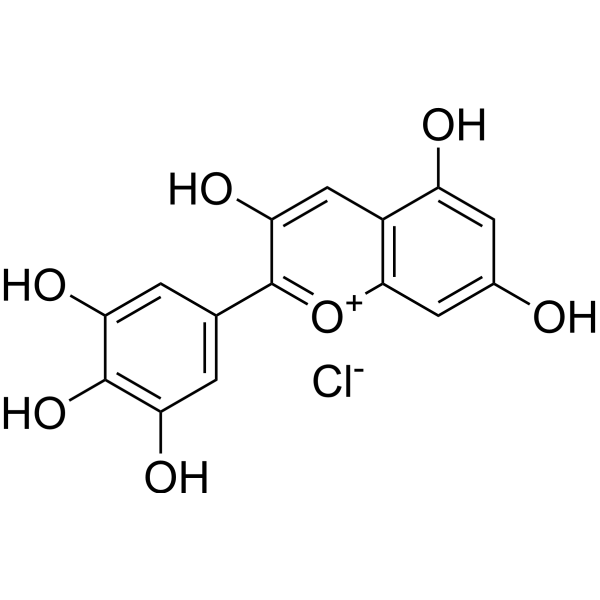
- Formula: C15H11ClO7
- Molecular Weight: 338.70
Delphinidin chloride is an anthocyanin isolated from berries and red wine. Delphinidin chloride exhibits endothelium-dependent vasodilation and anticancer activity. Delphinidin chloride also modulates JAK/STAT3 and MAPK signaling, thereby inducing apoptosis in HCT116 cells. Delphinidin chloride is also a potent inhibitor of EGFR (IC50: 1.3 μM), shutting down downstream signaling cascades.
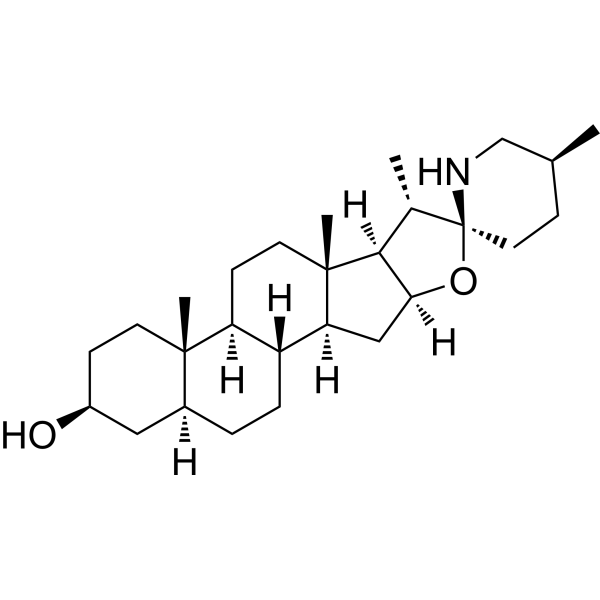
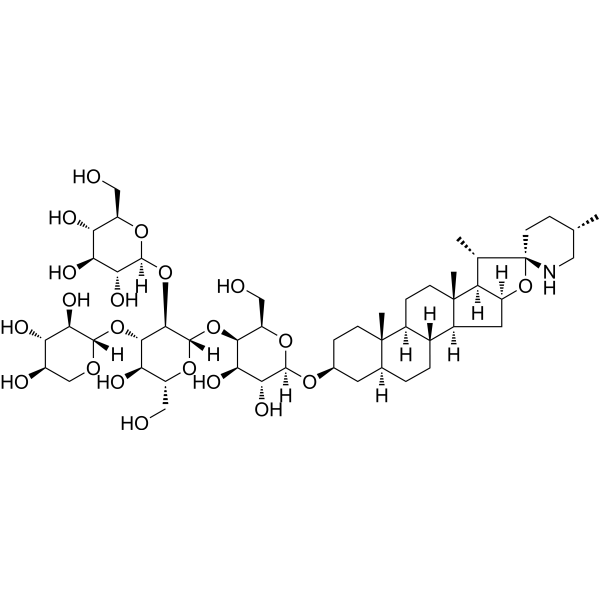
- Formula: C50H83NO21
- Molecular Weight: 1034.19
Tomatine is a glycoalkaloid, found in the tomato plant (Lycopersicon esculentum Mill.). Tomatine elicits neurotoxicity in RIP1 kinase and caspase-independent manner. Tomatine promotes the upregulation of nuclear apoptosis inducing factor (AIF) in neuroblastoma cells. Tomatine also inhibits 20S proteasome activity.
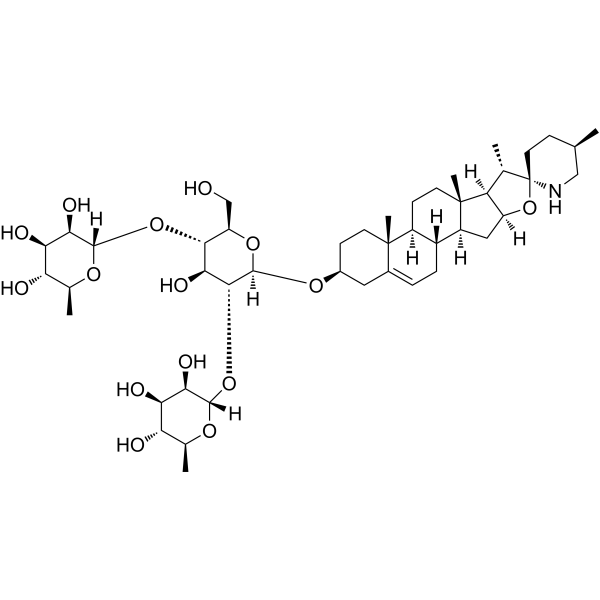
- Formula: C45H73NO15
- Molecular Weight: 868.06
Solamargine, a derivative from the steroidal solasodine in Solanum species, exhibits anticancer activities in numerous types of cancer. Solamargine induces non-selective cytotoxicity and P-glycoprotein inhibition. Solamargine significantly inhibits migration and invasion of HepG2 cells by down-regulating MMP-2 and MMP-9 expression and activity.
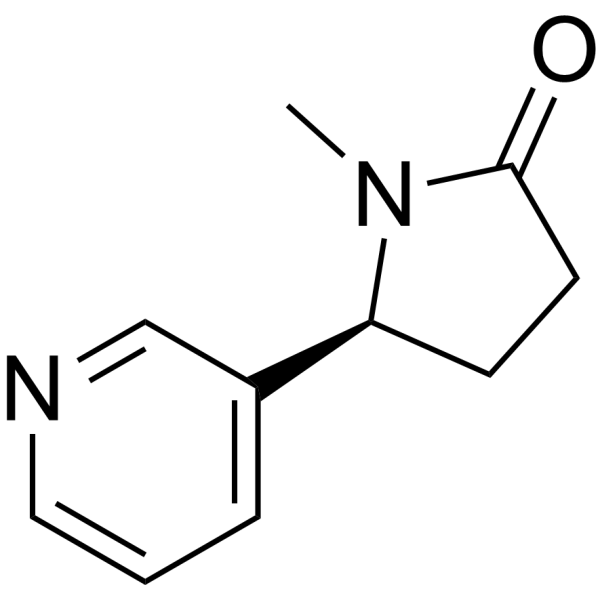
- Formula: C10H12N2O
- Molecular Weight: 176.22
Cotinine ((-)-Cotinine) is an orally active alkaloid found in tobacco and is the primary metabolite of nicotine. Cotinine is metabolized by CYP2A13 into trans-3'-hydroxycotinine. Cotinine is used as a biomarker to measure exposure to tobacco smoke components. Cotinine has vasodepressor activity. The mixture of cotinine and nicotine (Nicotine) has antiproliferative activity against pterygium. (S)-(-)-Cotinine activates nicotinic acetylcholine receptors (nAChR) in a calcium-dependent manner, leading to the release of dopamine (Dopamine, HY-B0451). Cotinine ((-)-Cotinine) is used in research related to cardiovascular and inflammatory diseases.
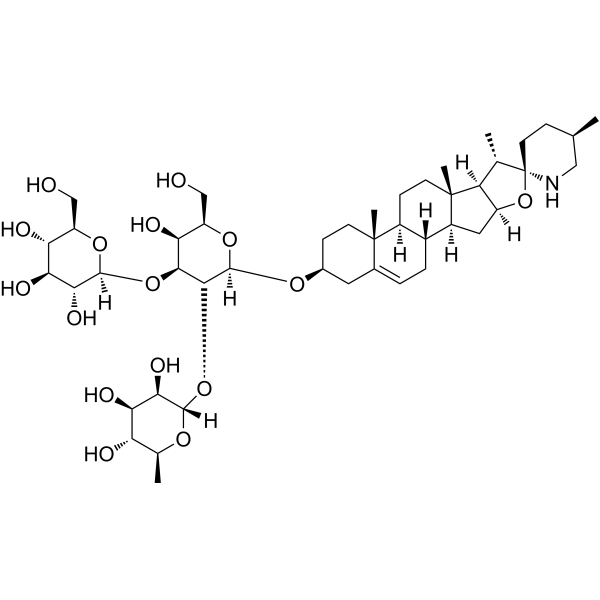
- Formula: C45H73NO16
- Molecular Weight: 884.06
Solasonine is a ferroptosis inducer which can be isolated from Solanum melongena that has anti-infection, anti-cancer, and neurogenesis promoting properties. Solasonine promotes ferroptosis of HCC cells via destruction of the glutathione redox system induced by inhibiting GPX4, and can be used for cancer research.
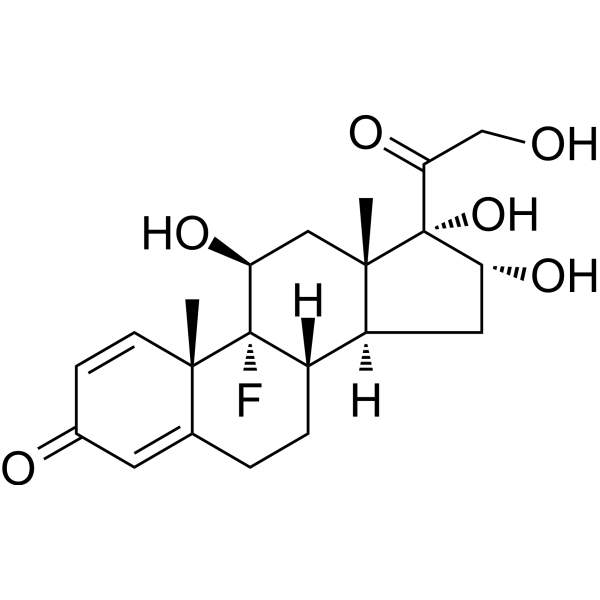
- Formula: C21H27FO6
- Molecular Weight: 394.43
Triamcinolone is a long-acting corticosteroid with anti-inflammatory, anti-oedematous, anti-proliferative, anti-angiogenetic, immunomodulatory and neuroprotective effects through binding to glucocorticoid receptors. Triamcinolone can relieve several dermatitis, immune diseases and ocular diseases.
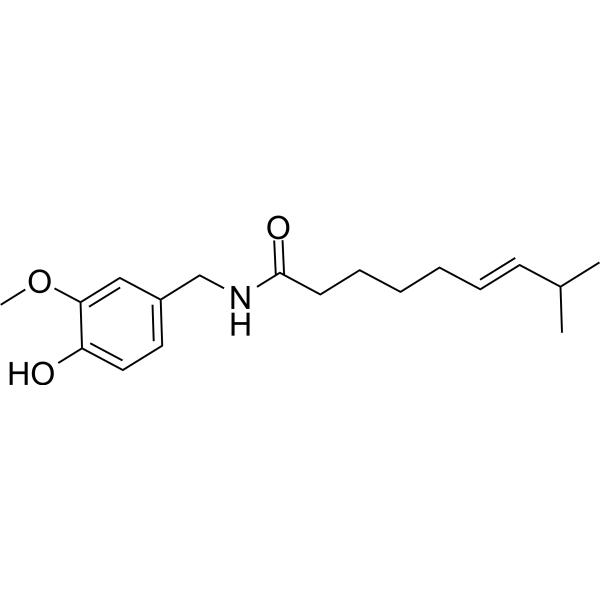
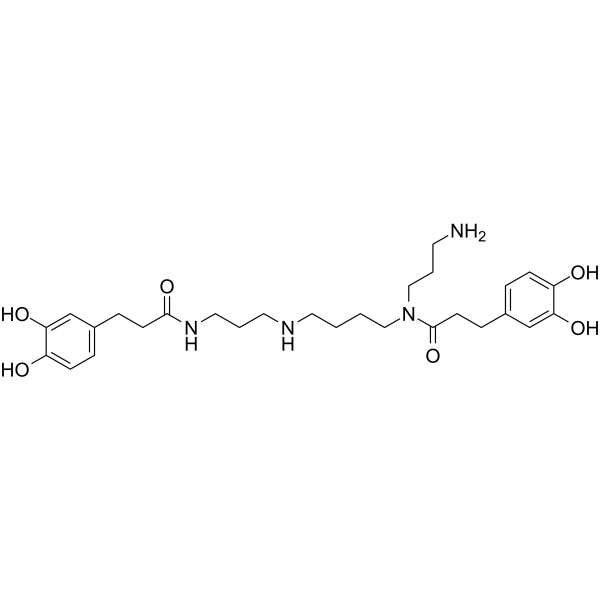
- Formula: C28H42N4O6
- Molecular Weight: 530.66
Kukoamine B, a spermine alkaloid, is a potent dual LPS and CpG DNA inhibitor with Kd values of 1.23 µM and 0.66 µM, respectively. Kukoamine B exerts anti-inflammatory, anti-diabetic, anti-oxidant, anti-osteoporotic and neuroprotective effects. Kukoamine B has the potential for the study of sepsis.
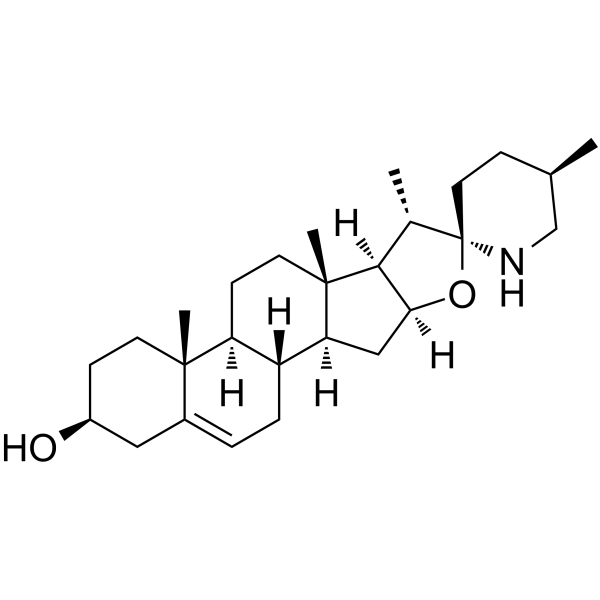
- Formula: C27H43NO2
- Molecular Weight: 413.64
Solasodine (Purapuridine) is a steroidal alkaloid that occurs in plants of the Solanaceae family. Solasodine induces apoptosis by inhibiting the p53-MDM2 complex, p21Waf1/Cip1, and Bcl-2 proteins. Solasodine has neuroprotective, antifungal, hypotensive, anticancer, antiatherosclerotic, antiandrogenic and anti-inflammatory activities.
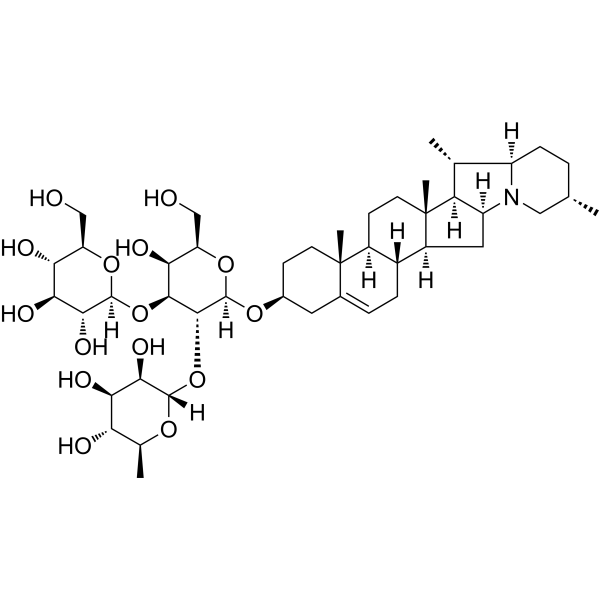
- Formula: C45H73NO15
- Molecular Weight: 868.06



