



Lycium chinense Miller
-
Lycium chinense Miller (11)

- 1
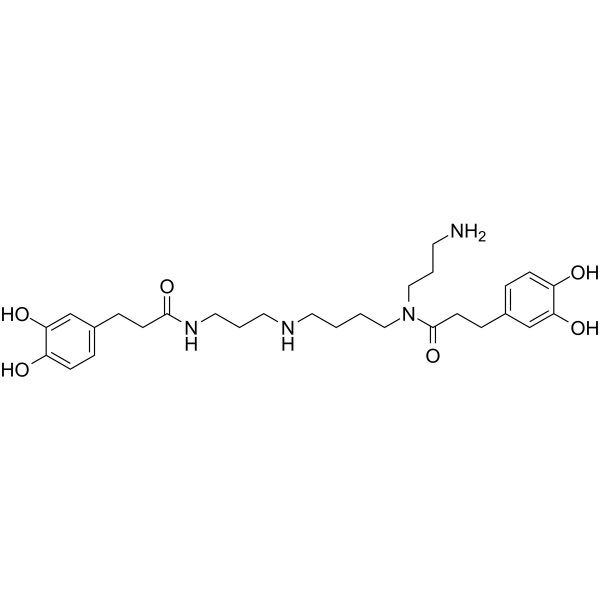
- Formula: C28H42N4O6
- Molecular Weight: 530.66
Kukoamine B, a spermine alkaloid, is a potent dual LPS and CpG DNA inhibitor with Kd values of 1.23 µM and 0.66 µM, respectively. Kukoamine B exerts anti-inflammatory, anti-diabetic, anti-oxidant, anti-osteoporotic and neuroprotective effects. Kukoamine B has the potential for the study of sepsis.
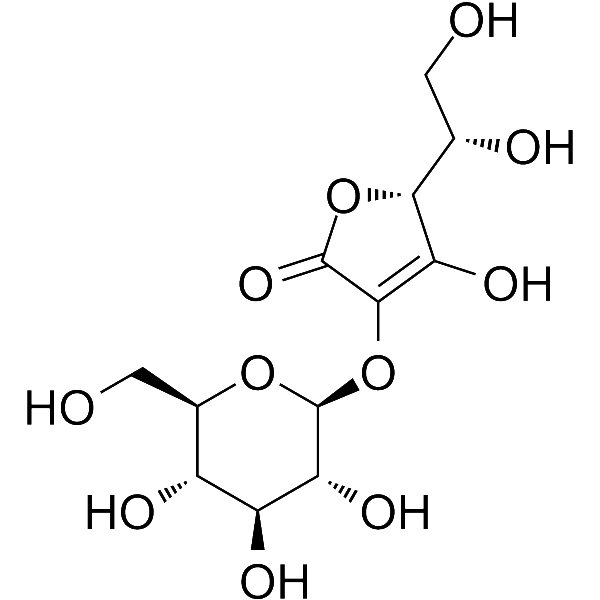
- Formula: C12H18O11
- Molecular Weight: 338.26
2-O-β-D-Glucopyranosyl-L-ascorbic acid (AA-2βG) is an orally active vitamin C derivative. 2-O-β-D-Glucopyranosyl-L-ascorbic acid exhibits multiple activities including antioxidant, anti-tumor and immunomodulatory effects. 2-O-β-D-Glucopyranosyl-L-ascorbic acid mediates tumor cell apoptosis, induces cell cycle arrest, scavenges free radicals and eliminates oxidative stress. 2-O-β-D-Glucopyranosyl-L-ascorbic acid can be used in studies related to cancer, inflammation and immunity.
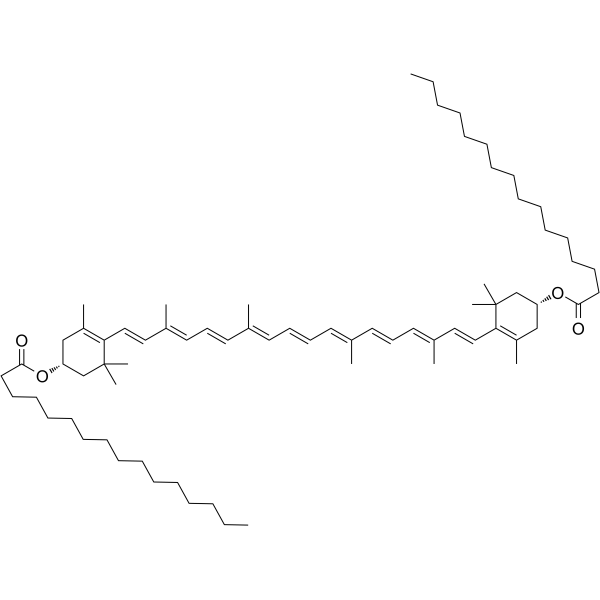
- Formula: C72H116O4
- Molecular Weight: 1045.69
Zeaxanthin dipalmitate (Physalien) is a wolfberry-derived carotenoid, has anti-inflammatory and anti-oxidative stress effects. Zeaxanthin dipalmitate directly interact with p2X7 receptor (Kd=81.2 nM) and adiponectin receptor 1 (AdipoR1; Kd=533 nM) in a positive dose-dependent manner. Zeaxanthin dipalmitate restores mitochondrial autophagy functions suppressed by ethanol intoxication. Zeaxanthin dipalmitate can be used in the research of alcoholic fatty liver disease (AFLD) and retinitis pigmentosa (RP).
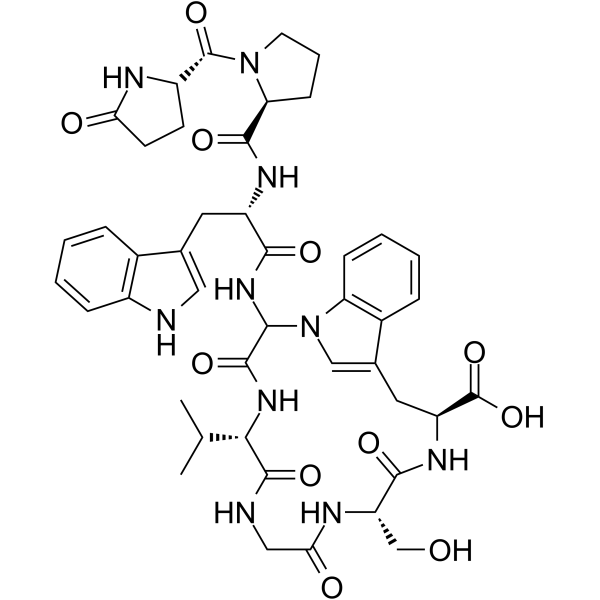
- Formula: C44H52N10O11
- Molecular Weight: 896.94
Lyciumin B is a cyclic peptide isolated from Lysium chinense.
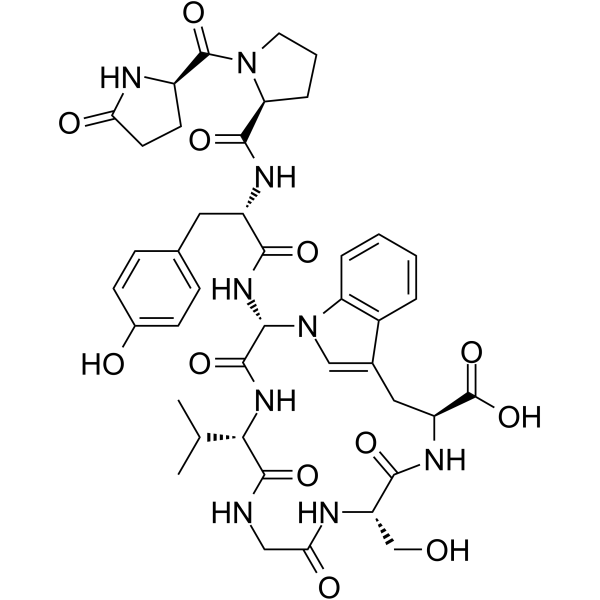
- Formula: C42H51N9O12
- Molecular Weight: 873.91
Lyciumin A, a cyclic octapeptide, exhibits inhibitory activity on proteases, renin and angiotensin-converting enzyme. Lyciumin A can be used for the research of hypertension.


- Formula: C49H57N9O12
- Molecular Weight: 964.03
Lyciumin C is a monocyclic octapeptide containing a novel C-N linkage between tryptophan N1 and glycine Cα, and can be found in the root bark of Lycium chinense MILL.

- Formula: C26H34O13
- Molecular Weight: 554.54
Meliasendanin D 4'-O-β-D-glucopyranoside (Example 1) is a neolignan-type lignan that may have potential functions in controlling blood sugar, lowering blood pressure, and exhibiting antibacterial, anti-inflammatory, analgesic, or immunomodulatory effects, which require further experimental verification.

- Formula: C28H42N4O6
- Molecular Weight: 530.66
Kukoamine B (Standard) is the analytical standard of Kukoamine B. This product is intended for research and analytical applications. Kukoamine B, a spermine alkaloid, is a potent dual LPS and CpG DNA inhibitor with Kd values of 1.23 µM and 0.66 µM, respectively. Kukoamine B exerts anti-inflammatory, anti-diabetic, anti-oxidant, anti-osteoporotic and neuroprotective effects. Kukoamine B has the potential for the study of sepsis.

- Formula: C40H75NO8
- Molecular Weight: 698.04
Antihepatotoxic agent-1 is a cerebroside present in Lycium chinense Fruits with antihepatotoxic activity. Antihepatotoxic agent-1 exerts a protective effect by blocking the release of alanine aminotransferase and sorbitol dehydrogenase from primary cultured rat hepatocytes intoxicated with carbon tetrachloride. Antihepatotoxic agent-1 can be used in studies related to liver injury.

- Formula: C36H36N2O8
- Molecular Weight: 624.68
Lyciumamide B is a natural product.
- 1



