



Solanum lycopersicum L.
-
Solanum lycopersicum L. (23)

- 1
- 2
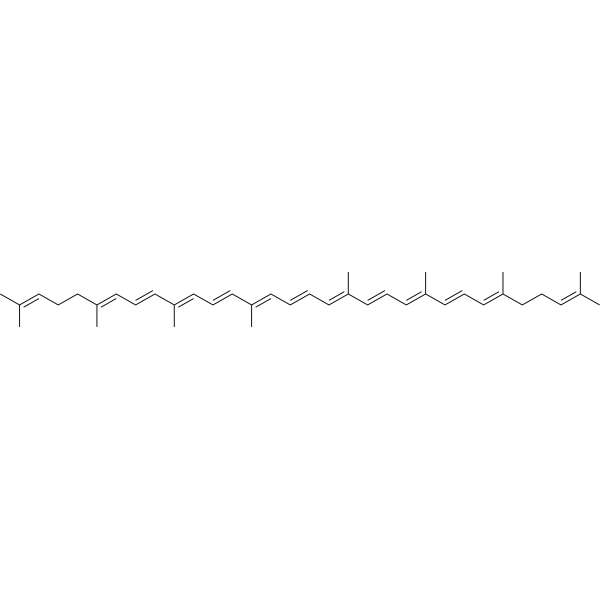
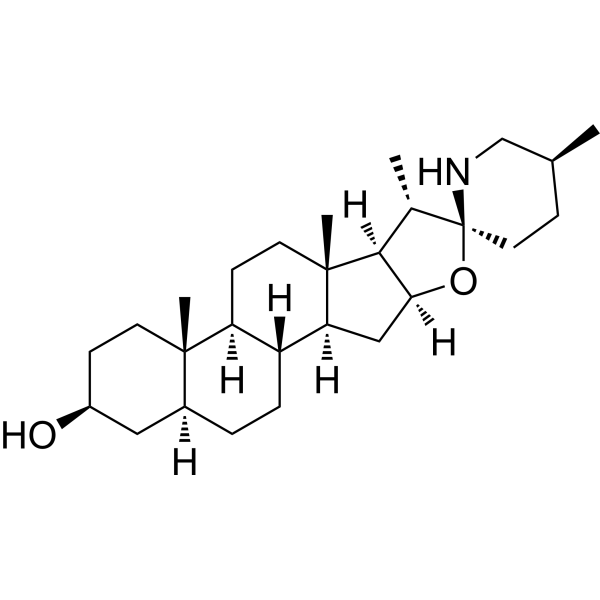
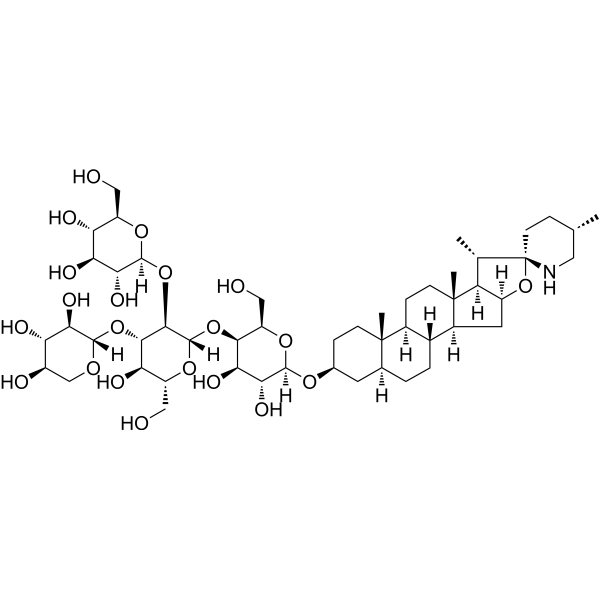
- Formula: C50H83NO21
- Molecular Weight: 1034.19
Tomatine is a glycoalkaloid, found in the tomato plant (Lycopersicon esculentum Mill.). Tomatine elicits neurotoxicity in RIP1 kinase and caspase-independent manner. Tomatine promotes the upregulation of nuclear apoptosis inducing factor (AIF) in neuroblastoma cells. Tomatine also inhibits 20S proteasome activity.
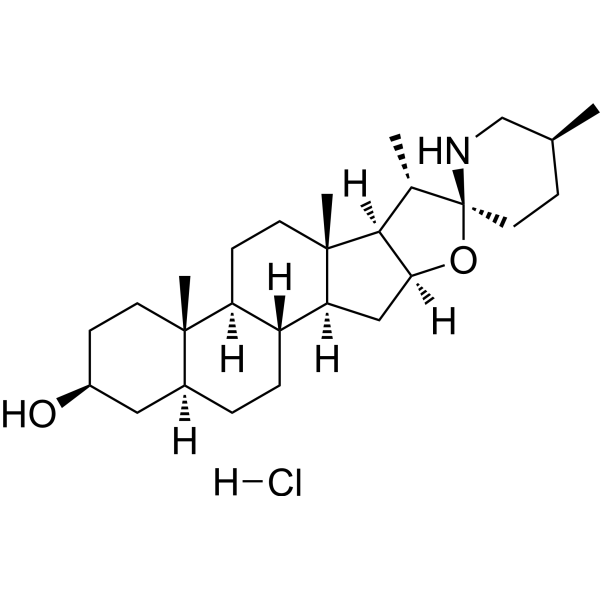
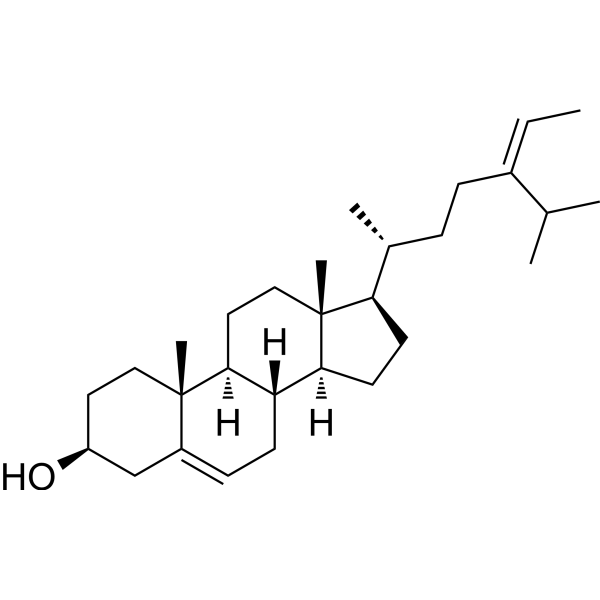
- Formula: C29H48O
- Molecular Weight: 412.69
Δ5-Avenasterol is an antioxidant that targets cyclooxygenase-2 (COX-2) and exists in tomato seed oil, oat grain oil, and wheat germ oil. Δ5-Avenasterol binds to the active site of COX-2, thereby blocking the conversion of arachidonic acid to inflammatory prostaglandins. Δ5-Avenasterol exerts antioxidant activity via the ethylene group at positions 24 and 28 of its side chain.

- Formula: C4H7NaO2
- Molecular Weight: 110.09
Sodium butyrate (Standard) is the analytical standard of Sodium butyrate (HY-B0350A). This product is intended for research and analytical applications. Sodium Butyrate (sodium butanoate) is an inhibitor of HDAC, possessing anti-tumor activity.

- Formula: C10H18O2
- Molecular Weight: 170.25
8-Hydroxylinalool is a linalool-derived monoterpene, found in floral extracts of Impatiens parviflora. 8-Hydroxylinalool triggers attraction responses in Diptera.

- Formula: C85H144N26O28S
- Molecular Weight: 2010.30
Systemin, an 18-amino acid polypeptide, has been isolated from tomato leaves that is a powerful inducer of over 15 defensive genes.
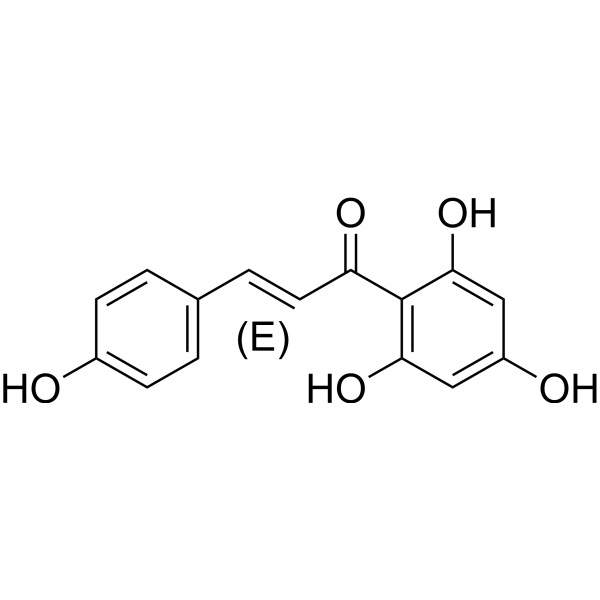
- Formula: C15H12O5
- Molecular Weight: 272.26
(E)-Naringenin chalcone is an orally active anti-allergic agent. (E)-Naringenin chalcone also has antioxidant, anti-inflammatory activities. (E)-Naringenin chalcone can improve adipocyte functions. (E)-Naringenin chalcone inhibits histamine release from rat peritoneal mast cell.

- Formula: C12H12N2O2
- Molecular Weight: 216.24

- Formula: C16H19NO7
- Molecular Weight: 337.32
Indole-3-acetyl β-D-glucopyranose is a glucose esterified derivative of the plant hormone indole-3-acetic acid (IAA). Indole-3-acetyl β-D-glucopyranose is involved in regulating plant growth and can be used to study the metabolism and regulatory mechanisms of plant hormones.


- Formula: C27H45NO4
- Molecular Weight: 447.65
Esculeogenin A is the sapogenol of tomato saponin Esculeoside A (HY-N18067). Esculeogenin A is an orally active hepatoprotective, hypolipidemic, and antioxidant agent. Esculeogenin A regulates molecular targets like PPARα, SREBP1, Nrf2, NF-κB, ACAT1/ACAT2 to promote hepatic fatty acid oxidation, suppress de novo lipogenesis, enhance antioxidant defense, and inhibit inflammation. Esculeogenin A improves liver function, alleviates hyperlipidemia, and inhibits hepatic steatosis and foam cell formation, preventing nonalcoholic fatty liver disease in high-fat-diet-fed rats and reducing atherosclerotic lesions in apoE-deficient mice. Esculeogenin A can be used for the research of nonalcoholic fatty liver disease, atherosclerosis, and hyperlipidemia.

- Formula: C15H20O8
- Molecular Weight: 328.31
4-(β-D-Glucopyranosyloxy) benzenepropanoic acid is a phenolic acid glycoside natural product, which has an O-β-D-glucoside structure formed by a phenylpropanoic acid derivative and glucose.

- Formula: C7H16O
- Molecular Weight: 116.20
4-Heptanol (Dipropylcarbinol) is a volatile component. 4-Heptanol can be isolated from tomatoes.

- Formula: C15H22
- Molecular Weight: 202.34
(R)-(-)-Curcumene is a 7-epizingiberene derivative and repellent. (R)-(-)-Curcumene can be derived from Tomato. (R)-(-)-Curcumene repells B. tabaci.

- Formula: C10H16
- Molecular Weight: 136.23
2-Carene is an active ingredient that can be extracted from Solanum lycopersicum. 2-Carene belongs to monoterpenoid compounds.

- Formula: C40H56O2
- Molecular Weight: 568.87
Tunaxanthin is a xanthophyll, exists in fruits of various tomato strains and their hybrid. Tunaxanthin is also a carotenoid present in fish.

- Formula: C40H64
- Molecular Weight: 544.94
Phytoene (trans-Phytoene) is a carotene pigment. Phytoene is the precursor of all carotenoids. Phytoene is the predominant PT isomer in most carotenogenic organisms. Phytoene can delay the skin tumors appearance and reduce their number in mice that are induced the tumors with UV-B light. Phytoene leads to protection against oxidative stress and malignant transformation. Phytoene inhibits the proliferation of breast cancer cells.
- 1
- 2



