Search Result
Results for "
Megakaryocytes/D-Luciferin
" in MedChemExpress (MCE) Product Catalog:
1
Biochemical Assay Reagents
2
Isotope-Labeled Compounds
| Cat. No. |
Product Name |
Target |
Research Areas |
Chemical Structure |
-
- HY-12591B
-
|
D-(-)-Luciferin potassium; Firefly Luciferin potassium; Beetle Luciferin potassium
|
Fluorescent Dye
|
Others
|
|
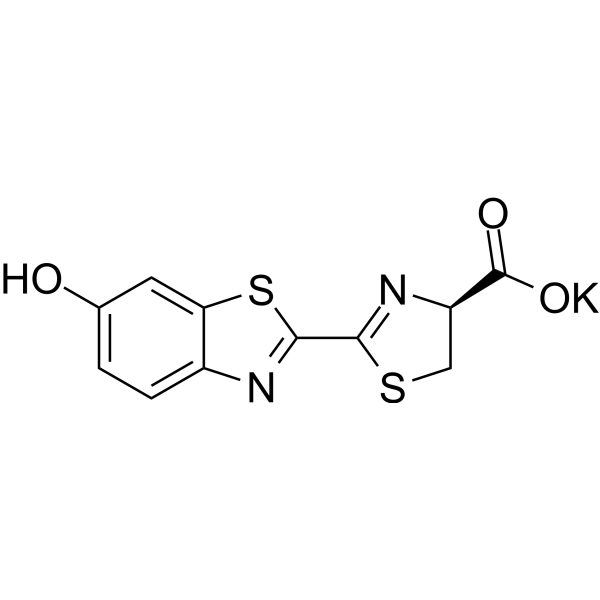
D-luciferin potassium is the natural substrate of the enzyme luciferase (Luc) that catalyzes the production of the typical yellowgreen light of fireflies. The 560 nm chemiluminescence from this reaction peaks within seconds, with light output that is proportional to luciferase concentration when the substrate luciferin is present in excess. The luciferase (luc) gene is a popular reporter gene for research and agent screening. Chemiluminescent techniques are virtually background-free, making the luc reporter gene ideal for detecting low-level gene expression. As little as 0.02 pg of luciferase can be reliably measured in a standard scintillation counter. In addition to its role as a reporter of gene expression, luciferase is commonly used in an extremely sensitive assay for ATP . We offer the firefly luciferase (HY-P1004A), luciferin free acid (HY-12591A), as well as its water-soluble sodium salts (HY-12591) and potassium salts (HY-12591B) .
|
-
-
- HY-12591
-
|
D-(-)-Luciferin sodium; Firefly Luciferin sodium; Beetle Luciferin sodium
|
Fluorescent Dye
|
Others
|
|
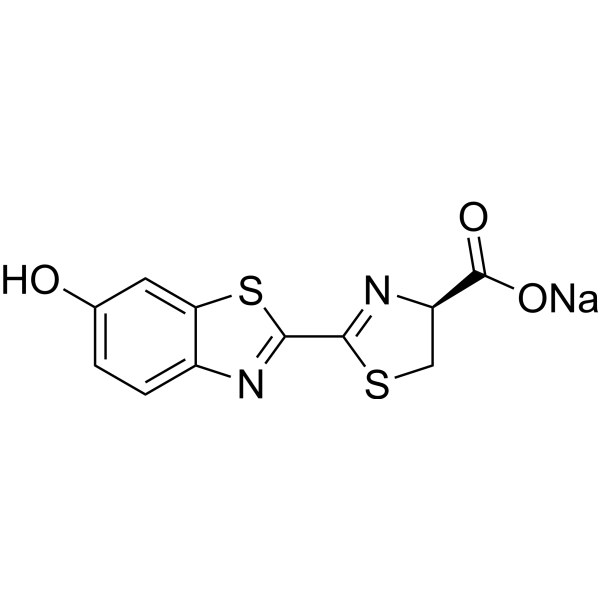
D-luciferin sodium is the natural substrate of the enzyme luciferase (Luc) that catalyzes the production of the typical yellowgreen light of fireflies. The 560 nm chemiluminescence from this reaction peaks within seconds, with light output that is proportional to luciferase concentration when the substrate luciferin is present in excess. The luciferase (luc) gene is a popular reporter gene for research and agent screening. Chemiluminescent techniques are virtually background-free, making the luc reporter gene ideal for detecting low-level gene expression. As little as 0.02 pg of luciferase can be reliably measured in a standard scintillation counter. In addition to its role as a reporter of gene expression, luciferase is commonly used in an extremely sensitive assay for ATP . We of er the firefly luciferase (HY-P1004A), luciferin free acid (HY-12591A), as well as its water-soluble sodium salts (HY-12591) and potassium salts (HY-12591B) .
|
-
-
- HY-12591A
-
D-Luciferin
Maximum Cited Publications
110 Publications Verification
D-(-)-Luciferin; Firefly Luciferin; Beetle Luciferin
|
Fluorescent Dye
|
Others
|
|
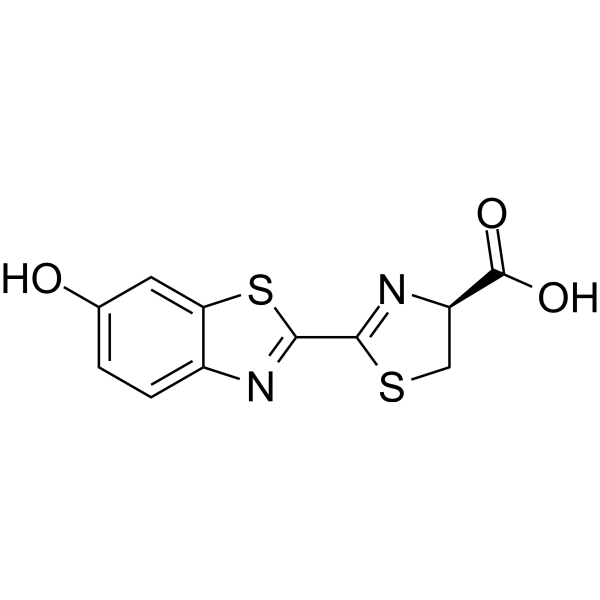
D-luciferin is the natural substrate of the enzyme luciferase (Luc) that catalyzes the production of the typical yellowgreen light of fireflies. The 560 nm chemiluminescence from this reaction peaks within seconds, with light output that is proportional to luciferase concentration when the substrate luciferin is present in excess. The luciferase (luc) gene is a popular reporter gene for research and agent screening. Chemiluminescent techniques are virtually background-free, making the luc reporter gene ideal for detecting low-level gene expression. As little as 0.02 pg of luciferase can be reliably measured in a standard scintillation counter. In addition to its role as a reporter of gene expression, luciferase is commonly used in an extremely sensitive assay for ATP . We of er the firefly luciferase (HY-P1004A), luciferin free acid (HY-12591A), as well as its water-soluble sodium salts (HY-12591) and potassium salts (HY-12591B) .
|
-
-
- HY-15306
-
|
SB-497115
|
Thrombopoietin Receptor
Bacterial
Apoptosis
|
Infection
Cardiovascular Disease
Cancer
|
|
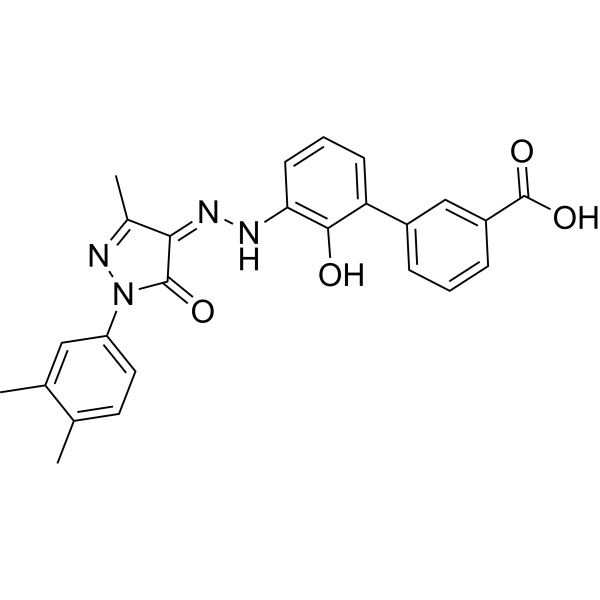
Eltrombopag (SB-497115) is an orally active thrombopoietin receptor nonpeptide agonist. Eltrombopag owns thrombopoietic activity, and has been used to research low blood platelet counts with chronic immune thrombocytopenia. Eltrombopag can be used for the research of cardiovascular. Eltrombopag also has highly inhibitory effects against multidrug resistant Staphylococcus aureus. Eltrombopag can induce apoptosis in hepatocellular carcinomab (HCC) as well .
|
-
-
- HY-112641A
-
|
|
Fluorescent Dye
|
Cancer
|
|
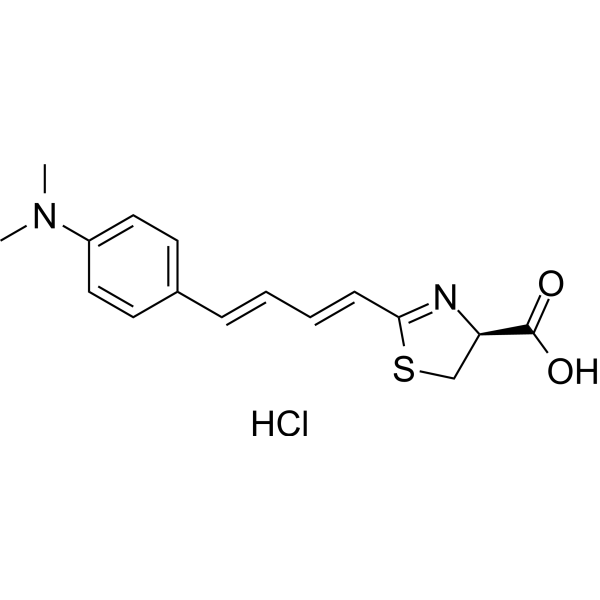
AkaLumine hydrochloride is a D-luciferin (HY-12591A) analogue with a Km of 2.06 μM for recombinant firefly luciferase (Fluc) protein. AkaLumine hydrochloride emits near-infrared (NIR) light (λmax=677 nm) in reactions with native Fluc. AkaLumine hydrochloride has high tissue-penetration and increases detection sensitivity from deep-tissue targets .
|
-
-
- HY-15306A
-
|
Eltrombopag diethanolamine salt; SB-497115GR
|
Thrombopoietin Receptor
Bacterial
Apoptosis
|
Infection
Cardiovascular Disease
Cancer
|
|
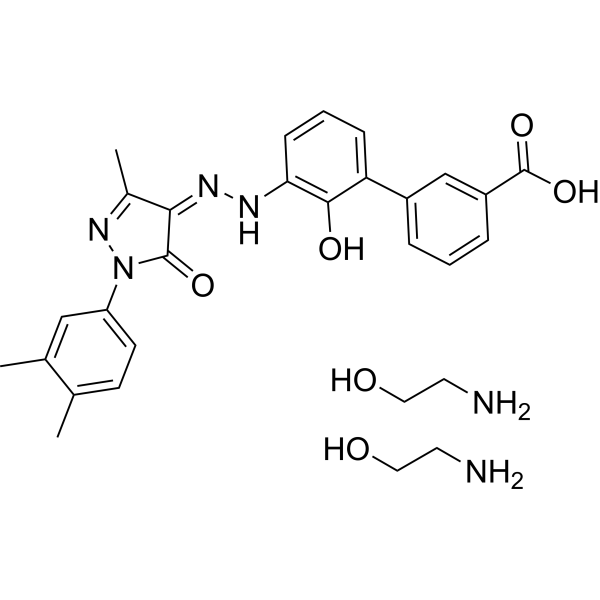
Eltrombopag Olamine (Eltrombopag diethanolamine salt) is an orally active thrombopoietin receptor nonpeptide agonist. Eltrombopag Olamine owns thrombopoietic activity, and has been used to research low blood platelet counts with chronic immune thrombocytopenia. Eltrombopag Olamine can be used for the research of cardiovascular. Eltrombopag Olamine also has highly inhibitory effects against multidrug resistant Staphylococcus aureus. Eltrombopag Olamine can induce apoptosis in hepatocellular carcinomab (HCC) as well .
|
-
-
- HY-111653
-
CycLuc1
2 Publications Verification
|
Reactive Oxygen Species (ROS)
|
Others
|
|
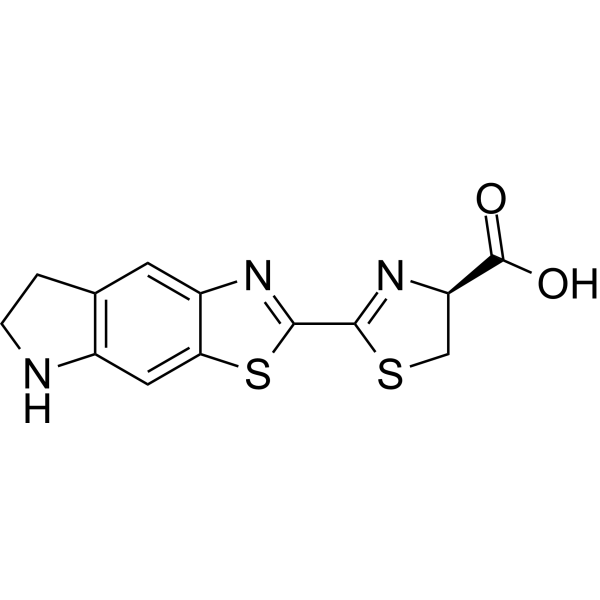
CycLuc1 is a blood-brain barrier permeable luciferase substrate that displays near-infrared (NIR) emission with a peak luminescence wavelength of 599 nm. CycLuc1 can be used for in vivo bioluminescence imaging .
|
-
-
- HY-112486
-
|
Megakaryocytes/platelets inducing agent
|
Cyclin G-associated Kinase (GAK)
|
Cardiovascular Disease
|
|
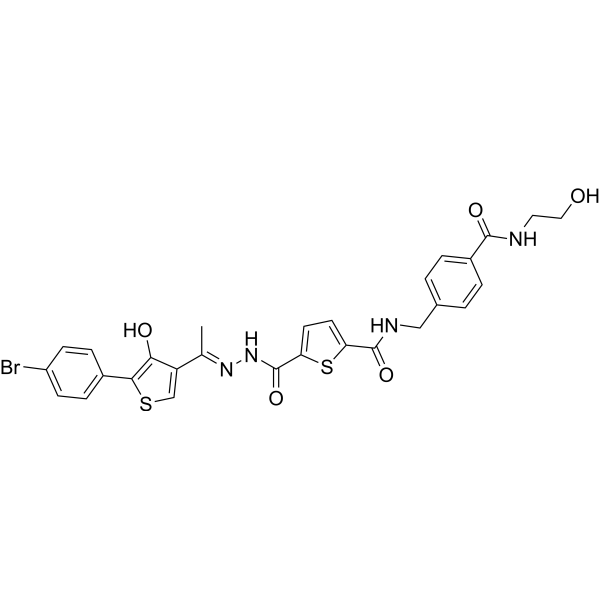
TA-3166 (Megakaryocytes/platelets inducing agent) is a novel chemically synthesized c-MPL agonist (CMA) and thrombopoietin (TPO) receptor agonist. TA-316 enhances ex vivo platelet generation from human-induced pluripotent stem (iPS) cells .
|
-
-
- HY-126994
-
|
|
Fluorescent Dye
|
Others
|
|
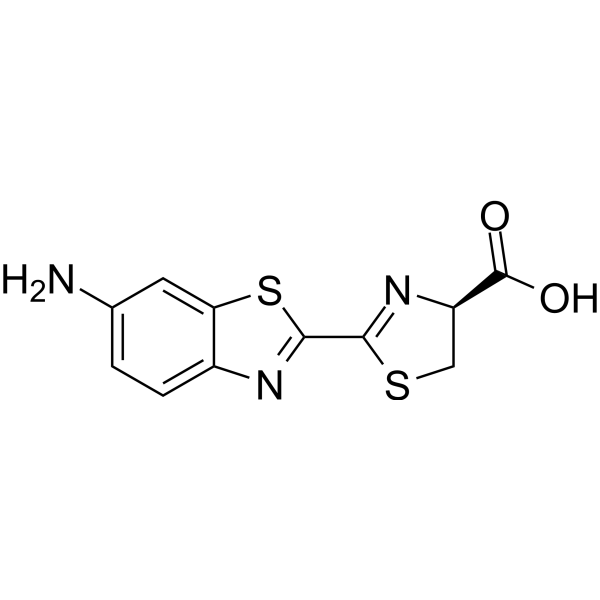
6’-Amino-D-luciferin is a derivative of D-luciferin (HY-12591A) with an amino group replacing the 6-hydroxyl group. 6’-Amino-D-luciferin is a natural substrate of luciferase (Luc) and can be used for IVIS imaging in cell/animal experiments[1][2][3].
|
-
-
- HY-P1004A
-
|
|
Fluorescent Dye
|
Others
|
|
Luciferase, firefly is the light-emitting enzyme responsible for the bioluminescence of fireflies and click beetles. Luciferase, firefly catalytic substrate is D-luciferin (HY-12591B) .
|
-

-
- HY-13463
-
|
AKR-501; E5501; YM477
|
Thrombopoietin Receptor
|
Inflammation/Immunology
Cancer
|
|
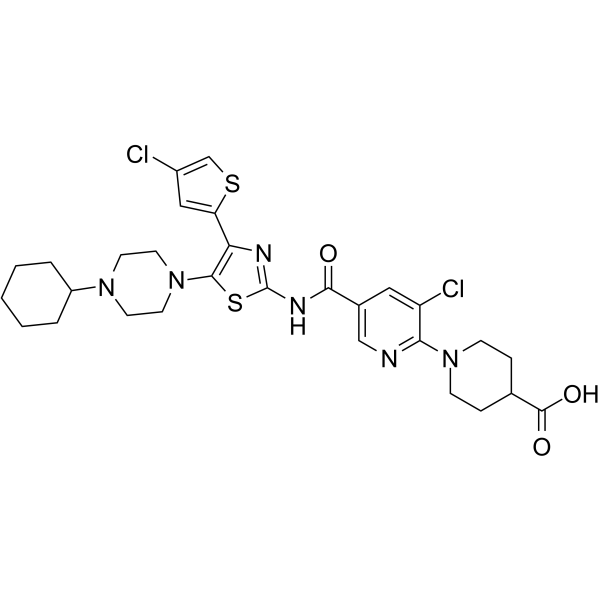
Avatrombopag (AKR-501) is an orally active, nonpeptide thrombopoietin (TPO) receptor agonist (EC50=3.3 nM). Avatrombopag mimics the biological activities of TPO. Avatrombopag increases platelet production by activating the intracellular signaling system, and promotes production of platelets and megakaryocytes from hemopoietic precursor cells. Avatrombopag is a substrate of cytochrome P450 (CYP) 2C9 and CYP3A .
|
-
-
- HY-P990685
-
|
|
Cyclin G-associated Kinase (GAK)
|
Cardiovascular Disease
|
|
Romiplostim is an Fc-peptide fusion protein mimetic of TPO (thrombopoietin protein) and also a c-Mpl agonist. Romiplostim binds to c-Mpl, stimulates megakaryocyte-mediated thrombopoiesis, and activates the same downstream signaling pathways as endogenous TPO. Romiplostim is applicable to research related to hematopoietic acute radiation syndrome and chronic immune thrombocytopenia .
|
-

-
- HY-B0523
-
|
|
Phosphodiesterase (PDE)
Apoptosis
|
Cardiovascular Disease
Cancer
|
|
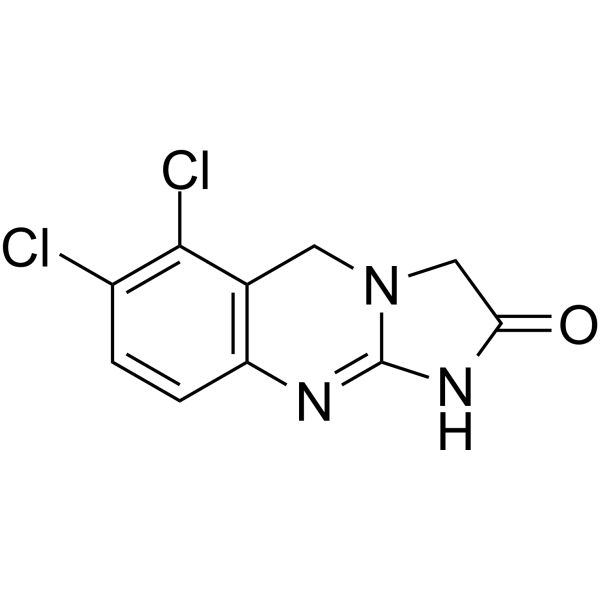
Anagrelide is a potent inhibitor of phosphodiesterase type III (PDE3) (IC50=36 nM). Anagrelide, an imidazoquinazoline derivative, acts as an inhibitor of platelet aggregation. Anagrelide inhibits bone marrow megakaryocytopoiesis. Anagrelide decreases gastrointestinal stromal tumor (GIST) cell proliferation and promotes their apoptosis in vitro. Anagrelide is a platelet-lowering agent and plays in the antithrombopoietic action .
|
-
-
- HY-101453
-
|
|
P-glycoprotein
|
Cancer
|
|
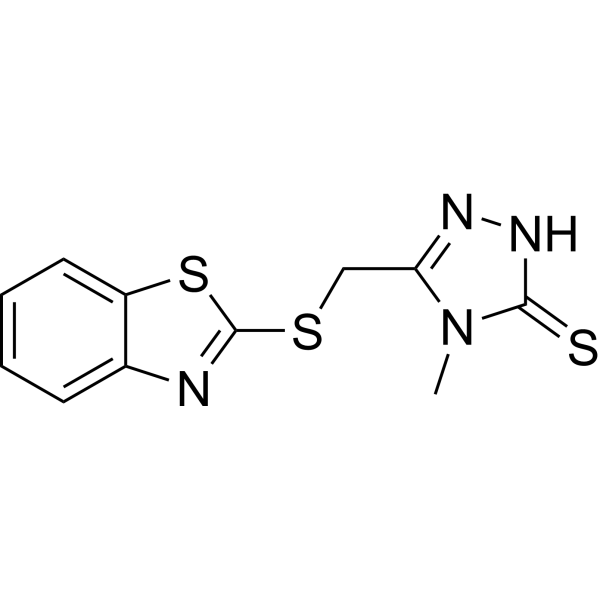
Ceefourin 1 is a potent and highly selective multidrug resistance protein 4 (MRP4) inhibitor. Ceefourin 1 inhibits transport of a broad range of MRP4 substrates, yet is highly selective for MRP4 over other ABC transporters. Ceefourin 1 is a benzothiazol and primarily as a chemosensitizer for high-risk neuroblastoma .
|
-
-
- HY-115749
-
|
6′-MethoxyLuciferin
|
Fluorescent Dye
|
Others
|
|
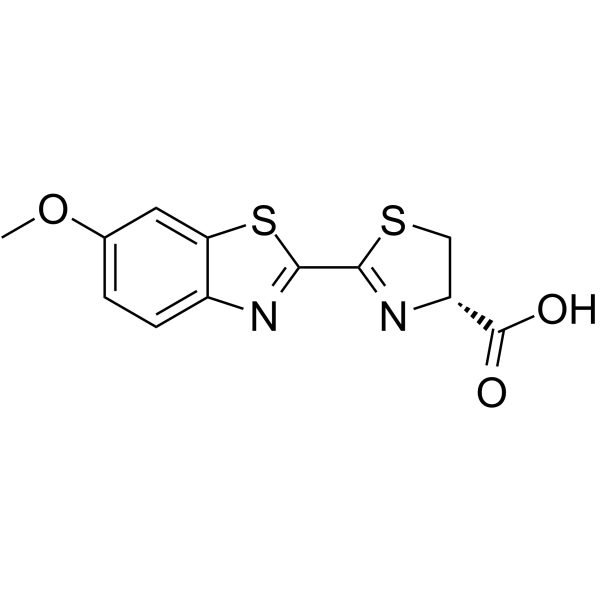
D-Luciferin 6′-methyl ether (6′-Methoxyluciferin; compound 19a) is a potent luciferase from the North American firefly Photinus pyralis (PpyLuc) inhibitor with an IC50 of 0.1 µM. D-Luciferin 6′-methyl ether, a D-luciferin analog, shows non-specific interactions at ATP- and luciferin-binding sites of the PpyLuc active site .
|
-
-
- HY-13463A
-
|
AKR-501 maleate; E5501 maleate; YM477 maleate
|
Thrombopoietin Receptor
Cytochrome P450
ERK
STAT
|
Inflammation/Immunology
Cancer
|
|
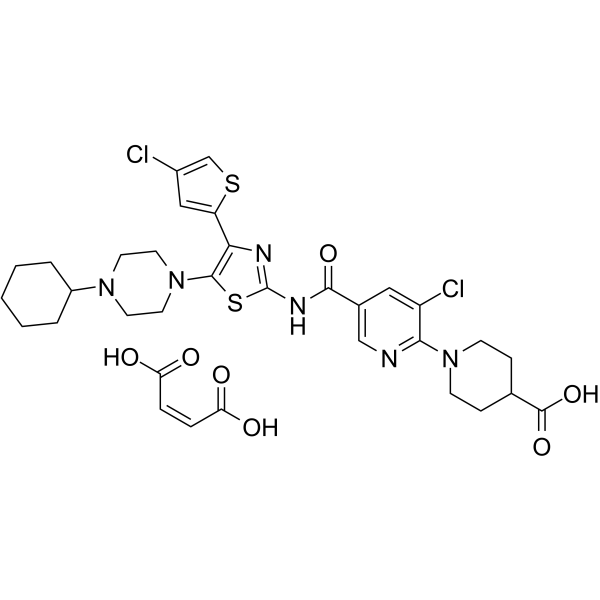
Avatrombopag (AKR-501) maleate is an orally active, non-peptide thrombopoietin receptor (TPO receptor) agonist (EC50: 3.3 nM). Avatrombopag maleate mimics the biological activity of TPO. Avatrombopag maleate increases platelet production by activating intracellular signaling systems and promotes the production of platelets and megakaryocytes from hematopoietic precursor cells. Avatrombopag maleate is a substrate for cytochrome P450 (CYP) 2C9 and CYP3A .
|
-
-
- HY-D1343
-
|
|
Fluorescent Dye
|
|
|
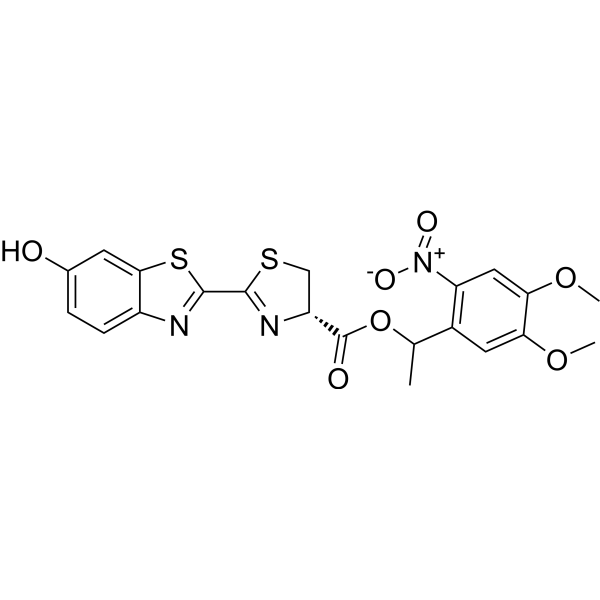
DMNPE-caged D-luciferin is a heterocyclic luminescent compound that is a natural ligand for luciferase, an enzyme used to detect cell activity. Its reaction requires ATP and emits yellow-green light with a peak wavelength of about 530 nm. The luciferin in the DMNPE cage easily crosses the cell membrane.
|
-
-
- HY-148843
-
|
|
Fluorescent Dye
|
Others
|
|
D-Luciferin phosphate trisodium is a synthetic and bioluminescent substrate for firefly luciferase. D-Luciferin phosphate trisodium is dephosphorylated in the presence of alkaline phosphatase, releasing the free D-fluorescein. D-Luciferin phosphate trisodium is mainly used for highly sensitive detection of phosphatase .
|
-

-
- HY-169740
-
|
|
Fluorescent Dye
|
Others
|
|
L-Luciferin is a competitive inhibitor of firefly Luciferin and can be used as an alternative substrate for light production, increasing the concentration of the enzyme or L-luciferin reduces the amount of light produced compared to D-Luciferin catalysis .
|
-

-
- HY-D1904
-
|
|
Fluorescent Dye
|
Others
|
|
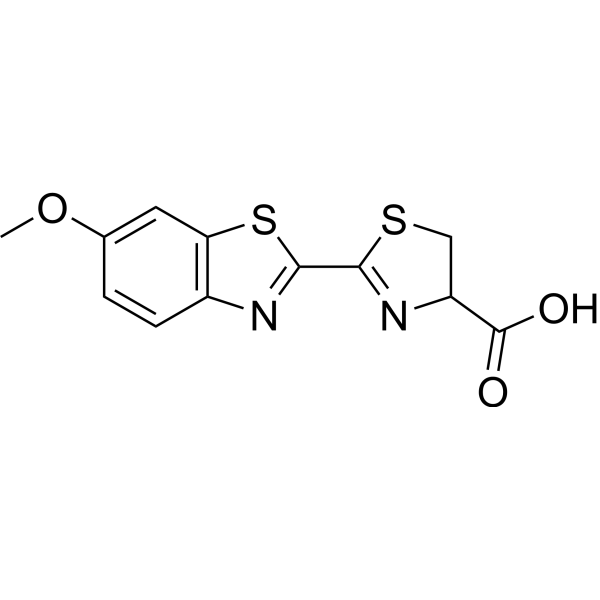
D-Luciferin 6'-methyl ether sodium salt is a firefly luciferase inhibitor. D-Luciferin 6'-methyl ether sodium salt is a cofactor in Luc-catalyzed synthesis of dinucleoside polyphosphates .
|
-
-
- HY-13463B
-
|
AKR-501 hydrochloride; E5501 hydrochloride; YM477 hydrochloride
|
Thrombopoietin Receptor
|
Cardiovascular Disease
Cancer
|
|
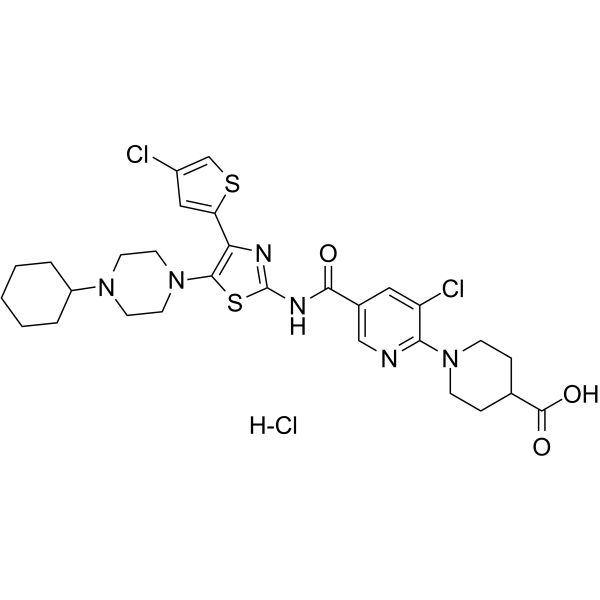
Avatrombopag (AKR-501) hydrochloride is an orally active, nonpeptide thrombopoietin (TPO) receptor agonist (EC50=3.3 nM). Avatrombopag hydrochloride mimics the biological activities of TPO. Avatrombopag hydrochloride increases platelet production by activating the intracellular signaling system, and promotes production of platelets and megakaryocytes from hemopoietic precursor cells. Avatrombopag hydrochloride is a substrate of cytochrome P450 (CYP) 2C9 and CYP3A .
|
-
-
- HY-115749A
-
|
(Rac)-6′-MethoxyLuciferin sodium
|
Drug Derivative
|
Others
|
|
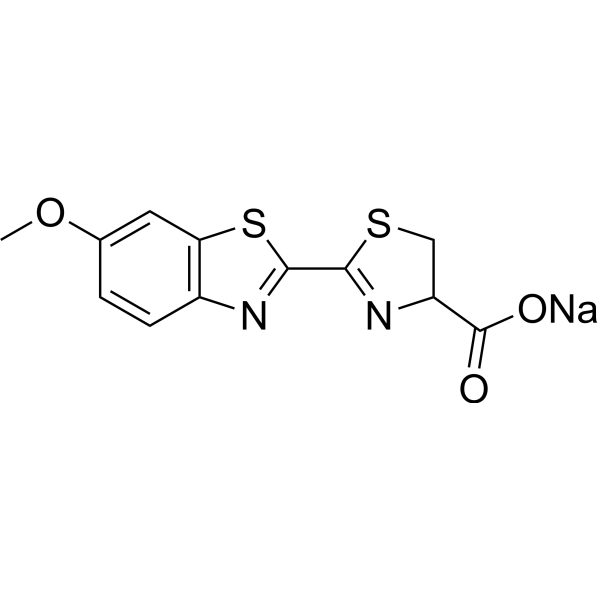
D-Luciferin 6′-methyl ether (6′-Methoxyluciferin; compound 19a) sodium is a potent luciferase from the North American firefly Photinus pyralis (PpyLuc) inhibitor with an IC50 of 0.1 μM. D-Luciferin 6′-methyl ether, a D-luciferin analog, shows non-specific interactions at ATP- and luciferin-binding sites of the PpyLuc active site .
|
-
-
- HY-112486G
-
|
Megakaryocytes/platelets inducing agent (GMP)
|
Cyclin G-associated Kinase (GAK)
|
Cardiovascular Disease
|
|
TA-316 (GMP) is TA-316 (HY-112486) produced by using GMP guidelines. GMP grade small molecules can be used as auxiliary agents in cell therapy. TA-316 is a c-MPL agonist and a thrombopoietin (TPO) receptor agonist .
|
-

-
- HY-13463R
-
|
AKR-501 (Standard); E5501 (Standard); YM477 (Standard)
|
Reference Standards
Thrombopoietin Receptor
|
Inflammation/Immunology
Cancer
|
|
Avatrombopag (Standard) is the analytical standard of Avatrombopag. This product is intended for research and analytical applications. Avatrombopag (AKR-501) is an orally active, nonpeptide thrombopoietin (TPO) receptor agonist (EC50=3.3 nM). Avatrombopag mimics the biological activities of TPO. Avatrombopag increases platelet production by activating the intracellular signaling system, and promotes production of platelets and megakaryocytes from hemopoietic precursor cells. Avatrombopag is a substrate of cytochrome P450 (CYP) 2C9 and CYP3A .
|
-

-
- HY-13463BS
-
|
AKR-501-d8 hydrochloride; E5501-d8 hydrochloride; YM477-d8 hydrochloride
|
Isotope-Labeled Compounds
Thrombopoietin Receptor
|
Cardiovascular Disease
|
|
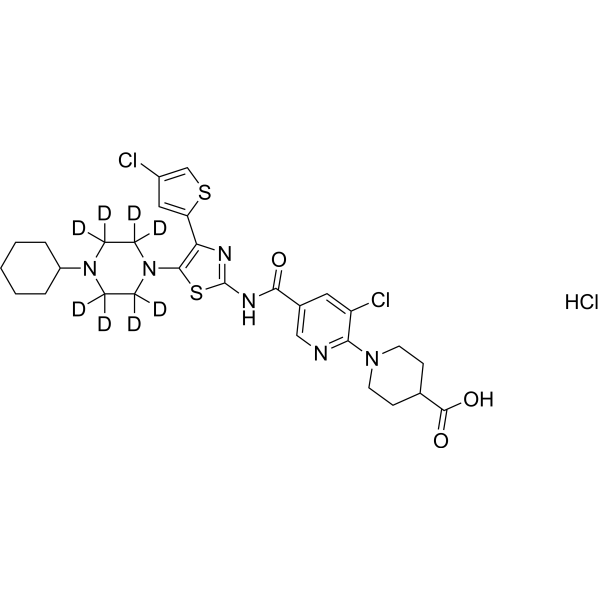
Avatrombopag-d8 (hydrochloride) is deuterium labeled Avatrombopag (hydrochloride). Avatrombopag (AKR-501) hydrochloride is an orally active, nonpeptide thrombopoietin (TPO) receptor agonist (EC50=3.3 nM). Avatrombopag hydrochloride mimics the biological activities of TPO. Avatrombopag hydrochloride increases platelet production by activating the intracellular signaling system, and promotes production of platelets and megakaryocytes from hemopoietic precursor cells. Avatrombopag hydrochloride is a substrate of cytochrome P450 (CYP) 2C9 and CYP3A .
|
-
-
- HY-15306R
-
|
SB-497115 (Standard)
|
Reference Standards
Thrombopoietin Receptor
Bacterial
Apoptosis
|
Infection
Cardiovascular Disease
Cancer
|
|
Eltrombopag (Standard) is the analytical standard of Eltrombopag. This product is intended for research and analytical applications. Eltrombopag (SB-497115) is an orally active thrombopoietin receptor nonpeptide agonist. Eltrombopag owns thrombopoietic activity, and has been used to research low blood platelet counts with chronic immune thrombocytopenia. Eltrombopag can be used for the research of cardiovascular. Eltrombopag also has highly inhibitory effects against multidrug resistant Staphylococcus aureus. Eltrombopag can induce apoptosis in hepatocellular carcinomab (HCC) as well .
|
-

-
- HY-15306AR
-
|
Eltrombopag diethanolamine salt (Standard); SB-497115GR (Standard)
|
Reference Standards
Thrombopoietin Receptor
Bacterial
Apoptosis
|
Infection
Cardiovascular Disease
Cancer
|
|
Eltrombopag (Olamine) (Standard) is the analytical standard of Eltrombopag (Olamine). This product is intended for research and analytical applications. Eltrombopag Olamine (Eltrombopag diethanolamine salt) is an orally active thrombopoietin receptor nonpeptide agonist. Eltrombopag Olamine owns thrombopoietic activity, and has been used to research low blood platelet counts with chronic immune thrombocytopenia. Eltrombopag Olamine can be used for the research of cardiovascular. Eltrombopag Olamine also has highly inhibitory effects against multidrug resistant Staphylococcus aureus. Eltrombopag Olamine can induce apoptosis in hepatocellular carcinomab (HCC) as well .
|
-

-
- HY-14756
-
|
|
Thrombopoietin Receptor
|
Others
|
|
Totrombopag is an orally effective thrombopoietin receptor (TpoR) agonist. By activating TpoR, Totrombopag initiates an intracellular signaling cascade mediated by JAK2 kinase and the transcription factor Stat5, a signaling process that is the primary mechanism regulating megakaryocyte growth and differentiation into platelets. Totrombopag can be used to study platelet production and megakaryocyte biology .
|
-

-
- HY-135041
-
|
SB-559448 choline
|
Thrombopoietin Receptor
|
Others
|
|
Totrombopag (SB-559448) choline is an orally effective thrombopoietin receptor (TpoR) agonist. By activating TpoR, Totrombopag choline initiates an intracellular signaling cascade mediated by JAK2 kinase and the transcription factor Stat5, a signaling process that is the primary mechanism regulating megakaryocyte growth and differentiation into platelets. Totrombopag choline can be used to study platelet production and megakaryocyte biology .
|
-

-
- HY-112641
-
|
|
Fluorescent Dye
|
Cancer
|
|
AkaLumine is a D-luciferin (HY-12591A) analogue with a Km of 2.06 μM for recombinant firefly luciferase (Fluc) protein. AkaLumine emits near-infrared (NIR) light (λmax=677 nm) in reactions with native Fluc. AkaLumine has high tissue-penetration and increases detection sensitivity from deep-tissue targets .
|
-

-
- HY-13463BR
-
|
AKR-501 hydrochloride (Standard); E5501 hydrochloride (Standard); YM477 hydrochloride (Standard)
|
Thrombopoietin Receptor
Reference Standards
|
Cardiovascular Disease
Cancer
|
|
Avatrombopag (hydrochloride) (Standard) is the analytical standard of Avatrombopag (hydrochloride). This product is intended for research and analytical applications. Avatrombopag (AKR-501) hydrochloride is an orally active, nonpeptide thrombopoietin (TPO) receptor agonist (EC50=3.3 nM). Avatrombopag hydrochloride mimics the biological activities of TPO. Avatrombopag hydrochloride increases platelet production by activating the intracellular signaling system, and promotes production of platelets and megakaryocytes from hemopoietic precursor cells. Avatrombopag hydrochloride is a substrate of cytochrome P450 (CYP) 2C9 and CYP3A .
|
-

-
- HY-13463AR
-
|
AKR-501 maleate (Standard); E5501 maleate (Standard); YM477 maleate (Standard)
|
Thrombopoietin Receptor
Cytochrome P450
ERK
STAT
Reference Standards
|
Inflammation/Immunology
Cancer
|
|
Avatrombopag (maleate) (Standard) is the analytical standard of Avatrombopag (maleate). This product is intended for research and analytical applications. Avatrombopag maleate (AKR-501) is an orally active, nonpeptide thrombopoietin (TPO) receptor agonist (EC50=3.3 nM). Avatrombopag maleate mimics the biological activities of TPO. Avatrombopag maleate increases platelet production by activating the intracellular signaling system, and promotes production of platelets and megakaryocytes from hemopoietic precursor cells. Avatrombopag maleate is a substrate of cytochrome P450 (CYP) 2C9 and CYP3A .
|
-

-
- HY-174644
-
|
|
mRNA
|
Inflammation/Immunology
|
|
Human IL11 mRNA encodes the human interleukin 11 (IL11) protein, a member of the gp130 family of cytokines. IL11 is shown to stimulate the T-cell-dependent development of immunoglobulin-producing B cells. It is also found to support the proliferation of hematopoietic stem cells and megakaryocyte progenitor cells.
|
-

-
- HY-B0523S
-
|
|
Apoptosis
Phosphodiesterase (PDE)
Isotope-Labeled Compounds
|
Cardiovascular Disease
Cancer
|
|
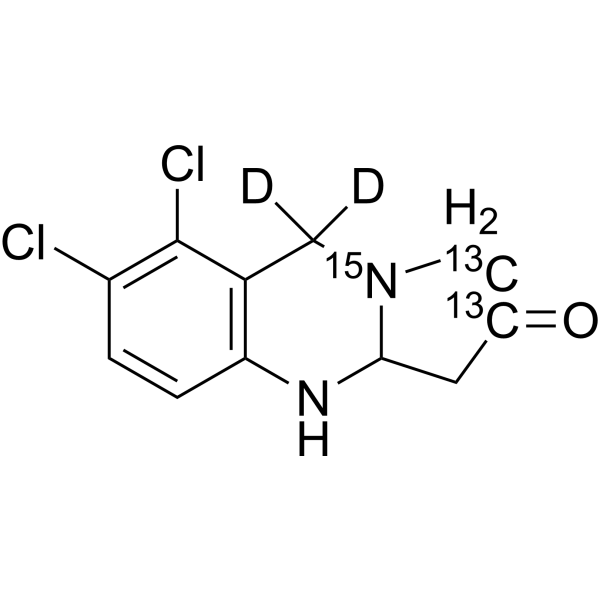
Anagrelide- 13C2, 15N,d2 is 15N and deuterated labeled Anagrelide (HY-B0523). Anagrelide is a potent inhibitor of phosphodiesterase type III (PDE3) (IC50=36 nM). Anagrelide, an imidazoquinazoline derivative, acts as an inhibitor of platelet aggregation. Anagrelide inhibits bone marrow megakaryocytopoiesis. Anagrelide decreases gastrointestinal stromal tumor (GIST) cell proliferation and promotes their apoptosis in vitro. Anagrelide is a platelet-lowering agent and plays in the antithrombopoietic action .
|
-
-
- HY-101453R
-
|
|
P-glycoprotein
Reference Standards
|
Cancer
|
|
Ceefourin 1 (Standard) is the analytical standard of Ceefourin 1 (HY-101453). This product is intended for research and analytical applications. Ceefourin 1 is a potent and highly selective multidrug resistance protein 4 (MRP4) inhibitor. Ceefourin 1 inhibits transport of a broad range of MRP4 substrates, yet is highly selective for MRP4 over other ABC transporters. Ceefourin 1 is a benzothiazol and primarily as a chemosensitizer for high-risk neuroblastoma .
|
-

-
- HY-P991888
-
|
|
STAT
|
Cardiovascular Disease
Cancer
|
|
INCA033989 is a fully human IgG1 monoclonal antibody targeting mutCALR (KD = 1.75 nM for mutCALR del52; KD = 6.78 nM for mutCALR ins5). INCA033989 antagonizes mutCALR-driven signaling and proliferation. INCA033989 selectively inhibits pSTAT3/pSTAT5. INCA033989 prevents thrombocytosis and reduces the expansion of mutCALR-positive cells. INCA033989 is useful for research on myeloproliferative neoplasms .
|
-

| Cat. No. |
Product Name |
Type |
-
- HY-12591B
-
|
D-(-)-Luciferin potassium; Firefly Luciferin potassium; Beetle Luciferin potassium
|
Fluorescent Dyes
|
|
D-luciferin potassium is the natural substrate of the enzyme luciferase (Luc) that catalyzes the production of the typical yellowgreen light of fireflies. The 560 nm chemiluminescence from this reaction peaks within seconds, with light output that is proportional to luciferase concentration when the substrate luciferin is present in excess. The luciferase (luc) gene is a popular reporter gene for research and agent screening. Chemiluminescent techniques are virtually background-free, making the luc reporter gene ideal for detecting low-level gene expression. As little as 0.02 pg of luciferase can be reliably measured in a standard scintillation counter. In addition to its role as a reporter of gene expression, luciferase is commonly used in an extremely sensitive assay for ATP . We offer the firefly luciferase (HY-P1004A), luciferin free acid (HY-12591A), as well as its water-soluble sodium salts (HY-12591) and potassium salts (HY-12591B) .
|
-
- HY-12591
-
|
D-(-)-Luciferin sodium; Firefly Luciferin sodium; Beetle Luciferin sodium
|
Fluorescent Dyes
|
|
D-luciferin sodium is the natural substrate of the enzyme luciferase (Luc) that catalyzes the production of the typical yellowgreen light of fireflies. The 560 nm chemiluminescence from this reaction peaks within seconds, with light output that is proportional to luciferase concentration when the substrate luciferin is present in excess. The luciferase (luc) gene is a popular reporter gene for research and agent screening. Chemiluminescent techniques are virtually background-free, making the luc reporter gene ideal for detecting low-level gene expression. As little as 0.02 pg of luciferase can be reliably measured in a standard scintillation counter. In addition to its role as a reporter of gene expression, luciferase is commonly used in an extremely sensitive assay for ATP . We of er the firefly luciferase (HY-P1004A), luciferin free acid (HY-12591A), as well as its water-soluble sodium salts (HY-12591) and potassium salts (HY-12591B) .
|
-
- HY-12591A
-
D-Luciferin
Maximum Cited Publications
110 Publications Verification
D-(-)-Luciferin; Firefly Luciferin; Beetle Luciferin
|
Fluorescent Dyes
|
|
D-luciferin is the natural substrate of the enzyme luciferase (Luc) that catalyzes the production of the typical yellowgreen light of fireflies. The 560 nm chemiluminescence from this reaction peaks within seconds, with light output that is proportional to luciferase concentration when the substrate luciferin is present in excess. The luciferase (luc) gene is a popular reporter gene for research and agent screening. Chemiluminescent techniques are virtually background-free, making the luc reporter gene ideal for detecting low-level gene expression. As little as 0.02 pg of luciferase can be reliably measured in a standard scintillation counter. In addition to its role as a reporter of gene expression, luciferase is commonly used in an extremely sensitive assay for ATP . We of er the firefly luciferase (HY-P1004A), luciferin free acid (HY-12591A), as well as its water-soluble sodium salts (HY-12591) and potassium salts (HY-12591B) .
|
-
- HY-112641A
-
|
|
Fluorescent Dyes
|
|
AkaLumine hydrochloride is a D-luciferin (HY-12591A) analogue with a Km of 2.06 μM for recombinant firefly luciferase (Fluc) protein. AkaLumine hydrochloride emits near-infrared (NIR) light (λmax=677 nm) in reactions with native Fluc. AkaLumine hydrochloride has high tissue-penetration and increases detection sensitivity from deep-tissue targets .
|
-
- HY-111653
-
CycLuc1
2 Publications Verification
|
Fluorescent Dyes
|
|
CycLuc1 is a blood-brain barrier permeable luciferase substrate that displays near-infrared (NIR) emission with a peak luminescence wavelength of 599 nm. CycLuc1 can be used for in vivo bioluminescence imaging .
|
-
- HY-P1004A
-
|
|
Fluorescent Dyes
|
|
Luciferase, firefly is the light-emitting enzyme responsible for the bioluminescence of fireflies and click beetles. Luciferase, firefly catalytic substrate is D-luciferin (HY-12591B) .
|
-
- HY-D1343
-
|
|
Fluorescent Dyes
|
|
DMNPE-caged D-luciferin is a heterocyclic luminescent compound that is a natural ligand for luciferase, an enzyme used to detect cell activity. Its reaction requires ATP and emits yellow-green light with a peak wavelength of about 530 nm. The luciferin in the DMNPE cage easily crosses the cell membrane.
|
-
- HY-D1904
-
|
|
Fluorescent Dyes
|
|
D-Luciferin 6'-methyl ether sodium salt is a firefly luciferase inhibitor. D-Luciferin 6'-methyl ether sodium salt is a cofactor in Luc-catalyzed synthesis of dinucleoside polyphosphates .
|
-
- HY-115749A
-
|
(Rac)-6′-MethoxyLuciferin sodium
|
Fluorescent Dyes
|
|
D-Luciferin 6′-methyl ether (6′-Methoxyluciferin; compound 19a) sodium is a potent luciferase from the North American firefly Photinus pyralis (PpyLuc) inhibitor with an IC50 of 0.1 μM. D-Luciferin 6′-methyl ether, a D-luciferin analog, shows non-specific interactions at ATP- and luciferin-binding sites of the PpyLuc active site .
|
-
- HY-112486G
-
|
Megakaryocytes/platelets inducing agent (GMP)
|
Fluorescent Dyes
|
|
TA-316 (GMP) is TA-316 (HY-112486) produced by using GMP guidelines. GMP grade small molecules can be used as auxiliary agents in cell therapy. TA-316 is a c-MPL agonist and a thrombopoietin (TPO) receptor agonist .
|
-
- HY-112641
-
|
|
Fluorescent Dyes
|
|
AkaLumine is a D-luciferin (HY-12591A) analogue with a Km of 2.06 μM for recombinant firefly luciferase (Fluc) protein. AkaLumine emits near-infrared (NIR) light (λmax=677 nm) in reactions with native Fluc. AkaLumine has high tissue-penetration and increases detection sensitivity from deep-tissue targets .
|
| Cat. No. |
Product Name |
Type |
-
- HY-112486G
-
|
Megakaryocytes/platelets inducing agent (GMP)
|
Biochemical Assay Reagents
|
|
TA-316 (GMP) is TA-316 (HY-112486) produced by using GMP guidelines. GMP grade small molecules can be used as auxiliary agents in cell therapy. TA-316 is a c-MPL agonist and a thrombopoietin (TPO) receptor agonist .
|
| Cat. No. |
Product Name |
Target |
Research Area |
-
- HY-P1004A
-
|
|
Fluorescent Dye
|
Others
|
|
Luciferase, firefly is the light-emitting enzyme responsible for the bioluminescence of fireflies and click beetles. Luciferase, firefly catalytic substrate is D-luciferin (HY-12591B) .
|
-
- HY-P2444
-
|
PF4 (59-70)
|
Peptides
|
Inflammation/Immunology
|
|
Platelet factor 4 (59-70) is a polypeptide, which is composed of platelets and megakaryocytes. Platelet factor 4 (59-70) stimulates dog mastocytoma cells, promotes the release of histamine and leukotrienes .
|
| Cat. No. |
Product Name |
Target |
Research Area |
Image |
-
- HY-P990685
-
|
|
Cyclin G-associated Kinase (GAK)
|
Cardiovascular Disease
|
|
Romiplostim is an Fc-peptide fusion protein mimetic of TPO (thrombopoietin protein) and also a c-Mpl agonist. Romiplostim binds to c-Mpl, stimulates megakaryocyte-mediated thrombopoiesis, and activates the same downstream signaling pathways as endogenous TPO. Romiplostim is applicable to research related to hematopoietic acute radiation syndrome and chronic immune thrombocytopenia .
|
-

(5)
-
- HY-P991888
-
|
|
STAT
|
Cardiovascular Disease
Cancer
|
|
INCA033989 is a fully human IgG1 monoclonal antibody targeting mutCALR (KD = 1.75 nM for mutCALR del52; KD = 6.78 nM for mutCALR ins5). INCA033989 antagonizes mutCALR-driven signaling and proliferation. INCA033989 selectively inhibits pSTAT3/pSTAT5. INCA033989 prevents thrombocytosis and reduces the expansion of mutCALR-positive cells. INCA033989 is useful for research on myeloproliferative neoplasms .
|
-
(5)
| Cat. No. |
Product Name |
Category |
Target |
Chemical Structure |
-
- HY-12591A
-
D-Luciferin
Maximum Cited Publications
110 Publications Verification
D-(-)-Luciferin; Firefly Luciferin; Beetle Luciferin
|
Natural Products
Animals
Other Diseases
Disease Research Fields
Source Classification
|
Fluorescent Dye
|
|
D-luciferin is the natural substrate of the enzyme luciferase (Luc) that catalyzes the production of the typical yellowgreen light of fireflies. The 560 nm chemiluminescence from this reaction peaks within seconds, with light output that is proportional to luciferase concentration when the substrate luciferin is present in excess. The luciferase (luc) gene is a popular reporter gene for research and agent screening. Chemiluminescent techniques are virtually background-free, making the luc reporter gene ideal for detecting low-level gene expression. As little as 0.02 pg of luciferase can be reliably measured in a standard scintillation counter. In addition to its role as a reporter of gene expression, luciferase is commonly used in an extremely sensitive assay for ATP . We of er the firefly luciferase (HY-P1004A), luciferin free acid (HY-12591A), as well as its water-soluble sodium salts (HY-12591) and potassium salts (HY-12591B) .
|
-
| Cat. No. |
Product Name |
Chemical Structure |
-
- HY-13463BS
-
|
|
|
Avatrombopag-d8 (hydrochloride) is deuterium labeled Avatrombopag (hydrochloride). Avatrombopag (AKR-501) hydrochloride is an orally active, nonpeptide thrombopoietin (TPO) receptor agonist (EC50=3.3 nM). Avatrombopag hydrochloride mimics the biological activities of TPO. Avatrombopag hydrochloride increases platelet production by activating the intracellular signaling system, and promotes production of platelets and megakaryocytes from hemopoietic precursor cells. Avatrombopag hydrochloride is a substrate of cytochrome P450 (CYP) 2C9 and CYP3A .
|
-
-
- HY-B0523S
-
|
|
|
Anagrelide- 13C2, 15N,d2 is 15N and deuterated labeled Anagrelide (HY-B0523). Anagrelide is a potent inhibitor of phosphodiesterase type III (PDE3) (IC50=36 nM). Anagrelide, an imidazoquinazoline derivative, acts as an inhibitor of platelet aggregation. Anagrelide inhibits bone marrow megakaryocytopoiesis. Anagrelide decreases gastrointestinal stromal tumor (GIST) cell proliferation and promotes their apoptosis in vitro. Anagrelide is a platelet-lowering agent and plays in the antithrombopoietic action .
|
-
| Cat. No. |
Product Name |
|
Classification |
-
- HY-174644
-
|
|
|
mRNA
Interleukin & Receptors
|
|
Human IL11 mRNA encodes the human interleukin 11 (IL11) protein, a member of the gp130 family of cytokines. IL11 is shown to stimulate the T-cell-dependent development of immunoglobulin-producing B cells. It is also found to support the proliferation of hematopoietic stem cells and megakaryocyte progenitor cells.
|
Your information is safe with us. * Required Fields.
Inquiry Information
- Product Name:
- Cat. No.:
- Quantity:
- MCE Japan Authorized Agent:








