



Montelukast sodium
Based on 15 publication(s) in Google Scholar
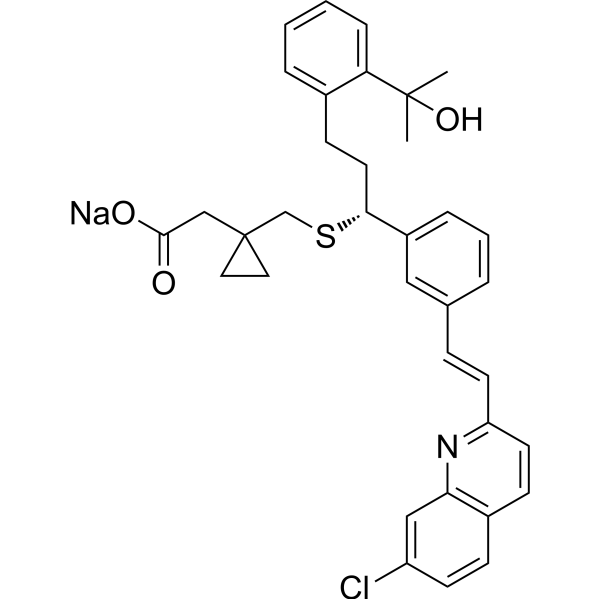
Montelukast sodium (MK0476) is a potent, selective and orally active antagonist of cysteinyl leukotriene receptor 1 (CysLT1). Montelukast sodium can be used for the reseach of asthma and liver injury. Montelukast sodium also has an antioxidant effect in intestinal ischemia-reperfusion injury, and could reduce cardiac damage. Montelukast sodium decreases eosinophil infiltration into the asthmatic airways. Montelukast sodium can also be used for COVID-19 research.
For research use only. We do not sell to patients.
- Purity : 98.07%
- CAS No.: 151767-02-1
- Formula: C35H35ClNNaO3S
- Molecular Weight:608.17
-
Storage:
4°C, sealed storage, away from moisture
* In solvent : -80°C, 2 years; -20°C, 1 year (sealed storage, away from moisture)

To place orders, for customer services and technical support, please contact: MedChemExpress USA
Tel: 609-228-6898 E-mail: [email protected] [email protected]


-
 Biological Activity
-
Chemical Information
-
Solvent & Solubility
- Purity & Documentation
- References
-
 Help & FAQs


-
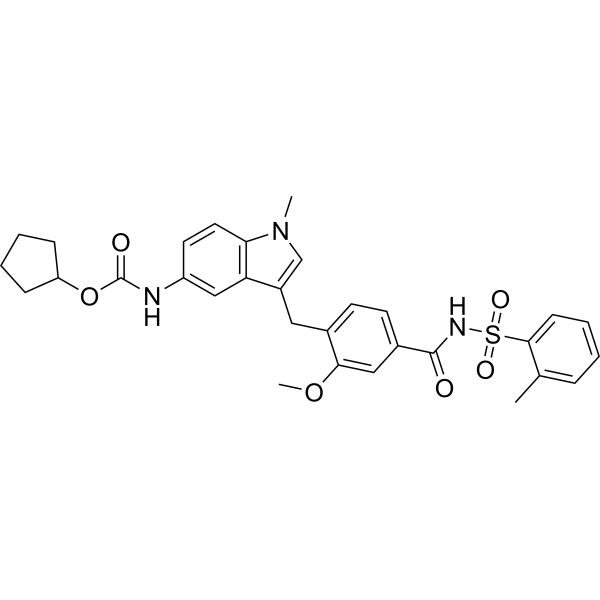
HY-17492
ZafirlukastLeukotriene Receptor Antagonist -
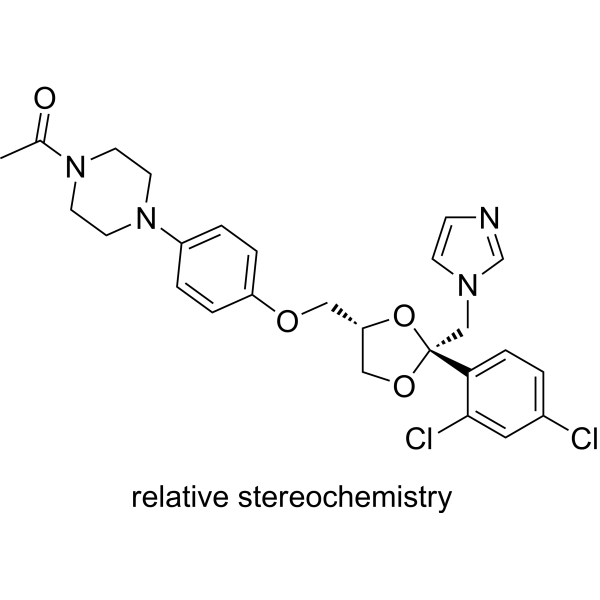
HY-B0105
KetoconazoleCYP3A4 Inhibitor -
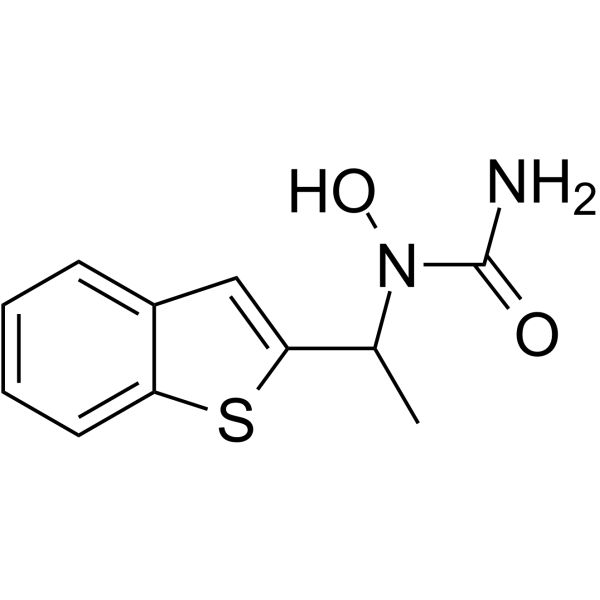
HY-14164
Zileuton5-Lipoxygenase Inhibitor -
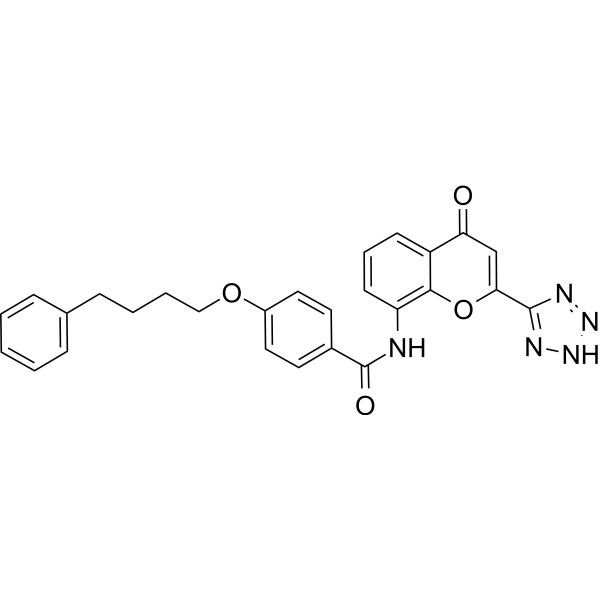
HY-B0290
PranlukastEndogenous Metabolite -
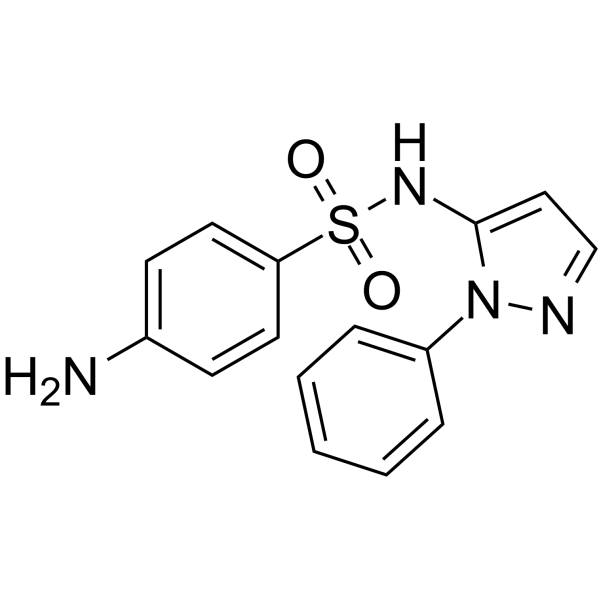
HY-B1218
SulfaphenazoleCYP2C9 Inhibitor -
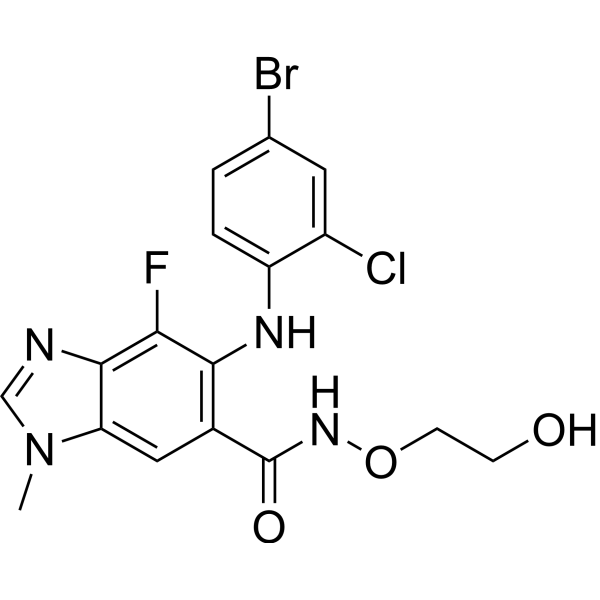
HY-50706
SelumetinibMEK1/2 Inhibitor -
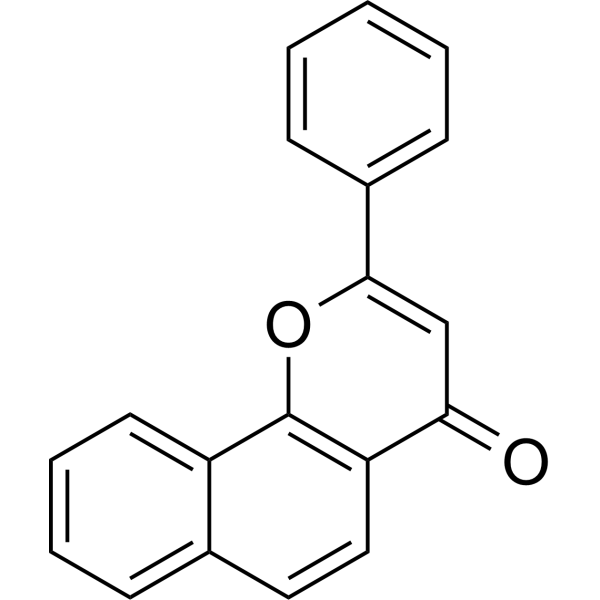
HY-125833
Alpha-NaphthoflavoneAromatase Inhibitor -
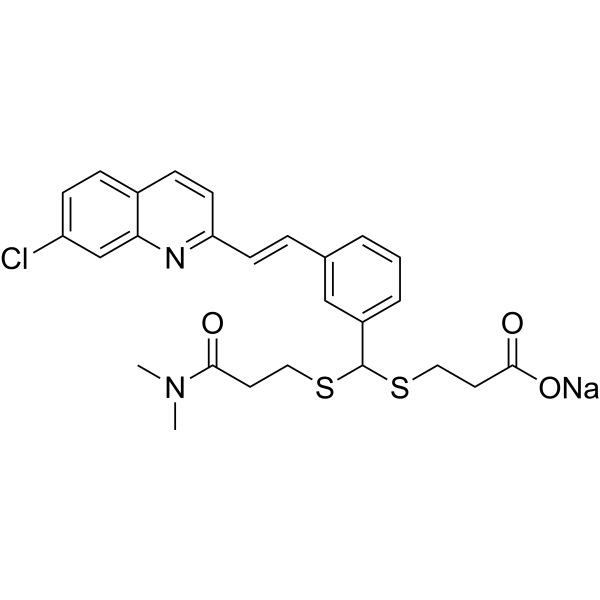
HY-19989A
MK-571 sodiumABCC1/MRP4 Inhibitor -
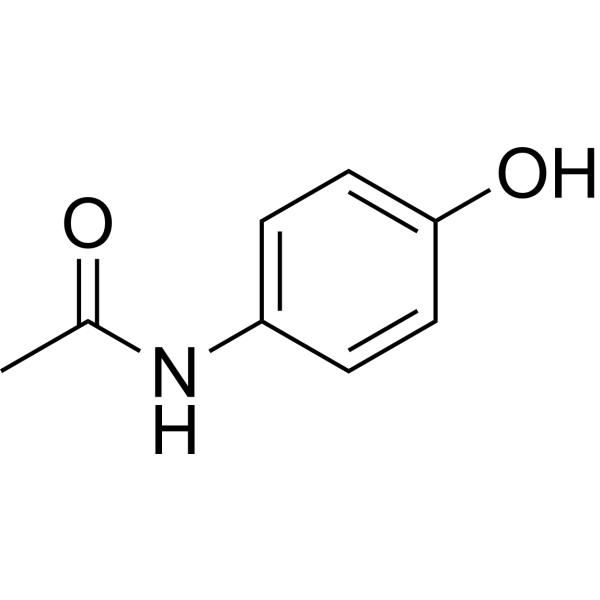
HY-66005
AcetaminophenCOX-2 Inhibitor -
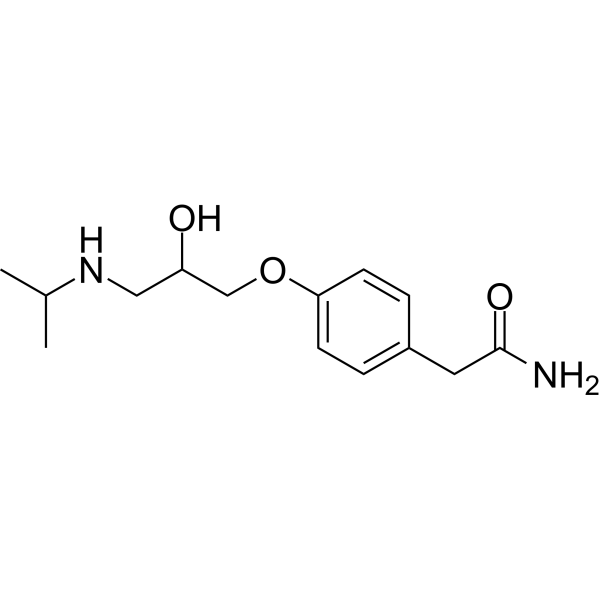
HY-17498
Atenololβ1-Adrenergic Receptor Blocker -
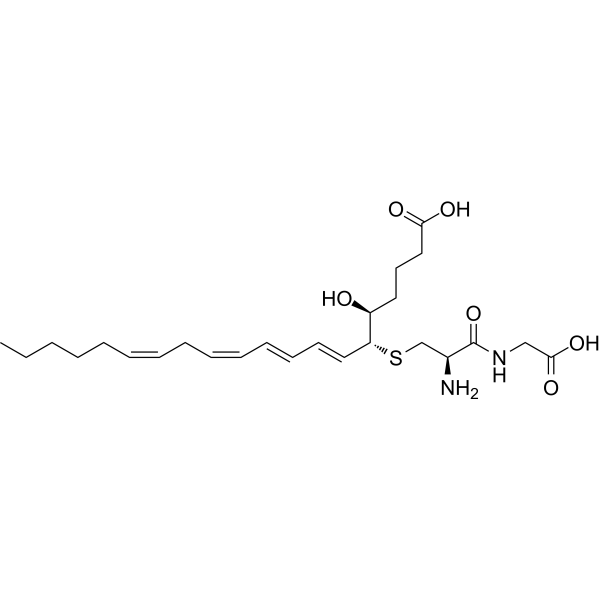
HY-113456
Leukotriene D4Bronchoconstrictor -
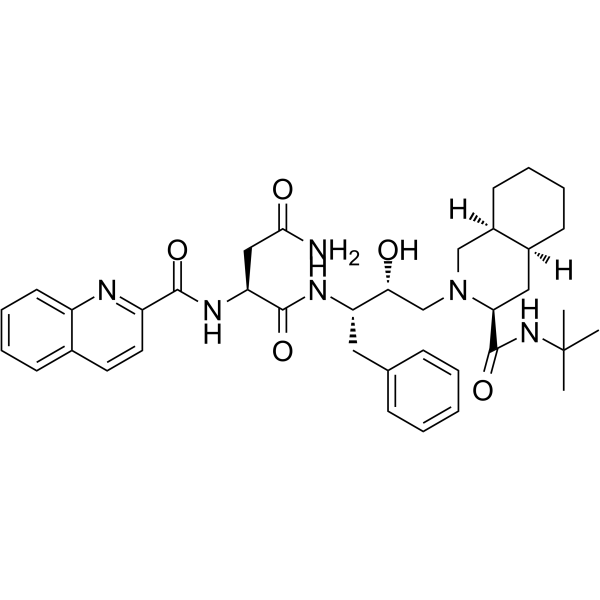
HY-17007
SaquinavirHIV Protease Inhibitor
Publications Citing Use of MedChemExpress (MCE) Montelukast sodium
More- Signal Transduct Target Ther. 2025 Dec 15;10(1):406. [Abstract]
- Adv Mater. 2024 Jun;36(24):e2311760. [Abstract]
- Nat Commun. 2025 Apr 3;16(1):3177. [Abstract]
- J Cachexia Sarcopenia Muscle. 2022 Aug;13(4):2242-2253. [Abstract]
- Cell Rep. 2026 Jun 2;45(6):117490. [Abstract]
- Cell Rep. 2025 Apr 16;44(5):115572. [Abstract]
- Anal Chem. 2025 Nov 18;97(45):25158-25167. [Abstract]
- Environ Pollut. 2026 May 1:396:127849. [Abstract]
- Eur J Pharmacol. 2022 May 15;923:174892. [Abstract]
- Artif Cells Nanomed Biotechnol. 2019 Dec;47(1):4234-4239. [Abstract]
- Naunyn Schmiedebergs Arch Pharmacol. 2023 Aug;396(8):1759-1771. [Abstract]
- SSRN. 2024 Oct 29.
- Patent. US20230404992A1.
- Patent. US20230348536A1.
- Patent. US20210309696A1.
 Customer Validation & Images

-
Bio/Physico-chemical Assay
-
In Vivo Efficacy Study
-
In Vivo Efficacy Study
-
In Vivo Efficacy Study
-
Flow Cytometry
All Leukotriene Receptor Isoforms
More

Biological Activity
Description
IC50 & Target
[1]|
CysLT1 |
Cellular Effect
|
Cell Line

|
Type | Value | Description | References |
|---|---|---|---|---|
| HEK293 | IC50 |
0.31 μM
Compound: Singulair
|
Antagonist activity against CysLT1 receptor (unknown origin) expressed in HEK293 cells assessed as inhibition of LTD4-induced calcium mobilization pre-incubated for 10 mins before LTD4 addition by Fluo-4 AM dye based fluorimetric assay
Antagonist activity against CysLT1 receptor (unknown origin) expressed in HEK293 cells assessed as inhibition of LTD4-induced calcium mobilization pre-incubated for 10 mins before LTD4 addition by Fluo-4 AM dye based fluorimetric assay
|
[PMID: 26985325] |
| HEK293 | IC50 |
27 μM
Compound: Singulair
|
Antagonist activity against CysLT2 receptor (unknown origin) expressed in HEK293 cells assessed as inhibition of LTD4-induced calcium mobilization pre-incubated for 10 mins before LTD4 addition by Fluo-4 AM dye based fluorimetric assay
Antagonist activity against CysLT2 receptor (unknown origin) expressed in HEK293 cells assessed as inhibition of LTD4-induced calcium mobilization pre-incubated for 10 mins before LTD4 addition by Fluo-4 AM dye based fluorimetric assay
|
[PMID: 26985325] |
In Vitro
Montelukast (5 μM; 1 h) inhibits APAP (Acetaminophen) (HY-66005)-induced cell damage[1].
Montelukast (0.01-10 μM; 30 min) diminishes the 5-oxo-ETE–induced cell migration and modulates the activation of the plasmin-plasminogen system[3].
Montelukast (10 μM; 18 h) modulates the activation of MMP-9[3].
MedChemExpress (MCE) has not independently confirmed the accuracy of these methods. They are for reference only. .
-
Cell Line:Eosinophils
-
Concentration:0.01-10 μM
-
Incubation Time:30 min
-
Result:Diminished the 5-oxo-ETE–induced cell migration.
-
Cell Line:Eosinophils
-
Concentration:10 μM
-
Incubation Time:18 h
-
Result:Reduced the 5-oxo-ETE–boosted MMP-9 secretion.
In Vivo
Montelukast (1 mg/kg; miniosmotic pump administration) reduces the airway remodeling changes observed in OVA-treated mice and blocks the actions of cysteinyl leukotrienes (LT) C4, D4, and E4 mediated by the CysLT1 receptor[2].
Montelukast (1 mg/kg; miniosmotic pump administration) reduces the elevated levels of IL-4 and IL-13 found in the BAL fluid of OVA-treated mice[2].
MedChemExpress (MCE) has not independently confirmed the accuracy of these methods. They are for reference only.
-
Animal Model:C57BL/6J mice (8-week-old; 22-25 g) are induced acute hepatic injury[1]
-
Dosage:3 mg/kg
-
Administration:Oral gavage 1 h after saline or APAP administration
-
Result:Decreased serum levels of alanine transaminase (ALT) and aspartate aminotransferase (AST), and alleviated liver damage.
Clinical Trial
| NCT Number | Sponsor | Condition | Start Date |
Phase
|
|---|---|---|---|---|
| NCT01329991 | Plexxikon| | 2011-05 | PHASE1 |


Chemical Information
-
CAS No. 151767-02-1
-
Appearance Solid
-
Molecular Weight 608.17
-
Formula C35H35ClNNaO3S
-
Color White to off-white
-
SMILES
ClC1=CC2=C(C=C1)C=CC(/C=C/C3=CC([C@H](SCC4(CC(O[Na])=O)CC4)CCC5=CC=CC=C5C(C)(O)C)=CC=C3)=N2
-
Synonyms
MK0476
-
Shipping
Room temperature in continental US; may vary elsewhere.
-
Storage
4°C, sealed storage, away from moisture
* In solvent : -80°C, 2 years; -20°C, 1 year (sealed storage, away from moisture)


Publications (15)
-
Journal Impact Factor
-
Most Recent
-
Signal Transduct Target Ther
Selective depletion of tumor-associated SAMHD1 enhances chemotherapeutic efficacy and antitumor immune responses. [Abstract]2025 Dec 15;10(1):406. PMID: 41392286 -
Adv Mater
Efficient Delivery of Lomitapide using Hybrid Membrane-Coated Tetrahedral DNA Nanostructures for Glioblastoma Therapy. [Abstract]2024 Jun;36(24):e2311760. PMID: 38569065 -
Nat Commun
Cholangiocarcinoma PDHA1 succinylation suppresses macrophage antigen presentation via alpha-ketoglutaric acid accumulation. [Abstract]2025 Apr 3;16(1):3177. PMID: 40180922
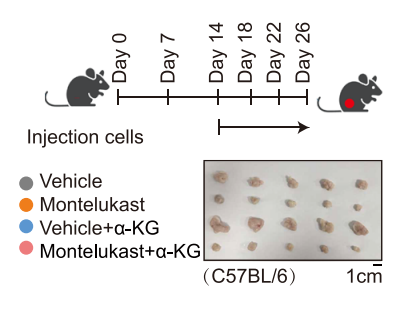
Montelukast sodium purchased from MedChemExpress. Usage Cited in: Nat Commun. 2025 Apr 3;16(1):3177. [Abstract]
Schematic diagram of subcutaneous tumor treatment on C57BL/6 mice and representative images of Montelukast (5 mg/kg; i.p.; 7-26 d) on day 26.
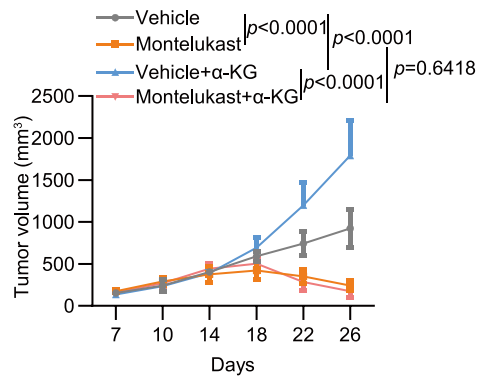
Montelukast sodium purchased from MedChemExpress. Usage Cited in: Nat Commun. 2025 Apr 3;16(1):3177. [Abstract]
Tumor growth of LTP-C9 with overexpression of PDHA1 WT was observed in C57BL/6 mice treated with Montelukast (5 mg/kg; i.p.; 7-26 d).
-
J Cachexia Sarcopenia Muscle
A disease-associated missense mutation in CYP4F3 affects the metabolism of leukotriene B4 via disruption of electron transfer. [Abstract]2022 Aug;13(4):2242-2253. PMID: 35686338 -
Cell Rep
HSPA6 maintains IMPDH2 phosphorylation to regulate GTP synthesis for driving radioresistance of glioblastoma stem cells. [Abstract]2026 Jun 2;45(6):117490. PMID: 42234559 -
Cell Rep
2025 Apr 16;44(5):115572. PMID: 40249703 -
Anal Chem
A Computational Integration Strategy Driven by Chemical Similarity Uncovers Comprehensive Metabolic Profiles of Small Bioactive Peptides via UHPLC-HRMS for Doping Control. [Abstract]2025 Nov 18;97(45):25158-25167. PMID: 41202118 -
Environ Pollut
Enantioselective metabolic mechanism and metabolism pathway of tetraconazole in human liver microsomes: In vitro and in silico study. [Abstract]2026 May 1:396:127849. PMID: 41720237
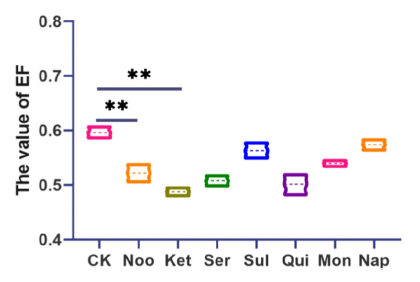
Montelukast sodium purchased from MedChemExpress. Usage Cited in: Environ Pollut. 2026 May 1:396:127849. [Abstract]
Effect of Montelukast (Mon) (500 μM) on the metabolic inhibition rate of tetraconazole enantiomers in the in vitro incubation mixtures with HLMs.
-
Eur J Pharmacol
Montelukast, cysteinyl leukotriene receptor 1 antagonist, inhibits cardiac fibrosis by activating APJ. [Abstract]2022 May 15;923:174892. PMID: 35358494 -
Artif Cells Nanomed Biotechnol
Montelukast promotes mitochondrial biogenesis via CREB/PGC-1α in human bronchial epithelial cells. [Abstract]2019 Dec;47(1):4234-4239. PMID: 31722576 -
Naunyn Schmiedebergs Arch Pharmacol
Combined contributions of cytochrome P450s (CYPs) and non-enzymatic metabolism in the in vitro biotransformation of anaprazole, a novel proton pump inhibitor. [Abstract]2023 Aug;396(8):1759-1771. PMID: 36847804 -
Montelukast sodium purchased from MedChemExpress. Usage Cited in: SSRN. 2024 Oct 29.
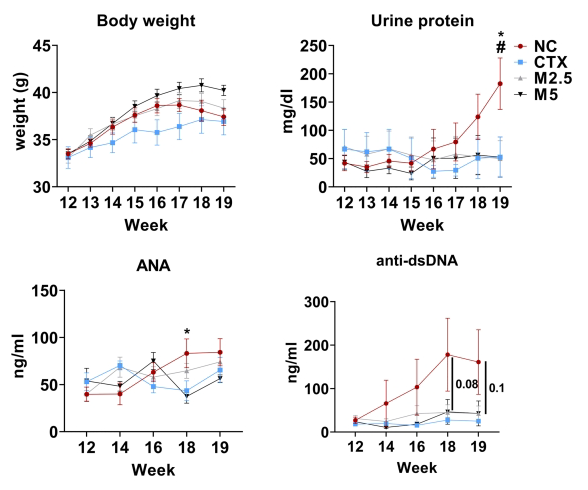
Montelukast (M) (2.5-5.0 mg/kg; i.p.; once daily for 19 weeks) reduced urine protein levels and concentrations of autoantibodies, including ANA and anti-dsDNA of MRL/Lpr mice.
Montelukast sodium purchased from MedChemExpress. Usage Cited in: SSRN. 2024 Oct 29.
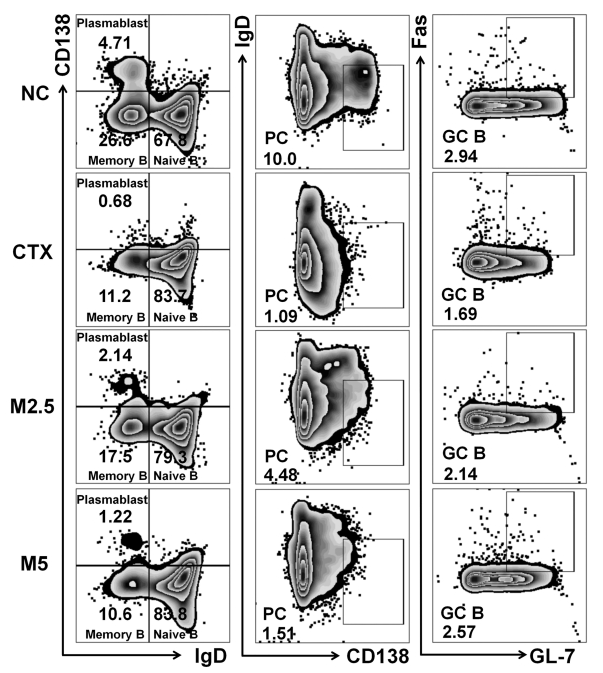
Montelukast (M) (2.5-5.0 mg/kg; i.p.; once daily for 19 weeks) decreased the percentages of ASCs, plasma cells, and plasmablasts in the spleen of MRL/Lpr mice.
-
-
-


Solvent & Solubility
In Vitro:
H2O : ≥ 50 mg/mL (82.21 mM)
DMSO : 50 mg/mL (82.21 mM; Need ultrasonic; Hygroscopic DMSO has a significant impact on the solubility of product, please use newly opened DMSO)
* "≥" means soluble, but saturation unknown.
Please refer to the solubility information to select the appropriate solvent. Once prepared, please aliquot and store the solution to prevent product inactivation from repeated freeze-thaw cycles.
Storage method and period of stock solution: -80°C, 2 years; -20°C, 1 year (sealed storage, away from moisture). When stored at -80°C, please use it within 2 years. When stored at -20°C, please use it within 1 year.
* Note: If you choose water as the stock solution, please dilute it to the working solution, then filter and sterilize it with a 0.22 μm filter before use.
Please refer to the solubility information to select the appropriate solvent. Once prepared, please aliquot and store the solution to prevent product inactivation from repeated freeze-thaw cycles.
Storage method and period of stock solution: -80°C, 2 years; -20°C, 1 year (sealed storage, away from moisture). When stored at -80°C, please use it within 2 years. When stored at -20°C, please use it within 1 year.
* Note: If you choose water as the stock solution, please dilute it to the working solution, then filter and sterilize it with a 0.22 μm filter before use.
Concentration (start) × Volume (start) = Concentration (final) × Volume (final)
In Vivo:
For the following dissolution methods, please prepare the working solution directly:
It is recommended to prepare fresh solutions and use them promptly within a short period of time.
The percentages shown for the solvents indicate their volumetric ratio in the final prepared solution. If precipitation or phase separation occurs during preparation, heat and/or sonication can be used to aid dissolution.
Add each solvent one by one: PBS
Solubility: 1 mg/mL (1.64 mM); Suspended solution; Need ultrasonic and warming and heat to 60°C
Add each solvent one by one: 50% PEG300 50% Saline
Solubility: 25 mg/mL (41.11 mM); Clear solution; Need ultrasonic


Purity & Documentation
-
Data Sheet (280 KB)
-
SDS (476 KB)
- English - EN (476 KB)
- Français - FR (476 KB)
- Deutsch - DE (476 KB)
- Norwegian - NO (476 KB)
- Español - ES (476 KB)
- Swedish - SV (476 KB)
- Italian - IT (476 KB)
- Korean - KR (476 KB)
- Portuguese - PT (476 KB)
-
Handling Instructions (2659 KB)
References
[1]. Pu S, et, al. Montelukast Prevents Mice Against Acetaminophen-Induced Liver Injury. Front Pharmacol. 2019 Sep 18; 10:1070. [Content Brief]
[2]. William RHJ, et, al. A role for cysteinyl leukotrienes in airway remodeling in a mouse asthma model. Am J Respir Crit Care Med. 2002 Jan 1; 165(1): 108-16. [Content Brief]
[3]. Langlois A, et al. Montelukast regulates eosinophil protease activity through a leukotriene-independent mechanism. J Allergy Clin Immunol. 2006;118(1):113-119. [Content Brief]
[4]. Khan AR, et al. Montelukast in hospitalized patients diagnosed with COVID-19. J Asthma. 2022 Apr;59(4):780-786. [Content Brief]


Complete Stock Solution Preparation Table
Please refer to the solubility information to select the appropriate solvent. Once prepared, please aliquot and store the solution to prevent product inactivation from repeated freeze-thaw cycles.
Storage method and period of stock solution: -80°C, 2 years; -20°C, 1 year (sealed storage, away from moisture). When stored at -80°C, please use it within 2 years. When stored at -20°C, please use it within 1 year.
| Optional Solvent | Concentration Solvent Mass | 1 mg | 5 mg | 10 mg | 25 mg |
|---|---|---|---|---|---|
| H2O / DMSO | 1 mM | 1.6443 mL | 8.2214 mL | 16.4428 mL | 41.1069 mL |
| 5 mM | 0.3289 mL | 1.6443 mL | 3.2886 mL | 8.2214 mL | |
| 10 mM | 0.1644 mL | 0.8221 mL | 1.6443 mL | 4.1107 mL | |
| 15 mM | 0.1096 mL | 0.5481 mL | 1.0962 mL | 2.7405 mL | |
| 20 mM | 0.0822 mL | 0.4111 mL | 0.8221 mL | 2.0553 mL | |
| 25 mM | 0.0658 mL | 0.3289 mL | 0.6577 mL | 1.6443 mL | |
| 30 mM | 0.0548 mL | 0.2740 mL | 0.5481 mL | 1.3702 mL | |
| 40 mM | 0.0411 mL | 0.2055 mL | 0.4111 mL | 1.0277 mL | |
| 50 mM | 0.0329 mL | 0.1644 mL | 0.3289 mL | 0.8221 mL | |
| 60 mM | 0.0274 mL | 0.1370 mL | 0.2740 mL | 0.6851 mL | |
| 80 mM | 0.0206 mL | 0.1028 mL | 0.2055 mL | 0.5138 mL |
* Note: If you choose water as the stock solution, please dilute it to the working solution, then filter and sterilize it with a 0.22 μm filter before use.


Montelukast sodium Related Classifications
HY-13315 Related Classifications
 Powered by Bioz