



Infection
-
Infection Related Products (18547)
Related Products (18547)

-
Antibodies (22)
-
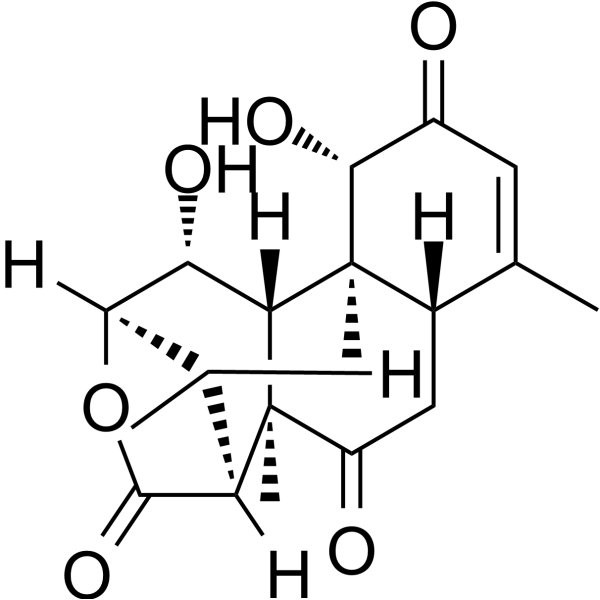
Eurycomalactone
 0 Images
Eurycomalactone is an active quassinoid could be isolated from Eurycoma longifolia Jack. Eurycomalactone is a potent NF-κB inhibitor with an IC50 value of 0.5 μM. Eurycomalactone inhibits protein synthesis and depletes cyclin D1. Eurycomalactone enhances radiosensitivity through arrest cell cycle at G2/M phase and delayed DNA double-strand break repair. Eurycomalactone inhibits the activation of AKT/NF-κB signaling, induces apoptosis and enhances chemosensitivity to Cisplatin (HY-17394).
-
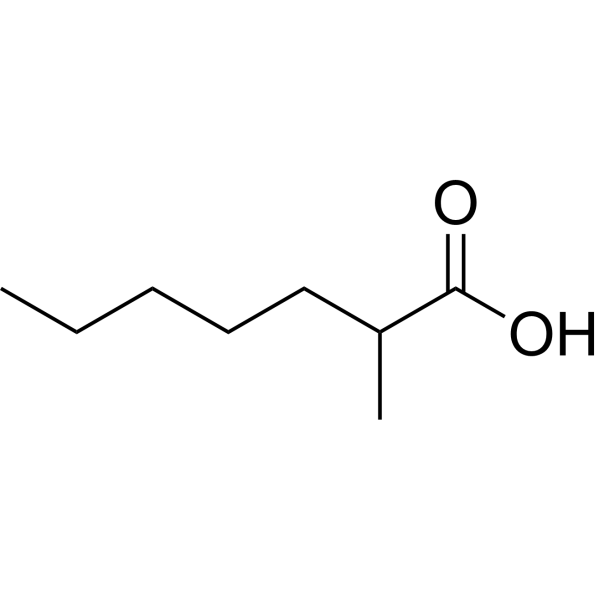
2-Methylheptanoic acid
 0 Images
2-Methylheptanoic acid is a naturally occurring branched-chain medium-chain fatty acid with fumigant activity against Aspergillus flavus. 2-Methylheptanoic acid inhibits the growth of Aspergillus flavus and kills its spores via two modes of action, namely fumigation and direct contact, with its fumigant activity being stronger than its direct contact activity. 2-Methylheptanoic acid can be used in studies related to Aspergillus flavus infection.
-
Alkaline phosphatase, Escherichia coli
 0 Images
Alkaline Phosphatase (Apase), Escherichia coli is an alkaline phosphatase from Escherichia coli, and is one of the most active alkaline phosphatases. Alkaline phosphatase, Escherichia coli is an orally active membrane-bound glycoprotein that catalyzes the hydrolysis of phosphate monoesters at alkaline pH. Alkaline phosphatase, Escherichia coli reduces myeloperoxidase activity and bacterial translocation. Alkaline phosphatase, Escherichia coli improves survival rate of mice infected with E. coli. Alkaline phosphatase, Escherichia coli improves TNBS-induced colon inflammation.
-
2,4-Dichlorobenzenesulfonyl chloride
 0 ImagesCat. No.: HY-W013409CAS No.: 16271-33-3
2,4-Dichlorobenzenesulfonyl chloride (Compound 6d) is a heterocyclic building block, which can be used in the synthesis of nicotinyl arylsulfonylhydrazides with anticancer and antibacterial activities.
-
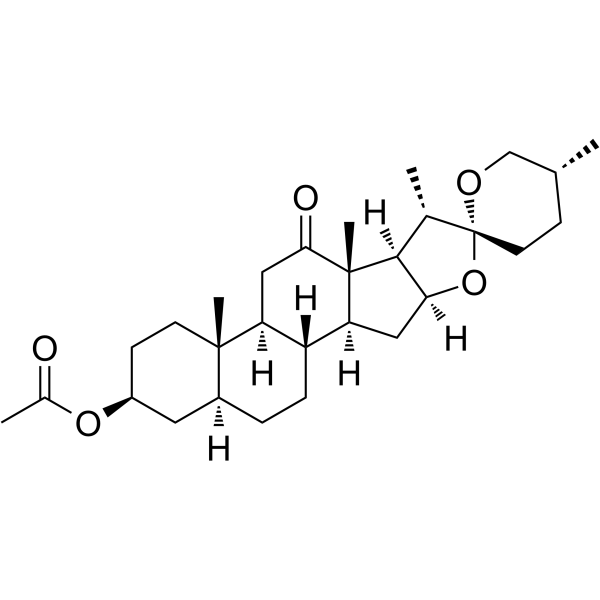
Hecogenin acetate
 0 Images
Hecogenin acetate is an orally active steroid saponin aglycone with extensive biological activities. Hecogenin acetate inhibits the phosphorylation of NF-κB and p38 MAPK signaling pathways, antagonizes TRPA1/TRPM8 channels, inhibits the production of pro-inflammatory cytokines, and has anti-inflammatory and analgesic effects. Hecogenin acetate inhibits the production of ROS and the activation of NLRP3 inflammasome; downregulates the expression of MMP-2, and has neuroprotective and anti-tumor activities. Hecogenin acetate enhances gastric mucosal defense and promotes ulcer healing. Hecogenin acetate can be used in combination with certain antibiotics to regulate bacterial efflux pumps and restore antibiotic sensitivity.
-
HADA hydrochloride (solution)
 0 ImagesCat. No.: HY-DY1044CAS No.: 2253733-10-5
HADA hydrochloride (HCC-Amino-D-alanine hydrochloride) is a blue (λem~450 nm) fluorescent D-amino acid (FDAA). FDAAs are efficiently incorporated into the peptidoglycans (PGs) of diverse bacterial species at the sites of PG biosynthesis, allowing specific and covalent probing of bacterial growth with minimal perturbation.
Solvent and concentration: DMSO: 50 mM
-
Protein serine/threonine kinase
 0 Images
Protein serine/threonine kinase (Ser/Thr protein kinase) is a signal transduction molecule. Protein serine/threonine kinase phosphorylates specific residues on target substrates, regulates phosphorylation-dependent signal cascades, modulates cellular processes of mycobacteria, blocks phagosome-lysosome fusion, promotes meiotic maturation of Xenopus laevis (African clawed frog) oocytes, rescues the phenotype of Saccharomyces cerevisiae (budding yeast) CDC5 mutants, and exhibits cell cycle phase-specific kinase activity. Protein serine/threonine kinase maintains a tightly regulated cell cycle expression pattern, and sustains the growth and survival of mycobacteria. Protein serine/threonine kinase can be used in studies related to tuberculosis.
-
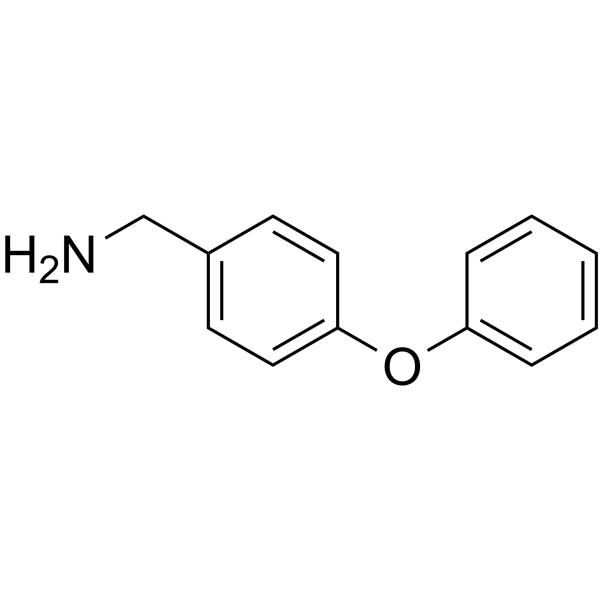
4-Phenoxybenzylamine
 0 Images
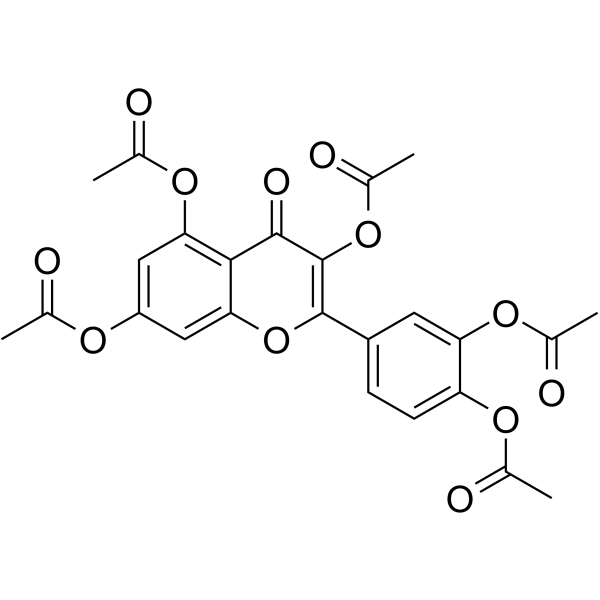
4-Phenoxybenzylamine inhibits the function of the NS3 protein by stabilizing an inactive conformation with an IC50 of about 500 μM against FL NS3/4a.
-
Celestine Blue
 0 Images
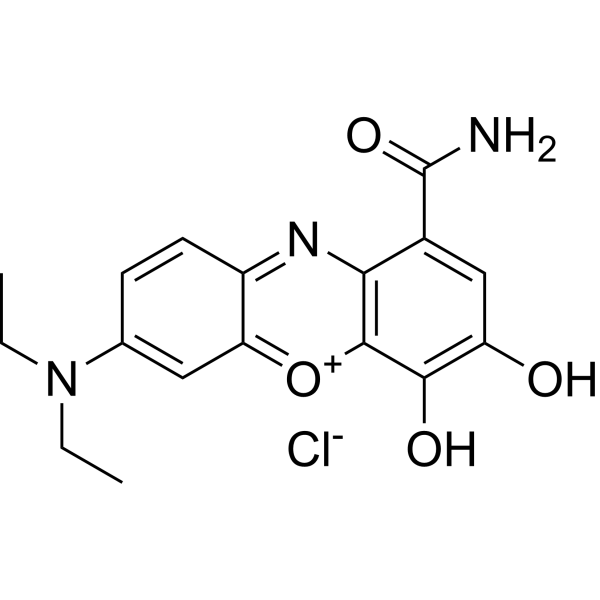
Celestine Blue is a electroactive indicator in DNA biosensors. Celestine Blue is strongly adsorbed on the spinel phases and CNT (carbon nanotubes), facilitates dispersion, acts as a capping agent and allows for the fabrication of spinel decorated CNT. Celestine Blue is an efficient charge transfer mediator, which allows for significant improvement of capacitive behavior. TiO2 nanoparticles doped with Celestine Blue can be used as a label in a sandwich immunoassay for the hepatitis C virus (HCV) core antigen.
-
Stigmasta-4,22-dien-3-one
 0 Images
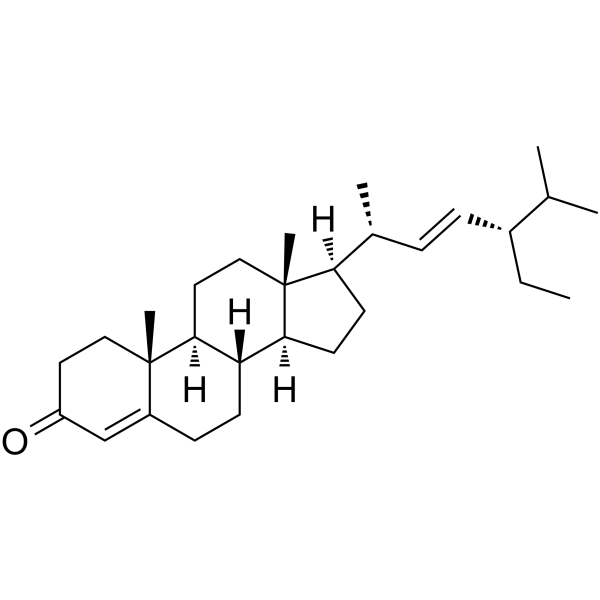
Stigmasta-4,22-dien-3-one is an antitubercular agent. Stigmasta-4,22-dien-3-one shows cytotoxicity against human HT1080 tumoral cell line with an IC50 of 0.3 mM.
-
Desmethyl ferroquine
 0 ImagesSynonyms: SSR97213
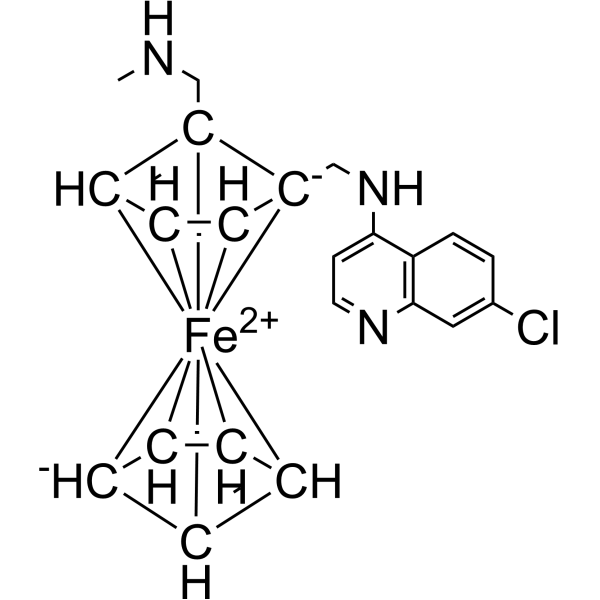
Desmethyl ferroquine (SSR97213) is the active and major metabolite of Ferroquine. Ferroquine is an antimalarial. Desmethyl ferroquine shows significant activity against Chloroquine-susceptible and resistant P. falciparum strains.
-
5'-O-DMT-2'-TBDMS-Uridine
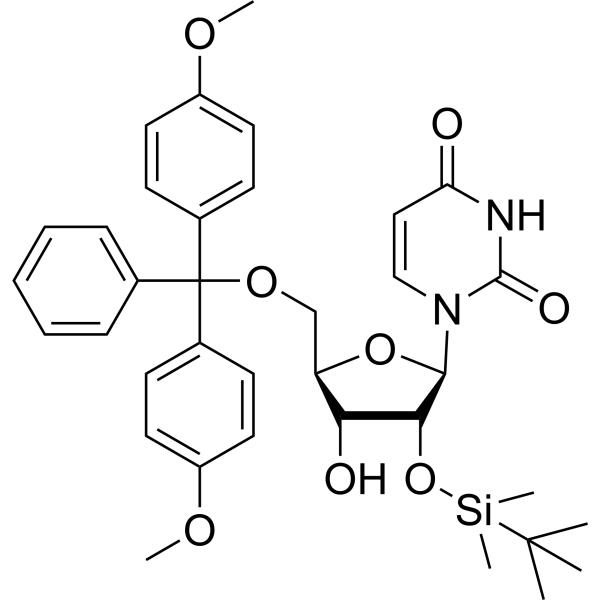 0 Images
5'-O-DMT-2'-TBDMS-Uridine is a deoxyribonucleoside used for the oligonucleotide synthesis.
-
1E7-03
 0 ImagesCat. No.: HY-124644CAS No.: 1565845-92-2
1E7-03, a low MW tetrahydroquinoline derivative targeting protein phosphatase-1, can inhibit HIV-1 transcription.
-
N-Butanoyl-DL-homoserine lactone
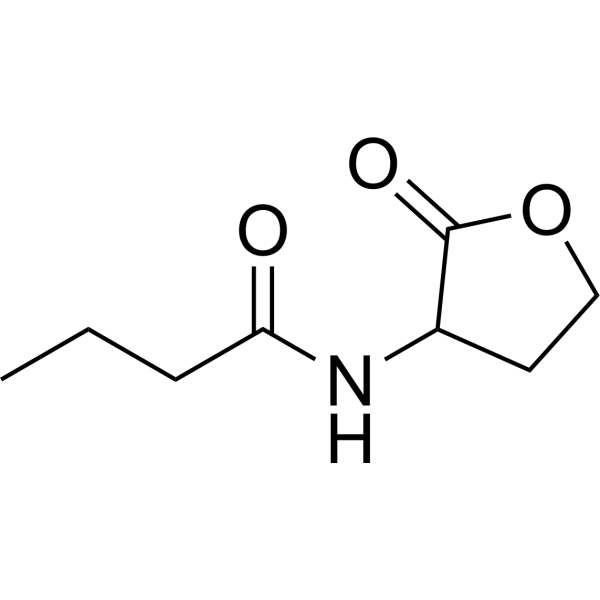 0 ImagesSynonyms: (Rac)-C4-HSL
N-Butanoyl-DL-homoserine lactone ((Rac)-C4-HSL) is a racemic mixture of N-Butanoyl-D-homoserine lactone and N-Butanoyl-L-homoserine lactone. N-Butanoyl-L-homoserine lactone is a cleavable ADC linker used in the synthesis of antibody-drug conjugates (ADCs). N-Butanoyl-L-homoserine lactone has antibacterial activity and is used in antibacterial biofilm. N-Butanoyl-L-homoserine lactone aptamers blocks qurom sensing and inhibits biofilm formation in Pseudomonas aeruginosa.
-
DNA31
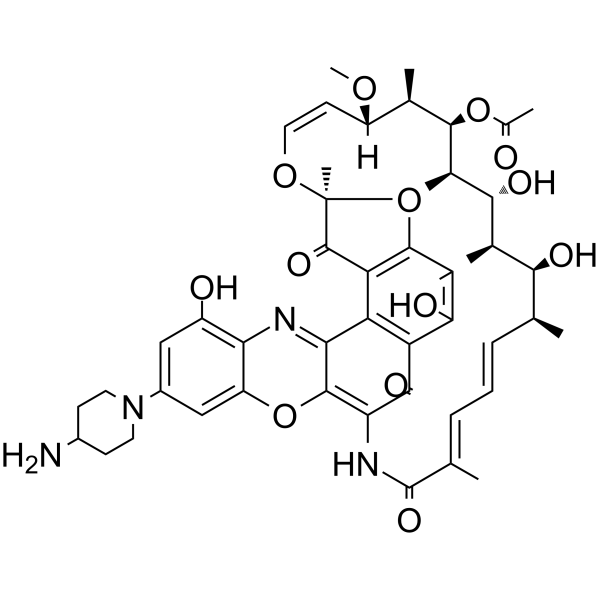 0 ImagesCat. No.: HY-128917CAS No.: 845626-57-5
DNA31 is a potent RNA polymerase inhibitor.
-
Carbonic anhydrase inhibitor 16
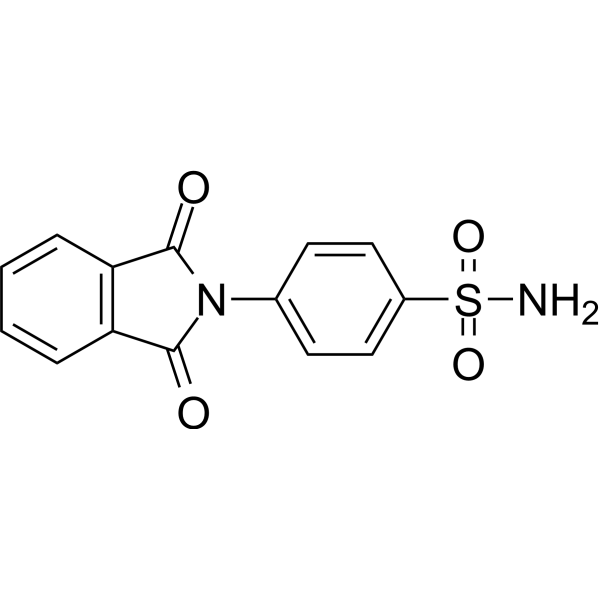 0 Images
Carbonic anhydrase inhibitor 16 (compound 1) is a dengue protease inhibitor with inhibitory activity against carbonic anhydrase hCA I and hCA II (Ki: 28.5 nM, 2.2 nM).




