Infection
-
Infection 관련 제품 (18904)
관련 제품 (18904)

-
Antibodies (22)
-
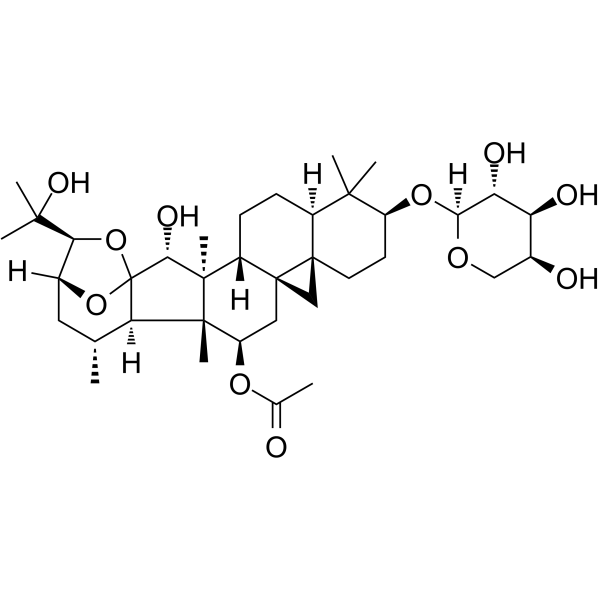
Cimiracemoside D
 0 Images
Cimiracemoside D is a natural compound extracted from the plant Rhodiola, with an unknown activity background.
-
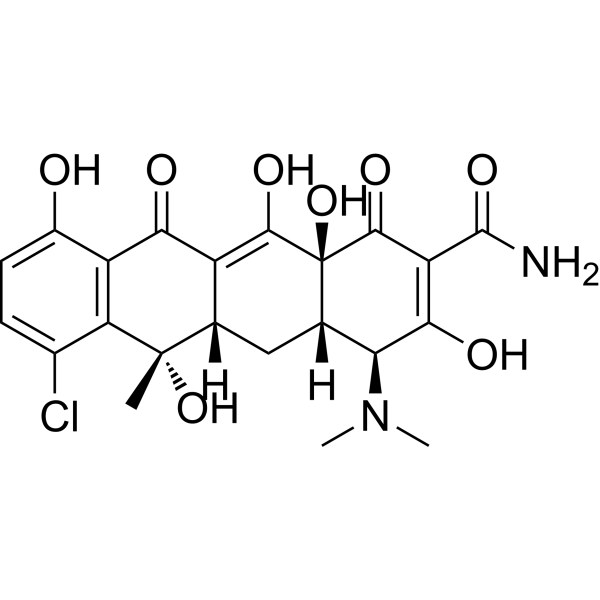
Chlortetracycline
 0 Images
Chlortetracycline (7-Chlorotetracycline) is an orally active, effective and selectively methanogenic bacteria inhibitor with bactericidal effects. Chlortetracycline is also a antibiotic that acts by inhibiting bacterial protein synthesis. Additionally, Chlortetracycline is a specific and potent calcium ionophore antibiotic, inhibiting binding of aminoacyl-tRNA to ribosomes.
-
Amitivir
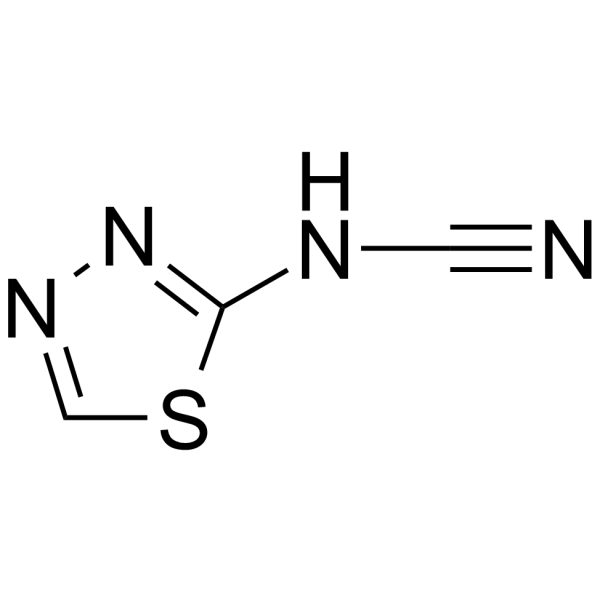 0 ImagesCat. No.: HY-106817CAS No.: 111393-84-1Synonyms: LY 217896
Amitivir (LY 217896), a thiadiazole derivative, possesses broad antiviral activity against orthomyxo- and paramyxoviruses. Amitivir is effective against influenza A and B viruses.
-
PfDHODH-IN-2
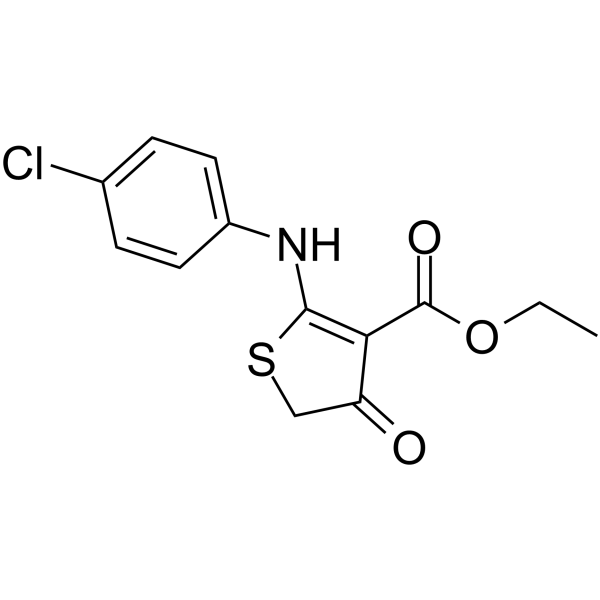 0 ImagesCat. No.: HY-W078844CAS No.: 425629-94-3
PfDHODH-IN-2, a dihydrothiophenone derivative (Compound 11), is a potent Plasmodium falciparum dihydroorotate dehydrogenase (PfDHODH) inhibitor with an IC50 of 1.11 µM. PfDHODH-IN-2 acts as an antimalarial agent and can be used for the research of malaria.
-
GHP-88310
 0 ImagesCat. No.: HY-180882Synonyms: EIDD-3608
GHP-88310 is an orally active broad-spectrum paramyxovirus and orthomyxovirus inhibitor that targets the L protein-RdRP complex, and exhibits activity against respiratory viruses and viruses of the genus Morbillivirus. GHP-88310 binds to the central cavity of the polymerase protein, blocks replicase and transcriptase activities, interferes with the viral life cycle and inhibits viral replication. GHP-88310 can be used in studies of paramyxovirus infections, including morbillivirus-like diseases, human parainfluenza virus type 3 infection and measles.
-
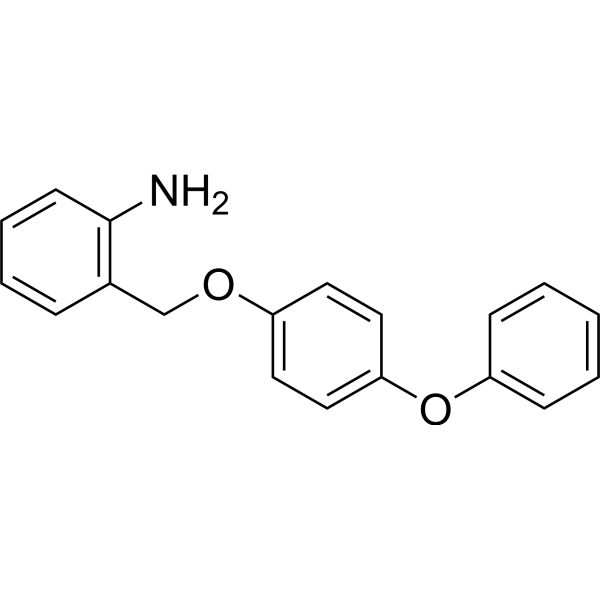
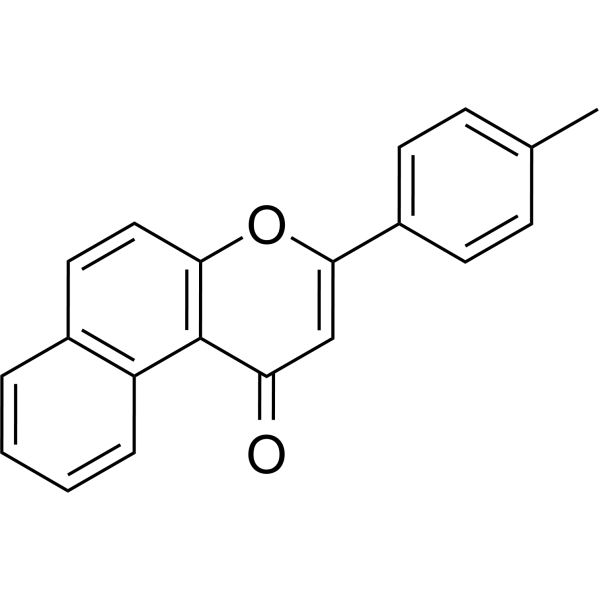
MERS-CoV-IN-1
 0 Images
MERS-CoV-IN-1 exhibits excellent inhibitory activity against coronavirus. MERS-CoV-IN-1 is useful as a pharmaceutical composition for preventing coronavirus-induced diseases (MERS-CoV and SARS) (extracted from patent WO2018174442A1, compound 1).
-
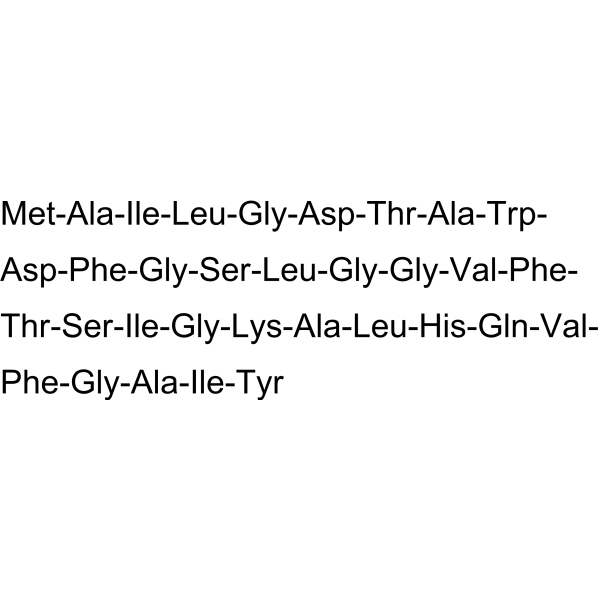
DN59
 0 Images
DN59 is a 33 amino acid peptide that mimics the dengue virus type 2 E stem region. DN59 inhibits all four serotypes of dengue virus (IC50: 2-5 μM) as well as other flaviviruses. N59 causes the release of genomic RNA by interacting directly with viral particles. DN59 has antiviral activity.
-
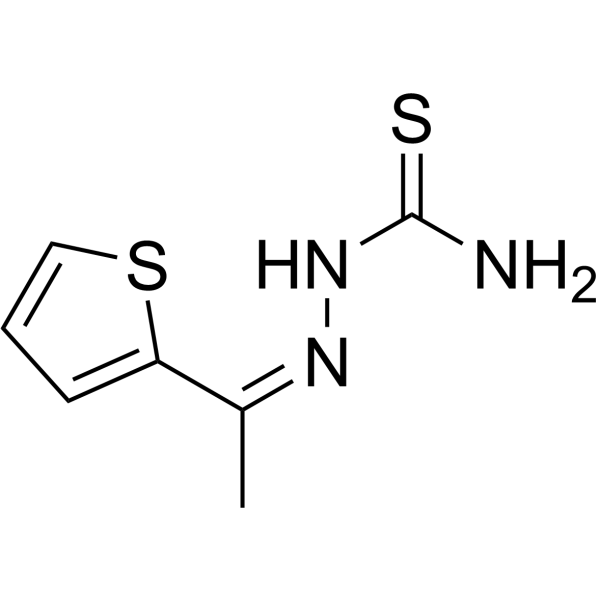
SSAA09E1
 0 Images
SSAA09E1 is a cathepsin L blocker (IC50: 5.33 μM).SSAA09E1 inhibits stages of viral entry. SSAA09E1 can be used for SARS-CoV infection research
-
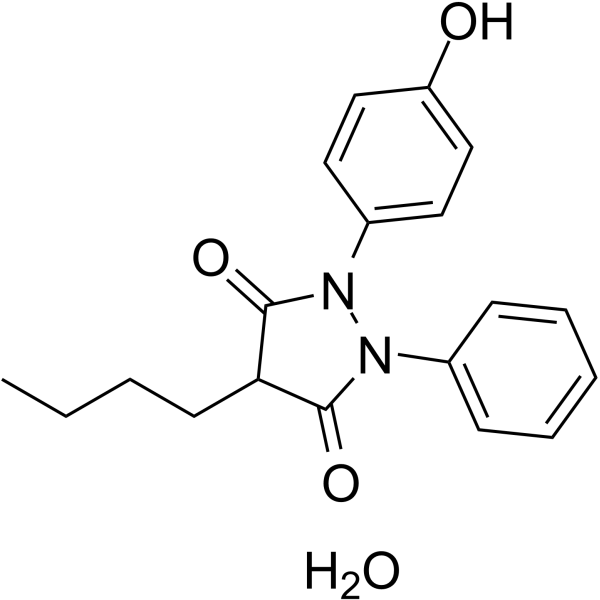
Oxyphenbutazone monohydrate
 0 Images
Oxyphenbutazone monohydrate is a Phenylbutazone (HY-B0230) metabolite, with anti-inflammatory effect. Oxyphenbutazone monohydrate is an orally active non-selective COX inhibitor. Oxyphenbutazone monohydrate selectively kills non-replicating Mycobaterium tuberculosis.
-
Cosfroviximab
 0 ImagesCat. No.: HY-P99832CAS No.: 1792982-57-0Synonyms: c13C6-FR1
Cosfroviximab (c13C6-FR1) is a mouse/human chimeric monoclonal antibody against Ebola virus glycoprotein (EBOV-GP).
-
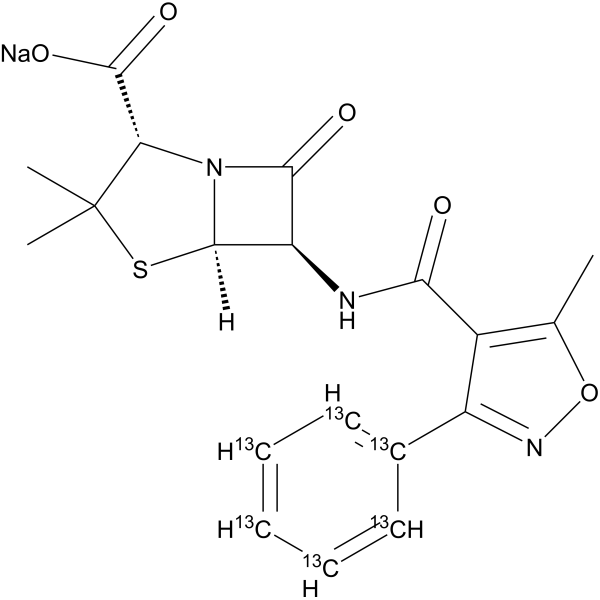
Oxacillin-13C6 sodium
 0 ImagesCat. No.: HY-B0925SPurity: 99%
Oxacillin-13C6 (sodium) is the 13C6 labeled Oxacillin (sodium). Oxacillin sodium salt is a narrow-spectrum β-lactam antibiotic of the penicillin class.
-
Penicillinase
 0 Images
Penicillinase is an enzyme capable of hydrolyzing penicillin. Penicillinase converts penicillin into penicilloic acid, which has no antigenicity, and destroys the antibacterial, antigenic and epileptogenic properties of penicillin. Penicillinase shortens the duration of penicillin-induced seizures and neutralizes the ability of penicillin to form epileptogenic foci. Penicillinase can be used in research related to penicillin hypersensitivity and penicillin-induced encephalopathy.
-
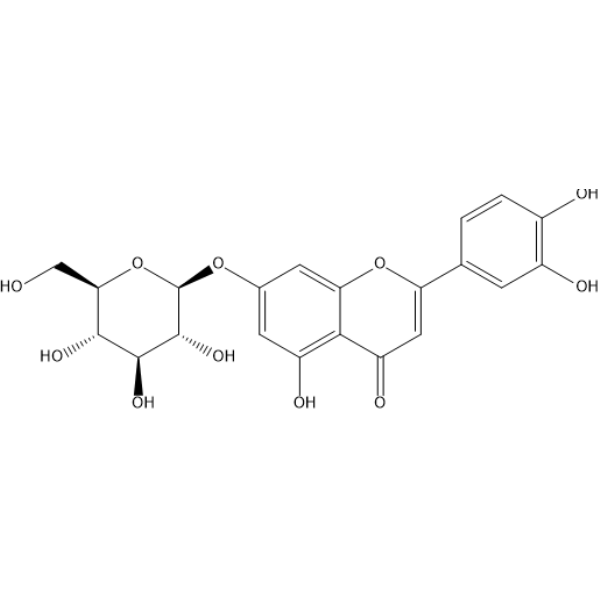
Cynaroside (Standard)
 0 ImagesSynonyms: Luteolin 7-glucoside (Standard); Luteolin 7-O-β-D-glucoside (Standard)
Cynaroside (Standard) is the analytical standard of Cynaroside. This product is intended for research and analytical applications. Cynaroside (Luteolin 7-glucoside) is a flavonoid compound that exhibits anti-oxidative capabilities. Cynaroside is also a potent influenza RNA-dependent RNA polymerase inhibitor with an IC50 of 32 nM. Cynaroside also is a promising inhibitor for H2O2-induced apoptosis, has cytoprotection against oxidative stress-induced cardiovascular diseases. Cynaroside also has antibacterial, antifungal and anticancer activities, antioxidant and anti-inflammatory activities.
-
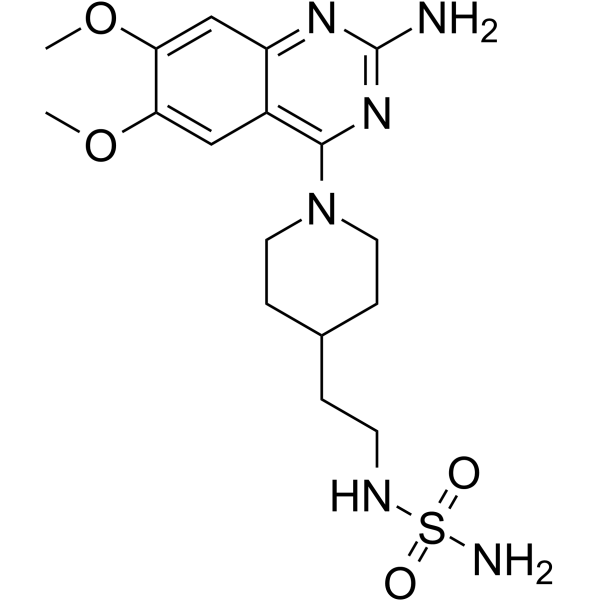
Enpp-1-IN-5
 0 Images
Enpp-1-IN-5 is a potent inhibitor of ectonucleotide pyrophosphatase-phosphodiesterase 1 (enpp-1). The ENPP 1 has broad specificity and can cleave a variety of substrates, including phosphodiester bonds of nucleotides and nucleotide sugars and pyrophosphate bonds nucleotides and nucleotide sugars. Enpp-1-IN-5 has the potential for the research of cancer and infectious diseases (extracted from patent WO2019046778A1/WO2021203772A1, compound 1).
-
MptpB-IN-1
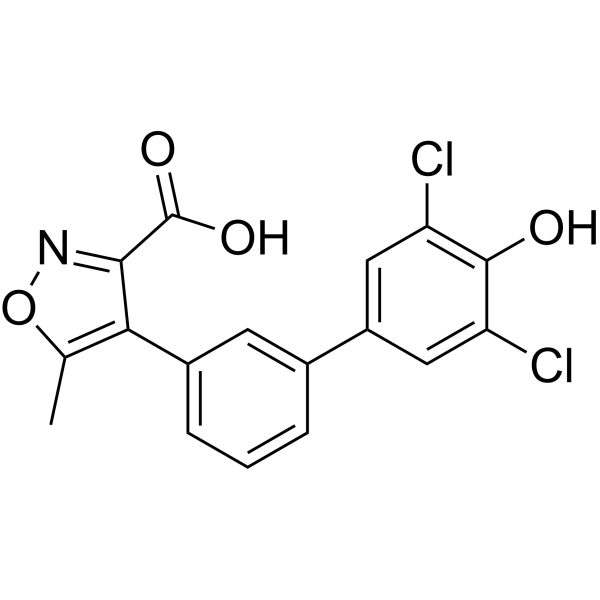 0 Images
MptpB-IN-1 (Compound 13) is a potent and orally active inhibitor of MptpB. Mycobacterium tuberculosis protein-tyrosine-phosphatase B (MptpB) is a secreted virulence factor that subverts antimicrobial activity in the host. MptpB-IN-1 reduces multidrug-resistant mycobacterium tuberculosis survival and infection burden.
-
2'-Amino-2'-deoxyguanosine
 0 Images
2'-Amino-2'-deoxyguanosine is a nucleoside antibiotic. 2'-Amino-2'-deoxyguanosine exhibits lethal activity against certain strains of Escherichia coli, with its antibacterial effect reversible by guanosine and other purine nucleosides. 2'-Amino-2'-deoxyguanosine can be used for the study of bacterial infection.
-
Thiabendazole-13C6
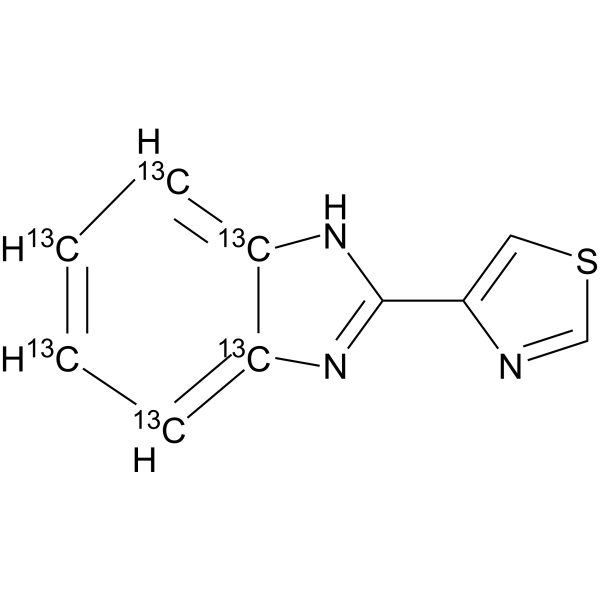 0 ImagesSynonyms: 2-(4-Thiazolyl)benzimidazole-13C6
Thiabendazole-13C6 is the 13C6 labeled Thiabendazole. Thiabendazole inhibites the mitochondrial helminth-specific enzyme, fumarate reductase, with anthelminthic property.
-
Methylisothiazolinone hydrochloride
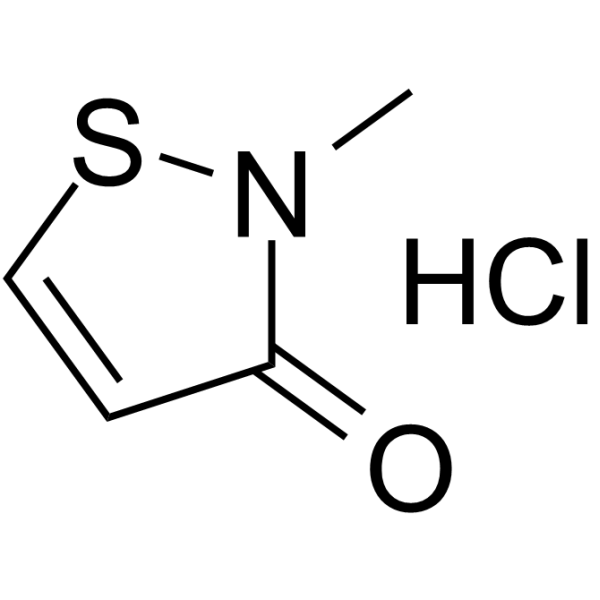 0 Images
Methylisothiazolinone hydrochloride is a bacterial and fungal inhibitor and preservative, as well as a sensitizer. Methylisothiazolinone hydrochloride can activate matrix metalloproteinases (MMPs) in human bronchial epithelial cells to induce apoptosis and inflammatory response. Methylisothiazolinone hydrochloride can promote the development of atopic dermatitis in mice by disrupting Th2/Th17 related immune responses. Methylisothiazolinone hydrochloride can cause mitochondrial damage in the endothelium of rat cerebral blood vessels.
-
Chelidonine hydrochloride
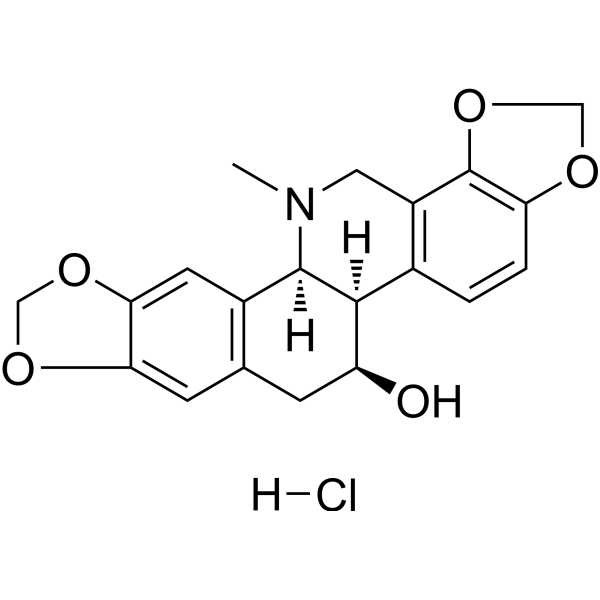 0 Images
Chelidonine (hydrochloride) is the hydrochloride form of Chelidonine (HY-N2369).Chelidonine, an isoquinoline alkaloid, can be isolated from Chelidonium majus L. Chelidonine causes G2/M arrest and induces caspase-dependent and caspase-independent apoptosis, and prevents cell cycle progression of stem cells in Dugesia japonica. Chelidonine has cytotoxic activity against melanoma cell lines. with anticancer and antiviral activity.