Others
-
Others Related Products (76257)
Related Products (76257)


-
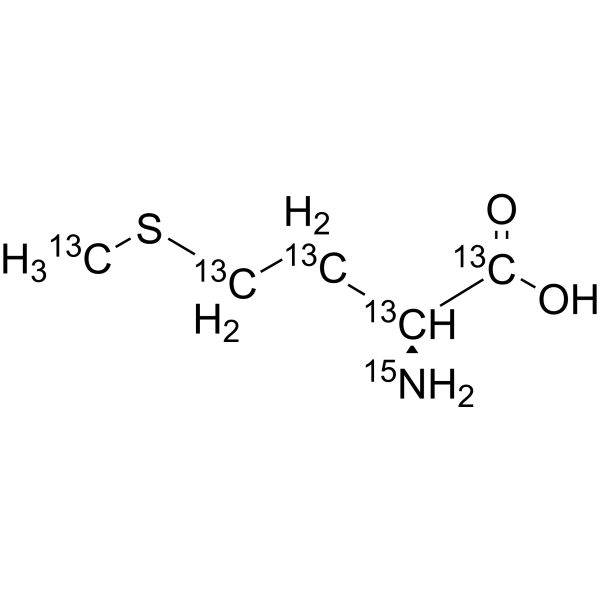
L-Methionine-13C5,15N
 0 Images
L-Methionine-13C5,15N is the 13C- and 15N-labeled L-Methionine. L-Methionine is the L-isomer of Methionine, an essential amino acid for human development. Methionine acts as a hepatoprotectant.
-
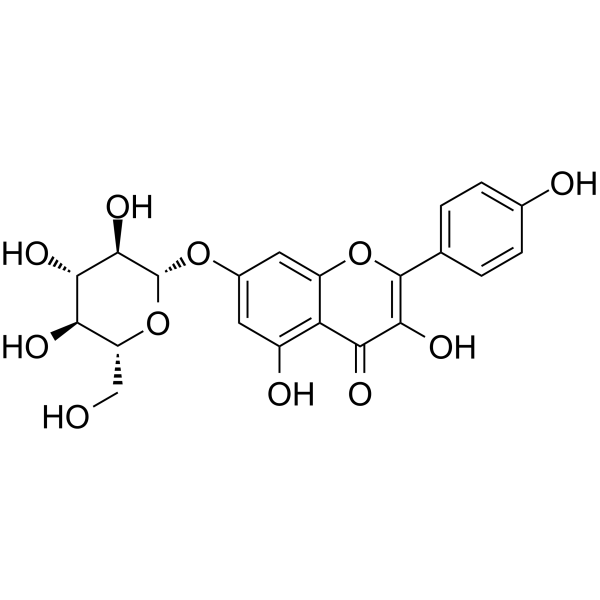
Kaempferol-7-O-β-D-glucopyranoside
 0 Images
Kaempferol-7-O-β-D-glucopyranoside is a flavonoid glycoside. Kaempferol-7-O-β-D-glucopyranoside exists in the root bark of Cudrania tricuspidata. Kaempferol-7-O-β-D-glucopyranoside inhibits Cu2+-induced lipid peroxidation of low-density lipoprotein. Kaempferol-7-O-β-D-glucopyranoside possesses antioxidant activity and scavenges DPPH free radicals.
-
(+)-Pinanediol
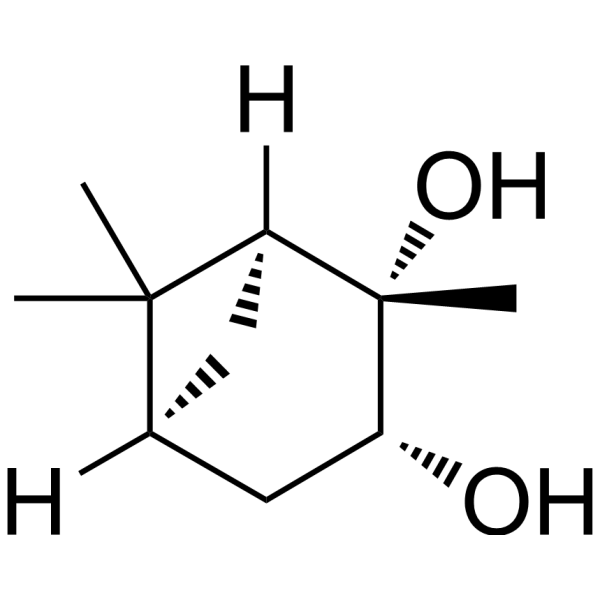 0 ImagesSynonyms: (1S,2S,3R,5S)-(+)-Pinanediol
(+)-Pinanediol ((1S,2S,3R,5S)-(+)-Pinanediol) is a potent inducer of melanin production. In S91 cells, it acts by inducing higher levels of pigmentation and nitric oxide (NO) synthesis.
-
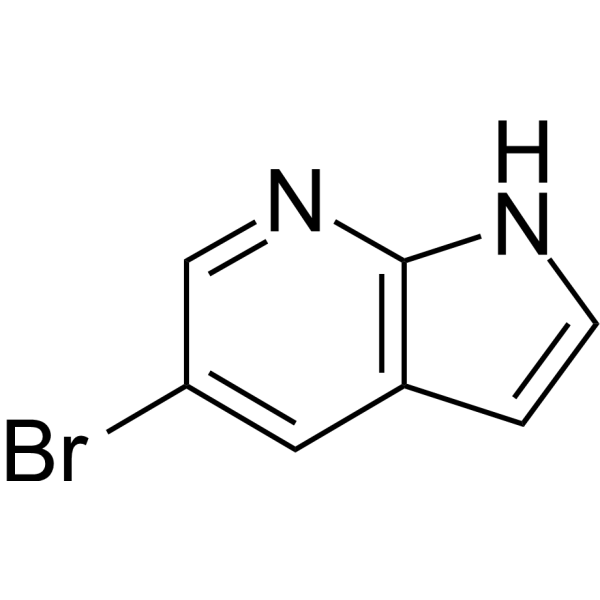
5-Bromo-7-azaindole
 0 Images
5-Bromo-7-azaindole is an intermediate. 5-Bromo-7-azaindole can be used in research on the synthesis of Haspin inhibitors.
-
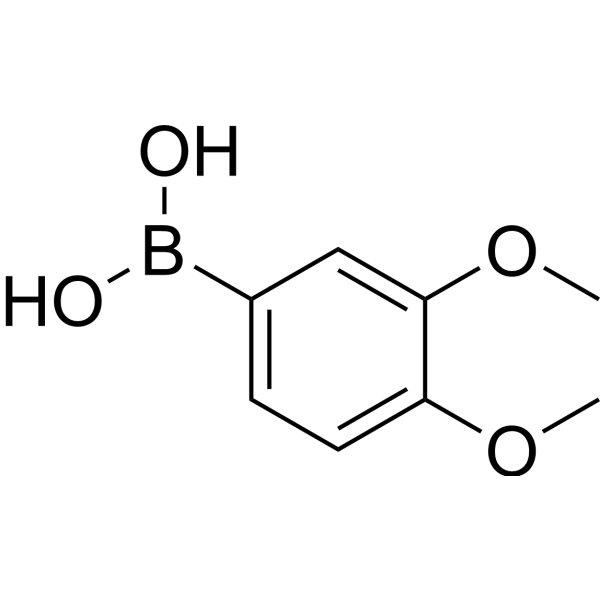
3,4-Dimethoxyphenylboronic acid
 0 Images
3,4-Dimethoxyphenylboronic acid is a biochemical reagent that can be used as a biological material or organic compound for life science related research.
-
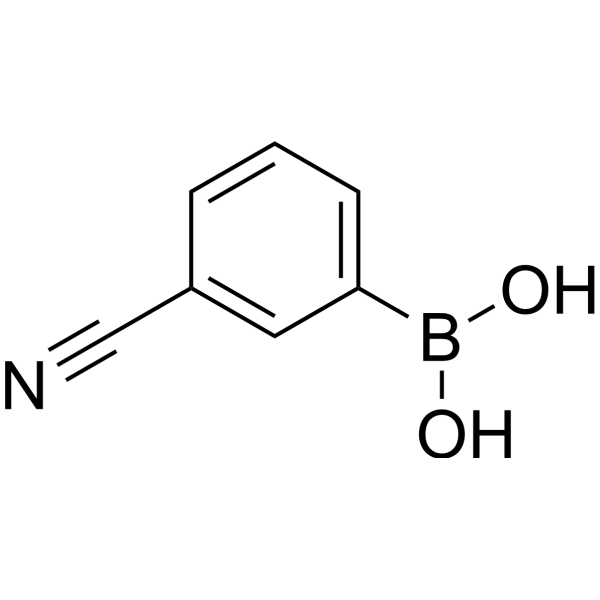
3-Cyanophenylboronic acid
 0 Images
3-Cyanophenylboronic acid is an arylboronic acid-based boronic acid reagent that serves as a coupling partner in Suzuki-Miyaura cross-coupling reactions. 3-Cyanophenylboronic acid participates in reactions to synthesize 4'-propoxybiphenyl-3-carbonitrile.
-
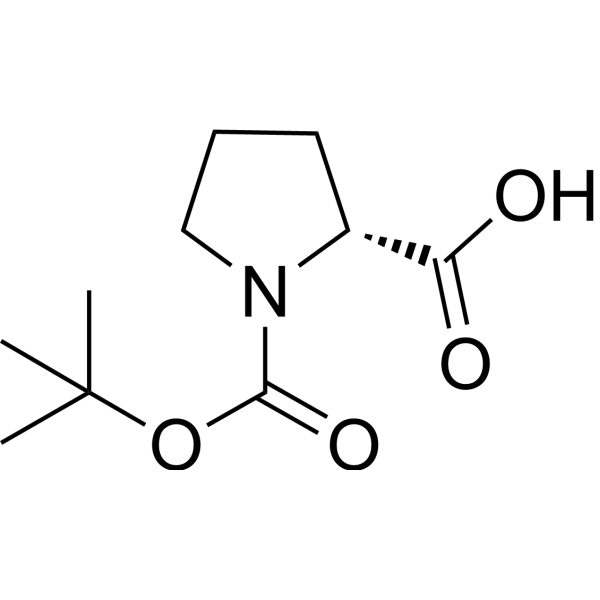
N-Boc-D-proline
 0 Images
Boc-D-proline is a biochemical reagent that can be used as a biological material or organic compound for life science related research.
-
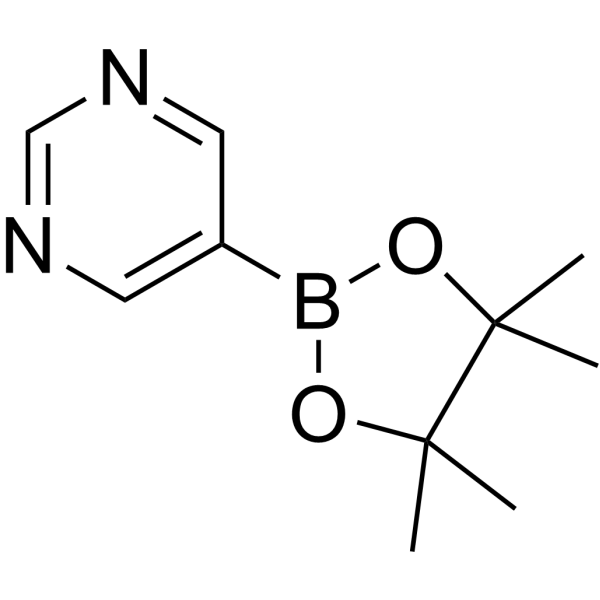
Pyrimidine-5-boronic acid pinacol ester
 0 Images
Pyrimidine-5-boronic acid pinacol ester is a derivative of Boronic acid. Boronic acid is an intermediate commonly used in organic synthesis reactions and can be used as a key reagent in the Suzuki-Miyaura reaction. It generates organic free radicals through oxygen-mediated oxidation and exhibits potential mutagenic activity. Boronic acid is mainly used in research in the fields of drug synthesis and catalytic reactions. Pyrimidine-5-boronic acid pinacol ester serves as a building block in DNA-compatible one-pot click chemistry for synthesis of DNA-encoded libraries.
-
Croscarmellose sodium
 0 ImagesCat. No.: HY-45072CAS No.: 74811-65-7
Croscarmellose sodium is a commonly used pharmaceutical additive approved by the US Food and Drug Administration (FDA). Croscarmellose sodium is used as excipients, such as the suspending agent, binder, glidant, antiadherent, and disintegrants.
-
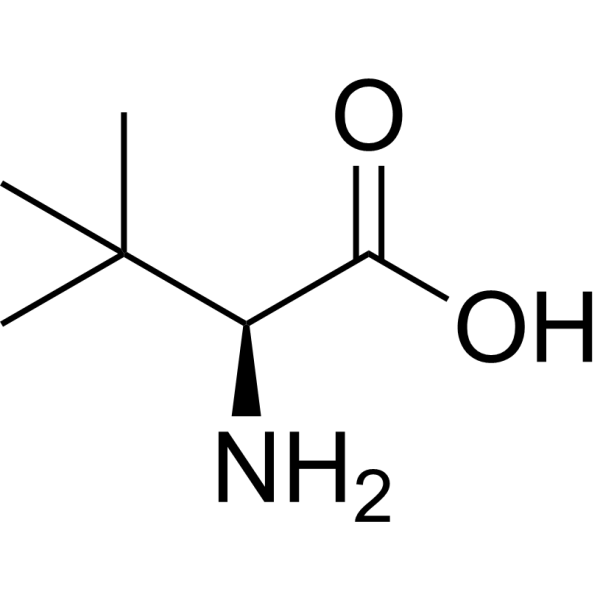
(S)-2-Amino-3,3-dimethylbutanoic acid
 0 Images
(S)-2-amino-3,3-dimethylbutanoic acid is a leucine derivative.
-
6-Bromoindole
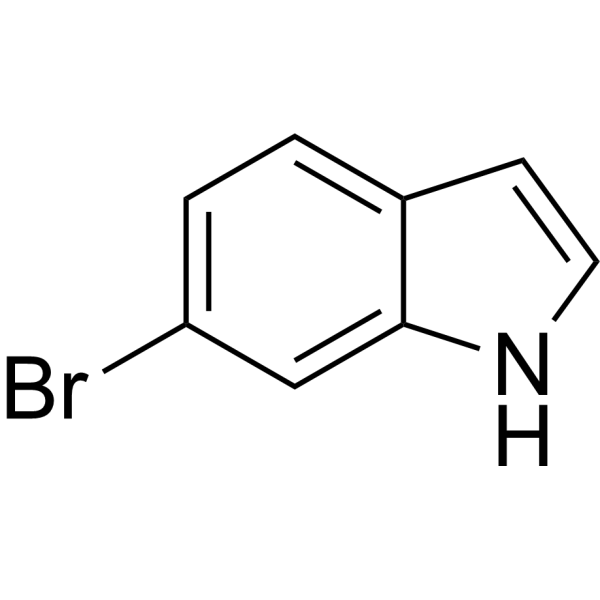 0 Images
6-Bromoindole is a biochemical reagent that can be used as a biological material or organic compound for life science related research.
-
N-Boc-L-tert-Leucine
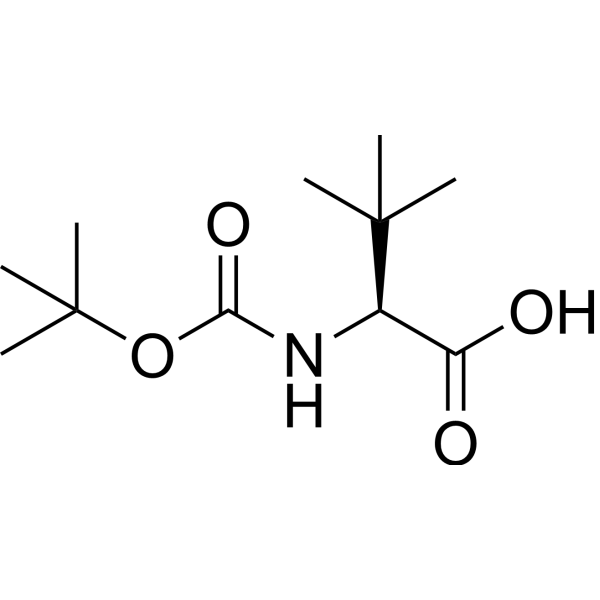 0 Images
N-Boc-L-tert-Leucine is a leucine derivative.
-
2-Amino-5-bromopyrazine
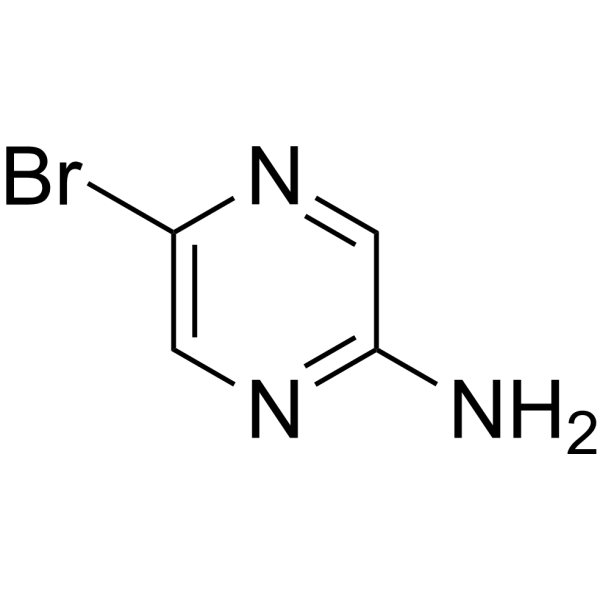 0 Images
2-Amino-5-bromopyrazine is a monobrominated 2-aminopyrazine derivative and functionalized intermediate for the synthesis of nitrogen heterocycles.