



Apoptosis
Apoptosis
Apoptosis is a distinctive form of cell death exhibiting specific morphological and biochemical characteristics, including cell membrane blebbing, chromatin condensation, genomic DNA fragmentation, and exposure of specific phagocytosis signaling molecules on the cell surface. Cells undergoing apoptosis differ from those dying through necrosis. Necrotic cells are usually recognized by the immune system as a danger signal and, thus, resulting in inflammation; in contrast, apoptotic death is quiet and orderly.
There are two major pathways of apoptotic cell death induction: The intrinsic pathway, also called the Bcl-2-regulated or mitochondrial pathway, is activated by various developmental cues or cytotoxic insults, such as viral infection, DNA damage and growth-factor deprivation, and is strictly controlled by the BCL-2 family of proteins. The extrinsic or death-receptor pathway is triggered by ligation of death receptors (members of the tumor necrosis factor (TNF) receptor family, such as Fas or TNF receptor-1 (TNFR1)) that contain an intracellular death domain, which can recruit and activate caspase-8 through the adaptor protein Fas-associated death domain (FADD; also known as MORT1) at the cell surface. This recruitment causes subsequent activation of downstream (effector) caspases, such as caspase-3, -6 or -7, without any involvement of the BCL-2 family.
Studies suggest that alterations in cell survival contribute to the pathogenesis of a number of human diseases, including cancer, viral infections, autoimmune diseases, neurodegenerative disorders, and AIDS (acquired immunodeficiency syndrome). Treatments designed to specifically alter the apoptotic threshold may have the potential to change the natural progression of some of these diseases.
All Product Categories
-
Apoptosis Inhibitors
(904)
View all products
-
Apoptosis Agonists
(7)
View all products
-
Apoptosis Antagonists
(9)
View all products
-
Apoptosis Activators
(363)
View all products
-
Apoptosis Modulators
(60)
View all products
-
Apoptosis Inducers
(7944)
View all products
-
Apoptosis Degrader
(1)
View all products
-
Apoptosis Controls
(33)
View all products
-
Apoptosis Related Products (9888)
Related Products (9888)

-
Antibodies (120)
-
Zorifertinib hydrochloride
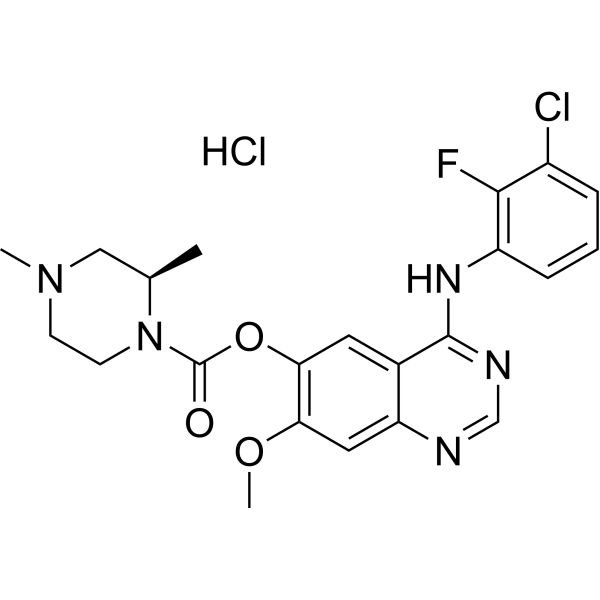 0 ImagesCat. No.: HY-18750ACAS No.: 1626387-81-2Synonyms: AZD3759 hydrochlorideZorifertinib (AZD3759) hydrochloride is a potent, orally active, BBB-penetrant, EGFR inhibitor (IC50s: 0.3, 0.2, and 0.2 nM for EGFRwt, EGFRL858R, and EGFRexon 19Del, respectively). Zorifertinib hydrochloride induces cancer cell apoptosis. Zorifertinib hydrochloride has antitumor activity, and can be used for NSCLC, HCC etc. research.
-
Zocilurtatug pelitecan
 0 ImagesCat. No.: HY-188059CAS No.: 3058592-88-1Synonyms: ZL-1310Zocilurtatug pelitecan (ZL-1310) is a blood-brain barrier-penetrating antibody-drug conjugate targeting DLL3. It consists of the antibody component Zocilurtatug (HY-P992148) and the toxin-linker molecule DL-01 (HY-155870). Zocilurtatug pelitecan induces cell cycle arrest and apoptosis in tumor cells, and inhibits the growth of established human tumors in xenograft models. It can be used in research on extensive-stage small cell lung cancer (SCLC) and neuroendocrine tumors.
-
Busulfan solution
 0 ImagesCat. No.: HY-FLB0245CAS No.: 55-98-1Busulfan solution is mainly composed of Busulfan (HY-B0245). Busulfan is a potent alkylating antineoplastic agent. Busulfan causes DNA damage by cross-linking DNAs and DNA and proteins. Busulfan inhibits thioredoxin reductase. Busulfan induces apoptosis. Busulfan is an immunosuppressive and myeloablative chemotherapeutic agent.
-
Gefitinib (GMP)
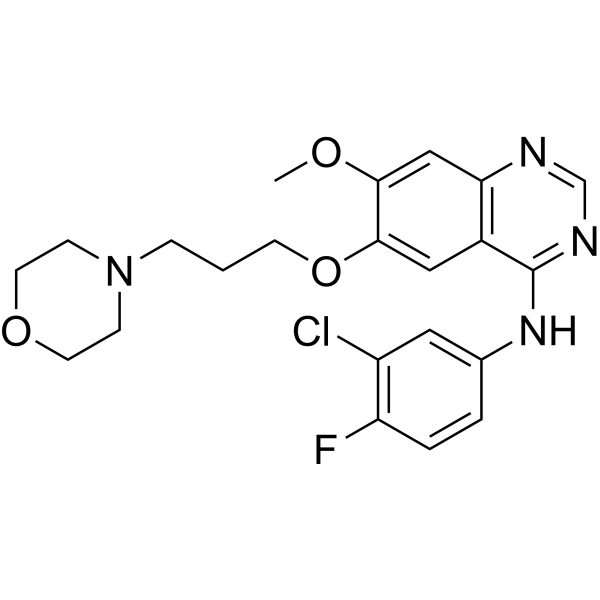 0 ImagesCat. No.: HY-50895GCAS No.: 184475-35-2Synonyms: ZD1839 (GMP)
-
Cabozantinib hydrochloride
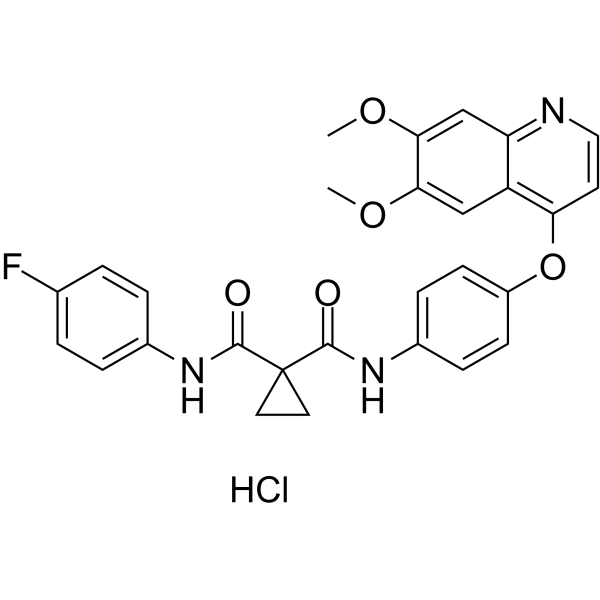 0 ImagesCat. No.: HY-13016ACAS No.: 1817759-42-4Synonyms: XL184 hydrochloride; BMS-907351 hydrochlorideCabozantinib hydrochloride is a potent and orally active inhibitor of VEGFR2 and MET, with IC50 values of 0.035 and 1.3 nM, respectively. Cabozantinib hydrochloride displays strong inhibition of KIT, RET, AXL, TIE2, and FLT3 (IC50=4.6, 5.2, 7, 14.3, and 11.3 nM, respectively). Cabozantinib hydrochloride shows antiangiogenic activity. Cabozantinib hydrochloride disrupts tumor vasculature and promotes tumor and endothelial cell apoptosis.
-
Prexasertib mesylate
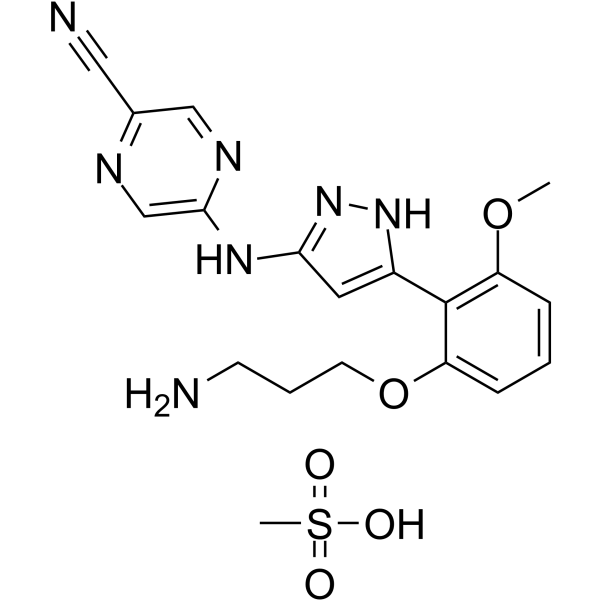 0 ImagesCat. No.: HY-18174CCAS No.: 1234015-55-4Synonyms: LY2606368 mesylatePrexasertib mesylate (LY2606368 mesylate) is a selective, ATP-competitive second-generation checkpoint kinase 1 (CHK1) inhibitor with a Ki of 0.9 nM and an IC50 of <1 nM. Prexasertib mesylate inhibits CHK2 (IC50=8 nM) and RSK1 (IC50=9 nM). Prexasertib mesylate causes double-stranded DNA breakage and replication catastrophe resulting in apoptosis. Prexasertib mesylate shows potent anti-tumor activity.
-
Sorafenib-d4
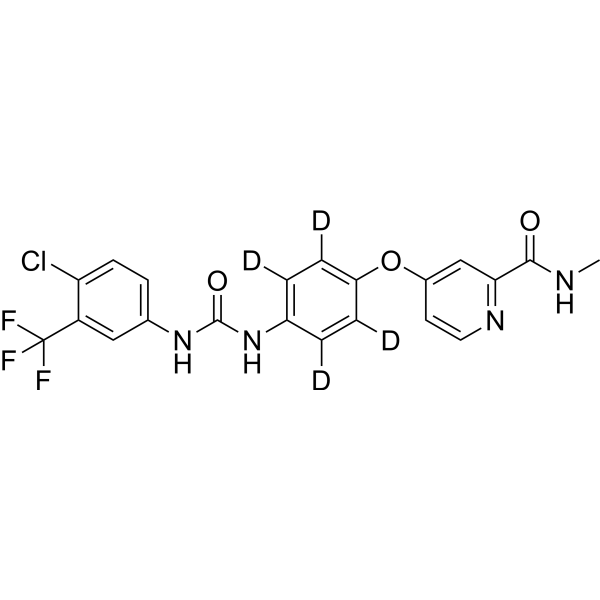 0 ImagesSynonyms: Bay 43-9006-d4Sorafenib-d4 (Bay 43-9006-d4) is the deuterated-labeled Sorafenib (HY-10201). Sorafenib (Bay 43-9006) is a potent oral active multikinase inhibitor. Sorafenib blocks autophosphorylation and activity of receptor tyrosine kinases (VEGFR-2, VEGFR-3) and RAF family kinases, thereby suppressing the RAF/MEK/ERK and PI3K/Akt pathways, inhibiting STAT3 phosphorylation, and selectively inhibiting the MAPK pathway in cancer cells. Sorafenib induces cell cycle arrest, autophagy, apoptosis, and PARP cleavage, reduces Bcl-2, Bcl-XL, cyclin D1 levels, and activates Bak and Bax. Sorafenib inhibits tumor growth and metastasis in mouse and rat models. Sorafenib can be used for cancer research, such as colon, breast, non-small-cell lung cancer (NSCLC), ovarian, pancreatic, melanoma, colorectal and hepatocellular carcinoma.
-
Topotecan hydrochloride hydrate
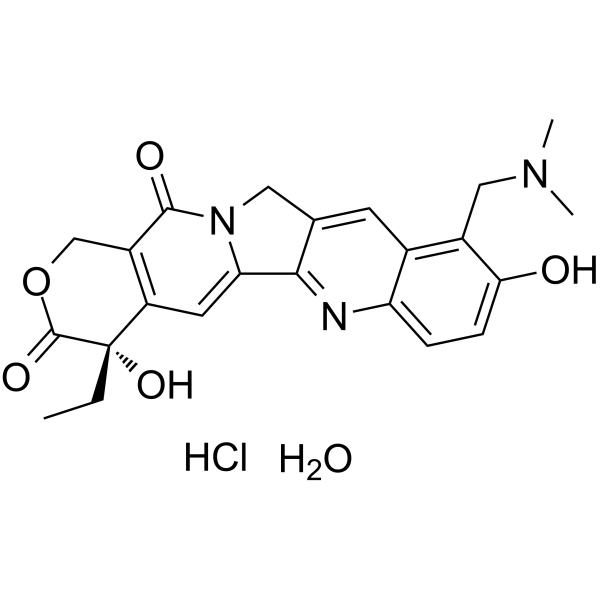 0 ImagesCat. No.: HY-13768CCAS No.: 1044663-62-8Synonyms: SKF 104864A hydrochloride hydrate; NSC 609669 hydrochloride hydrateTopotecan hydrochloride hydrate is an orally active and potent Topoisomerase I inhibitor. Topotecan hydrochloride hydrate induces cell cycle arrest in G0/G1 and S phases and promotes apoptosis. Topotecan hydrochloride hydrate shows anticancer activity.
-
Flonoltinib sulfate
 0 ImagesCat. No.: HY-130247CCAS No.: 2568842-57-7Synonyms: JAK2/FLT3-IN-1 sulfate
-
Emavusertib hydrochloride
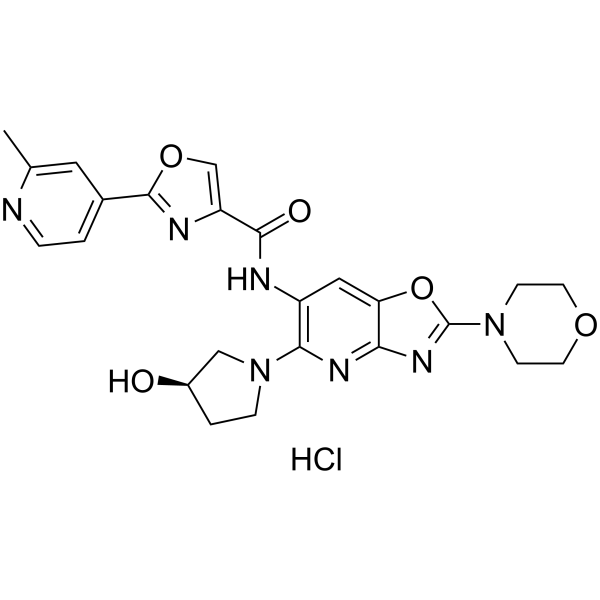 0 ImagesCat. No.: HY-135317BCAS No.: 2376399-42-5Synonyms: CA-4948 hydrochlorideEmavusertib hydrochloride (CA-4948 tosylate) is the hydrochloride salt form of Emavusertib (HY-135317). Emavusertib hydrochloride is an orally active inhibitor for IRAK4 (IC50=57 nM) and FLT3. Emavusertib hydrochloride inhibits NF-κB and MyD88 signaling pathways, reduces the generation of pro-inflammatory cytokines like IL-6 and IL-10, thereby exhibiting anti-inflammatory and anti-proliferative activities against cancer cells, leading to cell apoptosis. Emavusertib hydrochloride exhibits antitumor activity in mouse model.
-
Lenalidomide hydrochloride
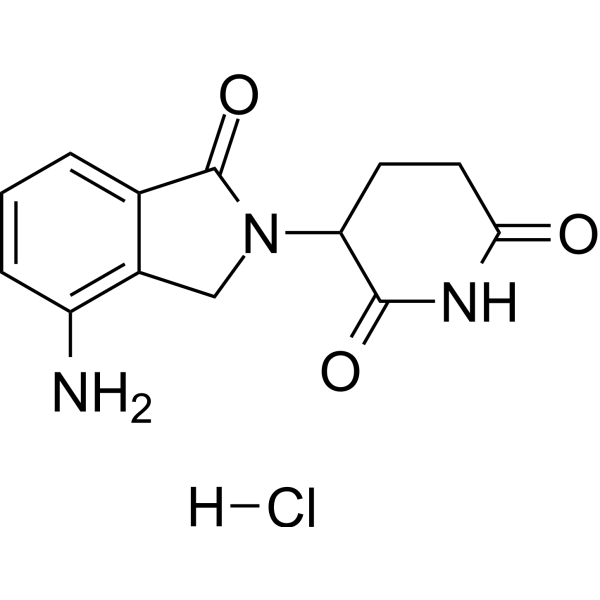 0 ImagesCat. No.: HY-A0003ACAS No.: 1243329-97-6Synonyms: CC-5013 hydrochlorideLenalidomide hydrochloride (CC-5013 hydrochloride) is an orally active immunomodulatory agent that binds CRBN as a molecular glue to alter substrate specificity, inducing ubiquitination and proteasome-dependent degradation of IKZF1, IKZF3 and CK1α. Lenalidomide hydrochloride induces apoptosis by degrading IKZF1/3, and activates p53 by degrading CK1α. Lenalidomide hydrochloride promotes IL-2 release and effector functions of CD8+ T/NK cells, while inhibiting TNF-α secretion and M1-type pyroptosis. Lenalidomide hydrochloride can be used in research related to hematological malignancies, acute liver failure and acute kidney injury.
-
PAI-1-IN-1
 0 ImagesPAI-1-IN-1 is an orally active and specific PAI-1 inhibitor with an IC50 of <6.95 μM. PAI-1-IN-1 blocks the interaction between PAI-1 and serine proteases or LRP-1, and enhances plasmin generation. PAI-1-IN-1 restores macrophage efferocytosis and promotes macrophage polarization. PAI-1-IN-1 alleviates PAI-1-mediated inhibition of Furin, promotes MT1-MMP maturation, activates the NOTCH1 signaling pathway, inhibits proliferation and induces apoptosis. PAI-1-IN-1 promotes skeletal muscle regeneration and alleviates inflammation in a mouse model of skeletal muscle injury. PAI-1-IN-1 can be used in research on skeletal muscle injury-induced inflammation and chronic myeloid leukemia.
-
Minocycline-d7
 0 ImagesCat. No.: HY-W654013Minocycline-d7 is deuterium labeled Minocycline. Minocycline is an orally active, potent and BBB-penetrated semi-synthetic tetracycline antibiotic. Minocycline is a hypoxia-inducible factor (HIF)-1α inhibitor. Minocycline shows anti-cancer, anti-inflammatory, and glutamate antagonist effects. Minocycline reduces glutamate neurotransmission and shows neuroprotective properties and antidepressant effects. Minocycline inhibits bacterial protein synthesis through binding with the 30S subunit of the bacterial ribosome, resulting in a bacteriostatic effect.
-
PWT-33597 free base
 0 ImagesCat. No.: HY-15960CAS No.: 1246203-32-6Synonyms: VDC-597 free basePWT-33597 (VDC-597) free base is a dual inhibitor of PI3Kα and mTOR, which can effectively block the signaling downstream of PI3K and mTOR. PWT-33597 free base is capable of inducing tumor cell apoptosis and inhibiting tumor growth. PWT-33597 free base has anti-tumor activity and can be used in the research of tumors such as renal cell carcinoma.
-
Fludrocortisone-d5
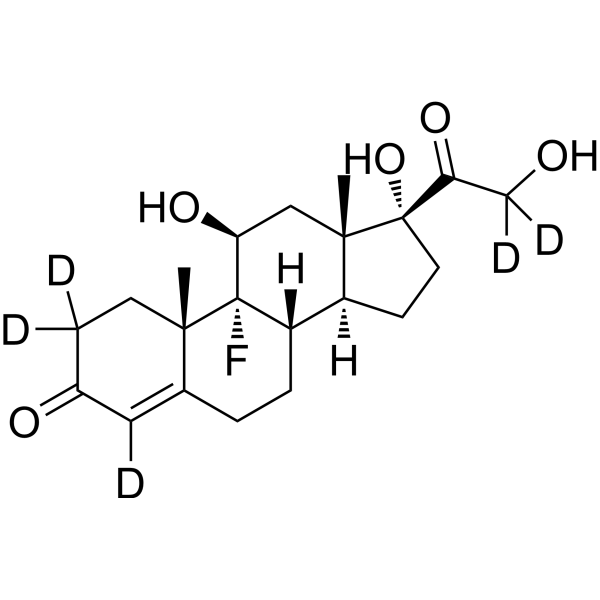 0 ImagesCat. No.: HY-B1203SSynonyms: 9α-Fludrocortisone-d5; 9α-Fluorcortisol-d5Fludrocortisone-d5 (9α-Fludrocortisone-d5) is the deuterium labeled Fludrocortisone (HY-B1203). Fludrocortisone is an orally active mineralocorticoid and glucocorticoid receptor agonist. Fludrocortisone suppresses pro-inflammatory cytokine expression, reduces CCL2, IL-6, IL-8 levels, upregulates mineralocorticoid receptor (MR) expression, induces PI3K/Akt, GSK-3β, CREB, ERK1/2, mTOR phosphorylation, blocks Tau hyperphosphorylation, prevents apoptosis, promotes survival and proliferation, enhances renal sodium and water transport, increases plasma volume and blood pressure, reduces plasma potassium and renin activity, stimulates erythropoietin expression, modulates uterine receptivity genes, and reverses PP242-induced MUC1 upregulation. Fludrocortisone can be used for the research of congenital adrenal hyperplasia, postural hypotension, and adrenal insufficiency.
-
AS-99
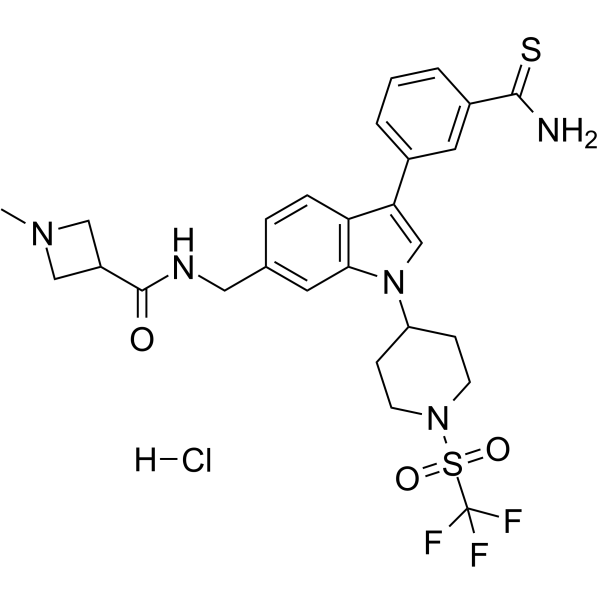 0 ImagesCat. No.: HY-141429CAS-99 is a first-in-class, potent, and selective ASH1L histone methyltransferase inhibitor (IC50= 0.79 μM, Kd= 0.89 μM) with anti-leukemic activity. AS-99 blocks cell proliferation, induces apoptosis and differentiation, downregulates MLL fusion target genes, and reduces the leukemia burden in vivo.
-
Thalidomide-PEG5-NH2
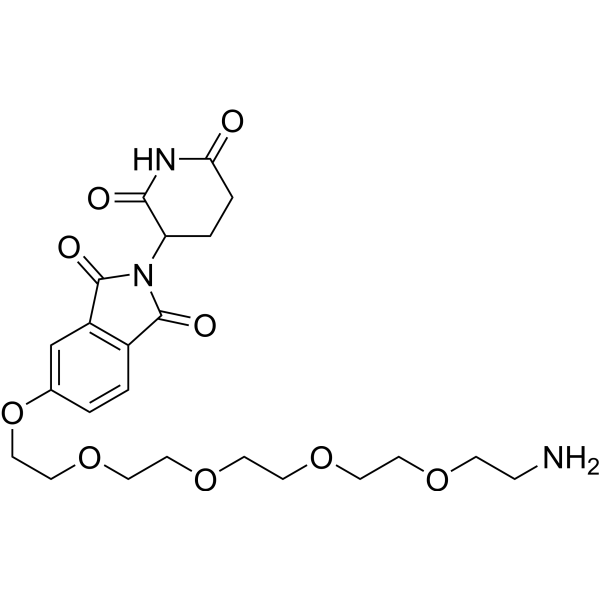 0 ImagesCat. No.: HY-138784CAS No.: 2460263-40-3Thalidomide-PEG5-NH2 is a synthesized E3 ligase ligand-linker conjugate that incorporates the Thalidomide based cereblon ligand and a linker used in PROTAC technology.
-
Edaravone solution
 0 ImagesCat. No.: HY-FLB0099CAS No.: 89-25-8Synonyms: MCI-186 solutionEdaravone solution is mainly composed of Edaravone (HY-B0099). Edaravone is a strong novel free radical scavenger, and inhibits MMP-9-related brain hemorrhage in rats treated with tissue plasminogen activator. Edaravone can improve the neurological symptoms, daily living activities and functional impairments caused by acute cerebral infarction.
-
Thalidomide-5-PEG3-NH2
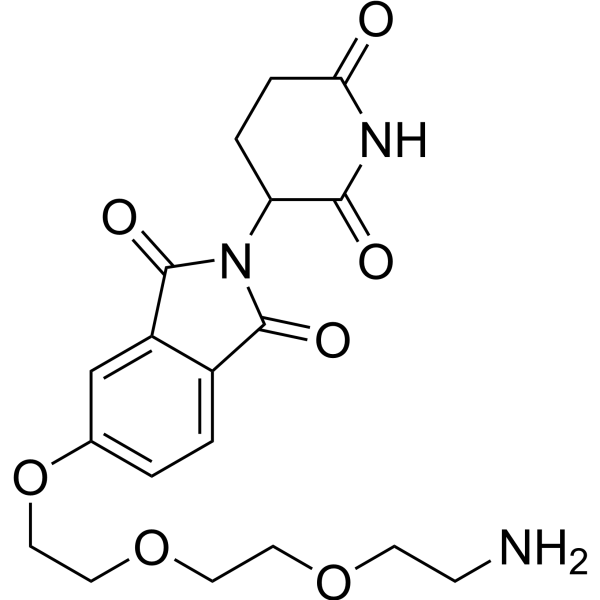 0 ImagesCat. No.: HY-138786CAS No.: 2743432-13-3Thalidomide-5-PEG3-NH2 is a synthesized E3 ligase ligand-linker conjugate that incorporates the Thalidomide based cereblon ligand and a linker used in PROTAC technology.
-
FF2049
 0 ImagesCat. No.: HY-168863FF2049 is a selective HDAC1-3 PROTAC degrader (with a DC50 of 257 nM against HDAC1). FF2049 recruits the E3 ligase FEM1B to mediate ubiquitination and proteasomal degradation of HDAC1-3. FF2049 induces cell cycle arrest and Apoptosis in cells. FF2049 can be used in research related to multiple myeloma, acute monocytic leukemia, triple-negative breast cancer and glioblastoma.




