



Abl
ABL family kinases, including ABL1 (c-Abl) and ABL2 (Arg), are non-receptor tyrosine kinases that integrate cytoskeletal regulation, cell adhesion, migration, endocytosis, proliferation, and stress-response signaling across multiple cellular contexts[1][1]. Mechanistically, ABL kinases couple SH3-SH2-SH1 signaling modules with actin-binding domains, enabling regulation of cytoskeletal remodeling and cell motility pathways that influence tissue morphogenesis and cellular invasion[1][2]. In disease settings, aberrant ABL kinase activation contributes to hematologic malignancies through oncogenic fusion proteins such as BCR-ABL1, while increased endogenous ABL signaling has also been reported in solid tumors, including breast, colorectal, melanoma, lung, and renal cancers[2][3]. Compared with ABL1, which contains nuclear localization and DNA-binding elements linked to stress-response and nuclear signaling functions, ABL2 is enriched in cytoplasmic and peripheral cytoskeletal compartments and plays a prominent role in invadopodia maturation, tumor-cell invasion, and metastatic dissemination[1][2]. For experimental applications, ATP-competitive inhibitors such as imatinib, nilotinib, and dasatinib, together with selective allosteric ABL inhibitors targeting the myristoyl-binding pocket, are widely used to dissect ABL-dependent signaling networks and evaluate kinase-driven disease mechanisms[1][3].
References:
- [1]. Colicelli J. ABL tyrosine kinases: evolution of function, et al. ABL tyrosine kinases: evolution of function, regulation, and specificity. Sci Signal. 2010 Sep 14;3(139):re6. [Content Brief]
- [2]. Ali SR, et al. Nerve Density and Neuronal Biomarkers in Cancer. Cancers (Basel). 2022 Oct 1;14(19):4817. [Content Brief]
- [3]. Khalili M, et al. Underserved Does Not Mean Undeserved: Unfurling the HCV Care in the Safety Net. Dig Dis Sci. 2018 Dec;63(12):3250-3252. [Content Brief]
All Product Categories
-
Abl Related Products (34)
Related Products (34)

- 1
- 2
-
Nocodazole
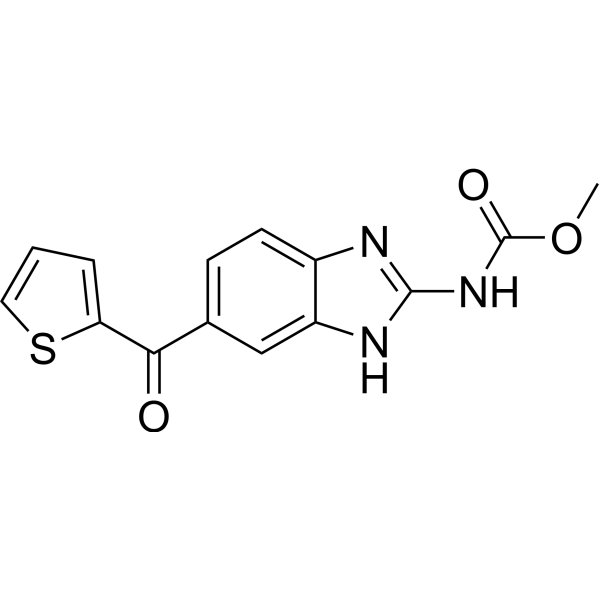 0 ImagesSynonyms: Oncodazole; R17934
-
Naporafenib
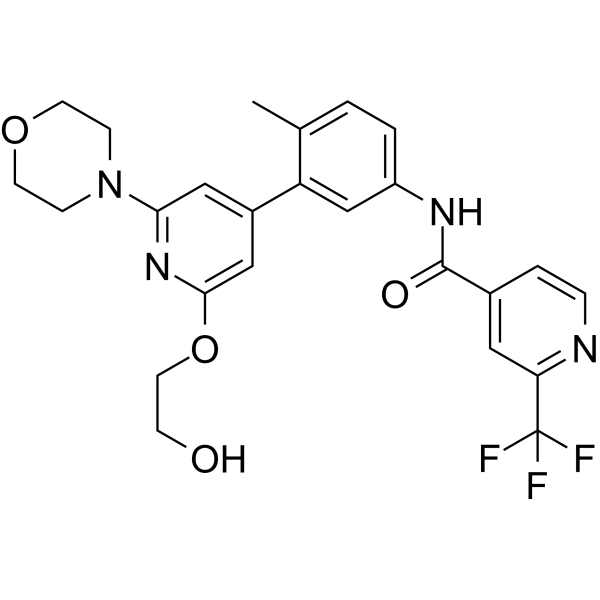 0 ImagesSynonyms: LXH254Naporafenib (LXH254) is a potent, selective, orally active, type II BRAF and CRAF inhibitor, with IC50 values of 0.072 and 0.21 nM against CRAF and BRAF, respectively.
-
KW-2449
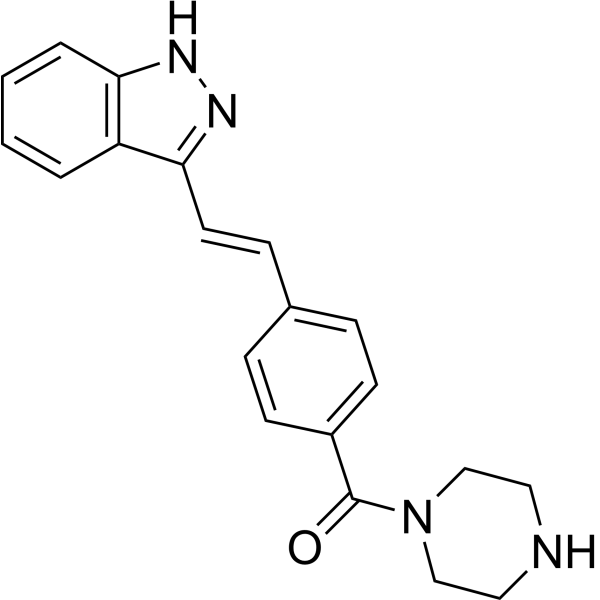 0 ImagesKW-2449 is a multi-targeted kinase inhibitor of FLT3, ABL, ABLT315I and Aurora kinase with IC50s of 6.6, 14, 4 and 48 nM, respectively.
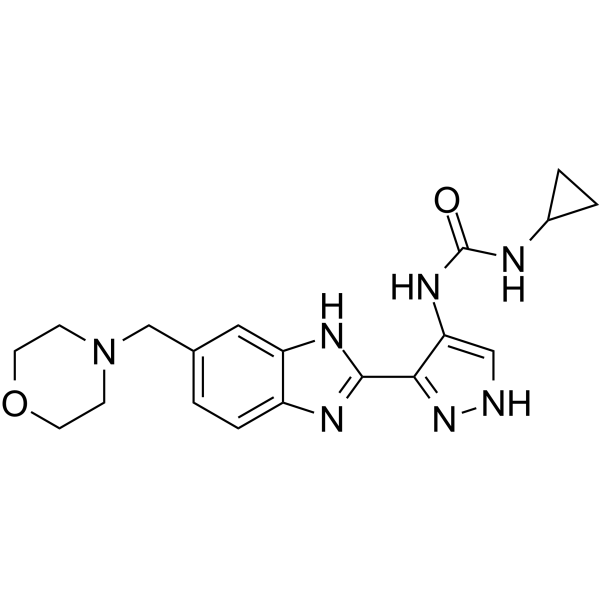
-
GLPG3312
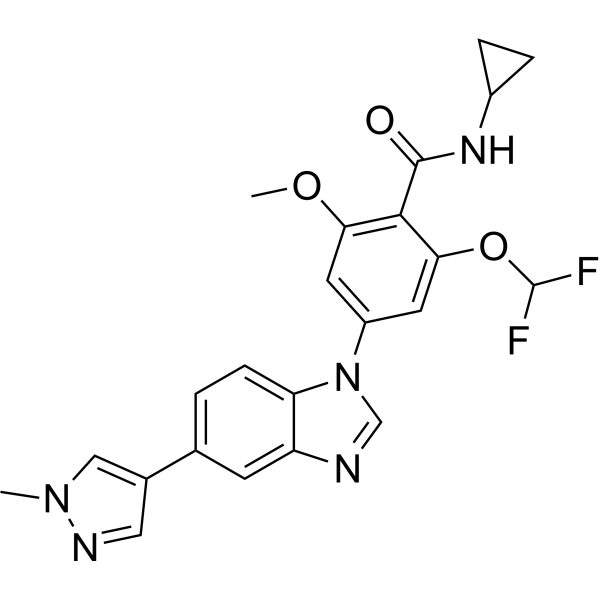 0 ImagesGLPG3312 (Compound 28) is an orally active SIK inhibitor with IC50 values of 2.0 nM, 0.7 nM and 0.6 nM for SIK1, SIK2 and SIK3, respectively. GLPG3312 exhibits anti-inflammatory and immunomodulatory activity in vitro on human primary myeloid cells and in vivo in mouse models. GLPG3312 has good oral bioavailability and can be used for research on inflammatory and immune diseases.
-
(R)-9b
 0 Images(R)-9b is an ATP-competitive kinase inhibitor. (R)-9b binds to the ATP-binding site of ACK1/TNK2, inhibiting their kinase activity and autophosphorylation, with a human IC50 of 56 nM. (R)-9b also inhibits JAK2, Tyk2, ALK, c-Src, ABL1, CHK1, FGFR1, LCK, and ROS/ROS1. (R)-9b can be used for research on prostate cancer.
-
Embibatinib
 0 ImagesCat. No.: HY-182792CAS No.: 2412966-86-8Synonyms: TERN-701Embibatinib (TERN-701) is an orally active and allosteric BCR-ABL1 tyrosine kinase inhibitor targeting the myristoyl pocket. Embibatinib exhibits an IC50 of 0.38 nM against ABL1 wild-type enzyme. Embibatinib can be used for the study of chronic myeloid leukemia (CML).
-
Relcobatinib
 0 ImagesCat. No.: HY-184100SCAS No.: 2767305-95-1Synonyms: RelcobatinibumRelcobatinib (Relcobatinibum) is a ABL1 kinase inhibitor with an IC50 of 12.7 nM against wild-type ABL1 and an IC50 of 43.5 nM against the ABL1T315I mutant. Relcobatinib inhibits the phosphorylation of CRKL. Relcobatinib exhibits anticancer activity against chronic myeloid leukemia. Relcobatinib can be used in studies related to chronic myeloid leukemia.
-
Ponatinib hydrochloride
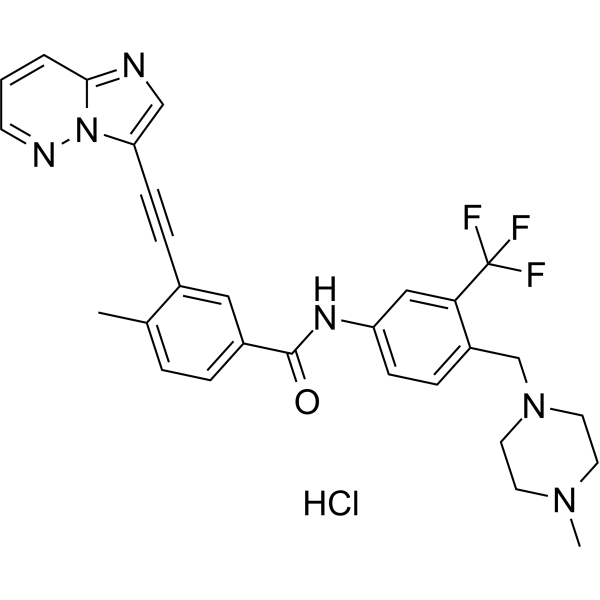 0 ImagesSynonyms: AP24534 hydrochloride
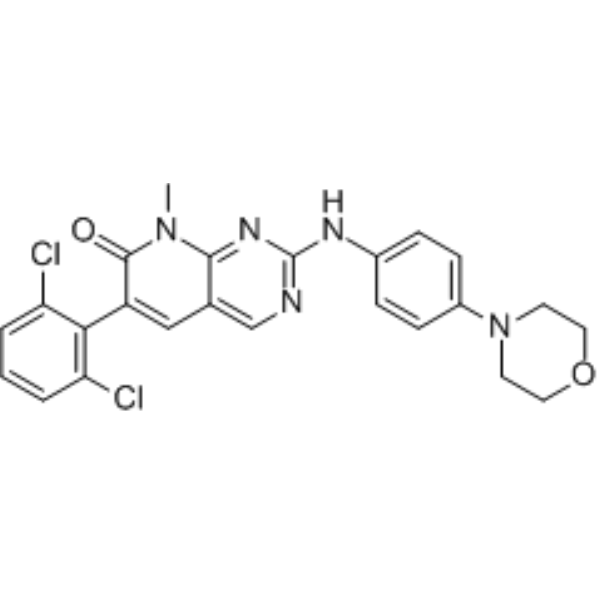
-
PD166326
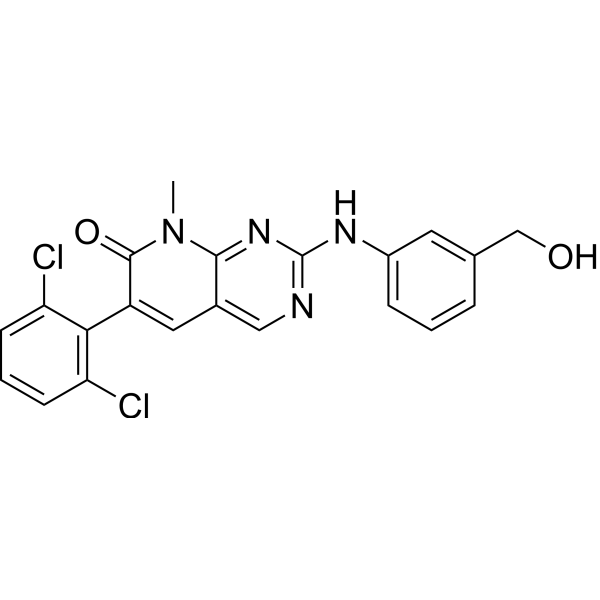 0 ImagesPD166326 is an orally active tyrosine kinase inhibitor with a IC50 of 8 nM against abl tyrosine kinase and a IC50 of 6 nM against src tyrosine kinase. PD166326 blocks Bcr/Abl kinase activity. PD166326 inhibits Bcr/Abl-dependent proliferation and cell cycle progression. PD166326 reduces peripheral blood granulocytosis, alleviates splenomegaly and prolongs survival in a mouse model of chronic myeloid leukemia. PD166326 can be used in research related to chronic myeloid leukemia.
-
Flumatinib mesylate
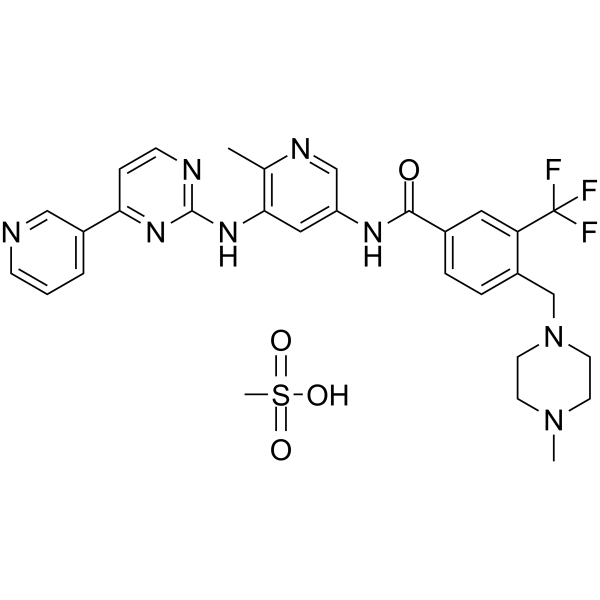 0 ImagesSynonyms: HHGV678 mesylateFlumatinib (HHGV678) mesylate is an orally active and selective inhibitor of Bcr-Abl. Flumatinib mesylate inhibits c-Abl, PDGFRβ and c-Kit with IC50 values of 1.2, 307.6 and 665.5 nM, respectively. Flumatinib mesylate inhibits Bcr-Abl autophosphorylation and Stat5 and Erk1/2 phosphorylation. Flumatinib mesylate inhibits tumor growth in chronic myelogenous leukemia model.

-
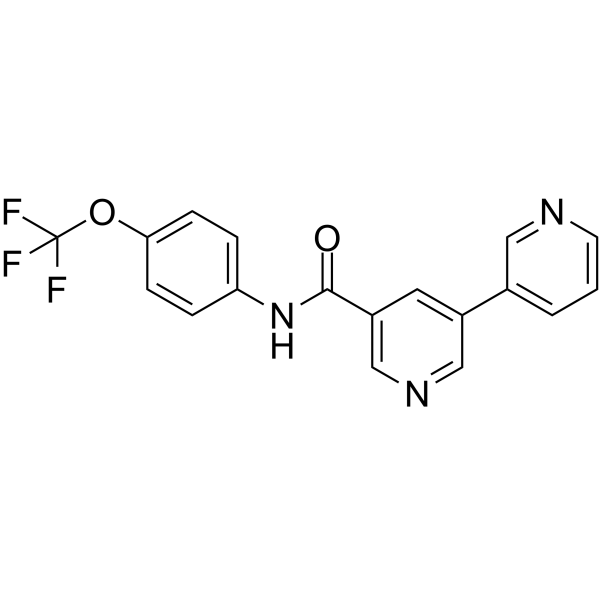
CHMFL-ABL-121
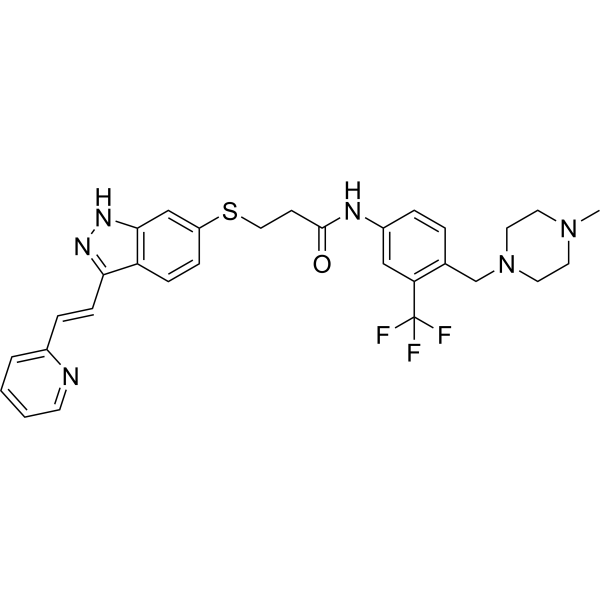 0 ImagesCat. No.: HY-119370CAS No.: 2270879-07-5
-
AT9283 lactic acid
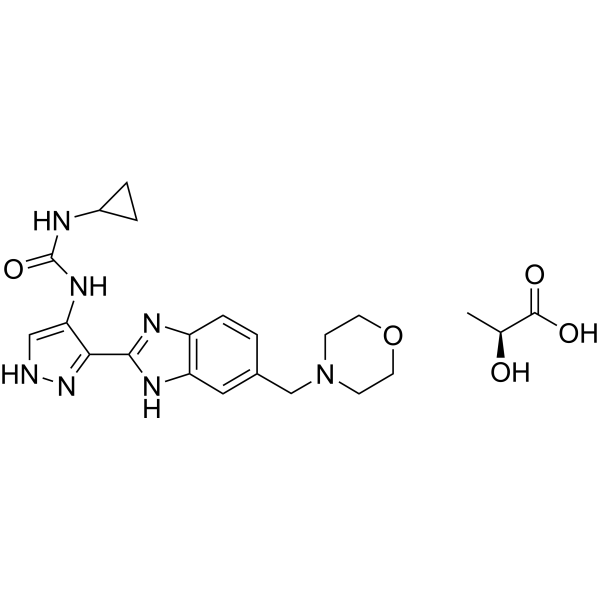 0 ImagesCat. No.: HY-10058CAS No.: 896466-76-5
-
AP 24149
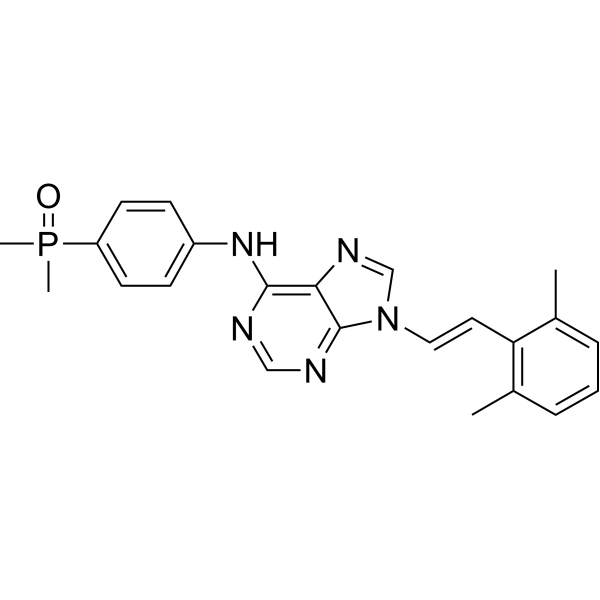 0 ImagesCat. No.: HY-10363CAS No.: 926922-29-4
-
Multi-kinase-IN-15
 0 ImagesCat. No.: HY-131571CAS No.: 1613168-52-7Multi-kinase-IN-15 is an orally active multi-kinase inhibitor. Multi-kinase-IN-15 inhibits the kinase activity of MNK1, MNK2, ABL1, ABL1 T315I, FLT3, VEGFR2, RET, cKIT, FGFR2, PDGFRα, and PDGFRβ. Multi-kinase-IN-15 dose-dependently reduces phosphorylation of eIF4E and phosphorylated Crkl in tumor cells, and decreases phosphorylation of eIF4E in tumor tissues. Multi-kinase-IN-15 inhibits tumor growth. Multi-kinase-IN-15 can be used for research on chronic myeloid leukemia.
-
PP124
 0 ImagesCat. No.: HY-134468CAS No.: 1092788-95-8PP124 is a multi-kinase inhibitor. PP124 inhibits the phosphoinositide 3-kinase (PI3K) catalytic isoforms p110α, p110β, p110δ, and p110γ (IC50 = 4 μM, 7 μM, 0.966 μM, and 1.5 μM), mTOR and DNAPK (IC50 = 0.493 μM and 0.054 μM), as well as the tyrosine kinases Abl, Hck, Src, mutant Src (T/I), VEGFR, EGFR, and EphB4 (IC50 = 0.165 μM, 0.005 μM, 0.017 μM, 0.25 μM, 0.134 μM, 0.085 μM, and 0.17 μM). PP124 can be used for cancer research.
-
FGFRs-IN-1
 0 ImagesCat. No.: HY-170846FGFRs-IN-1 (Compound A16) is the orally active inhibitor for FGFR, that inhibits FGFR1/2/3/4 with IC50s of 2.3, 7, 11, and 163 nM, respectively. FGFRs-IN-1 also inhibits VEGFR1/2/3, Abl, and Flt3 with IC50s of 61, 176, 112, 26, and 353 nM, respectively. FGFRs-IN-1 exhibits weak inhibitory efficacy against CYP enzymes. FGFRs-IN-1 reduces the expression of α-SMA and collagen I, and inhibits epithelial-mesenchymal transition (EMT) in TGF-β1 stimulated A549 cell. FGFRs-IN-1 exhibits anti-inflammatory activity in Bleomycin (HY-17565)-induced mouse pulmonary fibrosis model and CCl4 (HY-Y0298)-induced mouse liver fibrosis model.
- 1
- 2



