



Keap1-Nrf2
Keap1-Nrf2 is the major regulator of cytoprotective responses to electrophilic chemicals or reactive oxygen species (ROS). Keap1 is an E3 ligase, which induces the degradation of Nrf2 by ubiquitin-proteasome system (UPS). Upregulation of Nrf2 inducing by inactivation of Keap1 is often observed in cancer cells. Aberrant activation of Nrf2 in cancer cells accelerates proliferation and metabolism. For this case, Nrf2 is an attractive molecule as a therapeutic target in cancer and a lot number of Nrf2 inhibitors are developed. What’s interesting, Nrf2 induction is also reported to be treatment strategies for accelerating the detoxification of carcinogens and protect the body from chemical carcinogenesis.
All Product Categories
-
Productos relacionados con Keap1-Nrf2 (525)
Productos relacionados con (525)

-
Antibodies (7)
-
Quinocetone
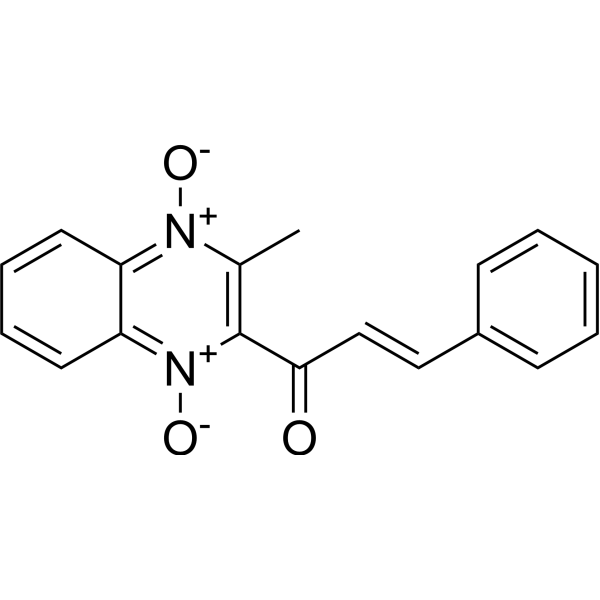 0 ImagesQuinocetone is an orally active animal feed additive used to increase the meat production of livestock and poultry. Quinocetone exhibits antibacterial activity against a variety of pathogenic microorganisms. Quinocetone exhibits tissue-specific (liver, lymphocyte) toxicity. Quinocetone induces autophagy in cells through the ATF6/DAPK1 pathway. Quinocetone activates the NF-κB and iNOS pathways, leading to cell apoptosis, hepatocyte vacuolar degeneration and fibrosis. Quinocetone can inhibit Nrf2/HO-1 and induce the generation of reactive oxygen species (ROS), leading to oxidative stress and DNA damage.
-
Physalin B
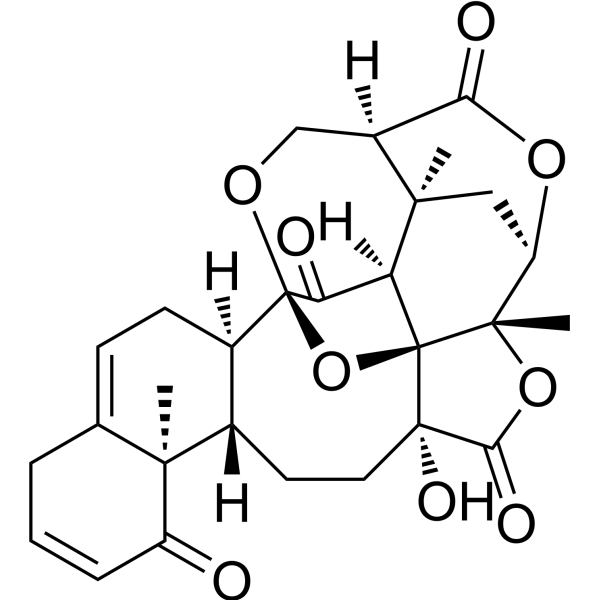 0 ImagesReferencia número: HY-N7695No. CAS: 23133-56-4Physalin B is an orally active anti-inflammatory and anticancer agent. Physalin B can be isolated from Physalis alkekengi L. var. Franchetii. Physalin B inhibits the activation of the NF-κB, NLRP3 inflammasome, STAT3, PI3K/Akt and Hedgehog signaling pathways, regulates the phosphorylation levels of GSK-3β, p38 MAPK, ERK1/2 and JNK, and promotes the nuclear translocation of NRF2. Physalin B reduces the levels of pro-inflammatory cytokines and factors, induces mitochondrial reactive oxygen species (mito-ROS) production, Apoptosis, G2/M cell cycle arrest and incomplete Autophagy, alters cytoskeleton structure and alleviates oxidative stress. Physalin B reduces cancer cell viability, ameliorates liver and lung tissue damage and alleviates liver fibrosis. Physalin B can be used in research related to ulcerative colitis, breast cancer, acute lung injury, colon cancer, non-alcoholic steatohepatitis, liver fibrosis, lung cancer, pancreatic cancer, lymphoma, ovarian cancer, sarcoma and leukemia.
-
Pyridoxine hydrochloride (Standard)
 0 ImagesSynonyms: Vitamin B6 hydrochloride (Standard)Pyridoxine (hydrochloride) (Standard) is the analytical standard of Pyridoxine (hydrochloride). This product is intended for research and analytical applications. Pyridoxine hydrochloride (Pyridoxol; Vitamin B6) is a pyridine derivative. Pyridoxine (Pyridoxol; Vitamin B6) exerts antioxidant effects in cell model of Alzheimer's disease via the Nrf-2/HO-1 pathway.
-
biKEAP1
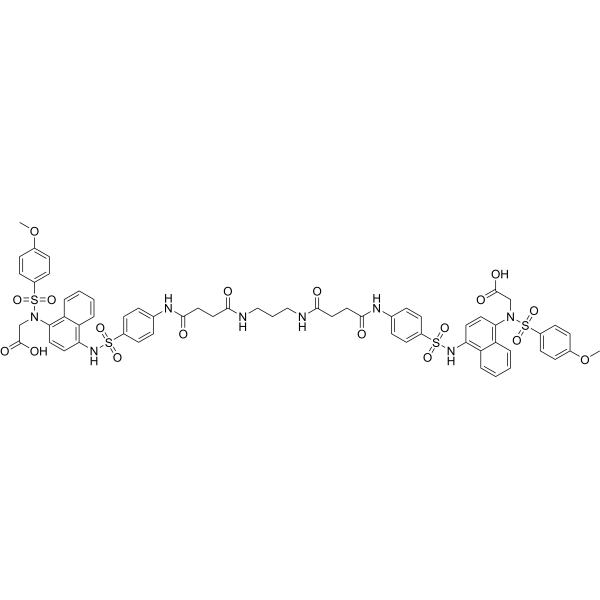 0 ImagesReferencia número: HY-162152Pureza: 99.44%biKEAP1 (compound 3) is an inhibitor targeting the dimerKEAP1. biKEAP1 binds to cellular KEAP1 dimers and releases the NRF2 protein sequestered by KEAP1, resulting in immediate activation of NRF2. biKEAP1 also promotes nuclear translocation of NRF2 and directly inhibits proinflammatory cytokine transcription. biKEAP1 can reduce acute inflammation and reduce inflammatory damage in acute inflammation models.
-
CBR-470-2
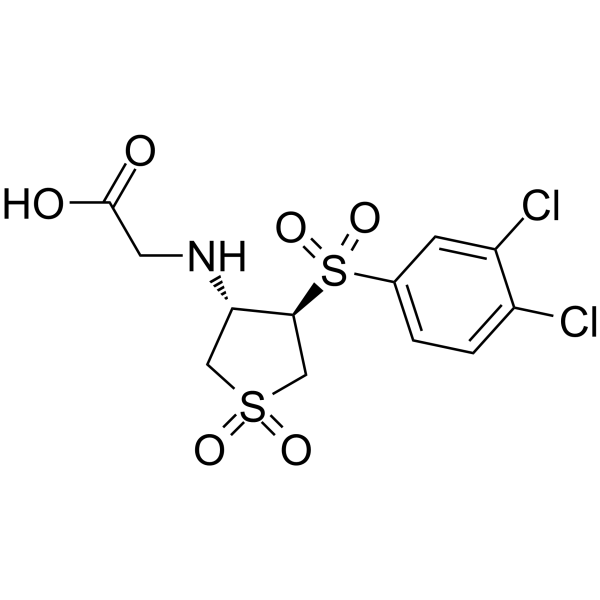 0 ImagesCBR-470-2, a glycine-substituted analog, can activate NRF2 signaling. CBR-470-2 can be used for the research of modulation glycolysis.
-
Phytol (Standard)
 0 ImagesPhytol (Standard) is the analytical standard of Phytol. This product is intended for research and analytical applications. Phytol ((E)-Phytol) is an orally active diterpenoid alcohol that can be extracted from chlorophyll. Phytol has antioxidant, anti-inflammatory, anti-schistosomiasis and antibacterial activities[1][2][3].
-
Nrf2 (69-84)
 0 ImagesReferencia número: HY-P10530No. CAS: 1364173-77-2Nrf2 (69-84) is a peptide fragment of Nrf2 protein that contains the key ETGE motif, which is an important region for binding to the Kelch domain of Keap1 protein. Nrf2 (69-84) can be used to study the role of Nrf2 in the development and progression of diseases, especially in cancer, neurodegenerative diseases and inflammatory diseases.
-
Ezetimibe-d4
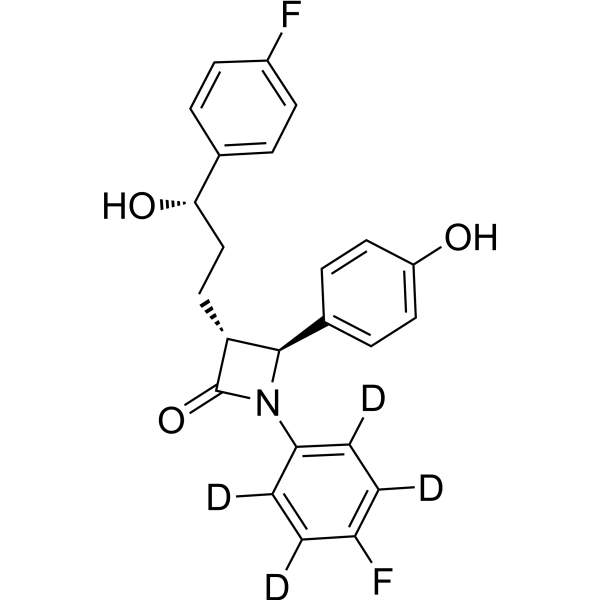 0 ImagesSynonyms: SCH 58235-d4
-
Nrf2 activator-12
 0 ImagesNrf2 activator-12 (compund 10v) potently activates Nrf2 (EC50=83.5 nM) and exhibits promising pharmacological properties, reversing disease progression and alleviating demyelination in an experimental autoimmune encephalomyelitis mouse model.
-
Nrf2-ARE/hMAO-B/QR2 modulator 1
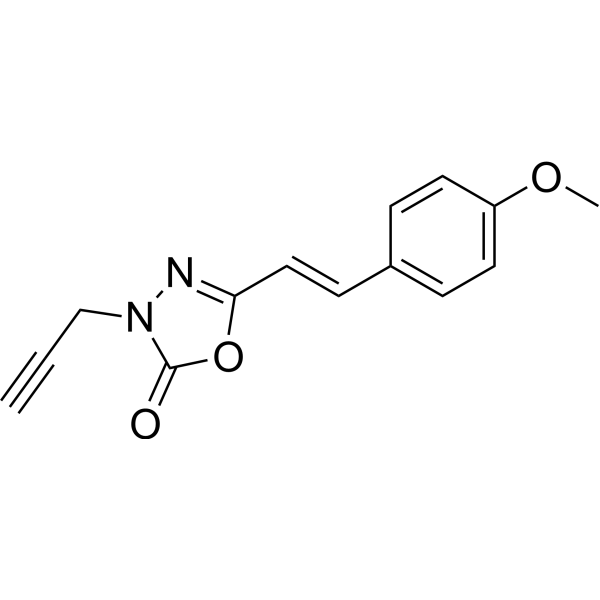 0 ImagesNrf2-ARE/hMAO-B/QR2 modulator 1 is a Resveratrol-based multitarget-directed ligands with IC50s of 8.05, 9.83 and 0.57 μM for hMAO-B, NRF2 and QR2. Nrf2-ARE/hMAO-B/QR2 modulator 1 has neuroprotection, decreasing ROS production in okadaic acid-treated mice hippocampal slices. Nrf2-ARE/hMAO-B/QR2 modulator 1 is a click chemistry reagent, it contains an Alkyne group and can undergo copper-catalyzed azide-alkyne cycloaddition (CuAAc) with molecules containing Azide groups.
-
Nodosin
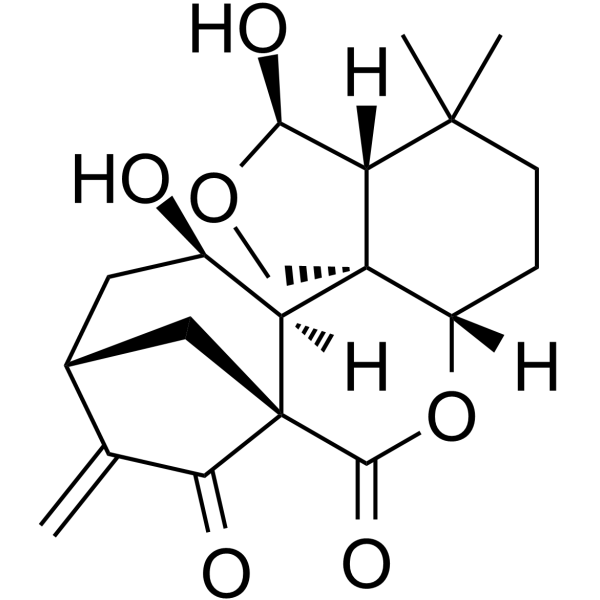 0 ImagesNodosin is an orally active diterpenoid compound that can be isolated from Isodon serra. Nodosin can inhibit the proliferation and induce cell cycle arrest and apoptosis of tumor cells. Nodosin can also inhibit oxidative stress, inflammatory responses, and ferroptosis. Nodosin has anti-inflammatory and anti-tumor activities.
-
2-tert-Butyl-1,4-benzoquinone
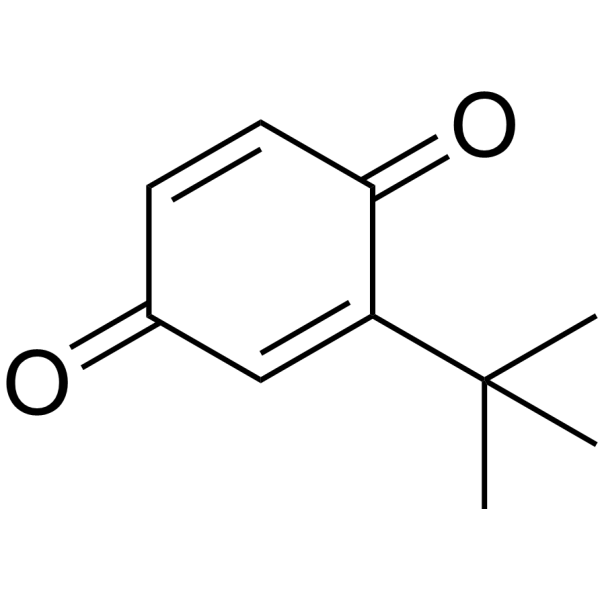 0 Images2-tert-Butyl-1,4-benzoquinone is a food additive oxidant, an electrophilic metabolite of Butylated hydroxyanisole (HY-B1066), and an antibacterial agent. 2-tert-Butyl-1,4-benzoquinone reduces virulence factors, activates Nrf2, and induces S-arylation of its negative regulator Keap1. 2-tert-Butyl-1,4-benzoquinone induces HO-1. 2-tert-Butyl-1,4-benzoquinone exhibits quorum sensing inhibitory activity against Chromobacterium violaceum.
-
5,7-Dihydroxychromone
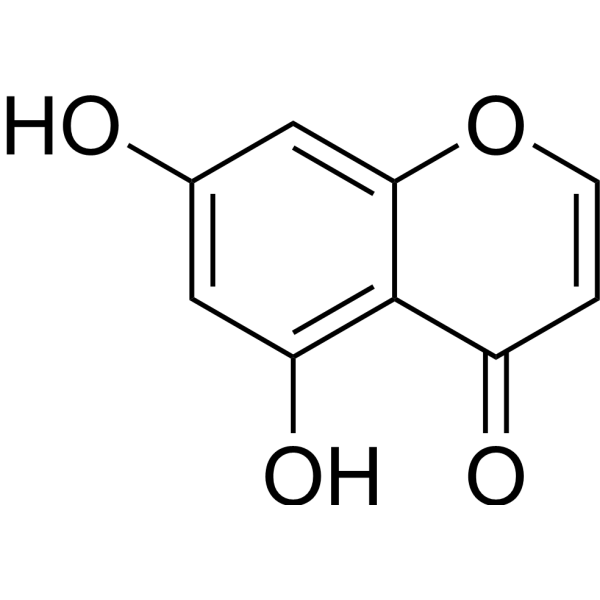 0 Images5,7-Dihydroxychromone is a flavonoid compound with antioxidant properties. 5,7-Dihydroxychromone induces Nrf2 nuclear translocation, increases Nrf2/ARE binding activity, and up-regulates Nrf2-dependent antioxidant genes HO-1, NQO1, GCLc. 5,7-Dihydroxychromone attenuates excessive ROS generation, inhibits activated caspase-3, caspase-9, cleaved PARP expression, and prevents neuronal apoptosis and cell death. 5,7-Dihydroxychromone increases LXRα and PPARγ mRNA expression, induces preadipocyte differentiation, and regulates blood glucose levels. 5,7-Dihydroxychromone inhibits radial growth of soil pathogenic fungi, radicle elongation of select seedlings, and transiently inhibits Bradyrhizobium sp. growth in high mannitol medium. 5,7-Dihydroxychromone can be used for the research of Parkinson’s disease, type 2 diabetes mellitus and pathogenic fungal infection.
-
Keap1-Nrf2-IN-9
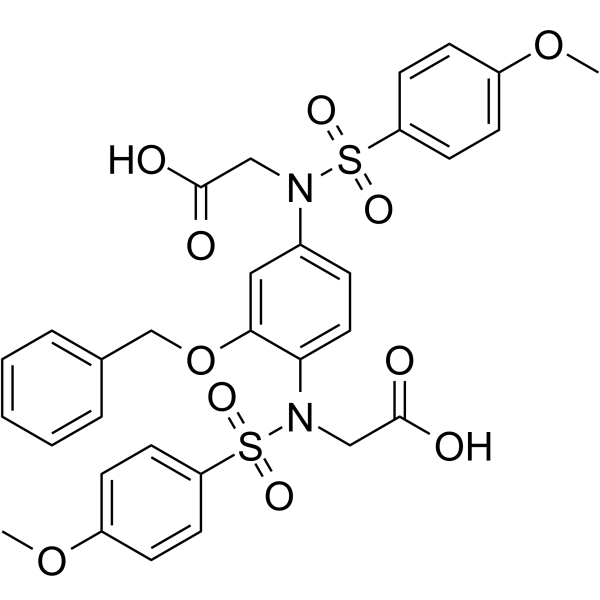 0 ImagesKeap1-Nrf2-IN-9 (Compound 11) is a potent Keap1-Nrf2 PPI (Keap1-Nrf2 protein-protein interaction) inhibitor with an IC50 of 0.575 μM. Keap1-Nrf2-IN-9 increases the expression of Nrf2 target genes including heme oxygenase 1 (Hmox1), glutathione S-transferase P (GstP), and glutamate-cysteine ligase catalytic (Gclc) and modulatory (Gclm) subunits. Keap1-Nrf2-IN-9 shows no cytotoxic activity in ARPE19 cells.
-
Dimethyl fumarate (Standard)
 0 ImagesDimethyl fumarate (Standard) is the analytical standard of Dimethyl fumarate. This product is intended for research and analytical applications. Dimethyl fumarate (DMF) is an orally active and brain-penetrant Nrf2 activator and induces upregulation of antioxidant gene expression. Dimethyl fumarate induces necroptosis in colon cancer cells through GSH depletion/ROS increase/MAPKs activation pathway, and also induces cell autophagy. Dimethyl fumarate can be used for multiple sclerosis research.
-
Germacrone (Standard)
 0 ImagesGermacrone (Standard) is an analytical standard of Gemmacrone (HY-N0440). This product is intended for research and analytical applications. Germacrone (Standard) is a sesquiterpene compound with multiple biological activities. Germacrone (Standard) inhibits the H1N1 and H3N2 influenza A viruses and the influenza B virus. Germacrone (Standard) blocks the progressionof arthritis by regulating Th1/Th2 balance and inhibiting NF-κB signaling. Germacrone (Standard) can arrest the cell cycle at G0/G1 and G2/M phases and induce apoptosis in breast cancer cells. Germacrone (Standard) inhibits 5α-reductase and has anti-androgenic effect. Germacrone (Standard) has neuroprotective functions and can be used for the study of traumatic brain injury (TBI). Germacrone (Standard) also has antioxidant activity.
-
(E/Z)-Necrosulfonamide
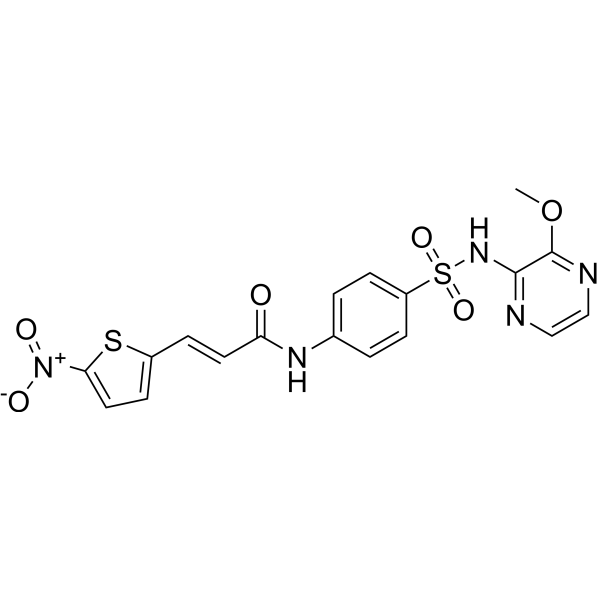 0 Images(E/Z)-Necrosulfonamide is a racemic compound of Necrosulfonamide (HY-100573). Necrosulfonamide is a MLKL and Gasdermin D (GSDMD) inhibitor, capable of separately inhibiting necroptosis and pyroptosis of cells. Necrosulfonamide does not affect the activation of upstream signals, but specifically inhibits the downstream executor oligomerization step. Necrosulfonamide reduces the expression of the key kinases NLRP3 and caspase-1 involved in necroptosis and pyroptosis, activate the Nrf2 pathway and the downstream antioxidant enzymes, and also downregulates a variety of inflammatory factors. Necrosulfonamide plays significant roles in various diseases such as neurodegenerative diseases (such as Parkinson’s disease), tissue damage and ischemia-reperfusion injury, inflammatory bowel disease, osteoarthritis and fracture repair, and hair loss by regulating two important programmed necrosis pathways.
-
Moringa Extract
 0 ImagesReferencia número: HY-N13254Moringa Extract is the extract of Moringa with antioxidative and antibacterial activity. Moringa Extract increases Nrf2 and NQO1 expression, scavenges radicals, reduces oxidative stress, inhibits growth of Staphylococcus aureus and Escherichia coli. Moringa Extract can be used for the research of dietary supplements, cosmetics, and natural water purification.
-
Methyl isoeugenol
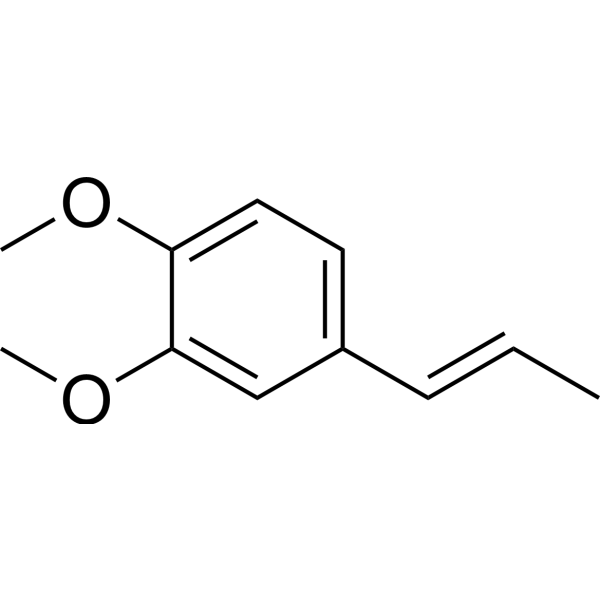 0 ImagesMethyl isoeugenol is an orally active, blood-brain barrier-permeable isoeugenol-type eugenol analog. Methyl isoeugenol promotes the nuclear translocation of Nrf2, upregulates the expressions of HO-1, NQO1 and SOD, and reduces the expression level of MDA. Methyl isoeugenol decreases the nuclear translocation of NF-κB. Methyl isoeugenol inhibits NLRP3 inflammasome-mediated pyroptosis. Methyl isoeugenol reduces cerebral infarction volume and regulates the M1/M2 phenotypic balance of microglia. Methyl isoeugenol can be used for the research of cerebral ischemia-reperfusion injury.




