



Pongamol

Based on 1 Customer Validation
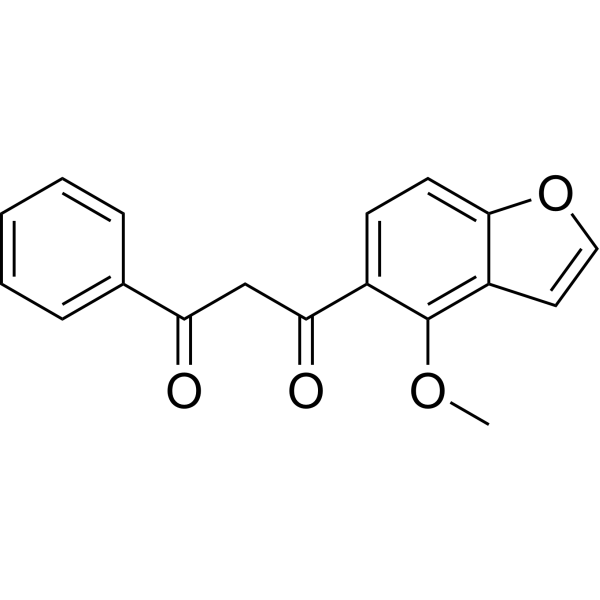
Pongamol (Lanceolatin C) is an orally active flavonoid with an IC50 of 75 μM and a Ki of 58 μM against PTPase-1B, and an IC50 of 103.5 μM against intestinal α-Glycosidase. Pongamol reduces the release of IL‑1β, TNF‑α, COX‑2 and iNOS in cells, reverses the nuclear translocation of NF‑κB, and upregulates the levels of Beclin 1 and LC3 Ⅱ/LC3 Ⅰ. Pongamol promotes glucose uptake by increasing the level of GLUT4 on the surface of skeletal muscle cells. Pongamol inhibits epithelial-mesenchymal transition by suppressing the FAK/Akt-mTOR signaling pathway. Pongamol inhibits neuronal cytotoxicity, suppresses cell apoptosis and extends the lifespan of Caenorhabditis elegans by activating the MAPKs/Nrf2 signaling pathway. Pongamol exerts hypoglycemic effects in diabetic mouse models. Pongamol exhibits antibacterial activity. Pongamol alleviates oxidative stress, neuroinflammation, Aβ deposition and excessive phosphorylation of Tau Protein, and restores autophagy function in Alzheimer's disease mouse models by inhibiting the Akt/mTOR signaling pathway. Pongamol is applicable to research related to Alzheimer's disease, type 2 diabetes, non-small cell lung cancer and postprandial hyperglycemia.
For research use only. We do not sell to patients.
- Purity : 99.81%
- CAS No.: 484-33-3
- Formula: C18H14O4
- Molecular Weight:294.30
-
Storage:Powder -20°C, 3 years , 4°C, 2 years ; In solvent -80°C, 6 months , -20°C, 1 month

To place orders, for customer services and technical support, please contact: MedChemExpress USA
Tel: 609-228-6898 E-mail: [email protected] [email protected]


-
 Biological Activity
-
Chemical Information
-
Solvent & Solubility
- Protocols
- Purity & Documentation
- References
-
 Help & FAQs


-

HY-132179
FucoidanAnticoagulant/Cancer Agent -
HY-14860
1-Deoxynojirimycinα-glucosidase Inhibitor -
HY-B0986
HexylresorcinolAntimicrobial -

HY-14860R
1-Deoxynojirimycin (Standard)α-glucosidase Inhibitor -
HY-D0145
7-EthoxyresorufinCytochrome P450 Inhibitor -
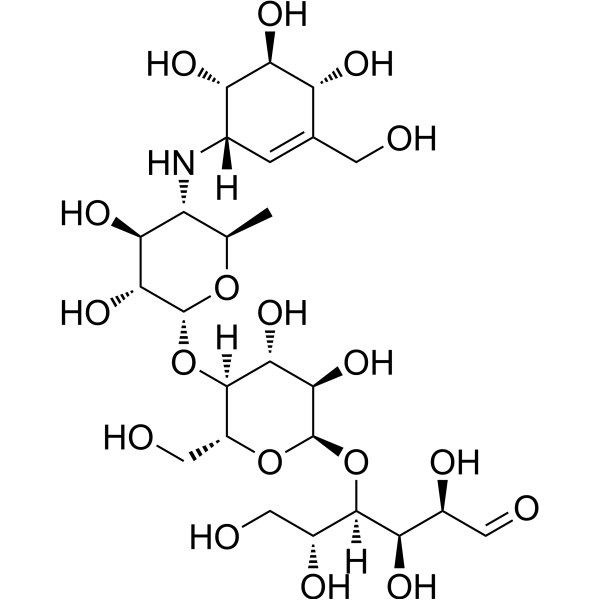
HY-B0089
AcarboseAlpha-Glucosidase Inhibitor -
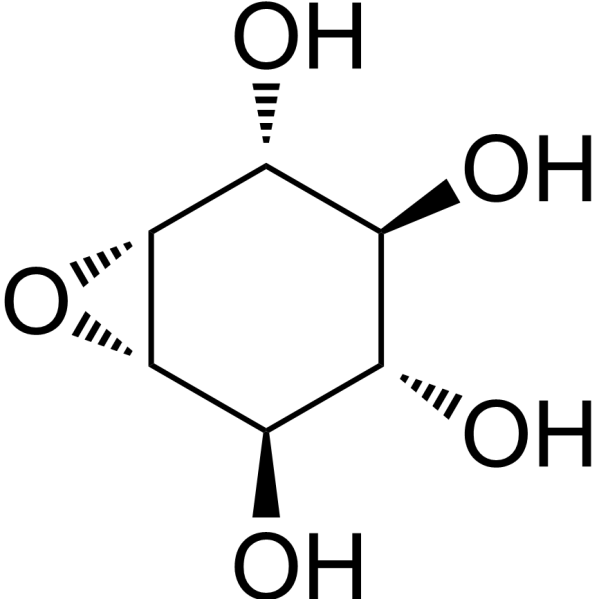
HY-100944
Conduritol B epoxideGcase Inhibitor -
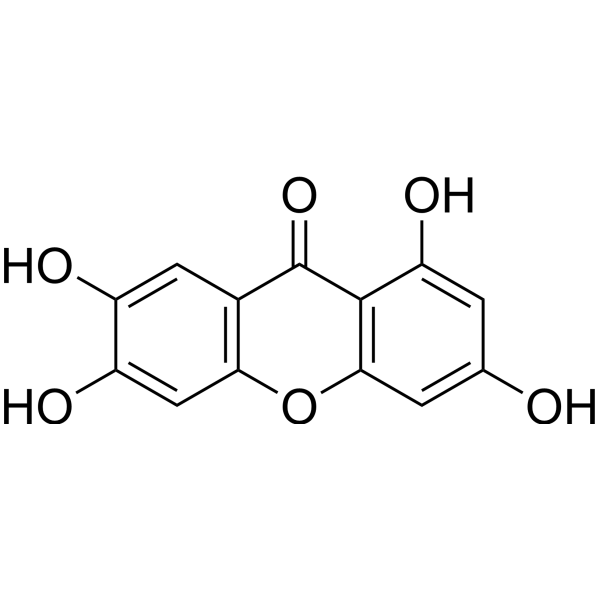
HY-N1029
NorathyriolAnti-Inflammatory/Cancer Agent -
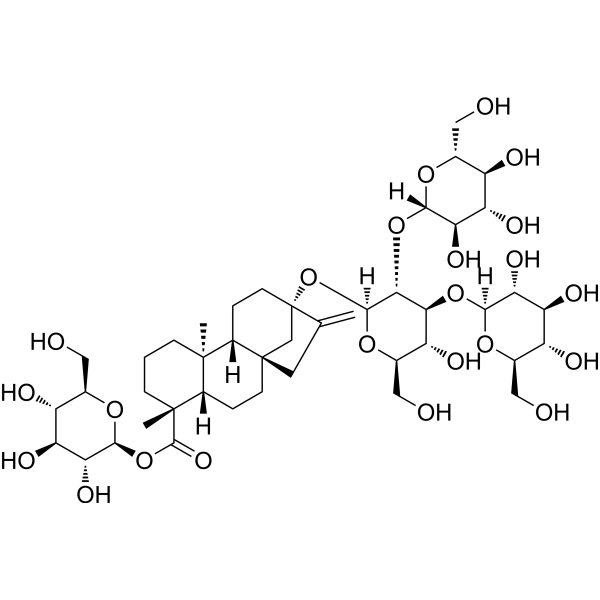
HY-N0466
Rebaudioside Aα-Glucosidase Inhibitor -

HY-B0089R
Acarbose (Standard)Alpha-Glucosidase Inhibitor -
HY-B0025
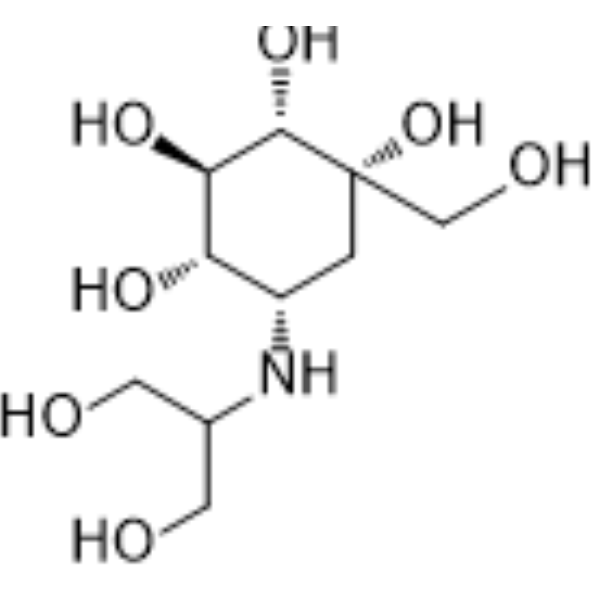
VogliboseGlucosidase Inhibitor -
HY-W011411
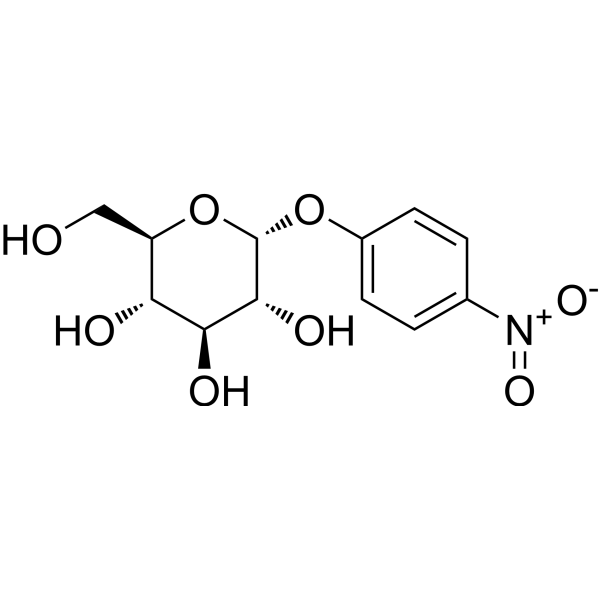
4-Nitrophenyl a-D-glucopyranosideα-Glucosidase Substrate


Biological Activity
Description
In Vitro
Pongamol (25-100 μM, pre-incubated for 1 h followed by LPS stimulation for 24 h) inhibits LPS (HY-D1056)-induced NO release in BV2 mouse microglia. It suppresses LPS-induced activation of the NF-κB pathway in cells by reducing IκB phosphorylation and blocking NF-κB nuclear translocation, and downregulates the expression of pro-inflammatory genes (IL-1β, TNF-α, iNOS, COX-2) in cells[1].
Pongamol (100 μM, pretreated for 1 h followed by LPS stimulation for 24 h) reduces the levels of proinflammatory proteins (IL-6, IL-1β) and upregulates the expression of autophagy markers (Beclin 1, LC3 II/LC3 I) in LPS-stimulated mouse BV2 microglial cells, and these effects depend on the Akt pathway[1].
Pongamol (0-10 μM; 0-16 h) increases both basal and insulin-superimposed glucose uptake in L6-GLUT4myc myotubes, elevates both basal and insulin-enhanced GLUT4 translocation to the cell surface by activating PI3-kinase activity, and potentiates Insulin (HY-P0035)-induced AKT (Ser-473) phosphorylation in myotubes[2].
Pongamol (0-100 μM, 2 h) increases the survival rate of H2O2-induced PC12 cells, reduces LDH release, inhibits cell apoptosis, restores mitochondrial membrane potential, decreases the levels of pro-apoptotic proteins and increases the levels of anti-apoptotic proteins, suppresses the activation of the MAPKs signaling pathway (reduces the levels of p-ERK, p-JNK and p-p38), elevates GSH levels and reduces ROS levels, promotes Nrf2 nuclear translocation, upregulates the expression of downstream antioxidant genes and directly binds to Keap1, thereby activating the Nrf2/HO-1 signaling pathway[3].
Pongamol (0-100 μM; 24-48 h) reduces the viability of H460 non-small cell lung cancer cells in a dose-dependent manner, and inhibits cell proliferation, anchorage-independent growth, migration and invasion[4].
Pongamol (25-100 μM; 24 h) upregulates the epithelial marker E-cadherin, downregulates the mesenchymal markers N-cadherin, vimentin, Slug and Snail, inhibits the activation of the FAK/Akt-mTOR signaling pathway, and reduces the levels of phosphorylated FAK, Akt and mTOR in H460 non-small cell lung cancer cells[4].
Pongamol (Compound 1) potently inhibits recombinant protein tyrosine phosphatase-1B (PTPase-1B) in cell-free assays, with an IC50 of 75 μM and a Ki of 58 μM[5].
Pongamol (Compound 6) potently inhibits rat intestinal α-glucosidase with an IC50 of 103.5 μM[6].
Pongamol is active against E. coli and S. aureus (MICs = 8 and 6 µg/mL, respectively)[7].
MedChemExpress (MCE) has not independently confirmed the accuracy of these methods. They are for reference only.
-
Cell Line:LPS-stimulated BV2 mouse microglia
-
Concentration:25, 50, 100 μM
-
Incubation Time:1 h pre-incubation, followed by 24 h LPS stimulation
-
Result:Dose-dependently decreased the p-IκB/IκB ratio in cytoplasmic fractions and significantly inhibited the nuclear translocation of p-NF-κB/NF-κB relative to the LPS-only model group.
-
Cell Line:LPS-stimulated BV2 mouse microglia
-
Concentration:25, 50, 100 μM
-
Incubation Time:1 h pre-incubation, followed by 4 h LPS stimulation
-
Result:Dose-dependently reduced the mRNA expression levels of IL-1β, TNF-α, iNOS, and COX-2 relative to the LPS-only model group.
-
Cell Line:LPS-stimulated BV2 mouse microglia
-
Concentration:100 μM
-
Incubation Time:1 h pre-incubation, followed by 24 h LPS stimulation
-
Result:Significantly decreased IL-6 and IL-1β protein expression, and increased Beclin 1 and LC3 II/LC3 I protein levels relative to the LPS-only model group; these effects were reversed by co-treatment with wortmannin.
-
Cell Line:Differentiated L6-GLUT4myc skeletal muscle myotubes
-
Concentration:10 μM
-
Incubation Time:16 h
-
Result:Significantly potentiated insulin-stimulated AKT (Ser-473) phosphorylation to 7.8-fold of control basal.
-
Cell Line:Highly differentiated PC12 cells
-
Concentration:5-100 μM (5-80 μM for H2O2 co-treatment; 5, 10, 20, 40, 60, 80, and
100 μM pongamol) -
Incubation Time:2 h pretreatment, followed by 24 h H2O2 co-treatment; duration of assay (for pongamol alone testing)
-
Result:Exhibited no significant effect on PC12 cell survival when used alone.
Increased cell survival in a concentration-dependent manner, with survival rates increased by 17.16%, 29.63%, and 44.29% at 20, 40, and 80 μM, respectively, when used to pretreat cells before H2O2 exposure.
-
Cell Line:Highly differentiated PC12 cells
-
Concentration:20, 40, and 80 μM
-
Incubation Time:2 h pretreatment, followed by 24 h H2O2 co-treatment
-
Result:Significantly reduced LDH release in a dose-dependent manner, with reductions of 33.16%, 50.59%, and 109.84% at 20, 40, and 80 μM, respectively, compared to H2O2-only treated cells.
-
Cell Line:Highly differentiated PC12 cells
-
Concentration:20, 40, and 80 μM
-
Incubation Time:2 h pretreatment, followed by 24 h H2O2 co-treatment
-
Result:Reduced the proportion of early and late apoptotic cells in a concentration-dependent manner; at 80 μM, the total apoptotic rate was reduced to 7.04%, compared to 39.57% in H2O2-only treated cells.
-
Cell Line:Highly differentiated PC12 cells
-
Concentration:20, 40, and 80 μM
-
Incubation Time:2 h pretreatment, followed by 24 h H2O2 co-treatment
-
Result:Prevented the H2O2-induced increase in pro-apoptotic proteins Bax, Cyto C, Cleaved Caspase-3, and Cleaved PARP1, and prevented the H2O2-induced decrease in anti-apoptotic protein Bcl-2, resulting in a reduced Bax/Bcl-2 ratio.
-
Cell Line:Highly differentiated PC12 cells
-
Concentration:80 μM
-
Incubation Time:2 h pretreatment, followed by 1, 2, or 4 h H2O2 co-treatment; 2 h pretreatment, after MAPKs inhibitor pretreatment, followed by 24 h H2O2 co-treatment
-
Result:Reduced the H2O2-induced phosphorylation of ERK, JNK, and p38.
Inhibitors of MAPKs pathways attenuated the effect of pongamol on reducing the Bax/Bcl-2 ratio in H2O2-treated cells.
-
Cell Line:H460 non-small cell lung cancer cells
-
Concentration:0, 10, 25, 50, 100 μM
-
Incubation Time:24 h
-
Result:Reduced cell viability in a dose-dependent manner.
-
Cell Line:H460 non-small cell lung cancer cells
-
Concentration:25, 50, 100 μM
-
Incubation Time:24 h, 48 h
-
Result:Significantly suppressed cell proliferation at 48 h compared to control.
Significantly reduced proliferation at 50 and 100 μM compared to control.
-
Cell Line:H460 non-small cell lung cancer cells
-
Concentration:25, 50, 100 μM
-
Incubation Time:24 h (pretreatment); 24 h, 48 h (migration measurement)
-
Result:Significantly inhibited cell migration at 48 h post-wounding at 100 μM compared to control.
-
Cell Line:H460 non-small cell lung cancer cells
-
Concentration:25, 50, 100 μM
-
Incubation Time:24 h (pretreatment); 48 h (post-seeding incubation)
-
Result:Significantly inhibited cell invasion at 50 and 100 μM compared to control.
-
Cell Line:H460 non-small cell lung cancer cells
-
Concentration:25, 50, 100 μM
-
Incubation Time:24 h
-
Result:Increased E-cadherin (epithelial marker) protein levels in a dose-dependent manner, with significant increases at 50 and 100 μM compared to control.
Decreased mesenchymal marker protein levels in a dose-dependent manner: significant decreases in N-cadherin, vimentin, Slug, and Snail were observed at 100 μM compared to control; significant decreases in Slug were also observed at 50 μM compared to control.\nReduced the levels of phosphorylated (activated) FAK, Akt, and mTOR, with no significant effect on total FAK, Akt, or mTOR levels.
Showed significant decreases in p-FAK/FAK, p-Akt/Akt, and p-mTOR/mTOR ratios at 100 μM compared to control; significant decreases in p-Akt/Akt and p-mTOR/mTOR ratios were also observed at 50 μM compared to control.
In Vivo
Pongamol (15-60 μM; in NGM medium; administered from the L1 stage to the adult/L4 stage for 1-5 days) increases the head thrashing activity of the BR5270 Caenorhabditis elegans Alzheimer's disease model expressing human Tau protein, suggesting improved neuronal function. It enhances autophagic activity in the DA2123 Caenorhabditis elegans autophagy reporter model, and reduces lipofuscin deposition levels and Aβ mRNA expression in Caenorhabditis elegans Alzheimer's disease models expressing human Aβ/Tau[1].
Pongamol (50-100 mg/kg; i.g.; single administration) exerts significant dose-dependent hypoglycemic effects in streptozotocin (HY-13753)-induced diabetic rats[5].
Pongamol (100 mg/kg; i.g.; daily; for 10 consecutive days) exerts a significant and sustained hypoglycemic effect in type 2 diabetic db/db mice[5].
MedChemExpress (MCE) has not independently confirmed the accuracy of these methods. They are for reference only.
-
Animal Model:C57BL/6 (male)[1]
-
Dosage:10 mg/kg; 20 mg/kg
-
Administration:i.g.; daily; 4 weeks
-
Result:Significantly reduced escape latency.
Increased platform crossing frequency.
Increased time/distance spent in the target quadrant in the Morris water maze test.
Decreased hippocampal acetylcholinesterase (AChE) and malondialdehyde (MDA) levels.
Increased serum superoxide dismutase (SOD) and catalase (CAT) levels.
Alleviated neuronal disorganization and loss in the hippocampus and cortex.
Reduced Nissl body loss.
Increased tyrosine hydroxylase (TH)-positive cell counts in the hypothalamus.
Reduced neuronal nuclei (NeuN) expression in the cortex and hippocampus.
Reduced glial fibrillary acidic protein (GFAP) and β-amyloid (Aβ) positive cell counts in the cortex and hippocampus.
Inhibited Tau hyperphosphorylation in hippocampal tissue.
Downregulated mRNA expression of IL-1β, TNF-α, iNOS, and COX-2 in the hippocampus.
Increased hippocampal Beclin 1 expression.
Increased the LC3 II/LC3 I ratio.
Reduced p62 mRNA expression.
Increased Atg13 mRNA expression.
Decreased phosphorylated Akt (p-Akt) and phosphorylated mTOR (p-mTOR) protein levels in the hippocampus.
-
Animal Model:BR5270 (human Tau-expressing AD model); DA2123 (GFP-labeled LGG-1/LC3 autophagy reporter); UM0001 (human Aβ1-42/Tau-expressing)[1]
-
Dosage:15 μM; 30 μM; 60 μM
-
Administration:in NGM medium; from L1 stage through adulthood; 1-5 day treatment at L4 stage
-
Result:Significantly increased the number of head wiggles in BR5270 C.
elegans in a dose-dependent manner.
Significantly increased the number of LGG-1:GFP puncta in DA2123 C.
elegans in a dose-dependent manner, indicating enhanced autophagic activity.
Reduced lipofuscin deposition in UM0001 worms in a concentration-dependent manner, with the 60 μM dose producing the greatest reduction in fluorescence intensity per unit area relative to untreated worms.
Reduced Aβ mRNA expression in UM0001 worms in a concentration-dependent manner, with the 60 μM dose producing the lowest Aβ transcript levels.
-
Animal Model:UM0001 (human Aβ1-42/Tau-expressing)[3]
-
Dosage:15 μM; 30 μM
-
Administration:NGM plate supplementation
-
Result:Increased mRNA expression of Skn-1 and its downstream antioxidant genes Sod-1, Gcs-1, and Gst-4 in UM0001 worms in a concentration-dependent manner.
-
Animal Model:Sprague Dawley (male, 7-8 weeks old, 160 g, streptozotocin-induced diabetic)[5]
-
Dosage:50 mg/kg; 100 mg/kg
-
Administration:i.g.; single dose
-
Result:Reduced blood glucose by 12.8% at 6 hours post-administration.
Reduced blood glucose by 22.0% at 6 hours post-administration.
-
Animal Model:db/db (12-18 weeks old, 40 g, genetically diabetic)[5]
-
Dosage:100 mg/kg
-
Administration:i.g.; daily; 10 consecutive days
-
Result:Reduced blood glucose by 35.7% overall, with significant reductions observed on days 13-15 and days 17-19 .
Improved glucose tolerance by 18.61% compared to controls, with significantly lowered postprandial blood glucose levels at 30, 60, 90, and 120 minutes post-load.
- Research Protocol for Infectious Diseases
- Western Blot
- Mammalian live/dead viability and cytotoxicity staining
- Annexin V plus membrane-impermeant dye apoptosis staining
- ROS/oxidative-stress fluorescent staining
- Research Protocol for Neurological Diseases
- Bacterial live/dead nucleic-acid viability staining
- Research Protocol for Metabolic Diseases
- Cell Viability Determination by MTT Colorimetric Assay
- Alzheimer’s Disease Modeling
- Kinase activity and phosphorylation assays
- Cytoplasmic-Nuclear Fractionated Protein Extraction
- Detection of Apoptosis
- TUNEL staining for apoptotic DNA fragmentation
- Cell Cytotoxicity Assay
- Autophagy
- Apoptosis Solutions
- Protocol for Kinase activity and phosphorylation assays
- Lysosome and acidic-vesicle live-cell staining
- Macroautophagy Solutions


Chemical Information
-
CAS No. 484-33-3
-
Appearance Solid
-
Molecular Weight 294.30
-
Formula C18H14O4
-
Color Off-white to light yellow
-
SMILES
O=C(CC(C1=CC=CC=C1)=O)C2=CC=C3OC=CC3=C2OC
-
Synonyms
Lanceolatin C
-
Structure Classification
-
Shipping
Room temperature in continental US; may vary elsewhere.
-
Storage
Powder -20°C 3 years 4°C 2 years In solvent -80°C 6 months -20°C 1 month


Solvent & Solubility
In Vitro:
DMSO : 50 mg/mL (169.89 mM; ultrasonic and warming and heat to 60°C; Hygroscopic DMSO has a significant impact on the solubility of product, please use newly opened DMSO)
Please refer to the solubility information to select the appropriate solvent. Once prepared, please aliquot and store the solution to prevent product inactivation from repeated freeze-thaw cycles.
Storage method and period of stock solution: -80°C, 6 months; -20°C, 1 month. When stored at -80°C, please use it within 6 months. When stored at -20°C, please use it within 1 month.
Please refer to the solubility information to select the appropriate solvent. Once prepared, please aliquot and store the solution to prevent product inactivation from repeated freeze-thaw cycles.
Storage method and period of stock solution: -80°C, 6 months; -20°C, 1 month. When stored at -80°C, please use it within 6 months. When stored at -20°C, please use it within 1 month.
Concentration (start) × Volume (start) = Concentration (final) × Volume (final)
In Vivo:
Select the appropriate dissolution method based on your experimental animal and administration route.
- For the following dissolution methods, please ensure to first prepare a clear stock solution using an In Vitro approach and then sequentially add co-solvents:
- To ensure reliable experimental results, the clarified stock solution can be appropriately stored based on storage conditions. As for the working solution for In Vivo experiments, it is recommended to prepare freshly and use it on the same day.
- The percentages shown for the solvents indicate their volumetric ratio in the final prepared solution. If precipitation or phase separation occurs during preparation, heat and/or sonication can be used to aid dissolution.
In Vivo Dissolution Calculator
Please enter the basic information of animal experiments:
-
-
-
-
Recommended: Prepare an additional quantity of animals to account for potential losses during experiments.
Please enter your animal formula composition:
-
%DMSO +
Recommended: Keep the proportion of DMSO in working solution below 2% if your animal is weak.
-
%+
-
+%Tween-80 + +
-
%Saline +
The co-solvents required include: DMSO, . All of co-solvents are available by MedChemExpress (MCE). , Tween 80. All of co-solvents are available by MedChemExpress (MCE).
Working solution concentration: 0.22 mg/mL
Method for preparing stock solution: mg drug dissolved in μL DMSO. Stock solution concentration: mg/mL.
1. Take μL DMSO stock solution;
2. Add μL .
μL , mix evenly;
3. Then add μL Tween 80, mix evenly;
4. Then add μL
Please ensure that the stock solution in the first step is dissolved to a clear state, and add co-solvents in sequence. You can use ultrasonic heating (ultrasonic cleaner, recommended frequency 20-40 kHz), vortexing, etc. to assist dissolution.


Purity & Documentation
-
Data Sheet (302 KB)
-
SDS (394 KB)
- English - EN (394 KB)
- Français - FR (394 KB)
- Deutsch - DE (394 KB)
- Norwegian - NO (394 KB)
- Español - ES (394 KB)
- Swedish - SV (394 KB)
- Italian - IT (394 KB)
- Korean - KR (394 KB)
- Portuguese - PT (394 KB)
-
Handling Instructions (2659 KB)
References
[1]. Hu K, et al. Pongamol Alleviates Neuroinflammation and Promotes Autophagy in Alzheimer's Disease by Regulating the Akt/mTOR Signaling Pathway. J Agric Food Chem. Published online June 6, 2024. [Content Brief]
[2]. Tamrakar AK, et al. Pongamol from Pongamia pinnata stimulates glucose uptake by increasing surface GLUT4 level in skeletal muscle cells. Mol Cell Endocrinol. 2011;339(1-2):98-104. [Content Brief]
[3]. Wu S, et al. Pongamol Prevents Neurotoxicity via the Activation of MAPKs/Nrf2 Signaling Pathway in H2O2-Induced Neuronal PC12 Cells and Prolongs the Lifespan of Caenorhabditis elegans. Mol Neurobiol. 2024;61(10):8219-8233. [Content Brief]
[4]. Putri HE, et al. Pongamol Inhibits Epithelial to Mesenchymal Transition Through Suppression of FAK/Akt-mTOR Signaling. Anticancer Res. 2021;41(12):6147-6154. [Content Brief]
[5]. Tamrakar AK, et al. Identification of pongamol and karanjin as lead compounds with antihyperglycemic activity from Pongamia pinnata fruits. J Ethnopharmacol. 2008;118(3):435-439. [Content Brief]
[6]. Ranga Rao R, et al. New furanoflavanoids, intestinal alpha-glucosidase inhibitory and free-radical (DPPH) scavenging, activity from antihyperglycemic root extract of Derris indica (Lam.). Bioorg Med Chem. 2009;17(14):5170-5175. [Content Brief]
[7]. Jahan S, et al. Health promoting benefits of pongamol: An overview. Biomed Pharmacother. 2021 Oct;142:112109. [Content Brief]


Complete Stock Solution Preparation Table
Please refer to the solubility information to select the appropriate solvent. Once prepared, please aliquot and store the solution to prevent product inactivation from repeated freeze-thaw cycles.
Storage method and period of stock solution: -80°C, 6 months; -20°C, 1 month. When stored at -80°C, please use it within 6 months. When stored at -20°C, please use it within 1 month.
| Optional Solvent | Concentration Solvent Mass | 1 mg | 5 mg | 10 mg | 25 mg |
|---|---|---|---|---|---|
| DMSO | 1 mM | 3.3979 mL | 16.9895 mL | 33.9789 mL | 84.9473 mL |
| 5 mM | 0.6796 mL | 3.3979 mL | 6.7958 mL | 16.9895 mL | |
| 10 mM | 0.3398 mL | 1.6989 mL | 3.3979 mL | 8.4947 mL | |
| 15 mM | 0.2265 mL | 1.1326 mL | 2.2653 mL | 5.6632 mL | |
| 20 mM | 0.1699 mL | 0.8495 mL | 1.6989 mL | 4.2474 mL | |
| 25 mM | 0.1359 mL | 0.6796 mL | 1.3592 mL | 3.3979 mL | |
| 30 mM | 0.1133 mL | 0.5663 mL | 1.1326 mL | 2.8316 mL | |
| 40 mM | 0.0849 mL | 0.4247 mL | 0.8495 mL | 2.1237 mL | |
| 50 mM | 0.0680 mL | 0.3398 mL | 0.6796 mL | 1.6989 mL | |
| 60 mM | 0.0566 mL | 0.2832 mL | 0.5663 mL | 1.4158 mL | |
| 80 mM | 0.0425 mL | 0.2124 mL | 0.4247 mL | 1.0618 mL | |
| 100 mM | 0.0340 mL | 0.1699 mL | 0.3398 mL | 0.8495 mL |


Pongamol Related Classifications
HY-121811 Related Classifications
 Powered by Bioz
Keywords
- Pongamol
- 484-33-3
- Lanceolatin C
- Glycosidase
- Phosphatase
- Interleukin Related
- TNF Receptor
- COX
- Beclin1
- GLUT
- FAK
- Akt
- mTOR
- p38 MAPK
- Keap1-Nrf2
- Apoptosis
- Amyloid-β
- Tau Protein
- Autophagy
- PC12 cells
- Caenorhabditis elegans
- L6-GLUT4myc myotubes
- BV2 mouse microglia
- Alzheimer's disease
- intestinal α-glucosidase
- 3T3-L1 rat preadipocytes
- H460 non-small cell lung cancer cells
- type 2 diabetes mellitus
- Protein tyrosine phosphatase-1B
- Inhibitor
- inhibitor
- inhibit