



Keap1-Nrf2 Inhibitor
-
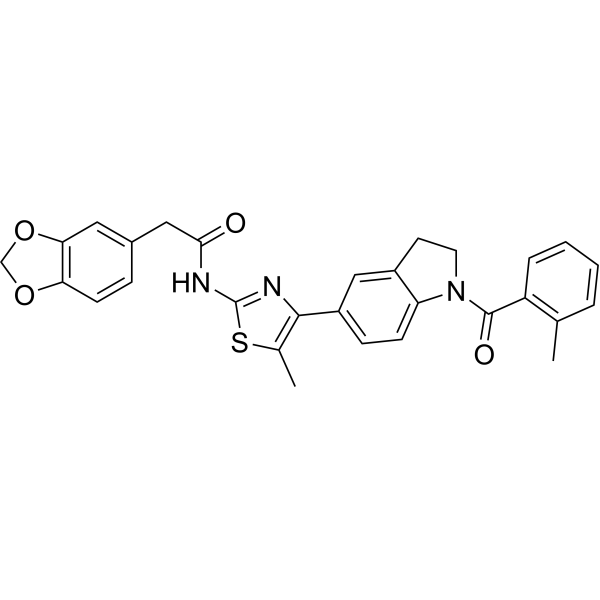
ML385
 0 Images
ML385 is a potent and selective Nrf2 inhibitor with an IC50 of 1.9 μM. ML385 directly binds to the Neh1 domain of NRF2, interferes with the binding of the MAFG-NRF2 protein complex to the antioxidant response element (ARE) DNA sequence, thereby blocking the expression of downstream target genes of NRF2. ML385 can be used in studies related to adult T-cell leukemia, breast cancer, myocardial ischemia/reperfusion injury, non-small cell lung cancer, esophageal squamous cell carcinoma, head and neck squamous cell carcinoma, and lung squamous cell carcinoma.
-
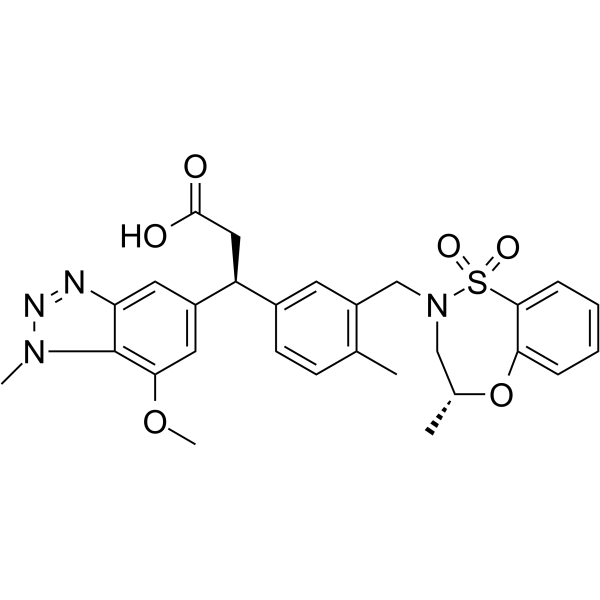
KI696
 0 Images
KI696 is a selective KEAP1/NRF2 protein-protein interaction inhibitor with a human Kd value of 1.3 nM. KI696 acts by competitively occupying the NRF2-binding pocket of the KEAP1 Kelch domain. KI696 blocks KEAP1-mediated ubiquitination and degradation of NRF2, promotes the translocation of NRF2 to the nucleus, activates the expression of downstream antioxidant genes, increases intracellular glutathione levels, and alleviates oxidative stress-induced cell damage and inflammatory cell infiltration in the lungs. KI696 reduces ozone-induced pulmonary oxidative damage and inflammatory cell accumulation in rats, and upregulates pulmonary antioxidant genes. KI696 can be used in research related to chronic obstructive pulmonary disease, oxidative stress and inflammation.
-
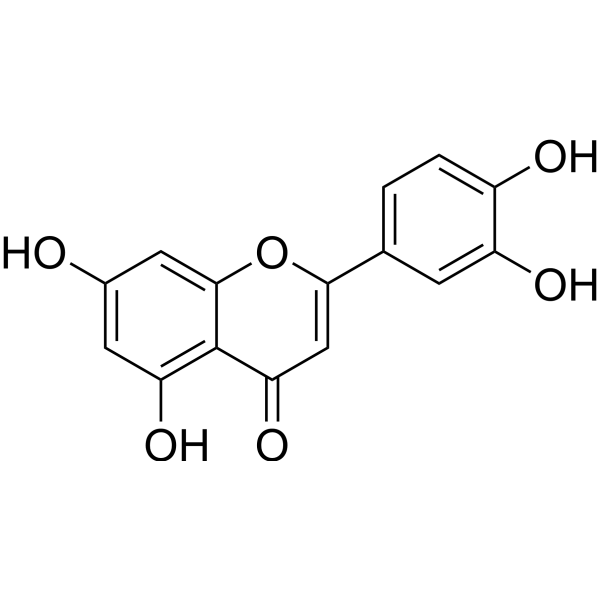
Luteolin
 0 Images
Luteolin (Luteoline), a flavanoid compound, is a potent Nrf2 inhibitor. Luteolin has anti-inflammatory, anti-cancer properties, including the induction of apoptosis and cell cycle arrest, and the inhibition of metastasis and angiogenesis, in several cancer cell lines, including human non-small lung cancer cells.
-
Brusatol
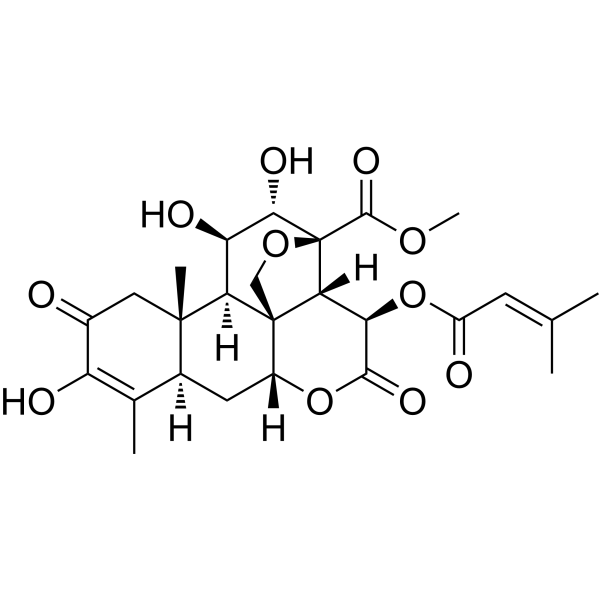 0 ImagesSynonyms: NSC 172924
Brusatol (NSC 172924) is a unique inhibitor of the Nrf2 pathway that sensitizes a broad spectrum of cancer cells to Cisplatin and other chemotherapeutic agents. Brusatol enhances the efficacy of chemotherapy by inhibiting the Nrf2-mediated defense mechanism. Brusatol can be developed into an adjuvant chemotherapeutic agent. Brusatol increases cellular apoptosis.
-
Hippuric acid
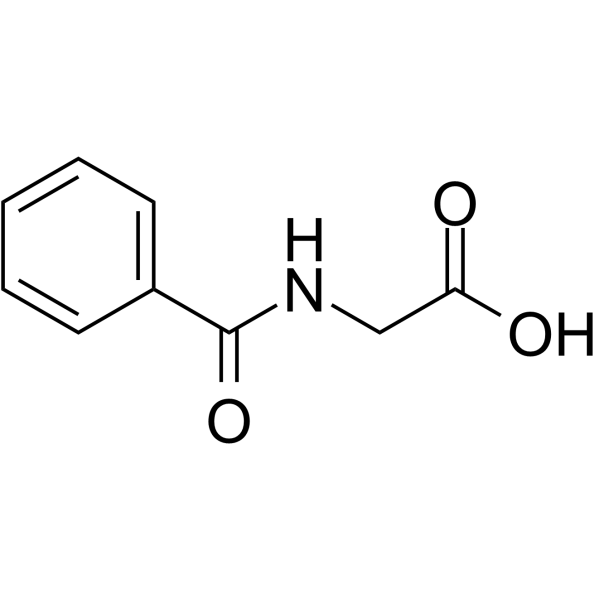 0 ImagesSynonyms: Benzoylglycine
Hippuric Acid is an orally active metabolite. Hippuric Acid can be produced by intestinal microorganisms from the metabolism of polyphenols, benzoic acid. Hippuric Acid decreases NRF2, MMP9 and leads to ROS accumulation. Hippuric Acid activates TGFβ/SMAD signaling. Hippuric Acid improves hyperuricemia and colitis. Hippuric Acid can also be used in cardiovascular disease research. .
-
Citraconic acid
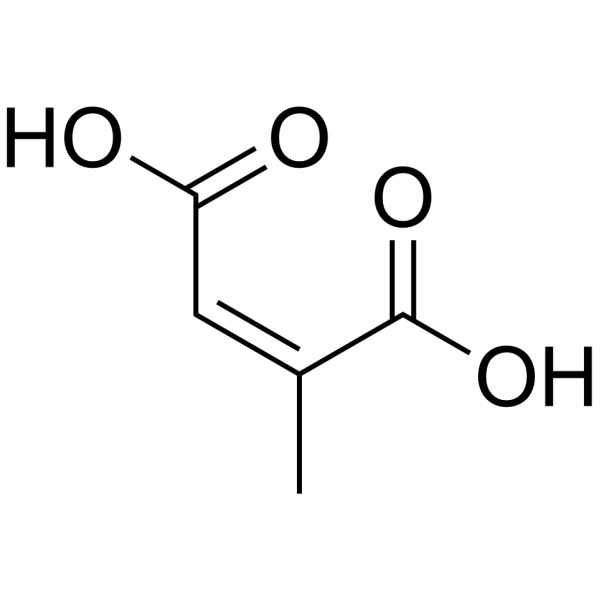 0 Images
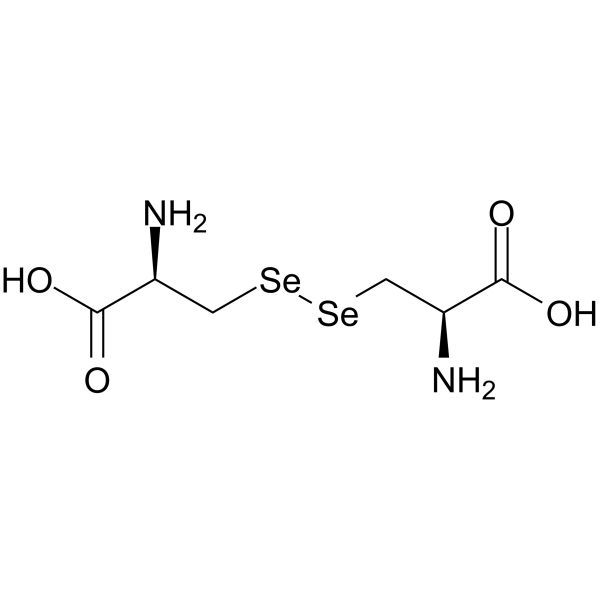
Citraconic acid (Methylmaleic acid) is an orally active inhibitor targeting the NLRP3 inflammasome and Keap1-Nrf2 pathway. Citraconic acid reduces reactive oxygen species (ROS) generation by inhibiting succinate dehydrogenase (SDH) activity. Citraconic acid also modifies the conformation of Keap1 protein, relieves its inhibition of Nrf2, promotes antioxidant gene expression, and inhibits NLRP3 activation and the release of pro-inflammatory factors such as IL-1β and IL-18. Citraconic acid has anti-inflammatory and antioxidant activities, can reduce oxidative stress and cell pyroptosis, improve tissue damage, and can be used for the research of inflammation-related diseases such as acute renal ischemia-reperfusion injury. Citraconic acid is an isomer of Itaconic acid (HY-Y052).
-
Nrf2-IN-1
 0 Images
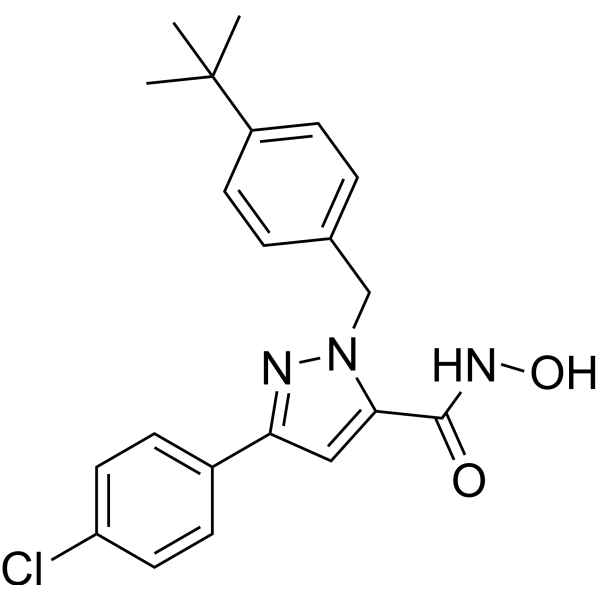
Nrf2-IN-1 is an inhibitor of nuclear factor-erythroid 2-related factor 2 (Nrf2). Nrf2-IN-1 is developed for the research of acute myeloid leukemia (AML).
-
Luteolin (Standard)
 0 ImagesSynonyms: Luteoline(Standard); Luteolol(Standard); Digitoflavone (Standard)
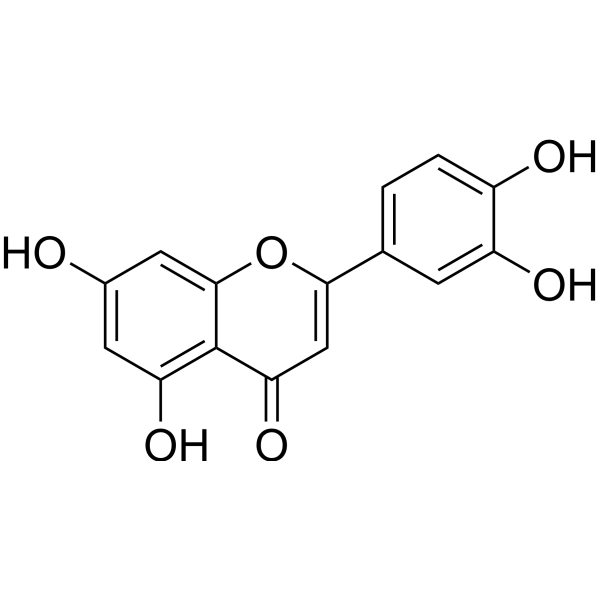
Luteolin (Standard) is the analytical standard of Luteolin. This product is intended for research and analytical applications. Luteolin (Luteoline), a flavanoid compound, is a potent Nrf2 inhibitor. Luteolin has anti-inflammatory, anti-cancer properties, including the induction of apoptosis and cell cycle arrest, and the inhibition of metastasis and angiogenesis, in several cancer cell lines, including human non-small lung cancer cells.
-
Cephaeline
 0 Images
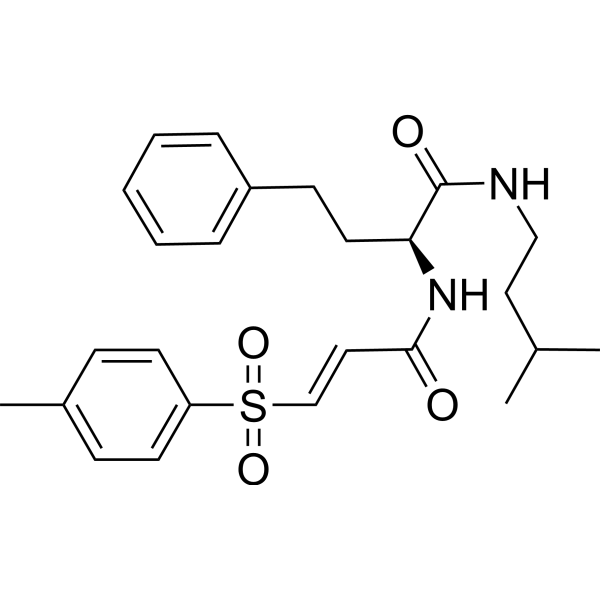
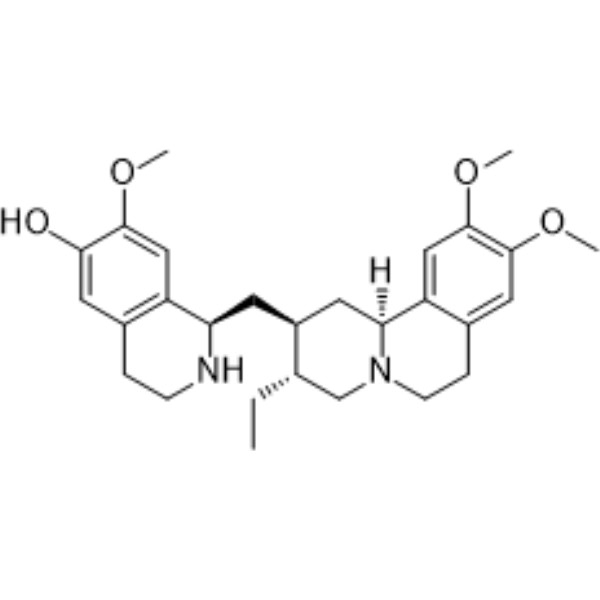
Cephaeline ((-)-Cephaeline; NSC 32944) is a ferroptosis inducer, with broad-spectrum anticancer and antiviral activities. Cephaeline induces ferroptosis (Ferroptosis) by upregulating p53, inhibiting NRF2, activating ULK3, downregulating the expressions of SLC7A11 and GPX4 in a p53-dependent manner, reducing GSH and mitochondrial membrane potential, and increasing lipid peroxidation and iron accumulation. Cephaeline inhibits cancer cell proliferation, migration and tumor growth. Cephaeline inhibits Ebola virus (EBOV) VLP entry and infection, with IC50 values of 3.27 μM and 22.18 μM respectively; it also inhibits Zika virus (ZIKV) NS5 RdRp activity (IC50 = 976 nM), and binds to severe acute respiratory syndrome coronavirus 2 (SARS-CoV-2) RdRp and N protein, with Kd values of 8.9 μM and 53.8 μM respectively. Cephaeline can be used in studies related to breast cancer, lung cancer, COVID-19, EBOV and ZIKV infections.
-
Senkyunolide I
 0 Images
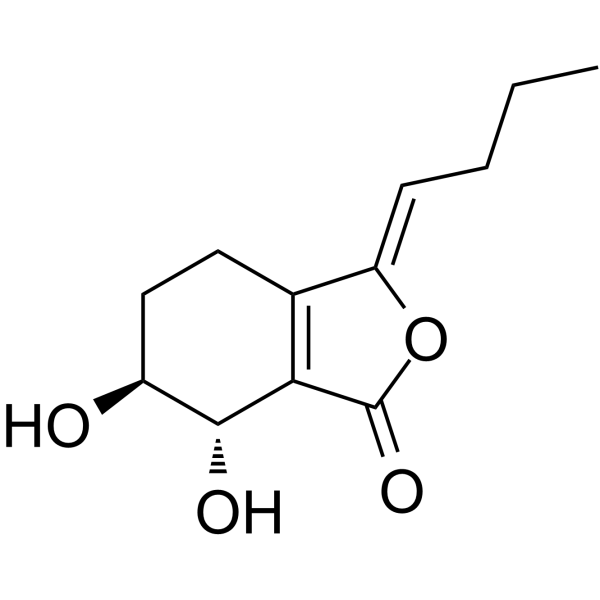
Senkyunolide I is an orally active, blood-brain barrier-permeable metabolite of Z-ligustilide (HY-N0401A). Senkyunolide I is isolated from Ligusticum chuanxiong. Senkyunolide I upregulates p-Erk1/2 and Nrf2/HO-1, and inhibits Caspase 3. Senkyunolide I alleviates Apoptosis. Senkyunolide I increases the pain threshold in mice and reduces acetic acid-induced writhing responses in mice. Senkyunolide I improves neurological deficits, reduces infarct volume and alleviates cerebral edema in rats with focal cerebral ischemia-reperfusion injury. Senkyunolide I protects renal function and structural integrity in a mouse model of renal ischemia-reperfusion injury. Senkyunolide I is applicable to research related to focal cerebral ischemia-reperfusion injury, migraine, and renal ischemia-reperfusion injury.
-
Isorhapontigenin
 0 Images
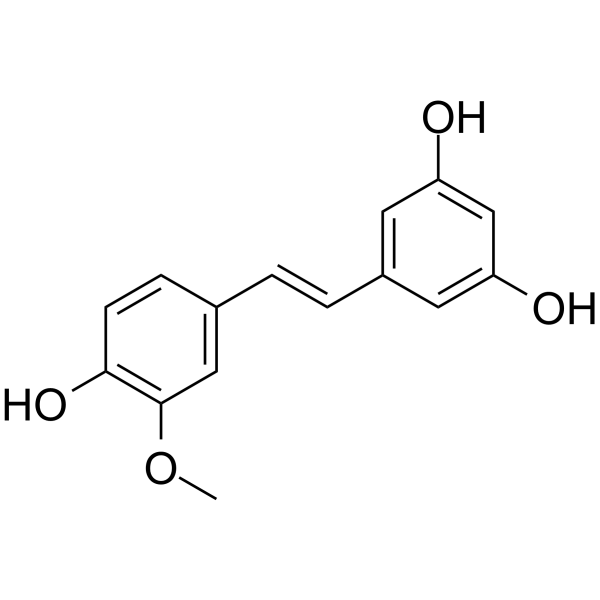
Isorhapontigenin is an orally active dietary polyphenol. Isorhapontigenin acts as a potent antioxidant that reduces the production of reactive oxygen species (ROS). Isorhapontigenin promotes the binding of JUN to the AP-1 site on the SESN2 promoter, induces SESN2 transcription, triggers MAPK8-dependent JUN activation, and upregulates the expression of PPAR-α, PGC-1α and CPT-1A to facilitate fatty acid oxidation. Isorhapontigenin induces autophagy, apoptosis and preadipocyte differentiation; it inhibits tumor growth, cell invasion, NF-κB transcriptional activity, the PI3K/Akt signaling pathway, STAT1 phosphorylation and MMP-2 expression. Isorhapontigenin alleviates oxidative stress, inflammatory cytokine release and triglyceride accumulation; it increases intracellular ATP levels and promotes Nrf2 nuclear translocation. Isorhapontigenin improves insulin sensitivity in adipose tissue and glucose tolerance, and reduces postprandial blood glucose, insulin and free fatty acid levels. Isorhapontigenin is applicable to research on bladder cancer, liver injury, chronic obstructive pulmonary disease, acute lung injury and type 2 diabetes.
-
K67
 0 Images
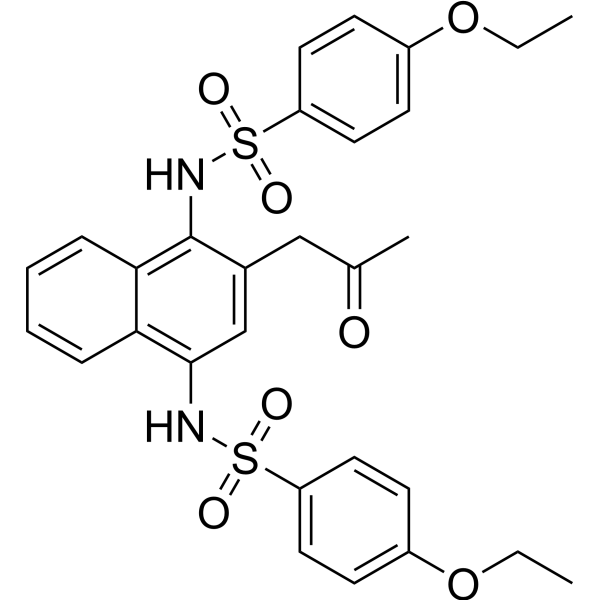
K67 is a selective the interaction between Keap1 and S349 phosphorylated p62 inhibitor, with an IC50 of 1.5 μM. K67 has a weaker inhibitory effect on the interaction between Keap1 and Nrf2 (IC50 is 6.2 μM). K67 competitively binds to the binding site of Keap1 with p-p62, blocking the abnormal activation of the p62-dependent Nrf2 pathway. K67 inhibits tumor cell proliferation and enhances the sensitivity of hepatocellular carcinoma (HCC) to chemotherapeutic drugs by restoring Keap1-mediated ubiquitination and degradation of Nrf2.
-
Phytol
 0 Images
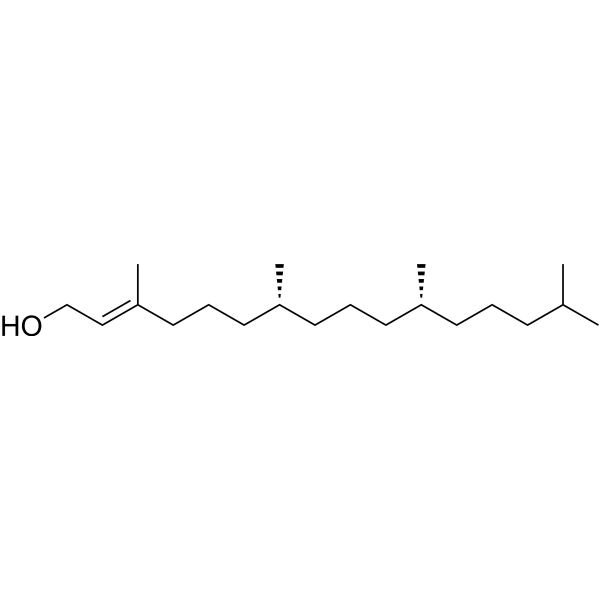
Phytol ((E)-Phytol) is an orally active diterpenoid alcohol that can be extracted from chlorophyll. Phytol has antioxidant, anti-inflammatory, anti-schistosomiasis and antibacterial activities.
-
Pectolinarigenin
 0 Images
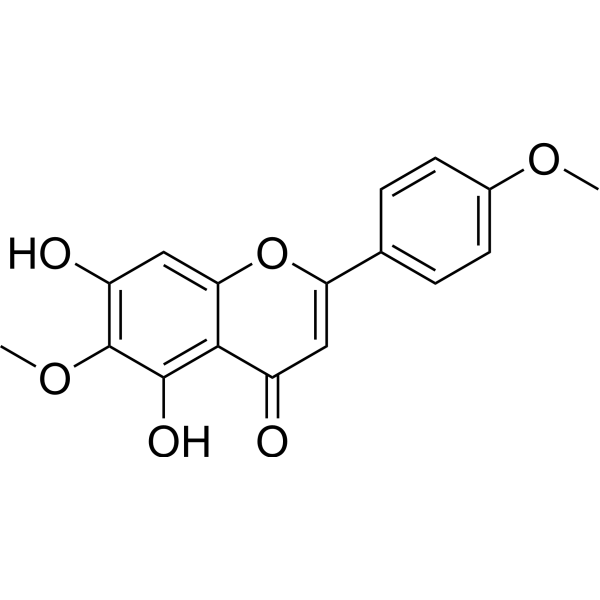
Pectolinarigenin is an orally active dual inhibitor of COX-2/5-LOX with anti-inflammatory, antioxidant, antitumor and neuroprotective activities. Pectolinarigenin exerts neuroprotective and anti-inflammatory effects on astrocyte inflammation via the NFκB and MAPK pathways. Pectolinarigenin inhibits LPS-induced phosphorylation of ERK1/2, N-FκB and p38MAPK, directly inhibits the enzymatic activity or binding of COX-2, 5-LOX and HIF-1α, and reduces the level of XIAP. Pectolinarigenin modifies Keap1 to promote nuclear accumulation of Nrf2, induces ARE-mediated antioxidant enzyme expression, and possesses direct free radical scavenging activity. Pectolinarigenin reduces the release of NO, proinflammatory mediators and leukotrienes, and increases the level of IL-10. Pectolinarigenin induces G2/M cell cycle arrest, apoptosis (Apoptosis) and autophagy (Autophagy) via the PI3K/AKT/mTOR signaling pathway. Pectolinarigenin reduces renal crystal deposition and inhibits melanin synthesis. Pectolinarigenin inhibits inflammation and alleviates allergy in mouse models of inflammation. Pectolinarigenin alleviates renal injury, inflammation and oxidative stress in mice by inhibiting HIF-1α activity. Pectolinarigenin can be used for the research of neurodegenerative diseases, inflammatory/allergic diseases, calcium oxalate nephrocalcinosis, gastric cancer, melasma, post-inflammatory diseases and chloasma.
-
Isobavachin
 0 Images
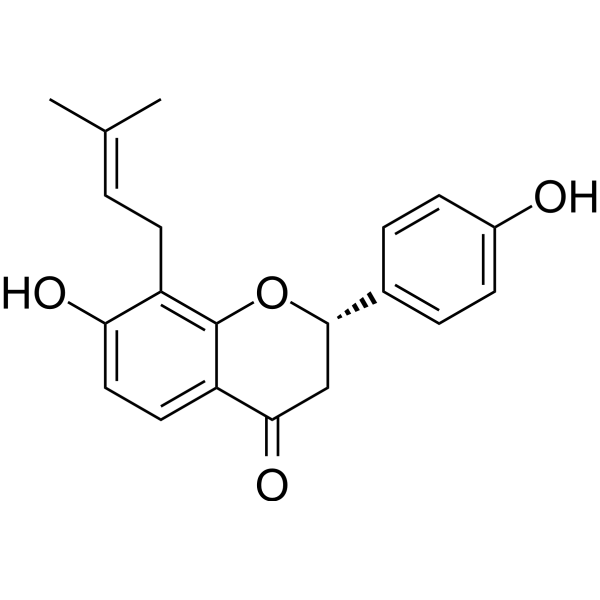
Isobavachin is an orally active, blood-brain barrier-penetrating prenylated flavonoid present in Psoralea corylifolia. Isobavachin inhibits human CYP2B6, CYP2C9, CYP2C19, UGT1A1, UGT1A9, and UGT2B7. Isobavachin suppresses MAPK activation, NF-κB nuclear translocation, overexpression of iNOS/COX-2, FcεRI-mediated signaling pathways, and RANKL-induced osteoclastogenesis. Isobavachin induces autophagy, cytotoxicity, neuronal differentiation, and NRF2 activation; it alleviates oxidative damage, inflammatory responses, apoptosis, iron accumulation, mitochondrial biogenesis, and mast cell degranulation. Isobavachin is applicable to research related to liver injury, inflammatory diseases, osteoporosis, liver cancer, prostate cancer, glioma, periodontitis-induced bone loss, and Alzheimer's disease.
-
Nrf2-IN-3
 0 Images
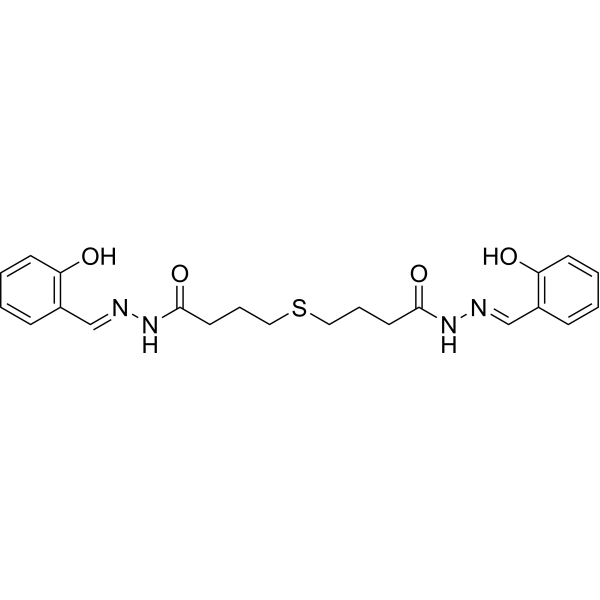
Nrf2-IN-3 (Compound R16) is a small-molecule NRF2 inhibitor and increases reactive oxygen species (ROS) production. Nrf2-IN-3 selectively binds KEAP1 mutants and restores their NRF2-inhibitory function by repairing the disrupted KEAP1/NRF2 interactions, leading to proteasome-dependent NRF2 degradation in cells. Nrf2-IN-3 sensitizes KEAP1-mutated tumor cells to Cisplatin (HY-17394), Gefitinib (HY-50895), and KEAP1 G333C-mutated xenograft to Cisplatin .



