



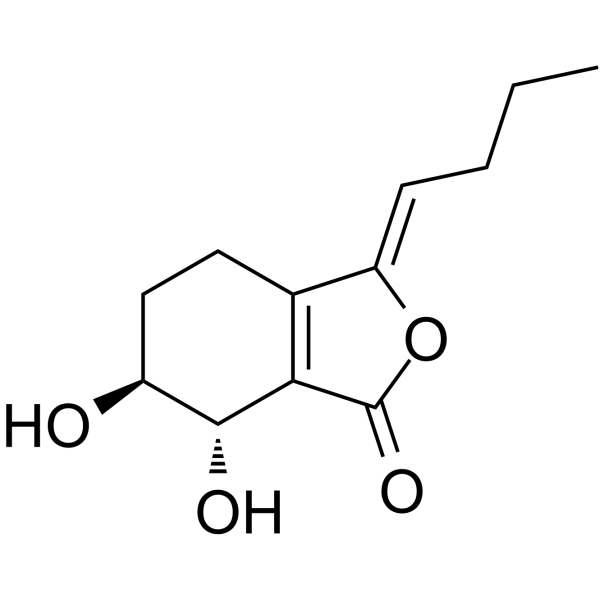
Senkyunolide I
Based on 2 publication(s) in Google Scholar
Senkyunolide I is an orally active, blood-brain barrier-permeable metabolite of Z-ligustilide (HY-N0401A). Senkyunolide I is isolated from Ligusticum chuanxiong. Senkyunolide I upregulates p-Erk1/2 and Nrf2/HO-1, and inhibits Caspase 3. Senkyunolide I alleviates Apoptosis. Senkyunolide I increases the pain threshold in mice and reduces acetic acid-induced writhing responses in mice. Senkyunolide I improves neurological deficits, reduces infarct volume and alleviates cerebral edema in rats with focal cerebral ischemia-reperfusion injury. Senkyunolide I protects renal function and structural integrity in a mouse model of renal ischemia-reperfusion injury. Senkyunolide I is applicable to research related to focal cerebral ischemia-reperfusion injury, migraine, and renal ischemia-reperfusion injury.
Nos produits utilisent uniquement pour la recherche. Nous ne vendons pas aux patients.
- Pureté : 99.71%
- CAS No.: 94596-28-8
- Formule: C12H16O4
- Masse moléculaire:224.26
-
Stockage:
4°C, protect from light
* In solvent : -80°C, 6 months; -20°C, 1 month (protect from light)

To place orders, for customer services and technical support, please contact: MedChemExpress USA
Tel: 609-228-6898 E-mail: [email protected] [email protected]


-
 Activité biologique
-
Chemical Information
-
Solvant et solubilité
- Protocole
- Pureté et documentation
- Références
-
 Help & FAQs


-
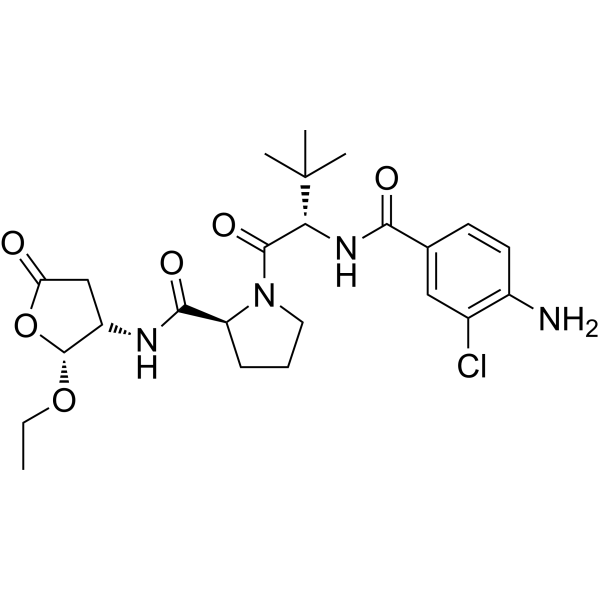
HY-13205
BelnacasanCaspase-1 Inhibitor -
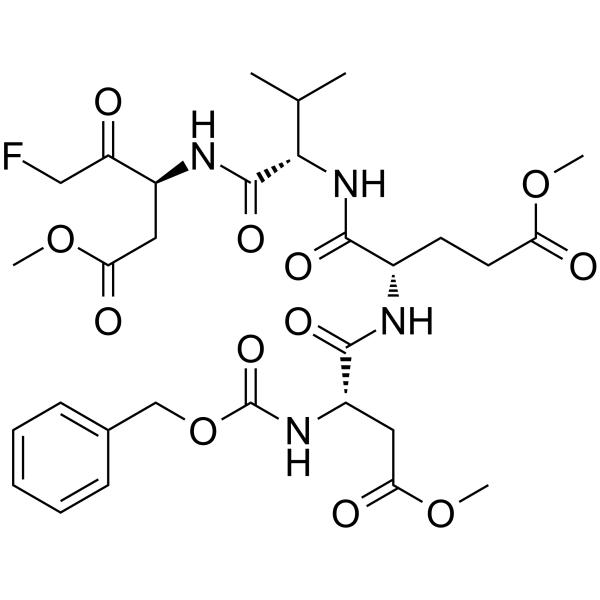
HY-12466
Z-DEVD-FMKCaspase-3 Inhibitor -
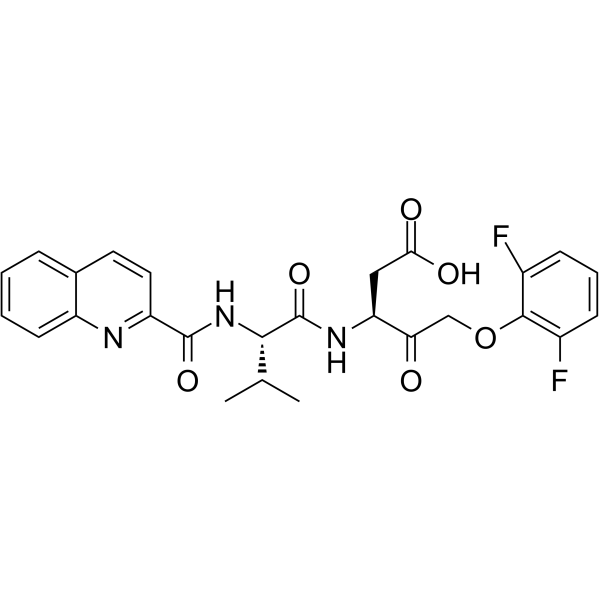
HY-12305
Q-VD-OPhPan-caspase Inhibitor -
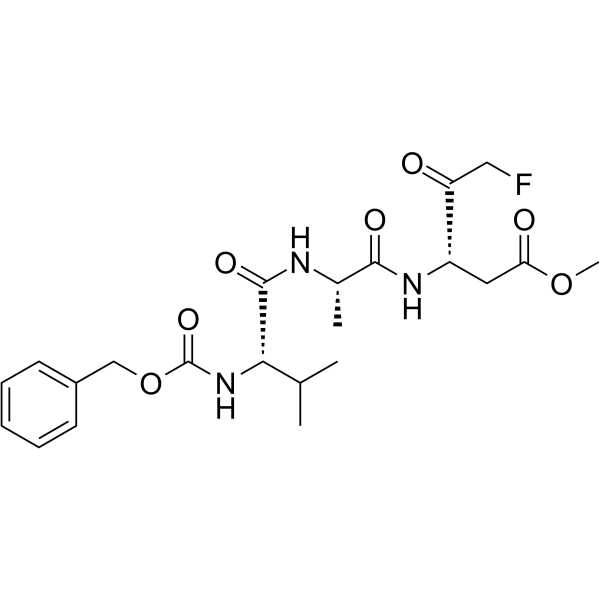
HY-16658
Z-VAD(OMe)-FMKPan-caspase Inhibitor -
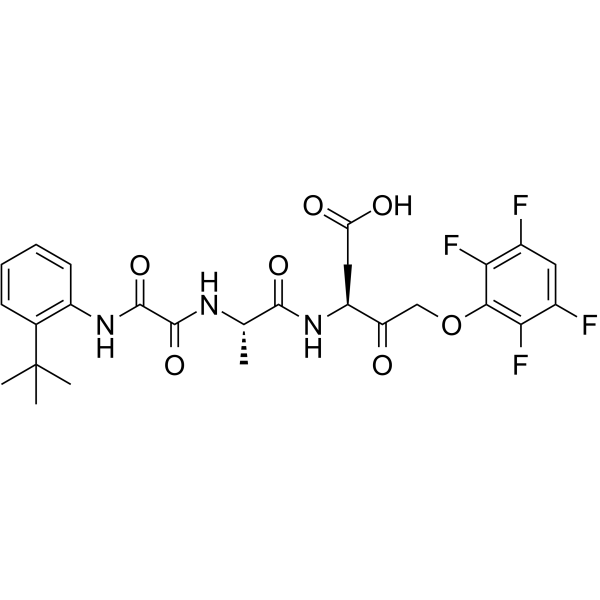
HY-10396
Emricasanpan-Caspase Inhibitor -
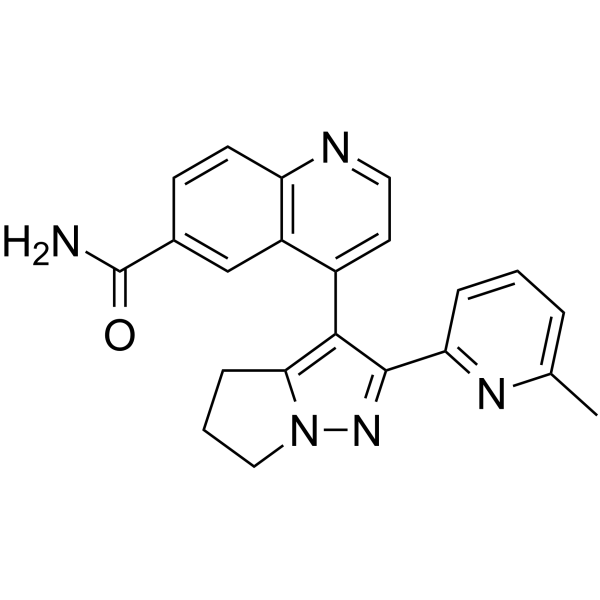
HY-13226
GalunisertibTGFβRI Inhibitor -
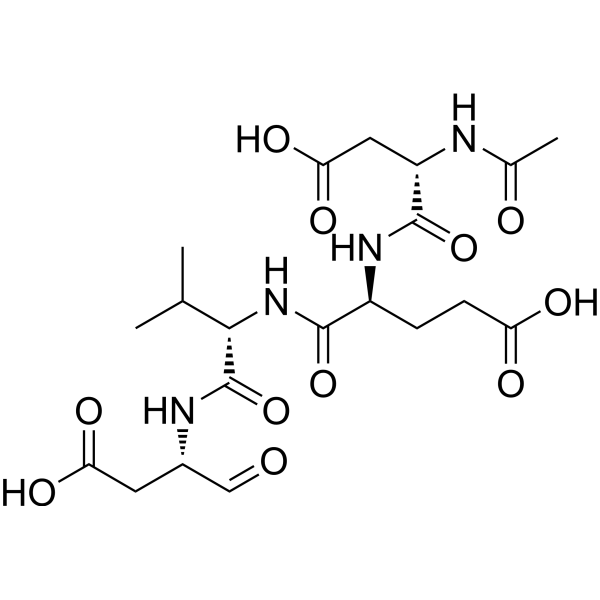
HY-P1001
Ac-DEVD-CHOCaspase-3 Inhibitor -
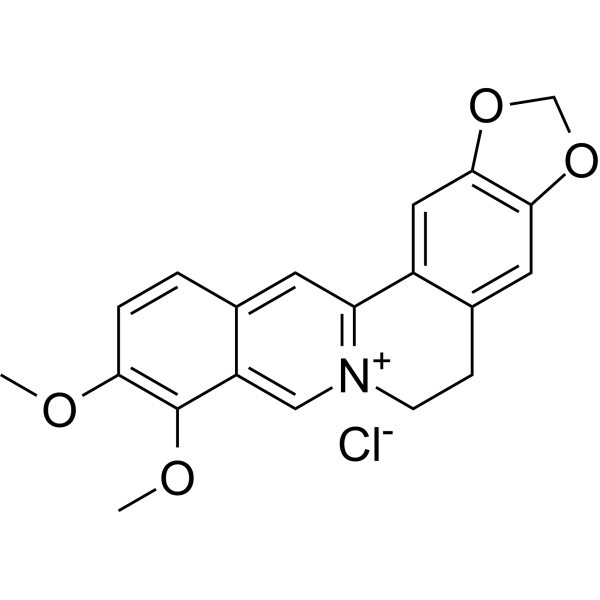
HY-18258
Berberine chlorideAntibiotic -
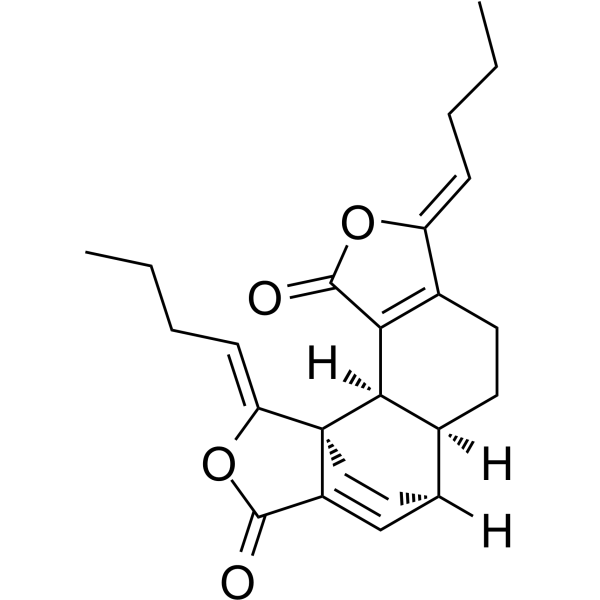
HY-N1472
Levistolide AApoptosis Inducer -
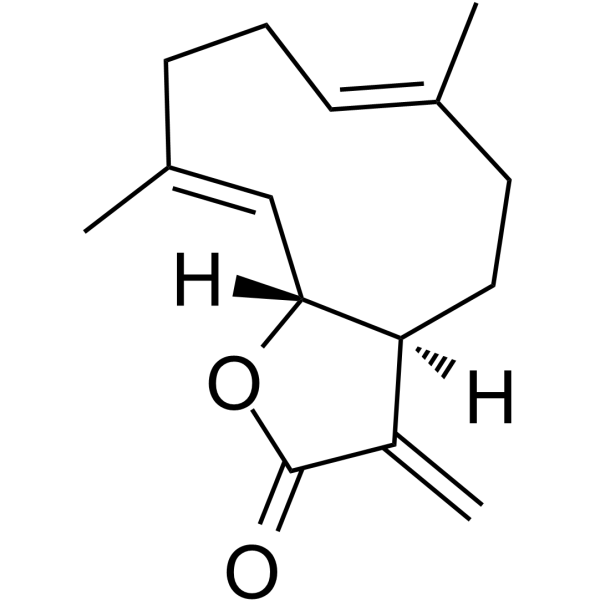
HY-N0036
CostunolideApoptosis inducer -
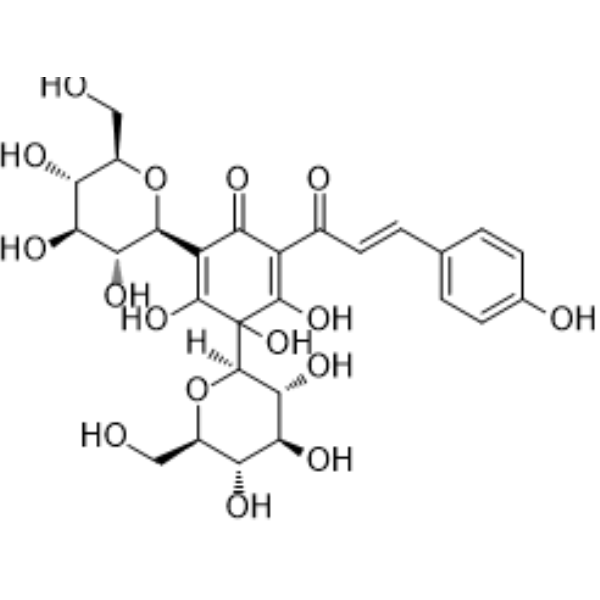
HY-N0567
Hydroxysafflor yellow AAnticancer Agent -
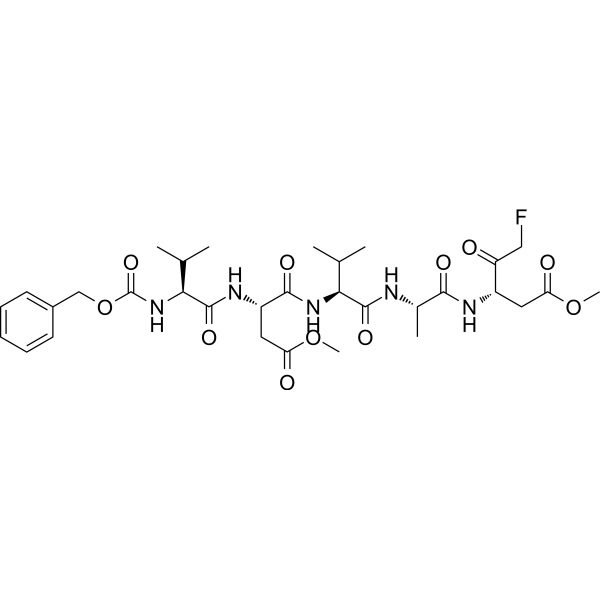
HY-P1008
Z-VDVAD-FMKCaspase-2 Inhibitor
Publications Citing Use of MedChemExpress (MCE) Senkyunolide I
MoreVoir tous les produits spécifiques à Isoform Caspase
More

Activité biologique
Description
IC50 & Target
[1]|
ERK1 |
ERK2 |
Caspase 3 |
HO-1 |
In Vitro
Senkyunolide I (25-100 μM) activates the Nrf2/ARE pathway in Hek293T/pGF1-ARE cells[1].
Senkyunolide I (100-300 μg/mL; prior to H2O2 treatment) protects the renal tubular epithelial cell line HK2 against H2O2-induced loss of viability[3].
MedChemExpress (MCE) has not independently confirmed the accuracy of these methods. They are for reference only. Further protocols information, click here.
In Vivo
Senkyunolide I (8-32 mg/kg; p.o.; single dose) dose-dependently increases thermal pain thresholds in mice, with the 32 mg/kg dose producing significant elevations as early as 20 min post-administration and the 16 mg/kg dose showing significant effects at 360 min post-administration[2].
Senkyunolide I (32 mg/kg; p.o.; single dose) significantly reduces acetic acid-induced visceral pain in mice, while lower doses show no significant effect[2].
MedChemExpress (MCE) has not independently confirmed the accuracy of these methods. They are for reference only.
-
Animal Model:Sprague-Dawley (male, 250-300 g, transient middle cerebral artery occlusion for 2 hours followed by 24 hours of reperfusion)[1]
-
Dosage:36 mg/kg; 72 mg/kg
-
Administration:i.v.; single dose at 15 minutes post-occlusion
-
Result:Significantly reduced neurological deficit scores at 72 mg/kg (P < 0.05 vs.
vehicle); showed non-significant alleviation of motor function at 36 mg/kg.
Significantly reduced ipsilateral brain water content to 82.30% ± 0.91% at 72 mg/kg (P < 0.05 vs.
vehicle); resulted in non-significant reduction to 85.35% ± 1.29% at 36 mg/kg.
Reduced infarct volume to 35.70% ± 5.35% at 36 mg/kg (P < 0.05 vs.
vehicle); reduced infarct volume to 27.31% ± 2.40% at 72 mg/kg (P < 0.05 vs.
vehicle).
Reversed cerebral morphologic damage in cortices and hippocampus at both 36 mg/kg and 72 mg/kg, with more dramatic reduction of histopathological alterations at 72 mg/kg dose.
Significantly decreased cortical MDA levels (P < 0.05 vs.
vehicle) and significantly increased cortical SOD activities (P < 0.05 vs.
vehicle) at both 36 mg/kg and 72 mg/kg, with no significant differences between the two doses.
Significantly increased the p-Erk1/2/t-Erk1/2 ratio, and the protein levels of c-Nrf2, n-Nrf2, HO-1, and NQO1 (P < 0.05 vs.
vehicle) at both 36 mg/kg and 72 mg/kg; resulted in higher levels of these proteins at 72 mg/kg compared to 36 mg/kg (P < 0.05).
Significantly reversed the down-regulation of Bcl-2 and up-regulation of Bax induced by I/R injury (P < 0.05 vs.
vehicle), elevated the Bcl-2/Bax ratio (P < 0.05 vs.
vehicle), and significantly down-regulated cleaved caspase 3 and caspase 9 expression (P < 0.05 vs.
vehicle) at both 36 mg/kg and 72 mg/kg; more effectively reduced Bax protein levels at 72 mg/kg compared to 36 mg/kg (P < 0.05), with no significant differences between doses for caspase inhibition.
-
Animal Model:Kunming (female, 18-22 g)[2]
-
Dosage:8 mg/kg; 16 mg/kg; 32 mg/kg
-
Administration:p.o.; single dose
-
Result:Elevated pain thresholds to 28.0 ± 7.0 s, 32.0 ± 7.3 s, and 35.5 ± 7.3 s at 20, 180, and 240 min post-administration for 32 mg/kg dose (P < 0.05 vs control).
Elevated pain threshold to 28.5 ± 6.9 s at 360 min post-administration for 16 mg/kg dose (P < 0.05 vs control).
Did not produce significant pain threshold elevations at any time point for 8 mg/kg dose.\nReduced the number of abdominal writhing responses to 18.8 ± 4.4 for 32 mg/kg dose (P < 0.05 vs control).
Did not produce significant reductions in writhing responses for 8 mg/kg and 16 mg/kg doses.


Chemical Information
-
CAS No. 94596-28-8
-
Appearance Solid
-
Masse moléculaire 224.26
-
Formule C12H16O4
-
Color Off-white to light yellow
-
SMILES
O=C1O/C(C2=C1[C@H](O)[C@@H](O)CC2)=C\CCC
-
Structure Classification
-
Initial Source
-
Livraison
Room temperature in continental US; may vary elsewhere.
-
Stockage
4°C, protect from light
* In solvent : -80°C, 6 months; -20°C, 1 month (protect from light)


Publications (2)
-
Journal Impact Factor
-
Most Recent
-
Int Immunopharmacol
Albiflorin contributes to Xuebijing-mediated protection against sepsis-associated acute kidney injury by modulating the succinate-PFKFB3 immunometabolic axis. [Abstract]2026 May 14:182:116841. PMID: 42134292 -
Ann N Y Acad Sci
Extracorporeal Shock Wave Therapy Promotes Peripheral Nerve Regeneration Through ERK1/2-Mediated Autophagy. [Abstract]2026 Apr;1558(1):e70275. PMID: 41964611


Solvant et solubilité
In Vitro:
DMSO : 100 mg/mL (445.91 mM; Need ultrasonic; Hygroscopic DMSO has a significant impact on the solubility of product, please use newly opened DMSO)
Please refer to the solubility information to select the appropriate solvent. Once prepared, please aliquot and store the solution to prevent product inactivation from repeated freeze-thaw cycles.
Storage method and period of stock solution: -80°C, 6 months; -20°C, 1 month (protect from light). When stored at -80°C, please use it within 6 months. When stored at -20°C, please use it within 1 month.
Please refer to the solubility information to select the appropriate solvent. Once prepared, please aliquot and store the solution to prevent product inactivation from repeated freeze-thaw cycles.
Storage method and period of stock solution: -80°C, 6 months; -20°C, 1 month (protect from light). When stored at -80°C, please use it within 6 months. When stored at -20°C, please use it within 1 month.
Concentration (start) × Volume (start) = Concentration (final) × Volume (final)
In Vivo:
Select the appropriate dissolution method based on your experimental animal and administration route.
- For the following dissolution methods, please ensure to first prepare a clear stock solution using an In Vitro approach and then sequentially add co-solvents:
- To ensure reliable experimental results, the clarified stock solution can be appropriately stored based on storage conditions. As for the working solution for In Vivo experiments, it is recommended to prepare freshly and use it on the same day.
- The percentages shown for the solvents indicate their volumetric ratio in the final prepared solution. If precipitation or phase separation occurs during preparation, heat and/or sonication can be used to aid dissolution.
Add each solvent one by one: 10% DMSO 40% PEG300 5% Tween-80 45% Saline
Solubility: ≥ 2.5 mg/mL (11.15 mM); Clear solution
This protocol yields a clear solution of ≥ 2.5 mg/mL (saturation unknown).
Taking 1 mL working solution as an example, add 100 μL DMSO stock solution (25.0 mg/mL) to 400 μL PEG300, and mix evenly; then add 50 μL Tween-80 and mix evenly; then add 450 μL Saline to adjust the volume to 1 mL.
Preparation of Saline: Dissolve 0.9 g sodium chloride in ddH₂O and dilute to 100 mL to obtain a clear Saline solution.
Add each solvent one by one: 10% DMSO 90% (20% SBE-β-CD in Saline)
Solubility: ≥ 2.5 mg/mL (11.15 mM); Clear solution
This protocol yields a clear solution of ≥ 2.5 mg/mL (saturation unknown).
Taking 1 mL working solution as an example, add 100 μL DMSO stock solution (25.0 mg/mL) to 900 μL 20% SBE-β-CD in Saline, and mix evenly.
Preparation of 20% SBE-β-CD in Saline (4°C, storage for one week): 2 g SBE-β-CD powder is dissolved in 10 mL Saline, completely dissolve until clear.
In Vivo Dissolution Calculator
Please enter the basic information of animal experiments:
-
-
-
-
Recommended: Prepare an additional quantity of animals to account for potential losses during experiments.
Please enter your animal formula composition:
-
%DMSO +
Recommended: Keep the proportion of DMSO in working solution below 2% if your animal is weak.
-
%+
-
+%Tween-80 + +
-
%Saline +
The co-solvents required include: DMSO, . All of co-solvents are available by MedChemExpress (MCE). , Tween 80. All of co-solvents are available by MedChemExpress (MCE).
Working solution concentration: 0.22 mg/mL
Method for preparing stock solution: mg drug dissolved in μL DMSO. Stock solution concentration: mg/mL. * In solvent : -80°C, 6 months; -20°C, 1 month (protect from light)
1. Take μL DMSO stock solution;
2. Add μL .
μL , mix evenly;
3. Then add μL Tween 80, mix evenly;
4. Then add μL
Please ensure that the stock solution in the first step is dissolved to a clear state, and add co-solvents in sequence. You can use ultrasonic heating (ultrasonic cleaner, recommended frequency 20-40 kHz), vortexing, etc. to assist dissolution.

Protocole
-
Apoptosis
Apoptosis, also called programmed cell death, is generally characterized by distinct morphological characteristics.
-
TUNEL staining for apoptotic DNA fragmentation
TUNEL staining detects DNA strand breaks by using terminal deoxynucleotidyl transferase to add labeled nucleotides to exposed 3′-OH DNA termini, generating either microscopic staining in fixed cells or tissue sections, or fluorescence/cytometric signal in cell suspensions. TUNEL positivity reflects DNA fragmentation but should not be interpreted alone as definitive apoptosis, because TUNEL can also label necrotic, autolytic, mechanically damaged, or DNA-repair-associated DNA breaks.
-
Annexin V plus membrane-impermeant dye apoptosis staining
Annexin V-based apoptosis assays rely on the detection of phosphatidylserine (PS) externalization from the inner leaflet of the plasma membrane to the outer leaflet, an early biochemical hallmark of apoptosis. Fluorescently labeled Annexin V binds PS in a calcium-dependent manner, enabling identification of early apoptotic cells by flow cytometry or fluorescence microscopy. When combined with a membrane-impermeant DNA-binding dye (e. g. , propidium iodide), this approach allows discrimination between viable (Annexin V−/dye−), early apoptotic (Annexin V+/dye−), and late apoptotic or necrotic (Annexin V+/dye+) cell populations by assessing membrane integrity and PS exposure.
-
Apoptosis Solutions
Apoptosis is a regulated, generally non-lytic cell-death pathway that removes unwanted, damaged, infected, or abnormal cells through coordinated morphological changes, caspase activation, DNA fragmentation, and membrane remodeling. The intrinsic apoptosis pathway is controlled mainly by mitochondrial outer membrane permeabilization, BCL-2 family proteins, cytochrome c release, apoptosome formation, caspase-9 activation, and downstream executioner caspase-3/7 activation. The extrinsic apoptosis pathway is initiated by death receptors such as Fas, TNFR, and TRAIL receptors, which recruit adaptor proteins and activate caspase-8 before engaging executioner caspases or mitochondrial amplification through BID cleavage. Apoptosis is linked to many phenotypes, including cancer cell killing, tissue homeostasis, immune regulation, neurodegeneration, infection response, and treatment-induced cytotoxicity; unresolved questions include how apoptosis interacts with necroptosis, pyroptosis, ferroptos
-
How to Choose the Right Model Animal
Choosing the right model animal is a validity-driven decision in which the species, strain, sex, age, genetic background, disease-induction method, outcome measures, and welfare burden must match the scientific question rather than laboratory tradition or convenience. A model should be selected by judging face validity, construct validity, and predictive validity: whether it resembles the human phenotype, whether it reproduces relevant mechanisms, and whether results are likely to predict human biology or treatment response. Animal studies often fail to translate because of species differences, weak disease resemblance, poor experimental design, inadequate reporting, publication bias, and underuse of randomization, blinding, and sample-size justification. Unresolved questions include how to rank competing models objectively, how much human-disease complexity must be reproduced for a given objective, and when non-animal systems such as organoids, ex vivo tissue, or computational models


Pureté et documentation
-
Fiche technique (282 KB)
-
SDS (394 KB)
- English - EN (394 KB)
- Français - FR (394 KB)
- Deutsch - DE (394 KB)
- Norwegian - NO (394 KB)
- Español - ES (394 KB)
- Swedish - SV (394 KB)
- Italian - IT (394 KB)
- Korean - KR (394 KB)
- Portuguese - PT (394 KB)
-
Instruction de manipulation (2659 KB)
Références
[1]. Hu Y, et al. Senkyunolide I protects rat brain against focal cerebral ischemia-reperfusion injury by up-regulating p-Erk1/2, Nrf2/HO-1 and inhibiting caspase 3. Brain Res. 2015 Apr 24;1605:39-48. [Content Brief]
[2]. Wang YH, et al. Effect and mechanism of senkyunolide I as an anti-migraine compound from Ligusticum chuanxiong. J Pharm Pharmacol. 2011;63(2):261-266. [Content Brief]
[3]. Zhu YL, et al. Senkyunolide I alleviates renal Ischemia-Reperfusion injury by inhibiting oxidative stress, endoplasmic reticulum stress and apoptosis. Int Immunopharmacol. 2022;102:108393. [Content Brief]


Complete Stock Solution Preparation Table
Please refer to the solubility information to select the appropriate solvent. Once prepared, please aliquot and store the solution to prevent product inactivation from repeated freeze-thaw cycles.
Storage method and period of stock solution: -80°C, 6 months; -20°C, 1 month (protect from light). When stored at -80°C, please use it within 6 months. When stored at -20°C, please use it within 1 month.
| Optional Solvent | Concentration Solvent Mass | 1 mg | 5 mg | 10 mg | 25 mg |
|---|---|---|---|---|---|
| DMSO | 1 mM | 4.4591 mL | 22.2956 mL | 44.5911 mL | 111.4778 mL |
| 5 mM | 0.8918 mL | 4.4591 mL | 8.9182 mL | 22.2956 mL | |
| 10 mM | 0.4459 mL | 2.2296 mL | 4.4591 mL | 11.1478 mL | |
| 15 mM | 0.2973 mL | 1.4864 mL | 2.9727 mL | 7.4319 mL | |
| 20 mM | 0.2230 mL | 1.1148 mL | 2.2296 mL | 5.5739 mL | |
| 25 mM | 0.1784 mL | 0.8918 mL | 1.7836 mL | 4.4591 mL | |
| 30 mM | 0.1486 mL | 0.7432 mL | 1.4864 mL | 3.7159 mL | |
| 40 mM | 0.1115 mL | 0.5574 mL | 1.1148 mL | 2.7869 mL | |
| 50 mM | 0.0892 mL | 0.4459 mL | 0.8918 mL | 2.2296 mL | |
| 60 mM | 0.0743 mL | 0.3716 mL | 0.7432 mL | 1.8580 mL | |
| 80 mM | 0.0557 mL | 0.2787 mL | 0.5574 mL | 1.3935 mL | |
| 100 mM | 0.0446 mL | 0.2230 mL | 0.4459 mL | 1.1148 mL |


Senkyunolide I Related Classifications
HY-N0745 Related Classifications
 Powered by Bioz