



Leukotriene Receptor
Leukotriene Receptor (cys-LTs) are a family of potent bioactive lipids that act through two structurally divergent G protein-coupled receptors, termed the CysLT1 and CysLT2 receptors. The cysteinyl leukotrienes LTC4, LTD4, and LTE4 are important mediators of human bronchial asthma. Leukotriene Receptor is a member of the superfamily of G protein-coupled receptors and uses a phosphatidylinositol-calcium second messenger system. Activation of CysLT1 by LTD4 results in contraction and proliferation of smooth muscle, oedema, eosinophil migration and damage to the mucus layer in the lung. Leukotriene receptor antagonists, called LTRAs for short, are a class of oral medication that is non-steroidal. They may also be referred to as anti-inflammatory bronchoconstriction preventors. LTRAs work by blocking a chemical reaction that can lead to inflammation in the airways.
Leukotriene Receptor Isoform Specific Products
All Product Categories
-
Leukotriene Receptor Inhibitors
(66)
View all products
-
Leukotriene Receptor Agonists
(10)
View all products
-
Leukotriene Receptor Antagonists
(127)
View all products
-
Leukotriene Receptor Activators
(2)
View all products
-
Leukotriene Receptor Control
(1)
View all products
-
Leukotriene Receptor Substrate
(1)
View all products
-
Leukotriene Receptor Related Products (229)
Related Products (229)

-
Antibodies (1)
-
Leukotriene Receptor Isoform Comparison
-
Halometasone
 0 ImagesCat. No.: HY-W341962CAS No.: 50629-82-8Halometasone is a corticosteroid compound that can reduce the expression of serum leukotriene B4 (LTB4) and thymic stromal lymphopoietin (TSLP). Halometasone can be used in research on psoriasis and eczematous skin diseases.
-
N-Methyl Leukotriene C4
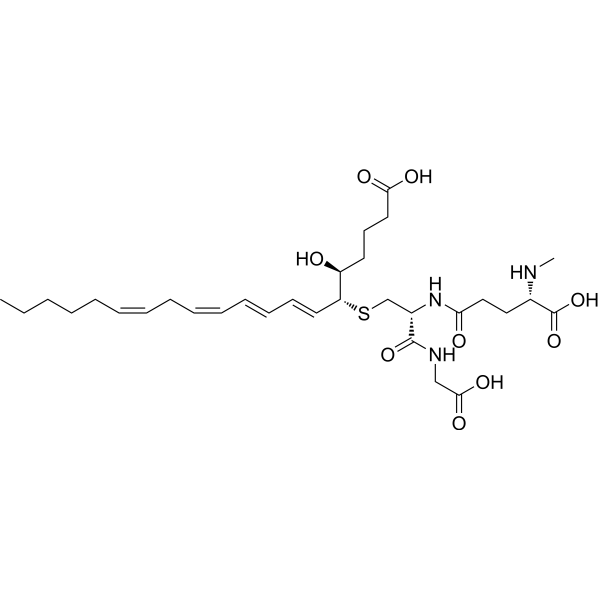 0 ImagesSynonyms: N-Methyl-LTC4N-Methyl Leukotriene C4 (N-Methyl-LTC4) is a non-metabolizable LTC4 analog and a selective cysteinyl leukotriene receptor 2 (CysLT2) agonist, with an EC50 of 46.1 nM for mouse CysLT2 and an EC50 value of 122.3 nM for human CysLT2. N-Methyl Leukotriene C4 shows low potency against CysLT1. N-Methyl Leukotriene C4 activates human and mouse CysLT2 receptors, triggering calcium signaling, β-arrestin-2 binding to phosphorylated receptors, vascular leakage, hypotension, tachycardia, contraction of guinea pig ileum and trachea, mild bronchoconstriction, as well as hypertension associated with peripheral vasoconstriction. N-Methyl Leukotriene C4 can be used in research on asthma, rhinitis, sinusitis, cerebral inflammation and edema, pulmonary arterial hypertension, and cardiovascular diseases.
-
(Rac)-HAMI 3379
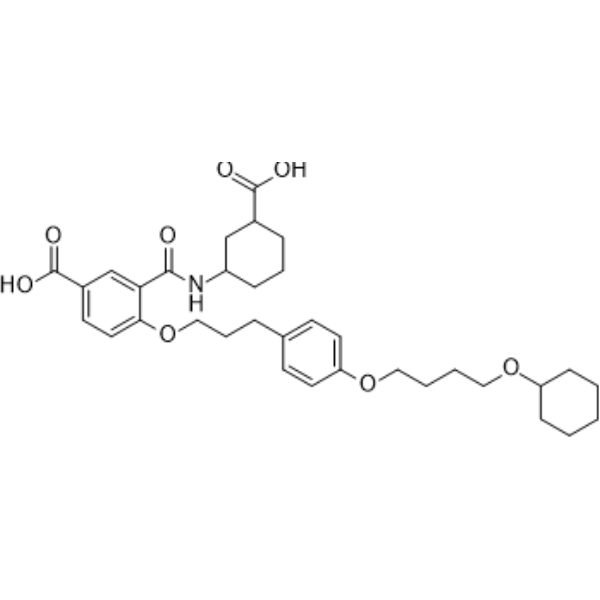 0 ImagesCat. No.: HY-112248CAS No.: 712313-35-4(Rac)-HAMI 3379 is the racemate of HAMI 3379. HAMI 3379 is a potent and selective Cysteinyl leukotriene (CysLT2) receptor antagonist.
-
SR2640 hydrochloride
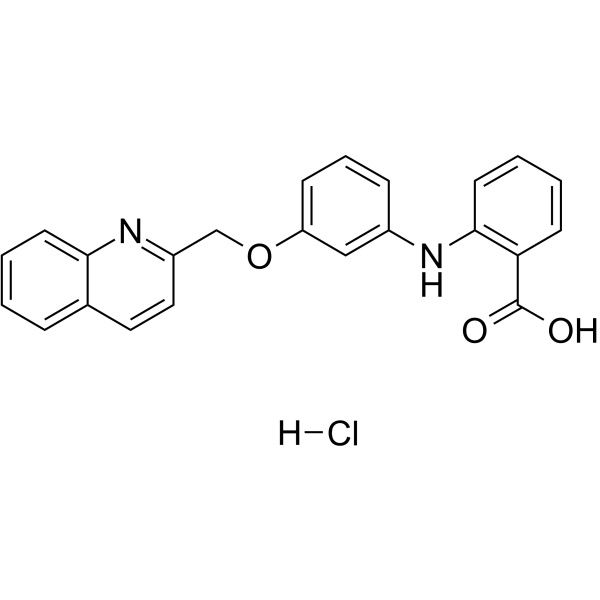 0 ImagesSR2640 (hydrochloride) is a potent and selective competitive leukotriene D4/leukotriene E4 antagonist. SR2640 can be used for researching the role of leukotrienes in human asthma.
-
TAK-756
 0 ImagesCat. No.: HY-169949CAS No.: 3097983-41-7TAK-756 is a selective transforming growth factor β-activated kinase 1 (TAK1) inhibitor with a target pIC50 of 8.6. TAK-756 can inhibit TAK1 autophosphorylation and downstream NF-κB phosphorylation, suppress the production of inflammatory and catabolic factors such as MMP-3 and IL-6. TAK-756 exhibits anti-inflammatory effects in a rat joint inflammation model. TAK-756 can be used for the research of inflammatory joint disease, osteoarthritis.
-
ONO4057
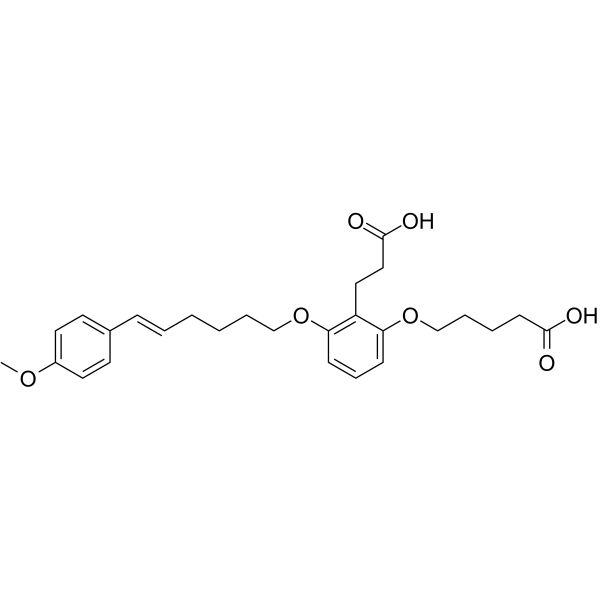 0 ImagesSynonyms: ONO-LB457ONO4057 is a Leukotriene B4 receptor antagonist, with an IC50 of 0.7±0.3 μM.
-
AS-35
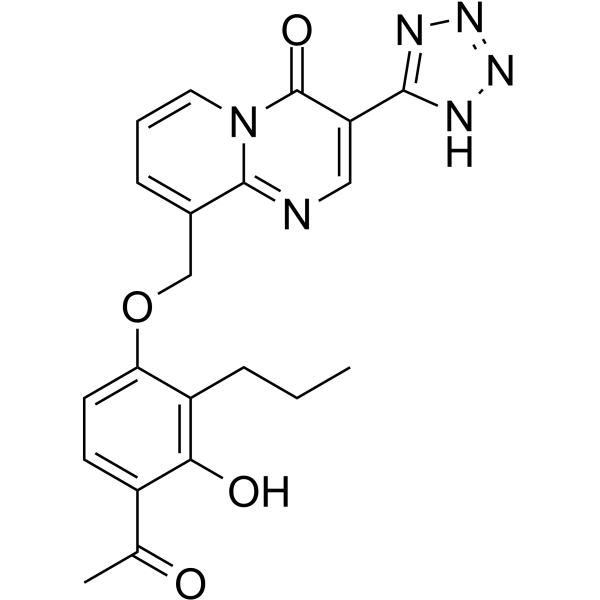 0 ImagesCat. No.: HY-101946CAS No.: 108427-72-1AS-35 is an orally effective, potent and selective antagonist of leukotrienes, antagonizes LTC4-, LTD4 and LTE4-induced contractions of the ileum with IC50 values of 8 nM, 4 nM and 3 nM, respectively, and has antiallergic activities.
-
Yangambin
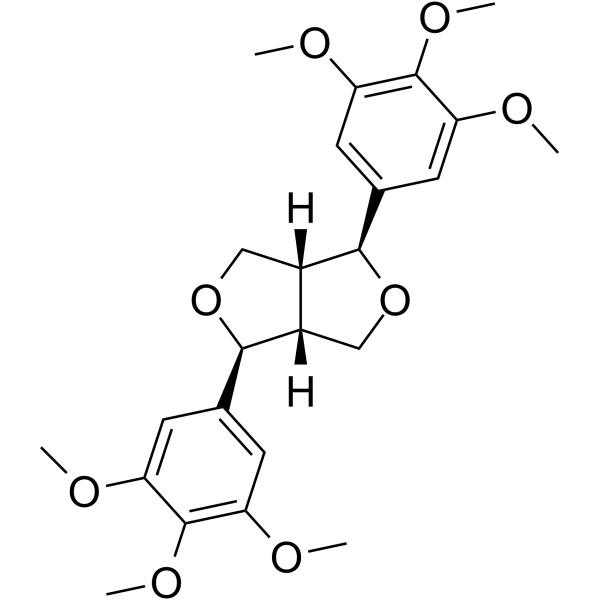 0 ImagesYangambin is a PAF receptor antagonist and UGT1A1/UGT1A3 inhibitor, with an IC50 of 29.7 μM and a Ki of 17.1 μM against human UGT1A1, and an IC50 of 56.5 μM and a Ki of 66.8 μM against human UGT1A3. Yangambin blocks PAF-mediated responses, inhibits LTB4-mediated neutrophil infiltration, and suppresses inflammatory events and anaphylactic contraction. Yangambin acts as a central nervous system inhibitor to reduce spontaneous activity, and also exhibits analgesic, anticonvulsant, antileishmanial, vasodilatory and hypotensive effects. Yangambin blocks voltage-gated Ca2+ channels, reduces the production of NO, TNF-α, IL-6 and PGE2 in cells, increases the production of IL-10, and exerts a protective effect against cardiovascular injury. Yangambin can be used in research related to allergies, cutaneous leishmaniasis, central nervous system diseases and cardiovascular diseases.
-
Darbufelone mesylate
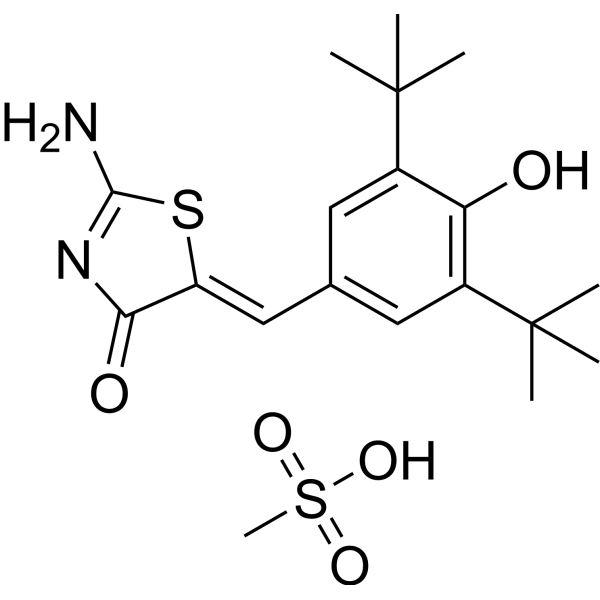 0 ImagesSynonyms: CI-1004 mesylateDarbufelone mesylate (CI-1004 mesylate) is a dual inhibitor of cellular PGF2α and LTB4 production. Darbufelone potently inhibits PGHS-2 (IC50 = 0.19 μM) but is much less potent with PGHS-1 (IC50= 20 μM).
-
Tryptanthrin (Standard)
 0 ImagesTryptanthrin (Standard) is the analytical standard of Tryptanthrin. This product is intended for research and analytical applications. Tryptanthrin is an indole quinazoline that could be an alkaloid from indigo-bearing plants. Tryptanthrin is a potent and orally active cellular Leukotriene (LT) biosynthesis inhibitor. Tryptanthrin has anticancer activity. Tryptanthrin suppresses the expression levels of NOS1, COX-2, and NF-κB and regulates the expression levels of IL-2, IL-10, and TNF-α.
-
FPL-55712 free base
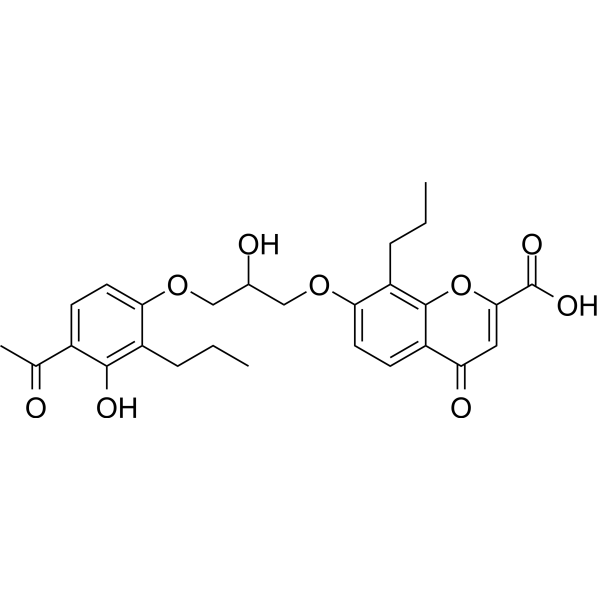 0 ImagesFPL-55712 free base is a leukotriene receptor antagonist. FPL-55712 free base is also an antagonist of slow reacting substance of anaphylaxis (SRS-A). FPL-55712 free base inhibits leukotriene-induced bronchoconstriction.
-
L-674573
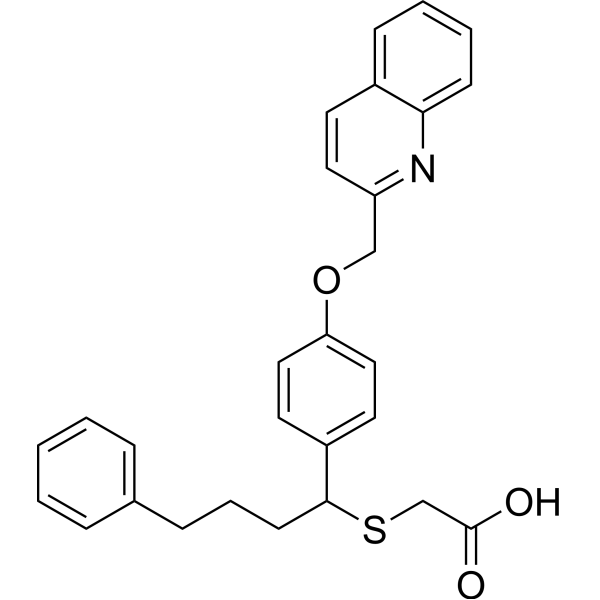 0 ImagesL-674573 is a quinoline leukotriene synthesis inhibitor, inhibiting Calcimycin (HY-N6687)- and N-Formyl-Met-Leu-Phe (HY-P0224)-induced leukotriene production with IC50s of 100 nM and 50 nM, respectively. L-674573 selectively inhibits Calcimycin- and N-Formyl-Met-Leu-Phe-induced 5-lipoxygenase translocation.

-
Quininib
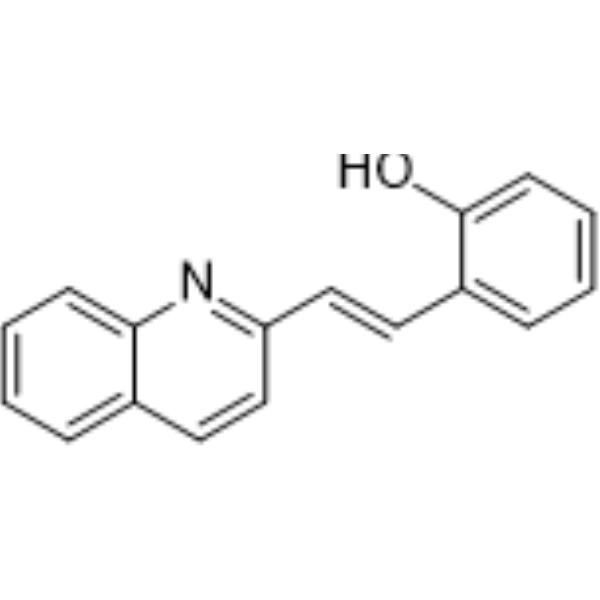 0 ImagesQuininib is a cysteinyl leukotriene 1 and 2 receptor antagonist with IC50s of 1.2 and 52 μM for CysLT1R and CysLT2R, respectively. Quininib is a potent inhibitor of developmental angiogenesis in the zebrafish eye. Quininib can be used for the research of ocular neovascular pathologies and may complement current anti-VEGF biological agents.
-
Zafirlukast (Standard)
 0 ImagesSynonyms: ICI 204219 (Standard)Zafirlukast (Standard) is the analytical standard of Zafirlukast. This product is intended for research and analytical applications. Zafirlukast (ICI 204219) is a potent orally active leukotriene D4 (LTD4) receptor antagonist. Zafirlukast shows anti-asthmatic, anti-inflammatory and anti-bacterial effects.
-
Pranlukast hemihydrate (Standard)
 0 ImagesCat. No.: HY-B0290ARCAS No.: 150821-03-7Synonyms: ONO-1078 hemihydrate (Standard)Pranlukast (hemihydrate) (Standard) is the analytical standard of Pranlukast (hemihydrate). This product is intended for research and analytical applications. Pranlukast hemihydrate is a highly potent, selective and competitive antagonist of peptide leukotrienes. Pranlukast inhibits [3H]LTE4, [3H]LTD4, and [3H]LTC4 bindings to lung membranes with Kis of 0.63±0.11, 0.99±0.19, and 5640±680 nM, respectively.
-
Montelukast (Standard)
 0 ImagesSynonyms: MK0476 free base (Standard)Montelukast (Standard) is the analytical standard of Montelukast. This product is intended for research and analytical applications. Montelukast (MK0476 free base) is a potent, selective and orally active antagonist of cysteinyl leukotriene receptor 1 (CysLT1). Montelukast can be used for the reseach of asthma and liver injury. Montelukast also has an antioxidant effect in intestinal ischemia-reperfusion injury, and could reduce cardiac damage. Montelukast decreases eosinophil infiltration into the asthmatic airways. Montelukast can also be used for COVID-19 research.
-
GPBAR1-IN-3
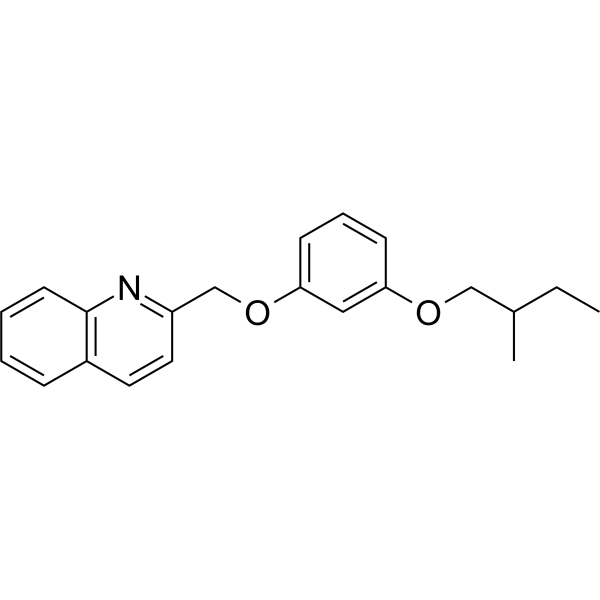 0 ImagesCat. No.: HY-145234CAS No.: 2760546-05-0GPBAR1-IN-3 (Compound 14) is a selective GPBAR1 agonist (EC50=0.17 μM) and a CysLT1R antagonist.
-
MK-886 sodium salt
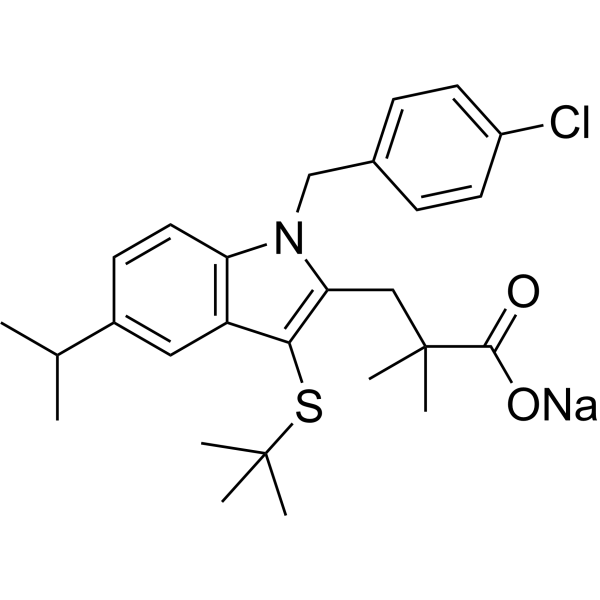 0 ImagesCat. No.: HY-14166ACAS No.: 118427-55-7Synonyms: L 663536 sodium saltMK-886 (L 663536) sodium salt is a potent, cell-permeable and orally active FLAP (IC50 of 30 nM) and leukotriene biosynthesis (IC50s of 3 nM and 1.1 μM in intact leukocytes and human whole blood, respectively) inhibitor. MK-886 sodium salt is also a non-competitive PPARα antagonist and can induce apoptosis.
-
Montelukast dicyclohexylamine
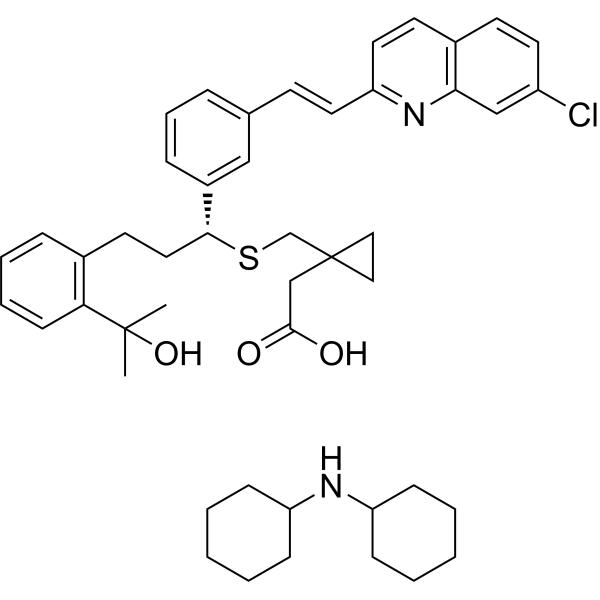 0 ImagesCat. No.: HY-13315BCAS No.: 577953-88-9Synonyms: MK0476 dicyclohexylamineMontelukast (MK0476) dicyclohexylamine is a potent, selective and orally active antagonist of cysteinyl leukotriene receptor 1 (CysLT1). Montelukast dicyclohexylamine can be used for the reseach of asthma and liver injury. Montelukast dicyclohexylamine also has an antioxidant effect in intestinal ischemia-reperfusion injury, and could reduce cardiac damage. Montelukast dicyclohexylamine decreases eosinophil infiltration into the asthmatic airways. Montelukast dicyclohexylamine can also be used for COVID-19 research.




