PAI-1
Plasminogen activator inhibitor-1
PAI-1 (Plasminogen activator inhibitor-1, also known as SERPINE1) is a member of serine protease inhibitor (SERPIN) family that acts as the primary inhibitor of two main mammalian plasminogen activators, urinary-type (uPA) and tissue-type (tPA). As the main negative regulator of plasminogen activation, PAI-1 is an essential factor in regulation of the physiological balance between thrombosis and fibrinolysis. PAI-1 is a labile molecule that exists in four different forms: active, latent, cleaved and target bound form.
High PAI-1 levels are associated with many cardiovascular diseases. PAI-1 also plays important roles in cell migration, adhesion, senescence, cancer invasion and tissue remodeling. Moreover, the PAI-1 level was extensively validated as the biological prognostic factor in breast cancer and as a marker of a poor prognosis in other cancers. PAI-1 is also one of the plasma biomarkers associated with nonalcoholic fatty liver disease. These associations have made PAI-1 an attractive pharmaceutical target.
All Product Categories
-
PAI-1 Related Products (84)
Related Products (84)

-
Recombinant Proteins (4)
-
Antibodies (4)
-
SK-216
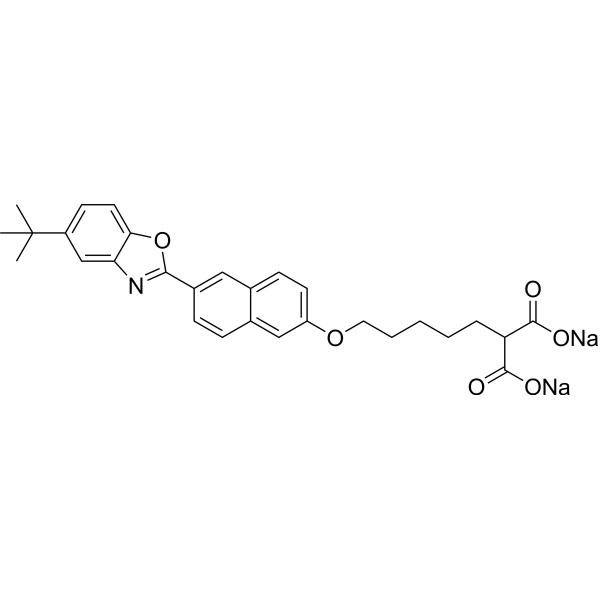 0 ImagesSK-216 is a plasminogen activator inhibitor-1 (PAI-1) inhibitor that acts as an anti-metastatic agent for human osteosarcoma and inhibits lung metastasis of human osteosarcoma.
-
UK-371804
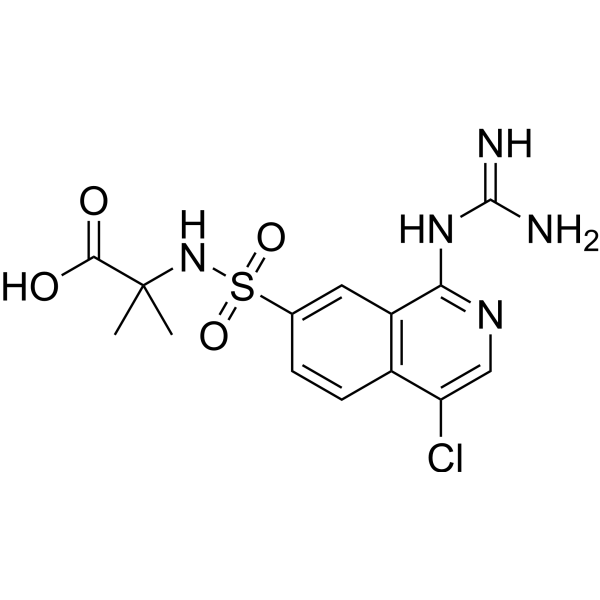 0 ImagesUK-371804 is a urokinase-type plasminogen activator (uPA) inhibitor with a Ki of 10 nM.
-
Glutaryl-Gly-Arg-AMC
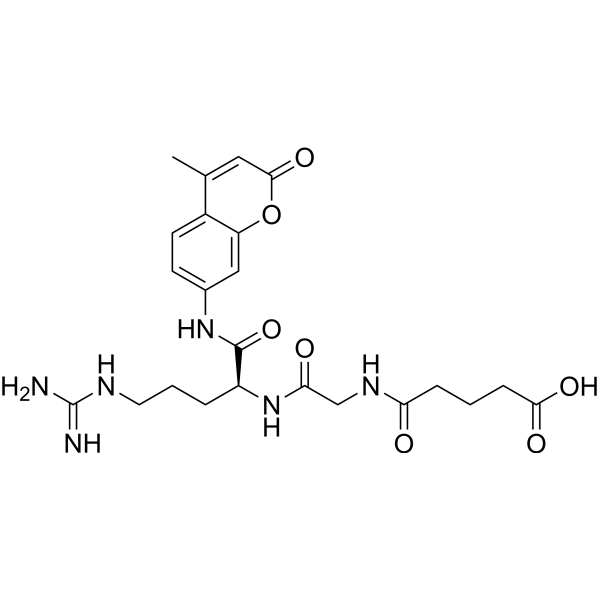 0 ImagesGlutaryl-Gly-Arg-AMC is a peptide substrate of urokinase plasminogen activator (uPA).
-
BC-11 hydrobromide
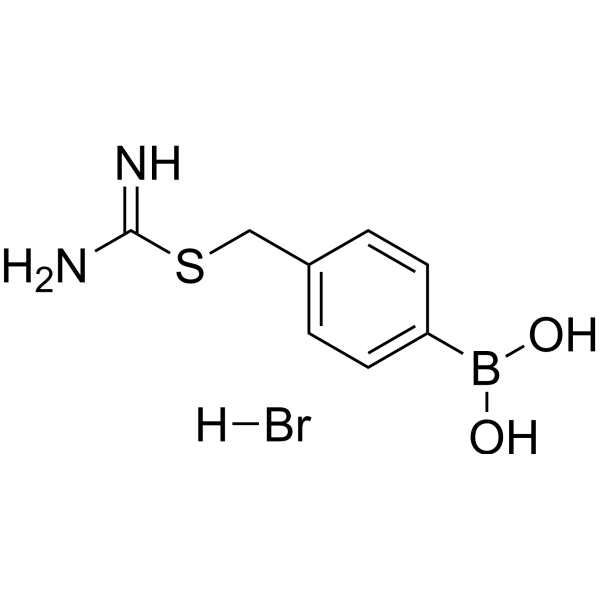 0 ImagesBC-11 hydrobromide is a selective TMPRSS2 inhibitor (TMPRSS2 is a key host cellular factor for viral entry and SARS-CoV-2 pathogenesis), and a selective urokinase (uPA) inhibitor (IC50=8.2 μM). BC-11 hydrobromide is cytotoxic to triple-negative MDA-MB231 breast cancer cells. BC-11 hydrobromide is used in research on viral infections and cancer.
-
Anecortave acetate
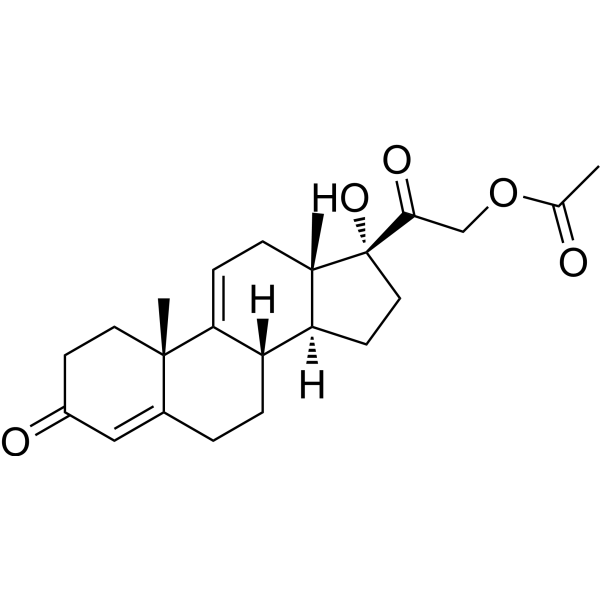 0 ImagesAnecortave acetate is a potent ocular angiostatic agent. Anecortave acetate inhibits neovascularization which is induced by many different angiogenic factors, and increases plasminogen activator inhibitor-1 (PAI-1) mRNA expression. Anecortave acetate can be used to research ocular neovascular diseases.
-
CDE-096
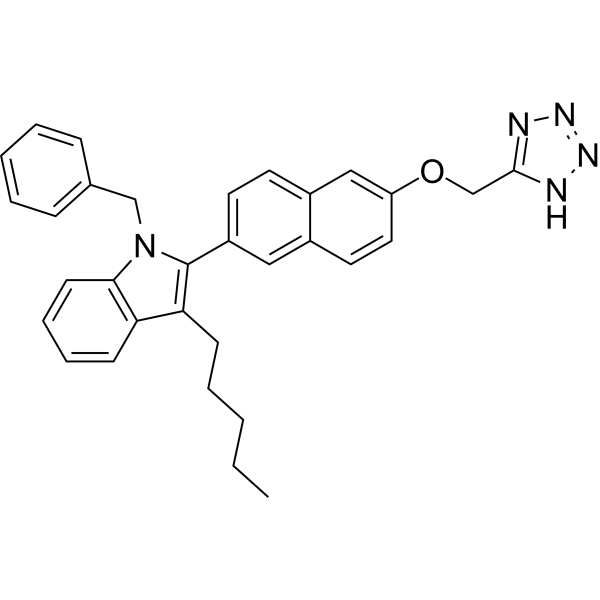
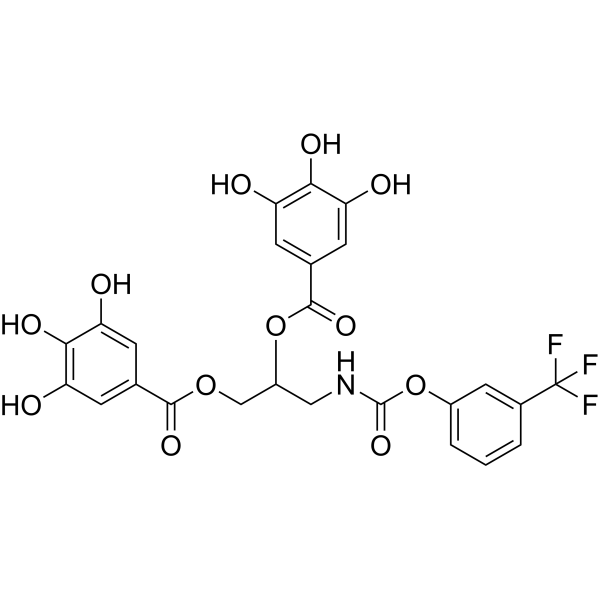 0 ImagesCDE-096 is a potent inhibitor of PAI-1. CDE-096 prevents PAI-1 from inactivating tPA and uPA with similar potency (IC50=30 and 25 nM, respectively) and is active against glycosylated PAI-1, as well as PAI-1 derived from several species (IC50=19, 22 and 18 nM for murine, rat, and Porcine PAI-1, respectively).
-
Pegevongitide
 0 ImagesSynonyms: AV-001Pegevongitide (AV-001) is a Tie2 agonist. Pegevongitide resists the increased endothelial cell permeability induced by SARS-CoV-2 infection. Pegevongitide activates the angiogenin (angiogenin)/Tie2 signaling pathway. Pegevongitide reduces perivascular space dilation and upregulates perivascular Aquaporin-4 expression. Pegevongitide decreases the expression of TNF-α, PAI-1, CXCL9 and P-selectin, improves white matter integrity, enhances cognitive function and exerts neuroprotective effects. Pegevongitide improves white matter integrity in middle-aged rats with vascular dementia induced by multiple microinfarctions. Pegevongitide can be used in related research on diseases such as COVID-19 and vascular dementia.


-
ZK824190 hydrochloride
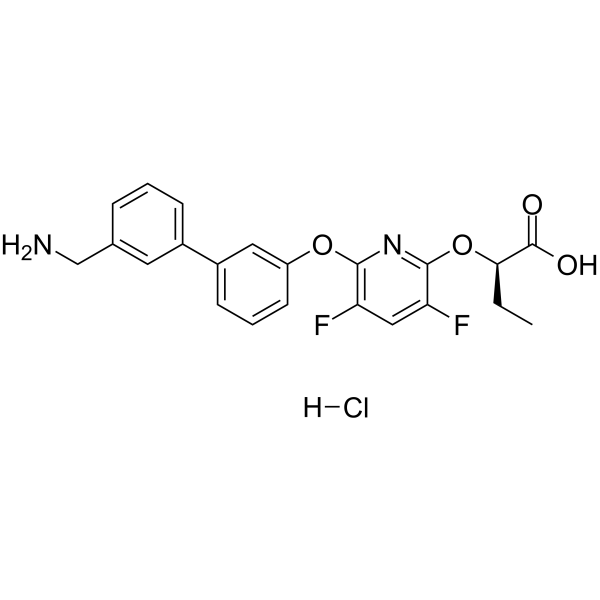 0 ImagesZK824190 hydrochloride is an orally available and selective urokinase plasminogen activator (uPA) inhibitor as a potential treatment for multiple sclerosis. IC50s of 237, 1600 and 1850 nM for uPA, tPA, and Plasmin, respectively.
-
Pellitorine
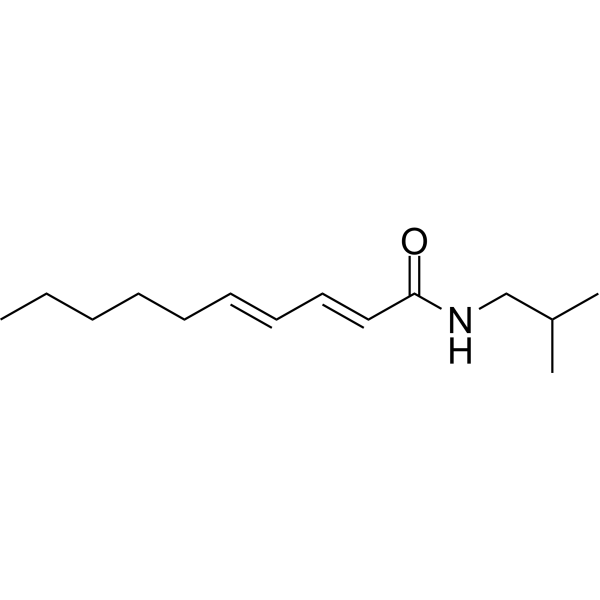 0 ImagesPellitorine is a bioactive natural amide compound. Pellitorine can competitively antagonize the activation of TRPV1 by Capsaicin (HY-10448), thereby reducing pain signal transmission. Pellitorine improves cognitive dysfunction by upregulating the BDNF-ERK1/2-CREB and Nrf2-HO-1 pathways. Pellitorine exerts anti-inflammatory and anti-sepsis effects by inhibiting the release of high mobility group protein B1 (HMGB1) and the expression of RAGE/TLR4. Pellitorine exerts its antithrombotic effect by prolonging the clotting time, inhibiting the activity of clotting factors and thrombin. Pellitorine inhibits lipid peroxidation and resists ferroptosis by upregulating GPX4 and DHODH. Pellitorine kills Aedes aegypti mosquito larvae by inhibiting V-type H⁺-ATPase and aquaporin 4 (AaAQP4). Pellitorine exhibits anti-cancer activity (e.g., leukemia and breast cancer) and has inhibitory effects on certain bacteria.
-
Toddalolactone
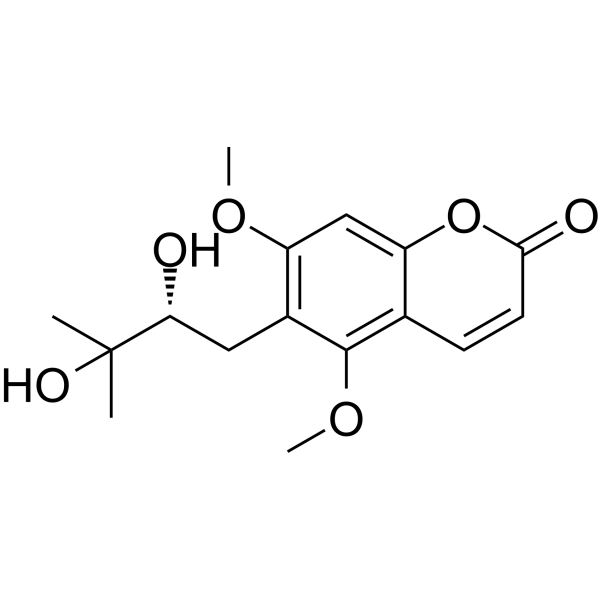 0 ImagesToddalolactone, a main component of Toddalia asiatica, inhibits the activity of recombinant human plasminogen activator inhibitor-1 (PAI-1), with an IC50 value of 37.31 μM.
-
AZ3976
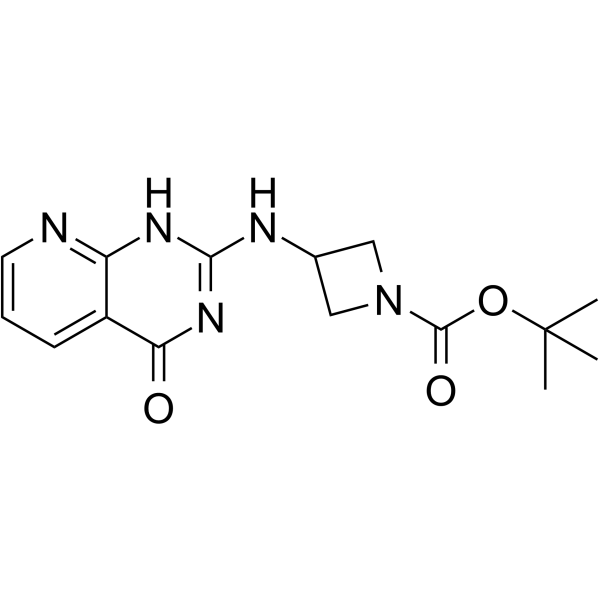 0 ImagesAZ3976 is a potent plasminogen activator inhibitor type 1 (PAI-1) inhibitor with an IC50 value of 26 μM in an enzymatic chromogenic assay. AZ3976 is active with an IC50 of 16 μM in a plasma clot lysis assay. AZ3976 does not bind to active PAI-1 but bound reversibly to latent PAI-1. AZ3976 inhibits PAI-1 by enhancing the latency transition of active PAI-1. AZ3976 displays profibrinolytic activities in a human plasma clot lysis assay.
-
L-a-Phosphatidylserine sodium
 0 ImagesSynonyms: Soy PS sodiumL-α-Phosphatidylserine sodium (Soy PS sodium) is a negatively charged phospholipid that acts as an allosteric activator to activate latent plasminogen activator inhibitor-1 (PAI-1). L-α-Phosphatidylserine does not directly alter the catalytic activity of t-PA, but regulates fibrinolytic activity solely by inducing conformational remodeling of PAI-1. L-α-Phosphatidylserine sodium is an antigen targeting phosphatidylserine (PS) and can induce the production of polyclonal antibodies. L-α-Phosphatidylserine is mainly used in studies related to immunology, fibrinolytic system and coagulation homeostasis.
-
Bicyclic UK18
 0 ImagesBicyclic UK18 is a competitive inhibitor for human urokinase-type plasminogen activator (uPA) with a Ki of 53 nM.
-
GGACK
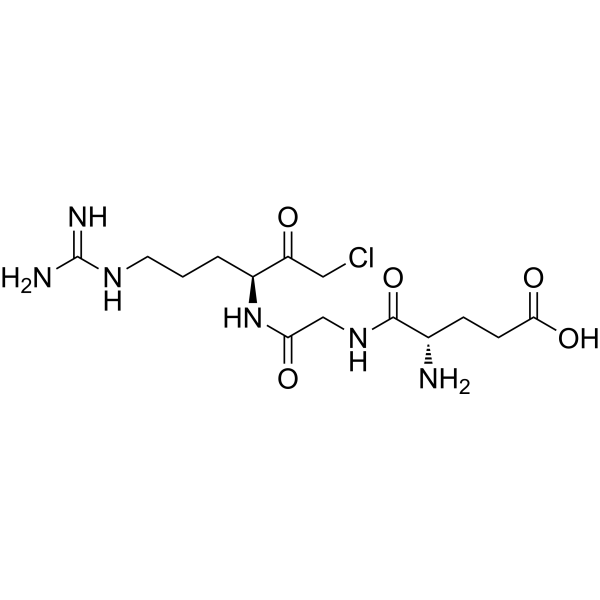 0 ImagesCat. No.: HY-137495CAS No.: 65113-67-9GGACK (H-Glu-Gly-Arg-CMK) is an irreversible substrate-like serine protease urokinase-type plasminogen activator (uPA) inhibitor.
-
ZK824190
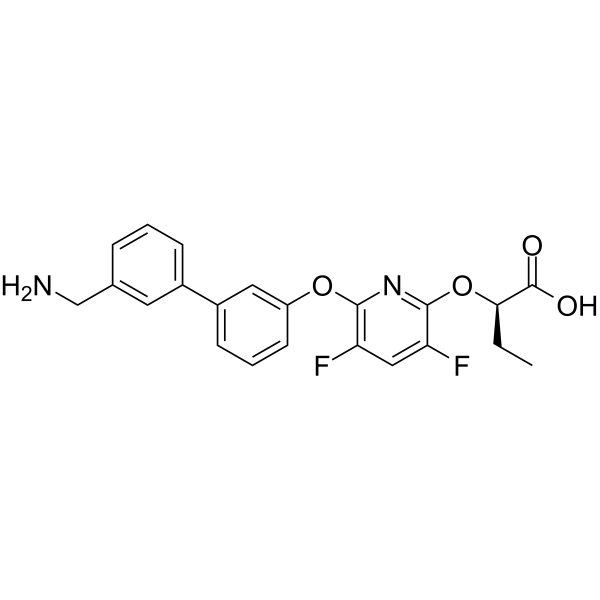 0 ImagesZK824190 is an orally available and selective urokinase plasminogen activator (uPA) inhibitor as a potential treatment for multiple sclerosis. IC50s of 237, 1600 and 1850 nM for uPA, tPA, and Plasmin, respectively.
-
UCD38B hydrochloride
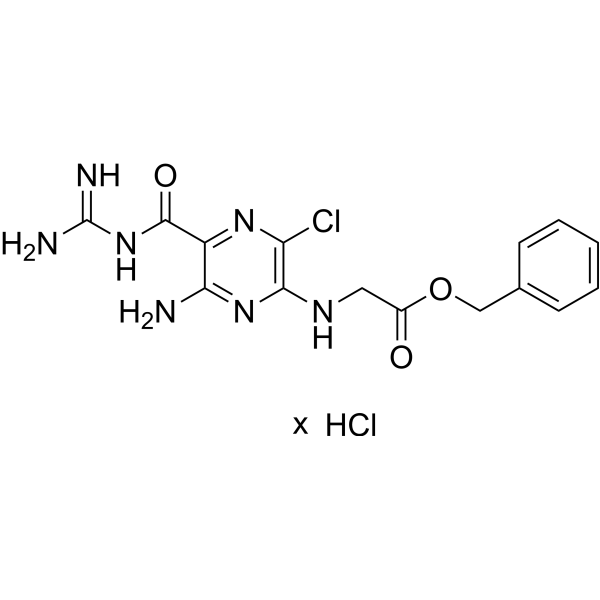 0 ImagesUCD38B hydrochloride is a cell permeant, competitive enzymatic uPA inhibitor with an IC50 value of 7 μM. UCD38B hydrochloride targets intracellular uPA causing mistrafficking of uPA into perinuclear mitochondria, reducing the mitochondrial membrane potential, and followed by the release of apoptotic inducible factor (AIF). UCD38B hydrochloride induces apoptosis.