



Phosphatase
Phosphatases are enzyme that remove a phosphate group from a protein. Protein tyrosine phosphatases (PTPs) comprise a diverse family of transmembrane and cytoplasmic enzymes. PTPs play an important role in regulating the proliferative activity of cells and the integrity of cell-cell and cell-matrix contacts. Protein tyrosine phosphatase 1B (PTP1B) is a non-receptor PTP frequently associated with the endoplasmic reticulum and vesicles subjacent to the plasma membrane. PTP1B as a key negative regulator of leptin receptor pathways has been an attractive therapeutic target for the treatment of type 2 diabetes mellitus and obesity. Four major serine/threonine-specific protein phosphatase catalytic subunits are present in the cytoplasm of animal cells. Three of these enzymes, PP1, PP2A, and PP2B, are members of the same gene family, while PP2C appears to be distinct.The alkaline phosphatases comprise a heterogeneous group of enzymes that are widely distributed in mammalian cells. Acid phosphatase enzymes catalyze the hydrolysis of phosphate monoesters following the general equation.
All Product Categories
-
Phosphatase Inhibitors
(513)
View all products
-
Phosphatase Agonists
(4)
View all products
-
Phosphatase Antagonists
(4)
View all products
-
Phosphatase Activators
(78)
View all products
-
Phosphatase Modulators
(7)
View all products
-
Phosphatase Chemical
(1)
View all products
-
Phosphatase Inducers
(2)
View all products
-
Phosphatase Degraders
(7)
View all products
-
Phosphatase Controls
(3)
View all products
-
Phosphatase Substrates
(7)
View all products
-
Phosphatase Ligands
(11)
View all products
-
Phosphatase Proteins
(66)
View all products
-
Phosphatase Related Products (728)
Related Products (728)

-
Recombinant Proteins (66)
-
Antibodies (40)
-
Related Compound Screening Libraries (1)
-
PhosTAC5
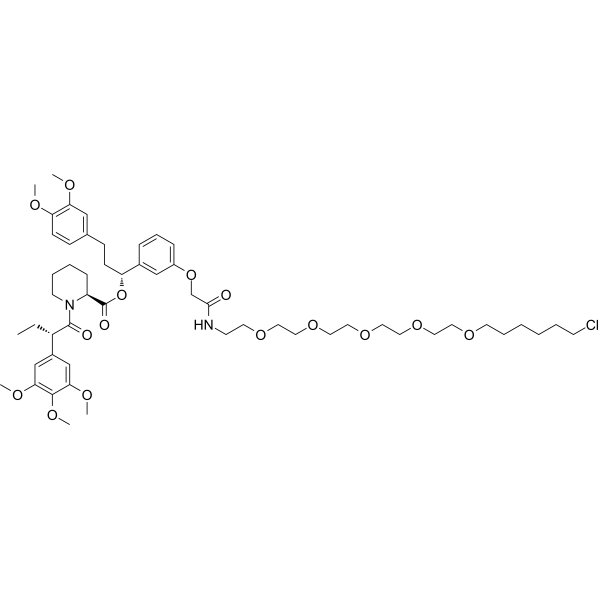 0 ImagesPhosTAC5 is a phosphorylation targeting chimera (PhosTAC) molecule composed of a linker with fivePEG groups. PhosTAC5 induces dephosphorylation of PDCD4 and FOXO3a.
-
H-HomoArg-OH hydrochloride
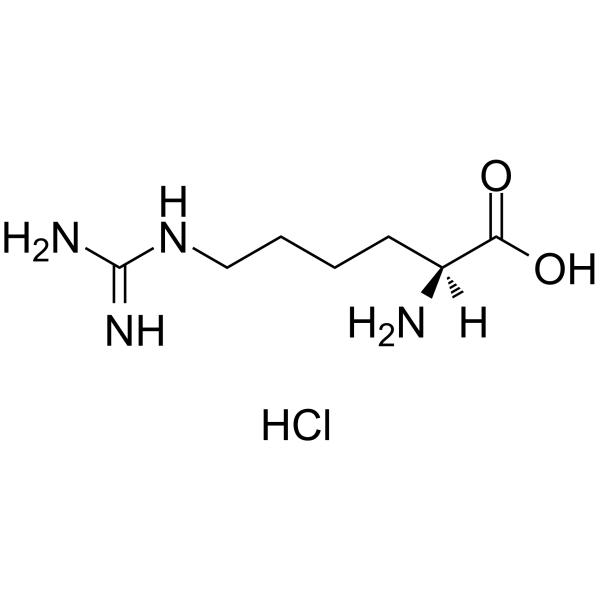 0 ImagesSynonyms: L-Homoarginine hydrochlorideH-HomoArg-OH hydrochloride (L-Homoarginine hydrochloride) is an orally active endogenous non-protein amino acid. H-HomoArg-OH hydrochloride acts as a weak alternative substrate for NOS and interferes with NO production, selectively inhibits tissue-nonspecific alkaline phosphatase (TNAP), and suppresses the uptake of arginine by y+-type transporters (system y+). H-HomoArg-OH hydrochloride increases tissue hArg concentrations in vivo, regulates amino acid homeostasis, and improves renal function and pathological features of diabetic nephropathy. H-HomoArg-OH hydrochloride can be used in studies related to diabetes and cardiomyopathy.
-
Lumigen APS-5
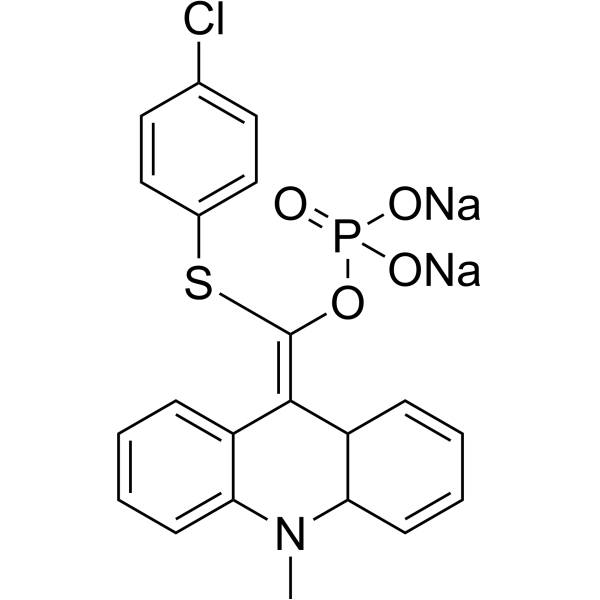 0 ImagesLumigen APS-5 is a substrate of alkaline phosphatase (ALP). Lumigen APS-5 can be used to assess the activity of alkaline phosphatase (ALP).
-
Uralenol
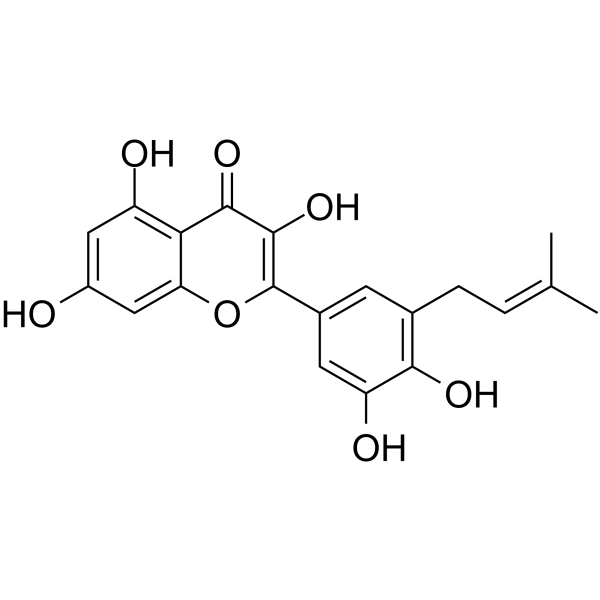 0 ImagesUralenol is a natural PTP1B inhibitor (IC50=21. 5 μM) from Broussonetia papyrifera. PTP1B have been shown to play a major role in the dephosphorylation of the insulin receptor in many cellular and biochemical studies.
-
7,8-Dihydroxy-3-(4-hydroxyphenyl)-4H-chromen-4-one
 0 ImagesSynonyms: 7,8,4'-Trihydroxyisoflavone7,8-Dihydroxy-3-(4-hydroxyphenyl)-4H-chromen-4-one (7,8,4'-Trihydroxyisoflavone) is a product that can be isolated from .
-
Dioctyl phthalate-d4
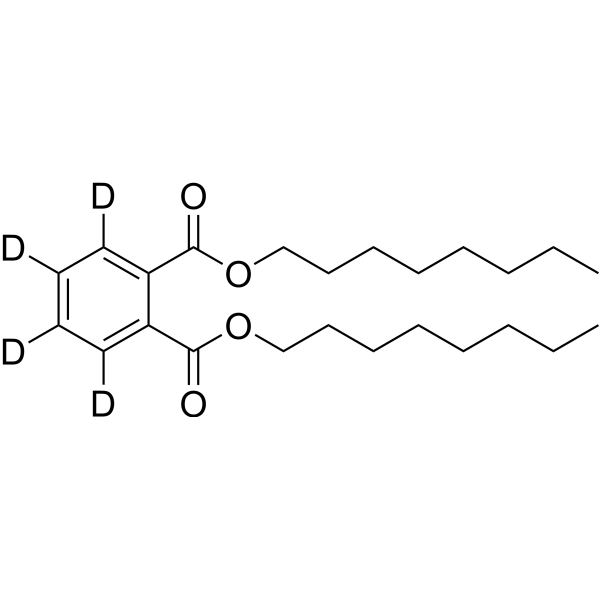 0 ImagesSynonyms: DNOP-d4; Di-n-octyl phthalate-d4; Phthalic acid dioctyl ester-d4Dioctyl phthalate-d4 (DNOP-d4) is the d4-labeled Dioctyl phthalate (HY-W013755). Dioctyl phthalate (DNOP) is a plasticizer. Dioctyl phthalate increases the activities of alanine aminotransferase (ALT) and alkaline phosphatase (ALP) in the liver, as well as the levels of creatinine and urea in the kidney. Exposure to Dioctyl phthalate disrupts the homeostasis of the intestinal microbial community, increases the abundance of pathogenic bacteria, and reduces the abundance of beneficial bacteria such as Lactobacillus. Dioctyl phthalate induces significant and dose-dependent inflammatory responses in the liver, spleen and kidney of mice.
-
AMG-529
 0 ImagesCat. No.: HY-P991222Purity: 98.10%AMG-529 is a humanized monoclonal antibody against ASGR1 that binds to ASGR1, blocks ligand binding, and causes a dose-dependent increase in ALP (a biomarker of ASGR1 inhibition). AMG-529 can be used for the research of cardiovascular diseases.
-
NSC-87877 disodium
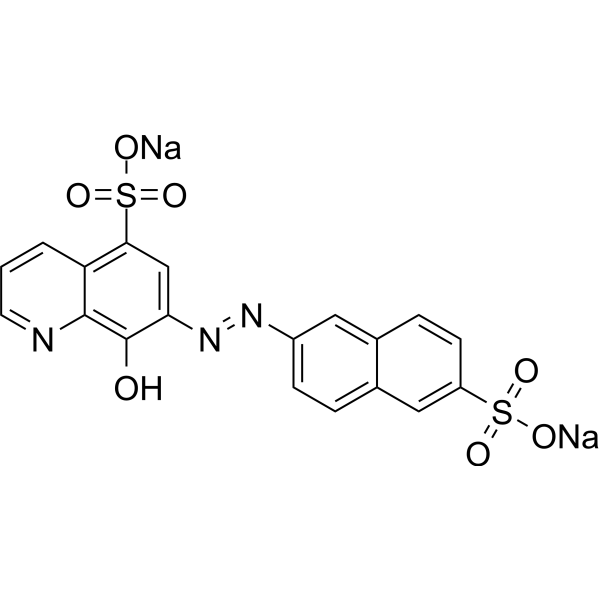 0 ImagesNSC-87877 disodium is a potent inhibitor of Shp2 and Shp1 protein tyrosine phosphatases (SH-PTP2 and SH-PTP1), with IC50 values of 0.318 μM, 0.355 μM shp2 and shp1, respectively. NSC-87877 also inhibits dual-specificity phosphatase 26 (DUSP26).
-
PGAM1-IN-2
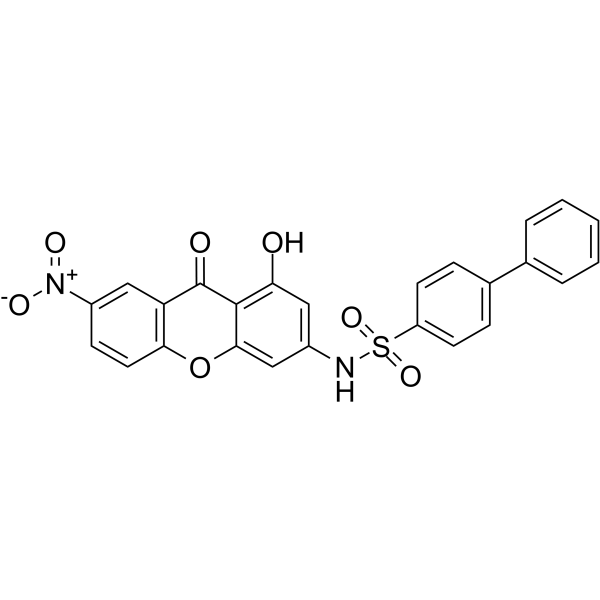 0 ImagesPGAM1-IN-2 is a phosphoglycerate mutase 1 (PGAM1) inhibitor with an IC50 of 2.1 μM.
-
AQX-435
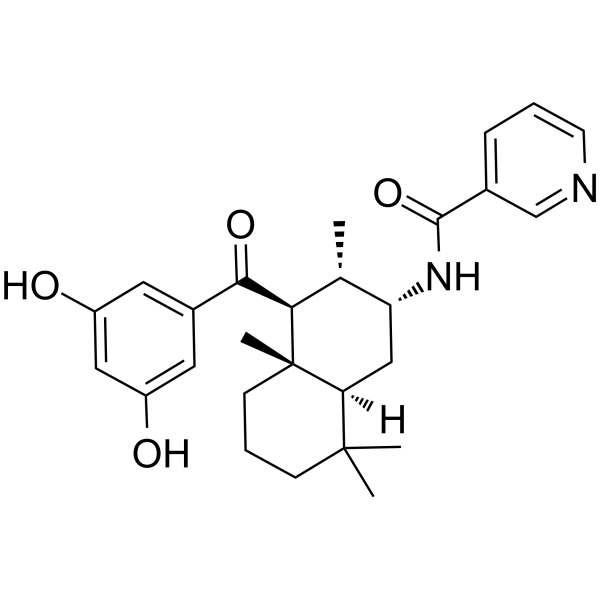 0 ImagesAQX-435 is a potent SHIP1 phosphatase activator. AQX-435 reduces PI3K activation downstream of the B-cell receptor (BCR) and induces apoptosis of malignant B cells, and reduces lymphoma growth.
-
CDC25B-IN-1
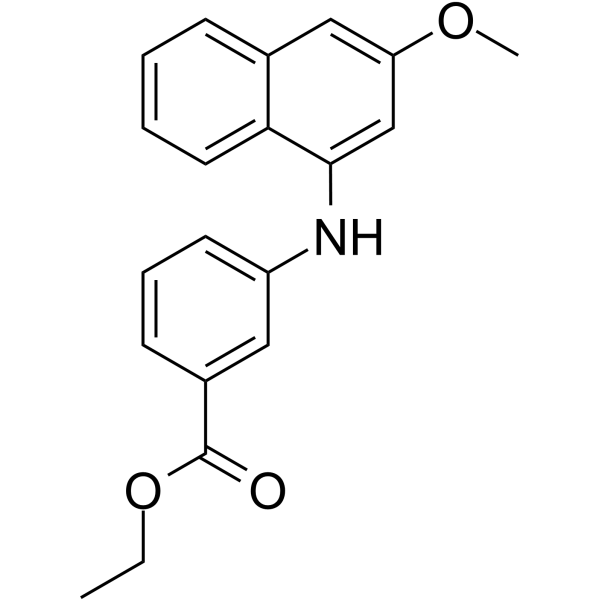 0 ImagesCDC25B-IN-1 (compound 4a) is a potent inhibitor of cell division cycle 25B (CDC25B) phosphatase, with a Ki of 8.5 μM. CDC25B-IN-1 potently inhibits cell proliferation and colony formation, causes an increase of the G2/M phase.
-
5-FAM-Alkyne
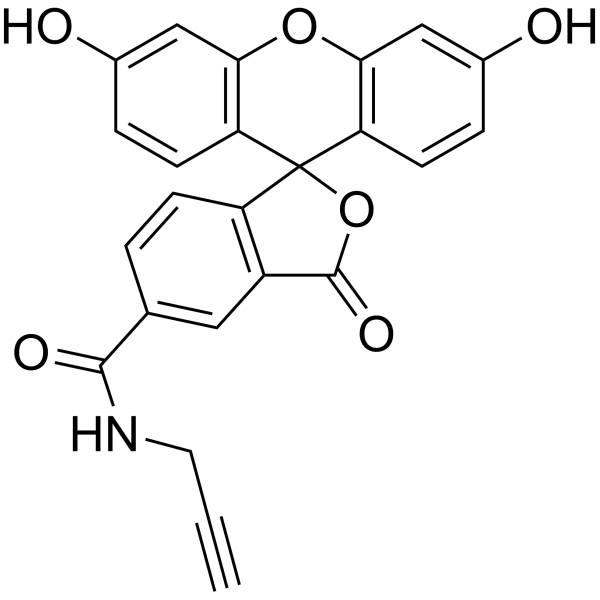 0 ImagesCat. No.: HY-130913CAS No.: 510758-19-75-FAM-Alkyne is a high selective and sensitive fluorescent biosensor for alkaline phosphatase (ALP). 5-FAM-Alkyne is a click chemistry reagent, it contains an Alkyne group and can undergo copper-catalyzed azide-alkyne cycloaddition (CuAAc) with molecules containing Azide groups.
-
cis-Ferulic acid 4-O-β-D-glucopyranoside
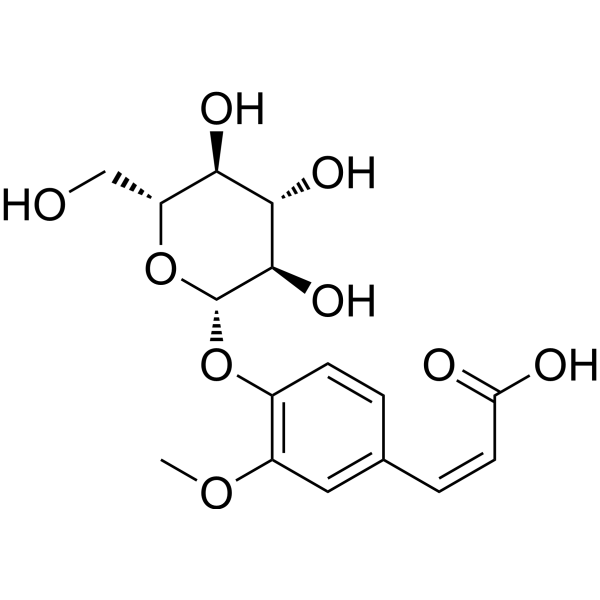 0 Imagescis-Ferulic acid 4-O-β-D-glucopyranoside (compound 7) is a phenolic glycosid, which can be isolated from Nitraria sibirica.. cis-Ferulic acid 4-O-β-D-glucopyranoside exhibits antioxidant activity and potent inhibitory effect on Phosphatase PTP1B.
-
LYP-IN-1
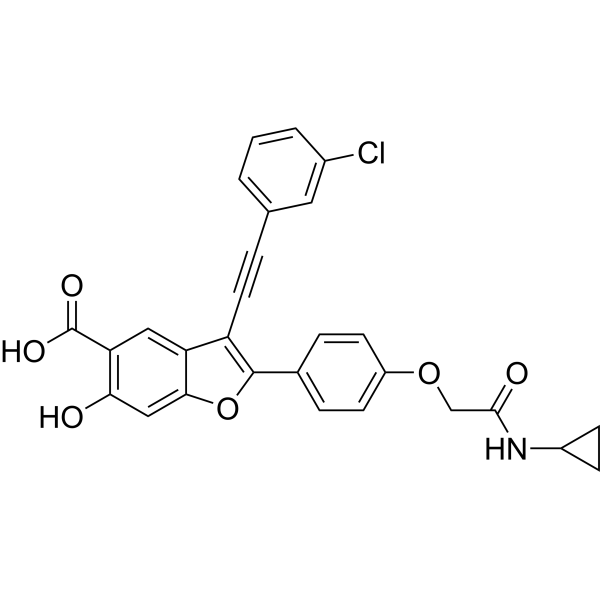 0 ImagesLYP-IN-1 is a potent, selective and specific LYP inhibitor with a Ki and an IC50 of 110 nM and 0.259 μM, respectively. LYP-IN-1 also has selectivity for a large panel of PTPs, such as SHP1 (IC50=5 μM) and SHP2 (IC50=2.5 μM). LYP-IN-1 exhibits highly efficacious cellular activity in T- and mast cells. LYP-IN-1 can be used for the study of autoimmune disorders. LYP-IN-1 is a click chemistry reagent, it contains an Alkyne group and can undergo copper-catalyzed azide-alkyne cycloaddition (CuAAc) with molecules containing Azide groups.
-
CDC25B-IN-2
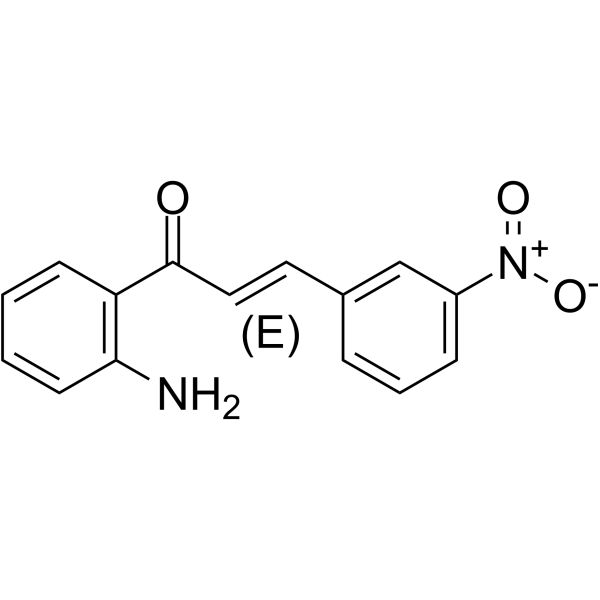 0 ImagesCat. No.: HY-137175ACAS No.: 134271-74-2CDC25B-IN-2 is a potent cdc25B inhibitor.
-
MY33-3 hydrochloride
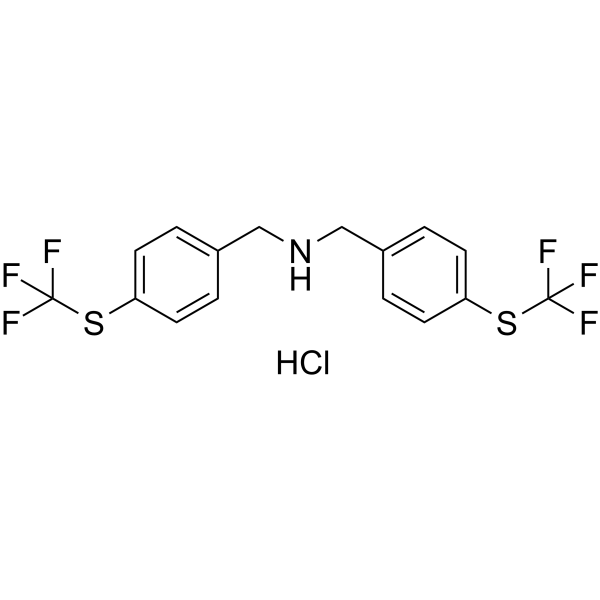 0 ImagesMY33-3 hydrochloride is a potent and selective inhibitor of receptor protein tyrosine phosphatase (RPTP)β/ζ, with an IC50 of ~0.1 μM. MY33-3 hydrochloride also inhibits PTP-1B (IC50 ~0.7 μM). MY33-3 hydrochloride can reduce ethanol consumption and alleviate Sevoflurane-induced neuroinflammation and cognitive dysfunction.
-
Claramine hydrochloride
 0 ImagesCat. No.: HY-160791BPurity: 99.58%Claramine hydrochloride is a steroid polyamine with blood-brain barrier permeability. Claramine hydrochloride can regulate the properties of lipid membranes and protect cells from various biological toxins, including misfolded protein oligomers and biological protein-based toxins.
-
PFKFB3-IN-2
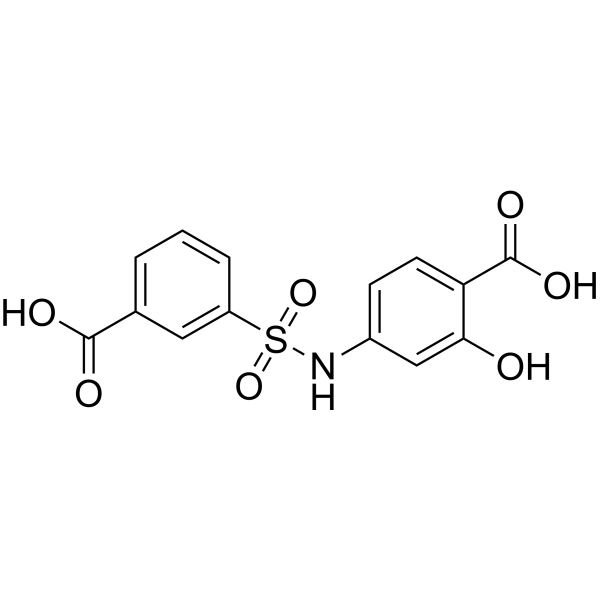 0 ImagesPFKFB3-IN-2 is a 6-phosphofructo-2-kinase/fructose-2,6-bisphosphatase 3 (PFKFB3) inhibitor. PFKFB3-IN-2 has potential applications in cancer, neurodegenerative diseases, autoimmune diseases, inflammatory diseases, multiple sclerosis, metabolic diseases, angiogenesis inhibition and other diseases.




