



Proteasome
Proteasomes are very large protein complexes inside all eukaryotes and archaea, and in some bacteria. In eukaryotes, they are located in the nucleus and the cytoplasm. The main function of the proteasome is to degrade unneeded or damaged proteins by proteolysis, a chemical reaction that breaks peptide bonds. Enzymes that carry out such reactions are called proteases. Proteasomes are part of a major mechanism by which cells regulate the concentration of particular proteins and degrade misfolded proteins. The degradation process yields peptides of about seven to eight amino acids long, which can then be further degraded into amino acids and used in synthesizing new proteins. Proteins are tagged for degradation with a small protein called ubiquitin. The tagging reaction is catalyzed by enzymes called ubiquitin ligases. Once a protein is tagged with a single ubiquitin molecule, this is a signal to other ligases to attach additional ubiquitin molecules. The result is a polyubiquitin chain that is bound by the proteasome, allowing it to degrade the tagged protein.
All Product Categories
-
Proteasome Inhibitors
(215)
View all products
-
Proteasome Activators
(10)
View all products
-
Proteasome Modulator
(1)
View all products
-
Proteasome Degraders
(3)
View all products
-
Proteasome Controls
(3)
View all products
-
Proteasome Substrates
(6)
View all products
-
Proteasome Ligands
(6)
View all products
-
Proteasome Related Products (283)
Related Products (283)

-
Antibodies (22)
-
Aloin (mixture of A&B)
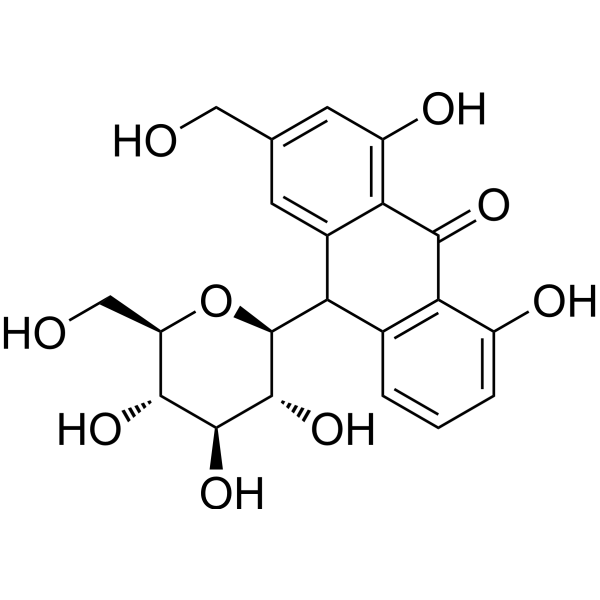 0 ImagesAloin (mixture of A&B) is an orally active anthraquinone derivative isolated from Aloe vera. Aloin (mixture of A&B) mitigates airway impairment and exerts neuroprotective, anti-inflammatory, antioxidant, antibacterial, antifungal, antiviral and antitumor effects. Aloin (mixture of A&B) inhibits Clostridium histolyticum collagenase, granulocyte matrix metalloproteinases and human 20S proteasome. Aloin (mixture of A&B) upregulates the Nrf2/HO-1 pathway, suppresses the TGF-β/Smad2/3 pathway. Aloin (mixture of A&B) reduces IL-4/IL-5/IL-13 levels, and reverses oxidative stress markers (MDA, SOD, GSH). Aloin (mixture of A&B) can be used for research on chronic ulcers, burns, wounds, inflammatory and degenerative disorders, asthma and neuroblastoma.
-
Alloxan hydrate
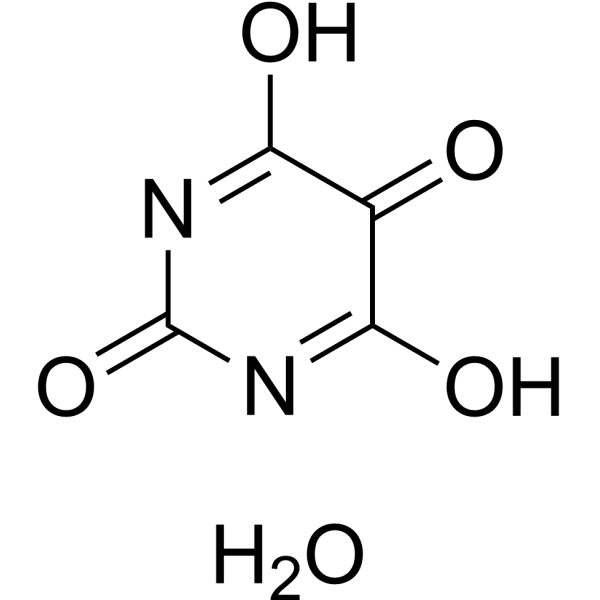 0 ImagesAlloxan hydrate is a diabetogenic agent to induce diabetes. Alloxan hydrate is a proteasome inhibitor. Alloxan causes diabetes in experimental animals through its ability to destroy the insulin-secreting B-cells of the pancreas.
-
Ac-WLA-AMC
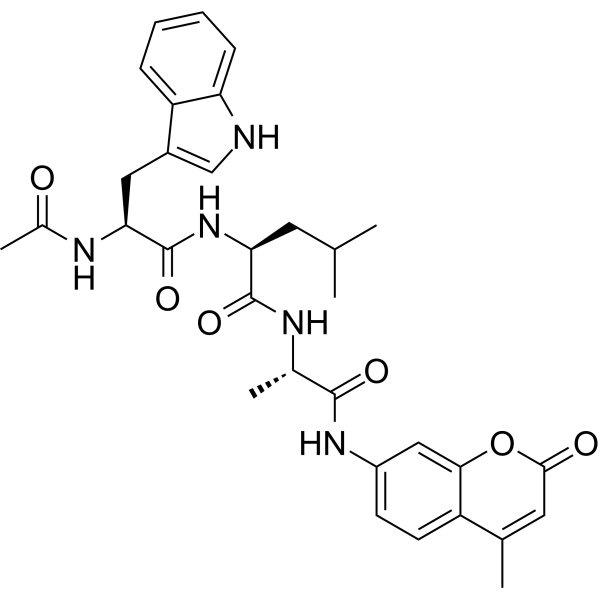 0 ImagesAc-WLA-AMC is a specific 20S constitutive proteasome β5 fluorogenic substrate.
-
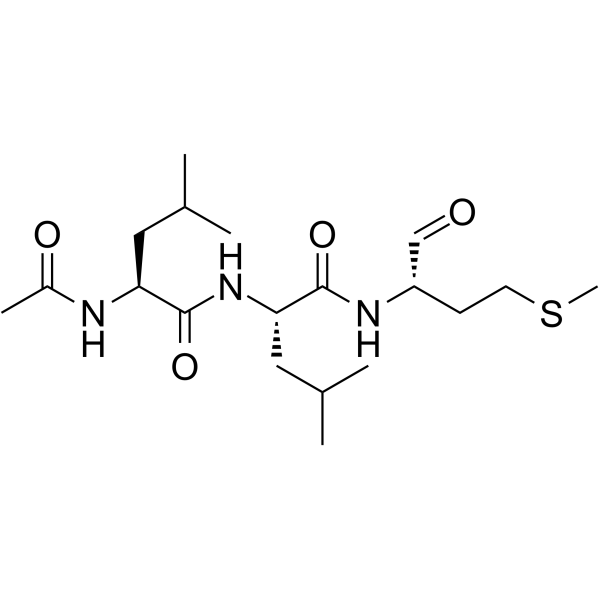
Ac-ANW-AMC
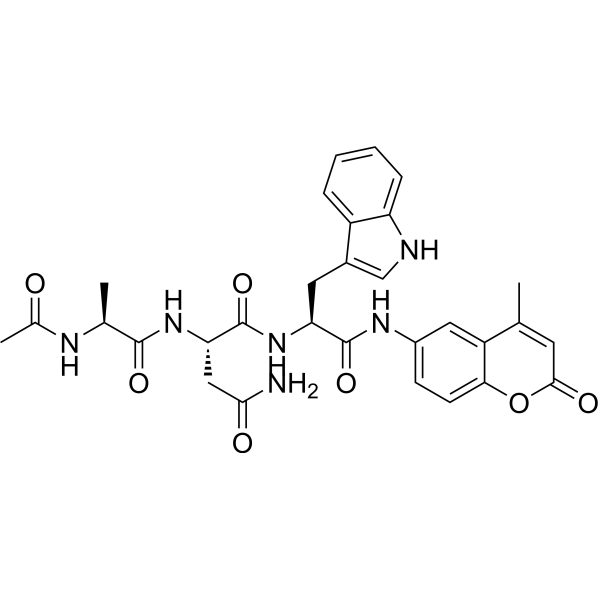 0 ImagesAc-ANW-AMC is a fluorogenic substrate for immunoproteasome. Ac-ANW-AMC can be used to measure β5i activity (Ex=345 nm, Em=445 nm).
-
Ac-PAL-AMC
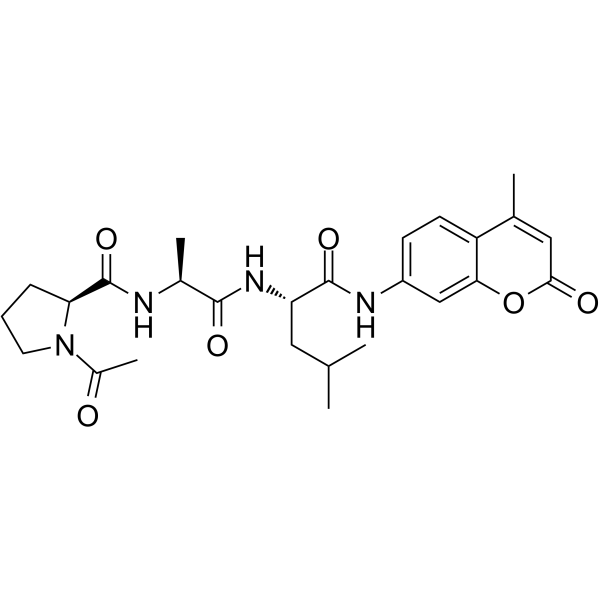 0 ImagesAc-PAL-AMC is a fluorogenic substrate specific for 20S proteasome LMP2/β1i activity.
-
PD 151746
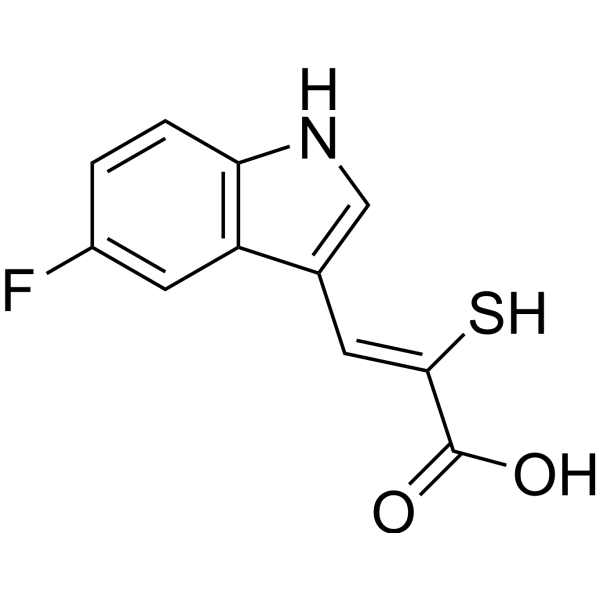 0 ImagesCat. No.: HY-19749CAS No.: 181765-30-0PD 151746 is a selective calpain-1 inhibitor with an IC50 of 260 nM. PD 151746 binds μ-calpain Ca2+-binding sites, and shows selectivity over cathepsin B, papain, trypsin, thermolysin, and basal calcineurin. PD 151746 reduces Oxidized low-density lipoprotein (oxLDL)-induced cytotoxicity, apoptotic DNA fragmentation, and blocks IL-1α maturation. PD 151746 can be used for the research of atherosclerosis and psoriasis.
-
M3258
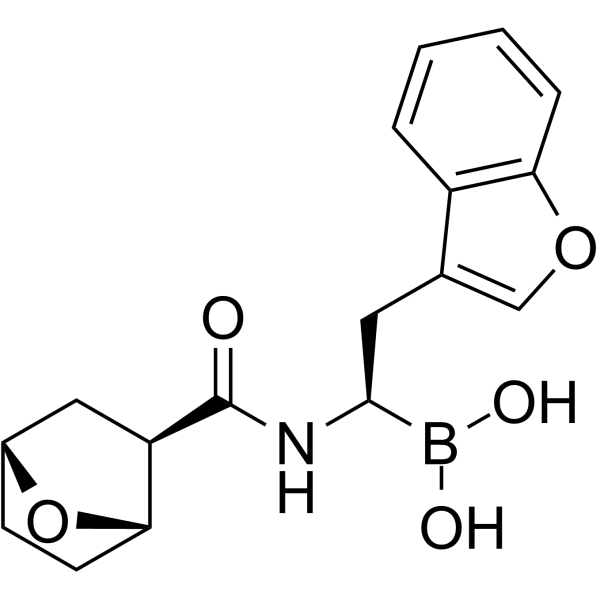 0 ImagesM3258 is an orally bioavailable, potent, reversible and highly selective immunoproteasome subunit LMP7 (β5i) inhibitor. M3258 exerts high biochemical (IC50=3.6 nM) and cellular (IC50=3.4 nM) potency against the LMP7 subunit. M3258 shows strong antitumor efficacy in multiple myeloma xenograft models. M3258 leads to a significant and prolonged suppression of tumor LMP7 activity and ubiquitinated protein turnover and the induction of apoptosis in multiple myeloma cells.
-
Bortezomib (Standard)
 0 ImagesSynonyms: PS-341 (Standard); LDP-341 (Standard); NSC 681239 (Standard)Bortezomib (Standard) is the analytical standard of Bortezomib. This product is intended for research and analytical applications. Bortezomib (PS-341) is a reversible and selective proteasome inhibitor, and potently inhibits 20S proteasome (Ki=0.6 nM) by targeting a threonine residue. Bortezomib disrupts the cell cycle, induces apoptosis, and inhibits NF-κB. Bortezomib is the first proteasome inhibitor anticancer agent. Bortezomib can be used for the study of multiple myeloma (MM). Bortezomib effectively inhibits TREM2 expression in tumor-associated macrophages (TAMs).
-
RA190
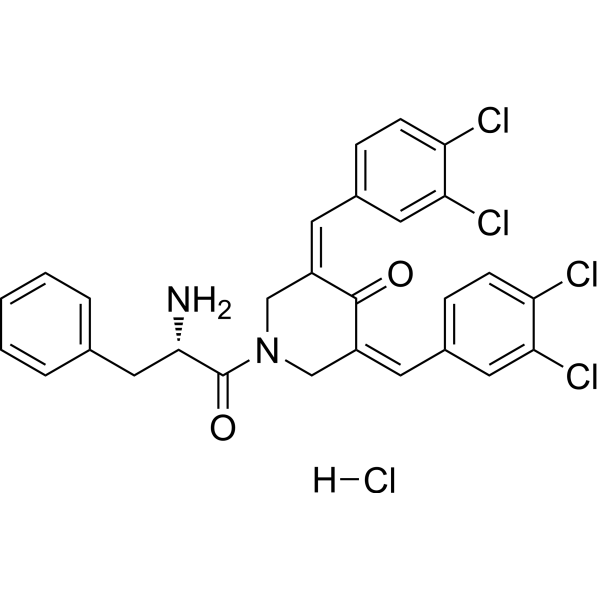 0 ImagesRA190, a bis-benzylidine piperidon, inhibits proteasome function by covalently binding to cysteine 88 of ubiquitin receptor RPN13.
-
Zetomipzomib maleate
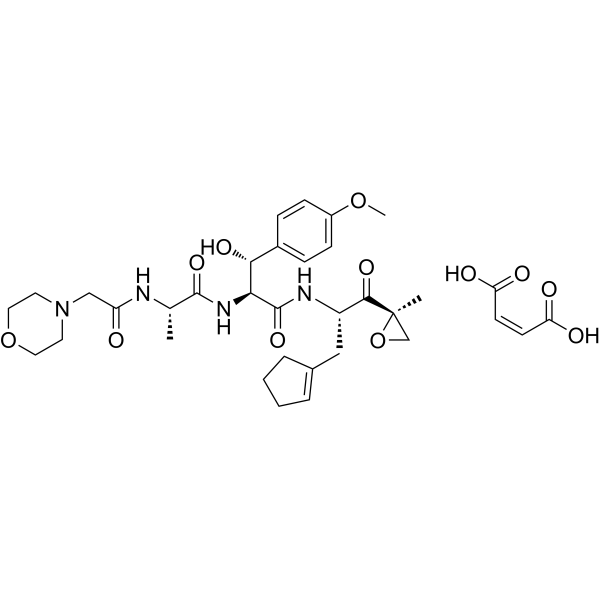 0 ImagesSynonyms: KZR-616 maleateZetomipzomib (KZR-616) maleate, a first-in-class immunoproteasome inhibitor, selectively targets the LMP7 (IC50: 39/57 nM=hLMP7/mLMP7) and LMP2 (IC50: 131/179 nM=hLMP2/mLMP2) subunits of the immunoproteasome. Zetomipzomib maleate has the potential for the research of multiple autoimmune diseases.
-
Proteasome-activating peptide 1 TFA
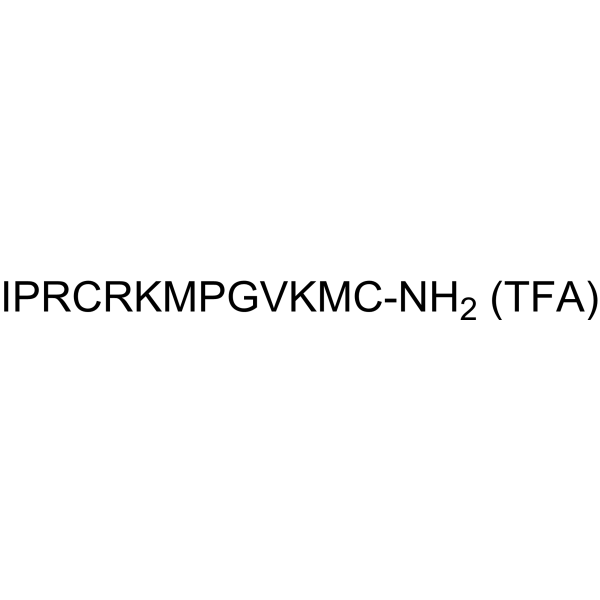 0 ImagesCat. No.: HY-P3414APurity: 98.13%Proteasome-activating peptide 1 TFA is a peptide and a potent proteasome activator. Proteasome-activating peptide 1 TFA increases the chymotrypsin-like proteasomal catalytic activity and, consequently, proteolytic rates both in vitro and in culture. Proteasome-activating peptide 1 TFA prevents protein aggregation in a cellular model of amyotrophic lateral sclerosis.
-
Isovalerylcarnitine
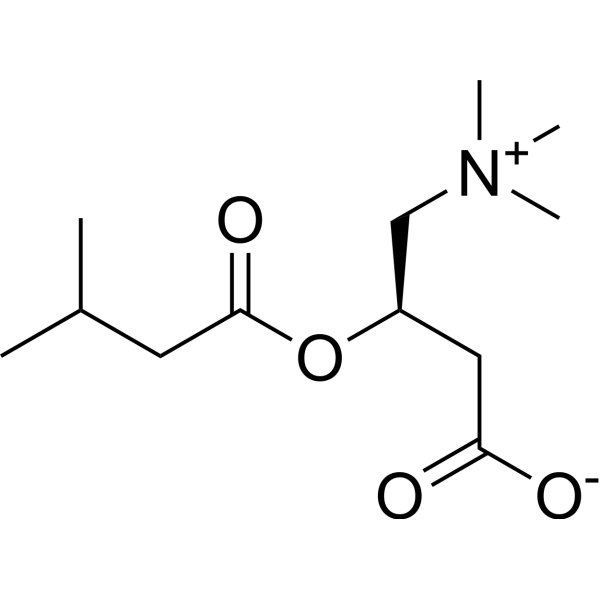 0 ImagesIsovalerylcarnitine is a metabolite of leucine. Isovalerylcarnitine can specifically activate calpain in human neutrophils. Isovalerylcarnitine inhibits tumor cell proliferation and induces apoptosis. Elevated circulating levels of Isovalerylcarnitine are negatively correlated with reduced lung cancer risk.
-
NA-184
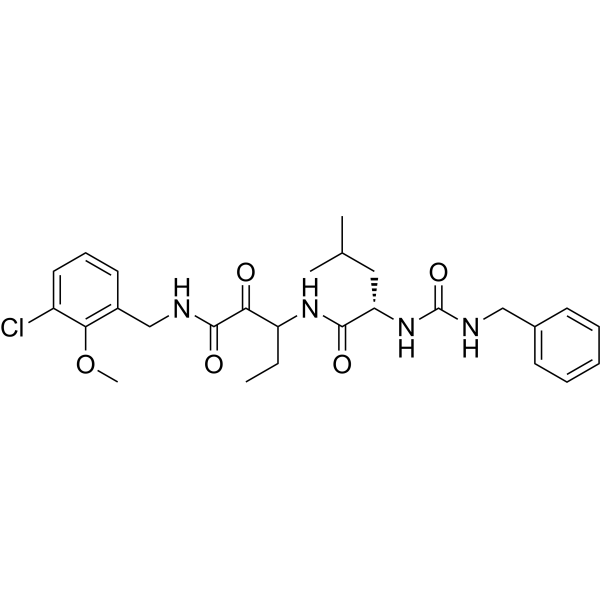 0 ImagesNA-184 is a selective and brain-penetrant calpain-2 inhibitor with an IC50 of 134 nM for mouse calpain-2. NA-184 has weak inhibitory activity on calpain-1 (IC50 of 2826 nM). NA-184 does not exhibit significant inhibition on a variety of other cysteine-, serine- or metallo-proteases. NA-184 shows significant neuroprotection and can be used for the study of traumatic brain injury (TBI).
-
10-Undecenoic acid,98% (stabilized with TBC)
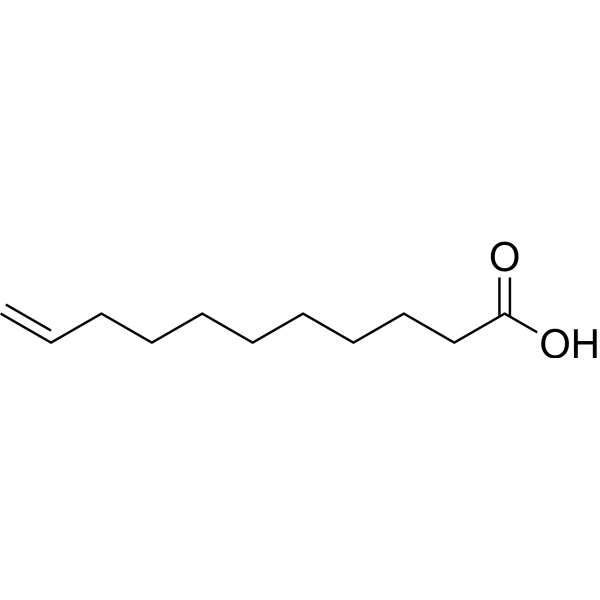 0 Images10-Undecenoic acid (Undecylenic acid) is an antifungal agent. 10-Undecenoic acid inhibits Aβ oligomerization, scavenges ROS and inhibits μ-calpain activity. 10-Undecenoic acid has neuroprotective effects. 10-Undecenoic acid has anticancer effects on a variety of tumors. 10-Undecenoic acid inhibits C. albicans biofilm formation and MRSA infection. 10-Undecenoic acid inhibits quorum sensing signals of Bacillus subtilis and Pseudomonas aeruginosa.
-
VR23
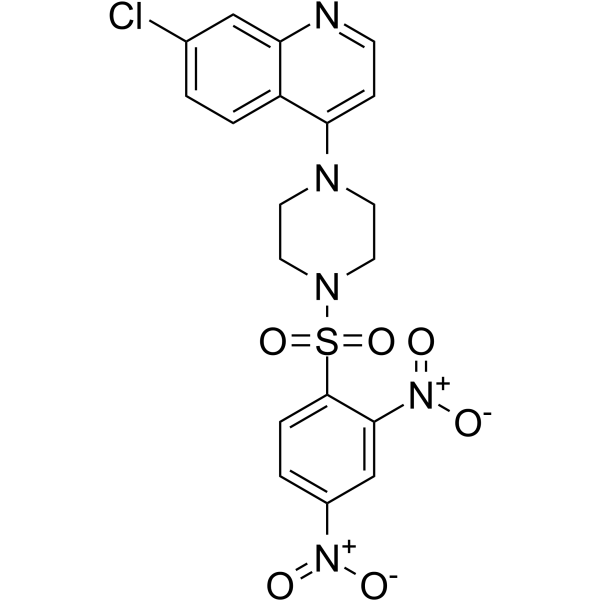 0 ImagesVR23 is a small molecule that potently inhibits the activities of trypsin-like proteasomes (IC50=1 nM), chymotrypsin-like proteasomes (IC50=50-100 nM), and caspase-like proteasomes (IC50=3 μM).
-
KZR-504
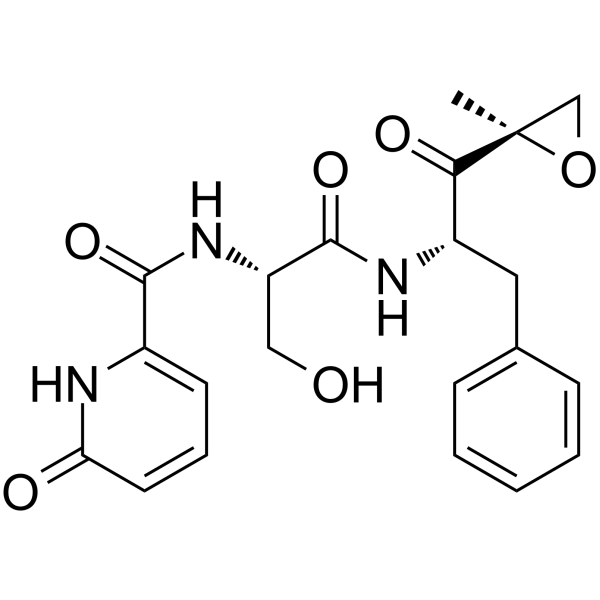 0 ImagesKZR-504 is a highly selective inhibitor of immunoproteasome low molecular mass polypeptide 2 (LMP2), with IC50s of 51 nM, 4.274 μM for LMP2 and LMP7, respectively. KZR-504 is of interest for the treatment of autoimmune disease.
-
K-7174 dihydrochloride
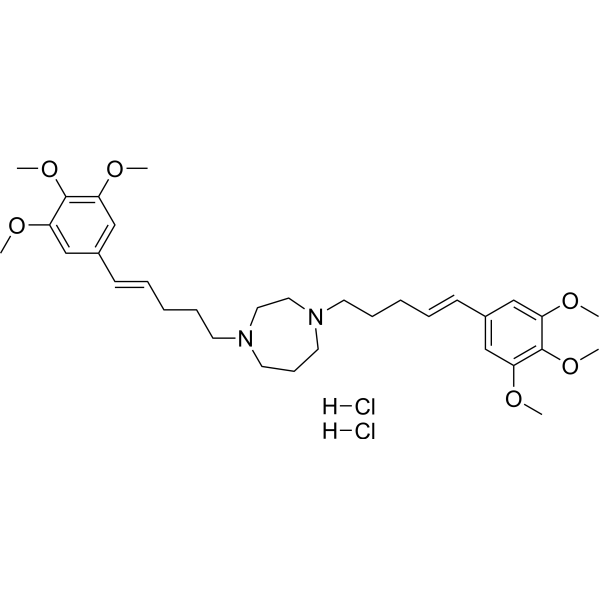 0 ImagesK-7174 dihydrochloride is an orally active proteasome and GATA inhibitor. K-7174 dihydrochloride is a cell adhesion inhibitor. K-7174 dihydrochloride induces cell apoptosis. K-7174 dihydrochloride shows antitumor activities, it can be used for the research of cancer.
-
Z-LLY-FMK
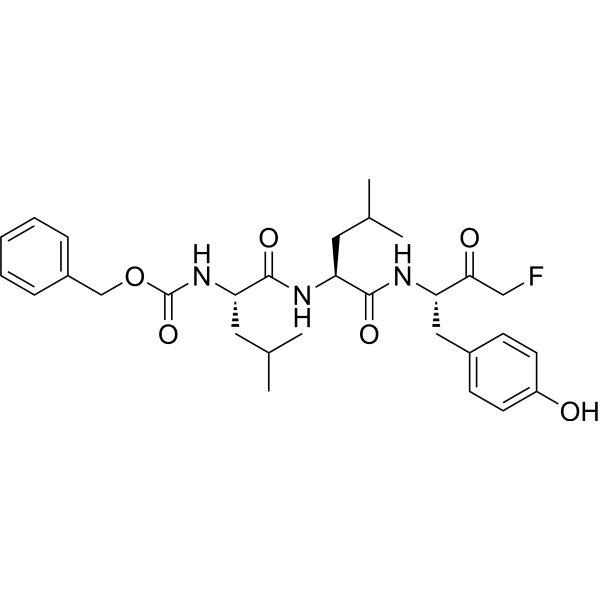 0 ImagesSynonyms: Calpain Inhibitor IVZ-LLY-FMK (Calpain Inhibitor IV) is a calpain inhibitor, involved in apoptosis of many cell systems. Z-LLY-FMK inhibits the intestine apoptosis after common bile duct ligation. Z-LLY-FMK reduces parasite burden in mice challenged with Taenia crassiceps cysts. Z-LLY-FMK can be used for the study of cysticercosis.
-
PELI1-IN-1
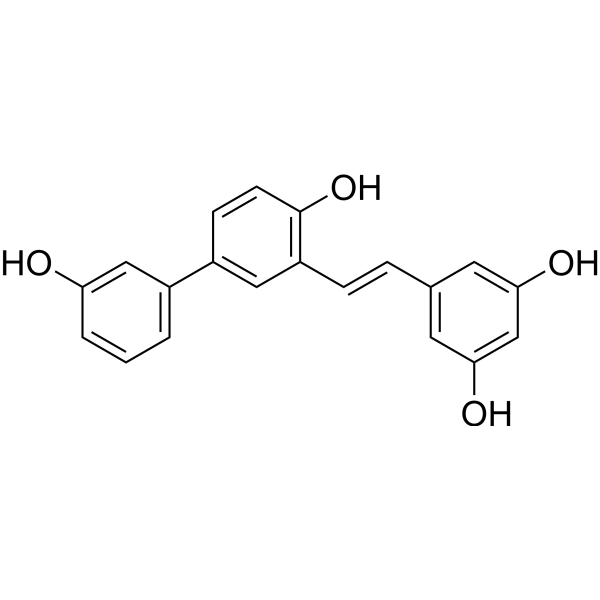 0 ImagesPELI1-IN-1 (compound 3d) is a potent inhibitor of PELI1, E3 ubiquitin ligase. PELI1-IN-1 has anti-tumPELI1-IN-1, a Resveratrol (HY-16561) derivative, is an orally active PELI1 Inhibitor (Kd = 8.2 μM). PELI1-IN-1 markedly interrupts the interaction of PELI1 and SNAIL/SLUG, and inhibits the K63-polyubiquitization of SNAIL/SLUG by PELI1, subsequently downregulating the protein levels of epithelial-mesenchymal transition (EMT) effectors SNAIL/SLUG. PELI1-IN-1 significantly reduces the level of SNAIL, SLUG and Vimentin without affecting the PELI1 expression. PELI1-IN-1 targets the FHA domain of PELI1 and disrupts the interaction, leading to the anti-metastasis of TNBC cells in vitro and in vivo. PELI1-IN-1 shows no evident toxicity in vivo.




