



SARS-CoV
SARS coronavirus
SARS-CoV is the coronavirus (CoV) that causes severe acute respiratory syndrome (SARS). CoVs are enveloped viruses with a positive-sense, single-stranded RNA and can cause health-threatening outbreaks by targeting human respiratory system, including not only SARS, but also Middle East respiratory syndrome (MERS) and SARS-CoV-2 (the cause of COVID-19).
CoVs have four main structural proteins: spike(S), membrane (M), envelope (E), and nucleocapsid (N) proteins. An S protein mediates the CoV entry into host cells by attaching to a cellular receptor (ACE2 for SARS-CoV and SARS-CoV-2, DPP4 for MERS-CoV), followed by fusion between virus and host cell membranes. Genome replication and subgenomic RNA transcription after entry carry on with the participation of many nonstructural proteins such as Mpro (main protease or 3CLpro), PLpro (papain-like protease) and RdRp (RNA-dependent RNA polymerase). Then the structural proteins are translated, assembled into mature virions, and released via vesicles by exocytosis. It is worth mentioning that a protease called TMPRSS2 (transmembrane protease, serine 2) play important roles throughout the whole life of CoVs (such as attachment, assembling and release) by cleaving S protein. All the proteins and subcellular structures participated in the life cycle of CoVs are promising targets for treatment of disease caused by CoVs.
All Product Categories
-
SARS-CoV Related Products (1184)
Related Products (1184)

-
Recombinant Proteins (195)
-
α-Cyclodextrin
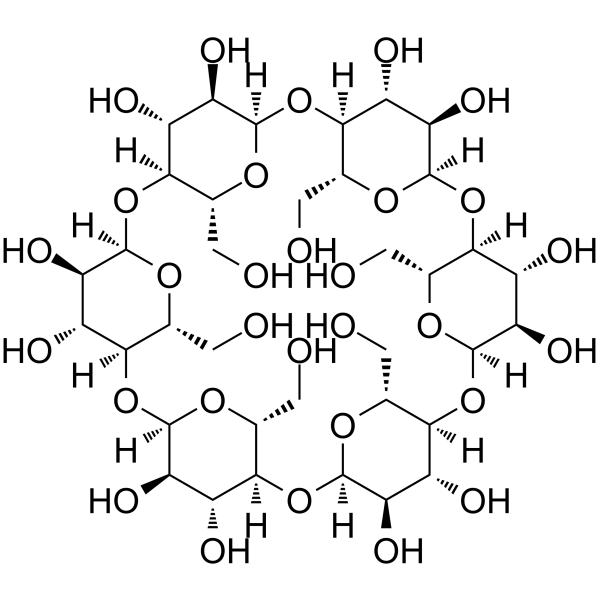 0 Imagesα-Cyclodextrin (α-CD) is a soluble fiber derived from corn. α-Cyclodextrin can deplete sphingolipids and phospholipids from cell membranes. α-Cyclodextrin interacts with tubulin. α-Cyclodextrin improves defenses against SARS-CoV-2 infection. α-Cyclodextrin enhances the anticancer efficacy of Crcumin (HY-N0005) against breast, lung and cervical cancer. α-Cyclodextrin has beneficial effects on body weight and blood lipids.
-
Baimaside
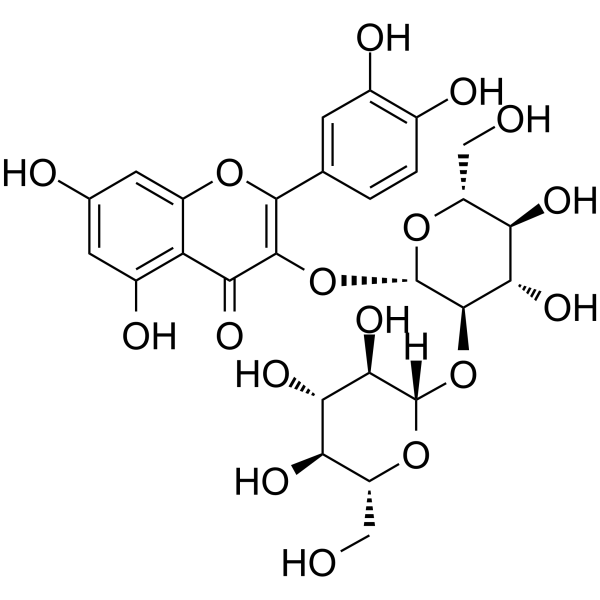 0 ImagesSynonyms: Quercetin 3-O-sophorosideBaimaside (Quercetin 3-O-sophoroside) is a flavonoid cholinergic function modulator that binds to SARS-CoV-2-related targets. Baimaside regulates the expression of cholinergic system-related proteins and acetylcholine levels, improves scopolamine-induced learning and memory impairment, protects hippocampal neurons, inhibits pollen protein fluorescence, and protects pollen DNA. Its biosynthesis is regulated by multiple enzymes. Baimaside is completely absorbed in rats, undergoes phase Ⅱ metabolism and gut microbiota decomposition, and inhibits the invasion and proliferation of SARS-CoV-2 and its variants, making it suitable for research related to Alzheimer's disease and COVID-19.
-
Calceolarioside B
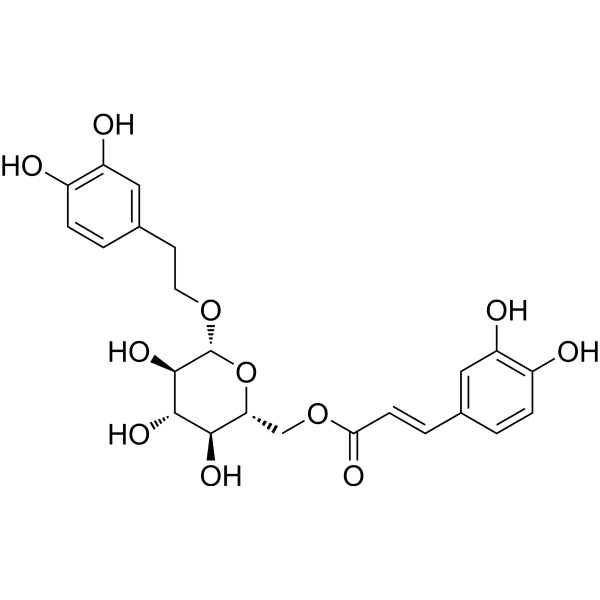 0 ImagesCalceolarioside B is a phenylethanoid glycoside. Calceolarioside B can be isolated from the leaves of Akebia quinata. Calceolarioside B inhibits RLAR activity with an IC50 value of 23.99 μM. Calceolarioside B inhibits the entry of Omicron BA.2 into host cells. Calceolarioside B reduces IL-6 levels. Calceolarioside B has immunomodulatory activity. Calceolarioside B has anticancer activity against human hormone-independent prostate cancer.
-
Umifenovir
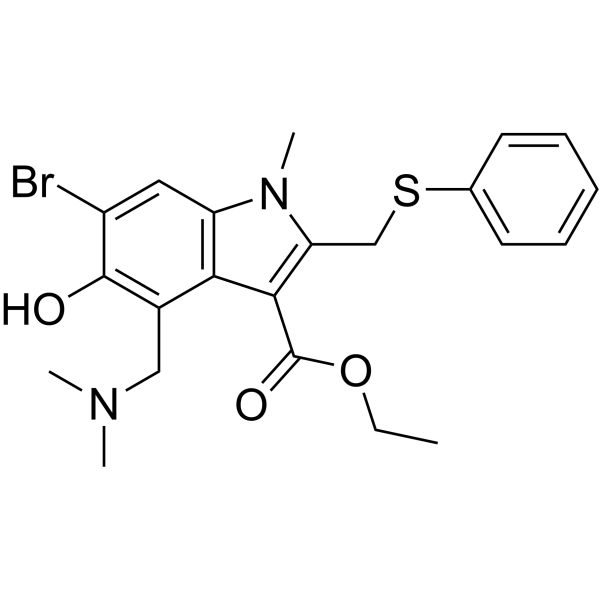 0 ImagesUmifenovir is a potent, orally active broad-spectrum antiviral agent with activity against a number of enveloped and non-enveloped viruses. Umifenovir is used as an anti-influenza virus agent. Umifenovir could effectively inhibit the fusion of virus with host cells. Umifenovir is an efficient inhibitor of SARS-CoV-2 in vitro. Umifenovir shows anti-inflammatory activity.
-
Diiodohydroxyquinoline
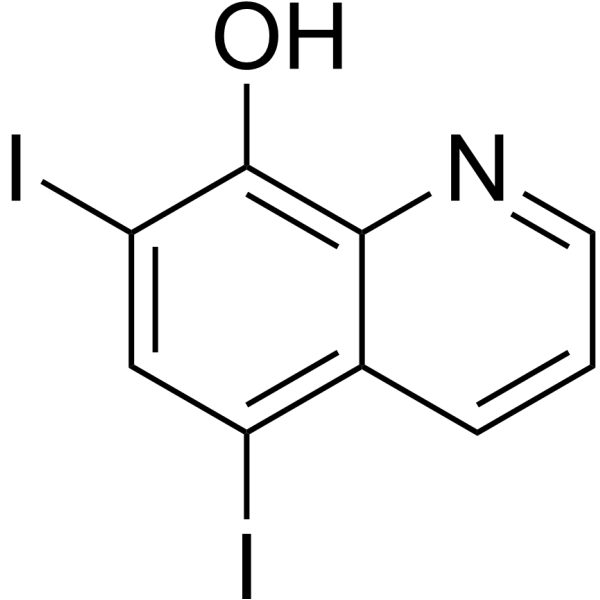 0 ImagesSynonyms: Iodoquinol; 5,7-Diiodo-8-hydroxyquinoline; 5,7-Diiodo-8-quinolinolDiiodohydroxyquinoline (Iodoquinol, 5,7-Diiodo-8-hydroxyquinoline, 5,7-Diiodo-8-quinolinol) has an orally active and satisfactory antiparasitic properties. Diiodohydroxyquinoline exhibits mutagenic potential in mice and potent anti-SARS-CoV-2 activity with an EC50 value of 1.38 μM in VeroE6 cells. Diiodohydroxyquinoline's antimutagen is ascorbic acid. Diiodohydroxyquinoline is promising for research in inflammationin, testinal amebiasis, amebic liver abscess and chronic nonspecific diarrheas.
-
2-Hydroxycinnamic acid
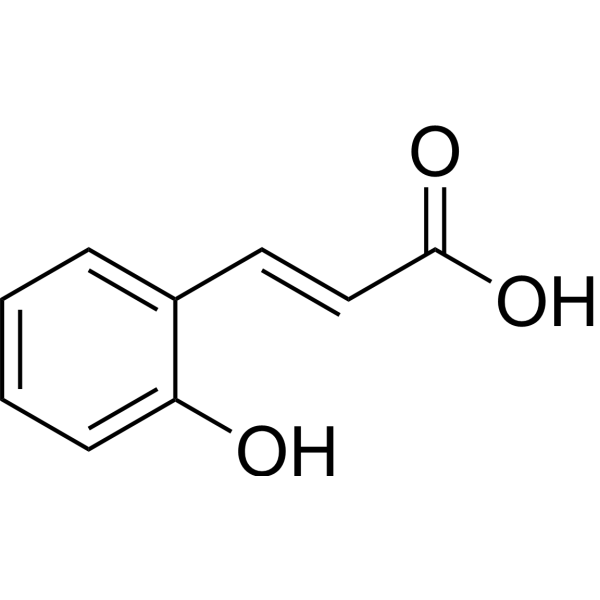 0 Images2-Hydroxycinnamic acid is a phenolic acid with antimicrobial and antioxidant properties. 2-Hydroxycinnamic acid has antimicrobial activity against Staphylococcus aureus and is not susceptible to drug resistance. 2-Hydroxycinnamic acid shows inhibitory effects on infection of HIV/SARS-CoV S pseudovirus with an IC50 of 0.3 mM. In addition, 2-Hydroxycinnamic acid has neuroprotective and antitumor activity.
-
Sivelestat sodium tetrahydrate
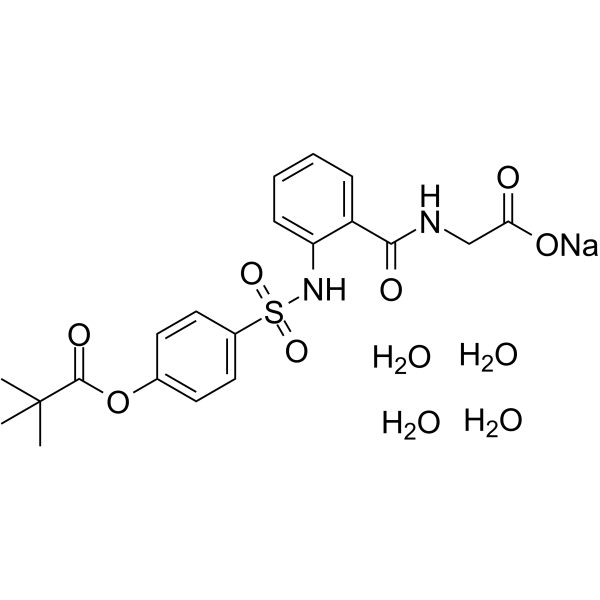 0 ImagesSynonyms: EI546 sodium tetrahydrate; LY544349 sodium tetrahydrate; ONO5046 sodium tetrahydrateSivelestat (EI546) sodium tetrahydrate is a competitive inhibitor of human neutrophil elastase, with an IC50 of 44 nM and a Ki of 200 nM. Sivelestat (EI546) sodium tetrahydrate has the potential for the study of acute lung injury/acute respiratory distress syndrome or disseminated intravascular coagulation in COVID-19.
-
Kumatakenin
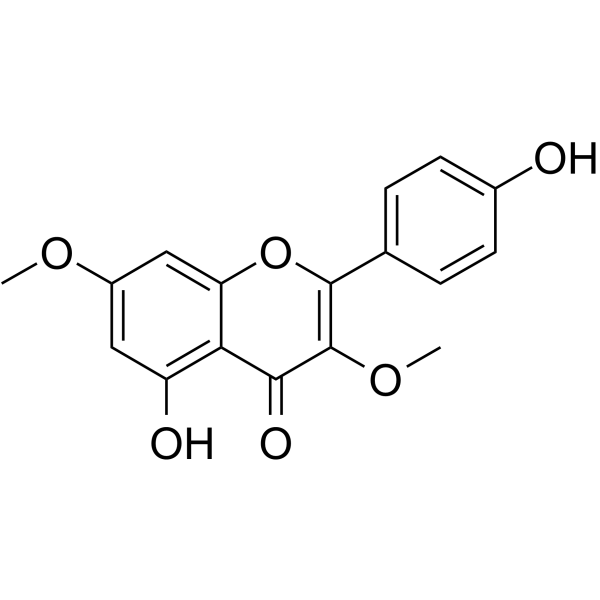 0 ImagesKumatakenin is an orally active apoptosis inducer and autophagy inhibitor, with a Kd value of 2.94 μM for mouse ATG5. Kumatakenin increases the activities of caspase-3, caspase-8 and caspase-9, thereby inducing caspase-dependent apoptosis in ovarian cancer cells. Kumatakenin reduces the expression of chemokines and pro-oncogenic factors in ovarian cancer cells, and inhibits M2 macrophage polarization. Kumatakenin inactivates TRIM65 function, reduces the expression and stability of FASN, and thus inhibits the proliferation, migration, invasion and tumor progression of esophageal cancer cells. Kumatakenin interacts with ATG5 to reduce its protein level, decrease LC3 level, and reduce the number of autophagosomes in the hippocampus. Kumatakenin binds to Eno3 to upregulate its expression, reduce the stability and expression level of IRP1 mRNA, inhibit ferroptosis, alleviate intestinal inflammation, and restore epithelial barrier function. Kumatakenin enhances the efficacy of antibiotics against pathogenic bacteria, inhibits SARS-CoV-2 replication, and reduces cytokine production. Kumatakenin is applicable to research related to ovarian cancer, esophageal cancer, depression and colitis.
-
Miltirone
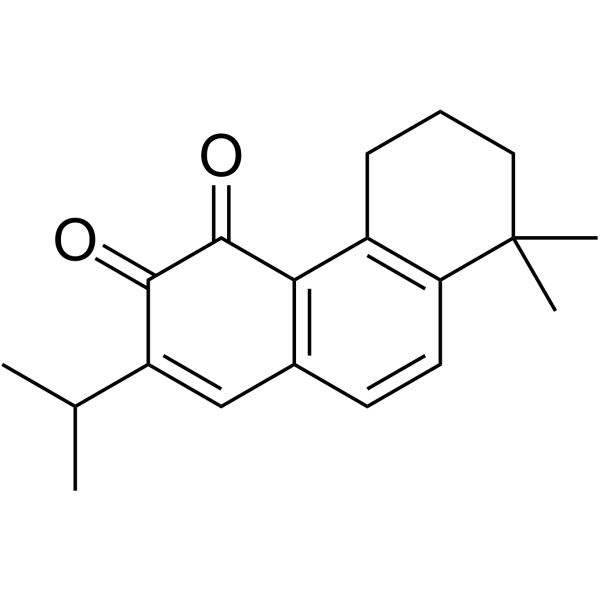 0 ImagesSynonyms: RosmariquinoneMiltirone is an orally active natural compound found in the root of Salvia miltiorrhiza. Miltirone is a central benzodiazepine receptor partial agonist, with an IC50 of 0.3 μM. Miltirone induces ROS - and-p53 dependent apoptosis. Miltirone inhibits carboxylesterase 2 (CES2; Ki = 0.04 μM) and SARS-CoV main protease (Mpro).
-
Atazanavir sulfate
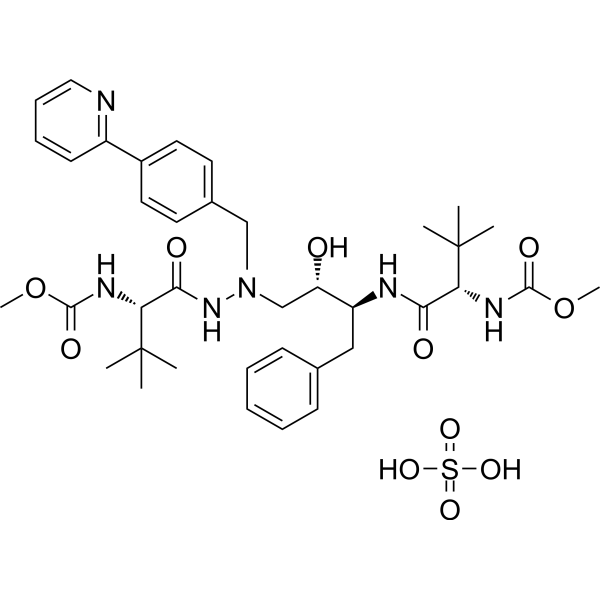 0 ImagesSynonyms: BMS-232632 sulfateAtazanavir (BMS-232632) sulfate is a highly selective and orally active HIV-1 protease inhibitor with blood-brain barrier permeability. Atazanavir sulfate is a substrate and inhibitor of CYP3A4, and an inhibitor of P-glycoprotein (P-gp). Atazanavir sulfate is also a SARS-CoV 3CLpro inhibitor with an IC50 of 3.49 μM. Atazanavir sulfate inhibits cardiac fibrosis, hyperlipidemia and induces malignant glioma death.
-
Vilobelimab
 0 ImagesSynonyms: CaCP-29, IFX-1Vilobelimab (CaCP-29, IFX-1) is a monoclonal anti-C5a antibody to the allergen C5a, a pro-inflammatory complement division product that plays a central role in mediating organ dysfunction. Vilobelimab acts as a C5a inhibitor, inhibiting neutrophil activation, chemotaxis, and reducing inflammatory signalling, and may be used in studies related to sepsis, COVID-19, etc.
-
Tixagevimab
 0 ImagesSynonyms: AZD8895; COV2-2196Tixagevimab (AZD8895) is a human monoclonal antibody that targets the SARS-CoV-2 receptor binding domain (RBD). It exhibits neutralizing activity against SARS-CoV-2 by binding to the RBD and the S-glycoprotein ectodomain and blocking S-glycoprotein-mediated binding to the receptor.
-
2-Thiouridine
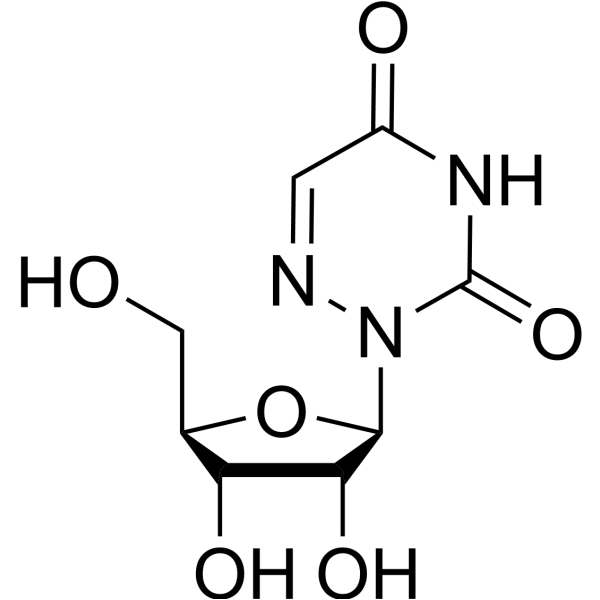
 0 Images2-Thiouridine is an orally active modified nucleobase. 2-Thiouridine stabilizes U:A base pairs and destabilizes U:G wobble base pairs. 2-Thiouridine significantly improves the efficiency and accuracy of nonenzymatic replication of mixed-sequence A/U-containing RNA templates. 2-Thiouridine exhibits antiviral activity against multiple positive-sense single-stranded RNA viruses (DENV2, ZIKV, YFV, JEV, WNV, CHIKV, human coronaviruses ( [HCoV]-229E, HCoV-OC43, SARS-CoV), and MERS-CoV).
-
Bemnifosbuvir
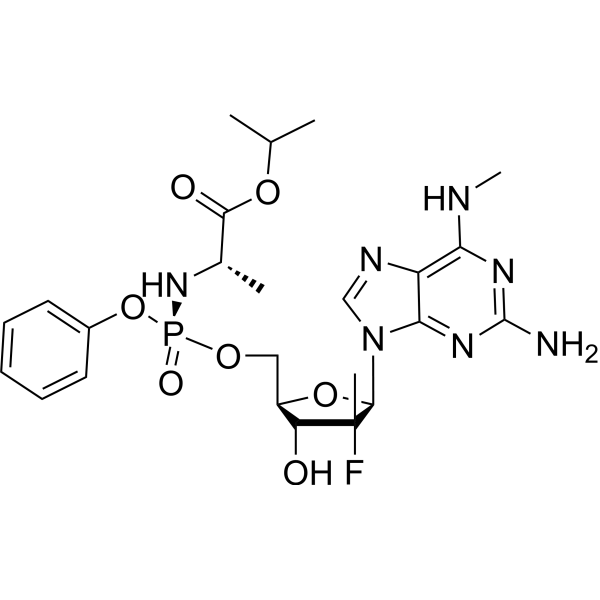 0 ImagesSynonyms: AT-511
-
Bamlanivimab
 0 ImagesSynonyms: Anti-Human SARS-CoV-2; LY-3819253; LY-CoV555Bamlanivimab (Anti-Human SARS-CoV-2; LY-CoV555) is an antiviral agent targeting the SARS-CoV-2 spike protein receptor-binding domain (RBD) with a mean Kd of 5.3 nM. Bamlanivimab binds epitopes overlapping the ACE2 binding site on both active and resting RBD conformations, blocks ACE2 attachment, mediates antibody-dependent cell-mediated cytotoxicity, and reduces viral replication and respiratory tract viral load. Bamlanivimab can be used for the research of COVID-19.
-
Amprenavir
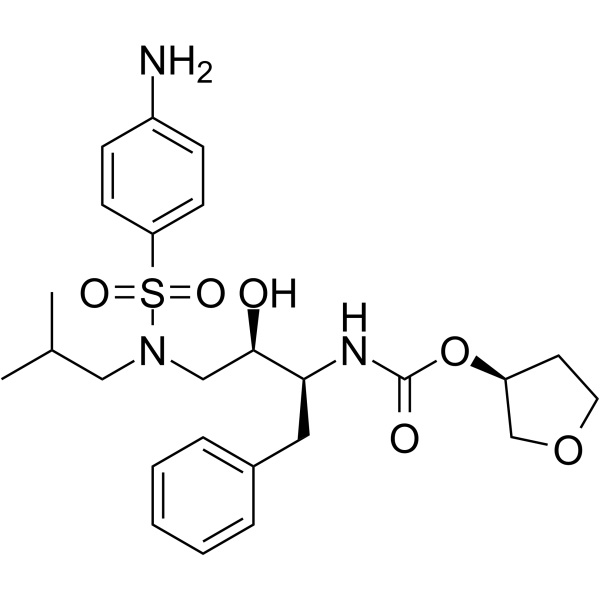 0 ImagesSynonyms: VX-478Amprenavir (VX-478) is a HIV protease inhibitor (Ki=0.6 nM) used to treat HIV infection. Amprenavir is also a SARS-CoV 3CLpro inhibitor with an IC50 of 1.09 μM.
-
Pemivibart
 0 ImagesPemivibart is an anti-SARS-CoV-2 human IgG1 λ2 monoclonal antibody. Recommend Isotype Controls: Human IgG1 lambda2, Isotype Control (HY-P990096).




