



Miltirone
Based on 3 publication(s) in Google Scholar
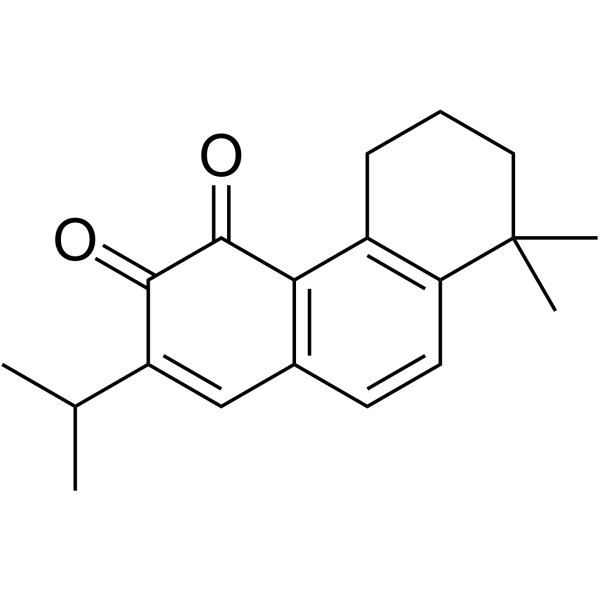
Miltirone is an orally active natural compound found in the root of Salvia miltiorrhiza. Miltirone is a central benzodiazepine receptor partial agonist, with an IC50 of 0.3 μM. Miltirone induces ROS - and-p53 dependent apoptosis. Miltirone inhibits carboxylesterase 2 (CES2; Ki = 0.04 μM) and SARS-CoV main protease (Mpro).
For research use only. We do not sell to patients.
- Purity : 99.54%
- CAS No.: 27210-57-7
- Formula: C19H22O2
- Molecular Weight:282.38
-
Storage:
4°C, protect from light
* In solvent : -80°C, 6 months; -20°C, 1 month (protect from light)

To place orders, for customer services and technical support, please contact: MedChemExpress USA
Tel: 609-228-6898 E-mail: [email protected] [email protected]


-
 Biological Activity
-
Chemical Information
-
Solvent & Solubility
- Protocols
- Purity & Documentation
- References
-
 Help & FAQs


-
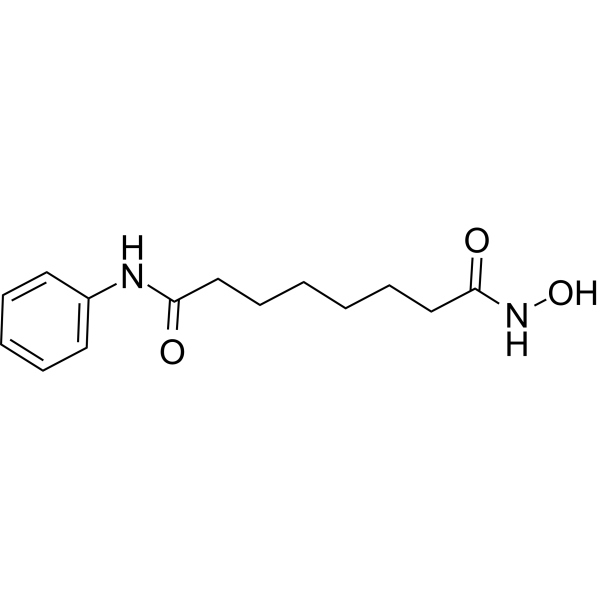
HY-10221
VorinostatHDAC Inhibitor -
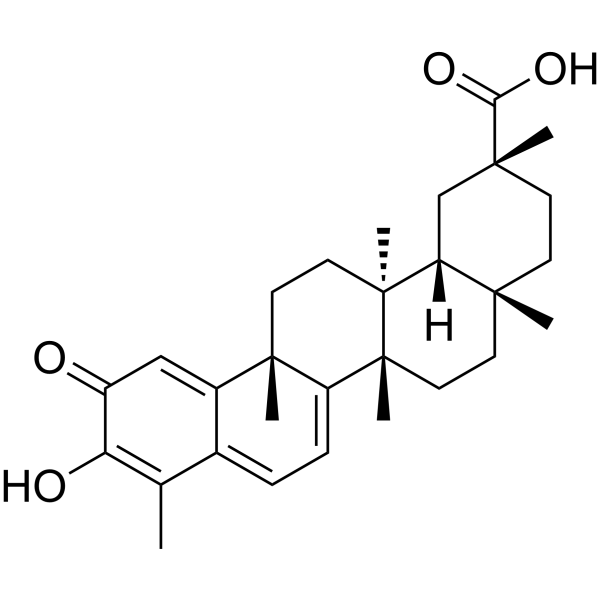
HY-13067
CelastrolAutophagy Inducer -
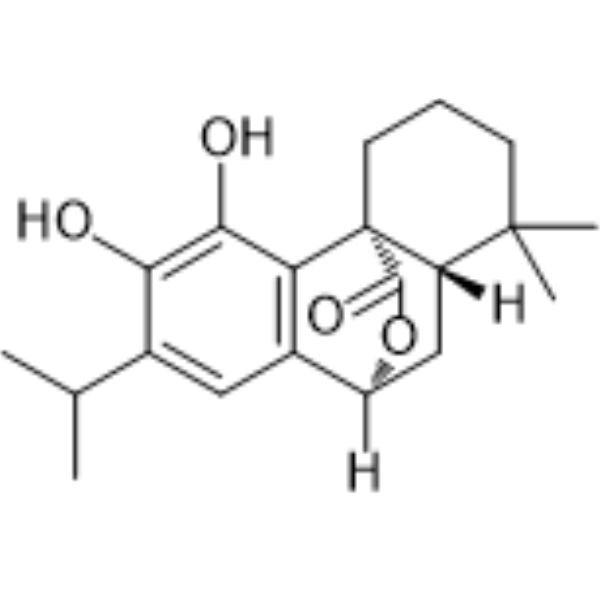
HY-N0643
CarnosolEndogenous Metabolite -
HY-103017
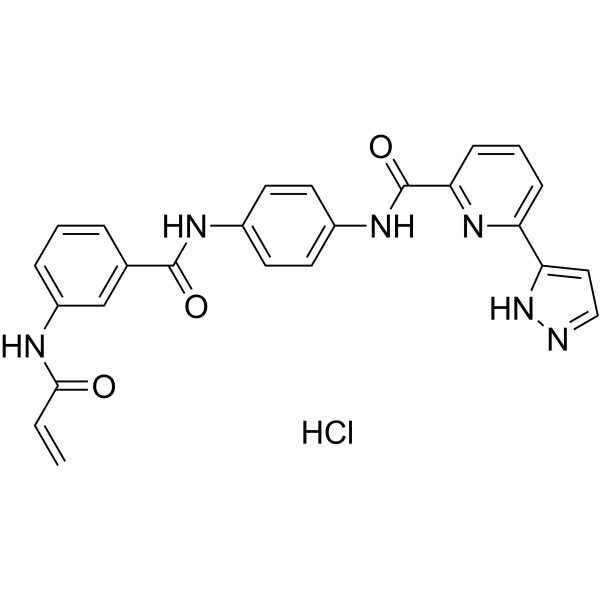
JH-X-119-01 hydrochlorideIRAK1 Inhibitor -
HY-N5024
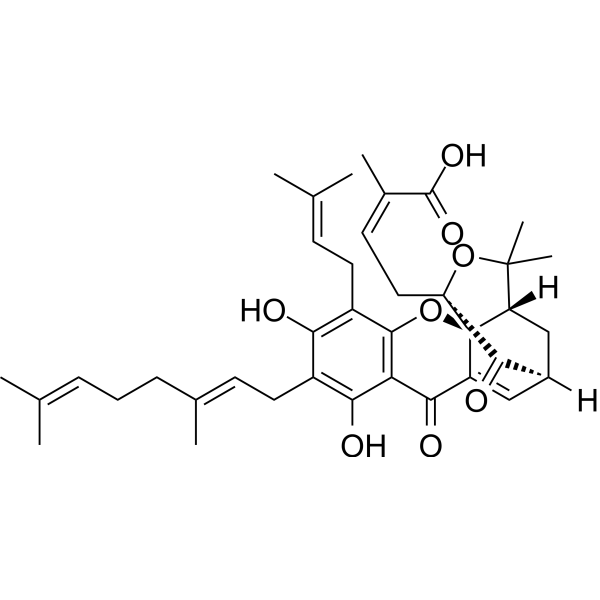
Gambogenic acidEZH2 Inhibitor -

HY-N1951R
Miltirone (Standard)Benzodiazepine Receptor Partial Agonist -
HY-N2181
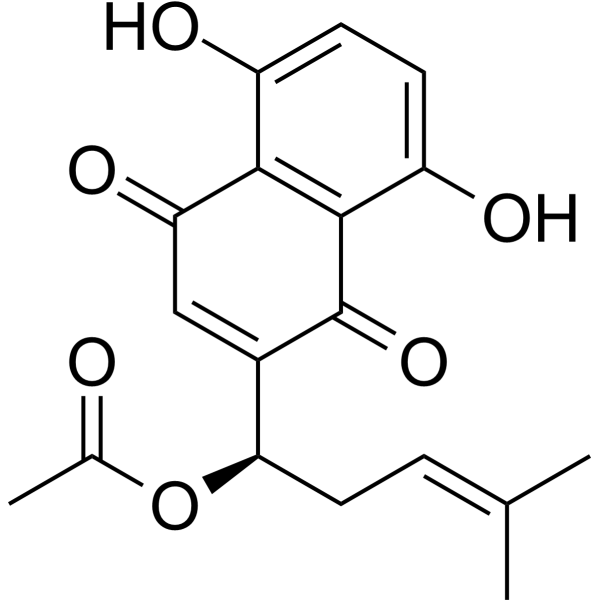
AcetylshikoninAnti-inflammatory agent, AChE Inhibitor, P450 Inhibitor, Neuroprotective agents -
HY-14393
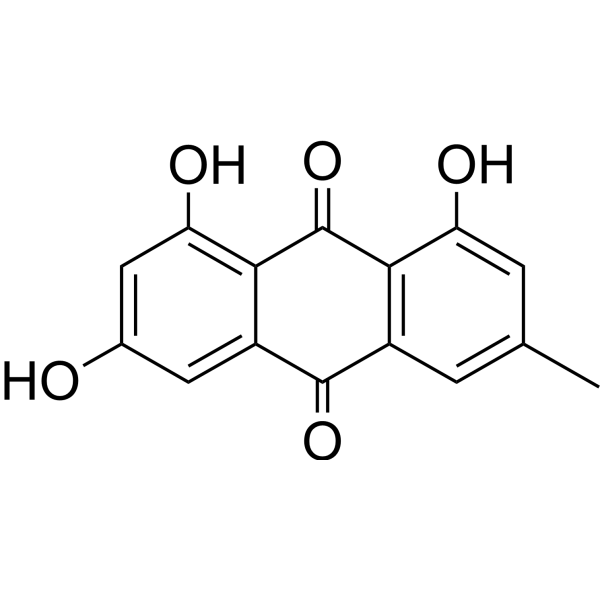
EmodinNatural Anthraquinone -
HY-N0112
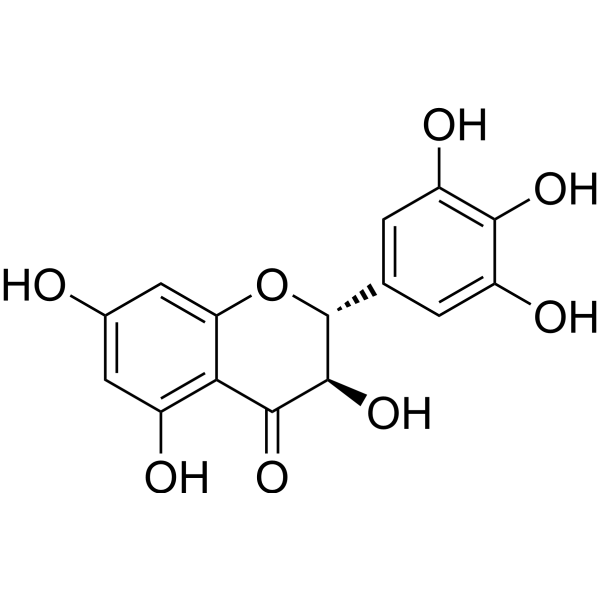
DihydromyricetinAutophagy Inducer -
HY-101392
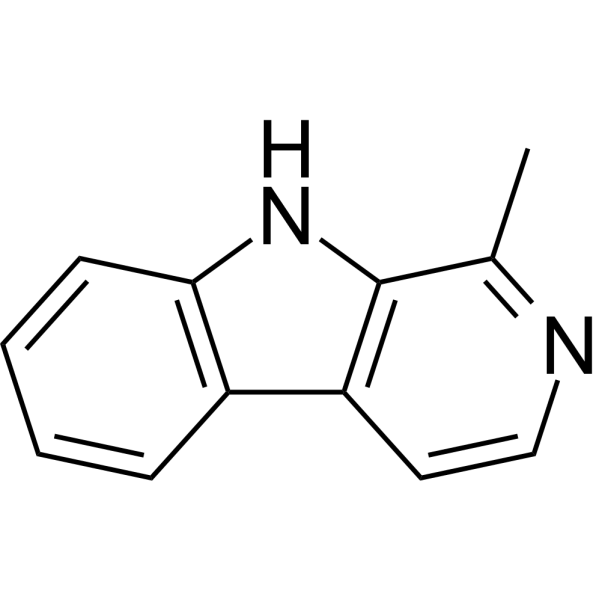
HarmaneMAO Inhibitor -
HY-N2098
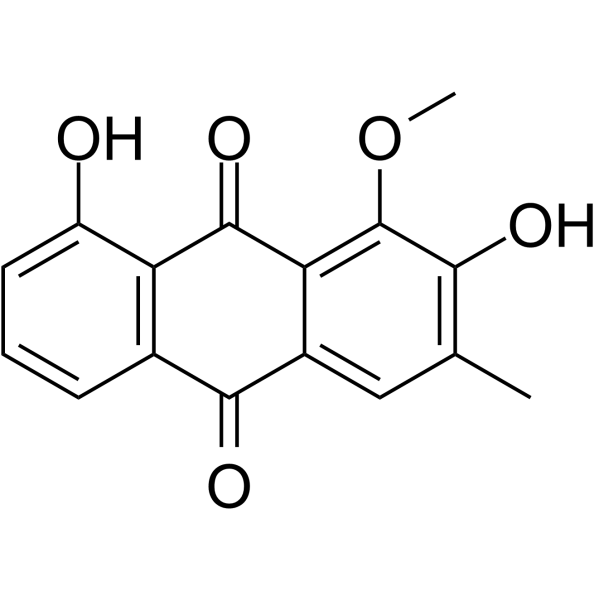
ObtusifolinNF-kB Inhibitor -

HY-N0112R
Dihydromyricetin (Standard)Autophagy Inducer
Publications Citing Use of MedChemExpress (MCE) Miltirone
More Customer Validation & Images

-
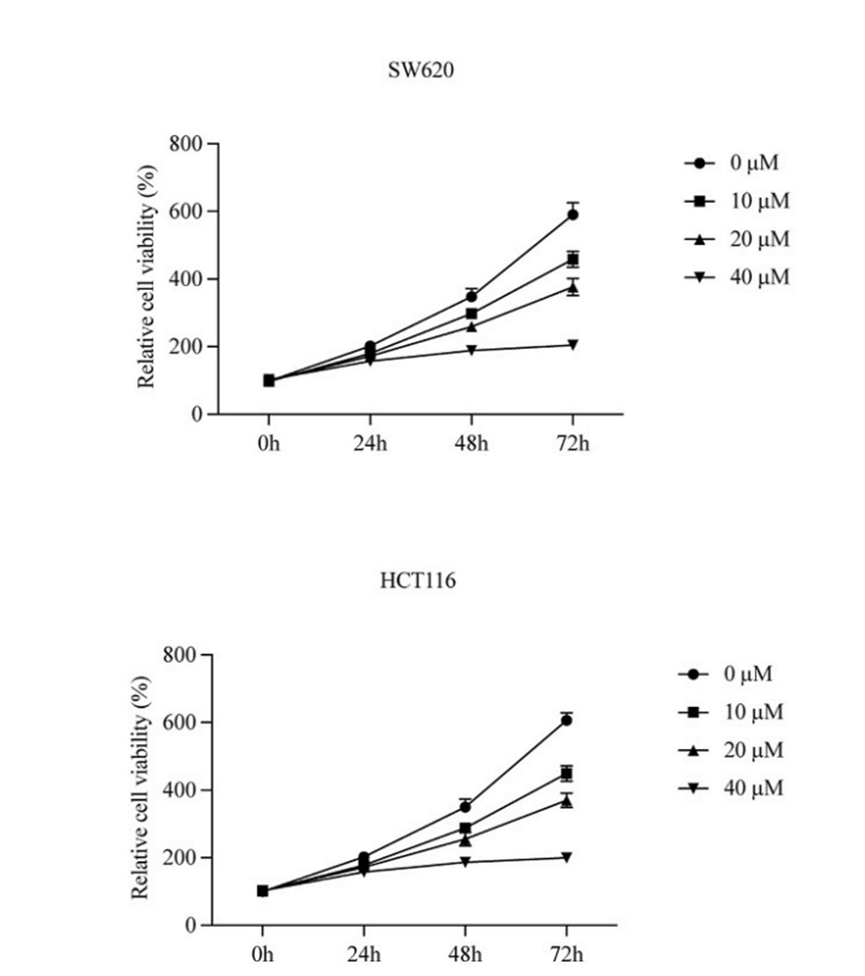
Cell Proliferation/Viability Assay
-
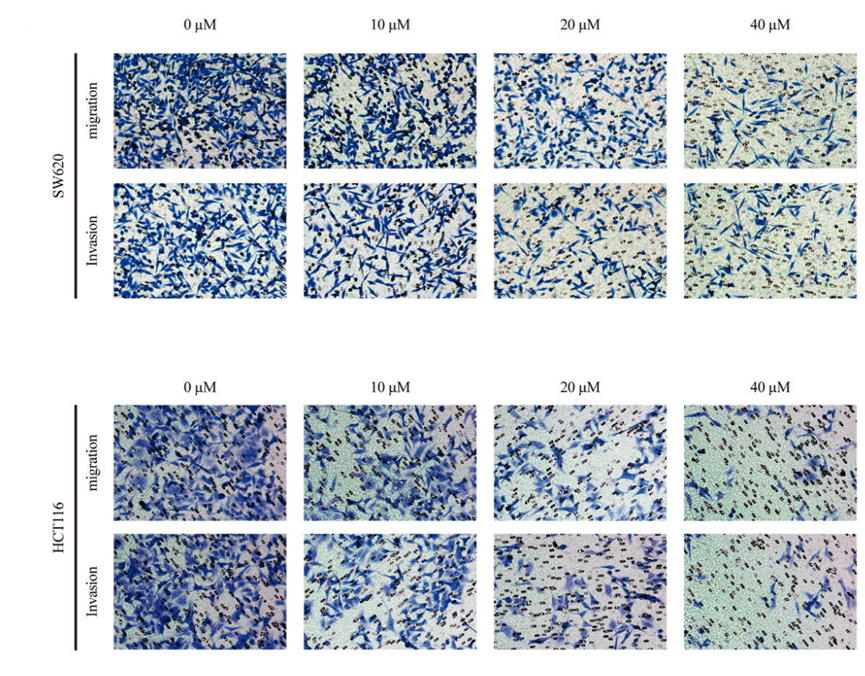
Cell Migration/Invasion Assay
-
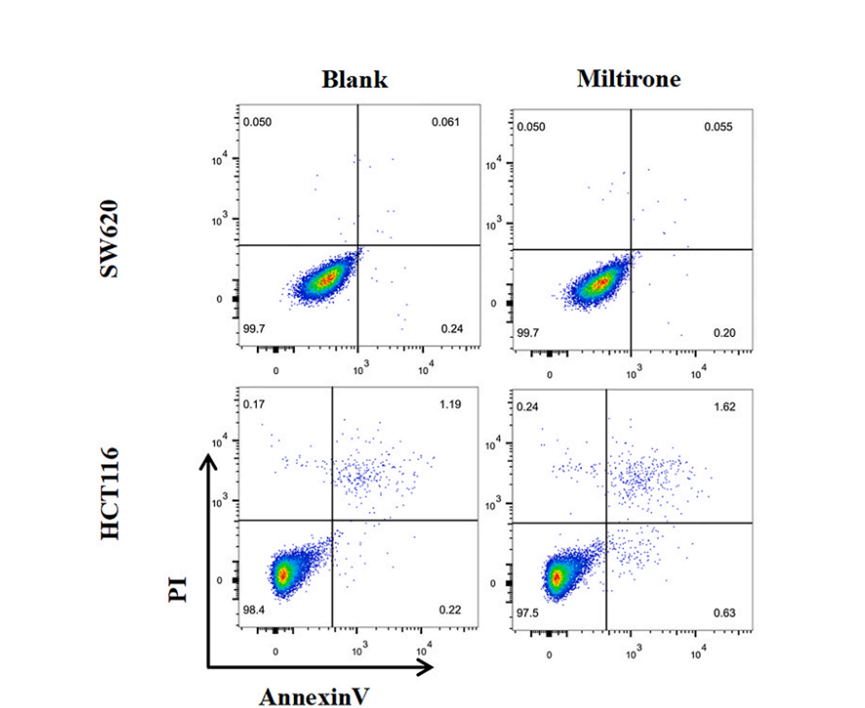
Apoptosis Analysis
-
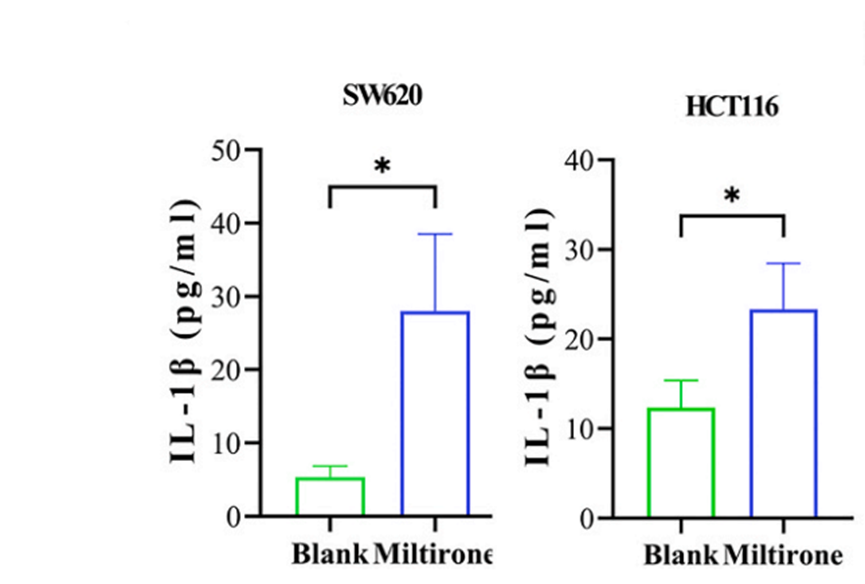
ELISA
-
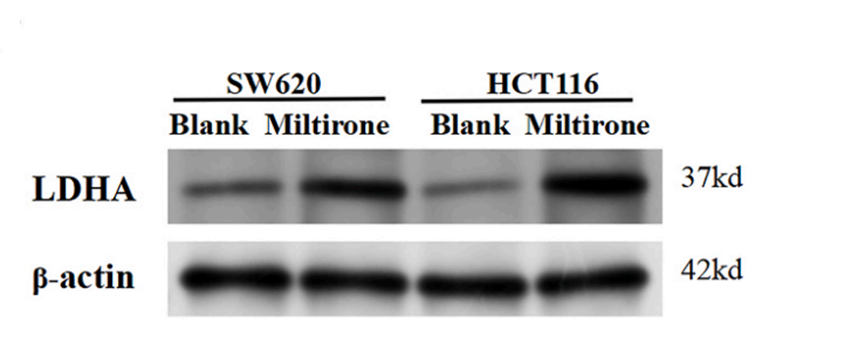
WB


Biological Activity
Description
IC50 & Target
|
CES2 0.04 μM (Ki) |
Cellular Effect
|
Cell Line

|
Type | Value | Description | References |
|---|---|---|---|---|
| A549 | IC50 |
24.59 μM
Compound: Miltrone 5
|
Cytotoxicity against A549 cell line
Cytotoxicity against A549 cell line
|
[PMID: 16434190] |
| HCT-116 | IC50 |
12.39 μM
Compound: Miltrone 5
|
Cytotoxicity against HCT116 cell line
Cytotoxicity against HCT116 cell line
|
[PMID: 16434190] |
| Hep 3B2 | EC50 |
14.8 μM
Compound: 1
|
Cytotoxicity against human Hep3B cells after 24 hrs by MTT assay
Cytotoxicity against human Hep3B cells after 24 hrs by MTT assay
|
[PMID: 26339922] |
| Hep 3B2 | EC50 |
6.6 μM
Compound: 1
|
Cytotoxicity against human Hep3B cells after 24 hrs by MTT assay in presence of doxorubicin
Cytotoxicity against human Hep3B cells after 24 hrs by MTT assay in presence of doxorubicin
|
[PMID: 26339922] |
| HepG2 | EC50 |
12 μM
Compound: 1
|
Cytotoxicity against human doxorubicin-resistant HepG2 cells expressing p-gp after 24 hrs by MTT assay
Cytotoxicity against human doxorubicin-resistant HepG2 cells expressing p-gp after 24 hrs by MTT assay
|
[PMID: 26339922] |
| HepG2 | EC50 |
30.9 μM
Compound: 1
|
Cytotoxicity against human HepG2 cells after 24 hrs by MTT assay in presence of doxorubicin
Cytotoxicity against human HepG2 cells after 24 hrs by MTT assay in presence of doxorubicin
|
[PMID: 26339922] |
| HepG2 | EC50 |
7.1 μM
Compound: 1
|
Cytotoxicity against human HepG2 cells after 24 hrs by MTT assay
Cytotoxicity against human HepG2 cells after 24 hrs by MTT assay
|
[PMID: 26339922] |
| MIA PaCa-2 | IC50 |
22.5 μM
Compound: 17
|
Cytotoxicity against human MIAPaCa2 cells after 24 hrs by MTT assay
Cytotoxicity against human MIAPaCa2 cells after 24 hrs by MTT assay
|
[PMID: 21775156] |
| PLC-PRF-5 | EC50 |
17.4 μM
Compound: 1
|
Cytotoxicity against human PLC/PRF/5 cells after 24 hrs by MTT assay in presence of doxorubicin
Cytotoxicity against human PLC/PRF/5 cells after 24 hrs by MTT assay in presence of doxorubicin
|
[PMID: 26339922] |
| PLC-PRF-5 | EC50 |
27.1 μM
Compound: 1
|
Cytotoxicity against human PLC/PRF/5 cells after 24 hrs by MTT assay
Cytotoxicity against human PLC/PRF/5 cells after 24 hrs by MTT assay
|
[PMID: 26339922] |
In Vitro
Miltirone (0-100 μM, 48 h) induces ROS - and-p53 dependent apoptosis in colon cancer cells[2].
Miltirone (3.13-25 μM, 1-24 h) induces translocation of apoptosis-inducing factor (AIF) in colon cancer cells[2].
MedChemExpress (MCE) has not independently confirmed the accuracy of these methods. They are for reference only.
-
Cell Line:HCT116 p53+/+, HCT116 p53-/-, HT29 p53mut/mut, CCD18-co (normal human colon fibroblast)
-
Concentration:0-100 μM
-
Incubation Time:48 h
-
Result:Showed potent cytotoxicity and pro-apoptotic activity on HCT116 cells.
Preferential inhibition of cancer cells was found when comparing its cytotoxicity on colon cancer cells (IC50 = 4.27 μM) with that on normal colon cells (IC50 = 41.3 μM).
The pro-apoptotic activity was significantly inhibited by the pretreatment of ROS scavenger or calpeptin.
Apoptosis was significantly enhanced when pretreated with Dicoumarol (HY-N0645).
In case of p53 deficiency, the apoptosis was obviously decreased.
-
Cell Line:HCT116
-
Concentration:1.56, 3.13, 6.25, 12.5, 25 μM
-
Incubation Time:48 h
-
Result:Stimulated the activation of caspase-3, -8 and -9 in a concentration-dependent way.
Pretreatment of N-acetylcysteine (NAC) (HY-B0215) efficiently inhibited the activation of caspase-3 and caspase-9 but not that of caspase-8.
-
Cell Line:HCT116
-
Concentration:3.13, 6.25, 12.5, 25 μM
-
Incubation Time:1, 3, 6, 12, 24 h
-
Result:Stimulated time- and concentration-dependent translocation of AIF to cytosol and nuclear.
Translocation of AIF to nuclear was partially inhibited by the pretreatment of calpain.
In Vivo
MedChemExpress (MCE) has not independently confirmed the accuracy of these methods. They are for reference only.
-
Animal Model:Mice[1]
-
Dosage:10, 30, 60 mg/kg
-
Administration:Oral gavage (p.o.); an hour before test
-
Result:Increased the number of punished crossings of mice in the 'Four-Plate Test'.
Showed some reversal of the effect of diazepam as expected for a partial agonist.
Produced no muscle relaxant effect and did not impair the performance of mice in the Julou-Courvoisier horizontal wire test.


Chemical Information
-
CAS No. 27210-57-7
-
Appearance Solid
-
Molecular Weight 282.38
-
Formula C19H22O2
-
Color Orange to red
-
SMILES
O=C1C(C(C)C)=CC2=C(C3=C(C=C2)C(C)(C)CCC3)C1=O
-
Synonyms
Rosmariquinone
-
Structure Classification
-
Shipping
Room temperature in continental US; may vary elsewhere.
-
Storage
4°C, protect from light
* In solvent : -80°C, 6 months; -20°C, 1 month (protect from light)


Publications (3)
-
Journal Impact Factor
-
Most Recent
-
Sci Adv
Piezobiomimetic delivery nanosystem converts cold tumors to hot by parallel PANoptosis/STING activation in hepatocellular carcinoma. [Abstract]2026 Jun 19;12(25):eaea6844. PMID: 42308311 -
Phytomedicine
The herbal compound miltirone from Salvia miltiorrhiza targets DJ-1 to induce mitophagic dysfunction and ROS-dependent hippo activation in gastric cancer. [Abstract]2026 Mar:152:157821. PMID: 41564521 -
Heliyon
Miltirone induces GSDME-dependent pyroptosis in colorectal cancer by activating caspase 3. [Abstract]2024 Aug 20;10(16):e36603. PMID: 39262975
Miltirone purchased from MedChemExpress. Usage Cited in: Heliyon. 2024 Aug 20;10(16):e36603. [Abstract]
SW620 and HCT116 cells were administrated with 0∼40 μM Miltirone for 0–72 h. MTT assays were performed for cell viability assessment.
Miltirone purchased from MedChemExpress. Usage Cited in: Heliyon. 2024 Aug 20;10(16):e36603. [Abstract]
SW620 and HCT116 cells were treated with 0∼40 μM Miltirone for 72 h. Transwell assays were conducted, migrating and invasive cell number was calculated.
Miltirone purchased from MedChemExpress. Usage Cited in: Heliyon. 2024 Aug 20;10(16):e36603. [Abstract]
Apoptotic cell frequencies treated without or with Miltirone (40 μM) for 24 h were determined by annexin V/PI assays in SW620 and HCT116 cells.
Miltirone purchased from MedChemExpress. Usage Cited in: Heliyon. 2024 Aug 20;10(16):e36603. [Abstract]
IL-1β released into culture medium was detected by ELISA assays treated with Miltirone (40 μM) for 24 h.
Miltirone purchased from MedChemExpress. Usage Cited in: Heliyon. 2024 Aug 20;10(16):e36603. [Abstract]
Release of LDHA proteins to culture mediums were detected by Western blot assays treated with Miltirone (40 μM) for 24 h.


Solvent & Solubility
In Vitro:
DMSO : 50 mg/mL (177.07 mM; Need ultrasonic; Hygroscopic DMSO has a significant impact on the solubility of product, please use newly opened DMSO)
Please refer to the solubility information to select the appropriate solvent. Once prepared, please aliquot and store the solution to prevent product inactivation from repeated freeze-thaw cycles.
Storage method and period of stock solution: -80°C, 6 months; -20°C, 1 month (protect from light). When stored at -80°C, please use it within 6 months. When stored at -20°C, please use it within 1 month.
Please refer to the solubility information to select the appropriate solvent. Once prepared, please aliquot and store the solution to prevent product inactivation from repeated freeze-thaw cycles.
Storage method and period of stock solution: -80°C, 6 months; -20°C, 1 month (protect from light). When stored at -80°C, please use it within 6 months. When stored at -20°C, please use it within 1 month.
Concentration (start) × Volume (start) = Concentration (final) × Volume (final)
In Vivo:
Select the appropriate dissolution method based on your experimental animal and administration route.
- For the following dissolution methods, please ensure to first prepare a clear stock solution using an In Vitro approach and then sequentially add co-solvents:
- To ensure reliable experimental results, the clarified stock solution can be appropriately stored based on storage conditions. As for the working solution for In Vivo experiments, it is recommended to prepare freshly and use it on the same day.
- The percentages shown for the solvents indicate their volumetric ratio in the final prepared solution. If precipitation or phase separation occurs during preparation, heat and/or sonication can be used to aid dissolution.
Add each solvent one by one: 10% DMSO 40% PEG300 5% Tween-80 45% Saline
Solubility: ≥ 2.5 mg/mL (8.85 mM); Clear solution
This protocol yields a clear solution of ≥ 2.5 mg/mL (saturation unknown).
Taking 1 mL working solution as an example, add 100 μL DMSO stock solution (25.0 mg/mL) to 400 μL PEG300, and mix evenly; then add 50 μL Tween-80 and mix evenly; then add 450 μL Saline to adjust the volume to 1 mL.
Preparation of Saline: Dissolve 0.9 g sodium chloride in ddH₂O and dilute to 100 mL to obtain a clear Saline solution.
Add each solvent one by one: 10% DMSO 90% (20% SBE-β-CD in Saline)
Solubility: 2.5 mg/mL (8.85 mM); Suspended solution; Need ultrasonic
This protocol yields a suspended solution of 2.5 mg/mL. Suspended solution can be used for oral and intraperitoneal injection.
Taking 1 mL working solution as an example, add 100 μL DMSO stock solution (25.0 mg/mL) to 900 μL 20% SBE-β-CD in Saline, and mix evenly.
Preparation of 20% SBE-β-CD in Saline (4°C, storage for one week): 2 g SBE-β-CD powder is dissolved in 10 mL Saline, completely dissolve until clear.
In Vivo Dissolution Calculator
Please enter the basic information of animal experiments:
-
-
-
-
Recommended: Prepare an additional quantity of animals to account for potential losses during experiments.
Please enter your animal formula composition:
-
%DMSO +
Recommended: Keep the proportion of DMSO in working solution below 2% if your animal is weak.
-
%+
-
+%Tween-80 + +
-
%Saline +
The co-solvents required include: DMSO, . All of co-solvents are available by MedChemExpress (MCE). , Tween 80. All of co-solvents are available by MedChemExpress (MCE).
Working solution concentration: 0.22 mg/mL
Method for preparing stock solution: mg drug dissolved in μL DMSO. Stock solution concentration: mg/mL. * In solvent : -80°C, 6 months; -20°C, 1 month (protect from light)
1. Take μL DMSO stock solution;
2. Add μL .
μL , mix evenly;
3. Then add μL Tween 80, mix evenly;
4. Then add μL
Please ensure that the stock solution in the first step is dissolved to a clear state, and add co-solvents in sequence. You can use ultrasonic heating (ultrasonic cleaner, recommended frequency 20-40 kHz), vortexing, etc. to assist dissolution.


Purity & Documentation
-
Data Sheet (280 KB)
-
SDS (252 KB)
- English - EN (252 KB)
- Français - FR (252 KB)
- Deutsch - DE (252 KB)
- Norwegian - NO (252 KB)
- Español - ES (252 KB)
- Swedish - SV (252 KB)
- Italian - IT (252 KB)
- Korean - KR (252 KB)
- Portuguese - PT (252 KB)
-
Handling Instructions (2659 KB)
References
[1]. C M Lee, et al. Miltirone, a central benzodiazepine receptor partial agonist from a Chinese medicinal herb Salvia miltiorrhiza. Neurosci Lett. 1991 Jun 24;127(2):237-41. [Content Brief]
[2]. Wang L, et al. Miltirone induced mitochondrial dysfunction and ROS-dependent apoptosis in colon cancer cells. Life Sci. 2016 Apr 15;151:224-234. [Content Brief]
[3]. Hatfield MJ, et al. Modulation of esterified drug metabolism by tanshinones from Salvia miltiorrhiza ("Danshen"). J Nat Prod. 2013 Jan 25;76(1):36-44. [Content Brief]


Complete Stock Solution Preparation Table
Please refer to the solubility information to select the appropriate solvent. Once prepared, please aliquot and store the solution to prevent product inactivation from repeated freeze-thaw cycles.
Storage method and period of stock solution: -80°C, 6 months; -20°C, 1 month (protect from light). When stored at -80°C, please use it within 6 months. When stored at -20°C, please use it within 1 month.
| Optional Solvent | Concentration Solvent Mass | 1 mg | 5 mg | 10 mg | 25 mg |
|---|---|---|---|---|---|
| DMSO | 1 mM | 3.5413 mL | 17.7066 mL | 35.4133 mL | 88.5332 mL |
| 5 mM | 0.7083 mL | 3.5413 mL | 7.0827 mL | 17.7066 mL | |
| 10 mM | 0.3541 mL | 1.7707 mL | 3.5413 mL | 8.8533 mL | |
| 15 mM | 0.2361 mL | 1.1804 mL | 2.3609 mL | 5.9022 mL | |
| 20 mM | 0.1771 mL | 0.8853 mL | 1.7707 mL | 4.4267 mL | |
| 25 mM | 0.1417 mL | 0.7083 mL | 1.4165 mL | 3.5413 mL | |
| 30 mM | 0.1180 mL | 0.5902 mL | 1.1804 mL | 2.9511 mL | |
| 40 mM | 0.0885 mL | 0.4427 mL | 0.8853 mL | 2.2133 mL | |
| 50 mM | 0.0708 mL | 0.3541 mL | 0.7083 mL | 1.7707 mL | |
| 60 mM | 0.0590 mL | 0.2951 mL | 0.5902 mL | 1.4756 mL | |
| 80 mM | 0.0443 mL | 0.2213 mL | 0.4427 mL | 1.1067 mL | |
| 100 mM | 0.0354 mL | 0.1771 mL | 0.3541 mL | 0.8853 mL |


Miltirone Related Classifications
HY-N1951 Related Classifications
 Powered by Bioz