



iGluR
Ionotropic glutamate receptors
iGluR (ionotropic glutamate receptor) is a ligand-gated ion channel that is activated by the neurotransmitter glutamate. iGluR are integral membrane proteins compose of four large subunits that form a central ion channel pore. Sequence similarity among all known glutamate receptor subunits, including the AMPA, kainate, NMDA, and δ receptors.
AMPA receptors are the main charge carriers during basal transmission, permitting influx of sodium ions to depolarise the postsynaptic membrane. NMDA receptors are blocked by magnesium ions and therefore only permit ion flux following prior depolarisation. This enables them to act as coincidence detectors for synaptic plasticity. Calcium influx through NMDA receptors leads to persistent modifications in the strength of synaptic transmission.
iGluR Isoform Specific Products
All Product Categories
-
iGluR Inhibitors
(133)
View all products
-
iGluR Agonists
(127)
View all products
-
iGluR Antagonists
(348)
View all products
-
iGluR Activators
(36)
View all products
-
iGluR Modulators
(93)
View all products
-
iGluR MDM2 Inhibitor
(1)
View all products
-
iGluR Controls
(6)
View all products
-
iGluR Ligands
(3)
View all products
-
iGluR Related Products (830)
Related Products (830)

-
Antibodies (11)
-
iGluR Isoform Comparison
-
L-Homocysteic acid
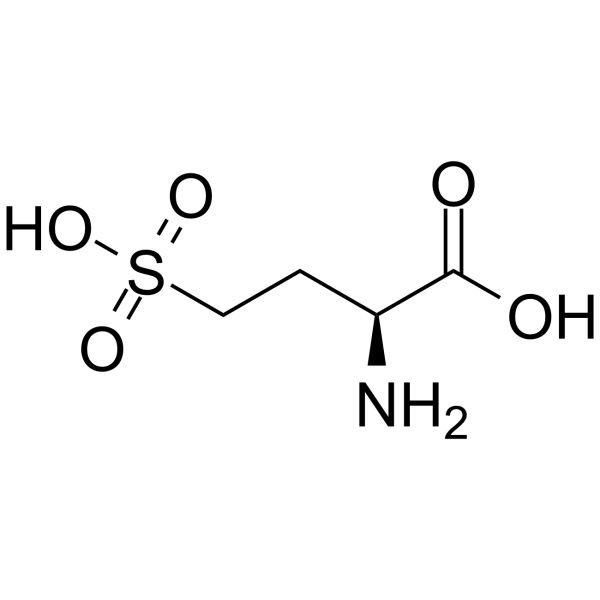 0 ImagesSynonyms: L-HCAL-Homocysteic acid (L-HCA) is an endogenous excitatory amino acid that acts as a NMDA receptor agonist (EC50: 14 μM). L-Homocysteic acid is neurotoxic, and can be used in the research of neurological disorders.
-
Rislenemdaz
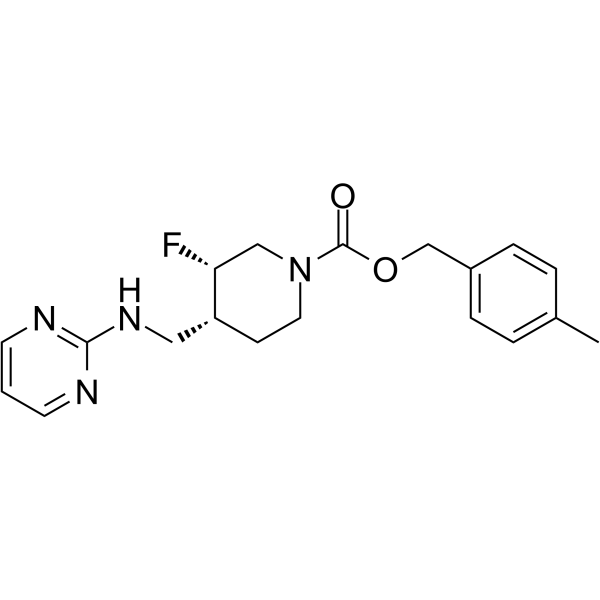 0 ImagesSynonyms: MK-0657; CERC-301Rislenemdaz (CERC-301) is an orally bioavailable and selective N-methyl-D-aspartate (NMDA) receptor subunit 2B (GluN2B) antagonist with Ki and IC 50 of 8.1 nM and 3.6 nM, respectively.
-
L-Aspartic acid potassium
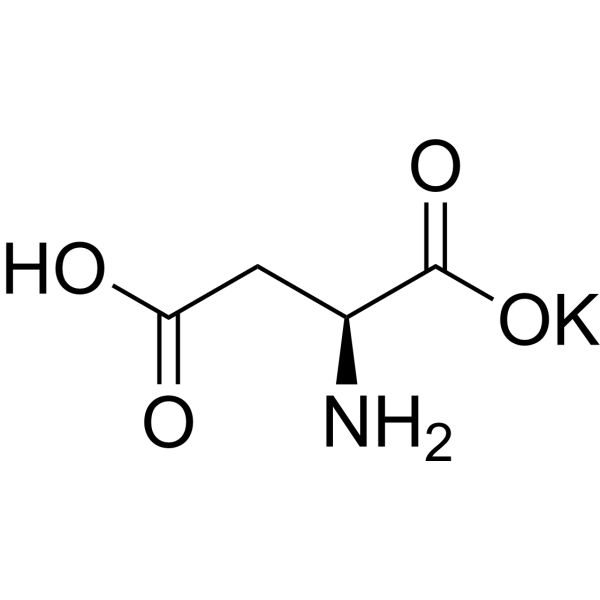 0 ImagesL-Aspartic acid potassium (potassium L-aspartate) is a NMDA receptor agonist and acidic amino acid. L-Aspartic acid potassium has no independent analgesic activity. L-Aspartic acid potassium can antagonize the analgesic effects of D-Aspartic acid and Morphine. L-Aspartic acid potassium regulates polymorph transformation, crystal growth/aggregation and nucleation processes of calcium carbonate, and can serve as a biomineralization template. L-Aspartic acid potassium promotes burst firing of central neurons. L-Aspartic acid potassium can be used in studies related to cerebral ischemia and epilepsy.
-
LQFM215
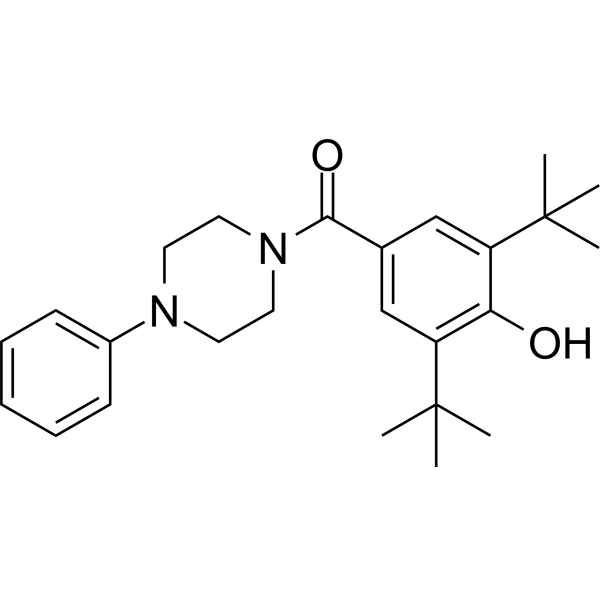 0 ImagesLQFM215 is a proline transporter (PROT) inhibitor. LQFM215 inhibits proline transport by competitively binding to the active site of PROT. LQFM215 effectively reduces hyperlocomotion and enhances social interaction.
-
Dimethyl L-glutamate hydrochloride
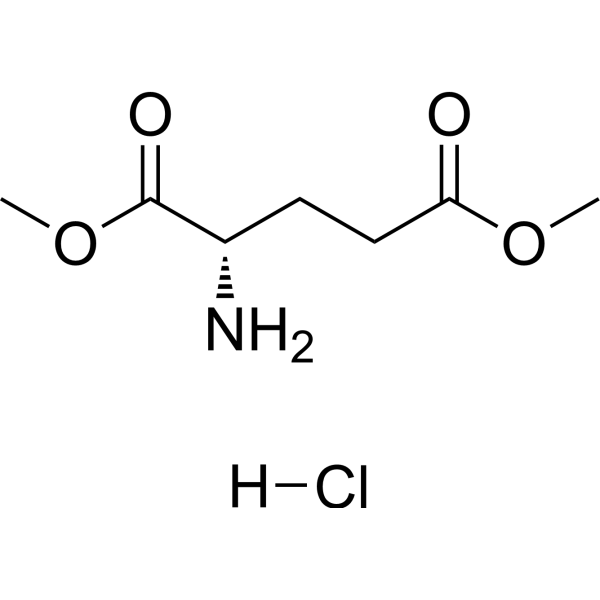 0 ImagesCat. No.: HY-Y0749CAS No.: 23150-65-4Synonyms: Dimethyl glutamate hydrochlorideDimethyl L-glutamate hydrochloride (Dimethyl glutamate hydrochloride) is a NMDA receptor ligand and a cell membrane-permeable glutamate precursor. Dimethyl L-glutamate hydrochloride binds to NMDA receptors to regulate osteoblast maturation, and promotes osteoblast proliferation, adhesion, extracellular calcium deposition, and alkaline phosphatase activity. Dimethyl L-glutamate hydrochloride replenishes the glutamate pool in insulin-secreting β cells. Dimethyl L-glutamate hydrochloride can be used in research related to bone defects and non-insulin-dependent diabetes mellitus.
-
L-Glutamic acid ammonium
 0 ImagesL-Glutamic acid ammonium is an excitatory amino acid neurotransmitter that acts as an agonist for all subtypes of glutamate receptors (metabolic rhodophylline, NMDA, and AMPA). L-Glutamic acid ammonium has an agonist effect on the release of DA from dopaminergic nerve endings. L-Glutamic acid can be used in the study of neurological diseases. L-Glutamic acid ammonium acts at ionotropic and?metabotropic glutamate receptors.
-
N,N-Dimethylglycine-d6 hydrochloride
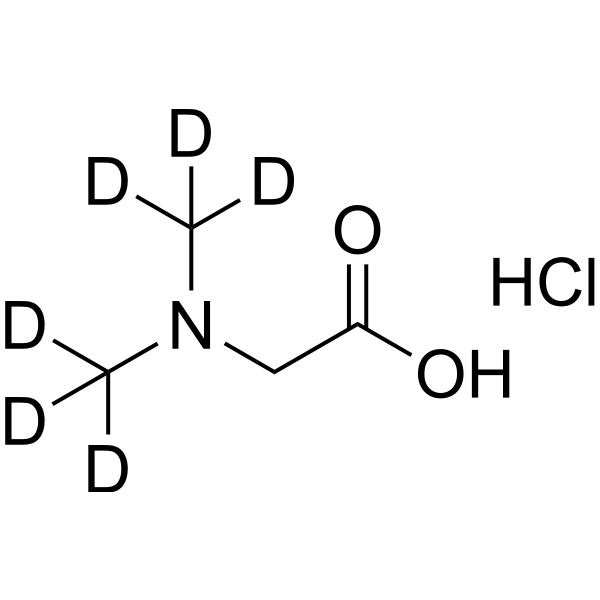 0 ImagesSynonyms: Dimethylglycine-d6 hydrochloride; DMG-d6 hydrochloride; N-Methylsarcosine-d6 hydrochlorideN,N-Dimethylglycine-d6 (Dimethylglycine-d6) hydrochloride is the deuterium labeled N,N-Dimethylglycine hydrochloride (HY-W001158). N,N-Dimethylglycine (Dimethylglycine) hydrochloride, a natural N-methylated glycine, is a nutrient supplement and acts as an NMDAR glycine site partial agonist. N,N-Dimethylglycine hydrochloride is a methyl donor that can improve immunity, act as an antioxidant to prevent oxidative stress, and scavenge excess free radicals. N,N-Dimethylglycine hydrochloride has antidepressant-like and surfactant effects.
-
Plazinemdor
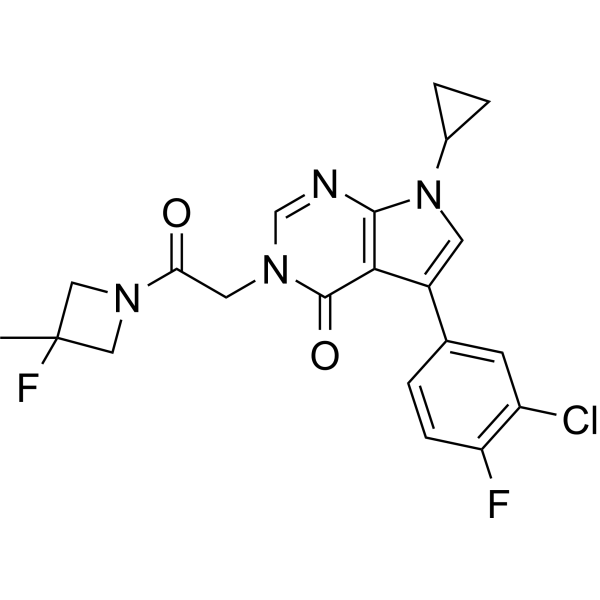 0 ImagesCat. No.: HY-139580CAS No.: 2378285-59-5Synonyms: CAD-9303Plazinemdor (CAD-9303) is a positive allosteric modulator of N-methyl-D-aspartate (NMDA) receptors, which is used in the research of neurological diseases.
-
Simufilam hydrochloride
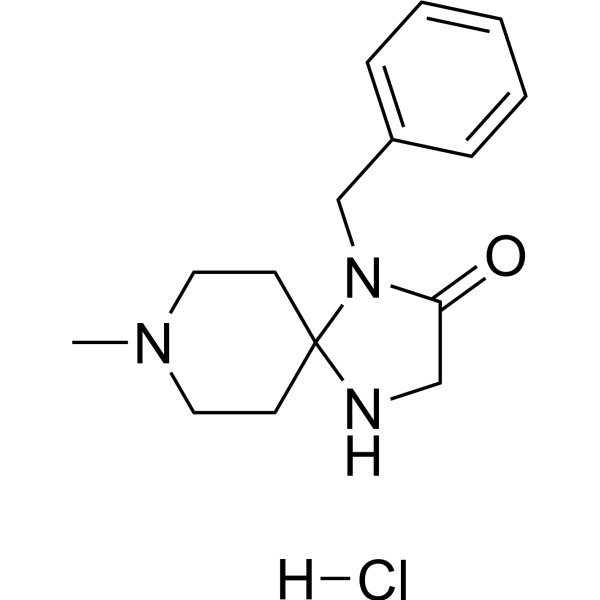 0 ImagesSynonyms: PTI-125 hydrochlorideSimufilam hydrochloride (PTI-125 hydrochloride) is an orally active FLNA modulator. Simufilam hydrochloride restores NMDAR signaling and Arc expression. Simufilam hydrochloride inhibits overactive mTOR signaling by restoring the normal conformation of FLNA, improves insulin sensitivity, reduces Aβ42-induced neuroinflammation and tau protein hyperphosphorylation. Simufilam hydrochloride can be used for research of Alzheimer's disease.
-
NP10679
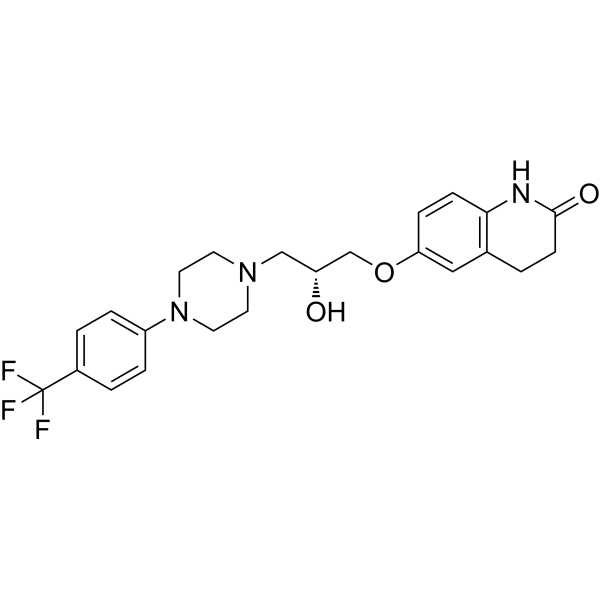 0 ImagesCat. No.: HY-148825Purity: 98.40%NP10679 is a selective, pH dependent GluN2B subunit-specific N-methyl-D-aspartate (NMDA) receptor inhibitor with high oral bioavailability and good brain penetration. NP10679 inhibits GluN2B with IC50s of 23 and 142 nM at pH 6.9 and 7.6, respectively. NP10679 is a histamine H1 antagonist and a hERG channel inhibitor with IC50s of 73 and 620 nM, respectively. NP10679 is a reversible inhibitor of human liver CYP enzymes.
-
LY-404187
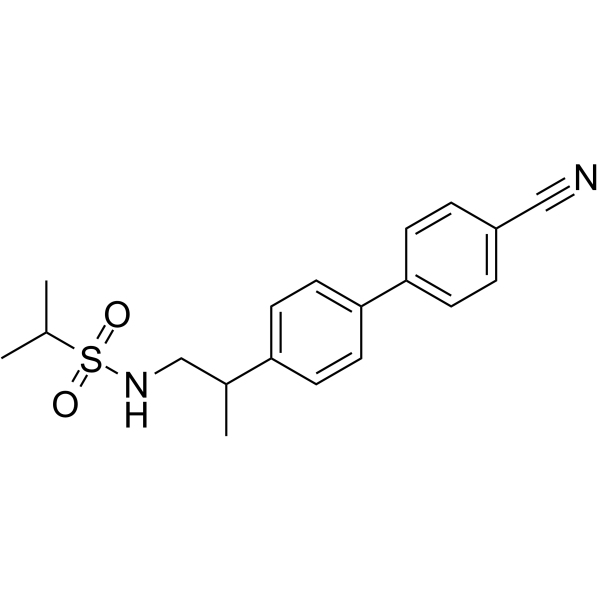 0 ImagesLY-404187 is a potent, selective and centrally active positive allosteric modulator of AMPA receptors, with the EC50s of 5.65, 0.15, 1.44, 1.66 and 0.21 µM for GluR1i, GluR2i, GluR2o, GluR3i and GluR4i, respectively. LY-404187 has therapeutic potential in a number of psychiatric disorders and neurodegenerative diseases.
-
CX614
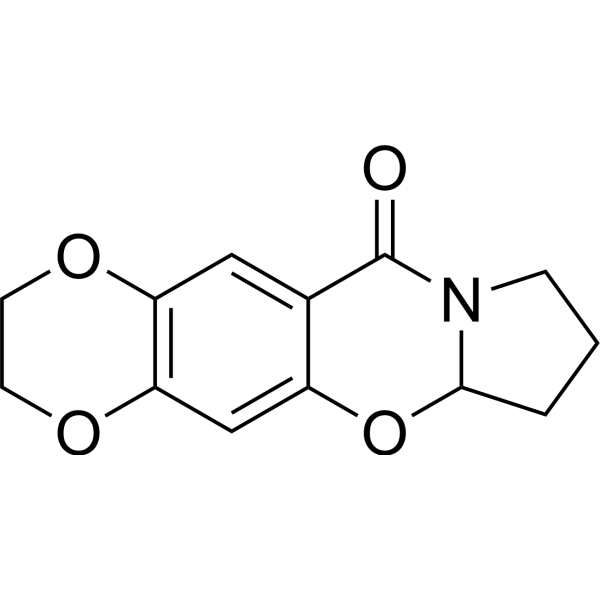 0 ImagesCX614 is a positive variant modulator of AMPA receptors that enhances excitatory postsynaptic potentials (amplitude and duration) by blocking and slowing the inactivation of responses to glutamate and automatically evokes excitatory postsynaptic currents in neuronal cultures. CX614 can be used in the study of psychiatric disorders such as depression.
-
Apimostinel
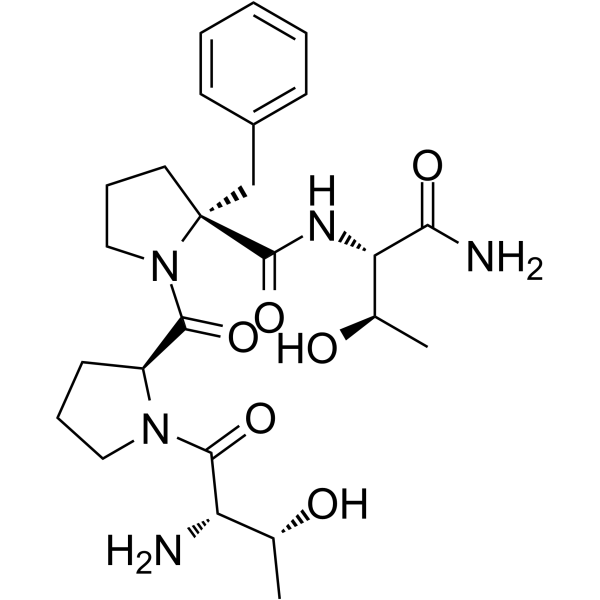 0 ImagesSynonyms: NRX-1074; AGN-241660Apimostinel (NRX-1074; AGN-241660) is an orally active NMDA receptor partial agonist.
-
gamma-DGG
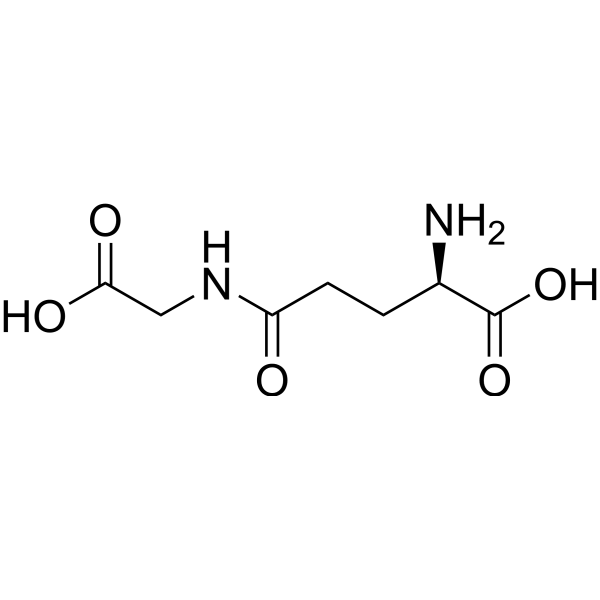 0 Imagesgamma-DGG is a competitive AMPA receptor blocker.
-
L-Phenylalanine-13C9,15N
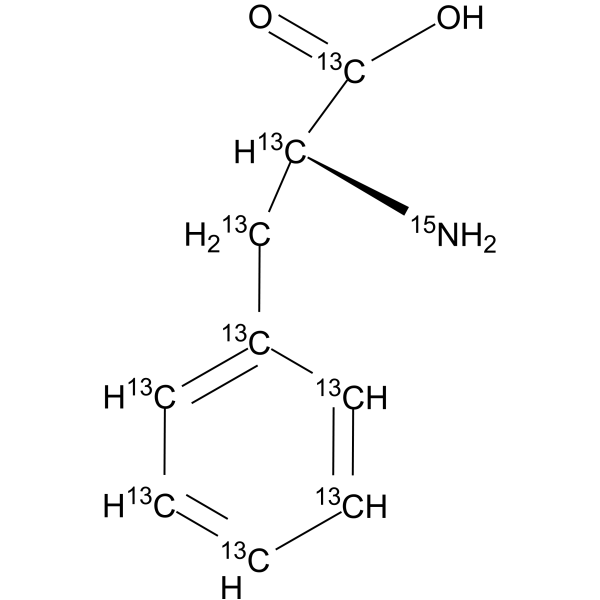 0 ImagesSynonyms: (S)-2-Amino-3-phenylpropionic acid-13C9,15NL-Phenylalanine-13C9,15N is the 13C- and 15N-labeled L-Phenylalanine. L-Phenylalanine ((S)-2-Amino-3-phenylpropionic acid) is an essential amino acid isolated from Escherichia coli. L-Phenylalanine is a α2δ subunit of voltage-dependent Ca+ channels antagonist with a Ki of 980 nM. L-phenylalanine is a competitive antagonist for the glycine- and glutamate-binding sites of N-methyl-D-aspartate receptors (NMDARs) (KB of 573 μM ) and non-NMDARs, respectively. L-Phenylalanine is widely used in the production of food flavors and pharmaceuticals.
-
BPAM344
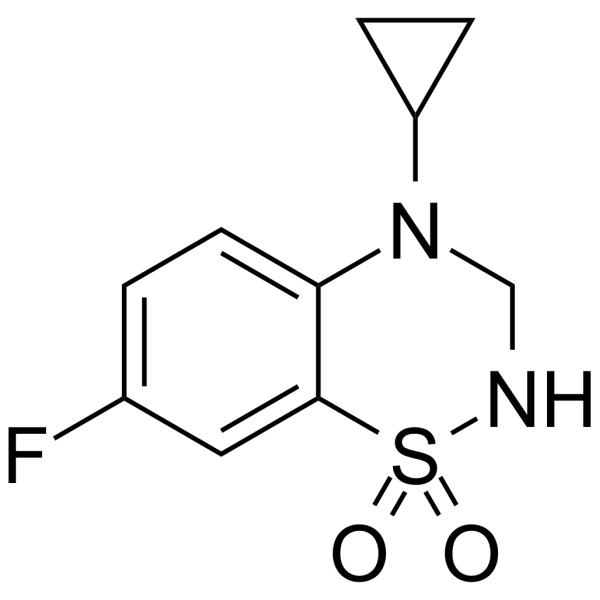 0 ImagesBPAM344 is a kainate receptor (KAR) subunits GluK1b, GluK2a, and GluK3a positive allosteric modulator (PAM).
-
Brophenexin
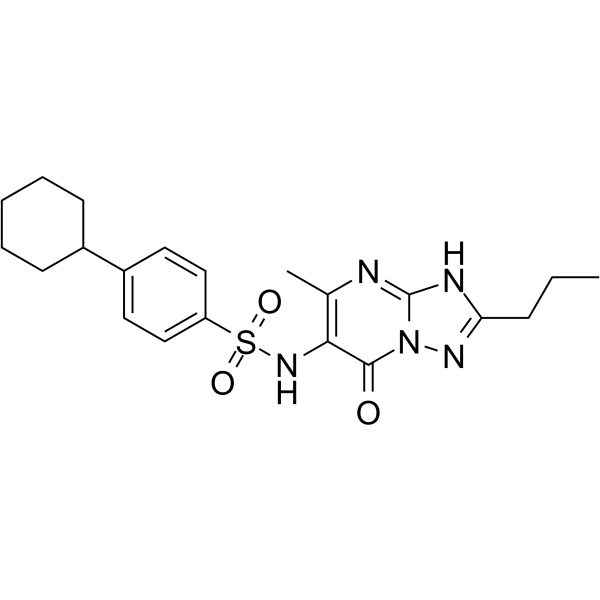
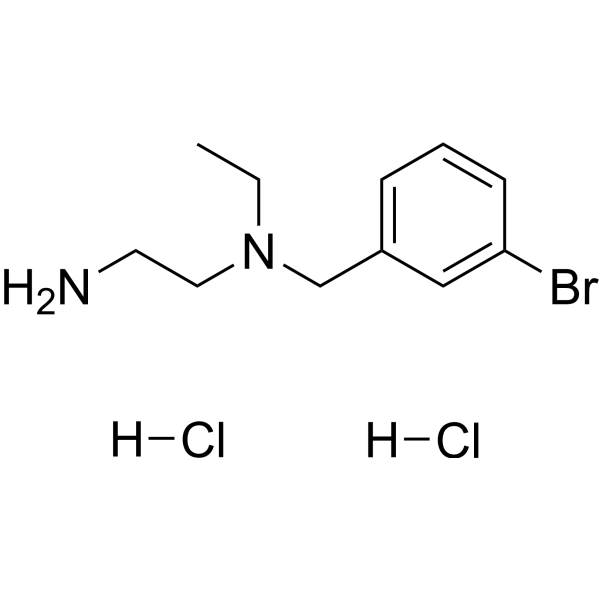 0 ImagesSynonyms: NMDAR/TRPM4-IN-2Brophenexin (compound 8) is a potent NMDAR/TRPM4 interaction interface inhibitor. Brophenexin shows neuroprotective activity. Brophenexin prevents NMDA-induced cell death and mitochondrial dysfunction in hippocampal neurons, with an IC50 of 2.1 μM. Brophenexin protects mice from MCAO-induced brain damage and NMDA-induced retinal ganglion cell loss.
-
Philanthotoxin 74 dihydrochloride
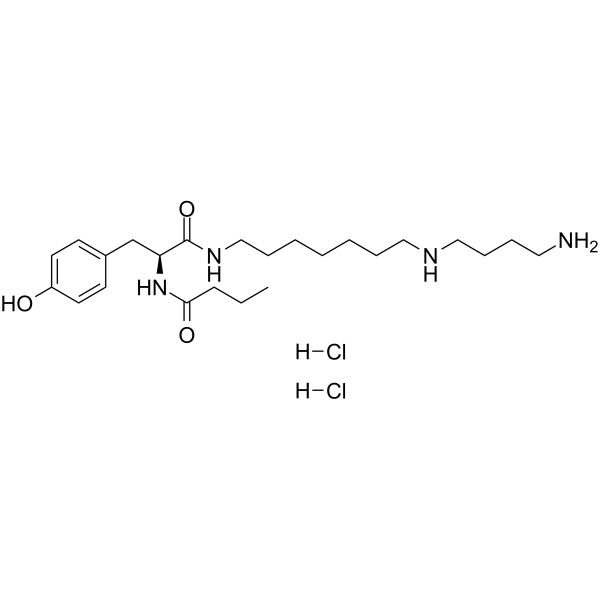 0 ImagesSynonyms: PhTx 74 dihydrochloridePhilanthotoxin 74 dihydrochloride (PhTx 74) is an AMPAR antagonist; inhibits GluR3 and GluR1 with IC50s of 263 and 296 nM, respectively.




