



Mitochondrial Metabolism
Mitochondria use multiple carbon fuels to produce ATP and metabolites, including pyruvate, which is generated from glycolysis; amino acids such as glutamine; and fatty acids. These carbon fuels feed into the TCA cycle in the mitochondrial matrix to generate the reducing equivalents NADH and FADH2, which deliver their electrons to the electron transport chain. Mitochondria are complex organelles that play an important role in many facets of cellular function, from metabolism to immune regulation and cell death. Mitochondria are actively involved in a wide variety of cellular processes and molecular interactions, such as calcium buffering, lipid flux, and intracellular signaling. It is increasingly recognized that mitochondrial dysfunction is a hallmark of many diseases such as obesity/diabetes, cancer, cardiovascular and neurodegenerative diseases. Mitochondrial metabolism is a key determinant of tumor progression by impacting on functions such as epithelial-to-mesenchymal transition. Mitochondrial metabolism and derived oncometabolites shape the epigenetic landscape to alter aggressiveness features of cancer cells. Changes in mitochondrial metabolism are relevant for the survival of tumors in response to therapy.
All Product Categories
-
Mitochondrial Metabolism Related Products (635)
Related Products (635)

-
Antibodies (52)
-
Related Compound Screening Libraries (2)
-
1-Hexanol-d13
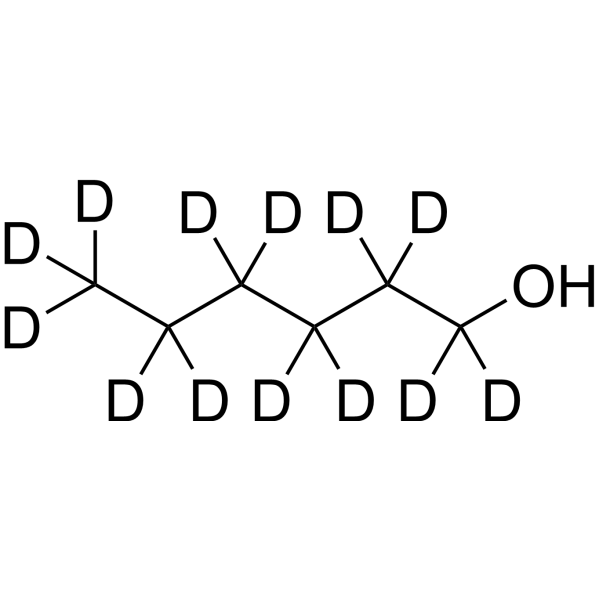 0 ImagesCat. No.: HY-W032022SCAS No.: 204244-84-81-Hexanol-d13 is the deuterium labeled 1-Hexanol. 1-Hexanol, a primary alcohol, is a surfactant that can be employed in industrial processes to enhance interfacial properties. 1-Hexanol uncouples mitochondrial respiration by a non-protonophoric mechanism.
-
Diplacone
 0 ImagesSynonyms: Nymphaeol A; Propolin CDiplacone is an orally active geranyl flavanone. It is isolated from the fruits of Paulownia tomentosa. Diplacone reduces COX-2 levels and increases the pro-MMP2/MMP2 ratio. It induces ferroptosis-mediated cell death. Diplacone enhances mitochondrial Ca2+ influx and ROS production. It possesses anti-inflammatory and free radical-scavenging activities. Diplacone can be used in research related to ulcerative colitis and non-small cell lung cancer.
-
1-Hexanol-d11
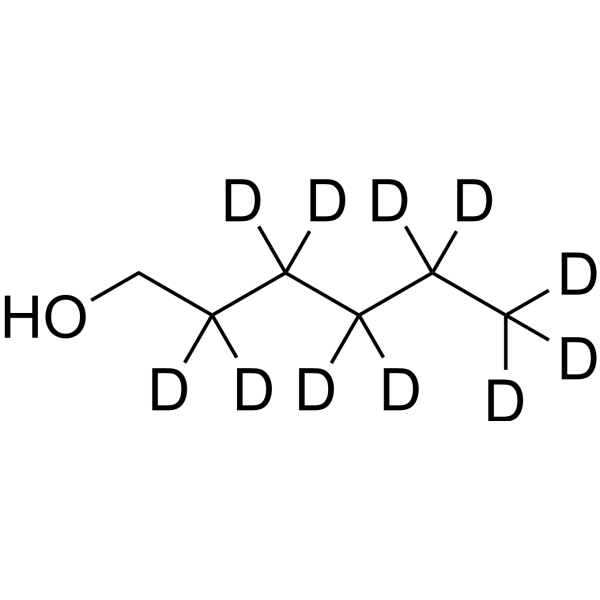 0 Images1-Hexanol-d11 is the deuterium labeled 1-Hexanol. 1-Hexanol, a primary alcohol, is a surfactant that can be employed in industrial processes to enhance interfacial properties. 1-Hexanol uncouples mitochondrial respiration by a non-protonophoric mechanism.
-
Boscalid-d4
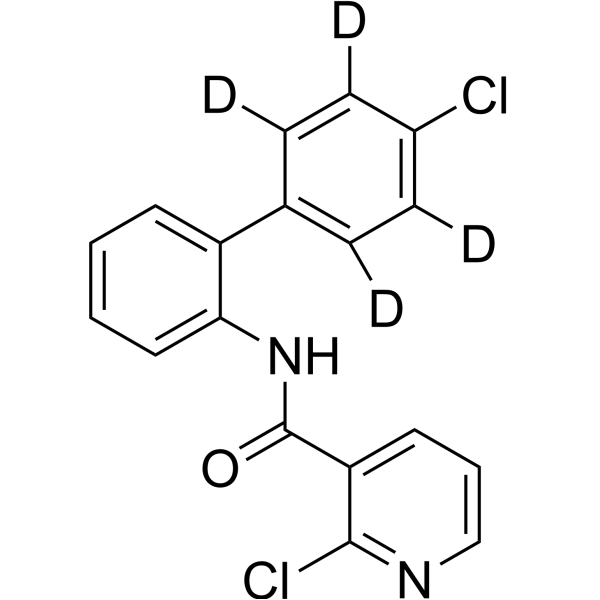 0 ImagesBoscalid-d4 is the deuterium labeled Boscalid. Boscalid is a succinate dehydrogenase (SDHI) inhibitor with antifungal activity. Boscalid binds to the ubiquinone-binding site of fungal mitochondrial complex II, blocks ATP production and aerobic respiration, exhibits good control efficacy against a variety of plant fungal diseases including gray mold, sclerotinia rot and powdery mildew, and is widely used for disease control in agriculture. Boscalid induces apoptosis, altered lipid metabolism, mitochondrial dysfunction, respiratory impairment, oxidative stress, ROS accumulation and neurodevelopmental disorders in zebrafish. Boscalid reduces foraging ability, shortens median death time and causes chronic toxicity in exposed honeybees. Boscalid also possesses genotoxicity, cytotoxicity, elevated mitochondrial superoxide levels and early-stage apoptosis.
-
2,6-Dichloro-4-nitroaniline
 0 Images2,6-Dichloro-4-nitroaniline is an orally active Herbicide, Fungicide and uncoupler. 2,6-Dichloro-4-nitroaniline uncouples oxidative phosphorylation and inhibits electron transport. 2,6-Dichloro-4-nitroaniline induces biphenyl hydroxylase activity in rat liver. 2,6-Dichloro-4-nitroaniline increases the relative liver weight of rats via hepatomegaly without altering their body weight.
-
LY-266500
 0 ImagesLY-266500 is a succinyl CoA synthetase (SCS) specific inhibitor. LY-266500 has inhibitory effects on various parasites, such as Trypanosoma brucei brucei (IC50 =0.6 μM) and Leishmania donovani (IC50 =2.86 μM). LY-266500 can be used for research on parasitic infections.
-
Ciprofloxacin hydrochloride monohydrate (Standard)
 0 ImagesSynonyms: Bay-09867 hydrochloride monohydrate (Standard)Ciprofloxacin (hydrochloride monohydrate) (Standard) is the analytical standard of Ciprofloxacin (hydrochloride monohydrate). This product is intended for research and analytical applications. Ciprofloxacin (Bay-09867) hydrochloride monohydrate is a potent, orally active topoisomerase IV inhibitor. Ciprofloxacin hydrochloride monohydrate induces mitochondrial DNA and nuclear DNA damage and lead to mitochondrial dysfunction, ROS production. Ciprofloxacin hydrochloride monohydrate has anti-proliferative activity and induces apoptosis. Ciprofloxacin hydrochloride monohydrate is a fluoroquinolone antibiotic, exhibiting potent antibacterial activity.
-
Mocravimod
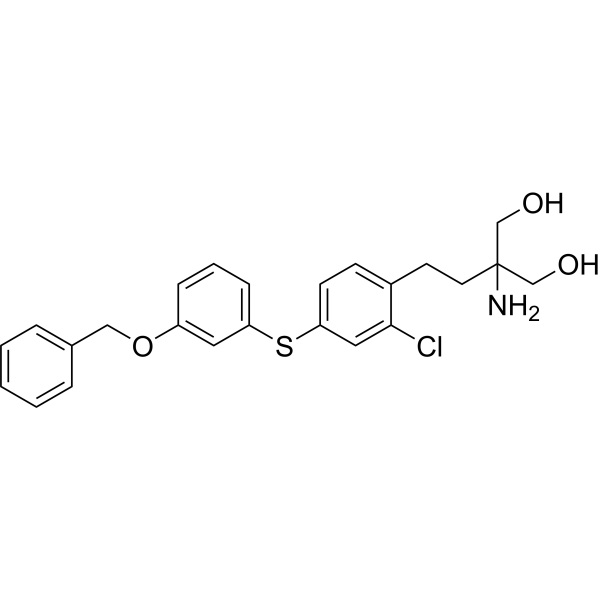 0 ImagesSynonyms: KRP-203 free baseMocravimod (KRP-203 free base) is a sphingosine-1-phosphate receptor (S1PR) modulator that blocks the signal required by T cells to egress from lymph nodes and other lymphoid organs. Mocravimod preferentially binds to S1PR1 over S1PR2 and S1PR3 in cardiomyocytes. Mocravimod significantly lowered the concentration of reactive oxygen species (ROS), prevented mitochondrial permeability transition pore opening, boosted mitochondrial membrane potential (MMP), and increased phosphorylation of AKT, EKR, GSK-3β, JAK2, and STAT3. Mocravimod retains T cell effector function. Mocravimod can be used for the study of acute myelogenous leukemia, diabetes and Myocardial Ischemia-Reperfusion Injury (MIRI).
-
GD3 Ganglioside (bovine brain) sodium
 0 ImagesCat. No.: HY-157343AGD3 Ganglioside sodium is an Apoptosis inducer and biomarker for mouse neural stem cells. GD3 Ganglioside sodium expresses in neural stem cells and the subventricular zone of the adult mouse brain. GD3 Ganglioside sodium targets the mitochondrial permeability transition pore complex, induces pore opening, dissipates mitochondrial transmembrane potential, triggers Mitochondrial swelling, releases pro-apoptotic factors, and activates Caspase-9. GD3 Ganglioside sodium is applicable to research related to glioblastoma.
-
Copper ionophore I
 0 ImagesCopper ionophore I is an efficient copper ion carrier. Copper ionophore I can regulate various intracellular copper levels to induce cuproptosis, such as 4T1 (IC50 = 0.45 μM) and MDA-MB-231(IC50 = 1.21 μM) cells. Copper ionophore I can induce an increase in ROS and cause mitochondrial dysfunction. Copper ionophore I can reduce the expression of FDX1, DLAT, and LIAS proteins. Copper ionophore I can activate immune related pathways and promote T cell infiltration. Copper ionophore I can be used for cancer research.
-
M084
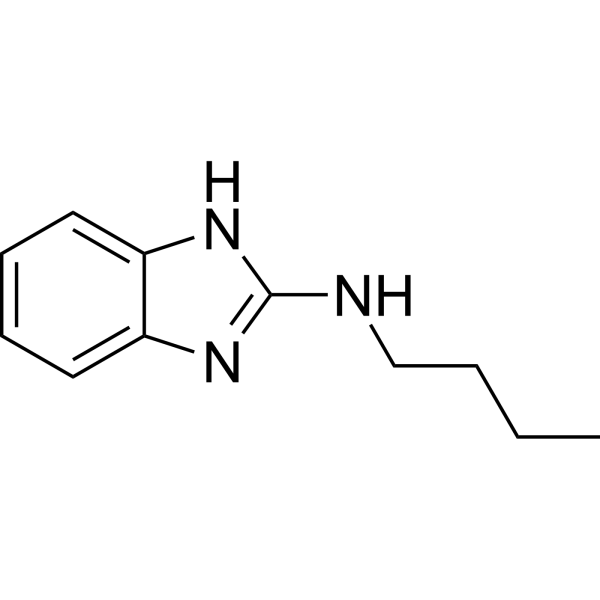 0 ImagesCat. No.: HY-133859CAS No.: 51314-51-3M084 is a benzimidazole derivative. M084 inhibits the mitochondrial respiration, activate mitochondrial unfolded protein response and AMPK, recruites SIR-2.1 and SKN-1, and finally through the transcription factor DAF-16, delays the aging process of C. elegans.
-
GD3 Ganglioside (bovine buttermilk) ammonium
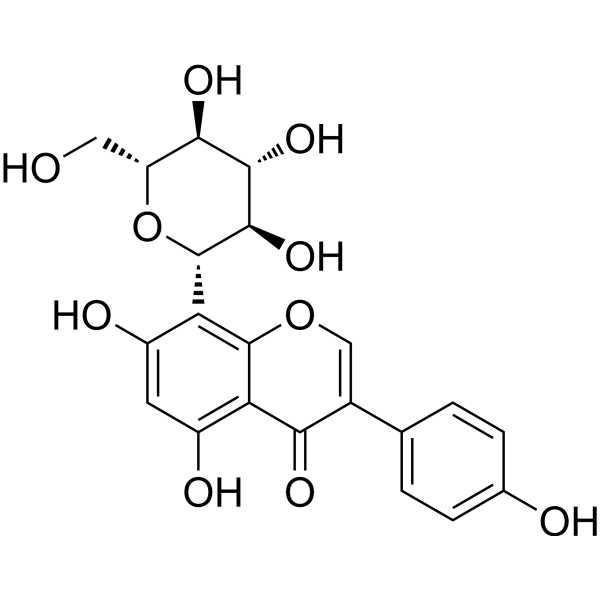
 0 ImagesCat. No.: HY-157343BPurity: 98.00%GD3 Ganglioside ammonium is an Apoptosis inducer and biomarker for mouse neural stem cells. GD3 Ganglioside ammonium expresses in neural stem cells and the subventricular zone of the adult mouse brain. GD3 Ganglioside ammonium targets the mitochondrial permeability transition pore complex, induces pore opening, dissipates mitochondrial transmembrane potential, triggers Mitochondrial swelling, releases pro-apoptotic factors, and activates Caspase-9. GD3 Ganglioside ammonium is applicable to research related to glioblastoma.
-
(3S,4R)-ME-344
 0 Images(3S,4R)-ME-344 is the (3S,4R)-enantiomer of ME-344 (HY-112749). ME-344 is a mitochondrial Heme oxygenase 1 (HO-1) inhibitor. ME-344 specifically binds and alters HO-1 structure, and increases HO-1 translocation from the rough endoplasmic reticulum to mitochondria, but only in drug-sensitive cells (such as H460 and SHP-77 cells). ME-344 decreases mitochondrial ATP production and induces ROS, with subsequent disruption of redox homeostasis and mitochondrial function. ME-344 has significant antitumor activity, and can be used for cancers like breast cancer research.
-
Coumarin–quinone conjugate
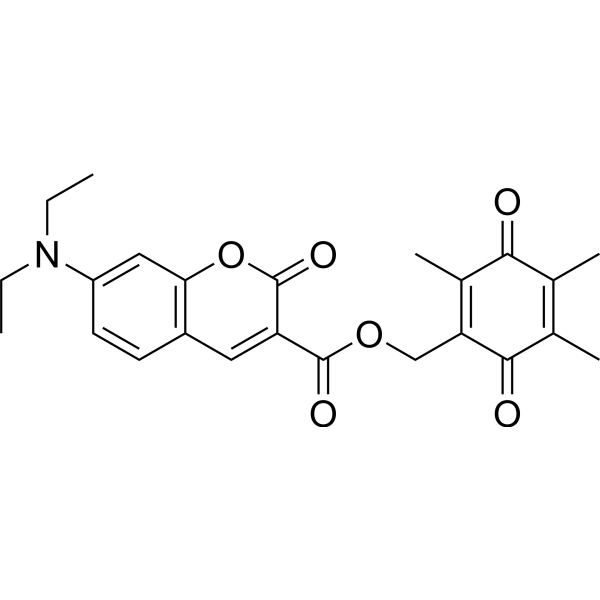 0 ImagesCoumarin–quinone conjugate is a fluorescent substrate for NADH:ubiquinone oxidoreductases which consists of a coumarin fluorophore and a ubiquinone analog. Coumarin–quinone conjugate can be used to measure the kinetic parameters of AIFM2/FSP1 for researches such as ferroptosis.
-
NADH-IN-1
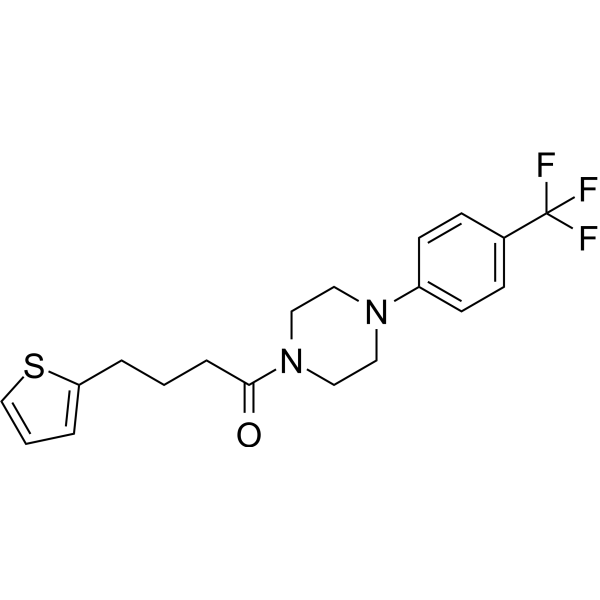 0 ImagesNADH-IN-1 has NADH:ubiquinone oxidoreductase inhibitory activity with an IC50 value of 27 μM. NADH-IN-1 can effectively stimulate glucose uptake in vitro. NADH-IN-1 is readily metabolised by the liver. NADH-IN-1 can be used for researching diabetes.
-
Coptisine
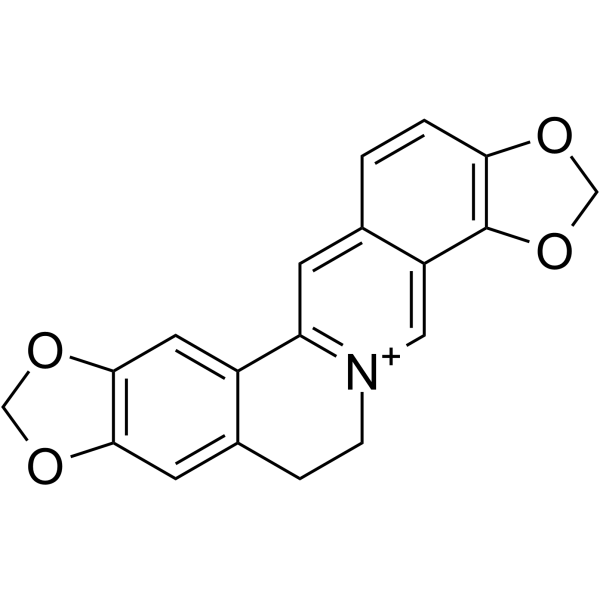 0 ImagesCoptisine is an orally active and brain-penetrant alkaloid found in Coptis chinensis. Coptisine is a reversible, uncompetitive IDO inhibitor with a Ki of 5.8 μM and an IC50 of 6.3 μM. Coptisine suppresses neuroinflammation, reduces Aβ plaque burden and shows neuroprotective activity. Coptisine shows anti-inflammation activity by blocking NF-κB, MAPK, and PI3K/Akt activation. Coptisine inhibits cancer cells proliferation, induces DNA damage, G2/M phase cell cycle arrest, apoptosis, ROS production and mitochondrial dysfunction. Coptisine inhibits Rho/ROCK pathway activation, reduces arrhythmia, limits cardiac injury marker release, reduces infarct size, and preserves cardiac function in rat myocardial ischemia/reperfusion models. Coptisine downregulates HMGCR and upregulates LDLR and CYP7A1 to modulate cholesterol metabolism, reduces abnormal serum lipid levels, and promotes fecal bile acid excretion. Coptisine can be used for the research of cancer, hypercholesterolemia, Alzheimer’s disease, inflammatory disorders and cardiovascular disease.
-
BMT-297376
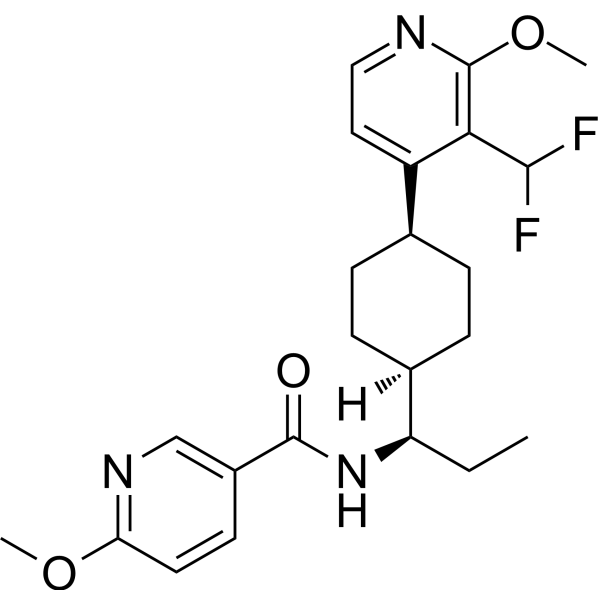 0 ImagesBMT-297376 is an optimized derivative of Linrodostat (HY-101560). BMT-297376 inhibits IDO1 and the ubiquinone (Q) site of mitochondrial respiratory chain complex I. BMT-297376 is suitable for tumor immunology-related research.
-
Thiabendazole-13C6
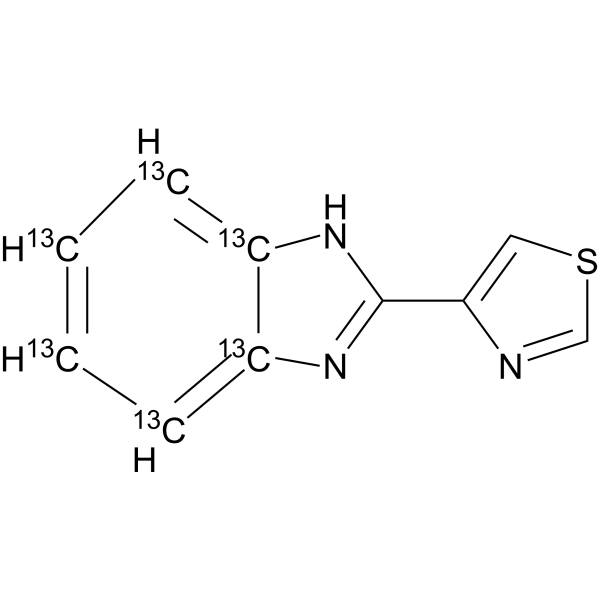 0 ImagesSynonyms: 2-(4-Thiazolyl)benzimidazole-13C6Thiabendazole-13C6 is the 13C6 labeled Thiabendazole. Thiabendazole inhibites the mitochondrial helminth-specific enzyme, fumarate reductase, with anthelminthic property.
-
Nerol (Standard)
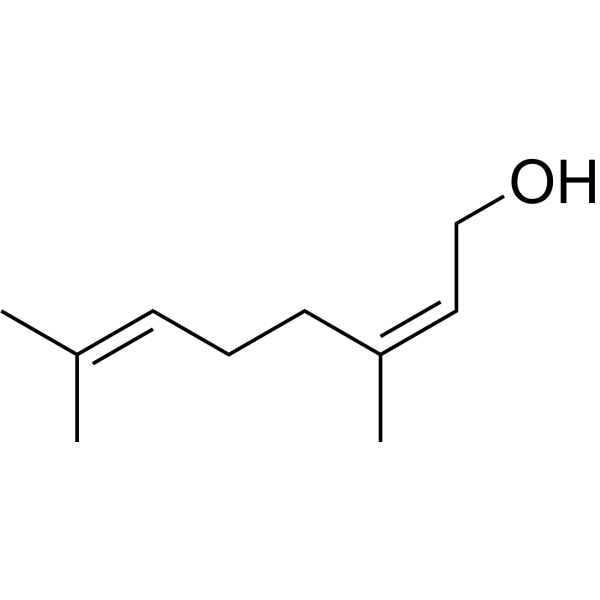 0 ImagesNerol (Standard) is the analytical standard of Nerol. This product is intended for research and analytical applications. Nerol is a constituent of neroli oil. Nerol Nerol triggers mitochondrial dysfunction and induces apoptosis via elevation of Ca2+ and ROS. Antifungal activity.




