



Mitochondrial Metabolism Modulator
- 1
- 2
-
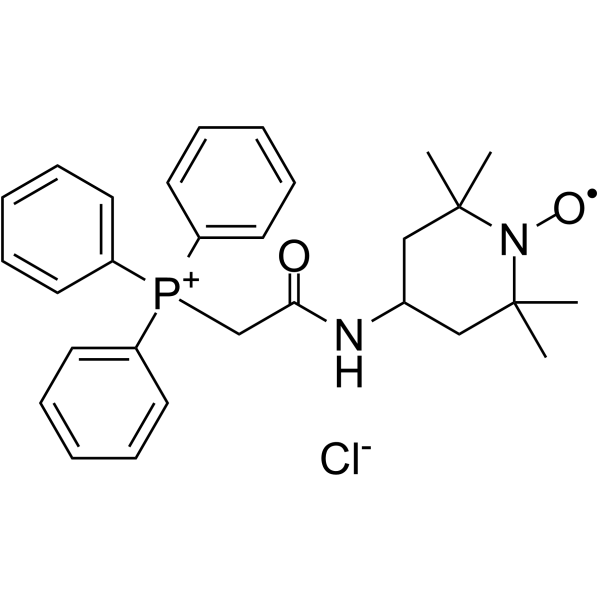
Mito-TEMPO
 0 Images
Mito-TEMPO is a mitochondria-targeted antioxidant. Mito-TEMPO induces mitophagy by activating the PINK1/Parkin pathway, inhibits NLRP3 inflammasome activation, restores mitochondrial membrane potential, and improves renal function and podocyte injury. Mito-TEMPO regulates Ca2+ homeostasis, inhibits Bnip3 overexpression, shortens action potential duration, and exerts antiarrhythmic effects. Mito-TEMPO reverses premature senescence, reduces trabecular bone loss, and decreases cell apoptosis. Mito-TEMPO can be used in studies of chronic kidney disease, age-related cardiac dysfunction, postmenopausal osteoporosis, and ischemic stroke.
-
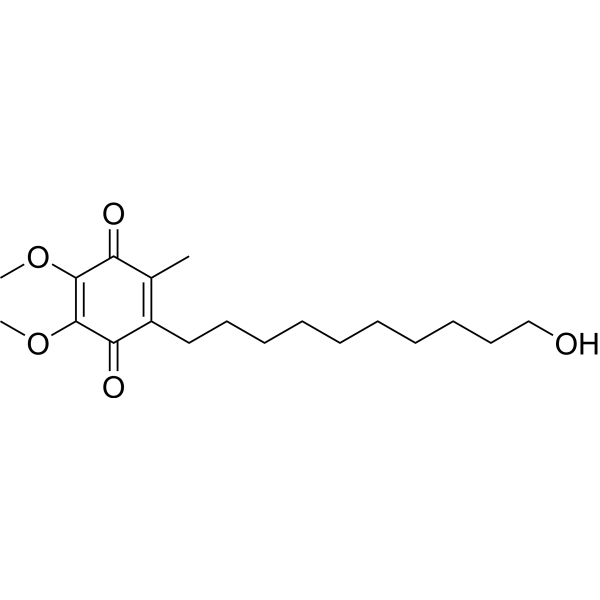
Idebenone
 0 Images
Idebenone, a well-appreciated mitochondrial protectant, exhibits protective efficacy against neurotoxicity and can be used for the research of Alzheimer's disease, Huntington's disease. Idebenone (oxidised form) has a dose-dependent inhibitory effect on the enzymatic metabolism of arachidonic acid in astroglial homogenates (IC50=16.65 μM). Idebenone, a coenzyme Q10 analog and an antioxidant, induces apoptotic cell death in the human dopaminergic neuroblastoma SHSY-5Y cells. Idebenone quickly crosses the blood-brain barrier.
-
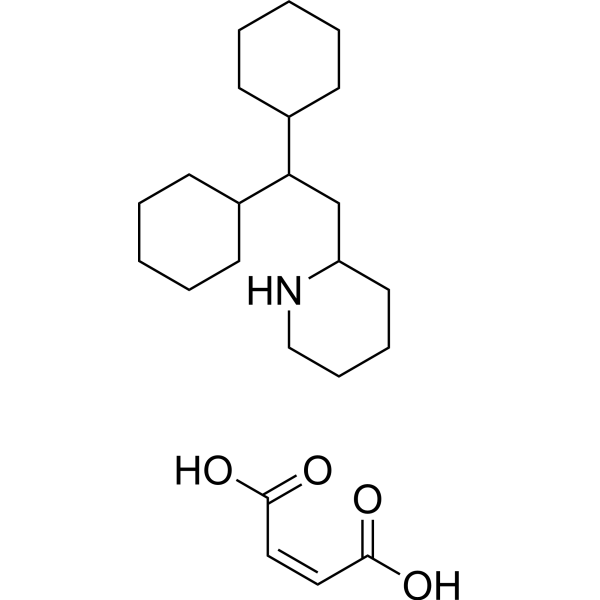
Perhexiline maleate
 0 Images
Perhexiline maleate is an orally active CPT1 and CPT2 inhibitor that reduces fatty acid metabolism. Perhexiline maleate induces mitochondrial dysfunction and apoptosis in hepatic cells. Perhexiline maleate can cross the blood brain barrier (BBB) and shows anti-tumor activity. Perhexiline maleate can be used in the research of cancers, and cardiovascular disease like angina.
-
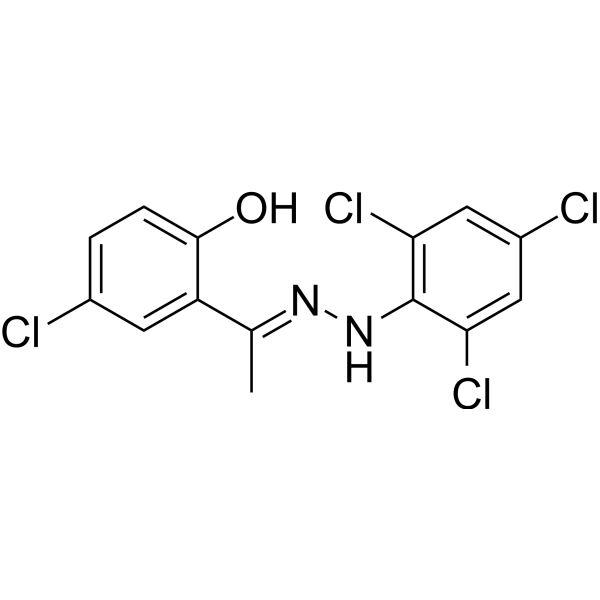
Mitochondrial fusion promoter M1
 0 Images
Mitochondrial fusion promoter M1 is a mitochondrial dynamic modulator. Mitochondrial fusion promoter M1 preserves the mitochondrial function and promotes cellular respiration. Mitochondrial fusion promoter M1 alleviates cardiac and brain damage in rats with cardiac ischemia/reperfusion injury.
-
Acetylcarnitine
 0 Images
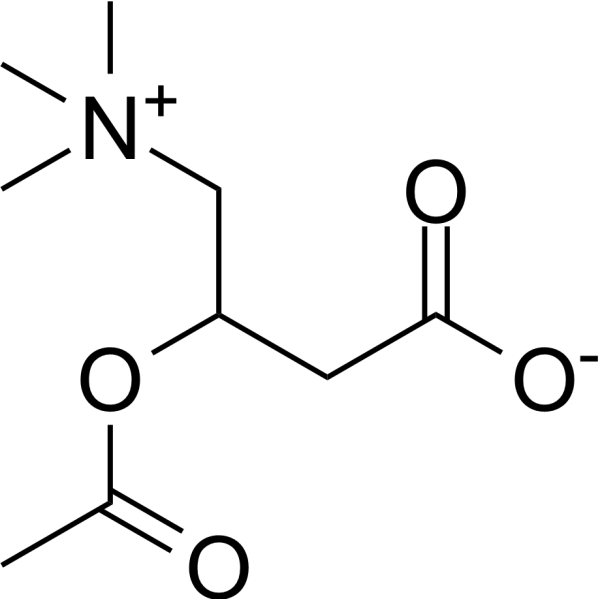
Acetylcarnitine is a CNS-penetrant endogenous metabolite. Acetylcarnitine shuttling links mitochondrial metabolism to histone acetylation and lipogenesis. Acetylcarnitine attenuates oxidative stress and neuroinflammation. Acetylcarnitine can be used for fatigue-associated diseases research. Acetylcarnitine can be used as a candidate diagnostic and prognostic biomarker of hepatocellular carcinoma.
-
MitoTEMPO hydrate
 0 Images
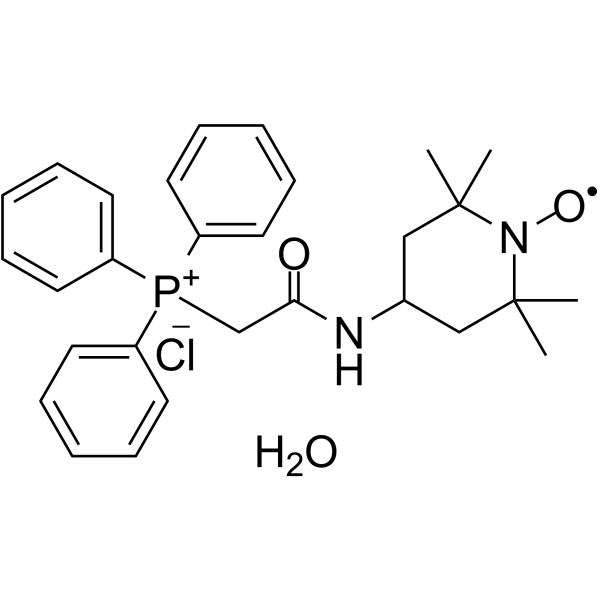
MitoTEMPO hydrate is a mitochondria-targeted antioxidant. MitoTEMPO hydrate induces mitophagy by activating the PINK1/Parkin pathway, inhibits NLRP3 inflammasome activation, restores mitochondrial membrane potential, and improves renal function and podocyte injury. MitoTEMPO hydrate regulates Ca2+ homeostasis, inhibits Bnip3 overexpression, shortens action potential duration, and exerts antiarrhythmic effects. MitoTEMPO hydrate reverses premature senescence, reduces trabecular bone loss, and decreases cell apoptosis. MitoTEMPO hydrate can be used in studies of chronic kidney disease, age-related cardiac dysfunction, postmenopausal osteoporosis, and ischemic stroke.
-
Mitochonic acid 5
 0 ImagesSynonyms: MA-5
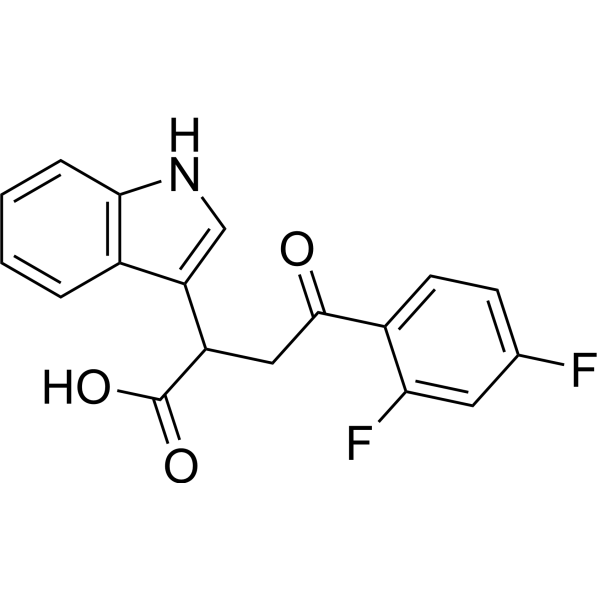
Mitochonic acid 5 binds mitochondria and ameliorates renal tubular and cardiac myocyte damage. Mitochonic acid 5 modulates mitochondrial ATP synthesis.
-
KL1333
 0 Images
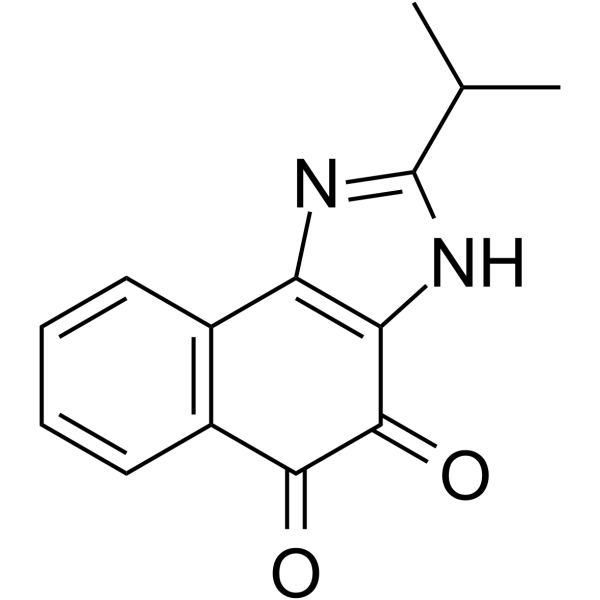
KL1333, a derivative of β-lapachone, is an orally available NAD+ modulator. KL1333 reacts with NAD(P)H:quinone oxidoreductase 1 (NQO1) as a substrate, resulting in increases in intracellular NAD+ levels via NADH oxidation. KL1333 improves energy metabolism and mitochondrial dysfunction in MELAS fibroblasts. KL1333 protects against Cisplatin-induced ototoxicity in mouse cochlear cultures.
-
AGN 192403 hydrochloride
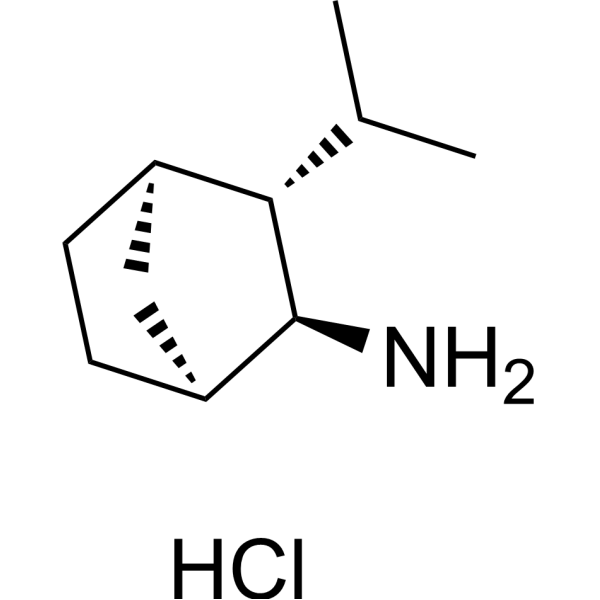 0 ImagesSynonyms: (+)-BRD4780
AGN 192403 (BRD4780) hydrochloride is a potent and selective imidazoline-1 receptor antagonist with a Ki value of 42 nM. AGN 192403 hydrochloride is also a TMED9 inhibitor. AGN 192403 hydrochloride shows protective effects on oxidative cytotoxicity and mitochondrial inhibitor-induced cytotoxicity in astrocytes. AGN 192403 hydrochloride mitigates the proliferation and migration of differentiated glioma tumor cells. AGN 192403 hydrochloride can be used for glioma tumor and neurological diseases research.
-
MSDC 0160
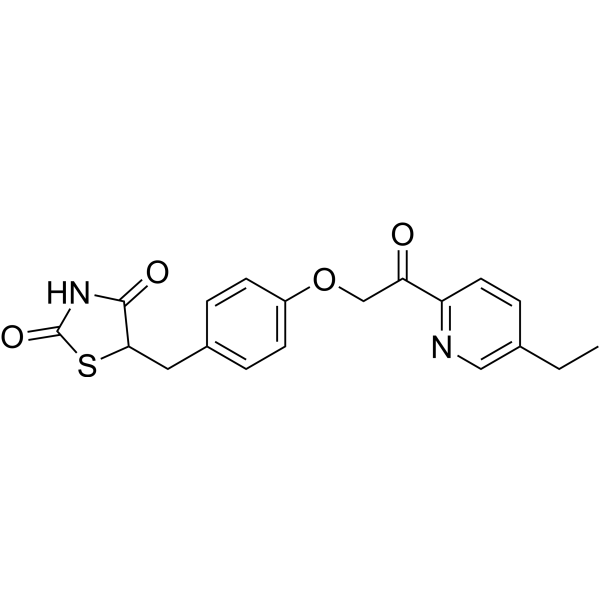 0 ImagesSynonyms: Mitoglitazone; CAY10415
MSDC 0160 (Mitoglitazone) is a mitochondrial target of thiazolidinediones (mTOT)-modulating insulin sensitizer and a modulator of mitochondrial pyruvate carrier (MPC). MSDC 0160 is a thiazolidinedione (TZD) with antidiabetic and neuroprotective activities. MSDC 0160 has the potential for Alzheimer′s disease.
-
Perhexiline
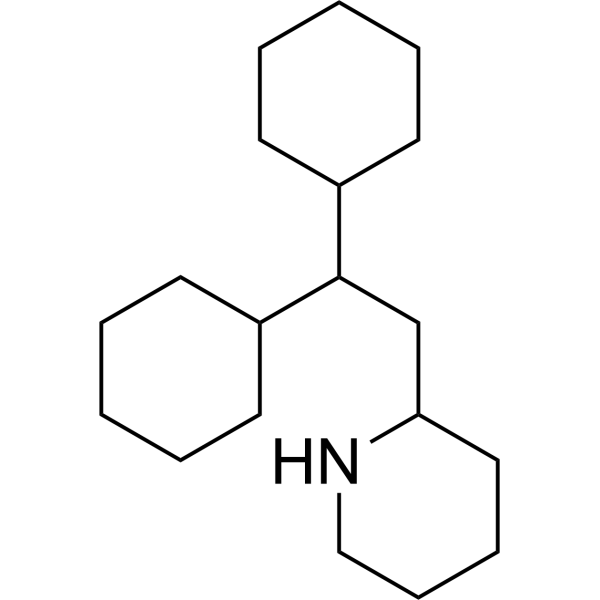 0 Images
Perhexiline is an orally active CPT1 and CPT2 inhibitor that reduces fatty acid metabolism. Perhexiline induces mitochondrial dysfunction and apoptosis in hepatic cells. Perhexiline can cross the blood brain barrier (BBB) and shows anti-tumor activity. Perhexiline can be used in the research of cancers, and cardiovascular disease like angina.
-
FPH2
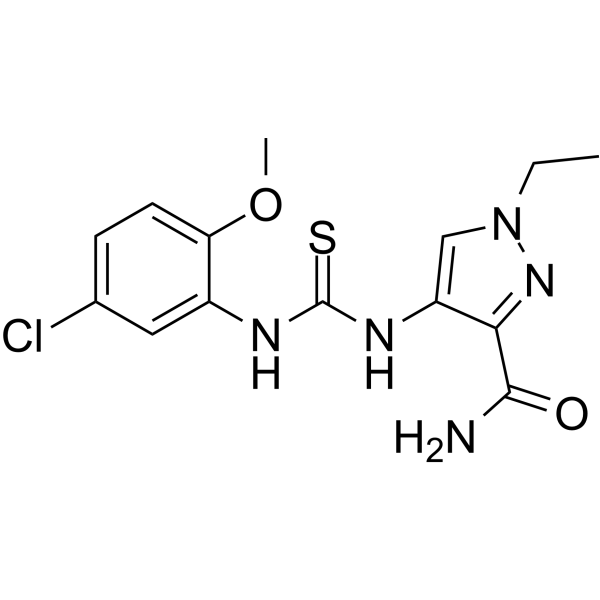 0 ImagesSynonyms: BRD-9424
FPH2 induces of functional proliferation of primary human hepatocytes and may lead to the development of new therapeutics for liver diseases.
-
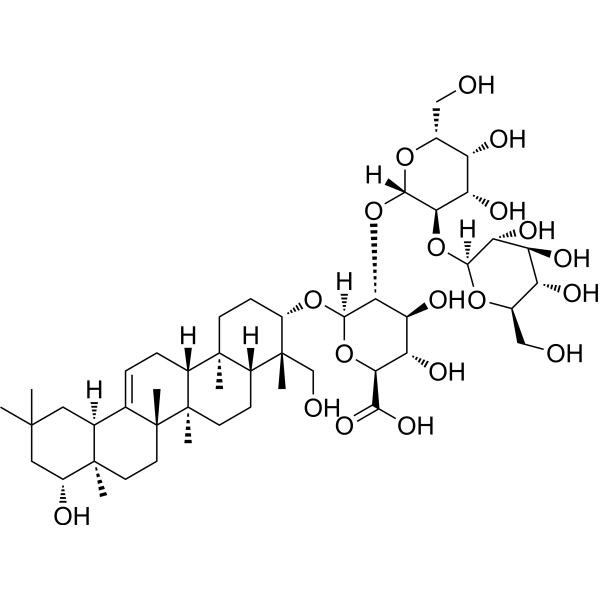
Soyasaponin Ba
 0 Images
Soyasaponin Ba is a soyasaponin that can be isolated from Phaseolus vulgaris, acts as an aldose reductase inhibitor (ARI). Soyasaponin Ba activates Akt/GSK3β/β-catenin signaling pathway, reduces lipid accumulation, lowers ROS generation, improves mitochondrial membrane potential, ATP levels, and morphology, and inhibits apoptosis. Soyasaponin Ba can be used for the research of lipid accumulation and secondary diabetic complications.
-
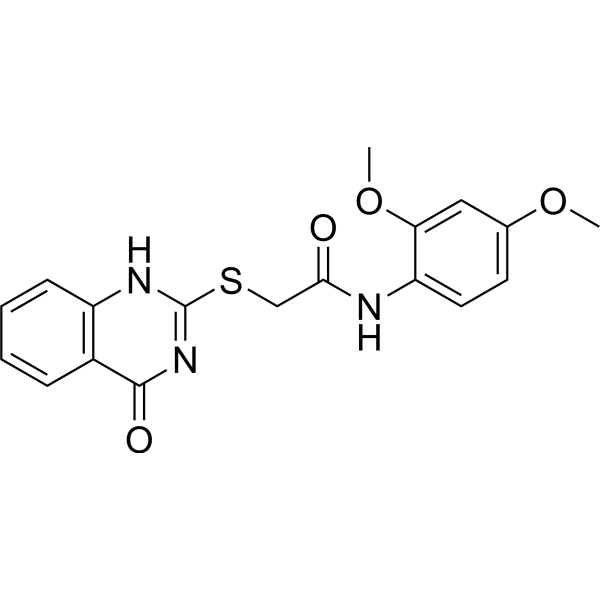
Z16078526
 0 Images
Z16078526 induces endogenous Ucp1 expression, promotes p38 MAPK phosphorylation and lipolysis in primary mouse brown adipocytes. Z16078526 activates thermogenic gene expression and mitochondrial activity (uncoupled respiration) in mouse brown adipocytes. Z16078526 also stimulates thermogenesis in the mouse.
-
Idebenone (Standard)
 0 ImagesCat. No.: HY-N0303RCAS No.: 58186-27-9
Idebenone (Standard) is the analytical standard of Idebenone. This product is intended for research and analytical applications. Idebenone, a well-appreciated mitochondrial protectant, exhibits protective efficacy against neurotoxicity and can be used for the research of Alzheimer's disease, Huntington's disease. Idebenone (oxidised form) has a dose-dependent inhibitory effect on the enzymatic metabolism of arachidonic acid in astroglial homogenates (IC50=16.65 μM). Idebenone, a coenzyme Q10 analog and an antioxidant, induces apoptotic cell death in the human dopaminergic neuroblastoma SHSY-5Y cells. Idebenone quickly crosses the blood-brain barrier.
-
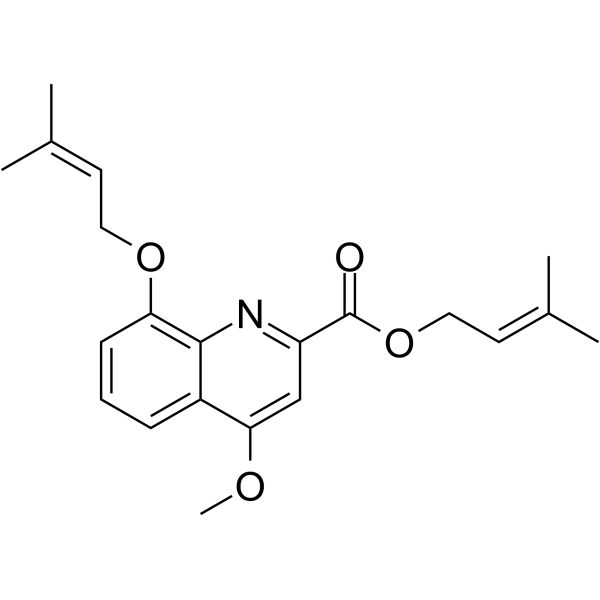
Ppc-1
 0 ImagesCat. No.: HY-117843CAS No.: 1245818-17-0
Ppc-1 is a mitochondrial uncoupler. Ppc-1 enhances mitochondrial oxygen consumption without adverse effects on ATP production. Ppc-1 is a cell-permeate interleukin-2 (IL-2) inhibitor. Ppc-1 inhibits the Gram-negative periodontopathogen Porphyromonas gingivalis. Ppc-1 has anti-obesity, antibacterial and anti-inflammatory activities.
-
NecroX-2
 0 ImagesCat. No.: HY-179037CAS No.: 1120333-38-1
NecroX-2 is a potent inhibitor of caspase-independent necrosis. NecroX-2 exhibits antioxidant activity by scavenging DPPH radicals and peroxynitrite. NecroX-2 inhibits t-BHP-induced mitochondrial ROS/RNS generation, and protects t-BHP and Doxorubicin (HY-15142A)-induced cell death in vitro. NecroX-2 can be used for research on neurological diseases.
-
AGN 192403
 0 ImagesCat. No.: HY-101374CAS No.: 175521-95-6Synonyms: (+)-BRD4780 free base
AGN 192403 (BRD4780) is a potent and selective imidazoline-1 receptor antagonist with a Ki value of 42 nM. AGN 192403 is also a TMED9 inhibitor. AGN 192403 shows protective effects on oxidative cytotoxicity and mitochondrial inhibitor-induced cytotoxicity in astrocytes. AGN 192403 mitigates the proliferation and migration of differentiated glioma tumor cells. AGN 192403 can be used for glioma tumor and neurological diseases research.
-
AChE/BChE-IN-23
 0 ImagesCat. No.: HY-159898
AChE/BChE-IN-23 (Compound 6e) is an AChE/BChE inhibitor (IC50: 0.91 μM, 1.19 μM and 1.01 μM for hAChE, eq BChE and hBChE, respectively). AChE/BChE-IN-23 has antioxidant activity and inhibits Aβ1-42 and Tau protein aggregation. AChE/BChE-IN-23 also inhibits microglial activation by reducing ROS release and mitochondrial injury. AChE/BChE-IN-23 suppresses NLRP3 inflammasome and pro-inflammatory cytokines in human microglial cells. AChE/BChE-IN-23 also reverses the Scopolamine (HY-N0296)-induced memory impairment in mice model.
-
SHO1122147
 0 ImagesCat. No.: HY-170369CAS No.: 3066237-61-1
SHO1122147 (Compound 7m) affects the mitochondrial electron transport chain, exhibits mitochondrial uncoupling activity (EC50=3.6 μM), and increases the oxygen consumption rate (OCR=69%) and promotes cellular respiration. SHO1122147 is orally active, and can be used in reaearch of obesity and metabolic dysfunction-associated steatohepatitis (MASH).
- 1
- 2



