



Mitochondrial Metabolism Activator
- 1
- 2
-
Dimethyl 2-oxoglutarate
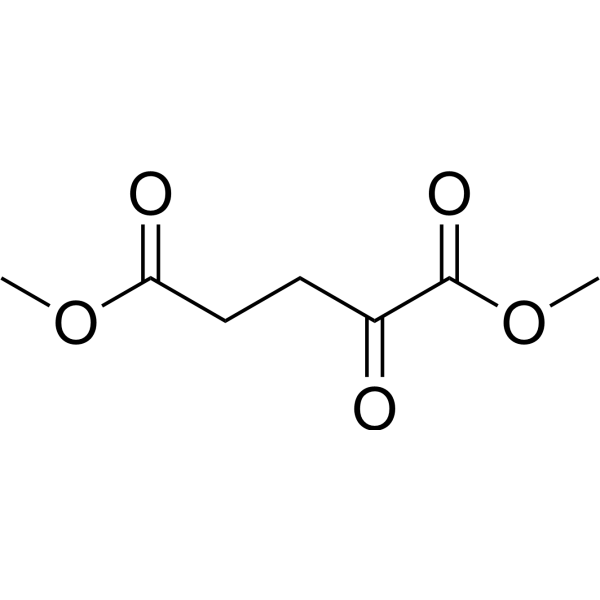 0 ImagesCat. No.: HY-44134CAS No.: 13192-04-6Synonyms: Dimethyl α-ketoglutarate
Dimethyl 2-oxoglutarate (Dimethyl α-ketoglutarate) is a cell-permeable derivative of 2-oxoglutarate and tricarboxylic acid cycle metabolite with antioxidant properties. Dimethyl 2-oxoglutarate inhibits Autophagy. Dimethyl 2-oxoglutarate prevents mitochondrial damage and reduces ROS production. Dimethyl 2-oxoglutarate alleviates Carbon tetrachloride (HY-Y0298)-induced liver fibrosis. Dimethyl-2-oxoglutaric acid can be used in the research of diseases such as Alzheimer's disease, diabetes, and cardiomyopathy.
-
Phosphocreatine
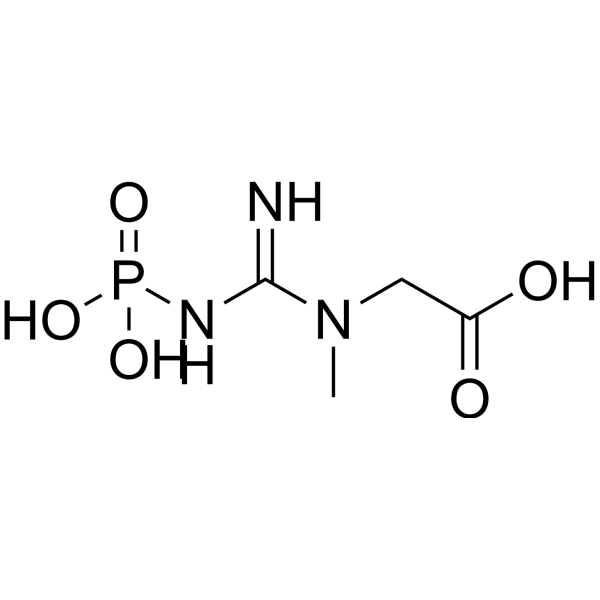 0 ImagesSynonyms: Creatine phosphate; Creatinephosphoric acid
Phosphocreatine (creatine phosphate) is an organic compound found in vertebrate skeletal muscles. Phosphocreatine enhances antioxidant activity, and activates the TAK1 pathway to protect the heart. Phosphocreatine normalizing mitochondrial function and reducing oxidative stress via Akt mediated Nrf2/HO-1 pathway. Phosphocreatine provides renal protection by suppressing Apoptosis and ROS (Reactive Oxygen Species) generation through ERK mediated mediated Nrf-2/HO-1 pathway..
-
MTK458
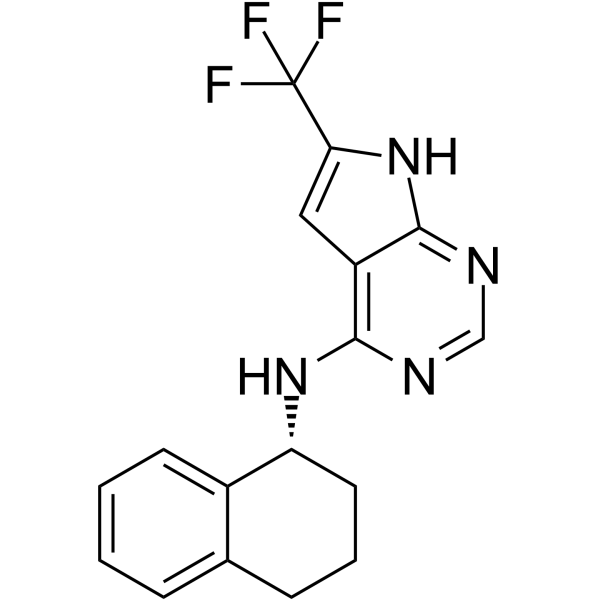 0 ImagesSynonyms: EP-0035985
MTK458 is an orally active brain penetrant PINK1 activator. MTK458 binds to PINK1 and stabilizes an active heterocomplex, thereby increasing mitophagy. MTK458 can be used for research on Parkinson's disease.
-
Meldonium
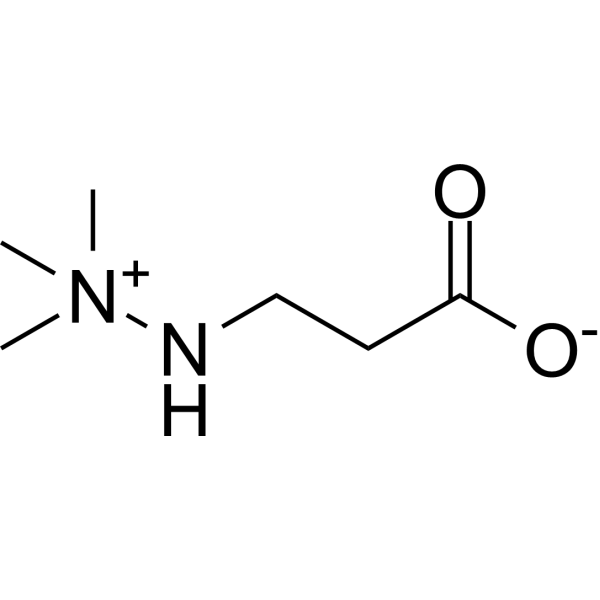 0 ImagesSynonyms: MET-88; Quaterin
Meldonium (MET-88) functions as a cardioprotective agent by cpmpetetively inhibiting γ-butyrobetaine hydroxylase (BBOX) and carnitine/organic cation transporter type 2 (OCTN2). Meldonium exhibits IC50 values of 34-62 μM for human recombinant BBOX and an EC50 of 21 μM for human OCTN2. Meldonium is a fatty acid oxidation inhibitor.
-
Phosphocreatine disodium
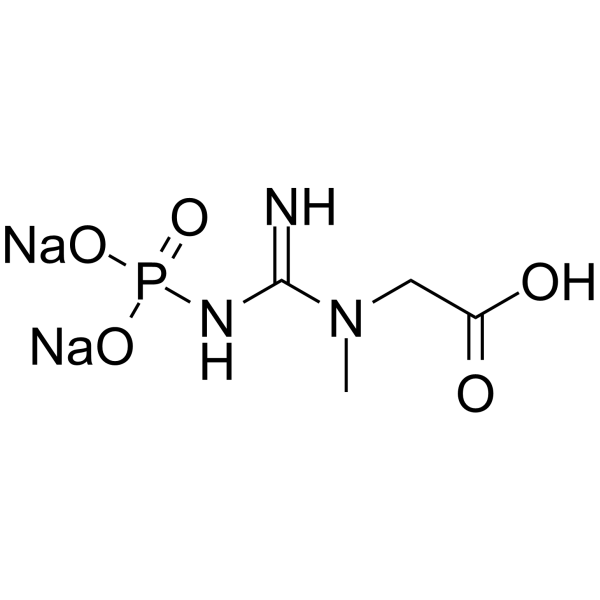 0 Images
Phosphocreatine (disodium) is an organic compound found in vertebrate skeletal muscles. Phosphocreatine (disodium) enhances antioxidant activity, and activates the TAK1 pathway to protect the heart. Phosphocreatine (disodium) normalizing mitochondrial function and reducing oxidative stress via Akt mediated Nrf2/HO-1 pathway. Phosphocreatine (disodium) provides renal protection by suppressing Apoptosis and ROS (Reactive Oxygen Species) generation through ERK mediated mediated Nrf-2/HO-1 pathway..
-
Afzelin
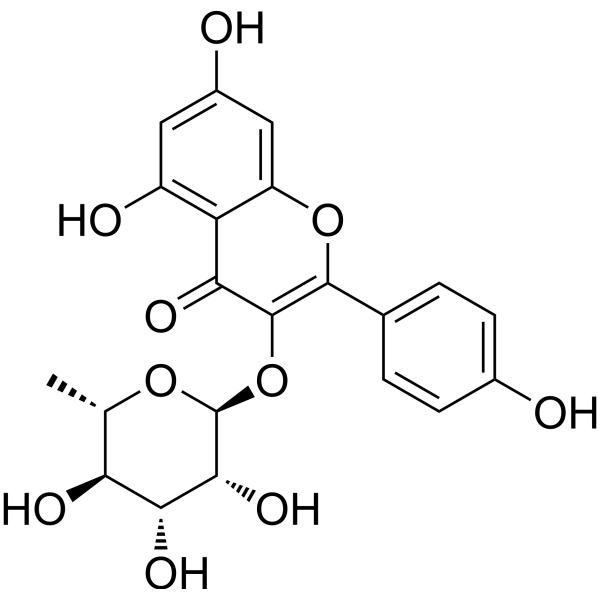 0 Images
Afzelin (Kaempferol-3-O-rhamnoside)It is a flavonol glycoside that has anti-inflammatory, anti-oxidative stress response, anti-apoptotic, and anti-cardiac cytotoxic effects. AfzelinIt can reduce mitochondrial damage, enhance mitochondrial biosynthesis, and reduce mitochondria-related proteins. Parkinand PTENinduced putative kinase 1 (putative kinase 1)s level. AfzelinCan be improved D-galactosamine(GalN)/LPSSurvival rate of mice treated with doxorubicin prophylaxis (HY-15142A)Induced cardiotoxicity and scopolamine (HY-N0296)-induced neurological injury. AfzelinAlso inhibits asthma and allergies caused by ovalbumin.
-
Imeglimin hydrochloride
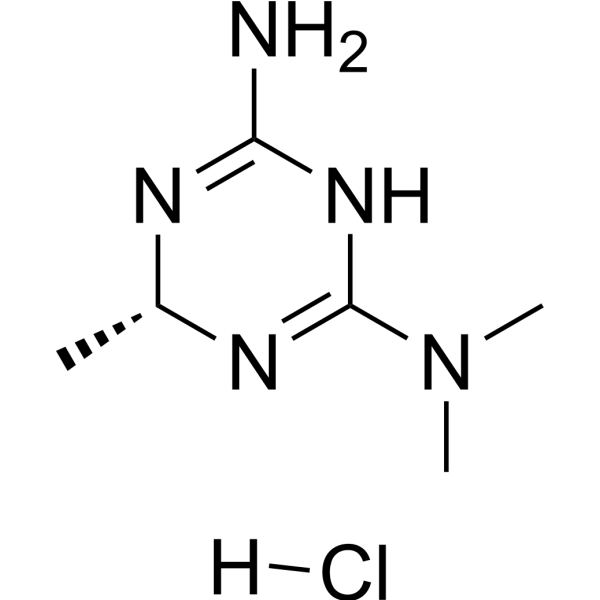 0 ImagesSynonyms: EMD 387008 hydrochloride
Imeglimin hydrochloride (EMD 387008) is an oral glucose-lowering agent. Imeglimin also reduces reactive oxygen species (ROS) production, increases mitochondrial DNA and improves mitochondrial function.
-
Hydroxyacetone
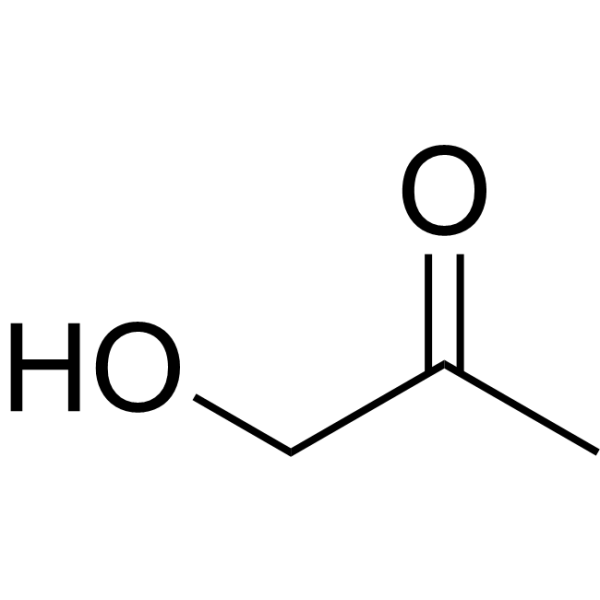 0 Images
Hydroxyacetone is a toxic compound. Hydroxyacetone can be isolated from e-cigarette aerosols. Hydroxyacetone reduces the activity of cellular Mitochondrial reductase (with an IC50 of 5.53 mg/mL for mitochondrial reductase in BEAS-2B cells) and increases ROS levels. Hydroxyacetone induces mitochondrial stress and oxidative damage. Hydroxyacetone induces destabilization of F-actin. At high concentrations, Hydroxyacetone promotes cell rounding and Apoptotic body formation. Hydroxyacetone exerts toxic effects on cells including airway epithelial cells and possesses respiratory toxicity potential.\n
-
(S)-Coriolic acid
 0 ImagesSynonyms: 13(S)-HODE
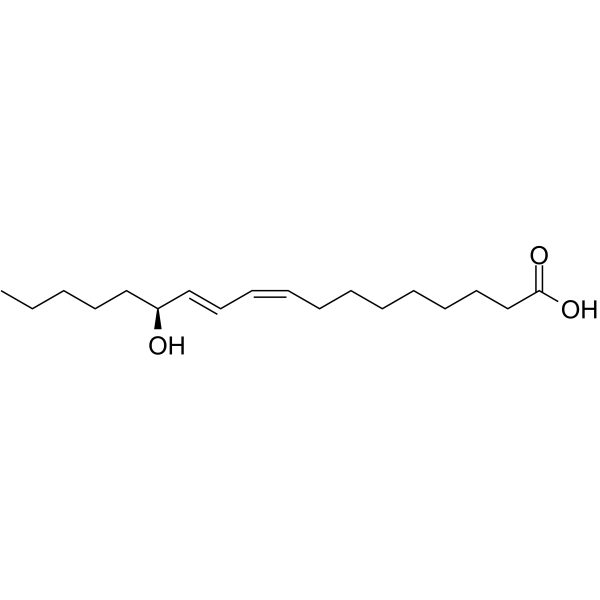
(S)-Coriolic acid (13(S)-HODE), the product of 15-lipoxygenase (15-LOX) metabolism of linoleic acid, functions as the endogenous ligand to activate PPARγ. (S)-Coriolic acid is an important intracellular signal agent and is involved in cell proliferation and differentiation in various biological systems. (S)-Coriolic acid induces mitochondrial dysfunction and airway epithelial injury.
-
TFAM activator 1
 0 Images
TFAM activator 1 is a TFAM activator. TFAM activator 1 increases TFAM protein levels, promotes mitochondrial DNA stability, increases mitochondrial DNA copy number, and prevents mitochondrial DNA from escaping into the cytoplasm. TFAM activator 1 improves cellular energy metabolism in cybrid cells. TFAM activator 1 reduces fibrosis markers in fibroblasts. TFAM activator 1 can be used in the research of mitochondrial encephalomyopathy, lactic acidosis, and stroke-like episodes syndrome, systemic sclerosis, and autoimmune diseases.
-
PZL-A
 0 Images
PZL-A is a activator of mitochondrial DNA (mtDNA) synthesis. PZL-A restores wild-type-like activity to mutant forms of polymerase γ (POLγ) with AC50 s of 160 and 20 nM for A467T and G848S. PZL-A activates mtDNA synthesis in cells, enhancing biogenesis of the oxidative phosphorylation machinery and cellular respiration. PZL-A is promising for relieving POLG disease and other severe conditions linked to depletion of mtDNA.
-
Meldonium dihydrate
 0 ImagesSynonyms: MET-88 dihydrate; Quaterin dihydrate
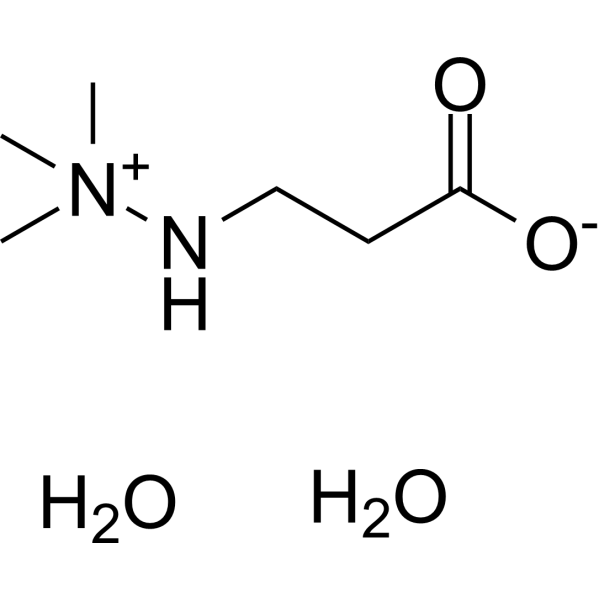
Meldonium (MET-88) dihydrate functions as a cardioprotective agent by cpmpetetively inhibiting γ-butyrobetaine hydroxylase (BBOX) and carnitine/organic cation transporter type 2 (OCTN2). Mildronate dihydrate exhibits IC50 values of 34-62 μM for human recombinant BBOX and an EC50 of 21 μM for human OCTN2. Meldonium dihydrate is a fatty acid oxidation inhibitor.
-
Agaric acid
 0 Images
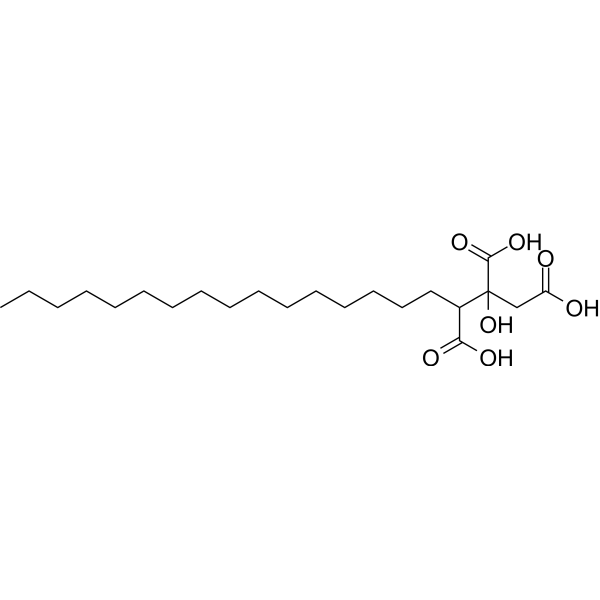
Agaric acid (Agaricinic Acid) is an orally active inhibitor of adenine nucleotide translocase found in specific fungi. Agaric acid can inhibit the biofilm formation of various bacteria such as Salmonella. Agaric acid can also induce mitochondrial permeability transition, prompting mitochondria to release Ca2+, disrupting the transmembrane potential, and causing mitochondrial swelling. In addition, Agaric acid can also inhibit citrate transport in liver mitochondria and participate in the inhibition of fatty acid synthesis, affecting multiple metabolic processes.
-
Phosphocreatine disodium hydrate
 0 Images
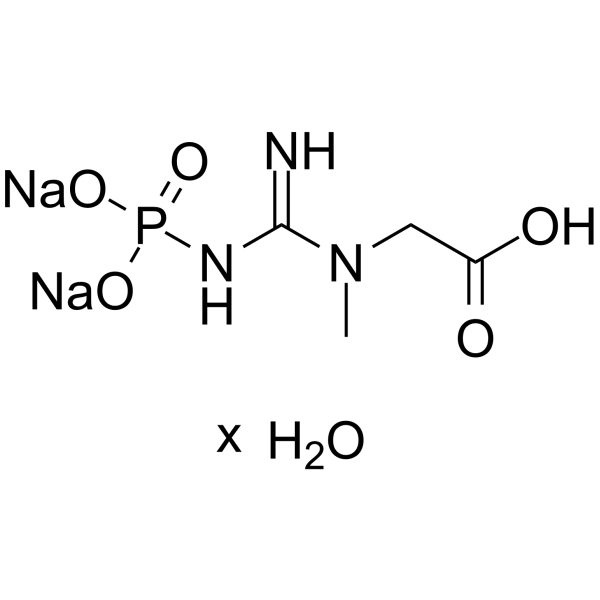
Phosphocreatine (disodium hydrate) is an organic compound found in vertebrate skeletal muscles. Phosphocreatine (disodium hydrate) enhances antioxidant activity, and activates the TAK1 pathway to protect the heart. Phosphocreatine (disodium hydrate) normalizing mitochondrial function and reducing oxidative stress via Akt mediated Nrf2/HO-1 pathway. Phosphocreatine (disodium hydrate) Phosphocreatine (disodium hydrate) provides renal protection by suppressing Apoptosis and ROS (Reactive Oxygen Species) generation through ERK mediated mediated Nrf-2/HO-1 pathway..
-
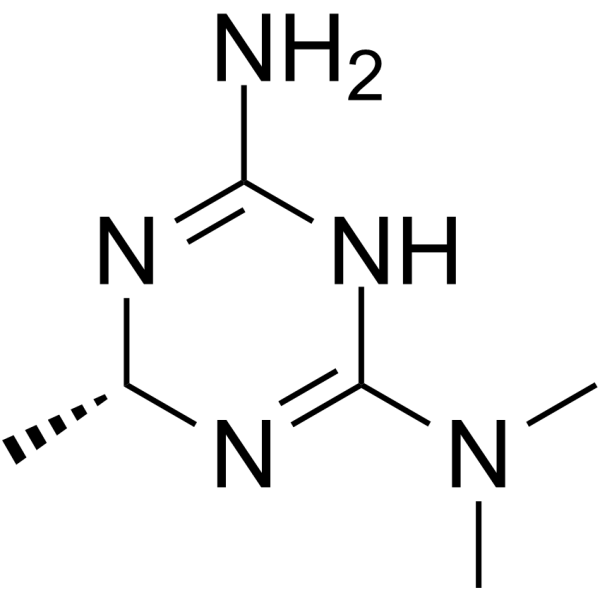
Imeglimin
 0 ImagesSynonyms: EMD 387008
Imeglimin (EMD 387008) is an oral glucose-lowering agent. Imeglimin improves insulin sensitivity. Imeglimin also reduces reactive oxygen species (ROS) production, increases mitochondrial DNA and improves mitochondrial function.
-
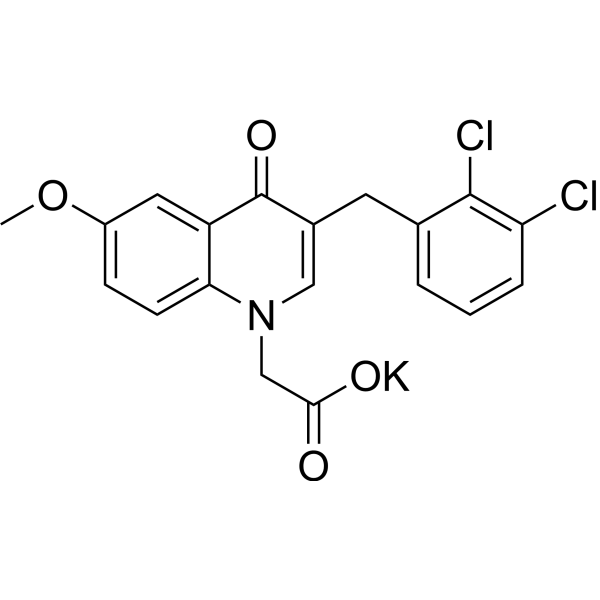
WJ-39
 0 Images
WJ-39 is an orally active aldose reductase (AR) inhibitor. WJ-39 improves tubular damage in diabetic nephropathy rats by activating PINK1/Parkin signaling, promoting mitophagy, and attenuating apoptosis.
-
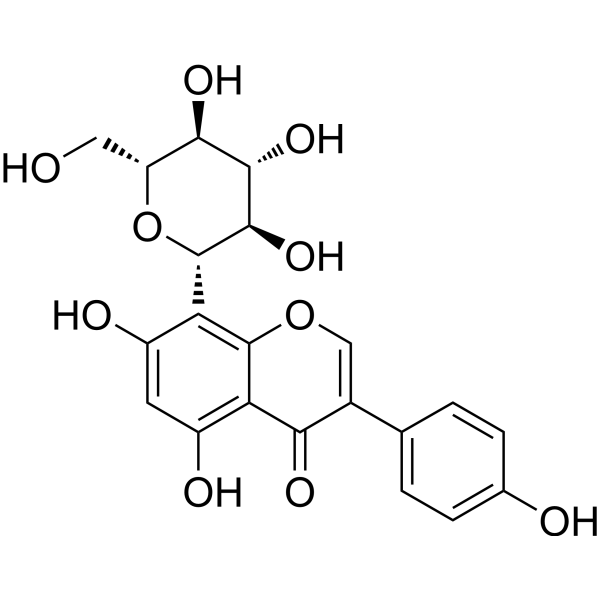
Meldonium (Standard)
 0 ImagesSynonyms: MET-88 (Standard); Quaterin (Standard)
Meldonium (Standard) is the analytical standard of Meldonium. This product is intended for research and analytical applications. Meldonium (MET-88) functions as a cardioprotective agent by cpmpetetively inhibiting γ-butyrobetaine hydroxylase (BBOX) and carnitine/organic cation transporter type 2 (OCTN2). Mildronate (Meldonium) exhibits IC50 values of 34-62 μM for human recombinant BBOX and an EC50 of 21 μM for human OCTN2. Meldonium is a fatty acid oxidation inhibitor.
-
Afzelin (Standard)
 0 Images
Afzelin (Standard) is the analytical standard of Afzelin. This product is intended for research and analytical applications. Afzelin (Kaempferol-3-O-rhamnoside)It is a flavonol glycoside that has anti-inflammatory, anti-oxidative stress response, anti-apoptotic, and anti-cardiac cytotoxic effects. AfzelinIt can reduce mitochondrial damage, enhance mitochondrial biosynthesis, and reduce mitochondria-related proteins. Parkinand PTENinduced putative kinase 1 (putative kinase 1)s level. AfzelinCan be improved D-galactosamine(GalN)/LPSSurvival rate of mice treated with doxorubicin prophylaxis (HY-15142A)Induced cardiotoxicity and scopolamine (HY-N0296)-induced neurological injury. AfzelinAlso inhibits asthma and allergies caused by ovalbumin.
-
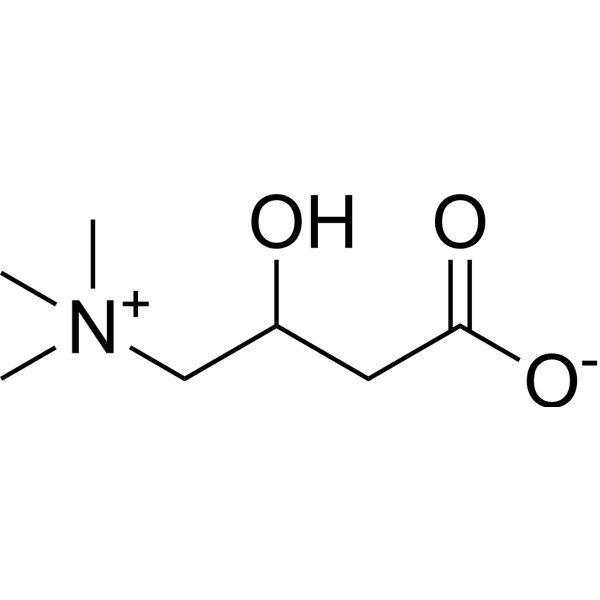
(±)-Carnitine
 0 Images
(±)-Carnitine (DL-Carnitine) is an orally effective racemic mixture of L-Carnitine (HY-B0399) and D-Carnitine. (±)-Carnitine elevates the mitochondrial NAD+/NADH ratio in the presence of 1,3-butanediol (HY-77490A). (±)-Carnitine does not increase glucose and urea production from L-glutamine, but stimulates propionate gluconeogenesis in rat renal cortical slices, and significantly reduces hepatic ketone body levels in rats fed a diet containing 30% high fat plus 20% 1,3-butanediol.
- 1
- 2



