1. Search Result
Search Result
Results for "

Antifibrotic agent

" in MedChemExpress (MCE) Product Catalog:

32

Inhibitors & Agonists

3

Biochemical Assay Reagents

1

Peptides

3

Natural
Products

2

Isotope-Labeled Compounds

1

Click Chemistry

Cat. No. Product Name Target Research Areas Chemical Structure
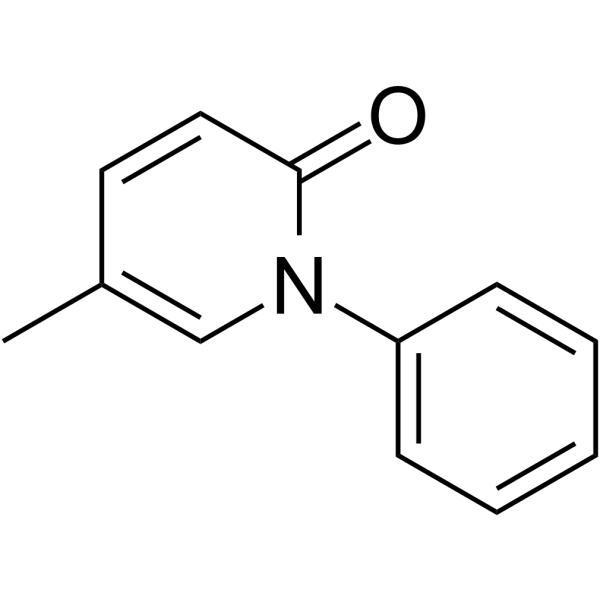
  • HY-B0673
    Pirfenidone
    Maximum Cited Publications
    80 Publications Verification

    AMR69

    TGF-beta/Smad CCR Inflammation/Immunology Cancer
    Pirfenidone (AMR69) is an antifibrotic agent that attenuates CCL2 and CCL12 production in fibrocyte cells. Pirfenidone has growth-inhibitory effect and reduces TGF-β2 protein levels in human glioma cell lines. Pirfenidone also has anti-inflammatory activities .
    Pirfenidone
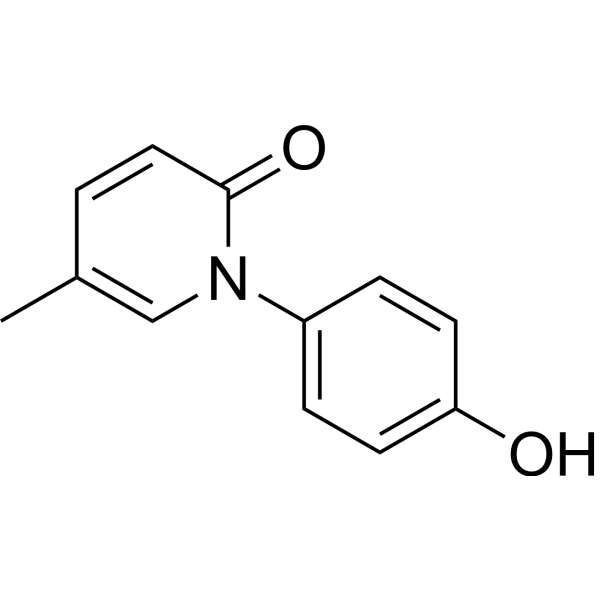
  • HY-100438
    Hydronidone
    1 Publications Verification

    Apoptosis Mitochondrial Metabolism Phosphodiesterase (PDE) TGF-beta/Smad COX Inflammation/Immunology Cancer
    Hydronidone is an orally active pyridine derivative. Hydronidone is an inhibitor of phosphodiesterase-4 (PDE4) and cyclo-oxygenase (COX) as well as TGF-β. Hydronidone induces mitochondrial dysfunction and triggers apoptosis. Hydronidone can be used for liver fibrosis, anti-inflammation and anti-cancer study .
    Hydronidone
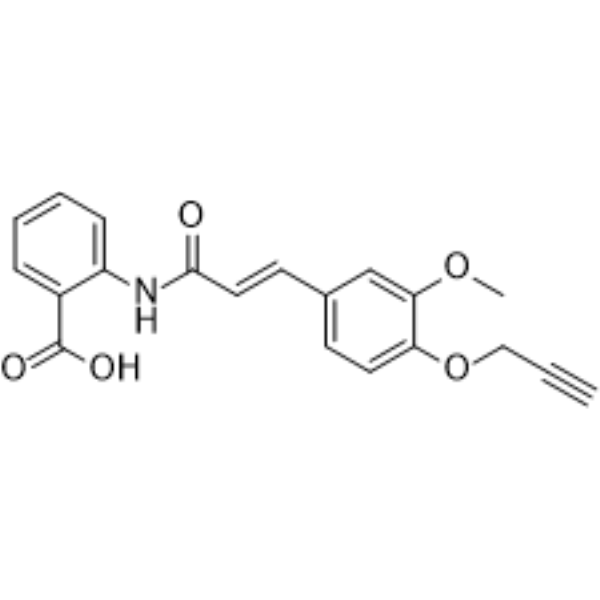
  • HY-100495
    FT011
    2 Publications Verification

    Asengeprast

    MMP Inflammation/Immunology
    FT011 is an anti-fibrotic agent, reduces mRNA expression of collagens I and III and inhibits collagen synthesis . FT011 is a click chemistry reagent, it contains an Alkyne group and can undergo copper-catalyzed azide-alkyne cycloaddition (CuAAc) with molecules containing Azide groups.
    FT011
  • HY-116282I

    DSS (MW>500000); DXS (MW>500000)

    HSV SARS-CoV Inflammation/Immunology
    Dextran sulfate sodium salt (MW>500000) (DSS (MW>500000)) is a negatively charged sulfated polysaccharide. Dextran sulfate sodium salt has antiviral, antibacterial, anti-inflammatory, antifibrotic, and wound-healing properties. Dextran sulfate sodium salt can be used as an additive in cell culture media for preventing cell aggregation and in cosmetics as a gel-forming agent .
    Dextran sulfate sodium salt (MW>500000)
  • HY-B0673R

    AMR69 (Standard)

    Reference Standards TGF-beta/Smad CCR Inflammation/Immunology Cancer
    Pirfenidone (Standard) is the analytical standard of Pirfenidone. This product is intended for research and analytical applications. Pirfenidone (AMR69) is an antifibrotic agent that attenuates CCL2 and CCL12 production in fibrocyte cells. Pirfenidone has growth-inhibitory effect and reduces TGF-β2 protein levels in human glioma cell lines. Pirfenidone also has anti-inflammatory activities .
    Pirfenidone (Standard)
  • HY-116282M

    Bacterial Inflammation/Immunology
    Dextran sulfate, low sulfate (MW 40000), a biopolymer, is a sulfated polysaccharide. Dextran sulfate, low sulfate (MW 40000) has antiviral, antibacterial, anti-inflammatory, antifibrotic, and wound-healing properties. Dextran sulfate can be used as an additive in cell culture media for preventing cell aggregation and in cosmetics as a gel-forming agent .
    Dextran sulfate, low sulfate (MW 40000)
  • HY-A0060

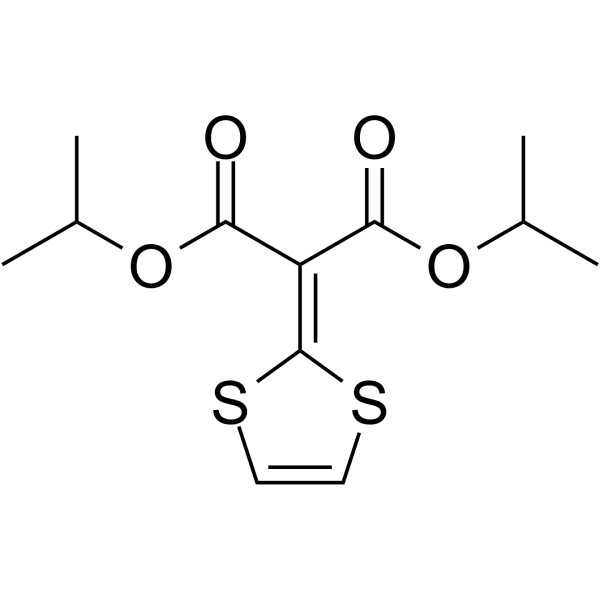
    NKK 105

    Lipoxygenase Cancer
    Malotilate (NKK 105), an orally active hepatotropic agent and an anti-fibrotic substance, selectively inhibits the 5-lipoxygenase (5-LOX) (IC50=4.7 μM). Malotilate prevents the development of hepatocytic injury in alcohol-pyrazole hepatitis by decreasing hepatic acetaldehyde levels and preventing the retention of transferrin in the hepatocytes .
    Malotilate
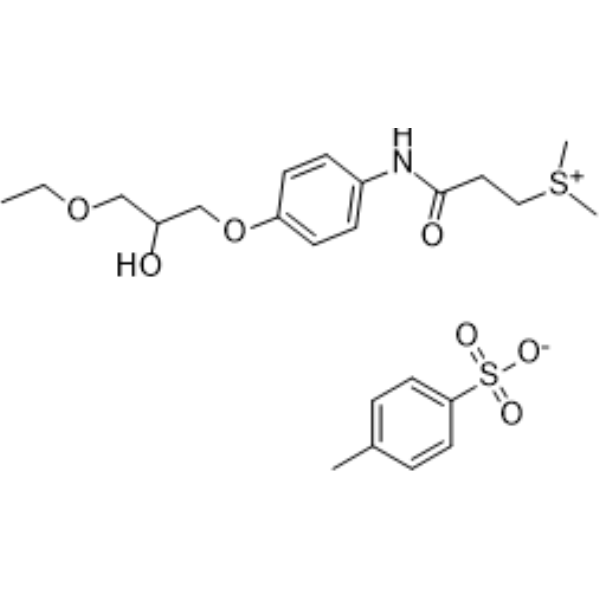
  • HY-17002
    Suplatast (Tosilate)
    1 Publications Verification

    IPD 1151T

    Interleukin Related Inflammation/Immunology
    Suplatast Tosilate (IPD 1151T) is an orally active Th2 cytokine inhibitor which can inhibit both IL-4 and IL-5 production from Th2 cells and suppress IgE synthesis. Suplatast Tosilate is an anti-allergic agent. Suplatast Tosilate has antiasthmatic, anti-inflammatory and antifibrotic activity .
    Suplatast (Tosilate)
  • HY-B0673S1

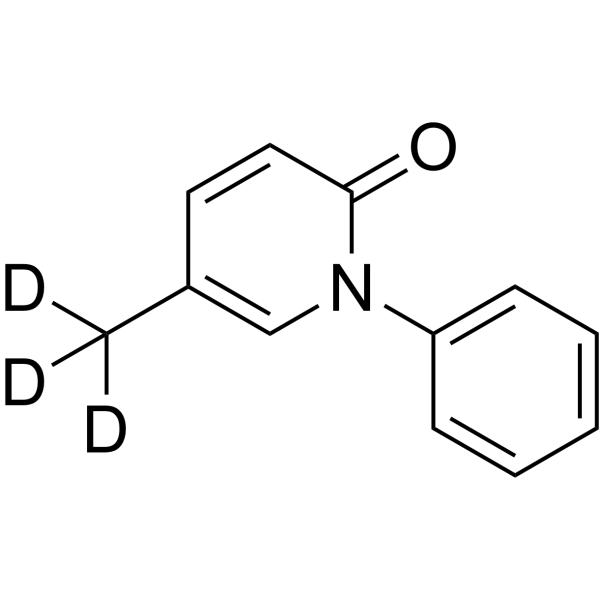
    LYT-100; AMR69-d3

    Isotope-Labeled Compounds Others
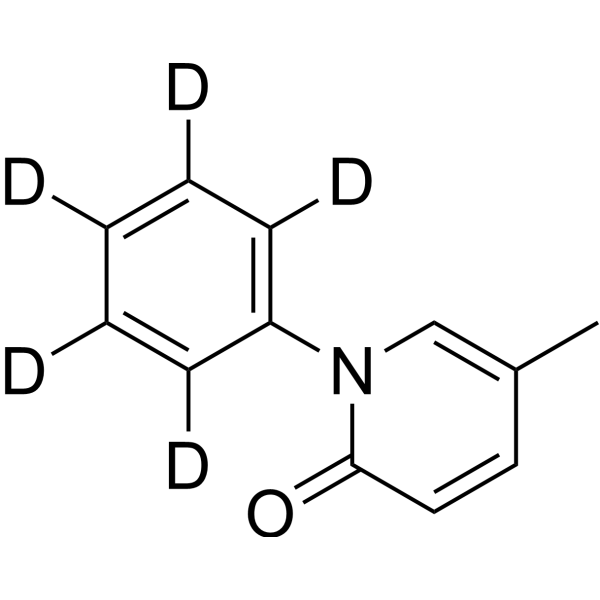
    Deupirfenidone-d3 is the deuterium labeled Pirfenidone (HY-B0673). Pirfenidone (AMR69) is an antifibrotic agent that attenuates CCL2 and CCL12 production in fibrocyte cells. Pirfenidone has growth-inhibitory effect and reduces TGF-β2 protein levels in human glioma cell lines. Pirfenidone also has anti-inflammatory activities .
    Deupirfenidone
  • HY-15183

    Collagen Cancer
    Collagen proline hydroxylase inhibitor is a collagen proline hydroxylase inhibitor, which can be used as an anti-fibrotic agent .
    Collagen proline hydroxylase inhibitor
  • HY-N4107
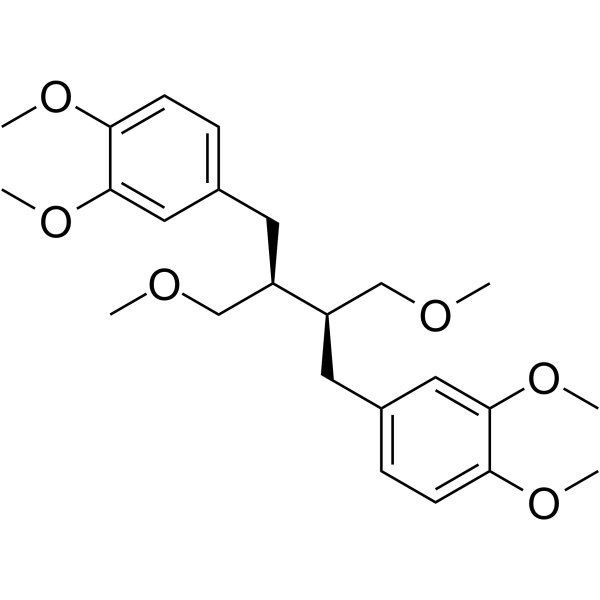
    Phyllanthin
    1 Publications Verification

    TGF-beta/Smad Infection Inflammation/Immunology Cancer
    Phyllanthin is an effective oral anticancer agent. Phyllanthin inhibits MOLT-4 cell viability, increases apoptosis, inhibits cell migration and invasion. Phyllanthin exerts anti-fibrotic effects by down-regulating TGF signaling pathway via ALK5 and Smad2/3. Phyllanthin also has anti-inflammatory and antibacterial properties .
    Phyllanthin
  • HY-B0673S

    AMR69-d5

    TGF-beta/Smad CCR Inflammation/Immunology Cancer
    Pirfenidone-d5 (AMR69-d5) is a deuterium labeled Pirfenidone. Pirfenidone is an antifibrotic agent that attenuates CCL2 and CCL12 production in fibrocyte cells. Pirfenidone has growth-inhibitory effect and reduces TGF-β2 protein levels in human glioma cell lines. Pirfenidone also has anti-inflammatory activities .
    Pirfenidone-d5
  • HY-147243

    ANG-3070

    VEGFR PDGFR Cardiovascular Disease Inflammation/Immunology
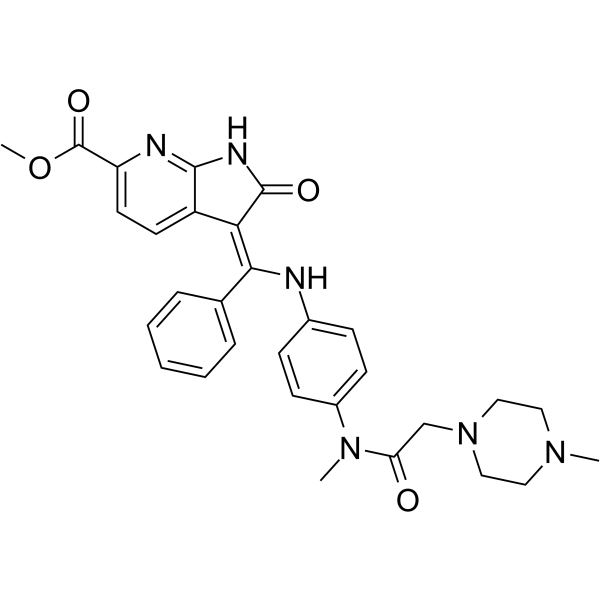
    Ansornitinib is an orally active dual kinase inhibitor that inhibits platelet-derived growth factor receptor (PDGFR) and vascular endothelial growth factor receptor (VEGFR2). Ansornitinib can be used as an antifibrotic agent in lung, liver, kidney, and gastrointestinal fibrotic diseases .
    Ansornitinib
  • HY-170538

    Lysyl Oxidase Cytochrome P450 Cardiovascular Disease Metabolic Disease
    SNT-5382 is a lysyl oxidase family (LOX) inhibitor and anti-fibrotic agent. SNT-5382 binds to the LTQ cofactor of LOXL2 and inhibits the enzymatic activities of LOXL3, LOXL4, LOXL1, CYP2C9, and CYP2C19. SNT-5382 reduces cardiac and liver fibrosis as well as collagen crosslinks, and improves cardiac function. SNT-5382 can be used for the research of heart failure, myocardial infarction, and nonalcoholic steatohepatitis-related liver fibrosis .
    SNT-5382
  • HY-103070

    MMP Inflammation/Immunology
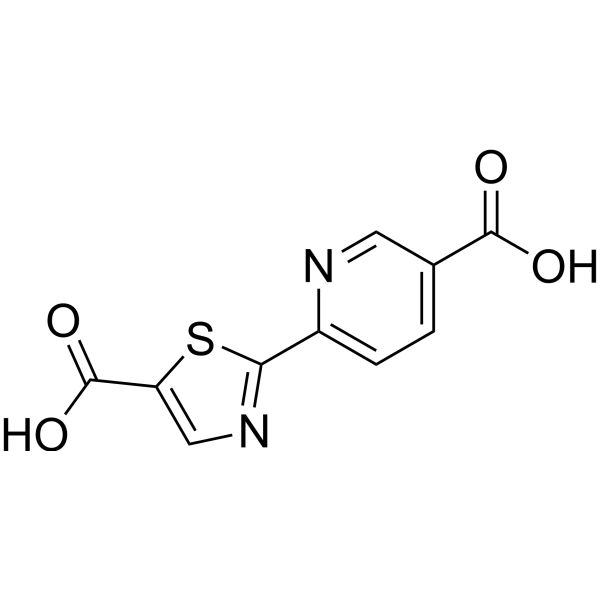
    PythiDC is a selective collagen prolyl 4-hydroxylase (CP4H1) inhibitor with an IC50 value of 4.0 μM. PythiDC can be used as a CP4H probe and also can be used for the development of a new class of antifibrotic and antimetastatic agents .
    PythiDC
  • HY-116282J

    Bacterial Inflammation/Immunology
    Dextran sulfate, low sulfate (MW 5000), a biopolymer, is a sulfated polysaccharide. Dextran sulfate, low sulfate (MW 5000) has antiviral, antibacterial, anti-inflammatory, antifibrotic, and wound-healing properties. Dextran sulfate can be used as an additive in cell culture media for preventing cell aggregation and in cosmetics as a gel-forming agent .
    Dextran sulfate, low sulfate (MW 5000)
  • HY-N9942
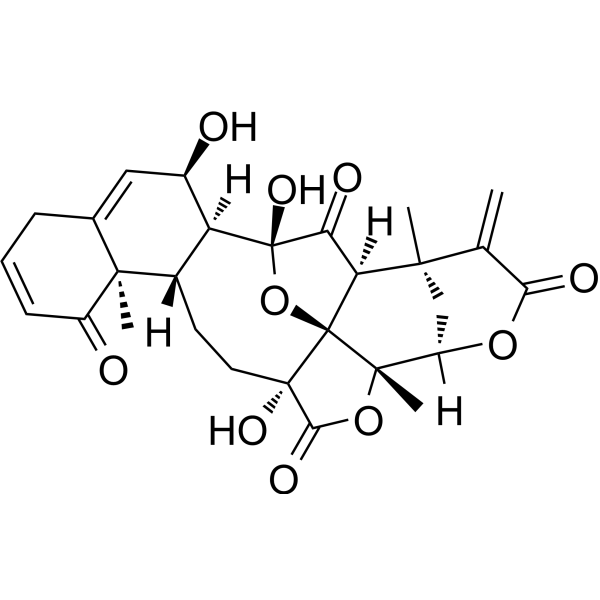
    Physalin A
    1 Publications Verification

    Apoptosis Autophagy NF-κB p38 MAPK PI3K Akt mTOR STAT JAK Inflammation/Immunology Cancer
    Physalin A is a biologically active withanolide. Physalin A shows anti-inflammatory, antifibrotic and ameliorative effects on autophagy in models of disc degeneration. Physalin A has antitumor activity and can induce apoptosis, ROS production and G2/M phase cell cycle arrest. Besides. Physalin A can significantly increase the activity of quinone reductase and increase the expression of detoxifying enzymesc .
    Physalin A
  • HY-177739

    Drug Derivative Collagen Inflammation/Immunology
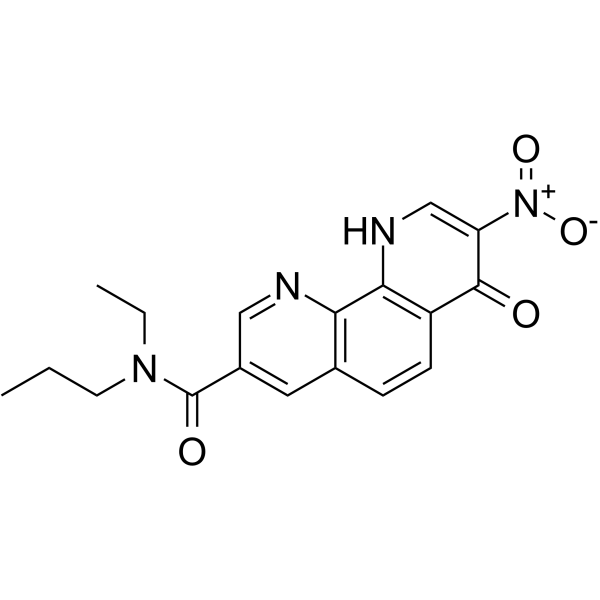
    Antifibrotic agent 2 (Compound 636) is a polycyclic pyridinone derivative with antifibrotic activity. Antifibrotic agent 2 reduces the pathological accumulation of fibrosis-related proteins such as fibronectin and collagen, prevents excessive fibrous connective tissue from depositing in organs or tissues, and reverses or delays the remodeling of tissue fibrosisby regulating the abnormal proliferation and activation of fibroblasts. Antifibrotic agent 2 can be used for research on pulmonary fibrosis .
    Antifibrotic agent 2
  • HY-176194

    Collagen c-Fms PDGFR Src Inflammation/Immunology
    Antifibrotic agent 1 is an orally active anti-idiopathic pulmonary fibrosis (IPF) agent. Antifibrotic agent 1 effectively attenuates IPF-related processes, including TGF-β induced EMT and FMT processes, as well as pro-fibrotic M2 polarization. Antifibrotic agent 1 selectively inhibits CSF-1R, PDGFR-α and Src family kinases (SFKs), while sparing VEGFRs, FGFRs and Abl to minimize off-target toxicity. Antifibrotic agent 1 has potent anti-fibrotic activity in Bleomycin (BLM) (HY-108345)-induced pulmonary fibrosis mice model .
    Antifibrotic agent 1
  • HY-162904

    Mitochondrial Metabolism Cardiovascular Disease
    BPU17 binds to PHB1 and causes mild defects in mitochondrial function by defects in the PHB1-PHB2 interaction. This impairment inhibits the SRF/CArG-box-dependent transcription, resulting in the suppression of epithelial-mesenchymal transition (EMT) of retinal pigment epithelial cells (RPEs). BPU17 exhibits antifibrotic activity in vivo. BPU17 is promising for research of anti-neovascular age-related macular degeneration (nAMD) agent .
    BPU17
  • HY-117485

    Hedgehog Inflammation/Immunology
    CBR-096-4 is a derivative of Itraconazole (HY-17514). CBR-096-4 is an orally active antifibrotic agent with no CYP3A4 inhibitory activity. CBR-096-4 inhibits the formation of matrix-secreting activated myofibroblasts (MFBs) from multiple tissue types. CBR-096-4 inhibits Hedgehog reporter activity (GLI-LUC), VEGF-dependent growth, and αSMA-LUC reporter activity. CBR-096-4 can be used for research of fibrosis .
    CBR-096-4
  • HY-162137

    Apoptosis Inflammation/Immunology
    Hepatoprotective agent-1 (compound 1b) is a hepatoprotective agenrt. Hepatoprotective agent-1 shows anti-inflammatory, antiapoptotic and antifibrotic effects .
    Hepatoprotective agent-1
  • HY-A0060R

    NKK 105 (Standard)

    Lipoxygenase Reference Standards Cancer
    Malotilate (Standard) is the analytical standard of Malotilate. This product is intended for research and analytical applications. Malotilate (NKK 105), an orally active hepatotropic agent and an anti-fibrotic substance, selectively inhibits the 5-lipoxygenase (5-LOX) (IC50=4.7 μM). Malotilate prevents the development of hepatocytic injury in alcohol-pyrazole hepatitis by decreasing hepatic acetaldehyde levels and preventing the retention of transferrin in the hepatocytes .
    Malotilate (Standard)
  • HY-N4107R

    Reference Standards TGF-beta/Smad Infection Inflammation/Immunology Cancer
    Phyllanthin (Standard) is the analytical standard of Phyllanthin. This product is intended for research and analytical applications. Phyllanthin is an effective oral anticancer agent. Phyllanthin inhibits MOLT-4 cell viability, increases apoptosis, inhibits cell migration and invasion. Phyllanthin exerts anti-fibrotic effects by down-regulating TGF signaling pathway via ALK5 and Smad2/3. Phyllanthin also has anti-inflammatory and antibacterial properties .
    Phyllanthin (Standard)
  • HY-173504

    Others Inflammation/Immunology
    Anti-inflammatory agent 101 (Compound C04) is an orally active anti-inflammatory agent. Anti-inflammatory agent 101 has significant anti-lipid accumulation, anti-inflammatory and anti-fibrotic activities. Anti-inflammatory agent 101 works by reducing fatty acid uptake, stimulating fatty acid oxidation and alleviating inflammation. Anti-inflammatory agent 101 can be used in the study of NASH and its related liver fibrosis .
    Anti-inflammatory agent 101
  • HY-100438R

    Apoptosis Reference Standards Mitochondrial Metabolism Phosphodiesterase (PDE) TGF-beta/Smad COX Inflammation/Immunology Cancer
    Hydronidone (Standard) is the analytical standard of Hydronidone (HY-100438). This product is intended for research and analytical applications. Hydronidone is an orally active pyridine derivative. Hydronidone is an inhibitor of phosphodiesterase-4 (PDE4) and cyclo-oxygenase (COX) as well as TGF-β. Hydronidone induces mitochondrial dysfunction and triggers apoptosis. Hydronidone can be used for liver fibrosis, anti-inflammation and anti-cancer study .
    Hydronidone (Standard)
  • HY-100495R

    Asengeprast (Standard)

    MMP Reference Standards Inflammation/Immunology
    FT011 (Standard) is the analytical standard of FT011 (HY-100495). This product is intended for research and analytical applications. FT011 is an anti-fibrotic agent, reduces mRNA expression of collagens I and III and inhibits collagen synthesis . FT011 is a click chemistry reagent, it contains an Alkyne group and can undergo copper-catalyzed azide-alkyne cycloaddition (CuAAc) with molecules containing Azide groups.
    FT011 (Standard)
  • HY-181655

    Cathepsin Metabolic Disease
    Anti-hepatic fibrosis agent 3 is an orally active anti-hepatic fibrosis compound targeting Cathepsin D. Anti-hepatic fibrosis agent 3 shows an IC50 of 53.18 μM against COL1A1-promoter and a Kd of 8.86 μM for binding to Cathepsin D. Anti-hepatic fibrosis agent 3 directly binds to and promotes the degradation of Cathepsin D, with no significant effect on Cathepsin B or Cathepsin L. Anti-hepatic fibrosis agent 3 inhibits hepatic stellate cell activation and reduces extracellular matrix deposition and inflammatory cytokine expression. Anti-hepatic fibrosis agent 3 exhibits remarkable anti-fibrotic activity in rat BDL and mouse CDAHFD-induced hepatic fibrosis models. Anti-hepatic fibrosis agent 3 can be used for the study of hepatic fibrosis .
    Cathepsin D degrader 1
  • HY-P11827

    Collagen ERK TGF-beta/Smad Metabolic Disease
    C11 peptide-1 is an antifibrotic agent that binds directly to Collagen I. C11 peptide-1 physically disrupts Collagen I interaction with Lumican. C11 peptide-1 reduces inflammatory infiltration and inhibits the ERK1/2 and Smad2/3 signaling pathways. C11 peptide-1 can be used for the research of liver fibrosis .
    C11 peptide-1
  • HY-181741

    Cathepsin Inflammation/Immunology
    PI3K-001 is a cathepsin B-responsive prodrug and antifibrotic agent. PI3K-001 undergoes cathepsin B-mediated cleavage of the Val-Ala linker in fibrotic lung lesions to release an active PI3K inhibitor payload, while it remains stable in healthy tissues. PI3K-001 improves collagen deposition, tissue collapse and alveolar injury in fibrotic lung tissues. PI3K-001 is applicable for the research of pulmonary fibrosis .
    PI3K-001
  • HY-182038

    VD/VDR TGF-beta/Smad Collagen Hippo (MST) Metabolic Disease
    TGF-β1/Smad3-IN-2 is an orally active antifibrotic agent. TGF-β1/Smad3-IN-2 has high affinity for VDR and can inhibit the TGFβ/SMAD3 signaling pathway. TGF-β1/Smad3-IN-2 inhibits hepatic stellate cell activation, reduces extracellular matrix deposition, and alleviates liver fibrosis in a bile duct ligation mouse model. TGF-β1/Smad3-IN-2 can be used for the research of liver fibrosis .
    TGF-β1/Smad3-IN-2
  • HY-181431

    TGF-beta/Smad Inflammation/Immunology
    PXS 64, a mannose-6-phosphate (M6P) analogue. a lipophilic prodrug of PXS 25 (HY-181430). PXS 64 is an effective anti-fibrotic agent by inhibiting the activation of latent TGF-β1. PXS64, inhibits fibrosis via TGF-β1 pathway in human lung fibroblasts. PXS 64 reduces TGFβ-mediated collagen IV, fibronectin, MCP-1, and phospho-smad2 expression in kidney cells. PXS 64 reduces collagen deposition in dermal scar fibroblasts. PXS 64 can be used for the research of chronic kidney disease, idiopathic pulmonary fibrosis, scarring .
    PXS 64

Inquiry Online

Your information is safe with us. * Required Fields.

Salutation


Country or Region *

Applicant Name *


Organization Name *

Department *


Email Address *


Product Name *

Cat. No.


Requested quantity *

Phone Number *


Remarks

Inquiry Online

Inquiry Information

Product Name:
Cat. No.:
Quantity:
MCE Japan Authorized Agent:

