



Euphorbiaceae
-
- Euphorbia fischerianai> Steud. (14)
- Euphorbia kansuii> T. N. Liou ex S. B. Ho (14)
- Euphorbia boeticai> (13)
- Euphorbia peplusi> Linn. (13)
- Croton tigliumi> Linn. (11)
- Phyllanthus urinariai> Linn. (10)
- Jatropha curcasi> Linn. (7)
- Manihot esculentai> Crantz (6)
- Ricinus communisi> L. (6)
- Suregada multiflorai> (Jussieu) Baillon (6)
- Trigonostemon thyrsoideusi> Stapf (6)
- Croton poilaneii> Gagnep. (5)
- Euphorbia lathylrisi> Linnaeus (5)
- Macaranga denticulatai> (Blume) Müll. Arg. (5)
- Sauropus spatulifoliusi> Beille (5)
- Euphorbia kansuensisi> Prokh. (4)
- Phyllanthus nirurii> auct. non L. : P. T. Li (4)
- Trigonostemon chinensisi> Merr. (4)
- Vernicia fordiii> (Hemsl.) Airy Shaw (4)
- Aleurites moluccanusi> (L.) Willd. (3)
- Euphorbia esulai> L. (3)
- Euphorbia resiniferai> O. Berg (3)
- Euphorbia wallichiii> (3)
- Excoecaria agallochai> L. (3)
- Flueggea suffruticosai> (Pall.) Baill. (3)
- Hevea brasiliensisi> (Willd. ex A. Juss.) Muell. Arg. (3)
- Macaranga tanariusi> (L.) Muell. Arg. (3)
- Sebastiania schottianai> (Müll.Arg.) Müll.Arg. (3)
- Acalypha australisi> L. (2)
- Acalypha indicai> Linn. (2)
- Bridelia retusai> (2)
- Cnidoscolus spinosusi> Lundell (2)
- Croton argyratusi> Blume (2)
- Croton caudatusi> Geisel. Croton. (2)
- Croton crassifoliusi> Geisel. (2)
- Euphorbia helioscopiai> L. (2)
- Euphorbia humifusai> Willd. ex Schltdl. (2)
- Euphorbia ingensi> E. Mey. ex Boiss. (2)
- Euphorbia lathyrisi> (2)
- Euphorbia officinarumi> (Hook.f. et Coss.) Vindt (2)
- Euphorbia pulcherrimai> Willd. ex Klotzsch (2)
- Flueggea virosai> (Roxb. ex Willd.) Voigt (2)
- Garcia parviflorai> Lundell (2)
- Glochidion puberumi> (Linn.) Hutch. (2)
- Mallotus apeltai> (Lour.) Müll. Arg. (2)
- Mercurialisi> (2)
- Phyllanthus amarusi> chumacher & Thonning (2)
- Phyllanthusi> (2)
- Shirakiopsis indicai> (Willd.) Esser (2)
- Speranskia tuberculatai> (Bunge) Baill. (2)
- Acaly phaindicai> L. (1)
- Alchornea trewioidesi> (Benth.) Muell. Arg. (1)
- Cleidion spiciflorumi> (Burm. f.) Merr. (1)
- Clutia lanceolatai> Forssk. (1)
- Cnidoscolus vitifoliusi> (Mill.) Pohl (1)
- Croton cajucarai> Benth. (1)
- Croton gratissimusi> var. gratissimussi> (1)
- Croton insularisi> Baill. (1)
- Croton jatrophoidesi> Pax (1)
- Croton kongensisi> Gagnep. (1)
- Croton laevigatusi> Vahl (1)
- Croton lauii> Merr. et Metc. (1)
- Croton levatiii> (1)
- Croton linearisi> Jacq. (1)
- Croton mangelongi> Y. T. Chang (1)
- Croton menthodorusi> Benth. (1)
- Elateriospermum taposi> Blume (1)
- Endospermum diadenumi> (Miq.) Airy Shaw (1)
- Euphorbia adenochlorai> (1)
- Euphorbia antiquorumi> L. (1)
- Euphorbia cooperii> N. E. Br. ex A. Berger (1)
- Euphorbia heterophyllai> L. (1)
- Euphorbia macrocladai> Boiss. (1)
- Euphorbia micractinai> Boiss. (1)
- Euphorbia miliii> Des Moul. (1)
- Euphorbia portlandicai> L. (1)
- Euphorbia portulacoidesi> L. (1)
- Euphorbia quinquecostatai> Volkens (1)
- Euphorbia rapulumi> Kar. et Kir. (1)
- Euphorbia segetalisi> L. (1)
- Euphorbia sieboldianai> Morr. et Decne. (1)
- Euphorbia stracheyii> Boiss. (1)
- Excoecaria acertifliai> Didr (1)
- Jatropha integerrimai> Jacq. (1)
- Jatropha isabellii> (1)
- Jatropha macrorhizai> Benth. (1)
- Joannesia princepsi> Vell. (1)
- Macaranga adenanthai> Gagnep. (1)
- Macaranga giganteai> (Rchb.f. & Zoll.) Müll.Arg. (1)
- Macaranga sinensisi> (Baill.) Muell. Arg. (1)
- Macaranga tanariusi> (1)
- Macaranga trichocarpai> (Zoll.) Müll.Arg. (1)
- Mallotus japonicusi> (1)
- Mallotus repandusi> (Willd.) Müll. Arg. (1)
- Mallotus philippensisi> (1)
- Neoboutonia macrocalyxi> Pax (1)
- Omphalea diandrai> Vell. (1)
- Phyllanthus glaucusi> Wall. ex Muell. Arg (1)
- Ricinodendron heudelotii i>(Baill.) Heckel (1)
- Triadica cochinchinensisi> Loureiro (1)
- Trigonostemon thyrsoideumi> Stapf (1)
- Trigonostemon xyphophylloidesi> (Croiz.) L. K. Dai et T. L. Wu (1)
-
Euphorbiaceae (255)

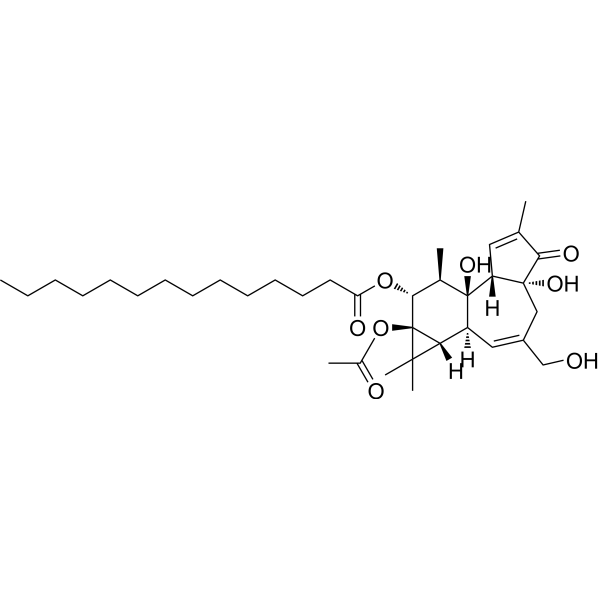
- Formula: C36H56O8
- Molecular Weight: 616.83
Phorbol 12-myristate 13-acetate (PMA; TPA; Phorbol myristate acetate), a phorbol ester, is a dual SphK and protein kinase C (PKC) activator. Phorbol 12-myristate 13-acetate is a NF-κB activator. Phorbol 12-myristate 13-acetate induces differentiation in THP-1 cells (Validated by MedChemExpress).
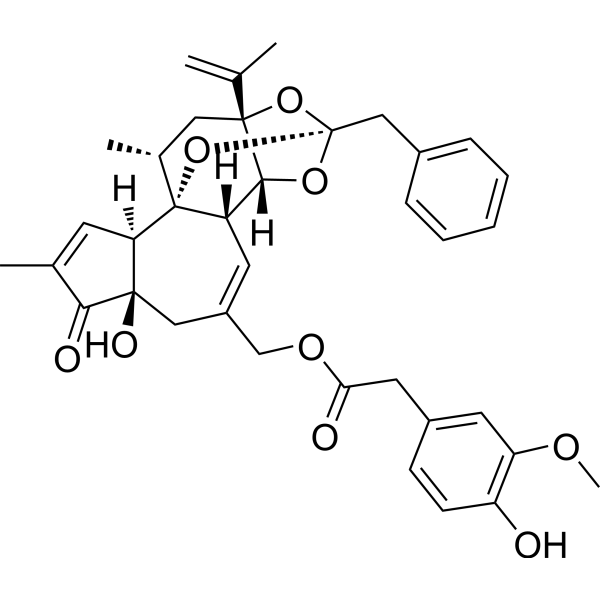
- Formula: C37H40O9
- Molecular Weight: 628.71
Resiniferatoxin ((+)-Resiniferatoxin), is a selective agonist of transient receptor potential vanilloid 1 (TRPV1) receptor agonist. Resiniferatoxin can be isolated from the Euphorbia resinifera plant. Resiniferatoxin eliminates TRPV1+ primary sensory afferents and blunt cardiac sympathetic afferent reflex for a relatively long period.
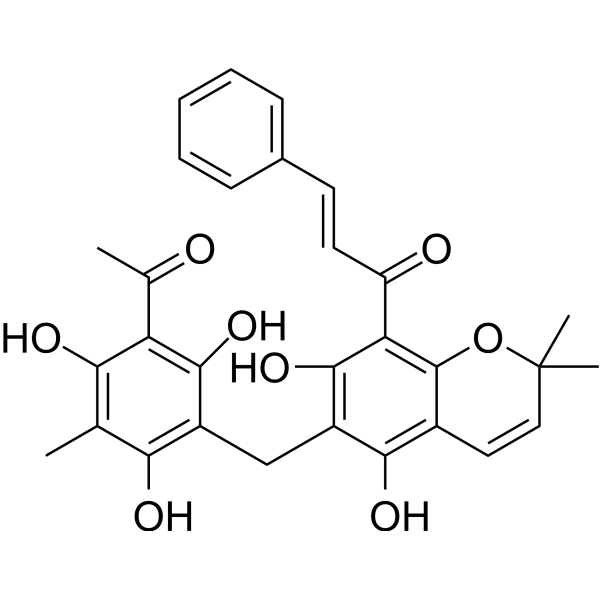
- Formula: C30H28O8
- Molecular Weight: 516.54
Rottlerin, a natural product purified from Mallotus Philippinensis, is a specific PKC inhibitor, with IC50 values for PKCδ of 3-6 μM, PKCα,β,γ of 30-42 μM, PKCε,η,ζ of 80-100 μM. Rottlerin acts as a direct mitochondrial uncoupler, and stimulates autophagy by targeting a signaling cascade upstream of mTORC1. Rottlerin induces apoptosis via caspase 3 activation. Rottlerin inhibits HIV-1 integration and Rabies virus (RABV) infection.
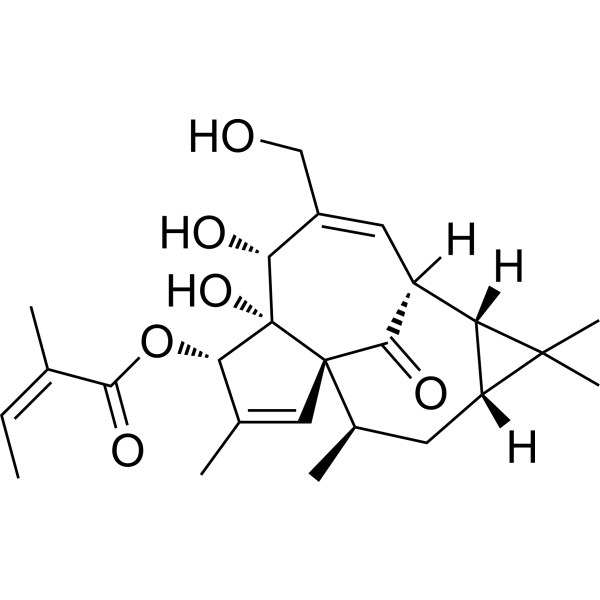
- Formula: C25H34O6
- Molecular Weight: 430.53
Ingenol Mebutate is an active ingredient in Euphorbia peplus, acts as a potent PKC modulator, with Kis of 0.3, 0.105, 0.162, 0.376, and 0.171 nM for PKC-α, PKC-β, PKC-γ, PKC-δ, and PKC-ε, respectively, and has antiinflammatory and antitumor activity.
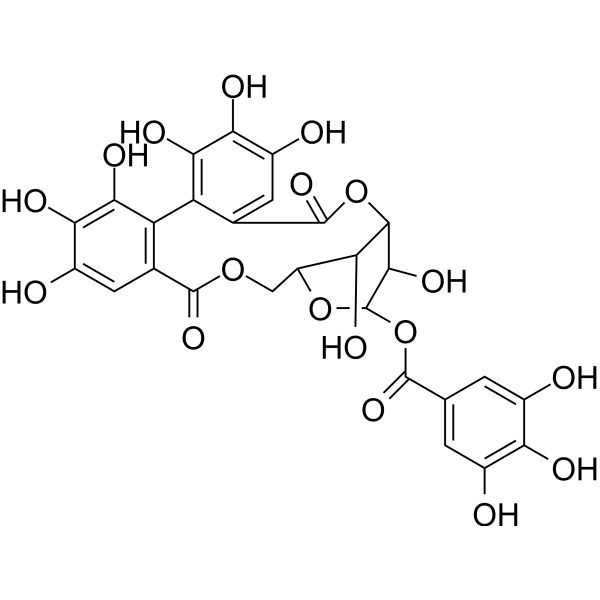
- Formula: C27H22O18
- Molecular Weight: 634.45
Corilagin, a gallotannin, has anti-tumor, anti-inflammatory and hepatoprotective activities. Corilagin inhibits activity of reverse transcriptase of RNA tumor viruses. Corilagin also inhibits the growth of Staphylococcus aureus with a MIC of 25 μg/mL. Corilagin shows anti-tumor activity on hepatocellular carcinoma and ovarian cancer model. Corilagin shows low toxicity to normal cells and tissues.

- Formula: C36H58O6
- Molecular Weight: 586.84
12-Deoxyphorbol 13-palmitate is a traditional Chinese medicine monomer with antitumor activity that can be isolated from the root of Euphorbia fischeriana. 12-Deoxyphorbol 13-palmitate induces gastric cancer cell cycle arrest and apoptosis by regulating key cell cycle regulators such as cyclin B、cyclin A and CDC2. In addition, 12-Deoxyphorbol 13-palmitate can significantly weaken APOL2–SERCA2–PERK–HES1 signaling and slow liver fibrosis by targeting APOL2.


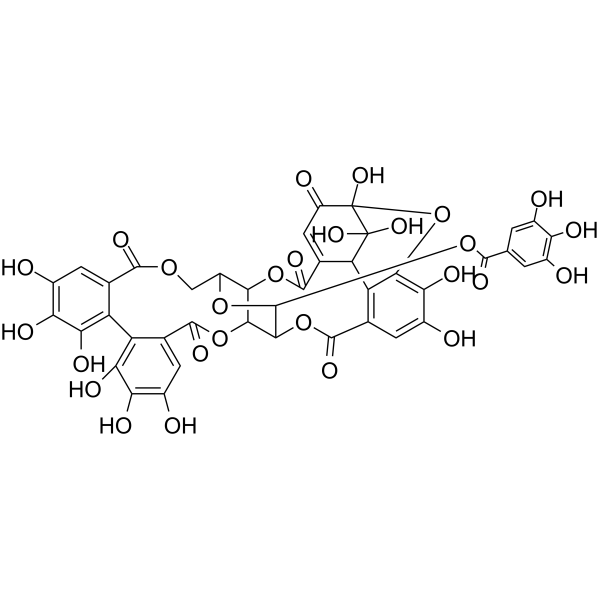
- Formula: C41H28O27
- Molecular Weight: 952.64
Geraniin is a TNF-α releasing inhibitor with numerous activities including anticancer, anti-inflammatory, and anti-hyperglycemic activities, with an IC50 of 43 μM.
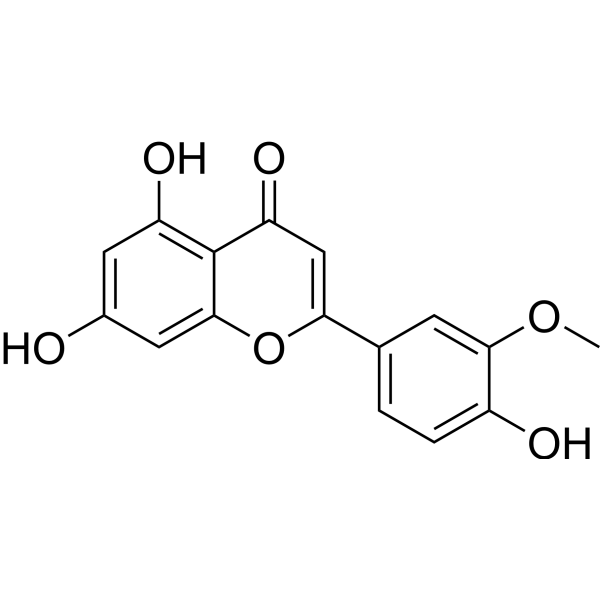
- Formula: C16H12O6
- Molecular Weight: 300.26
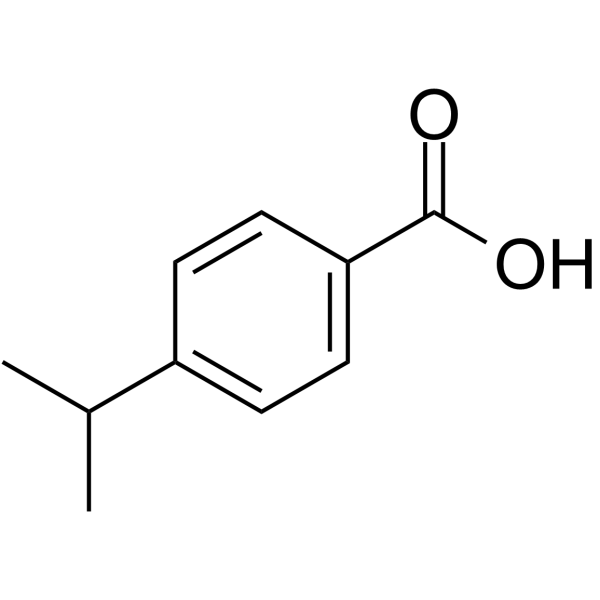
- Formula: C10H12O2
- Molecular Weight: 164.20
4-Isopropylbenzoic acid (Cuminic acid; p-Isopropyl benzoic acid) an aromatic monoterpenoid, is isolated from the stem bark of Bridelia retusa. 4-Isopropylbenzoic acid exhibits antifungal activities. 4-Isopropylbenzoic acid is also a reversible and uncompetitive inhibitor of mushroom tyrosinase.
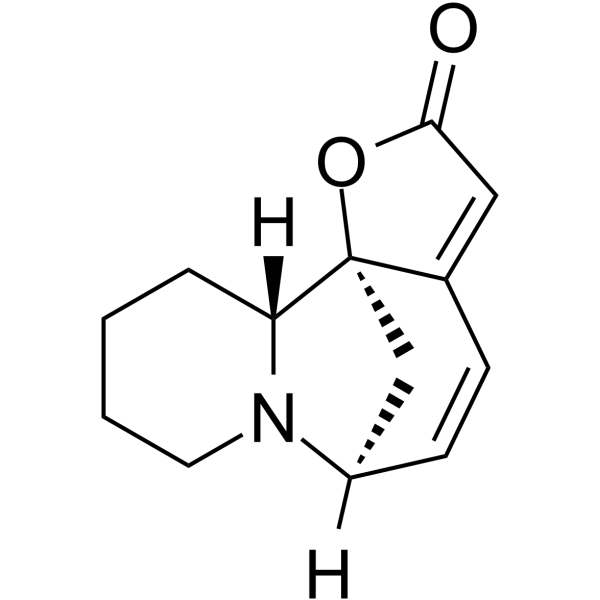
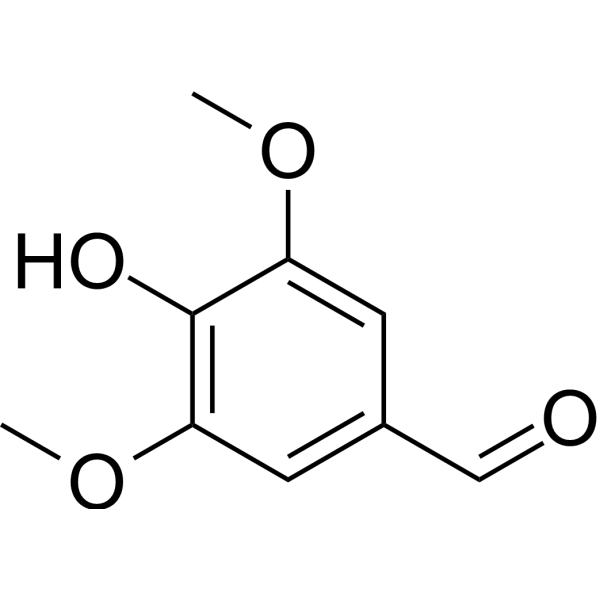
- Formula: C9H10O4
- Molecular Weight: 182.18
Syringaldehyde is a polyphenolic compound belonging to the group of flavonoids and is found in different plant species like Manihot esculenta and Magnolia officinalis. Syringaldehyde moderately inhibits COX-2 activity with an IC50 of 3.5 μg/mL. Anti-hyperglycemic and anti-inflammatory activities.
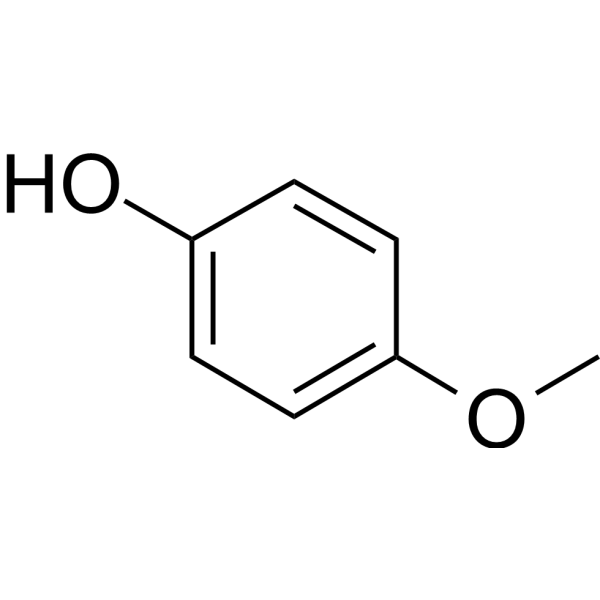
- Formula: C7H8O2
- Molecular Weight: 124.14
Mequinol (4-Methoxyphenol)yes MercurialisOne of the bioactive ingredients, mainly used for skin discoloration. MequinolIs an antioxidant that has additive/synergistic effects on carcinogenesis when combined with other phenolic antioxidants. Mequinolalso promote hERαDependent chaperone production with potential estrogenic activity.
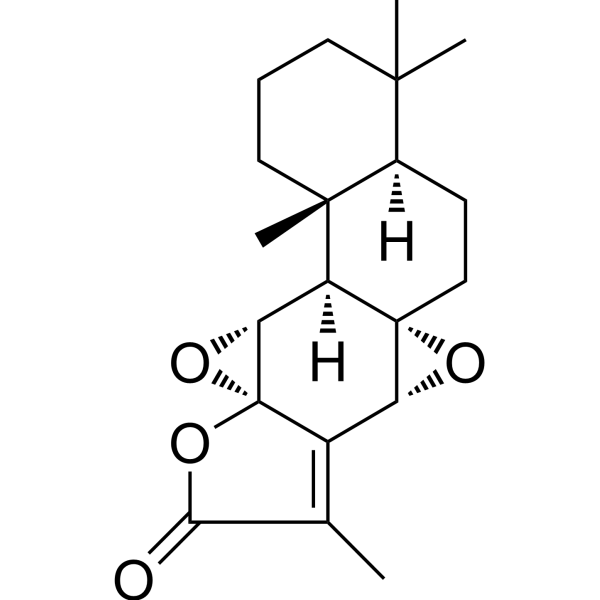
- Formula: C20H26O4
- Molecular Weight: 330.42
Jolkinolide B is a bioactive diterpene isolated from the roots of Euphorbia fischeriana Steud with oral activity. Jolkinolide B downregulates XIAP, cIAP1, cIAP2, and phosphorylated Akt, upregulates Smac, activates caspase-3 and caspase-9, and inhibits NF-κB, TGFβ/smad3 and JAK/STAT3 pathways. Jolkinolide B exerts comprehensive biological effects including inducing cancer cell apoptosis, suppressing inflammatory responses, improving lung function, alleviating hepatic steatosis and eliminating intracellular Mycobacterium tuberculosis. Jolkinolide B can be used for the research of leukemia, histiocytic lymphoma, asthma, metabolic dysfunction-associated steatotic liver disease and tuberculosis.
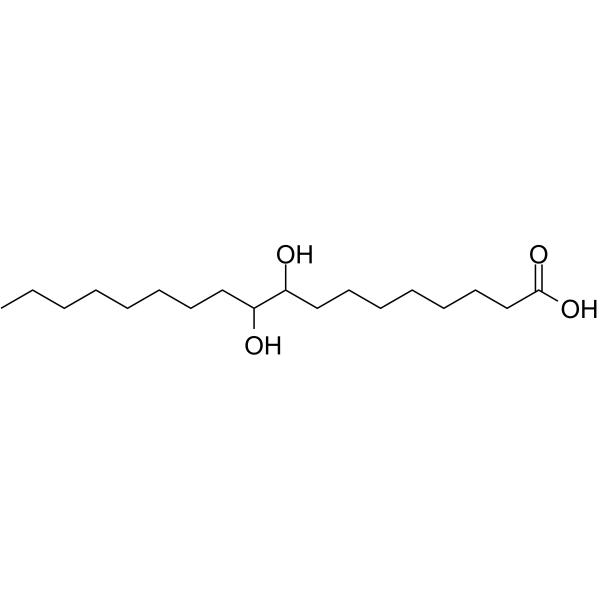
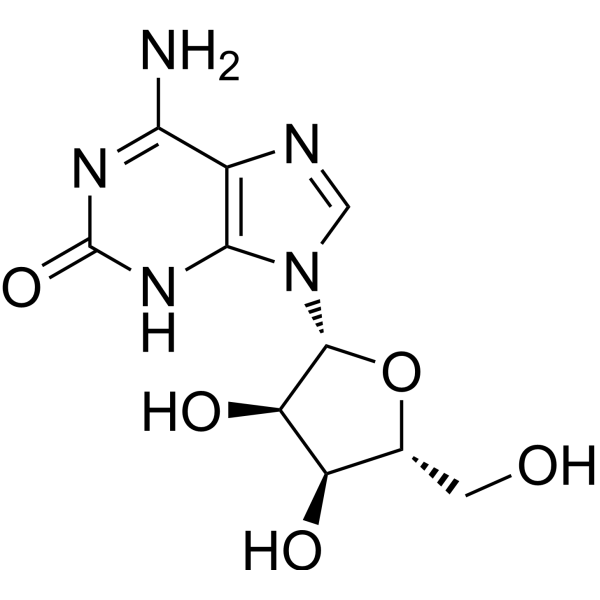
- Formula: C10H13N5O5
- Molecular Weight: 283.24
Crotonoside is isolated from Chinese medicinal herb, Croton. Crotonoside inhibits FLT3 and HDAC3/6, exhibits selective inhibition in acute myeloid leukemia (AML) cells. Crotonoside could be a promising new lead compound for the research of AML.
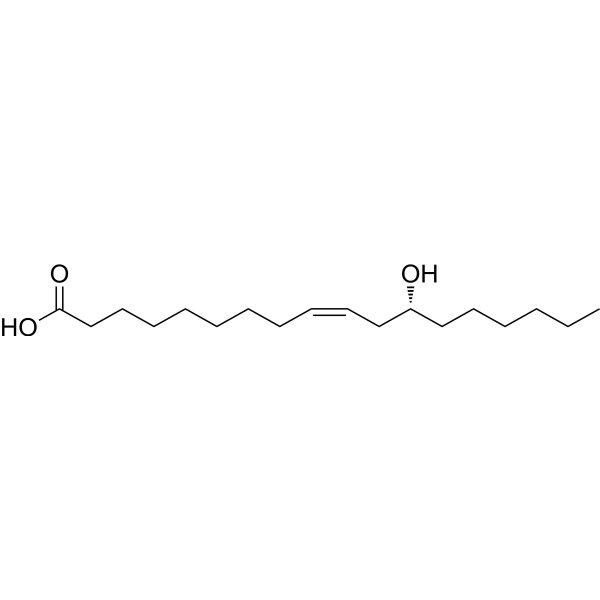
- Formula: C18H34O3
- Molecular Weight: 298.46
Ricinoleic acid (purity≥85%), a hydroxy fatty acid, is an attractive feedstock for the production of high-performance lubricants, cosmetics, polymers, surfactants, and coatings. Ricinoleic acid is the main active ingredient of Castor oil (HY-107799). Ricinoleic acid is the agonist for prostaglandin EP3 receptor (EP3 receptor) (EC50 in MEG-01 is 0.5 μM), that causes laxative effects and uterine contraction. Ricinoleic acid exhibits antianxiety-like, anti-inflammatory and pro-inflammatory properties.

- Formula: C36H56O8
- Molecular Weight: 616.83
Phorbol 12-myristate 13-acetate (PMA; TPA; Phorbol myristate acetate) (Standard) is the analytical standard of Phorbol 12-myristate 13-acetate. This product is intended for research and analytical applications.



