Delivery of temperature sensitive items including proteins and kits will be paused on 6/19 for the Juneteenth holiday. For urgent orders please contact customer service.
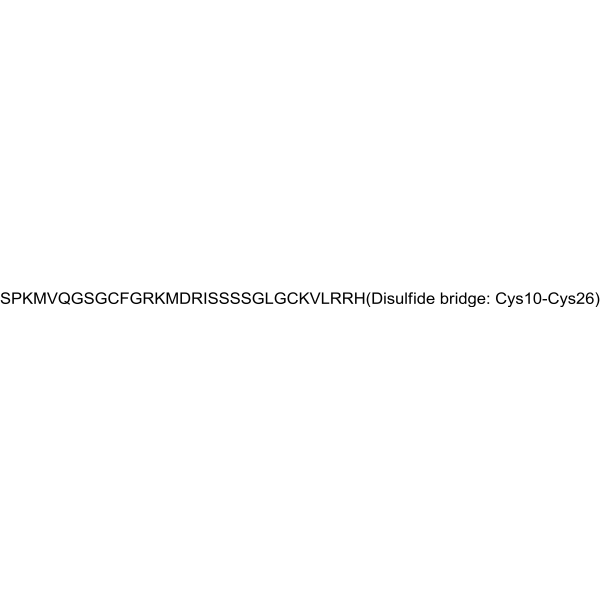
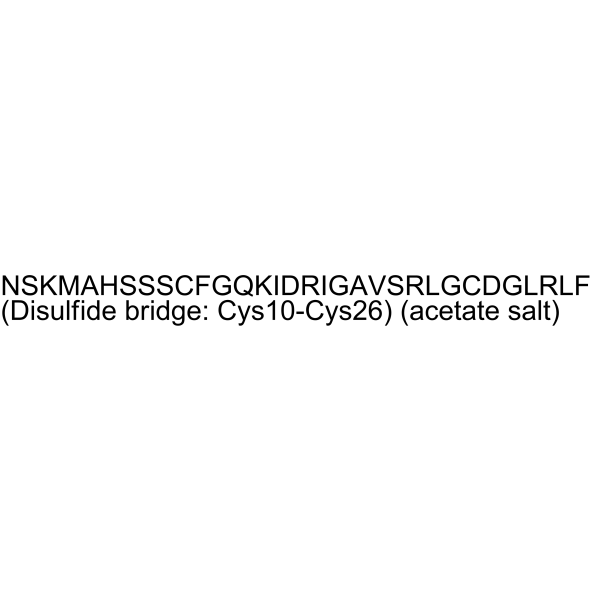
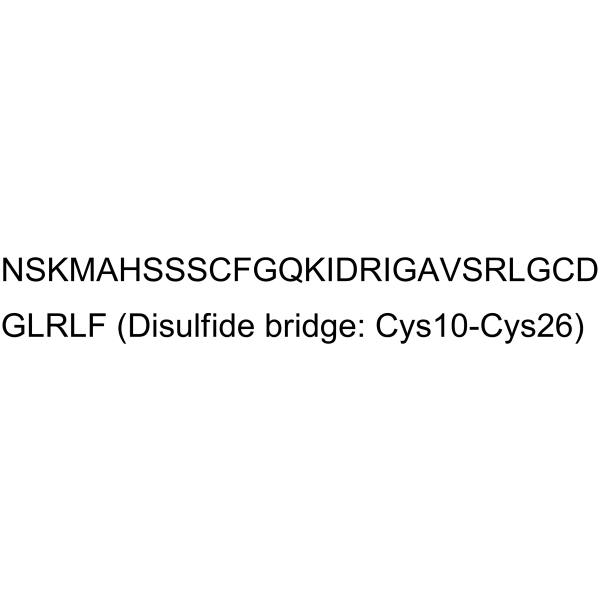
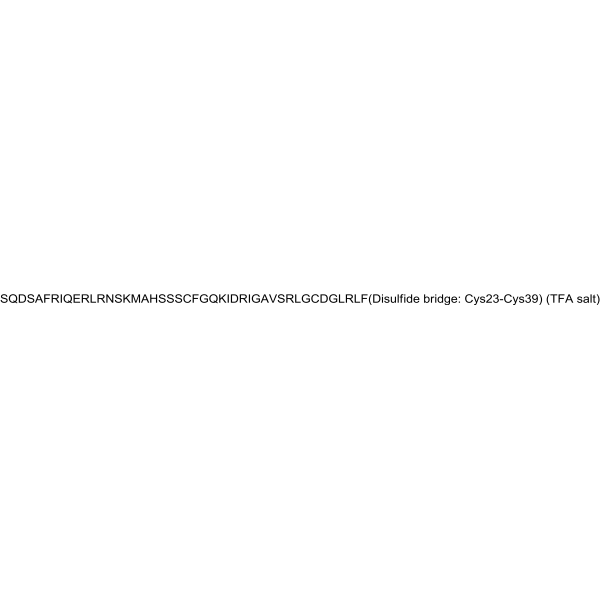
Nesiritide (Brain Natriuretic Peptide-32 human) is a recombinant human B-type natriuretic peptide. Nesiritide is a NPRs agonist, with Kd values of 7.3 and 13 pM for NPR-A and NPR-C, respectively. Nesiritide regulates V1/2 activation/inactivation of the L-type calcium channel. Nesiritide shows vasodilatory, diuretic, and natriuretic activities. Nesiritide is used in cardiovascular diseases such as heart failure and vascular remodeling after arterial injury .
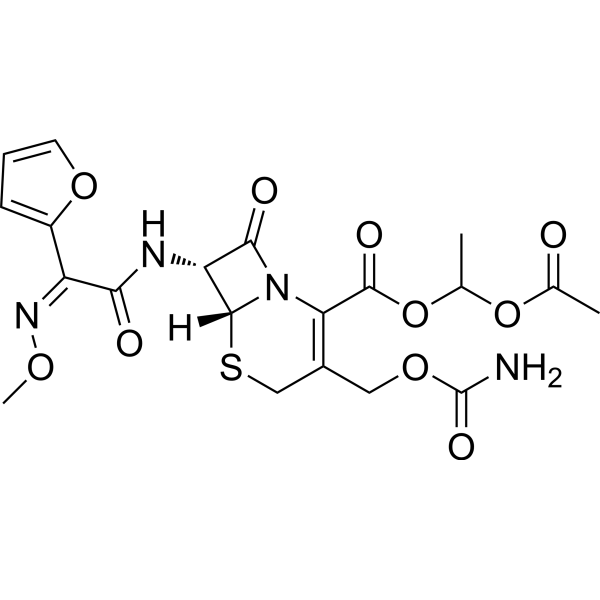
Cefuroxime axetil is an orally effective broad-spectrum β-lactam antibiotic that targets bacterial penicillin-binding proteins (PBPs, such as PBP3 and PBP1). Cefuroxime axetil inhibits cell wall synthesis, leading to bacterial lysis and death, with a minimum inhibitory concentration (MIC) of 0.12-4 mg/L for non-typeable Haemophilus influenzae (NTHi). Cefuroxime axetil is hydrolyzed by esterase to the active ingredient Cefuroxime (HY-B1256A) after oral absorption. Topical administration of Cefuroxime via bioadhesive nanoparticles (BNPs) can prolong the drug's retention time in the middle ear (≥7 days). Cefuroxime axetil can be used in the study of otitis media (especially NTHi infection). Cefuroxime axetil can achieve precise antibacterial effects through oral or topical nano-delivery systems, reducing systemic exposure and the risk of antibiotic resistance .
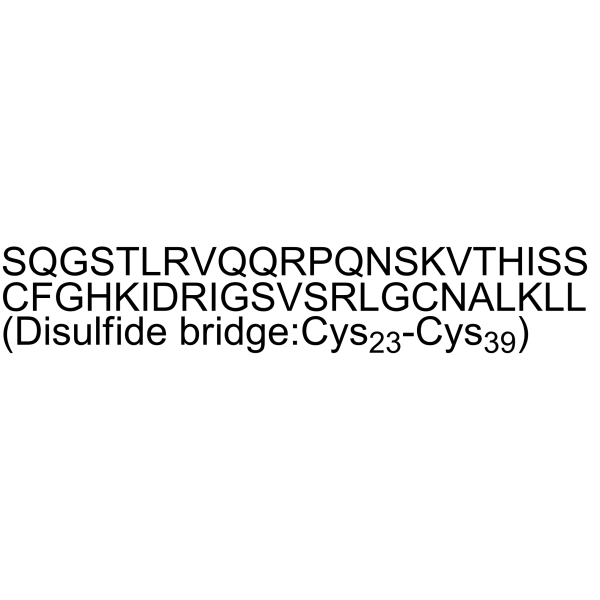
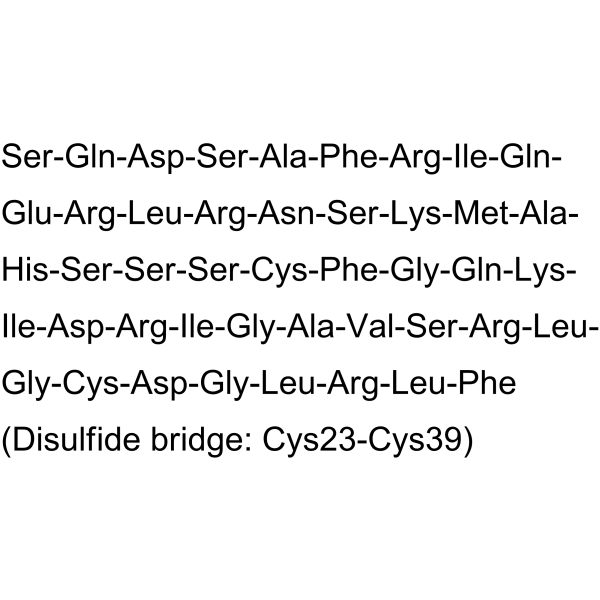
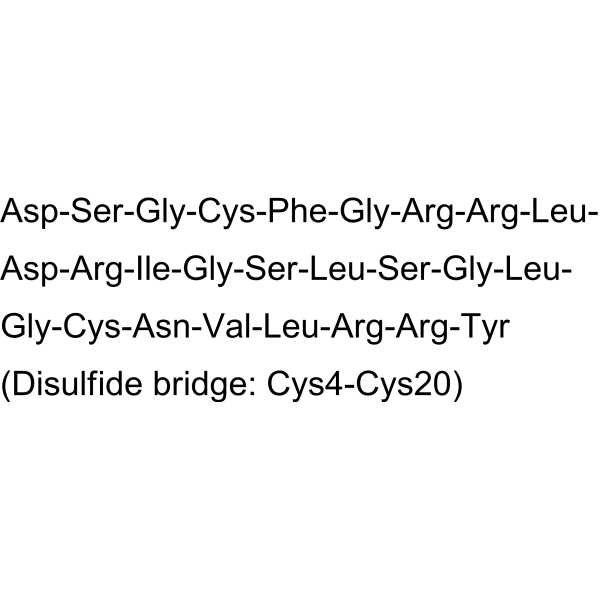
Brain Natriuretic Peptide-45, mouse (BNP-45, mouse) is a 45-amino-acid peptide derived from the mouse BNP prohormone, which exhibits natriuretic, diuretic, and vasoactive effects. Brain Natriuretic Peptide-45, mouse contains all amino acid residues deemed critical for the biological activity of natriuretic peptides. Brain Natriuretic Peptide-45, mouse possesses hypotensive and diuretic activities .
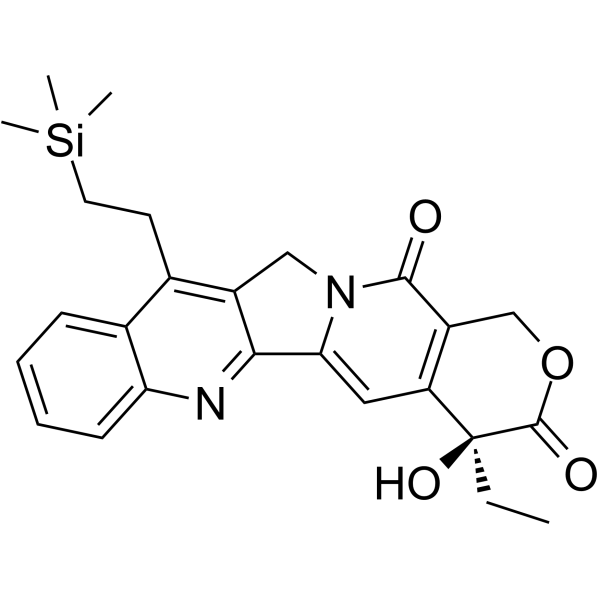
Topobexin is a TOP2B-selective inhibitor with IC50 values of 0.19 μM and 4.8 μM for TOP2B and TOP2A (DNA decatenation assay). Topobexin binds to non-homologous residues in the obex pocket and targets the ATPase domain of TOP2B. Topobexin prevents anthracycline-induced DNA double-strand break formation, apoptotic signaling mediated by caspase 3/7, 8 and 9, cardiomyocyte morphological changes, mitochondrial depolarization/loss, left ventricular systolic dysfunction, extracellular matrix remodeling, fibrotic alterations, and increases in plasma cardiac troponin T and BNP. Topobexin does not impair the antiproliferative effects of anthracyclines in cancer cells, exhibits no intrinsic cytotoxicity in cardiomyocytes, and is well tolerated in rabbits. Topobexin can be used in studies related to anthracycline-induced cardiotoxicity .
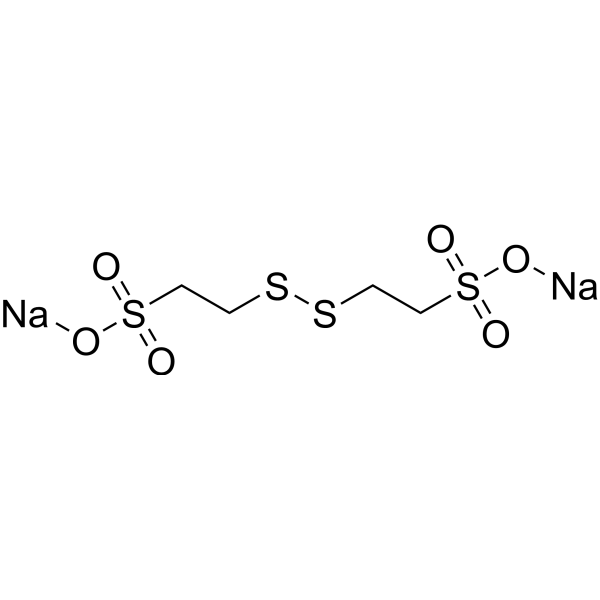
Dimesna (BNP-7787), the disulfide form of Mesna (HY-13679), is a platinum-related toxicity protective agent. Dimesna converts to Mesna, which in turn inactivates toxic platinum substances. Dimesna does not interfere with the antitumor activity of platinum compounds. Dimesna does not affect the antiproliferative effects of Cisplatin (HY-17394) or Carboplatin (HY-17393). Dimesna counteracts Cisplatin-induced nephrotoxicity. Dimesna exerts selective protective effects on the kidneys. Dimesna can be used in studies related to ovarian cancer and Cisplatin-induced nephrotoxicity .
Vixticibart (REGN-5381) is a fully human IgG4 monoclonal antibody and NPR1 agonist that targets NPR1. Vixticibart stabilizes the receptor in an activated conformation by binding to the N-terminal domain of NPR1, and enhances the activity of endogenous ligands ANP and BNP without blocking ligand binding when these ligands are present. Vixticibart exerts vasodilatory and hypotensive effects by inducing cGMP production, preferentially dilating venous vessels to reduce systolic and venous pressure, but does not induce diuresis and may trigger a compensatory increase in heart rate. Vixticibart produces a synergistic hypotensive effect when combined with angiotensin-converting enzyme inhibitors or angiotensin receptor blockers, and is currently mainly used in research related to heart failure and hypertension .
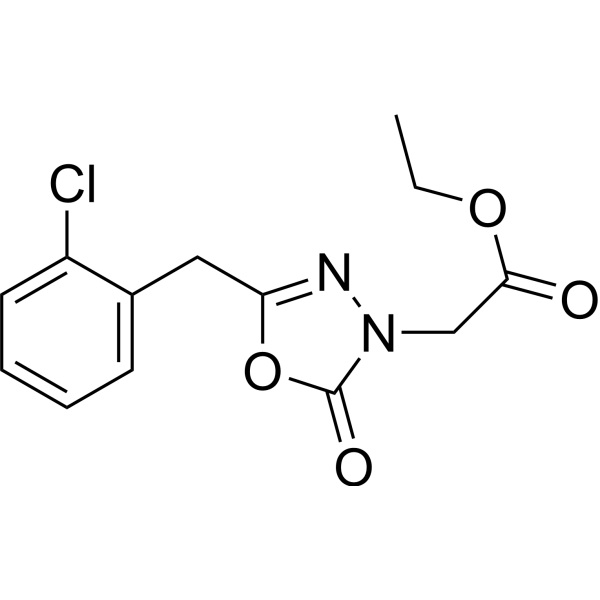
Diludine (BNP-7787) is an orally effective feed additive. Diludine reduces the activity of G6PD and increases the level of superoxide dismutase (SOD). Diludine reduces the mutagenic effect of environmental pollutants, protects parental reproductive systems and improves offspring quality. Diludine is mainly applied during the transition period of dairy cows to increase milk yield and milk fat content, and improve health status during parturition. Diludine can be used in animal feeding research .
CT-1 is a secreted protein belonging to the IL-6 cytokine family. Overexpression of CT-1 enhances cell proliferation, migration and angiogenesis via the ADMA/DDAH pathway. CT-1 inhibits the growth of triple-negative breast cancer cells by simultaneously inducing Ferroptosis in N2-type tumor-associated neutrophils and cancer cells. CT-1 activates the Jak/STAT-3, p42/p44MAPK and AMPK pathways, and inhibits GSK-3β activity through phosphorylation to induce cardiomyocyte hypertrophy. CT-1 enhances the viability of cardiomyocytes and neurons, reduces cell Apoptosis, induces the expression of heat shock proteins (HSP) and BNP, and inhibits TNF levels. CT-1 exerts anti-tumor activity in mouse models of triple-negative breast cancer. CT-1 improves cognitive impairment in mice. CT-1 is applicable to the research of ischemic heart disease, triple-negative breast cancer, myocardial hypertrophy, Parkinson's disease, hypertensive heart disease, myocardial infarction, acute Chagas cardiomyopathy, high-fat diet-induced cognitive impairment and diabetes-related cognitive impairment .
Brain Natriuretic Peptide (1-32), rat acetate (BNP (1-32), rat acetate) is a 32 amino acid polypeptide secreted by the ventricles of the heart in response to excessive stretching of heart muscle cells (cardiomyocytes) .
BNP (1-21), Pro (Human) is a peptide containg 21 amino acids. B-Type Natriuretic Peptide (BNP), a cardiac natriuretic hormone. BNP together with the highly homologous atrial natriuretic peptide, it forms a dual natriuretic peptide system of the heart. BNP is responsible for changes in the heart organogenesis and is associated with transition to extrauterine life .
Brain Natriuretic Peptide-45, rat (BNP-45, rat) is a circulating form of rat brain natriuretic peptide isolated from rat heart with potent hypotensive and natriuretic potency .
Brain Natriuretic Peptide (1-32), rat (BNP (1-32), rat) is a 32 amino acid polypeptide secreted by the ventricles of the heart in response to excessive stretching of heart muscle cells (cardiomyocytes) .
BNP(1-32), porcine (pBNP-32) is a cardiac hormone. BNP(1-32), porcine is an atrial natriuretic peptide, which exhibits natriuretic, diuretic and vasorelaxant effects. BNP(1-32), porcine affects passive avoidance learning in rats with dopaminergic, cholinergic, α-and β-adrenergic mediation .
Diludine (Standard) is the analytical standard of Diludine (HY-W017960). This product is intended for research and analytical applications. Diludine (BNP-7787) is an orally effective feed additive. Diludine reduces the activity of G6PD and increases the level of superoxide dismutase (SOD). Diludine reduces the mutagenic effect of environmental pollutants, protects parental reproductive systems and improves offspring quality. Diludine is mainly applied during the transition period of dairy cows to increase milk yield and milk fat content, and improve health status during parturition. Diludine can be used in animal feeding research .
INF200 (compound 5) is a sulfonylurea-based inhibitor of NLRP3 and NLRP3-mediated pyroptosis. INF200 has beneficial cardiometabolic effects in rat model of high-fat diet (HFD)-induced metaflammation,and shows anti-inflammatory activity to (10 μM) decreases IL-1β release in human macrophages. INF200 improves glucose and lipid profiles,and attenuates systemic inflammation and biomarkers of cardiac dysfunction (particularly BNP). INF200 also improves myocardial damage-dependent ischemia/reperfusion injury (IRI) in hemodynamic evaluation .
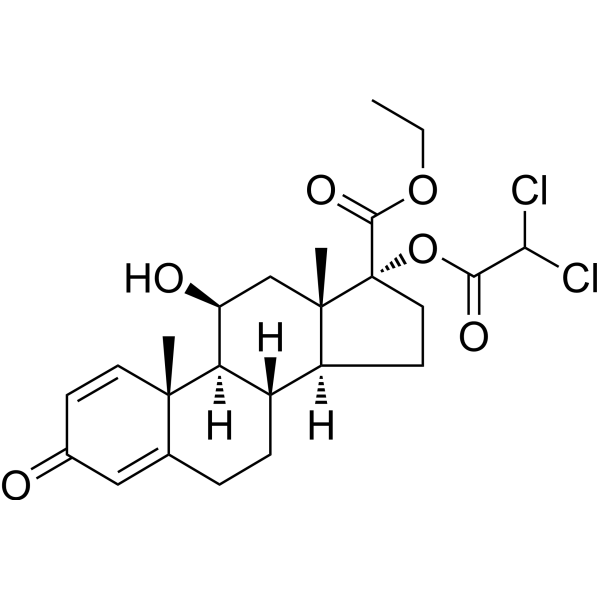
Etiprednol dicloacetate (BNP 166) is an anti-inflammatory agent. Etiprednol dicloacetate inhibits eosinophil accumulation. Etiprednol dicloacetate can be used in the research of inflammatory airway diseases, such as asthma .
Dimesna-d8(BNP-7787-d8) is the deuterium labeled Dimesna (HY-B1022). Dimesna combined with anticancer chemotherapeutic agents to reduce nephrotoxicity.
Brain Natriuretic Peptide-45, rat TFA (BNP-45, rat TFA) is a circulating form of rat brain natriuretic peptide isolated from rat heart with potent hypotensive and natriuretic potency .
Dimesna (BNP-7787) free acid, the disulfide form of Mesna (HY-13679), is a platinum-related toxicity protective agent. Dimesna free acid converts to Mesna, which in turn inactivates toxic platinum substances. Dimesna free acid does not interfere with the antitumor activity of platinum compounds. Dimesna free acid does not affect the antiproliferative effects of Cisplatin (HY-17394) or Carboplatin (HY-17393). Dimesna free acid counteracts Cisplatin-induced nephrotoxicity. Dimesna free acid exerts selective protective effects on the kidneys. Dimesna free acid can be used in studies related to ovarian cancer and Cisplatin-induced nephrotoxicity .
NPPB Human Pre-designed siRNA Set A contains three designed siRNAs for NPPB gene (Human), as well as a negative control, a positive control, and a FAM-labeled negative control.
Nesiritide (Brain Natriuretic Peptide-32 human) acetate is a recombinant human B-type natriuretic peptide. Nesiritide acetate is a NPRs agonist, with Kd values of 7.3 and 13 pM for NPR-A and NPR-C, respectively. Nesiritide acetate regulates V1/2 activation/inactivation of the L-type calcium channel. Nesiritide acetate shows vasodilatory, diuretic, and natriuretic activities. Nesiritide acetate is used in cardiovascular diseases such as heart failure and vascular remodeling after arterial injury .
Nppb Rat Pre-designed siRNA Set A contains three designed siRNAs for Nppb gene (Rat), as well as a negative control, a positive control, and a FAM-labeled negative control.
Nppb Mouse Pre-designed siRNA Set A contains three designed siRNAs for Nppb gene (Mouse), as well as a negative control, a positive control, and a FAM-labeled negative control.
Glycoursodeoxycholic acid 3-sulfate is a glycine-conjugated sulfated bile acid 3-sulfate, which is produced by SULT2A1-mediated sulfation of glycoursodeoxycholic acid (HY-N1424) in the liver. Glycoursodeoxycholic acid 3-sulfate attenuates the anti-inflammatory effect of glycoursodeoxycholic acid and impairs the inhibitory effect on the IL-17 and NF-κB signaling pathways. Glycoursodeoxycholic acid 3-sulfate shows a significant correlation with aortic flow velocity and BNP in patients with aortic stenosis. Glycoursodeoxycholic acid 3-sulfate is mainly used in related studies such as quantitative analysis, quality control and biochemical experiments; it often serves as a reagent for metabolomics analysis and can also be applied to research related to aortic stenosis .
The BNP peptide/KLH is an antigen-adjuvant conjugate formed by linking BNP peptide (human brain natriuretic peptide) with keyhole limpet hemocyanin (KLH). By conjugating the antigen with a protein adjuvant, the production of antigen-specific antibodies in vaccine models can be enhanced. The conjugate does not affect protein folding or damage the major epitopes, and it can enhance cross-presentation and the generation of antigen-specific T cells.
Nesiritide (Brain Natriuretic Peptide-32 human) is a recombinant human B-type natriuretic peptide. Nesiritide is a NPRs agonist, with Kd values of 7.3 and 13 pM for NPR-A and NPR-C, respectively. Nesiritide regulates V1/2 activation/inactivation of the L-type calcium channel. Nesiritide shows vasodilatory, diuretic, and natriuretic activities. Nesiritide is used in cardiovascular diseases such as heart failure and vascular remodeling after arterial injury .
Brain Natriuretic Peptide-45, mouse (BNP-45, mouse) is a 45-amino-acid peptide derived from the mouse BNP prohormone, which exhibits natriuretic, diuretic, and vasoactive effects. Brain Natriuretic Peptide-45, mouse contains all amino acid residues deemed critical for the biological activity of natriuretic peptides. Brain Natriuretic Peptide-45, mouse possesses hypotensive and diuretic activities .
Brain Natriuretic Peptide (1-32), rat acetate (BNP (1-32), rat acetate) is a 32 amino acid polypeptide secreted by the ventricles of the heart in response to excessive stretching of heart muscle cells (cardiomyocytes) .
BNP (1-21), Pro (Human) is a peptide containg 21 amino acids. B-Type Natriuretic Peptide (BNP), a cardiac natriuretic hormone. BNP together with the highly homologous atrial natriuretic peptide, it forms a dual natriuretic peptide system of the heart. BNP is responsible for changes in the heart organogenesis and is associated with transition to extrauterine life .
Brain Natriuretic Peptide-45, rat (BNP-45, rat) is a circulating form of rat brain natriuretic peptide isolated from rat heart with potent hypotensive and natriuretic potency .
Brain Natriuretic Peptide (1-32), rat (BNP (1-32), rat) is a 32 amino acid polypeptide secreted by the ventricles of the heart in response to excessive stretching of heart muscle cells (cardiomyocytes) .
BNP(1-32), porcine (pBNP-32) is a cardiac hormone. BNP(1-32), porcine is an atrial natriuretic peptide, which exhibits natriuretic, diuretic and vasorelaxant effects. BNP(1-32), porcine affects passive avoidance learning in rats with dopaminergic, cholinergic, α-and β-adrenergic mediation .
Brain Natriuretic Peptide-45, rat TFA (BNP-45, rat TFA) is a circulating form of rat brain natriuretic peptide isolated from rat heart with potent hypotensive and natriuretic potency .
Nesiritide (Brain Natriuretic Peptide-32 human) acetate is a recombinant human B-type natriuretic peptide. Nesiritide acetate is a NPRs agonist, with Kd values of 7.3 and 13 pM for NPR-A and NPR-C, respectively. Nesiritide acetate regulates V1/2 activation/inactivation of the L-type calcium channel. Nesiritide acetate shows vasodilatory, diuretic, and natriuretic activities. Nesiritide acetate is used in cardiovascular diseases such as heart failure and vascular remodeling after arterial injury .
Biotinyl-BNP-32 (human) is a polypeptide that can be found by peptide screening. Peptide screening is a research tool that pools active peptides primarily by immunoassay. Peptide screening can be used for protein interaction, functional analysis, epitope screening, especially in the field of agent research and development .
Vixticibart (REGN-5381) is a fully human IgG4 monoclonal antibody and NPR1 agonist that targets NPR1. Vixticibart stabilizes the receptor in an activated conformation by binding to the N-terminal domain of NPR1, and enhances the activity of endogenous ligands ANP and BNP without blocking ligand binding when these ligands are present. Vixticibart exerts vasodilatory and hypotensive effects by inducing cGMP production, preferentially dilating venous vessels to reduce systolic and venous pressure, but does not induce diuresis and may trigger a compensatory increase in heart rate. Vixticibart produces a synergistic hypotensive effect when combined with angiotensin-converting enzyme inhibitors or angiotensin receptor blockers, and is currently mainly used in research related to heart failure and hypertension .
NPPB proteins are members of the natriuretic peptide family and are key regulators of cardiovascular homeostasis. As a hormone, NPPB is produced and released primarily by ventricular myocytes in response to increases in pressure and volume. NPPB Protein, Human is the recombinant human-derived BNP protein, expressed by E. coli , with tag free.
NPPB proteins are members of the natriuretic peptide family and are key regulators of cardiovascular homeostasis. As a hormone, NPPB is produced and released primarily by ventricular myocytes in response to increases in pressure and volume. NPPB Protein, Human (76a.a, Flag-His) is the recombinant human-derived NPPB protein, expressed by E. coli , with N-6*His, N-Flag labeled tag.
Dimesna-d8(BNP-7787-d8) is the deuterium labeled Dimesna (HY-B1022). Dimesna combined with anticancer chemotherapeutic agents to reduce nephrotoxicity.
NPPB Human Pre-designed siRNA Set A contains three designed siRNAs for NPPB gene (Human), as well as a negative control, a positive control, and a FAM-labeled negative control.
Nppb Rat Pre-designed siRNA Set A contains three designed siRNAs for Nppb gene (Rat), as well as a negative control, a positive control, and a FAM-labeled negative control.
Nppb Mouse Pre-designed siRNA Set A contains three designed siRNAs for Nppb gene (Mouse), as well as a negative control, a positive control, and a FAM-labeled negative control.
Western blot analysis of extracts from THP-1(lane 2(20μg), Jurkat (lane 3(20μg) and NIH3T3(lane 4(20μg) using FOXO1A (HY-P80132) Rabbit mAb. Proteins were transferred
to a PVDF membrane and blocked with 5% non-fat milk in TBST for 2 hour at room temperature. The primary antibody (1/1000) and Loading control antibody (Beta Actin, HY-P80438, 1/10000) was
used in 5% non-fat milk in TBST at 4°C overnight. Goat Anti-Mouse/Rabbit IgG-HRP Secondary Antibody (1/10000) was used for 1 hour at room temperature.
Western blot analysis of extracts from THP-1(lane 2(20μg), Jurkat (lane 3(20μg) and NIH3T3(lane 4(20μg) using FOXO1A (HY-P80132) Rabbit mAb. Proteins were transferred
to a PVDF membrane and blocked with 5% non-fat milk in TBST for 2 hour at room temperature. The primary antibody (1/1000) and Loading control antibody (Beta Actin, HY-P80438, 1/10000) was
used in 5% non-fat milk in TBST at 4°C overnight. Goat Anti-Mouse/Rabbit IgG-HRP Secondary Antibody (1/10000) was used for 1 hour at room temperature.
Western blot analysis of extracts from THP-1(lane 2(20μg), Jurkat (lane 3(20μg) and NIH3T3(lane 4(20μg) using FOXO1A (HY-P80132) Rabbit mAb. Proteins were transferred
to a PVDF membrane and blocked with 5% non-fat milk in TBST for 2 hour at room temperature. The primary antibody (1/1000) and Loading control antibody (Beta Actin, HY-P80438, 1/10000) was
used in 5% non-fat milk in TBST at 4°C overnight. Goat Anti-Mouse/Rabbit IgG-HRP Secondary Antibody (1/10000) was used for 1 hour at room temperature.
Western blot analysis of extracts from THP-1(lane 2(20μg), Jurkat (lane 3(20μg) and NIH3T3(lane 4(20μg) using FOXO1A (HY-P80132) Rabbit mAb. Proteins were transferred
to a PVDF membrane and blocked with 5% non-fat milk in TBST for 2 hour at room temperature. The primary antibody (1/1000) and Loading control antibody (Beta Actin, HY-P80438, 1/10000) was
MedchemExpress Validation 03
Western blot analysis of extracts from THP-1(lane 2(20μg), Jurkat (lane 3(20μg) and NIH3T3(lane 4(20μg) using FOXO1A (HY-P80132) Rabbit mAb. Proteins were transferred
MedchemExpress Validation 04
Western blot analysis of extracts from THP-1(lane 2(20μg), Jurkat (lane 3(20μg) and NIH3T3(lane 4(20μg) using FOXO1A (HY-P80132) Rabbit mAb. Proteins were transferred
to a PVDF membrane and blocked with 5% non-fat milk in TBST for 2 hour at room temperature. The primary antibody (1/1000) and Loading control antibody (Beta Actin, HY-P80438, 1/10000) was
used in 5% non-fat milk in TBST at 4°C overnight. Goat Anti-Mouse/Rabbit IgG-HRP Secondary Antibody (1/10000) was used for 1 hour at room temperature.
MedchemExpress Validation
Western blot analysis of extracts from THP-1(lane 2(20μg), Jurkat (lane 3(20μg) and NIH3T3(lane 4(20μg) using FOXO1A (HY-P80132) Rabbit mAb. Proteins were transferred
to a PVDF membrane and blocked with 5% non-fat milk in TBST for 2 hour at room temperature. The primary antibody (1/1000) and Loading control antibody (Beta Actin, HY-P80438, 1/10000) was
used in 5% non-fat milk in TBST at 4°C overnight. Goat Anti-Mouse/Rabbit IgG-HRP Secondary Antibody (1/10000) was used for 1 hour at room temperature.
Western blot analysis of extracts from THP-1(lane 2(20μg), Jurkat (lane 3(20μg) and NIH3T3(lane 4(20μg) using FOXO1A (HY-P80132) Rabbit mAb. Proteins were transferred
to a PVDF membrane and blocked with 5% non-fat milk in TBST for 2 hour at room temperature. The primary antibody (1/1000) and Loading control antibody (Beta Actin, HY-P80438, 1/10000) was
used in 5% non-fat milk in TBST at 4°C overnight. Goat Anti-Mouse/Rabbit IgG-HRP Secondary Antibody (1/10000) was used for 1 hour at room temperature.
MedchemExpress Validation
Western blot analysis of extracts from THP-1(lane 2(20μg), Jurkat (lane 3(20μg) and NIH3T3(lane 4(20μg) using FOXO1A (HY-P80132) Rabbit mAb. Proteins were transferred
to a PVDF membrane and blocked with 5% non-fat milk in TBST for 2 hour at room temperature. The primary antibody (1/1000) and Loading control antibody (Beta Actin, HY-P80438, 1/10000) was
used in 5% non-fat milk in TBST at 4°C overnight. Goat Anti-Mouse/Rabbit IgG-HRP Secondary Antibody (1/10000) was used for 1 hour at room temperature.
MedchemExpress Validation
Western blot analysis of extracts from THP-1(lane 2(20μg), Jurkat (lane 3(20μg) and NIH3T3(lane 4(20μg) using FOXO1A (HY-P80132) Rabbit mAb. Proteins were transferred
to a PVDF membrane and blocked with 5% non-fat milk in TBST for 2 hour at room temperature. The primary antibody (1/1000) and Loading control antibody (Beta Actin, HY-P80438, 1/10000) was
used in 5% non-fat milk in TBST at 4°C overnight. Goat Anti-Mouse/Rabbit IgG-HRP Secondary Antibody (1/10000) was used for 1 hour at room temperature.
MedchemExpress Validation
Western blot analysis of extracts from THP-1(lane 2(20μg), Jurkat (lane 3(20μg) and NIH3T3(lane 4(20μg) using FOXO1A (HY-P80132) Rabbit mAb. Proteins were transferred
to a PVDF membrane and blocked with 5% non-fat milk in TBST for 2 hour at room temperature. The primary antibody (1/1000) and Loading control antibody (Beta Actin, HY-P80438, 1/10000) was
used in 5% non-fat milk in TBST at 4°C overnight. Goat Anti-Mouse/Rabbit IgG-HRP Secondary Antibody (1/10000) was used for 1 hour at room temperature.
MedchemExpress Validation
Western blot analysis of extracts from THP-1(lane 2(20μg), Jurkat (lane 3(20μg) and NIH3T3(lane 4(20μg) using FOXO1A (HY-P80132) Rabbit mAb. Proteins were transferred
to a PVDF membrane and blocked with 5% non-fat milk in TBST for 2 hour at room temperature. The primary antibody (1/1000) and Loading control antibody (Beta Actin, HY-P80438, 1/10000) was
used in 5% non-fat milk in TBST at 4°C overnight. Goat Anti-Mouse/Rabbit IgG-HRP Secondary Antibody (1/10000) was used for 1 hour at room temperature.
MedchemExpress Validation
Western blot analysis of extracts from THP-1(lane 2(20μg), Jurkat (lane 3(20μg) and NIH3T3(lane 4(20μg) using FOXO1A (HY-P80132) Rabbit mAb. Proteins were transferred
to a PVDF membrane and blocked with 5% non-fat milk in TBST for 2 hour at room temperature. The primary antibody (1/1000) and Loading control antibody (Beta Actin, HY-P80438, 1/10000) was
used in 5% non-fat milk in TBST at 4°C overnight. Goat Anti-Mouse/Rabbit IgG-HRP Secondary Antibody (1/10000) was used for 1 hour at room temperature.
MedchemExpress Validation
Western blot analysis of extracts from THP-1(lane 2(20μg), Jurkat (lane 3(20μg) and NIH3T3(lane 4(20μg) using FOXO1A (HY-P80132) Rabbit mAb. Proteins were transferred
to a PVDF membrane and blocked with 5% non-fat milk in TBST for 2 hour at room temperature. The primary antibody (1/1000) and Loading control antibody (Beta Actin, HY-P80438, 1/10000) was
used in 5% non-fat milk in TBST at 4°C overnight. Goat Anti-Mouse/Rabbit IgG-HRP Secondary Antibody (1/10000) was used for 1 hour at room temperature.
MedChemExpress values your privacy and your trust is important to us. We use cookies to enhance your website experience. Some cookies are necessary to run the website.
Privacy and Cookie Policy