Search Result
Results for "
Biofilm inhibition
" in MedChemExpress (MCE) Product Catalog:
1
Isotope-Labeled Compounds
| Cat. No. |
Product Name |
Target |
Research Areas |
Chemical Structure |
-
- HY-119726
-
|
APX001; E1211
|
Fungal
|
Infection
Inflammation/Immunology
Cancer
|
|
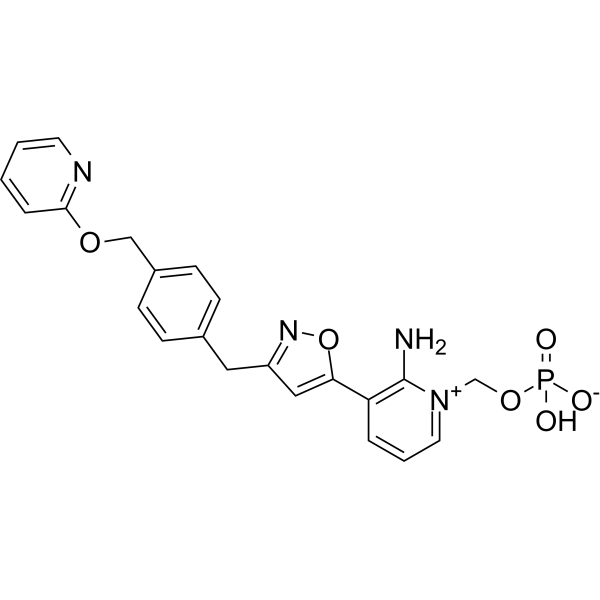
Fosmanogepix (APX001) is a broad-spectrum agent against invasive fungal infections. Fosmanogepix (APX001) targets the conserved Gwt1 enzyme required for the localization of glycosylphosphatidylinositol-anchored mannoproteins in fungi. This inhibition prevents the appropriate localization of cell wall mannoproteins, which compromises cell wall integrity, biofilm formation, germ tube formation, and fungal growth. Fosmanogepix (APX001) can be used for invasive fungal infections research .
|
-
-
- HY-W015490
-
|
|
Environmental Pollutants
DNA/RNA Synthesis
NF-κB
Monoamine Oxidase
TNF Receptor
Bacterial
|
Infection
Inflammation/Immunology
Cancer
|
|
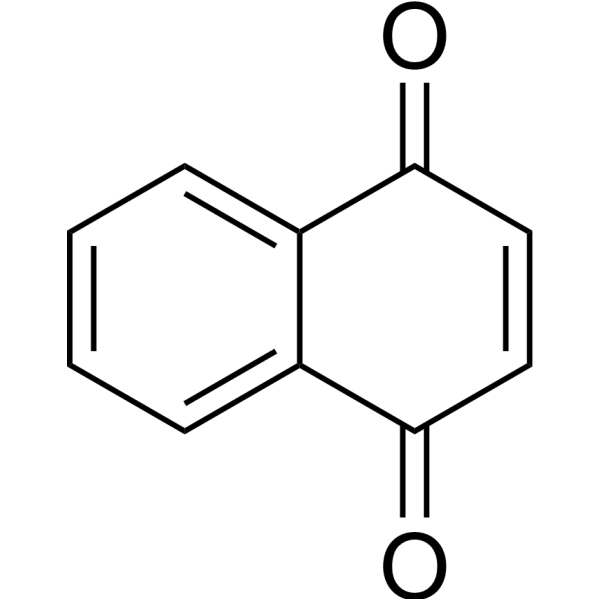
1,4-Naphthoquinone is an inhibitor with broad-spectrum inhibitory activity targeting DNA polymerase, NF-κB and monoamine oxidase (MAO-A/B), with antibacterial and anti-biofilm efficacy. 1,4-Naphthoquinone is a competitive inhibitor of MAO-B (Ki=1.4 μM) and a non-competitive inhibitor of MAO-A (Ki=7.7 μM). 1,4-Naphthoquinone inhibits DNA polymerase pol α, β, γ, δ, ε, λ with IC50 ranging from 5.57-128 μM. 1,4-Naphthoquinone inhibits tumor cell proliferation, induces apoptosis and necrosis, and has anti-angiogenic and anti-inflammatory activities by inducing oxidative stress, depleting glutathione (GSH), inhibiting DNA polymerase-mediated DNA synthesis and blocking NF-κB nuclear translocation. 1,4-Naphthoquinone can be used in anti-bacterial , anti-tumor and anti-inflammatory studies, including inhibition of melanoma and colon cancer cell growth and endothelial cell function, as well as LPS-induced inflammation models .
|
-
-
- HY-N4104
-
|
Agaricinic Acid
|
Mitochondrial Metabolism
Bacterial
Calcium Channel
|
Infection
Metabolic Disease
|
|
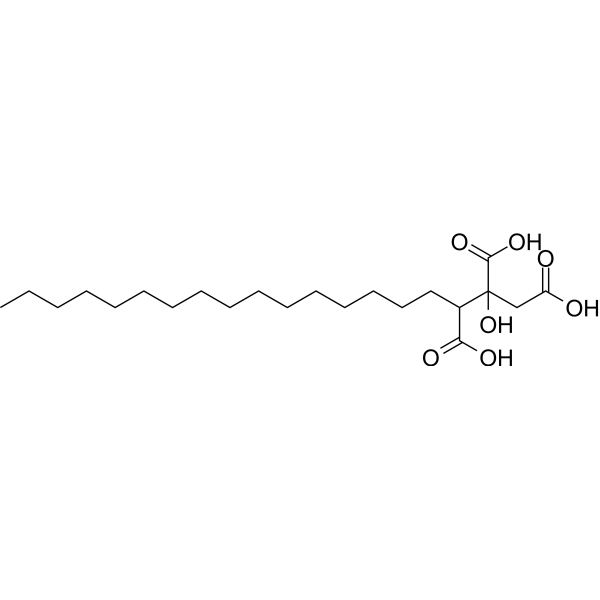
Agaric acid (Agaricinic Acid) is an orally active inhibitor of adenine nucleotide translocase found in specific fungi. Agaric acid can inhibit the biofilm formation of various bacteria such as Salmonella. Agaric acid can also induce mitochondrial permeability transition, prompting mitochondria to release Ca 2+, disrupting the transmembrane potential, and causing mitochondrial swelling. In addition, Agaric acid can also inhibit citrate transport in liver mitochondria and participate in the inhibition of fatty acid synthesis, affecting multiple metabolic processes .
|
-
-
- HY-W015490S
-
|
|
Isotope-Labeled Compounds
DNA/RNA Synthesis
NF-κB
Monoamine Oxidase
TNF Receptor
Bacterial
|
Infection
Inflammation/Immunology
Cancer
|
|
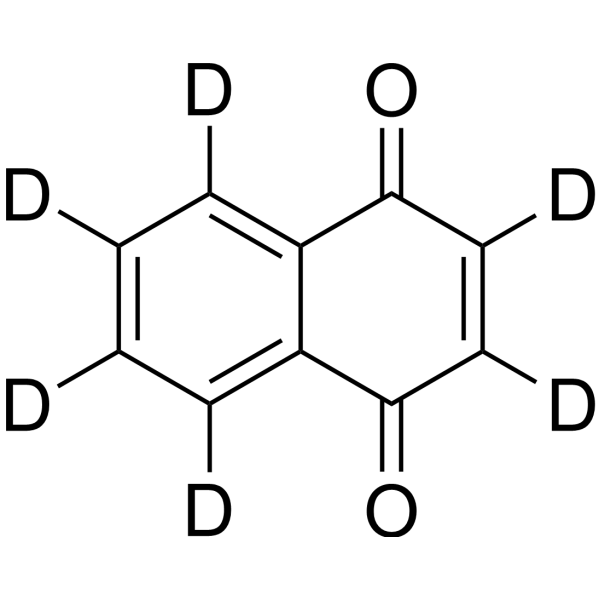
1,4-Naphthoquinone-d6 is the deuterium labeled 1,4-Naphthoquinone. 1,4-Naphthoquinone is an inhibitor with broad-spectrum inhibitory activity targeting DNA polymerase, NF-κB and monoamine oxidase (MAO-A/B), with antibacterial and anti-biofilm efficacy. 1,4-Naphthoquinone is a competitive inhibitor of MAO-B (Ki=1.4 μM) and a non-competitive inhibitor of MAO-A (Ki=7.7 μM). 1,4-Naphthoquinone inhibits DNA polymerase pol α, β, γ, δ, ε, λ with IC50 ranging from 5.57-128 μM. 1,4-Naphthoquinone inhibits tumor cell proliferation, induces apoptosis and necrosis, and has anti-angiogenic and anti-inflammatory activities by inducing oxidative stress, depleting glutathione (GSH), inhibiting DNA polymerase-mediated DNA synthesis and blocking NF-κB nuclear translocation. 1,4-Naphthoquinone can be used in anti-bacterial , anti-tumor and anti-inflammatory studies, including inhibition of melanoma and colon cancer cell growth and endothelial cell function, as well as LPS-induced inflammation models .
|
-
-
- HY-N15548
-
|
Armeniaspirole A
|
Bacterial
|
Infection
|
|
Armeniaspirol A (Armeniaspirole A) is an antibacterial agent targeting Helicobacter pylori cell membranes. Armeniaspirol A induces membrane permeabilization, cytoplasmic leakage, and biofilm inhibition/eradication. Armeniaspirol A is promising for research of H. pylori infection .
|
-

-
- HY-146811
-
|
|
Bacterial
|
Inflammation/Immunology
|
|
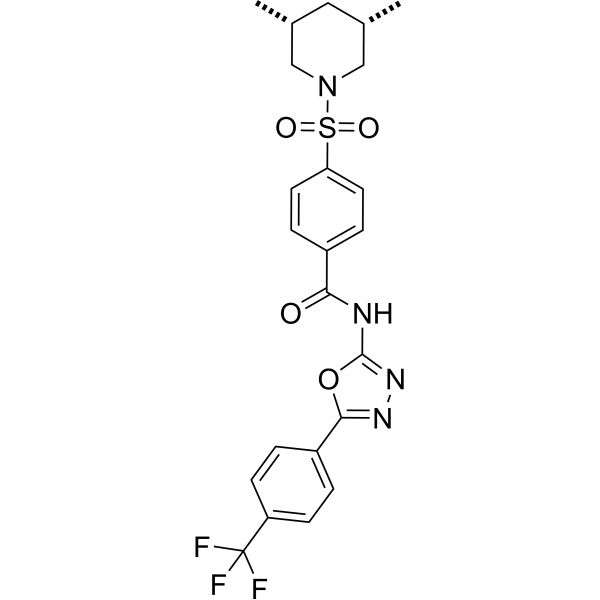
HSGN-94 is a potent antimicrobial agent with lipoteichoic acid (LTA) biosynthesis inhibition. HSGN-94 inhibits drug-resistant Gram-positive bacteria with MIC values of 0.25-2 μg/mL. HSGN-94 inhibits biofilm formation of MRSA and Vancomycin-resistant Enterococci. HSGN-94 also inhibits pro-inflammatory cytokines, exhibits in vivo efficacy in an MRSA murine wound infection model .
|
-
-
- HY-119726A
-
|
APX001 (tautomerism); E1211 (tautomerism)
|
Fungal
|
Infection
Inflammation/Immunology
|
|
Fosmanogepix tautomerism (APX001 tautomerism) is a broad-spectrum and orally active anti-invasive fungal compound. Fosmanogepix tautomerism targets the conserved Gwt1 enzyme required for the localization of glycosylphosphatidylinositol-anchored mannoproteins in fungi, and inhibition prevents proper localization of cell wall mannoproteins, thereby impairing cell wall integrity, biofilm formation, germ tube formation, and fungal growth. Fosmanogepix tautomerism can be used to study invasive fungal infections .
|
-

-
- HY-W015490R
-
|
|
Reference Standards
DNA/RNA Synthesis
NF-κB
Monoamine Oxidase
TNF Receptor
Bacterial
|
Infection
Inflammation/Immunology
Cancer
|
|
1,4-Naphthoquinone is an inhibitor with broad-spectrum inhibitory activity targeting DNA polymerase, NF-κB and monoamine oxidase (MAO-A/B), with antibacterial and anti-biofilm efficacy. 1,4-Naphthoquinone is a competitive inhibitor of MAO-B (Ki=1.4 μM) and a non-competitive inhibitor of MAO-A (Ki=7.7 μM). 1,4-Naphthoquinone inhibits DNA polymerase pol α, β, γ, δ, ε, λ with IC50 ranging from 5.57-128 μM. 1,4-Naphthoquinone inhibits tumor cell proliferation, induces apoptosis and necrosis, and has anti-angiogenic and anti-inflammatory activities by inducing oxidative stress, depleting glutathione (GSH), inhibiting DNA polymerase-mediated DNA synthesis and blocking NF-κB nuclear translocation. 1,4-Naphthoquinone can be used in anti-bacterial , anti-tumor and anti-inflammatory studies, including inhibition of melanoma and colon cancer cell growth and endothelial cell function, as well as LPS-induced inflammation models .
|
-

-
- HY-168900
-
|
|
Bacterial
|
Infection
|
|
Antibiofilm agent-15 (Compound 17) is an antibacterial agent. Antibiofilm agent-15 inhibits biofilm formation in Gram-positive and Gram-negative bacteria .
|
-

-
- HY-W793613
-
|
|
Bacterial
|
Infection
|
|
Drimendiol (compound 1) is an active product that can be isolated from leaves and twigs of D. winterii. Drimendiol shows inhibition for C. albicans, S. aureus, and S. epidermidis biofilm formation with 50% biofilm inhibitory concentration values (BIC50s) of 25.5, 65.1, and 67.1 µg/ml, respectively .
|
-

-
- HY-162957
-
|
|
Bacterial
Antibiotic
|
Infection
|
|
LasR-IN-5 (compound 3C) is a LasR antagonist with an IC50 of 1.37 μM, demonstrating a 77% inhibition of biofilm formation in Pseudomonas aeruginosa. LasR-IN-5 also exhibits quorum sensing (QS) inhibition activity and has potential applications in Pseudomonas aeruginosa infection research .
|
-

-
- HY-178781
-
|
|
Bacterial
|
Infection
|
|
Antibacterial agent 297 (Compound A40), an antibacterial agent, is a Lsrk inhibitor (IC50: 0.40 μM; KD: 3.79 μM). Antibacterial agent 297 inhibits biofilm formation and bacterial motility and changes biofilm morphology through AI-2 QS inhibition rather than direct antibacterial effects. Antibacterial agent 297 has favorable oral PK properties .
|
-

-
- HY-155722
-
|
|
Bacterial
|
Infection
|
|
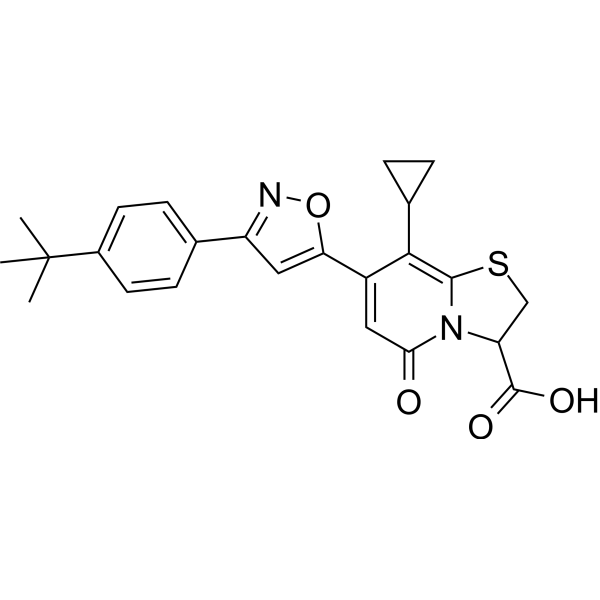
Mtb-IN-5 (compound (-)17j) is an isoxazole, with anti-Mycobacterium tuberculosis (Mtb) activity. Mtb-IN-4 inhibits Mtb respiration and biofilm formation in macrophage, and enhances antibiotic isoniazid (INH) inhibition against INH-resistant Mtb mutant .
|
-
-
- HY-172895
-
|
|
Bacterial
|
Infection
Inflammation/Immunology
|
|
Quorum sensing-IN-10 (10p), an antibacterial synergist, shows significant inhibition of P. aeruginosa virulence, biofilm, and motility, with low toxicity. Quorum sensing-IN-10 (10p) can be used in the research for drug-resistant Pseudomonas aeruginosa infections .
|
-

-
- HY-156843
-
|
|
Nucleoside Antimetabolite/Analog
|
Cancer
|
|
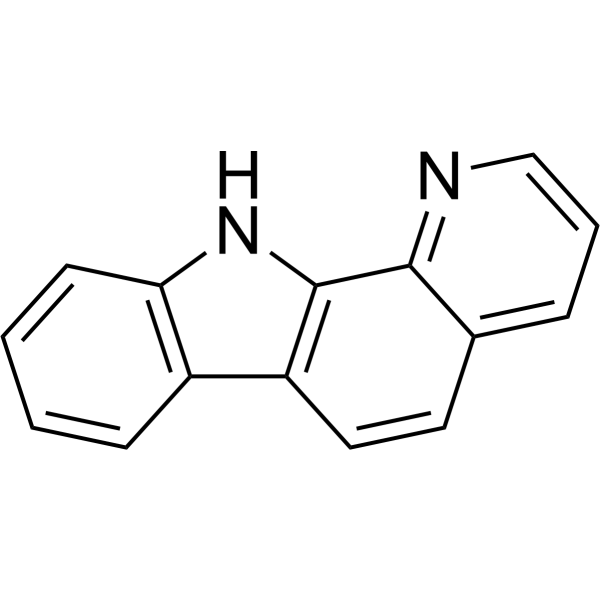
Antiproliferative agent-38 (com 18) is a tetracyclic ring, but its most reactive ring nitrogen (probably the quinoline moiety) cannot undergo N-alkylation. Antiproliferative agent-38 lacks anti-malarial activity and lacks anti-cancer cell proliferation activity .
|
-
-
- HY-155720
-
|
|
Bacterial
|
Infection
|
|
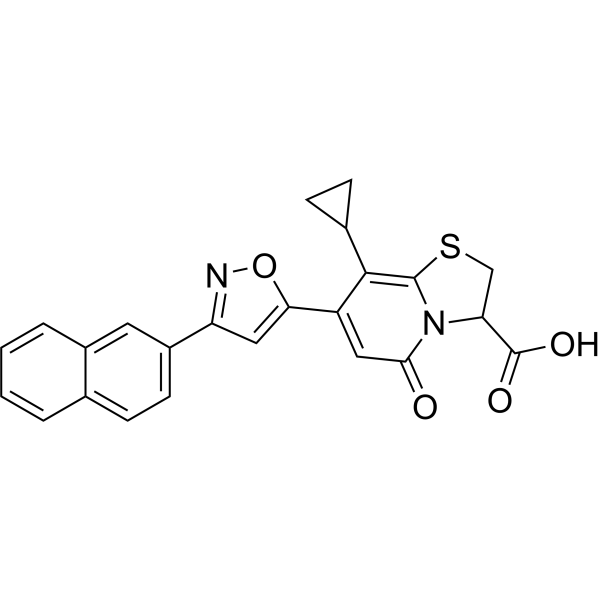
Mtb-IN-4 (compound 17h) is a nontoxic isoxazole, with anti-Mycobacterium tuberculosis (Mtb) activity (IC50=0.70 μM). Mtb-IN-4 inhibits Mtb respiration and biofilm formation in macrophage, and enhances antibiotic isoniazid (INH) inhibition against INH-resistant Mtb mutant .
|
-
-
- HY-147970
-
|
|
Fungal
|
Infection
|
|
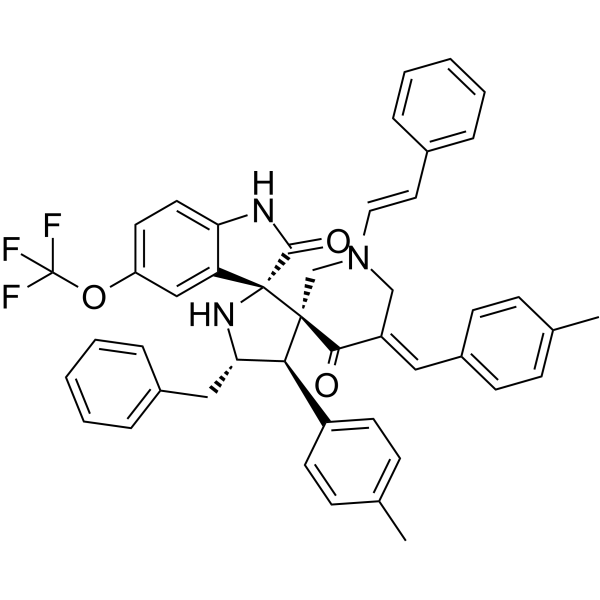
Antifungal agent 34 (compound 6i) is a potent antifungal agent. Antifungal agent 34 shows a potent antifungal activity against Candida albicans, with a MIC of 4 µg/mL. Antifungal agent 34 shows significant inhibition on Candida albicans hyphae and biofilm development. Antifungal agent 34 exhibits no cytotoxicity to mammalian cells .
|
-
-
- HY-168928
-
|
|
Bacterial
|
Infection
|
|
Antibiofilm agent prodrug 1 (Compound 5c) exhibits antibacterial activity through inhibition of biofilm formation and iron uptake. Antibiofilm agent prodrug 1 inhibits P. aeruginosa PAO1 with a MIC of 1.07 μM. Antibiofilm agent prodrug 1 exhibits anti-infectious efficacy in C. elegans with improved survival rate .
|
-

-
- HY-161803
-
|
|
Antibiotic
Bacterial
|
Infection
|
|
Anti-MRSA agent 12 (Compound SM-5) is an antibiotic, which exhibits antibacterial activity against Staphylococcus aureus, S. epidermidis and Escherichia coli with MIC of 7.81, 7.81 and 62.5 μM. Anti-MRSA agent 12 inhibits the methicillin-resistant S. aureus (MRSA) through inhibition of biofilm formation .
|
-

-
- HY-164123
-
|
|
Bacterial
|
Infection
|
|
Antibiofilm agent-9 (Compound 4) is a pyrrolomycin derivative with antibacterial activity. Antibiofilm agent-9 inhibits Bacillus anthracis with MIC of 0.031 μg/mL. Antibiofilm agent-9 exhibits antibiofilm activity with 84% biofilm inhibition (24 h, 8.0 μg/mL). Antibiofilm agent-9 exhibits a good pharmacokinetic characters in mouse model .
|
-

-
- HY-162430
-
|
|
Bacterial
|
Infection
|
|
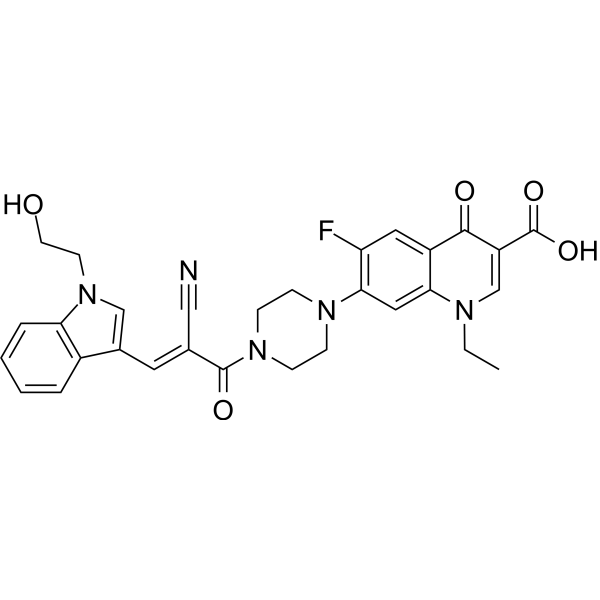
Antibacterial agent 206 (Compound 10e) is a indolylacryloyl-derived oxacins, which exhibits broad antibacterial spectrum with MIC of 0.25-1 μg/mL. Antibacterial agent 206 reduces the exopolysaccharide, eliminates the biofilm, and thus attenuates the drug resistance. Antibacterial agent 206 exhibits antibacterial activity through destory of membrane integrity, accumulation of reactive oxygen species ROS, and inhibition of DNA replication .
|
-
-
- HY-146304
-
|
|
Bacterial
|
Infection
|
|
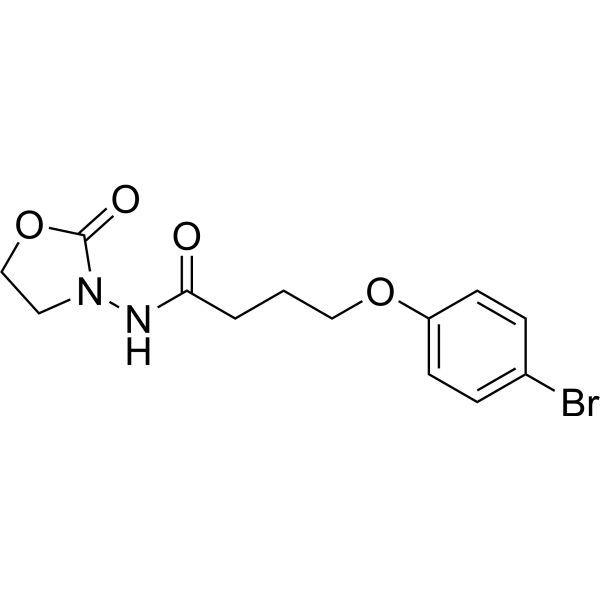
YXL-13 is a potent Pseudomonas aeruginosa (PAO1) inhibitor with an IC50 value of 3.686 μM. YXL-13 can inhibit virulence factors and biofilm formation of PAO1. YXL-13 reduces the pathogenicity and agent resistance of PAO1 by inhibition of the quorum sensing (QS) system. YXL-13 can be used for researching anti-bacteria .
|
-
-
- HY-163473
-
|
|
Bacterial
|
Infection
|
|
IITR08367 is a potent effector pump Acinetobacter baumannii Fosfomycin Efflux pump (AbaF) inhibitor for enhancing the antimicrobial activity of Fosfomycin (HY-B1075A) against Acinetobacter baumannii. IITR08367 acts by interfering with Fosfomycin/H + reverse transporter activity. .
|
-

-
- HY-162429
-
|
|
Bacterial
|
Infection
|
|
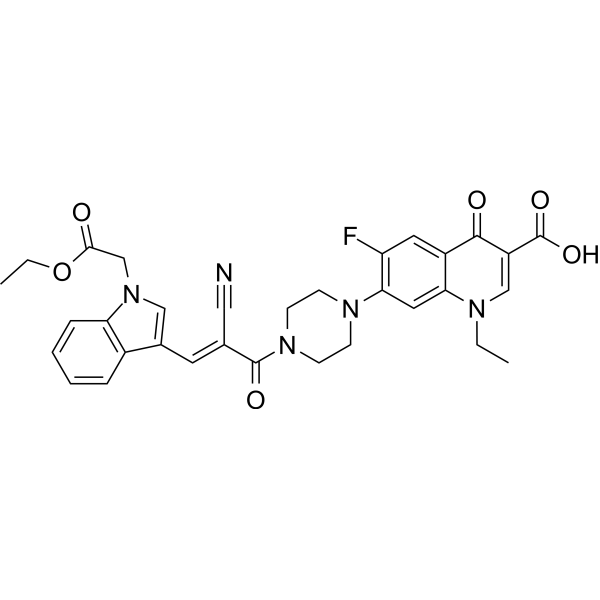
Antibacterial agent 205 (Compound 10d) is a indolylacryloyl-derived oxacins, which exhibits broad antibacterial spectrum with MIC of 0.25-0.5 μg/mL. Antibacterial agent 205 reduces the exopolysaccharide, eliminates the biofilm, and thus attenuates the drug resistance. Antibacterial agent 205 exhibits antibacterial activity through destory of membrane integrity, accumulation of reactive oxygen species ROS, and inhibition of DNA replication .
|
-
-
- HY-169919
-
|
|
Histone Demethylase
Fungal
|
Infection
|
|
HDM-IN-1 (Compound A4) is an inhibitor for fungal histone demethylase (HDM), that inhibits the H3K27me3 in Cryptococcus neoformans and in Candida auris with IC50s of 134 and 12 nM. HDM-IN-1 exhibits inhibitory efficacy against C. neoformans and C. auris with MIC80 of 0.5-2 μg/mL, through inhibition of the biofilm and capsule formation. HDM-IN-1 exhibits antifungal activity in ICR mouse model .
|
-

-
- HY-131337
-
|
|
Bacterial
|
Infection
|
|
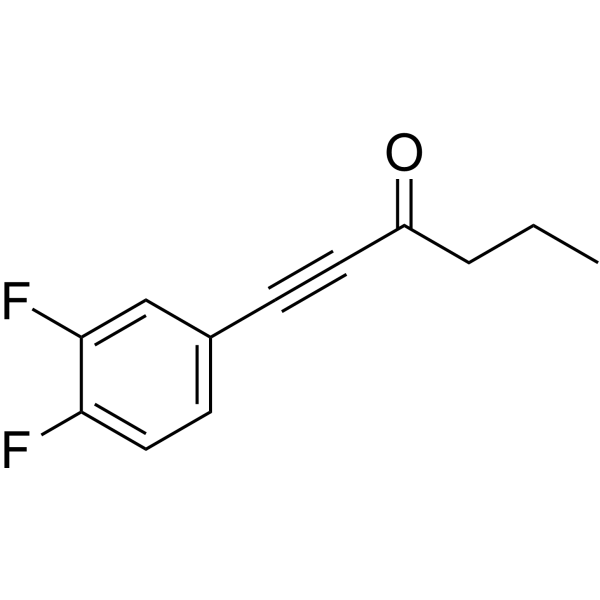
RhlR antagonist 1 is a potent RhlR antagonist with an IC50 of 26 μM. RhlR antagonist 1 displays selective RhlR antagonism over LasR and PqsR, strong inhibition of biofilm formation in static and dynamic settings, and reduces production of virulence factors such as rhamnolipid and pyocyanin in P. aeruginosa. RhlR antagonist 1 can be utilized for developing QS-modulating molecules in the control of P. aeruginosa infections . RhlR antagonist 1 is a click chemistry reagent, it contains an Alkyne group and can undergo copper-catalyzed azide-alkyne cycloaddition (CuAAc) with molecules containing Azide groups.
|
-
-
- HY-N4104R
-
|
Agaricinic Acid (Standard)
|
Reference Standards
Mitochondrial Metabolism
Bacterial
Calcium Channel
|
Infection
Metabolic Disease
|
|
Agaric acid (Standard) (Agaricinic Acid (Standard)) is the analytical standard of Agaric acid (HY-N4104). This product is intended for research and analytical applications. Agaric acid (Agaricinic Acid) is an orally active inhibitor of adenine nucleotide translocase found in specific fungi. Agaric acid can inhibit the biofilm formation of various bacteria such as Salmonella. Agaric acid can also induce mitochondrial permeability transition, prompting mitochondria to release Ca 2+, disrupting the transmembrane potential, and causing mitochondrial swelling. In addition, Agaric acid can also inhibit citrate transport in liver mitochondria and participate in the inhibition of fatty acid synthesis, affecting multiple metabolic processes.
|
-

-
- HY-N16526
-
|
|
Bacterial
|
Infection
|
|
Juncatrin B is a type of dihydrophenanthrene compound. Juncatrin B exhibits inhibitory activity against both Methicillin (HY-121544)-sensitive Staphylococcus aureus (MSSA) and Methicillin-resistant Staphylococcus aureus (MRSA). Juncatrin B can inhibit the formation of biofilms in MSSA and MRSA. Juncatrin B has no significant activity against Gram-negative bacteria. Juncatrin B can be used in the research of anti-Staphylococcus aureus .
|
-

-
- HY-183711
-
|
|
Bacterial
Heme Oxygenase (HO)
|
Infection
|
|
Antibacterial agent 344 is an antibacterial agent with potent biofilm inhibition (IC50 = 0.27 μM). Antibacterial agent 344 inhibits heme oxygenase (HemO), impairs iron homeostasis, virulence factor production, and motility. Antibacterial agent 344 synergizes with Ciprofloxacin (HY-B0356) and Tobramycin (HY-B0441), enhancing their efficacy and delaying the development of resistance. Antibacterial agent 344 improves bacterial-infected Galleria mellonella survival, and reduces bacterial load in mice wounds. Antibacterial agent 344 can be used for the research of Pseudomonas aeruginosa infections .
|
-

-
- HY-P11399
-
|
|
Bacterial
Fungal
|
Infection
|
|
Tachyplesin-3 is a broad-spectrum cationic antimicrobial peptide. Tachyplesin-3 has inhibitory activity against Gram-positive bacteria, Gram-negative bacteria, fungi and enveloped viruses. Tachyplesin-3 binds to bacterial membrane lipopolysaccharides through positive charges, disrupting membrane integrity and causing leakage of cellular contents. Tachyplesin-3 interferes with bacterial adhesion and aggregation, prevents biofilm formation, and has a synergistic effect when used in combination with Piperacillin (HY-B1923) - Tazobactam (HY-B1418) (TZP) .
|
-

-
- HY-P11471
-
|
|
Bacterial
Reactive Oxygen Species (ROS)
|
Infection
|
|
(K(C10)GGGRrRPC)2 (Compound (C-C10)C-C) is a dimeric lipopeptide and antibacterial agent. (K(C10)GGGRrRPC)2 enhances the accumulation of ROS, inhibits the bacterial respiratory chain dehydrogenase activity. (K(C10)GGGRrRPC)2 exhibits significant inhibition of bacterial biofilm formation. (K(C10)GGGRrRPC)2 exhibits antimicrobial activity against Acinetobacter baumannii AB1901, A. baumannii AB1902, Pseudomonas aeruginosa 25349, Staphylococcus aureus 11011, with MICs of 4 μM, 8 μM, 4 μM, and 8 μM, respectively. (K(C10)GGGRrRPC)2 shows antimicrobial efficacy against E. coli ATCC 25922 .
|
-

| Cat. No. |
Product Name |
Target |
Research Area |
-
- HY-P11399
-
|
|
Bacterial
Fungal
|
Infection
|
|
Tachyplesin-3 is a broad-spectrum cationic antimicrobial peptide. Tachyplesin-3 has inhibitory activity against Gram-positive bacteria, Gram-negative bacteria, fungi and enveloped viruses. Tachyplesin-3 binds to bacterial membrane lipopolysaccharides through positive charges, disrupting membrane integrity and causing leakage of cellular contents. Tachyplesin-3 interferes with bacterial adhesion and aggregation, prevents biofilm formation, and has a synergistic effect when used in combination with Piperacillin (HY-B1923) - Tazobactam (HY-B1418) (TZP) .
|
-
- HY-P11471
-
|
|
Bacterial
Reactive Oxygen Species (ROS)
|
Infection
|
|
(K(C10)GGGRrRPC)2 (Compound (C-C10)C-C) is a dimeric lipopeptide and antibacterial agent. (K(C10)GGGRrRPC)2 enhances the accumulation of ROS, inhibits the bacterial respiratory chain dehydrogenase activity. (K(C10)GGGRrRPC)2 exhibits significant inhibition of bacterial biofilm formation. (K(C10)GGGRrRPC)2 exhibits antimicrobial activity against Acinetobacter baumannii AB1901, A. baumannii AB1902, Pseudomonas aeruginosa 25349, Staphylococcus aureus 11011, with MICs of 4 μM, 8 μM, 4 μM, and 8 μM, respectively. (K(C10)GGGRrRPC)2 shows antimicrobial efficacy against E. coli ATCC 25922 .
|
| Cat. No. |
Product Name |
Category |
Target |
Chemical Structure |
-
- HY-N4104
-
-
-
- HY-N15548
-
|
Armeniaspirole A
|
Microorganisms
Antibiotics
Source Classification
|
Bacterial
|
|
Armeniaspirol A (Armeniaspirole A) is an antibacterial agent targeting Helicobacter pylori cell membranes. Armeniaspirol A induces membrane permeabilization, cytoplasmic leakage, and biofilm inhibition/eradication. Armeniaspirol A is promising for research of H. pylori infection .
|
-
-
- HY-W793613
-
-
-
- HY-N4104R
-
|
Agaricinic Acid (Standard)
|
Structural Classification
Microorganisms
Ketones, Aldehydes, Acids
Plants
Source Classification
|
Reference Standards
Mitochondrial Metabolism
Bacterial
Calcium Channel
|
|
Agaric acid (Standard) (Agaricinic Acid (Standard)) is the analytical standard of Agaric acid (HY-N4104). This product is intended for research and analytical applications. Agaric acid (Agaricinic Acid) is an orally active inhibitor of adenine nucleotide translocase found in specific fungi. Agaric acid can inhibit the biofilm formation of various bacteria such as Salmonella. Agaric acid can also induce mitochondrial permeability transition, prompting mitochondria to release Ca 2+, disrupting the transmembrane potential, and causing mitochondrial swelling. In addition, Agaric acid can also inhibit citrate transport in liver mitochondria and participate in the inhibition of fatty acid synthesis, affecting multiple metabolic processes.
|
-
-
- HY-N16526
-
-
| Cat. No. |
Product Name |
Chemical Structure |
-
- HY-W015490S
-
|
|
|
1,4-Naphthoquinone-d6 is the deuterium labeled 1,4-Naphthoquinone. 1,4-Naphthoquinone is an inhibitor with broad-spectrum inhibitory activity targeting DNA polymerase, NF-κB and monoamine oxidase (MAO-A/B), with antibacterial and anti-biofilm efficacy. 1,4-Naphthoquinone is a competitive inhibitor of MAO-B (Ki=1.4 μM) and a non-competitive inhibitor of MAO-A (Ki=7.7 μM). 1,4-Naphthoquinone inhibits DNA polymerase pol α, β, γ, δ, ε, λ with IC50 ranging from 5.57-128 μM. 1,4-Naphthoquinone inhibits tumor cell proliferation, induces apoptosis and necrosis, and has anti-angiogenic and anti-inflammatory activities by inducing oxidative stress, depleting glutathione (GSH), inhibiting DNA polymerase-mediated DNA synthesis and blocking NF-κB nuclear translocation. 1,4-Naphthoquinone can be used in anti-bacterial , anti-tumor and anti-inflammatory studies, including inhibition of melanoma and colon cancer cell growth and endothelial cell function, as well as LPS-induced inflammation models .
|
-
| Cat. No. |
Product Name |
|
Classification |
-
- HY-N16526
-
|
|
|
Alkynes
|
|
Juncatrin B is a type of dihydrophenanthrene compound. Juncatrin B exhibits inhibitory activity against both Methicillin (HY-121544)-sensitive Staphylococcus aureus (MSSA) and Methicillin-resistant Staphylococcus aureus (MRSA). Juncatrin B can inhibit the formation of biofilms in MSSA and MRSA. Juncatrin B has no significant activity against Gram-negative bacteria. Juncatrin B can be used in the research of anti-Staphylococcus aureus .
|
Your information is safe with us. * Required Fields.
Inquiry Information
- Product Name:
- Cat. No.:
- Quantity:
- MCE Japan Authorized Agent:








