1. Search Result
Search Result
Results for "

Cullins

" in MedChemExpress (MCE) Product Catalog:

31

Inhibitors & Agonists

1

Screening Libraries

1

Peptides

3

Recombinant Proteins

1

Isotope-Labeled Compounds

1

Click Chemistry

Cat. No. Product Name Target Research Areas Chemical Structure
  • HY-70062
    Pevonedistat
    Maximum Cited Publications
    212 Publications Verification

    MLN4924

    NEDD8-activating Enzyme Apoptosis Cancer
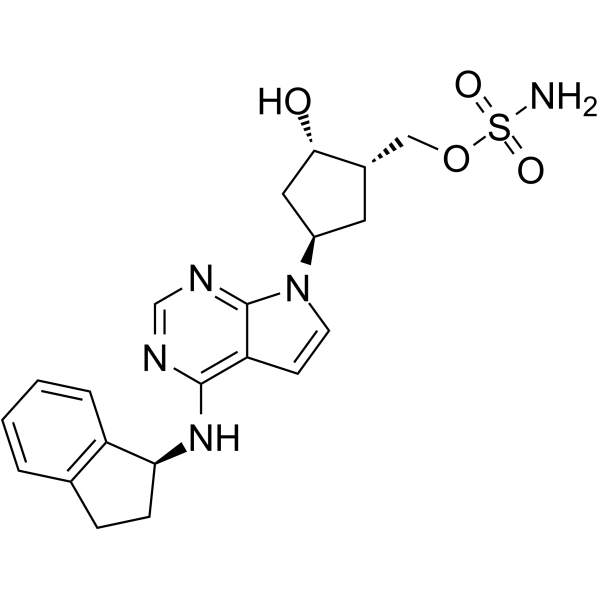
    Pevonedistat (MLN4924) is a potent and selective NEDD8-activating enzyme (NAE) inhibitor with an IC50 of 4.7 nM. Pevonedistat induces the deregulation of S-phase DNA synthesis, thereby disrupting protein turnover mediated by cullin-RING ligase, leading to apoptosis of human tumor cells. Pevonedistat suppresses the growth of human tumour xenografts in mice .
    Pevonedistat
  • HY-14658
    Thalidomide
    20+ Cited Publications

    Ligands for E3 Ligase Autophagy Apoptosis Molecular Glues Inflammation/Immunology Cancer
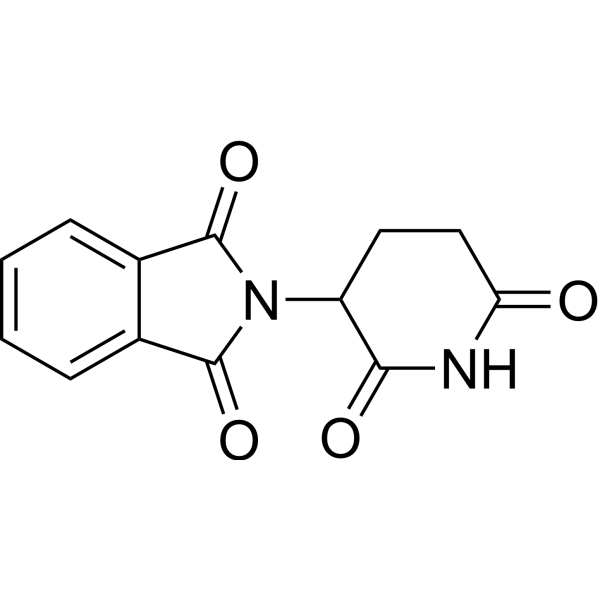
    Thalidomide inhibits cereblon (CRBN), a part of the cullin-4 E3 ubiquitin ligase complex CUL4-RBX1-DDB1, with a Kd of ∼250 nM, and has immunomodulatory, anti-inflammatory and anti-angiogenic cancer properties. Thalidomide can work as molecular glue to potentiate substrate.
    Thalidomide
  • HY-158113

    Histone Acetyltransferase PROTACs Cancer
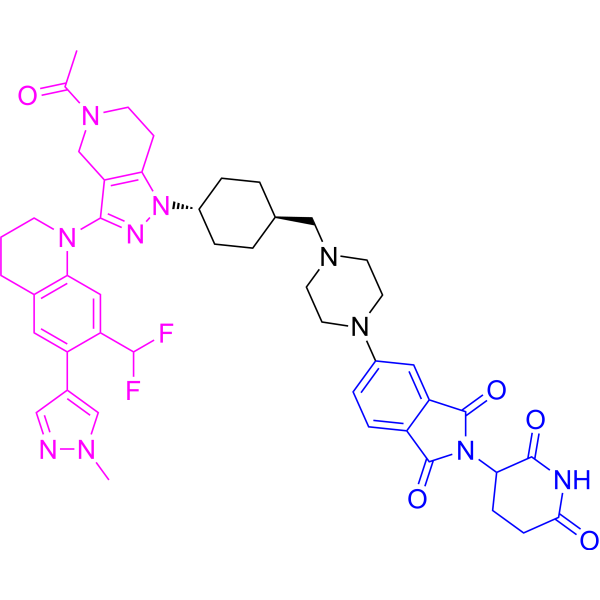
    CBPD-409 is an orally active PROTAC degrader for CBP/p300, with DC50 of 0.2–0.4 nM. CBPD-409 exhibits antiproliferative effects in AR+ prostate cancer cell lines VCaP, LNCaP and 22Rv1, with IC50s of 1.2–2.0 nM. CBPD-409 exhibits antitumor efficacy (Red: CBP inhibitor GNE049 (HY-108435); Blue: CRBN/cullin 4A Thalidomide (HY-14658); Black: Linker) .
    CBPD-409
  • HY-160799
    HA-9104
    1 Publications Verification

    E1/E2/E3 Enzyme Apoptosis Cancer
    HA-9104 is a potent and selective inhibitor of cullin-5 neddylation via virtually targeting the V30 pocket of UBE2F. HA-9104 binds to UBE2F, reduces its protein levels, and consequently inhibits cullin-5 neddylation. HA-9104 has potent growth suppression and radiosensitizing activities via targeting the UBE2F-CRL5 axis and causing DNA damage, leading to induction of apoptosis and G2/M arrest in lung and pancreatic cancer cells .
    HA-9104
  • HY-10484
    Pevonedistat hydrochloride
    Maximum Cited Publications
    212 Publications Verification

    MLN4924 hydrochloride

    NEDD8-activating Enzyme Apoptosis Cancer
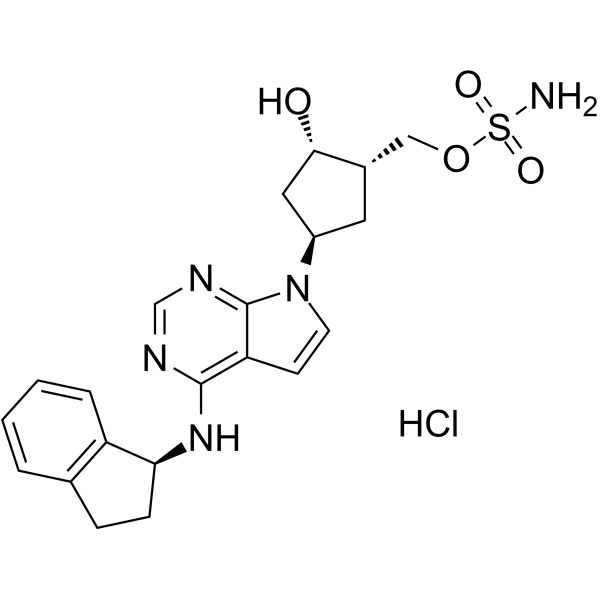
    Pevonedistat (MLN4924) hydrochloride is a potent and selective NEDD8-activating enzyme (NAE) inhibitor, with an IC50 of 4.7 nM. Pevonedistat hydrochloride induces the deregulation of S-phase DNA synthesis, thereby disrupting protein turnover mediated by cullin-RING ligase, leading to apoptosis of human tumor cells. Pevonedistat hydrochloride suppresses the growth of human tumour xenografts in mice .
    Pevonedistat hydrochloride
  • HY-49444

    NF-κB Molecular Glues E1/E2/E3 Enzyme Cancer
    EN450 is a cysteine-reactive covalent molecular glue degrader targeting NF-κB. EN450 interacts with allosteric C111 in the E2 ubiquitin ligase UBE2D. EN450 induces the ternary complex formation between UBE2D and NFKB1. EN450 exerts its anti-proliferative effects through a Cullin E3 ligase and proteasome-dependent mechanism .
    EN450
  • HY-124602

    E1/E2/E3 Enzyme Cancer
    DI-591 is a potent, high-affinity and cell-permeable inhibitor of the DCN1-UBC12 interaction. DI-591 binds to DCN1 and DCN2 with Ki values of 12 nM and 10.4 nM, respectively and has no appreciable binding to DCN3, DCN4, and DCN5 proteins. DI-591 selectively inhibits neddylation of cullin 3 but has no or minimal effect on neddylation of other cullin family members .
    DI-591
  • HY-111505
    NAcM-OPT
    2 Publications Verification

    E1/E2/E3 Enzyme NEDD8-activating Enzyme Cancer
    NAcM-OPT is an orally bioavailable cullin neddylation 1 (DCN1) inhibitor, which potently inhibits the DCN1-UBE2M interaction .
    NAcM-OPT
  • HY-163638

    Epigenetic Reader Domain Molecular Glues E1/E2/E3 Enzyme Cancer
    BRD4 degrader-1 (Compound mL 1-50) is a relatively selective, monovalent and covalent BRD4 Molecular glue degrader. BRD4 degrader-1 induces degradation of both long and short isoforms of BRD4 by targeting DCAF16 (an E3 ligase). BRD4 degrader-1 can be used in breast cancer research .
    BRD4 degrader-1
  • HY-128586A
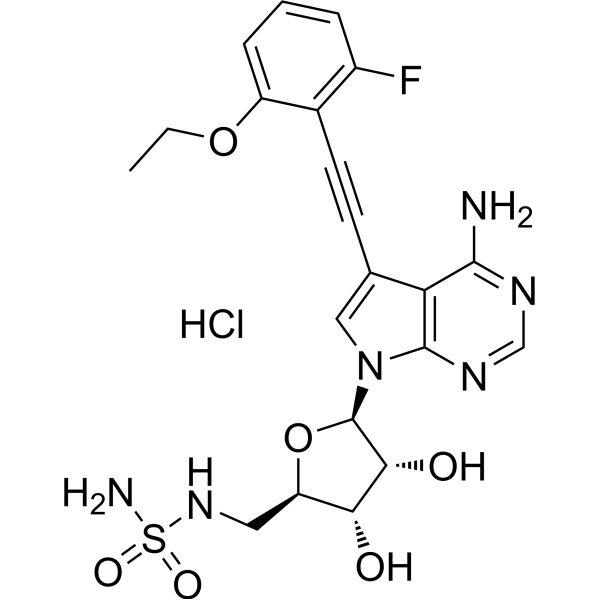
    TAS4464 hydrochloride
    5+ Cited Publications

    NEDD8-activating Enzyme Carbonic Anhydrase Apoptosis Cancer
    TAS4464 hydrochloride is a long-acting, highly selective covalent inhibitor targeting NEDD8-activating enzyme (NAE) (IC50=0.955 nM), and also inhibits CAII with an IC50 of 0.73 μM, which is less potent than MLN4924 (HY-70062). The IC50 values of TAS4464 hydrochloride against other E1 enzymes UAE and SAE are 449 nM and 1280 nM, respectively. TAS4464 hydrochloride targets NEDD8 in an ATP-dependent manner to inhibit NAE, blocks the neddylation pathway, causes accumulation of CRL ubiquitin ligase substrates (such as CDT1, p27, phosphorylated IκBα), and further induces tumor cell apoptosis. TAS4464 hydrochloride exhibits antiproliferative and cytotoxic effects, and has broad-spectrum antitumor activity against various hematologic and solid tumor cell lines as well as patient-derived tumor cells. TAS4464 hydrochloride has a wide therapeutic window, without obvious toxicity. TAS4464 hydrochloride can be used in the research of hematologic malignancies (leukemia, lymphoma, multiple myeloma, etc.) and solid tumors (small cell lung cancer, colorectal cancer, sarcoma, endometrial cancer, ovarian cancer, etc.) .
    TAS4464 hydrochloride
  • HY-10949

    E1/E2/E3 Enzyme Cancer
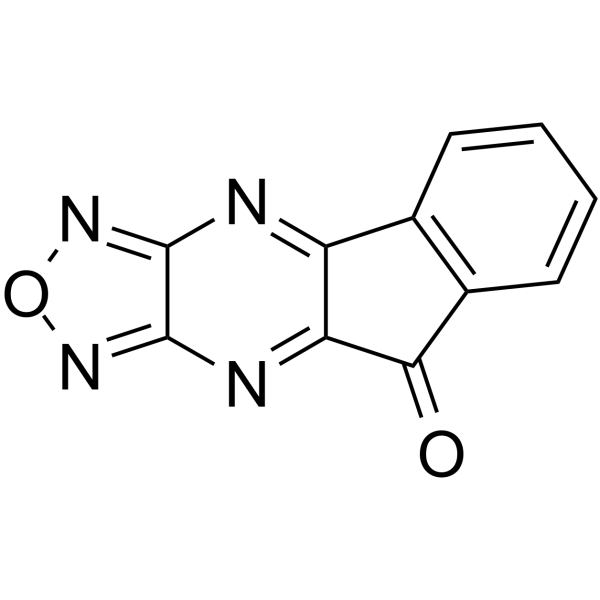
    SMER3, a Rapamycin enhancer, is a selective Skp1-Cullin-F-box (SCF) Met30 ubiquitin ligase inhibitor. SMER3 enhances Rapamycin's growth inhibitory effect by inhibition of SCF Met30 .
    SMER3
  • HY-172615

    Molecular Glues Epigenetic Reader Domain Cancer
    AMPTX-1 is a selective, orally active, covalent reversible BRD9 molecular glue degrader with a DC50 of 0.05 nM. AMPTX-1 selectively recruits BRD9 to the E3 ligase DCAF16. AMPTX-1 forms a ternary complex with BRD9 and a reversible covalent adduct with Cys58 on the surface of DCAF16. AMPTX-1 mediates BRD9 degradation via the proteasome and Cullin RING E3 ligase pathways. AMPTX-1 can be used in the research of solid tumors and hematological malignancies .
    AMPTX-1
  • HY-139659

    PROTACs Androgen Receptor Progesterone Receptor Apoptosis Cancer
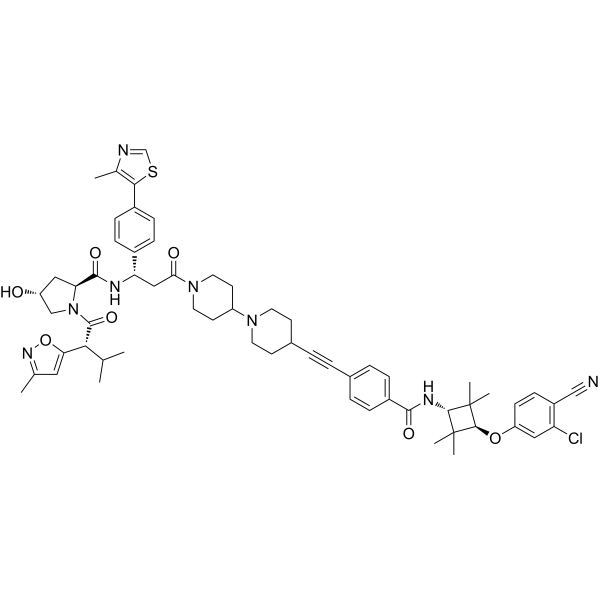
    ARD-61 is a highly potent, effective and specific PROTAC androgen receptor (AR) degrader. ARD-61 potently and effectively induces AR and progesterone receptors (PR) degradation in AR+ cancer cell lines. ARD-61 induces apoptosis and effectively induces tumor growth inhibition in the MDA-MB-453 xenograft model in mice . ARD-61 is a click chemistry reagent, it contains an Alkyne group and can undergo copper-catalyzed azide-alkyne cycloaddition (CuAAc) with molecules containing Azide groups.
    ARD-61
  • HY-174138

    NF-κB Inflammation/Immunology
    NF-κB degrader 1 (Compound MD-1) is a NF-κB1 p105 subunit degrader. NF-κB degrader 1 shows anti-inflammatory activity (IC50 for inhibiting TNF-α is 2.02 μM, and for inhibiting NO is 5.40 μM). NF-κB degrader 1 induces p105 degradation dependent on the Cullin-RING ligase (CRL) SCFBTCP, suppressing NF-κB transcriptional activity. NF-κB degrader 1 is promising for research of inflammation-related diseases .
    NF-κB degrader 1
  • HY-145733

    E1/E2/E3 Enzyme Cardiovascular Disease
    DI-1859 is a potent, selective and covalent inhibitor of DCN1. DI-1859 inhibits neddylation of cullin 3 in cells at low nanomolar concentrations. DI-1859 induces a robust increase of NRF2 protein, a CRL3 substrate, in mouse liver and effectively protects mice from acetaminophen-induced liver damage .
    DI-1859
  • HY-14658R

    Ligands for E3 Ligase Autophagy Apoptosis Reference Standards Inflammation/Immunology Cancer
    Thalidomide (Standard) is the analytical standard of Thalidomide. This product is intended for research and analytical applications. Thalidomide inhibits cereblon (CRBN), a part of the cullin-4 E3 ubiquitin ligase complex CUL4-RBX1-DDB1, with a Kd of ∼250 nM, and has immunomodulatory, anti-inflammatory and anti-angiogenic cancer properties. Thalidomide can work as molecular glue to potentiate substrate.
    Thalidomide (Standard)
  • HY-175756

    Molecular Glues SWI/SNF Complex Cancer
    SMARCA2/4 degrader-1 is a SMARCA2/4 molecular glue degrader with a DCAF16 EC50 of 110 nM. SMARCA2/4 degrader-1 covalently adducts at cysteine to form a ternary complex with SMARCA2/4 and recruits CUL4 DCAF16 and CRL1 FBXO22 E3 ligase complexes. SMARCA2/4 degrader-1 induces ubiquitination and proteasomal degradation of SMARCA2/4. SMARCA2/4 degrader-1 can be used for research of SMARCA4-deficient malignancies, non-small cell lung cancer (NSCLC), and colorectal cancer .
    SMARCA2/4 degrader-1
  • HY-156240

    E1/E2/E3 Enzyme Keap1-Nrf2 Metabolic Disease
    DI-1548 is a potent, selective, and irreversible covalent inhibitor of DCN1 (IC50 = 4.6 nM). DI-1548 potently and selectively inhibits cullin 3 neddylation at nanomolar concentrations, and exhibits no obvious effect on the neddylation of other cullin members (including cullin 1, 2, 4A, 4B, and 5). DI-1548 exhibits no cytotoxicity. DI-1548 covalently binds to DCN1, disrupting the DCN1-UBC12 interaction, causing the collapse of the neddylation complex, inactivating CRL3, leading to NRF2 accumulation and upregulation of its target genes, and ultimately protecting mice from liver damage. DI-1548 can be used in liver injury research .
    DI-1548
  • HY-161268

    Apoptosis NEDD8-activating Enzyme Reactive Oxygen Species (ROS) Cancer
    NAE-IN-1 (compound X-10) is a potent NAE1 inhibitor. NAE-IN-1 induces apoptosis and cell cycle arrest at the G2/M phase. NAE-IN-1 increases ROS levels and prevents cell migration. NAE-IN-1 shows anti-proliferation activity .
    NAE-IN-1
  • HY-14658S

    Molecular Glues Ligands for E3 Ligase Autophagy Apoptosis Inflammation/Immunology Cancer
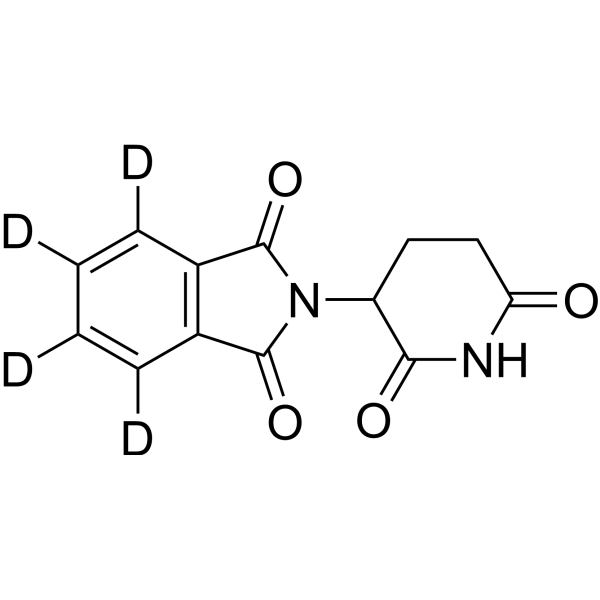
    Thalidomide-d4 is a deuterium labeled Thalidomide. Thalidomide inhibits cereblon (CRBN), a part of the cullin-4 E3 ubiquitin ligase complex CUL4-RBX1-DDB1, with a Kd of ~250 nM, and has immunomodulatory, anti-inflammatory and anti-angiogenic cancer properties .
    Thalidomide-d4
  • HY-130612

    Epigenetic Reader Domain PROTACs Cancer
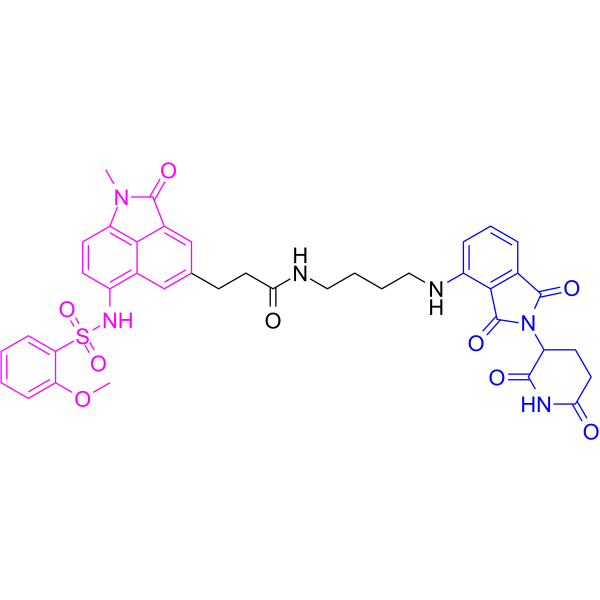
    PROTAC BRD2/BRD4 degrader-1 (compound 15) is a potent and selective BET protein BRD4 and BRD2 degrader, connected by ligands for Cereblon and BET. PROTAC BRD2/BRD4 degrader-1 rapidly induces reversible, long-lasting, and unexpectedly selective removal of BRD4 and BRD2 over BRD3. It effectively inhibits solid tumors with low cytotoxic effect. PROTAC BRD2/BRD4 degrader-1 is composed of the BET inhibitor, a linker, and the ligand thalidomide for cereblon (CRBN)/cullin 4A .
    PROTAC BRD2/BRD4 degrader-1
  • HY-70062R

    MLN4924 (Standard)

    NEDD8-activating Enzyme Apoptosis Reference Standards Cancer
    Pevonedistat (Standard) is the analytical standard of Pevonedistat. This product is intended for research and analytical applications. Pevonedistat (MLN4924) is a potent and selective NEDD8-activating enzyme (NAE) inhibitor with an IC50 of 4.7 nM. Pevonedistat induces the deregulation of S-phase DNA synthesis, thereby disrupting protein turnover mediated by cullin-RING ligase, leading to apoptosis of human tumor cells. Pevonedistat suppresses the growth of human tumour xenografts in mice .
    Pevonedistat (Standard)
  • HY-162240

    PROTACs Epigenetic Reader Domain Cancer
    SJH1-51B is a SKP1-recruiting BRD4 PROTAC degrader. SJH1-51B binds to SKP1 in the SKP1-FBXO7-CUL1-RBX1 complex, but shows no or weak binding to monomeric SKP1. SJH1-51B induces proteasome- and SKP1-dependent degradation of BRD4, and this degradation process relies on the neddylation modification of Cullin-RING E3 ligase. SJH1-51B induces proteasome-mediated degradation of the short isoform of BRD4 in non-cancer cells, while it induces proteasome-mediated degradation of both the long and short isoforms of BRD4 in breast cancer cells. SJH1-51B can be used for breast cancer research .
    SJH1-51B
  • HY-169026

    TGF-beta/Smad Cardiovascular Disease
    DCN1-IN-2 is a DCN1 inhibitor with an IC50 value of 2.96 nM. DCN1-IN-2 can alleviate Ang II/TGFβ-induced activation of cardiac fibroblasts. DCN1-IN-2 can reduce ISO-induced cardiac fibrosis and remodeling in mice by selectively inhibiting cullin 3 .
    DCN1-IN-2
  • HY-163524

    Apoptosis Cancer
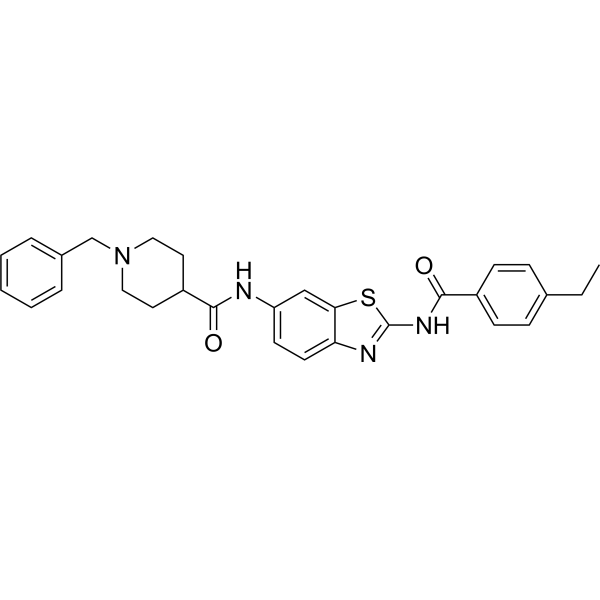
    NAE-IN-2 (compound III-26) is N2–(1-benzylpiperidin-4-yl)quinazoline-2,4-diamine derivative, and inhibits Cullin1 and Cullin3. NAE-IN-2 inhibits migration and induces cell apoptosis of gastric cancer cells .
    NAE-IN-2
  • HY-122874

    E1/E2/E3 Enzyme Cardiovascular Disease
    DI-404 is a potent inhibitor of DCN1 with a KKd value of 6.7 nM. DI-404 selectively inhibits neddylation of cullin 3 in a dose-dependent manner .
    DI-404
  • HY-172252

    PD-1/PD-L1 RAD51 Cancer
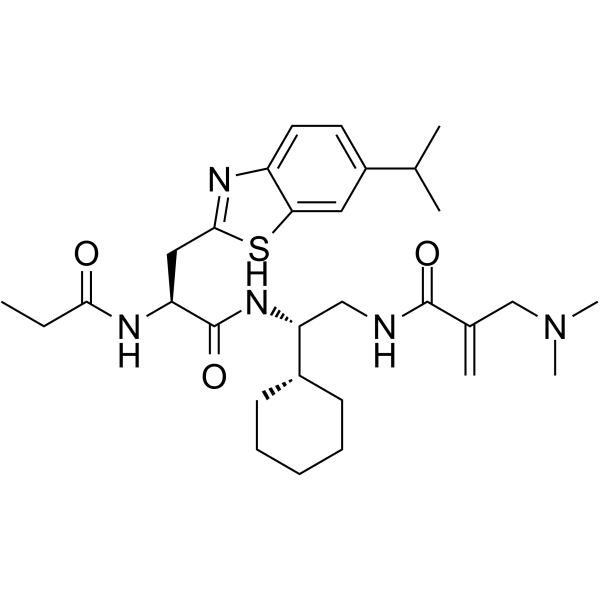
    CSN5-IN-2 (Compound 31) is a CSN5 inhibitor with an IC50 of 0.36 μM. CSN5-IN-2 can increase the level of Cullin 1 neddylation, and downregulate the expression of RAD51 and PD-L1 in cancer cells. CSN5-IN-2 has anti-tumor activity, and its effect is better when combined with Talazoparib (HY-16106) .
    CSN5-IN-2
  • HY-183755

    Molecular Glues Cancer
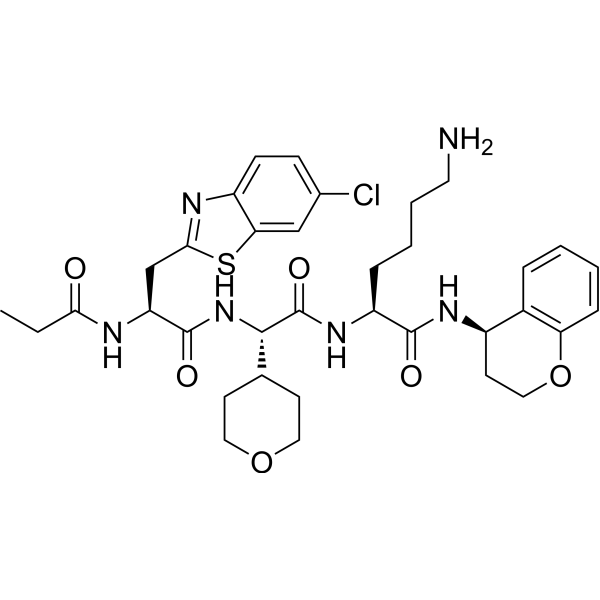
    YSA64 is an orally active RBM39-targeting molecular glue. YSA64 promotes degradation via formation of a DCAF15/DDB1 ternary complex, dependent on Cullin-RING E3 ligase and proteasome activity. YSA64 can be used for the research of acute myeloid leukemia and Ewing sarcoma .
    YSA64
  • HY-10484R

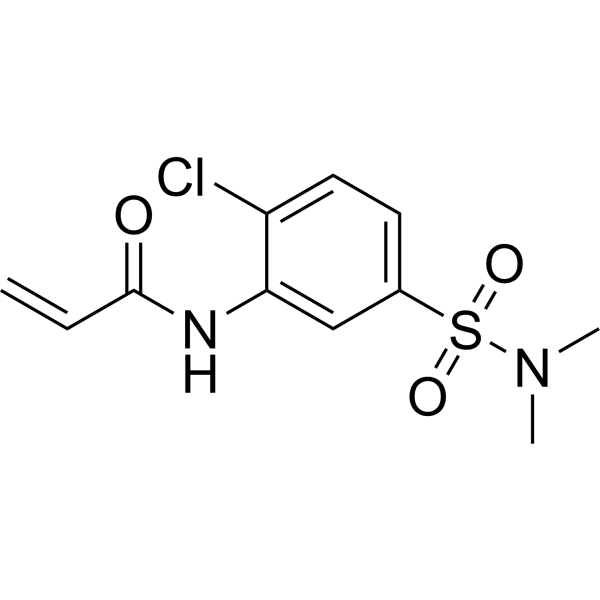
    MLN4924 hydrochloride (Standard)

    Reference Standards NEDD8-activating Enzyme Apoptosis Cancer
    Pevonedistat hydrochloride (Standard) is the analytical standard of Pevonedistat hydrochloride (HY-10484). This product is intended for research and analytical applications. Pevonedistat (MLN4924) hydrochloride is a potent and selective NEDD8-activating enzyme (NAE) inhibitor, with an IC50 of 4.7 nM. Pevonedistat hydrochloride induces the deregulation of S-phase DNA synthesis, thereby disrupting protein turnover mediated by cullin-RING ligase, leading to apoptosis of human tumor cells. Pevonedistat hydrochloride suppresses the growth of human tumour xenografts in mice .
    Pevonedistat hydrochloride (Standard)
  • HY-182945

    Molecular Glues IKZF Family HOXA Interleukin Related NF-κB Cancer
    IKZF2-degrader 5 is a highly efficient, highly selective, rapidly acting, and orally active IKZF2 molecular glue degrader. IKZF2-degrader 5 induces IKZF2 degradation via the Cullin-CRBN-dependent pathway. IKZF2-degrader 5 promotes the production of pro-inflammatory IL-2. IKZF2-degrader 5 attenuates the immunosuppressive function of regulatory T cells (Tregs). IKZF2-degrader 5 triggers rapid, significant, and sustained IKZF2 degradation in the spleen and thymus of mice. IKZF2-degrader 5 inhibits tumor growth. IKZF2-degrader 5 can be used for the research of B16F melanoma .
    IKZF2-degrader 5
  • HY-183575

    PROTACs Epigenetic Reader Domain Cancer
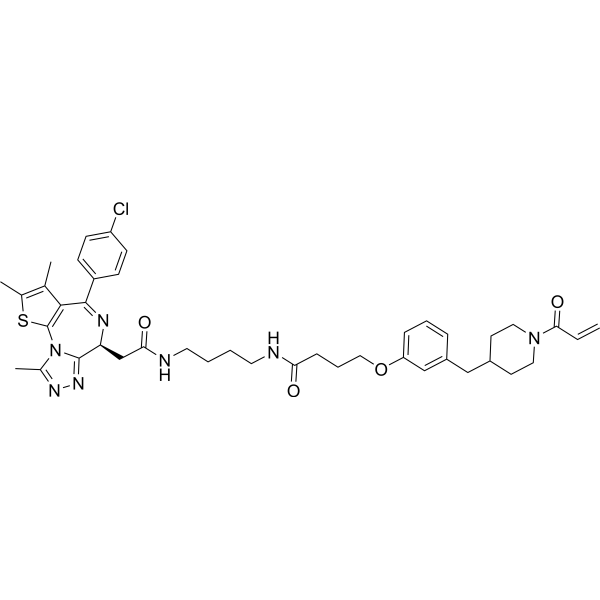
    JQ1-JX5 is a DCAF16-based BRD4 PROTAC degrader. JQ1-JX5 covalently modifies Cys58 of DCAF16, promotes ternary complex formation with BRD4, enables BRD4 ubiquitination and proteasomal degradation. JQ1-JX5 induces time-dependent degradation of BRD4 long and short isoforms in AGS cells with DC50 of 43.97 and 16.77 nM. JQ1-JX5 can be used for the research of cancer, such as acute myeloid leukemia .
    JQ1-JX5

Inquiry Online

Your information is safe with us. * Required Fields.

Salutation


Country or Region *

Applicant Name *


Organization Name *

Department *


Email Address *


Product Name *

Cat. No.


Requested quantity *

Phone Number *


Remarks

Inquiry Online

Inquiry Information

Product Name:
Cat. No.:
Quantity:
MCE Japan Authorized Agent: