1. Search Result
Search Result
Results for "

Diacylglycerol kinase

" in MedChemExpress (MCE) Product Catalog:

34

Inhibitors & Agonists

3

Biochemical Assay Reagents

3

Natural
Products

3

Recombinant Proteins

1

Oligonucleotides

Targets Recommended:
Cat. No. Product Name Target Research Areas Chemical Structure
  • HY-107613
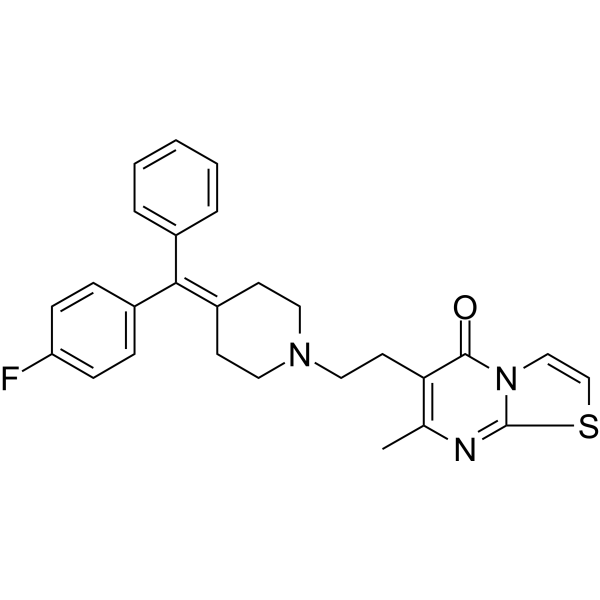
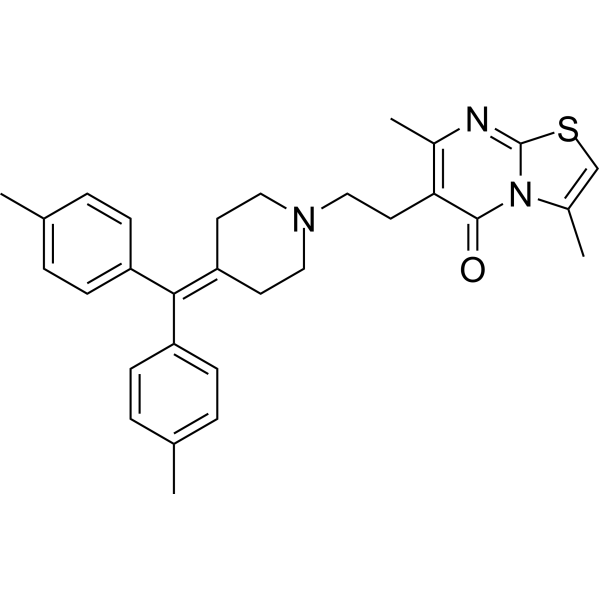
    R 59-022
    2 Publications Verification

    DKGI-I; Diacylglycerol kinase inhibitor I

    PKC 5-HT Receptor Inflammation/Immunology
    R 59-022 (DKGI-I) is a DGK inhibitor (IC50: 2.8 µM). R 59-022 inhibits the phosphorylation of OAG to OAPA. R 59-022 is a 5-HT Receptor antagonist, and activates protein kinase C (PKC). R 59-022 potentiates thrombin-induced diacylglycerol production in platelets and inhibits phosphatidic acid production in neutrophils .
    R 59-022
  • HY-108355
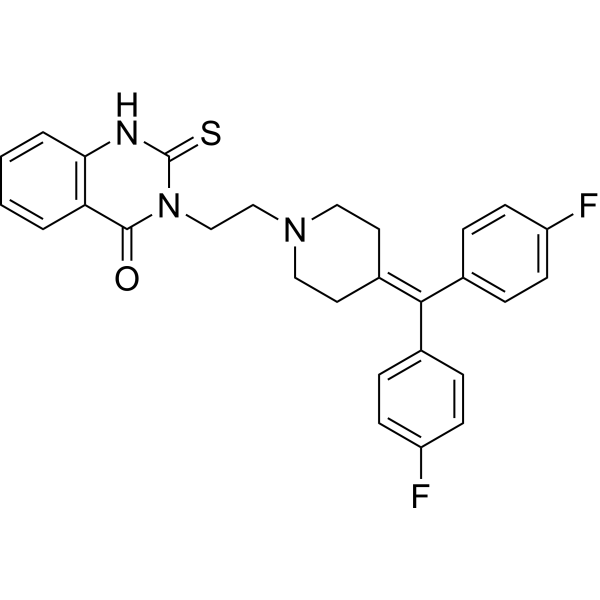
    R59949
    1 Publications Verification

    PKC Cancer
    R59949 is a pan diacylglycerol kinase (DGK) inhibitor with an IC50 of 300 nM. R59949 strongly inhibits the activity of type I DGK α and γ and moderately attenuates the activity of type II DGK θ and κ. R59949 activates protein kinase C (PKC) by enhancing the levels of the endogenous ligand diacyl glycerol .
    R59949
  • HY-153343
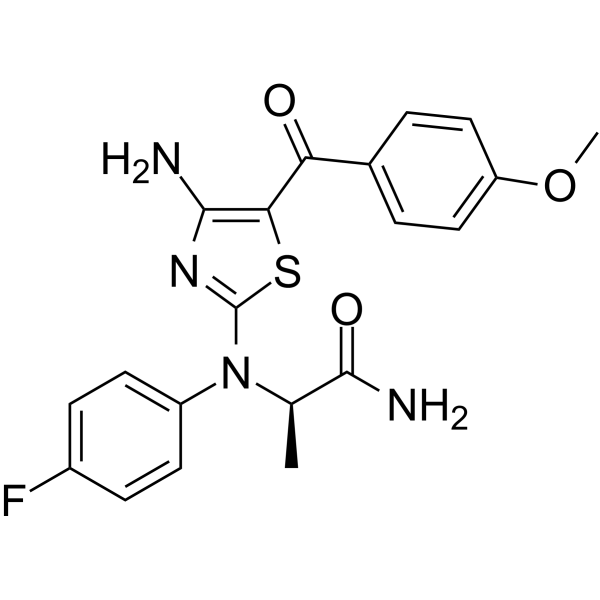
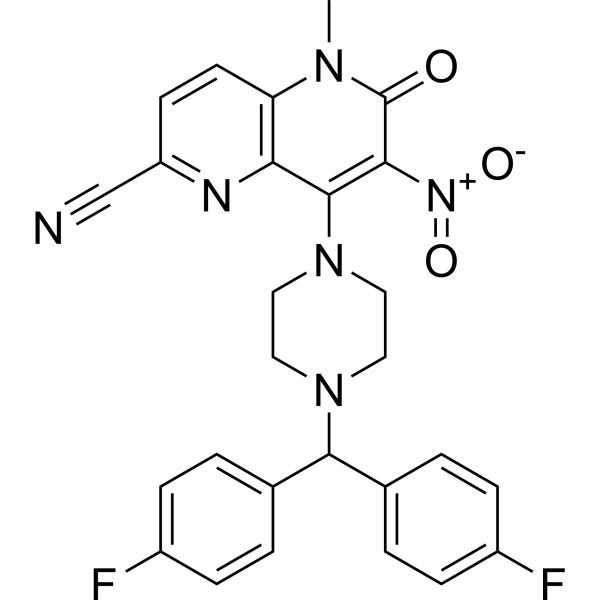
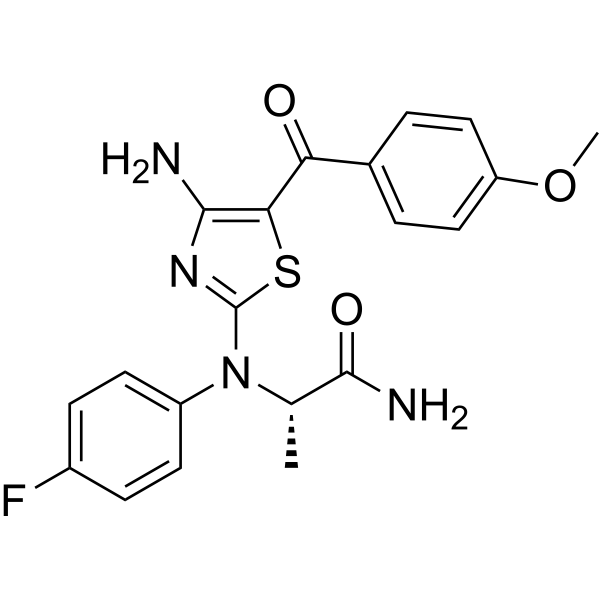
    Veludacigib
    3 Publications Verification

    BAY 2965501

    DGK Cancer
    BAY 2965501 is a potent and selective diacylglycerol kinase zeta (DGKζ) inhibitor. BAY 2965501 induces pERK activation. BAY 2965501 can be used for the research of cancer .
    Veludacigib
  • HY-141572

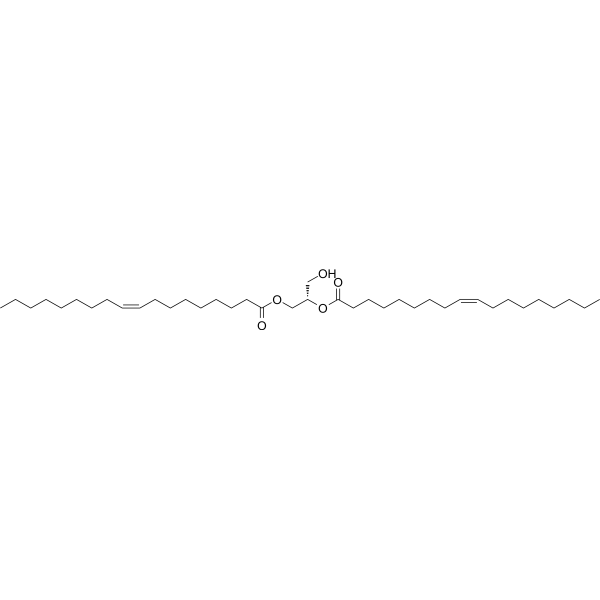
    sn-1,2-Dioleoylglycerol; 18:1/18:1-DG

    Drug Derivative Metabolic Disease
    1,2-Dioleoyl-sn-glycerol (sn-1,2-Dioleoylglycerol; 18:1/18:1-DG) is a glycerolipid located on the plasma membrane. 1,2-Dioleoyl-sn-glycerol consists of two fatty acid chains covalently linked to a single glycerol molecule by means of an ester bond. 1,2-Dioleoyl-sn-glycerol is an analog of the protein kinase C-activating second messenger DAG. 1,2-Dioleoyl-sn-glycerol has been used as a source of diacylglycerol in the diacylglycerol O-acyltransferase 1 (DGAT1) assay. 1,2-Dioleoyl-sn-glycerol can induce acrosome reaction in human sperm .
    1,2-Dioleoyl-sn-glycerol
  • HY-143212

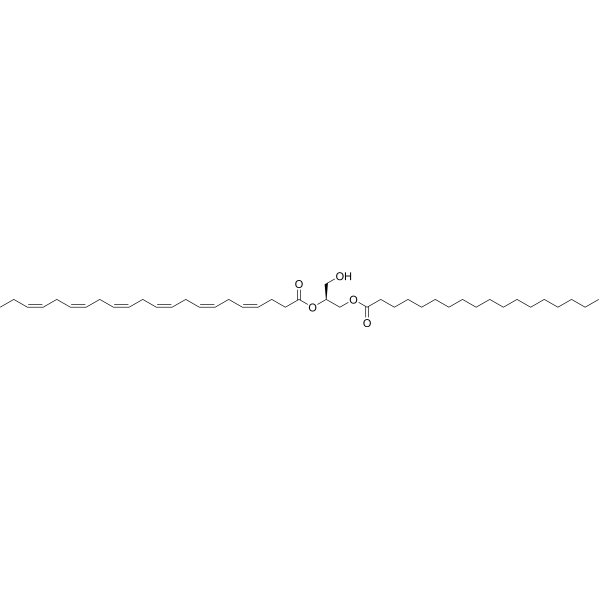
    1-Stearoyl-2-docosahexaenoyl-sn-glycerol

    Ras p38 MAPK ERK PKC Metabolic Disease Inflammation/Immunology Cancer
    18:0-22:6 DG (1-Stearoyl-2-docosahexaenoyl-sn-glycerol) is a diacylglycerol (DG) that can interact with RasGRP (Ras guanine nucleotide-releasing protein) (Ki = 8.37 μM) and modulate the activation of MAP kinases (such as ERK1/ERK2), which play a crucial role in cellular signaling processes. 18:0-22:6 DG can also activate protein kinase C (PKC) isozyme. 18:0-22:6 DG can be used for research of cancer, immunology and metabolic disease .
    18:0-22:6 DG
  • HY-149874
    BMS-502
    1 Publications Verification

    DGK Inflammation/Immunology Cancer
    BMS-502 (Compound 22) is a potent dual inhibitor of diacylglycerol kinase (DGK) α and ζ with IC50 of 4.6 nM and 2.1 nM. BMS-502 enhanced T cell immune responses in mice. BMS-502 can be used in tumor immunity related research .
    BMS-502
  • HY-153793

    DGKζ-IN-1

    DGK IFNAR Interleukin Related ERK Cancer
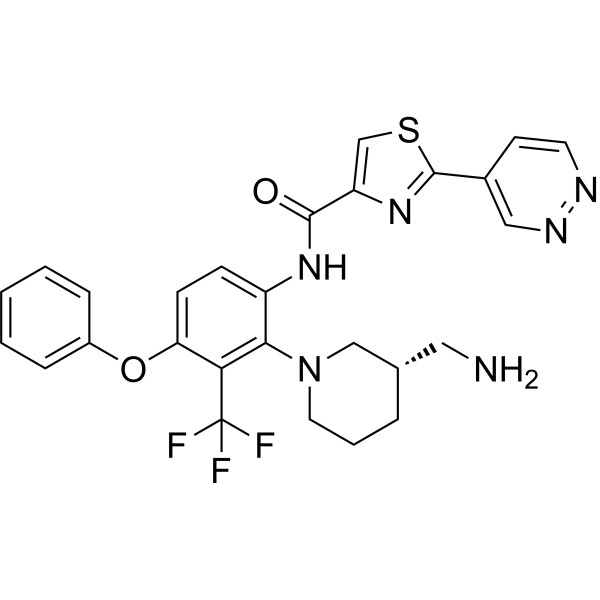
    Alcudacigib (ASP1570; DGKζ-IN-1) is an orally active diacylglycerol kinase ζ (DGKζ) inhibitor, with an IC50 of 4.7 nM against human DGKζ and an IC50 of 3.0 nM against mouse DGKζ. Alcudacigib selectively inhibits the kinase activity of DGKζ and induces proteasome-dependent degradation of DGKζ protein. Alcudacigib enhances the anti-tumor functions of T cells and NK cells. Alcudacigib can be used for the research of advanced/metastatic solid tumors .
    Alcudacigib
  • HY-100960

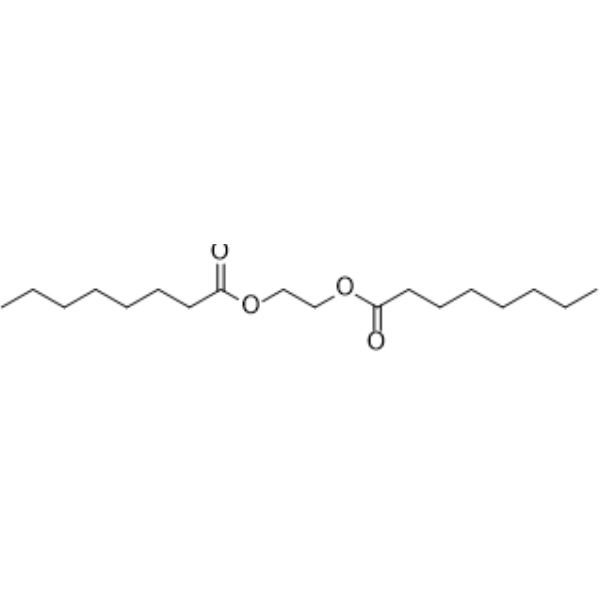
    Ethylene glycol dicaprylate; Ethylene glycol dioctanoate; Ethylenedioctanoate

    DGK Cardiovascular Disease
    Dioctanoylglycol (Ethylene glycol dicaprylate), a diacylglycerol analog, is a diacylglycerol kinase (DGK) inhibitor (Ki of 58 μM) .
    Dioctanoylglycol
  • HY-153343A

    (S)-BAY 2965501

    DGK ERK Cancer
    (S)-BAY 2965501 is the left-handed isomer of BAY 2965501 (HY-153343). BAY 2965501 is a potent and selective diacylglycerol kinase zeta (DGKζ) inhibitor. BAY 2965501 induces pERK activation. BAY 2965501 can be used for the research of cancer .
    (S)-Veludacigib
  • HY-131648
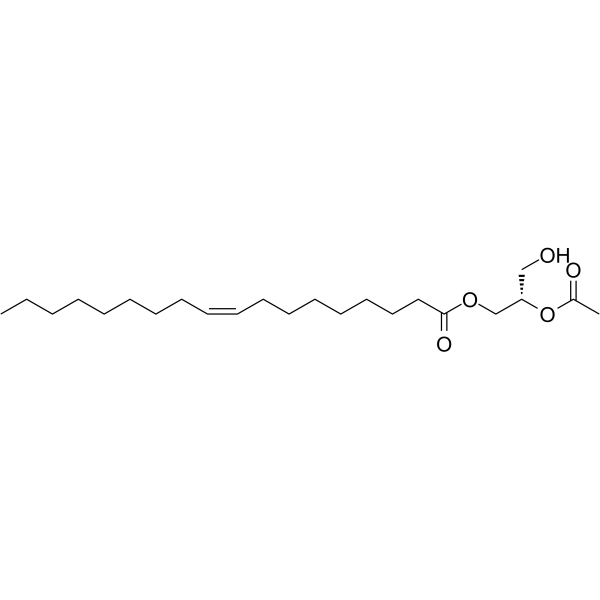
    1-Oleoyl-2-acetyl-sn-glycerol
    1 Publications Verification

    Drug Derivative PKC TRP Channel Cardiovascular Disease Metabolic Disease Inflammation/Immunology Cancer
    1-Oleoyl-2-acetyl-sn-glycerol is a cell-permeable analog of diacylglycerol (DAG) and can activate Protein kinase C (PKC). 1-Oleoyl-2-acetyl-sn-glycerol can activate the TRPC channels-mediated specific Ca 2+ influx. 1-Oleoyl-2-acetyl-sn-glycerol can stimulate superoxide-generation from human neutrophils. 1-Oleoyl-2-acetyl-sn-glycerol stimulates the formation of phosphatidylinositol 4-phosphate in intact human platelets. 1-Oleoyl-2-acetyl-sn-glycerol can stimulate ascites tumor cell proliferation .
    1-Oleoyl-2-acetyl-sn-glycerol
  • HY-153793A

    DGKζ-IN-1 TFA

    DGK IFNAR Interleukin Related ERK Cancer
    Alcudacigib (ASP1570; DGKζ-IN-1) TFA is an orally active diacylglycerol kinase ζ (DGKζ) inhibitor, with an IC50 of 4.7 nM against human DGKζ and an IC50 of 3.0 nM against mouse DGKζ. Alcudacigib TFA selectively inhibits the kinase activity of DGKζ and induces proteasome-dependent degradation of DGKζ protein. Alcudacigib TFA enhances the anti-tumor functions of T cells and NK cells. Alcudacigib TFA can be used for the research of advanced/metastatic solid tumors .
    Alcudacigib TFA
  • HY-107613A
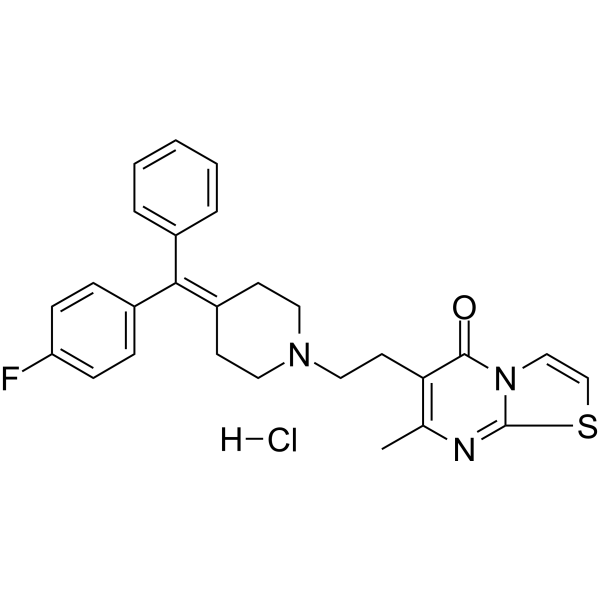
    R 59-022 hydrochloride
    2 Publications Verification

    DKGI-I hydrochloride; Diacylglycerol kinase inhibitor I hydrochloride

    PKC 5-HT Receptor Infection Inflammation/Immunology Cancer
    R 59-022 (DKGI-I) hydrochloride is a DGK inhibitor (IC50: 2.8 µM). R 59-022 hydrochloride inhibits the phosphorylation of OAG to OAPA. R 59-022 hydrochloride is a 5-HT Receptor antagonist, and activates protein kinase C (PKC). R 59-022 hydrochloride potentiates thrombin-induced diacylglycerol production in platelets and inhibits phosphatidic acid production in neutrophils .
    R 59-022 hydrochloride
  • HY-118442

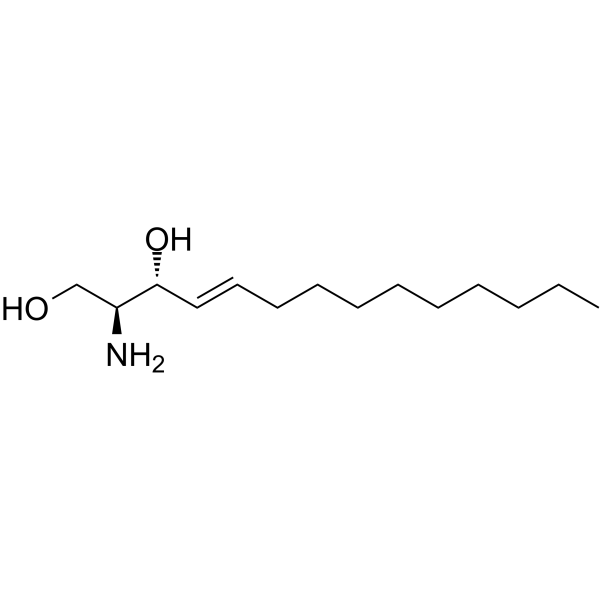
    Tetradecasphing-4-enine

    PKC Cancer
    Sphingosine (d14:1) (Tetradecasphing-4-enine), a sphingolipid, is a potent Protein kinase C (PKC) inhibitor. Sphingosine (d14:1) prevents its interaction with sn-1,2-diacylglycerol (DAG)/Phorbol esters .
    Sphingosine (d14:1)
  • HY-158800

    Biochemical Assay Reagents Others
    1-NBD-decanoyl-2-decanoyl-sn-glycerol is a diacylglycerol (DAG) derivative, which is labeled with a fluorescent group NBD. 1-NBD-decanoyl-2-decanoyl-sn-glycerol is the substrate for diacylglycerol kinase (DGK), and can be used for quantitative detection of the DGF enzyme kinetics in vitro, and the changes in DAG and PA during cell signaling .
    1-NBD-decanoyl-2-decanoyl-sn-glycerol
  • HY-117115

    Biochemical Assay Reagents Others
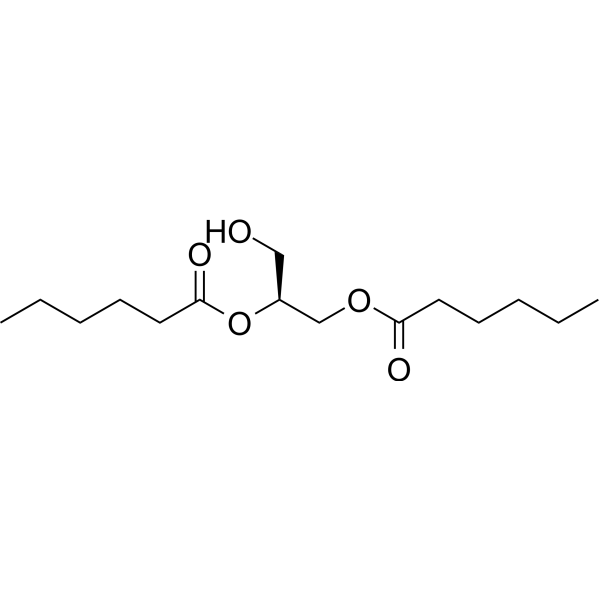
    1,2-Dihexanoyl-sn-glycerol is an analog of protein kinase C (PKC) that activates the second messenger diacylglycerol (DAG). Although the biological activity of 1,2-dicaproyl-sn-glycerol has not been well characterized, it is expected to behave similarly to 1,2-dioctanoyl-sn-glycerol.
    1,2-Dihexanoyl-sn-glycerol
  • HY-121638

    DGK Apoptosis Interleukin Related Caspase Cancer
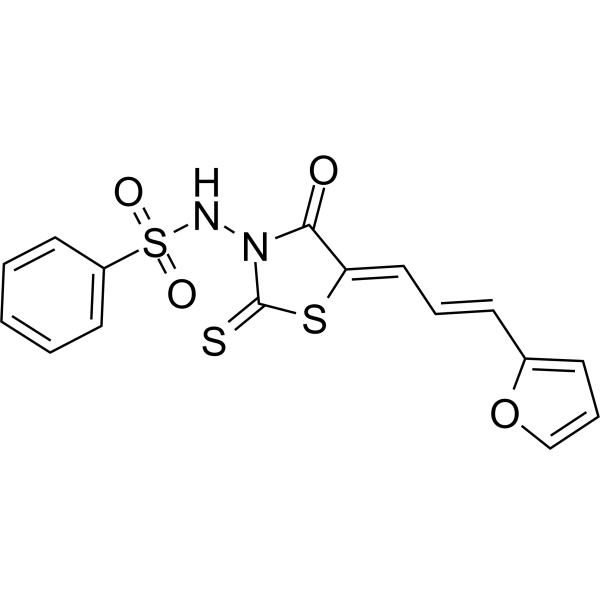
    CU-3 is a DGKα inhibitor with an IC50 of 0.6 μM. CU-3 competitively reduces DGKα’s affinity for ATP via binding to the enzyme’s catalytic region. CU-3 induces apoptosis in cancer cells. CU-3 promotes T-cell activation and enhances IL-2 production. CU-3 can be used for the research of hepatocellular carcinoma and cervical cancer .
    CU-3
  • HY-115769

    PKC Endocrinology
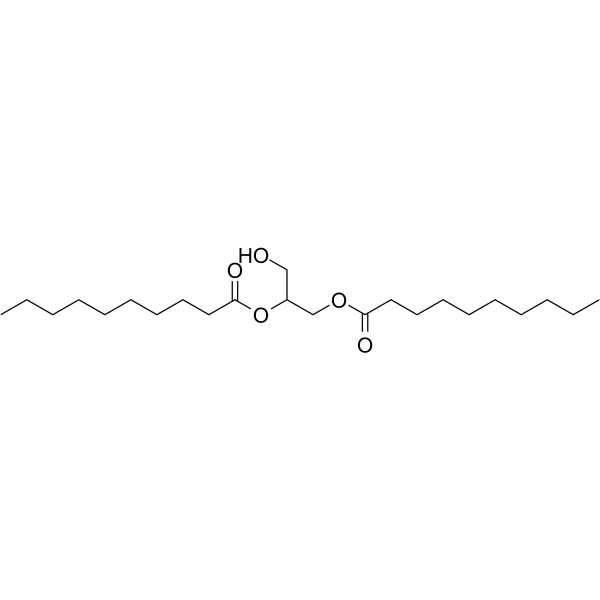
    1,2-Didecanoylglycerol, a synthetic diacylglycerol, is metabolized by platelets to 1,2-didecanoylphosphatidic acid (PA10) and activates protein kinase C (PKC) .
    1,2-Didecanoylglycerol
  • HY-177601

    DGK Cancer
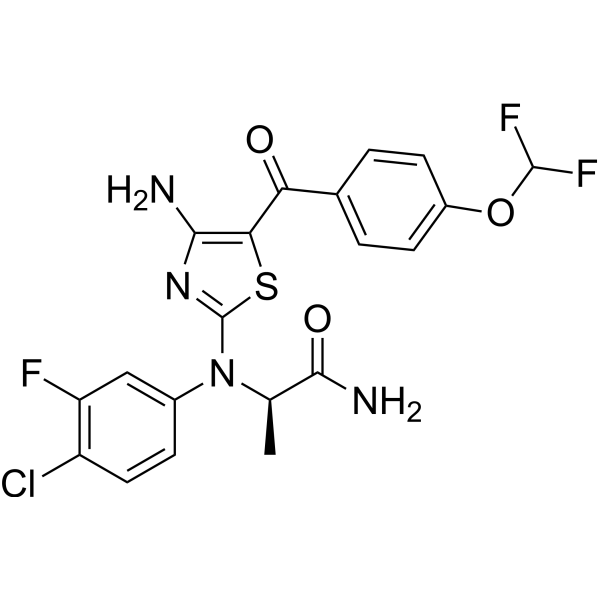
    DGK-IN-11 (Compound 1) is a diacylglycerol kinase (DGK) inhibitor. DGK-IN-11 exhibits inhibitory activity against DGKα and DGKγ. DGK-IN-11 regulates intracellular diacylglycerol levels and enhances T cell activation, cytokine production, and proliferation. DGK-IN-11 can be used for the study of cancer .
    DGK-IN-11
  • HY-156572

    DGK Cancer
    DGKζ-IN-3 is a DGK-zeta-inhibitor. DGKζ-IN-3 is used in liquid and solid cancer and other diacylglycerol kinase zeta (DGK-ζ) regulation of diseases .
    DGKζ-IN-3
  • HY-E70852

    PKC Cancer
    PKC is a family of serine/threonine kinases involved in several processes including proliferation, differentiation, apoptosis, and migration. PKCα is a classical PKC isoform that contains a C1 domain that binds to diacylglycerol (DAG). PKCα Recombinant Human Active Protein Kinase is a recombinant PKCα protein that can be used to study PKCα-related functions .
    PKCα Recombinant Human Active Protein Kinase
  • HY-148174

    DGK Cancer
    JNJ-3790339, a Ritanserin (HY-10791) analog, is a potent and selective diacylglycerol kinase (DGKα) inhibitor with an IC50 of 9.6 μM. JNJ-3790339 has induction of toxicity in malignant cells, and improves ability to upregulate T cell activation .
    JNJ-3790339
  • HY-175727

    DGK Cancer
    DGKα-IN-9 is a diacylglycerol kinase alpha (DGKα) inhibitor. DGKα-IN-9 demonstrates a tumor growth inhibition in MC38 or or CT26 mouse tumor model. DGKα-IN-9 can be used for the study of cancer .
    DGKα-IN-9
  • HY-126599

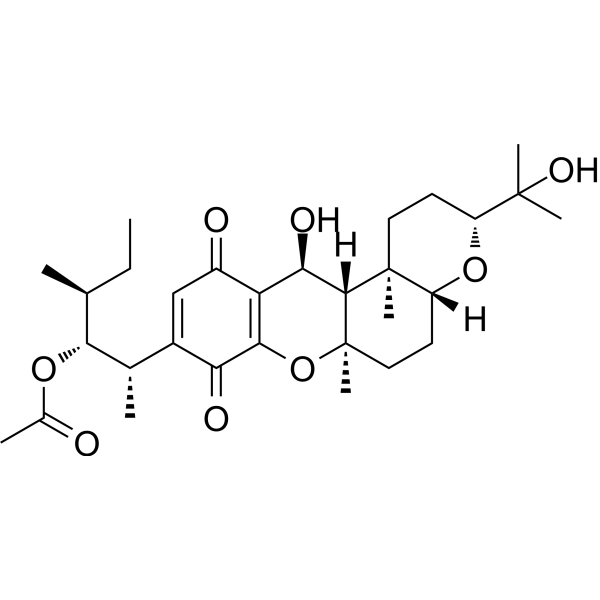
    Luteoleersin

    DGK Cancer
    Cochlioquinone A is a ATP-competive diacylglycerol kinase inhibitor (Ki: 3.1 μM). Cochlioquinone A can be isolated from Drechslera sacchari .
    Cochlioquinone A
  • HY-149489

    PKC Neurological Disease
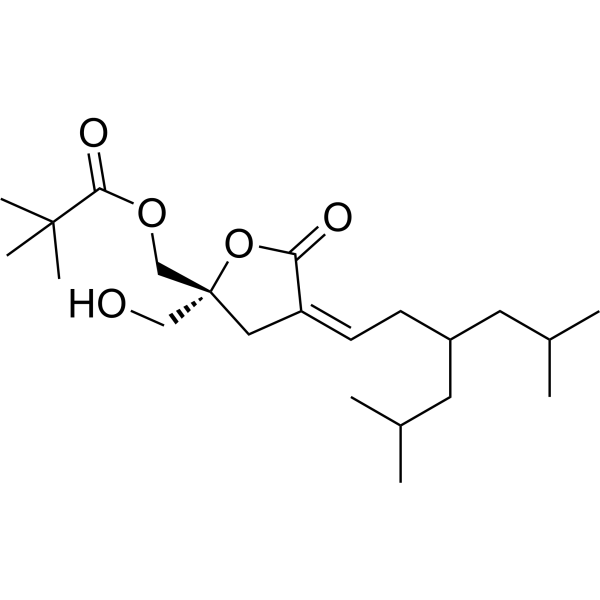
    JH-131e-153, a diacylglycerol (DAG)-lactone, is a small molecule activator of Munc13-1, targeting the C1 domain. The activation sequence of JH-131e-153 on Munc13-1 is WT>I590≈R592A≈W588A. The C1 domain of Munc13-1 and protein kinase C (PKC) are homologous in sequence and structure. The activation sequence of JH-131e-153 on Munc13-1 and PKC was PKCα>Munc13-1>PKCε. JH-131e-153 regulates neuronal processes through Munc13-1 and can be further used in the study of neurodegenerative diseases .
    JH-131e-153
  • HY-107613R

    DKGI-I (Standard); Diacylglycerol kinase inhibitor I (Standard)

    PKC 5-HT Receptor Reference Standards Inflammation/Immunology
    R 59-022 (Standard) is the analytical standard of R 59-022. This product is intended for research and analytical applications. R 59-022 (DKGI-I) is a DGK inhibitor (IC50: 2.8 µM). R 59-022 inhibits the phosphorylation of OAG to OAPA. R 59-022 is a 5-HT Receptor antagonist, and activates protein kinase C (PKC). R 59-022 potentiates thrombin-induced diacylglycerol production in platelets and inhibits phosphatidic acid production in neutrophils .
    R 59-022 (Standard)
  • HY-N15340

    PKC Cancer
    1-Oleoyl-2-linoleoyl-sn-glycerol is a diacylglycerol (DG). 1-Oleoyl-2-linoleoyl-sn-glycerol can activate protein kinase C (PKC), thus triggering downstream signaling cascades and promoting tumor growth. 1-Oleoyl-2-linoleoyl-sn-glycerol is promising for research of breast cancer .
    1-Oleoyl-2-linoleoyl-sn-glycerol
  • HY-107613AR

    DKGI-I hydrochloride (Standard); Diacylglycerol kinase inhibitor I hydrochloride (Standard)

    Reference Standards PKC 5-HT Receptor Infection Inflammation/Immunology Cancer
    R 59-022 hydrochloride (Standard) is the analytical standard of R 59-022 (hydrochloride) (HY-107613A). This product is intended for research and analytical applications. R 59-022 (DKGI-I) hydrochloride is a DGK inhibitor (IC50: 2.8 µM). R 59-022 hydrochloride inhibits the phosphorylation of OAG to OAPA. R 59-022 hydrochloride is a 5-HT Receptor antagonist, and activates protein Kinase C (PKC). R 59-022 hydrochloride potentiates thrombin-induced diacylglycerol production in platelets and inhibits phosphatidic acid production in neutrophils .
    R 59-022 hydrochloride (Standard)
  • HY-108355R

    Reference Standards PKC Cancer
    R59949 (Standard) is the analytical standard of R59949 (HY-108355). This product is intended for research and analytical applications. R59949 is a pan diacylglycerol Kinase (DGK) inhibitor with an IC50 of 300 nM. R59949 strongly inhibits the activity of type I DGK α and γ and moderately attenuates the activity of type II DGK θ and κ. R59949 activates protein Kinase C (PKC) by enhancing the levels of the endogenous ligand diacyl glycerol .
    R59949 (Standard)
  • HY-183539

    DGK Interleukin Related Cancer
    INCB191358 is a selective and orally active inhibitor of diacylglycerol kinase α/ζ/ι (DGKα/ζ/ι ) with IC50 values of 0.12, 0.36 and 0.36 nM. INCB191358 induces antigen-dependent T-cell activation, induces IL-2 production and enhances antitumor efficacy in combination with PD-1 blockade. INCB191358 can be used for the research of cancer, such as colon carcinoma .
    INCB191358
  • HY-100960R

    Ethylene glycol dicaprylate (Standard); Ethylene glycol dioctanoate (Standard); Ethylenedioctanoate (Standard); (Standard)

    DGK Reference Standards Cardiovascular Disease
    Dioctanoylglycol (Standard) is the analytical standard of Dioctanoylglycol (HY-100960). This product is intended for research and analytical applications. Dioctanoylglycol (Ethylene glycol dicaprylate), a diacylglycerol analog, is a diacylglycerol kinase (DGK) inhibitor (Ki of 58 μM) .
    Dioctanoylglycol (Standard)
  • HY-E70949

    PKC Metabolic Disease
    Protein Kinase C,Rat (EC 2.7.1.37) is a family of protein kinase enzymes that are involved in controlling the function of other proteins through the phosphorylation of hydroxyl groups of serine and threonine amino acid residues on these proteins. Protein Kinase C in turn are activated by signals such as increases in the concentration of diacylglycerol (DAG) or calcium ions (Ca 2+).
    Protein Kinase C,Rat
  • HY-179541

    Drug Derivative Others
    PtdIns-(5)-P1-(1,2-dioctanoyl) ammonium is a synthetic phosphatidylinositol (PtdIns) derivative. PtdIns-(5)-P1-(1,2-dioctanoyl) ammonium can be used as a membrane phospholipid model in in vitro enzymology studies .
    PtdIns-(5)-P1-(1,2-dioctanoyl) ammonium
  • HY-179542

    Drug Derivative Others
    PtdIns-(4)-P1-(1,2-dihexanoyl) sodium is a synthetic phosphatidylinositol (PtdIns) derivative. PtdIns-(4)-P1-(1,2-dihexanoyl) sodium can be used as a membrane phospholipid model in in vitro enzymology studies .
    PtdIns-(4)-P1-(1,2-dihexanoyl) sodium
  • HY-E70853

    PKC Cancer
    PKCδ is a PKC isoform. PKCδ is expressed ubiquitously among cells and tissues. It is activated by diacylglycerol produced by receptor-mediated hydrolysis of membrane inositol phospholipids as well as by tumor-promoting phorbol ester through the binding of these compounds to the C1 region in its regulatory domain. PKCδ Recombinant Human Active Protein Kinase is a recombinant PKCδ protein that can be used to study PKCδ-related functions .
    PKCδ Recombinant Human Active Protein Kinase

Inquiry Online

Your information is safe with us. * Required Fields.

Salutation


Country or Region *

Applicant Name *


Organization Name *

Department *


Email Address *


Product Name *

Cat. No.


Requested quantity *

Phone Number *


Remarks

Inquiry Online

Inquiry Information

Product Name:
Cat. No.:
Quantity:
MCE Japan Authorized Agent: