Search Result
Results for "
Urea Inhibitors
" in MedChemExpress (MCE) Product Catalog:
| Art. -Nr. |
Produktname |
Target |
Forschungsgebiete |
Chemical Structure |
-
- HY-117410
-
|
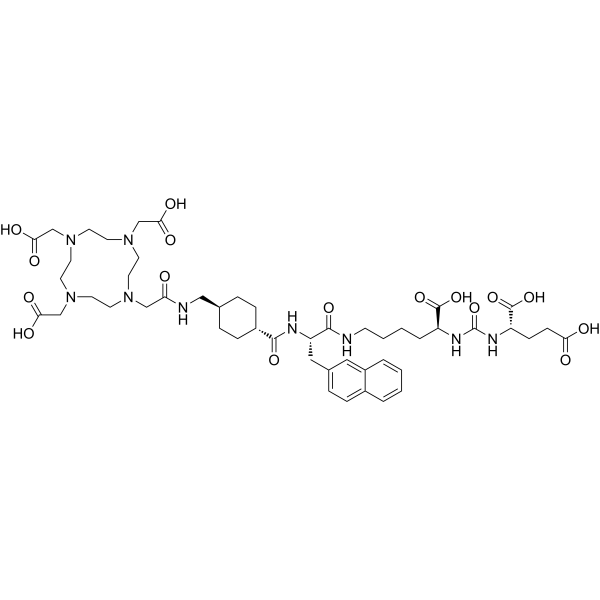
PSMA-617
|
Drug-Linker Conjugates for ADC
|
Cancer
|
|
Vipivotide tetraxetan (PSMA-617) is a high potent prostate-specific membrane antigen (PSMA) inhibitor, with a Ki of 0.37 nM. Vipivotide tetraxetan (PSMA-617) is designed consisting of three components: the pharmacophore Glutamate-urea-Lysine, the chelator DOTA able to complex both 68Ga or 177Lu, and a linker connecting these two entities. Glutamate-urea-Lysine is the selective pharmacophore to bind to prostate specific membrane antigen.
|
-
-
- HY-N2995
-
|
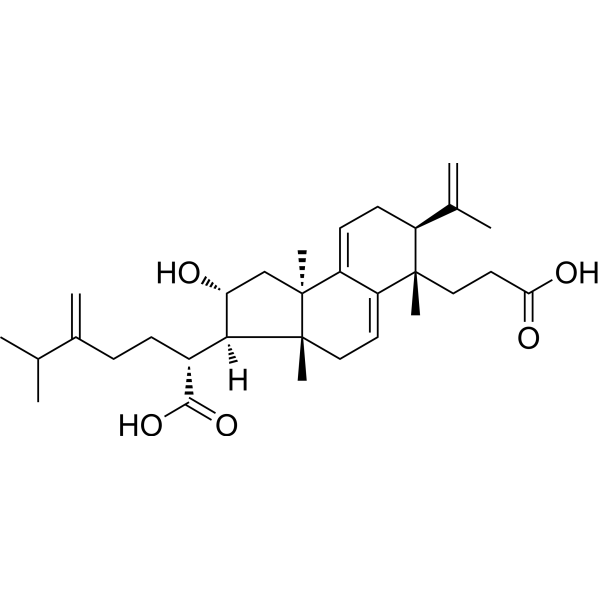
Poricoic acid A(F)
|
NF-κB
Keap1-Nrf2
AMPK
TGF-beta/Smad
Reactive Oxygen Species (ROS)
|
Inflammation/Immunology
Cancer
|
|
Poricoic acid A can be isolated from Poria cocos. Poricoic acid A is an orally active anti-tumor agent. Poricoic acid A enhances melatonin inhibition of AKI-to-CKD transition by regulating Gas6/AxlNFκB/Nrf2 axis. Poricoic acid A also attenuatea fibroblast activation and abnormal extracellular matrix remodeling in renal fibrosis by activating AMPK and inhibiting Smad3. Poricoic acid A significantly reduces the magnitude of rise in serum creatinine and urea levels in rat model when combined with Melatonin. Poricoic acid A ameliorates renal fibrosis and podocyte injury by attenuating oxidative stress and inflammation through regulating NF-κB and Nrf2 in IRI rodent model in combination with Melatonin .
|
-
-
- HY-101867
-
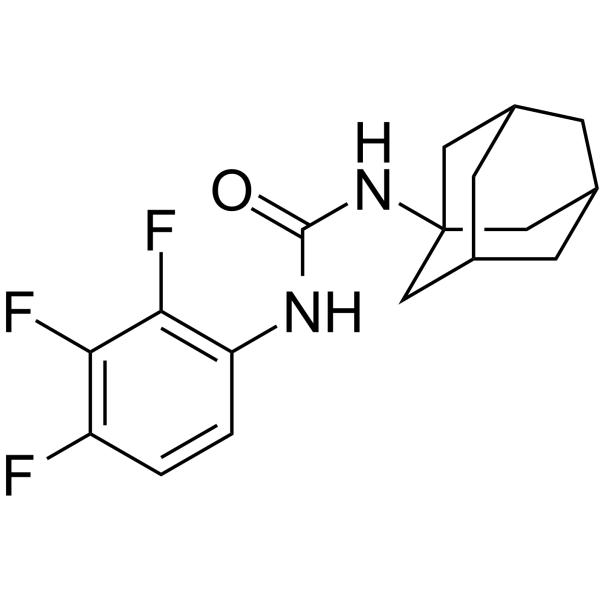
AU1235
3 Publications Verification
|
Bacterial
|
Infection
Cancer
|
|
AU1235, an adamantyl urea, is a potent MmpL3 inhibitor. The Mycobacterium tuberculosis protein MmpL3 performs an essential role in cell wall synthesis, since it effects the transport of trehalose monomycolates across the inner membrane .
|
-
-
- HY-B1158
-
|
|
Environmental Pollutants
Mas-related G-protein-coupled Receptor (MRGPR)
Interleukin Related
Bacterial
|
Infection
|
|
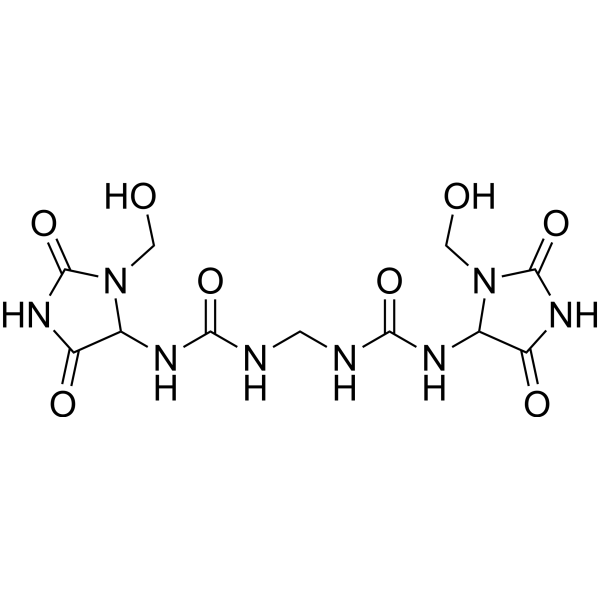
Imidazolidinyl urea is a commonly used antibacterial preservative in cosmetics and pharmaceuticals that releases formaldehyde through decomposition. Imidazolidinyl urea can also be used in the preparation of multifunctional hydrogels for the care of infectious wounds. Imidazolidinyl urea has broad-spectrum antibacterial activity, which mainly inhibits the reproduction of gram-negative bacteria and gram-positive bacteria, and restricts the growth of yeast and mold to a certain extent. Imidazolidinyl urea can induce non-histaminergic allergy by MRGPRX2 activation of mast cells .
|
-
-
- HY-107199
-
|
NBPT
|
Environmental Pollutants
Urease
|
Others
|
|
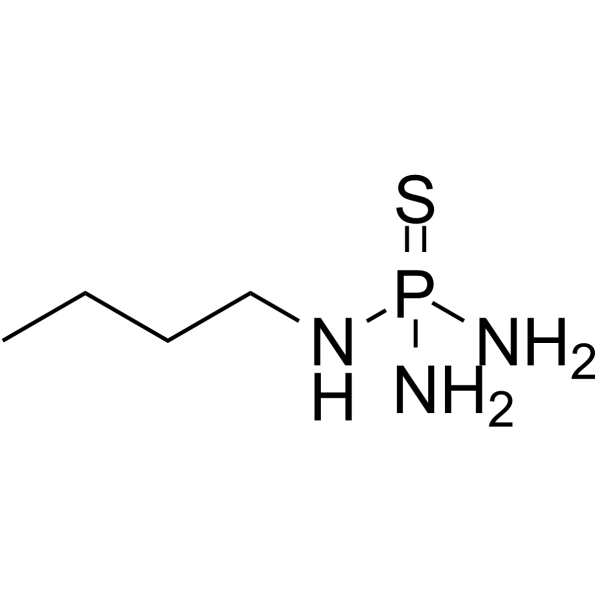
N-Butylthiophosphoric triamide (NBPT) is a potent urease inhibitor. Butylthiophosphoric triamide inhibits nitrification and reduces the conversion of urea to NH3 gas .
|
-
-
- HY-Y0470
-
|
AminoUrea hydrochloride; Hydrazinecarboxamide hydrochloride
|
Monoamine Oxidase
|
Cardiovascular Disease
Inflammation/Immunology
Endocrinology
|
|
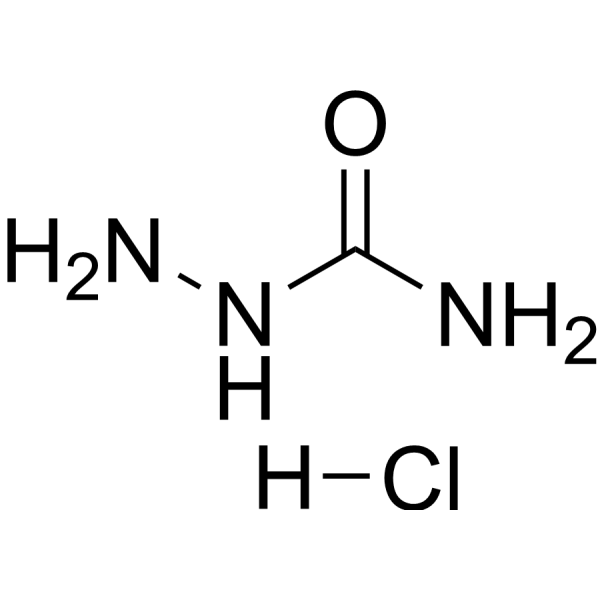
Semicarbazide hydrochloride is an orally active urea derivative. Semicarbazide hydrochloride binds to copper or iron in cells. Semicarbazide hydrochloride inhibits the activity of soluble semicarbazide sensitive amine oxidase (SSAO). Semicarbazide hydrochloride damages cartilage, blood vessels, ovaries, testicles, and thyroid follicles .
|
-
-
- HY-150364
-
|
RGLS8429; RG1015
|
MicroRNA
|
Metabolic Disease
|
|
Farabursen (RGLS8429; RG1015) is a blood-brain barrier-permeable miR-17 inhibitor. Farabursen derepresses Pkd1 and Pkd2, the target genes of miR-17, increases the levels of PC1 and PC2, and reduces cyst growth. Farabursen decreases renal cyst growth, kidney weight-to-body weight ratio, cyst index, proliferation index, and blood urea nitrogen levels in mouse models. Farabursen is applicable to research related to autosomal dominant polycystic kidney disease .
|
-

-
- HY-147287
-
|
|
PSMA
Drug Intermediate
|
Cancer
|
|
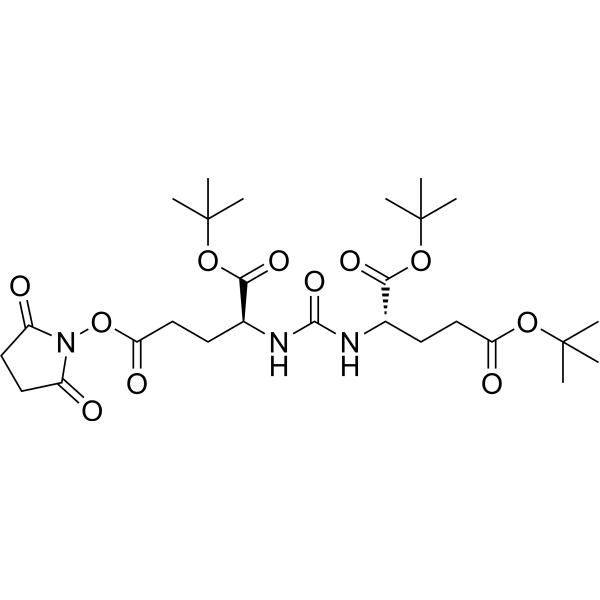
Glu-urea-Glu-NHS ester is an activated N-hydroxysuccinamide (NHS) ester of Glu-urea-Glu. Glu-urea-Glu-NHS ester can be used for synthesis of small-molecule prostate-specific membrane antigen (PSMA) inhibitors, imaging agents (such as PSMAi-PEG conjugates), and targeted drug delivery vehicles .
|
-
-
- HY-19353
-
SR7826
1 Publications Verification
|
LIM Kinase (LIMK)
|
Neurological Disease
Cancer
|
|
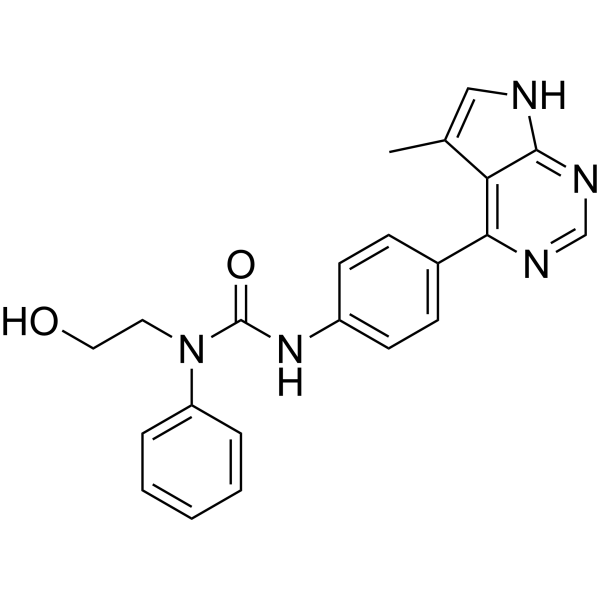
SR7826 is a class of bis-aryl urea derived potent, selective and orally active LIM kinase (LIMK) inhibitor with an IC50 of 43 nM for LIMK1. SR7826 is >100-fold more selective for LIMK1 than ROCK and JNK kinases .
|
-
-
- HY-122940
-
|
Ageratochromene
|
Endogenous Metabolite
|
Metabolic Disease
|
|
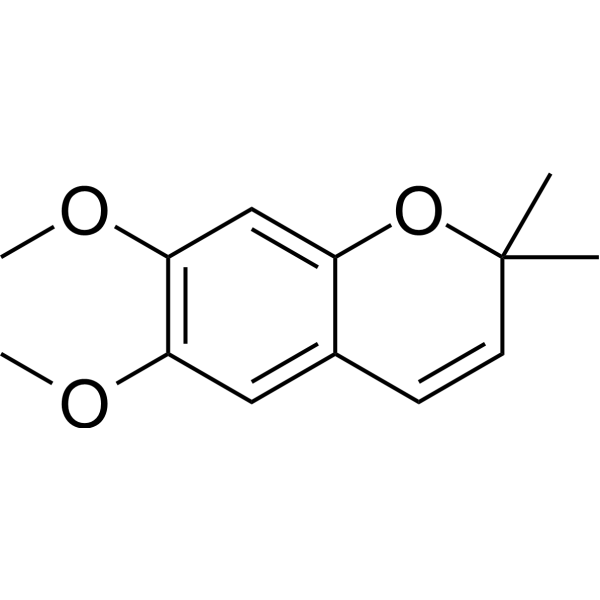
Precocene II (Ageratochromene) is a plant larva hormone antagonists that inhibits the biosynthesis of juvenile hormone. Precocene II inhibits corpora allata function and downregulates juvenile hormone levels, while exerting multiple effects including inducing precocious metamorphosis, forming macropterous morphs, inhibiting ovarian growth, producing cytotoxicity, disrupting insect development, and causing sterility and kidney damage. Precocene II blocks normal nymphal development, causes renal tubular damage and increases blood urea nitrogen levels, and also blocks juvenile hormone biosynthesis in vitro. Precocene II undergoes oxidative metabolism catalyzed by NADPH-dependent monooxygenase to generate a variety of metabolites. Precocene II can be applied in studies related to insect growth regulation and nephrotoxicity .
|
-
-
- HY-155642
-
|
|
Urea Transporter
|
Metabolic Disease
|
|
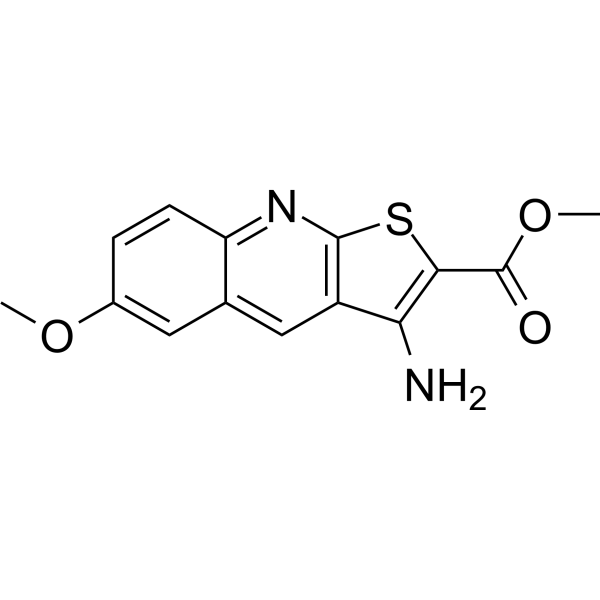
PU-48 is a blood-brain barrier-permeable urea transporter (UT) inhibitor with an IC50 of 0.32 μM against rat UT-A. By functionally inhibiting urea transporters (including UT-A subtypes) in the renal inner medullary collecting ducts, PU-48 induces urea-selective diuresis. PU-48 does not alter blood levels of sodium, potassium or chloride ions, nor does it affect the excretion of non-urea solutes. PU-48 shows no significant toxicity in cell or animal models and can be used in edema-related research .
|
-
-
- HY-145613
-
|
|
HDAC
|
Metabolic Disease
|
|
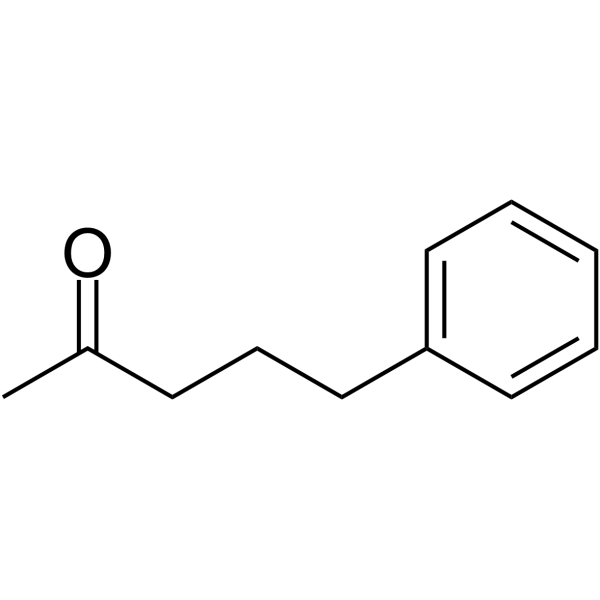
5-Phenylpentan-2-one is a potent histone deacetylases (HDACs) inhibitor. 5-Phenylpentan-2-one can be used for urea cycle disorder research .
|
-
-
- HY-128129
-
|
|
Urea Transporter
|
Metabolic Disease
|
|
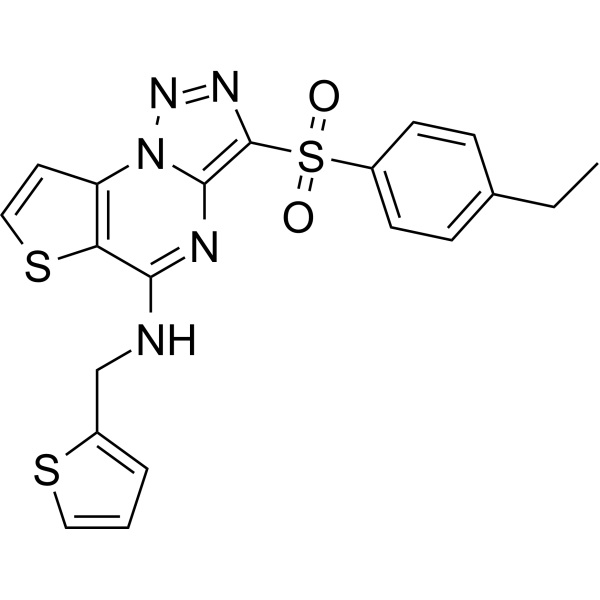
UT-B-IN-1 (UTBINH-14) is a reversible, competitive and selective urea transporter-B (UT-B) inhibitor with IC50 values of 10 and 25 nM for human and mouse UT-B, respectively. UT-B-IN-1 shows low toxicity and high selectivity for UT-B over UT-A isoforms. UT-B-IN-1 increases urine output and reduces urine osmolality of mice. UT-B-IN-1 can be used for diuretic mechanism research .
|
-
-
- HY-N2421
-
|
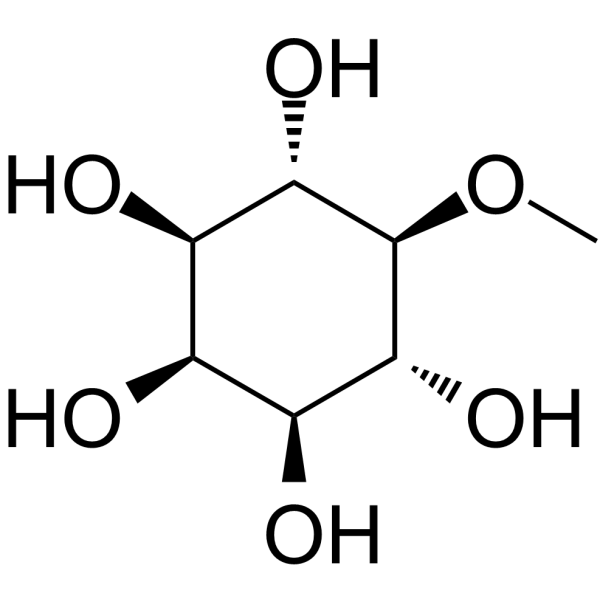
5-O-Methyl-myo-inositol
|
NF-κB
TGF-β Receptor
Reactive Oxygen Species (ROS)
Insulin Receptor
Akt
Parasite
|
Infection
Metabolic Disease
Endocrinology
|
|
Sequoyitol (5-O-Methyl-myo-inositol) is an orally active hypoglycemic agent and antioxidant. Sequoyitol can be isolated from herbaceous plants. Sequoyitol downregulates the expression of NF-κB and TGF-β1, reduces ROS production and malondialdehyde levels, and enhances total antioxidant capacity. Sequoyitol activates the insulin signaling pathway, including the phosphorylation of IR, IRS1 and Akt. Sequoyitol increases serum insulin levels, inhibits hepatic glucose production, and promotes cellular glucose uptake. Sequoyitol antagonizes TNFα-induced inhibition of the insulin signaling pathway, and decreases blood urea nitrogen and serum creatinine levels. Sequoyitol elicits potential peaks in the chemosensors of adult and larval Atrophaneura alcinous, and acts as an oviposition stimulant for female Atrophaneura alcinous. Sequoyitol can be used in research related to type 2 diabetes, insulin resistance, hyperglycemia, impaired glucose tolerance and diabetic nephropathy .
|
-
-
- HY-123179
-
|
|
Carbonic Anhydrase
|
Cardiovascular Disease
|
|
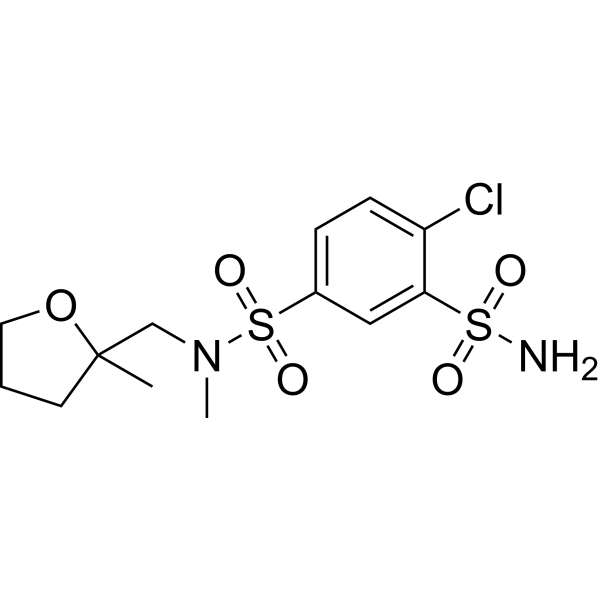
Mefruside is an orally active diuretic and has a mild hypotensive effect. Mefruside inhibits the synthesis of urea in an isolated rat liver perfusion model. Mefruside can be used in studies of oedema and hypertension .
|
-
-
- HY-158161
-
|
|
Amino acid Transporter
|
Metabolic Disease
|
|
SLC6A19-IN-1 is a potent and highly selective inhibitor and transport corrector of human SLC6A19 (IC50=47 nM). Furthermore, at a concentration of 35 μM, SLC6A19-IN-1 exhibits no activity against SLC1A5, SLC7A5, or SLC6A8. SLC6A19-IN-1 is applicable to research on phenylketonuria (PKU) and hyperphenylalaninemia. SLC6A19-IN-1 is also suitable for studies related to various metabolic disorders, including tyrosinemia, maple syrup urine disease, urea cycle disorders, and hyperammonemia .
|
-

-
- HY-135795
-
|
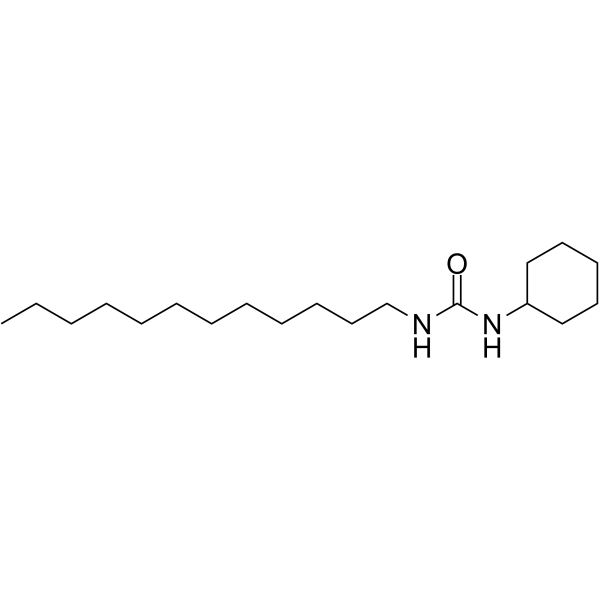
CDU; N-Cyclohexyl-N-dodecyl Urea; NCND
|
Epoxide Hydrolase
|
Cardiovascular Disease
Metabolic Disease
|
|
1-Cyclohexyl-3-dodecyl urea (CDU; N-Cyclohexyl-N-dodecyl urea; NCND) is a highly selective soluble epoxide hydrolase (sEH) inhibitor. 1-Cyclohexyl-3-dodecyl urea (CDU; N-Cyclohexyl-N-dodecyl urea; NCND) increases epoxyeicosatrienoic acids (EETs) levels and lowers blood pressure in angiotensin II (Ang II) hypertension .
|
-
-
- HY-139062
-
|
C6 Ceramide (d18:1/6:0) Urea; Cer(d18:1/6:0) Urea; D-erythro-Urea-C6-Ceramide
|
Apoptosis
Ceramidase
Autophagy
β-catenin
|
Cancer
|
|
C6 Urea Ceramide (Cer(d18:1/6:0) Urea) is an inhibitor of neutral ceramidase. C6 Urea Ceramide increases total ceramide levels in wild-type mouse embryonic fibroblasts (MEFs) and HT-29 colon cancer cells. C6 Urea Ceramide (5-10 μM) inhibits proliferation of HT-29 cells and induces apoptosis and autophagy, but is not toxic to non-cancerous cells. C6 Urea Ceramide decreases total and phosphorylated β-catenin levels in HT-29 and HCT116 cells, and induces colocalization of β-catenin with the 20S proteasome. C6 Urea Ceramide (1.25, 2.5, and 5 mg/kg) reduced tumor growth and increased C16, C18, C20, and C24 ceramide levels in tumor tissues in the HT-29 mouse xenograft model.
|
-

-
- HY-117747
-
|
JCR 424; XM 323
|
HIV Protease
|
Infection
|
|
DMP 323 is a potent, nonpeptide cyclic urea inhibitor of HIV protease, effective against both HIV type 1 and type 2. Designed using structural information and database searching, it competitively inhibits the cleavage of both peptide and HIV-1 gag polyprotein substrates. DMP 323 shows comparable potency to other highly effective HIV protease inhibitors like A-80987 and Ro-31-8959. Importantly, its efficacy against HIV protease remains unaffected by human plasma or serum, suggesting low affinity for plasma proteins. Furthermore, DMP 323 demonstrates minimal inhibition of various mammalian proteases at concentrations much higher than those needed for HIV protease inhibition, highlighting its specificity for viral targets .
|
-

-
- HY-131382
-
-

-
- HY-148573
-
-
-
- HY-B1158R
-
|
|
Reference Standards
Bacterial
Mas-related G-protein-coupled Receptor (MRGPR)
Interleukin Related
|
Infection
|
|
Imidazolidinyl urea (Standard) is the analytical standard of Imidazolidinyl urea. This product is intended for research and analytical applications. Imidazolidinyl urea is a commonly used antibacterial preservative in cosmetics and pharmaceuticals that releases formaldehyde through decomposition. Imidazolidinyl urea can also be used in the preparation of multifunctional hydrogels for the care of infectious wounds. Imidazolidinyl urea has broad-spectrum antibacterial activity, which mainly inhibits the reproduction of gram-negative bacteria and gram-positive bacteria, and restricts the growth of yeast and mold to a certain extent. Imidazolidinyl urea can induce non-histaminergic allergy by MRGPRX2 activation of mast cells .
|
-

-
- HY-160013
-
|
|
FGFR
|
Cancer
|
|
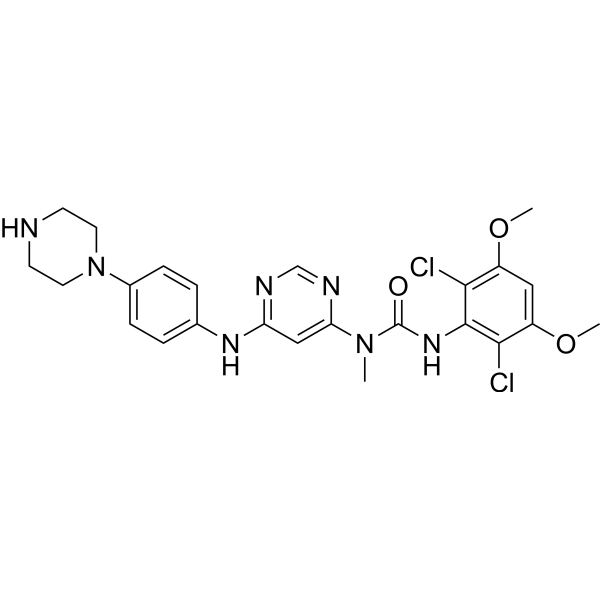
FGFR-IN-12 (example 14), a pyrimidinyl aryl urea derivative, is a potent FGFR inhibitor .
|
-
-
- HY-115584B
-
|
|
Parasite
|
Infection
|
|
Lufenuron, (-)- is an active isomer form of Lufenuron. Lufenuron is a lipophilic benzoyl urea insecticide and chitin synthesis inhibitor that can be used for flea and fish lice control. Lufenuron inhibits the molting of arthropods .
|
-

-
- HY-169918
-
|
|
SHP2
|
Cancer
|
|
SHP2-IN-34 (compound A8) is a phenyl urea SHP2 inhibitor with anti-cancer activity. SHP2-IN-34 significantly suppresses tumor growth in CT26 mouse model .
|
-

-
- HY-139052
-
|
|
γ-secretase
|
Neurological Disease
|
|
III-31-C is a (hydroxyethyl)urea γ-secretase inhibitor. III-31-C inhibits Aऔ production with an IC50 of 10 nM in the cell-free γ-secretase assay and 200 nM in APP-transfected cells. III-31-C can be used in Alzheimer's disease research .
|
-

-
- HY-Y0470R
-
|
AminoUrea hydrochloride (Standard); Hydrazinecarboxamide hydrochloride (Standard)
|
Antibiotic
Reference Standards
|
Inflammation/Immunology
Cancer
|
|
Semicarbazide (hydrochloride) (Standard) is the analytical standard of Semicarbazide (hydrochloride). This product is intended for research and analytical applications. Semicarbazide hydrochloride is an orally active urea derivative. Semicarbazide hydrochloride binds to copper or iron in cells. Semicarbazide hydrochloride inhibits the activity of soluble semicarbazide sensitive amine oxidase (SSAO). Semicarbazide hydrochloride damages cartilage, blood vessels, ovaries, testicles, and thyroid follicles .
|
-

-
- HY-19242
-
|
|
Antifolate
|
Inflammation/Immunology
|
|
MX-68 is an orally active antifolate agent. MX-68 can prolong the lifespan of MRL/lpr mice, delay the onset of proteinuria, and inhibit the elevation of serum blood urea nitrogen and cholesterol levels. MX-68 is also an anti-rheumatic agent, which exerts potent antiproliferative effects on rheumatoid arthritis-related cells and can inhibit arthritis in rats. MX-68 can be used in the research of autoimmune diseases such as autoimmune kidney disease and rheumatoid arthritis .
|
-

-
- HY-119805
-
|
|
Others
|
Inflammation/Immunology
|
|
YM 13650 is an orally active anti-nephritic agent. YM 13650 exhibits dose-dependent preventive and therapeutic effects in both the rat immune complex nephritis model and the mouse spontaneous lupus nephritis model. YM 13650 can inhibit the increase in urinary protein, improve serum cholesterol and urea nitrogen levels, alleviate renal pathological damage, and prolong the survival time of mice. YM 13650 can be used in the research of nephritic diseases .
|
-

-
- HY-W046841
-
|
|
Eukaryotic Initiation Factor (eIF)
|
Cancer
|
|
1,3-Bis[3,5-bis(trifluoromethyl)phenyl]urea is a potent activator of eIF2α kinase heme regulated inhibitor. 1,3-Bis[3,5-bis(trifluoromethyl)phenyl]urea reduces the abundance of eIF2·GTP·tRNAi Met ternary complex. 1,3-Bis[3,5-bis(trifluoromethyl)phenyl]urea inhibits cancer cell proliferation .
|
-
![1,3-Bis[3,5-bis(trifluoromethyl)phenyl]urea](//file.medchemexpress.com/product_pic/hy-w046841.gif)
-
- HY-107199R
-
|
NBPT (Standard)
|
Reference Standards
Urease
|
Others
|
|
N-Butylthiophosphoric triamide (Standard) (NBPT (Standard)) is the analytical standard of N-Butylthiophosphoric triamide (HY-107199). This product is intended for research and analytical applications. N-Butylthiophosphoric triamide (NBPT) is a potent urease inhibitor. Butylthiophosphoric triamide inhibits nitrification and reduces the conversion of urea to NH3 gas .
|
-

-
- HY-18882
-
|
|
p38 MAPK
|
Cancer
|
|
P38α-IN-11 (Compound 16c) is a p38α inhibitor with a KD value of 586 nM. P38α-IN-11 can be used for research on cervical cancer .
|
-

-
- HY-106622
-
|
TFC 612
|
Drug Derivative
|
Inflammation/Immunology
|
|
TEI-6122 is a 7-thiaprostaglandin E1 derivative. TEI-6122 can reduce urinary protein and suppressthe increase of blood urea nitrogen. TEI-6122 can inhibit monocyte chemoattractant protein-1 induced chemotaxis. TEI-6122 can be used for the research of inflammation, such as nephritis .
|
-

-
- HY-183637
-
-

-
- HY-116718
-
|
|
Urea Transporter
|
Cardiovascular Disease
|
|
UTA1inh-D1 is a selective UT-A1 and UT-B urea transporter inhibitor with IC50 values of 3.8 μM and 15 μM, respectively. UTA1inh-D1 is promising for research of refractory edema, such as congestive heart failure and cirrhosis .
|
-

-
- HY-101867R
-
|
|
Reference Standards
Bacterial
|
Infection
Cancer
|
|
AU1235 (Standard) is the analytical standard of AU1235 (HY-101867). This product is intended for research and analytical applications. AU1235, an adamantyl urea, is a potent MmpL3 inhibitor. The Mycobacterium tuberculosis protein MmpL3 performs an essential role in cell wall synthesis, since it effects the transport of trehalose monomycolates across the inner membrane .
|
-

-
- HY-184012
-
|
|
Phospholipase
|
Endocrinology
|
|
BAY-163 is a tertiary urea derivative and inactive negative control probe for BAY-439 (HY-178123). BAY-163 does not inhibit phospholipase A2 group V (PLA2-G5) activity in immune cells. BAY-163 can be used for research on endometriosis .
|
-

-
- HY-19281
-
|
|
HIV Protease
HIV
|
Infection
|
|
DMP-851 is a cyclic urea HIV protease inhibitor, with a Ki of 0.021 nM. DMP-851 shows antiviral activity against laboratory strains of HIV-l and HIV-2 as well as against primary clinical isolates derived from Zidovudine (HY-17413)-resistant samples (A018C, E, WR 10983) .
|
-

-
- HY-183636
-
-

-
- HY-124107
-
|
|
Urea Transporter
|
Metabolic Disease
|
|
UTA1inh-A1 is a urea transporter (UT) inhibitor. UTA1inh-A1 has IC50 values of 3.3 μM and 16 μM for UT-A1 and UT-B. UTA1inh-A1 can be used in research related to urearetics .
|
-

-
- HY-P992153
-
|
|
Interleukin Related
|
Inflammation/Immunology
|
|
Serrumab is a human monoclonal antibody that counteracts the biochemical and immunological effects of Tityus serrulatus venom. Serrumab inhibits the TsV-induced increase in the production of IL-6, TNFα and IL-10. Serrumab also prevents TsV-induced elevations in plasma urea, creatinine, aspartate transaminase and glucose levels, as well as the TsV-induced increase in neutrophil recruitment. Serrumab can be used in research related to envenoming by the Brazilian yellow scorpion .
|
-

-
- HY-122940R
-
|
Ageratochromene (Standard)
|
Reference Standards
Endogenous Metabolite
|
Metabolic Disease
|
|
Precocene II (Standard) is the analytical standard of Precocene II (HY-122940). This product is intended for research and analytical applications. Precocene II (Ageratochromene) is a plant larva hormone antagonists that inhibits the biosynthesis of juvenile hormone. Precocene II inhibits corpora allata function and downregulates juvenile hormone levels, while exerting multiple effects including inducing precocious metamorphosis, forming macropterous morphs, inhibiting ovarian growth, producing cytotoxicity, disrupting insect development, and causing sterility and kidney damage. Precocene II blocks normal nymphal development, causes renal tubular damage and increases blood urea nitrogen levels, and also blocks juvenile hormone biosynthesis in vitro. Precocene II undergoes oxidative metabolism catalyzed by NADPH-dependent monooxygenase to generate a variety of metabolites. Precocene II can be applied in studies related to insect growth regulation and nephrotoxicity .
|
-

| Art. -Nr. |
Produktname |
Target |
Research Area |
Image |
-
- HY-P992153
-
|
|
Interleukin Related
|
Inflammation/Immunology
|
|
Serrumab is a human monoclonal antibody that counteracts the biochemical and immunological effects of Tityus serrulatus venom. Serrumab inhibits the TsV-induced increase in the production of IL-6, TNFα and IL-10. Serrumab also prevents TsV-induced elevations in plasma urea, creatinine, aspartate transaminase and glucose levels, as well as the TsV-induced increase in neutrophil recruitment. Serrumab can be used in research related to envenoming by the Brazilian yellow scorpion .
|
-

(5)
| Art. -Nr. |
Produktname |
Category |
Target |
Chemical Structure |
-
- HY-N2995
-
-
-
- HY-122940
-
|
Ageratochromene
|
Structural Classification
Natürliche Produkte
Animals
Classification of Application Fields
Other Diseases
Disease Research Fields
Source Classification
|
Endogenous Metabolite
|
|
Precocene II (Ageratochromene) is a plant larva hormone antagonists that inhibits the biosynthesis of juvenile hormone. Precocene II inhibits corpora allata function and downregulates juvenile hormone levels, while exerting multiple effects including inducing precocious metamorphosis, forming macropterous morphs, inhibiting ovarian growth, producing cytotoxicity, disrupting insect development, and causing sterility and kidney damage. Precocene II blocks normal nymphal development, causes renal tubular damage and increases blood urea nitrogen levels, and also blocks juvenile hormone biosynthesis in vitro. Precocene II undergoes oxidative metabolism catalyzed by NADPH-dependent monooxygenase to generate a variety of metabolites. Precocene II can be applied in studies related to insect growth regulation and nephrotoxicity .
|
-
-
- HY-N2421
-
|
5-O-Methyl-myo-inositol
|
Structural Classification
Natürliche Produkte
Classification of Application Fields
Leguminosae
Glycine max (L.) merr
Metabolic Disease
Plants
Disease Research Fields
Source Classification
|
NF-κB
TGF-β Receptor
Reactive Oxygen Species (ROS)
Insulin Receptor
Akt
Parasite
|
|
Sequoyitol (5-O-Methyl-myo-inositol) is an orally active hypoglycemic agent and antioxidant. Sequoyitol can be isolated from herbaceous plants. Sequoyitol downregulates the expression of NF-κB and TGF-β1, reduces ROS production and malondialdehyde levels, and enhances total antioxidant capacity. Sequoyitol activates the insulin signaling pathway, including the phosphorylation of IR, IRS1 and Akt. Sequoyitol increases serum insulin levels, inhibits hepatic glucose production, and promotes cellular glucose uptake. Sequoyitol antagonizes TNFα-induced inhibition of the insulin signaling pathway, and decreases blood urea nitrogen and serum creatinine levels. Sequoyitol elicits potential peaks in the chemosensors of adult and larval Atrophaneura alcinous, and acts as an oviposition stimulant for female Atrophaneura alcinous. Sequoyitol can be used in research related to type 2 diabetes, insulin resistance, hyperglycemia, impaired glucose tolerance and diabetic nephropathy .
|
-
-
- HY-122940R
-
|
Ageratochromene (Standard)
|
Structural Classification
Natürliche Produkte
Animals
Source Classification
|
Reference Standards
Endogenous Metabolite
|
|
Precocene II (Standard) is the analytical standard of Precocene II (HY-122940). This product is intended for research and analytical applications. Precocene II (Ageratochromene) is a plant larva hormone antagonists that inhibits the biosynthesis of juvenile hormone. Precocene II inhibits corpora allata function and downregulates juvenile hormone levels, while exerting multiple effects including inducing precocious metamorphosis, forming macropterous morphs, inhibiting ovarian growth, producing cytotoxicity, disrupting insect development, and causing sterility and kidney damage. Precocene II blocks normal nymphal development, causes renal tubular damage and increases blood urea nitrogen levels, and also blocks juvenile hormone biosynthesis in vitro. Precocene II undergoes oxidative metabolism catalyzed by NADPH-dependent monooxygenase to generate a variety of metabolites. Precocene II can be applied in studies related to insect growth regulation and nephrotoxicity .
|
-
| Art. -Nr. |
Produktname |
|
Classification |
-
- HY-150364
-
|
RGLS8429; RG1015
|
|
Antisense Oligonucleotides
|
|
Farabursen (RGLS8429; RG1015) is a blood-brain barrier-permeable miR-17 inhibitor. Farabursen derepresses Pkd1 and Pkd2, the target genes of miR-17, increases the levels of PC1 and PC2, and reduces cyst growth. Farabursen decreases renal cyst growth, kidney weight-to-body weight ratio, cyst index, proliferation index, and blood urea nitrogen levels in mouse models. Farabursen is applicable to research related to autosomal dominant polycystic kidney disease .
|
Your information is safe with us. * Required Fields.
Inquiry Information
- Produktname:
- Art. -Nr.:
- Menge:
- MCE Japan Authorized Agent:





![1,3-Bis[3,5-bis(trifluoromethyl)phenyl]urea](http://file.medchemexpress.com/product_pic/hy-w046841.gif)





