1. Search Result
Search Result
Results for "

across species

" in MedChemExpress (MCE) Product Catalog:

17

Inhibitors & Agonists

1

Natural
Products

Targets Recommended:
Cat. No. Product Name Target Research Areas Chemical Structure
  • HY-139838

    Herbicide Others Cancer
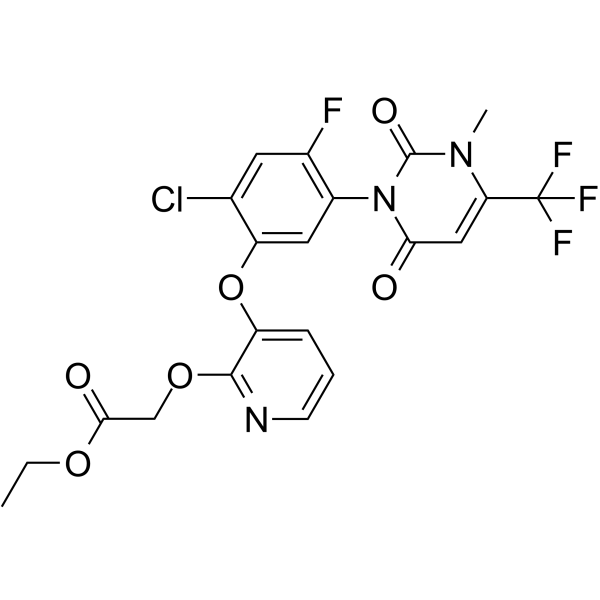
    Epyrifenacil is a protoporphyrinogen oxidase (PPO) inhibiting herbicide, potently targeting the PPO2 isoform from weeds such as Amaranthus palmeri with an IC50 of 0.637 nM. Epyrifenacil also inhibits liver mitochondrial PPO across species, with IC50 values of 2.2 nM (mouse), 2.6 nM (rat), 12.1 nM (rabbit), 7.6 nM (dog), and 10.2 nM (human). Epyrifenacil induces liver tumor development in mice. Epyrifenacil can be used for weed control, and also used as a tool compound in toxicological research to study the mechanism of PPO inhibition, chemical-induced hepatotoxicity, and the mode of action of non-genotoxic carcinogens in rodents [3].
    Epyrifenacil
  • HY-N6678
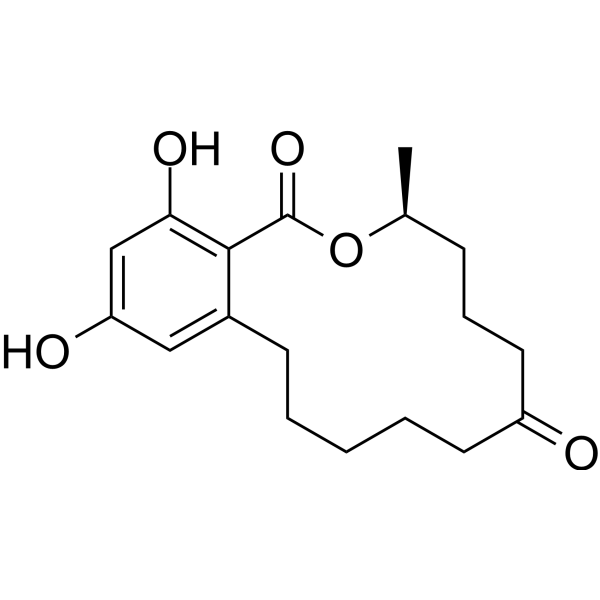
    Zearalanone
    2 Publications Verification

    Drug Metabolite Metabolic Disease
    Zearalanone is a reductive metabolite of Zearalenone (HY-103447). Zearalanone binds to serum albumin across multiple species. Zearalanone enhances the binding affinity of Warfarin (HY-B0687) to serum albumin .
    Zearalanone
  • HY-114286A
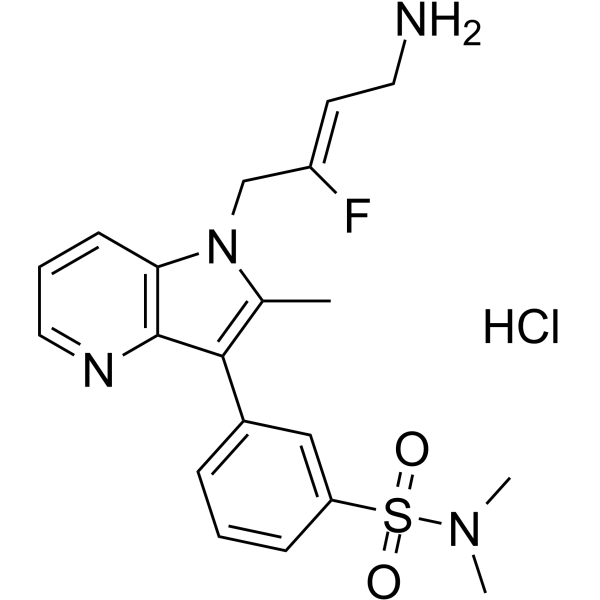
    PXS-5153A monohydrochloride
    1 Publications Verification

    Monoamine Oxidase Inflammation/Immunology
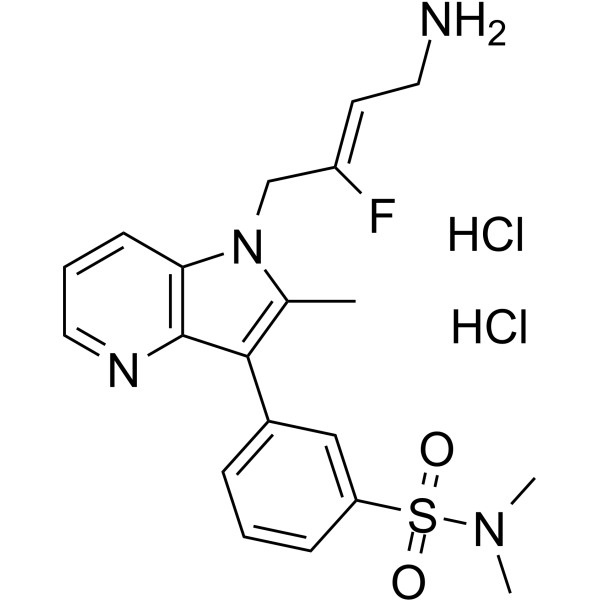
    PXS-5153A monohydrochloride is a potent, selective, orally active and fast-acting lysyl oxidase like 2/3 enzymatic (LOXL2/LOXL3) inhibitor, with an IC50 of <40 nM for LOXL2 across all mammalian species and an IC50 of 63 nM for human LOXL3. PXS-5153A monohydrochloride could reduce crosslinks and ameliorates fibrosis.
    PXS-5153A monohydrochloride
  • HY-W002942

    1,2,3,4-Tetrahydroquinolin-8-ol; 8-hydroxy-1,2,3,4-tetrahydroquinoline

    Ferroptosis Reactive Oxygen Species (ROS) Inflammation/Immunology
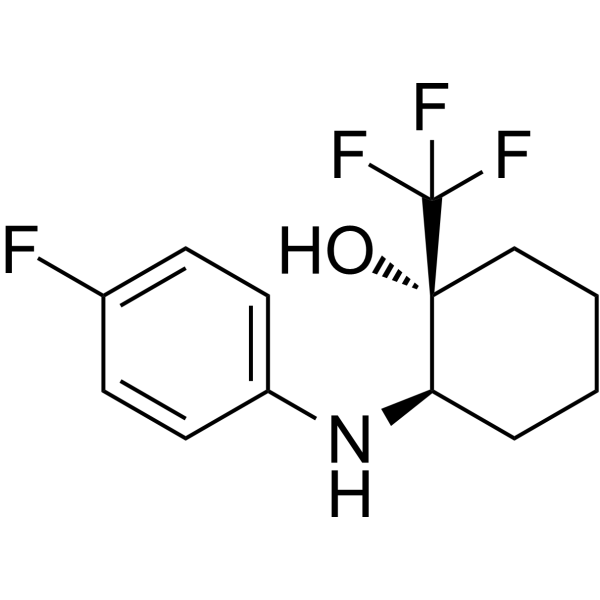
    Ferroptosis-IN-21 is a ferroptosis inhibitor that protects against renal I/R injury by suppressing ferroptosis and directly scavenging peroxyl radicals. Ferroptosis-IN-21 displays broad-spectrum anti-ferroptotic efficacy across multiple inducers in renal tubular epithelial cells, with nanomolar potency and robust suppression of lipid Reactive Oxygen Species (ROS). Ferroptosis-IN-21 significantly ameliorates renal I/R injury in mice, reducing histological damage, functional impairment, and inflammatory cytokine expression, while decreasing lipid peroxidation biomarkers such as 4-hydroxynonenal. Ferroptosis-IN-12 can be used for research in the field of ferroptosis-targeted drug development .
    Ferroptosis-IN-21
  • HY-134820

    MALT1 Inflammation/Immunology
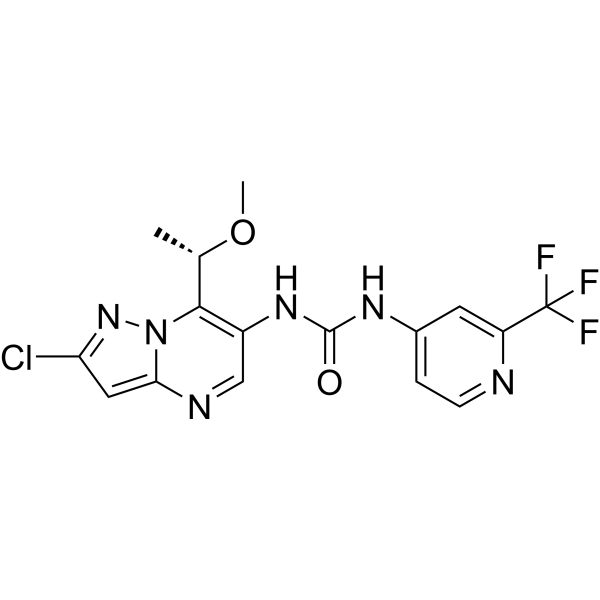
    MLT-943 is a potent, selective and orally active MALT1 protease inhibitor. MLT-943 inhibits stimulated-IL-2 secretion in PBMC or in whole blood with a similar IC50 across species (0.07-0.09 μM in PBMC, 0.6-0.8 μM in whole blood). MLT-943 has anti-inflammatory activities and can be used for FcgR-mediated inflammation research .
    MLT-943
  • HY-148236
    BAY-390
    1 Publications Verification

    TRP Channel Inflammation/Immunology
    BAY-390, a chemical probe, is a selective, across species active and brain penetrating TRPA1 inhibitor. BAY-390 inhibits hTRPA1 FLIPR, hTRPA1 Ephys, rTRPA1 FLIPR and rDRG Ephys with IC50s of 16, 82, 63 and 35 nM, respectively. BAY-390 can be used for the research of inflammation .
    BAY-390
  • HY-139179

    STING Infection Cancer
    STING agonist-14 (compound 12b) is a potent STING agonist that is efficacious across species. STING agonist-14 could activate the pathway by directly binding human STING. STING agonist-14 can be used for the research of tumours or viral infections .
    STING agonist-14
  • HY-114286

    Monoamine Oxidase Inflammation/Immunology
    PXS-5153A is a potent, selective, orally active and fast-acting lysyl oxidase like 2/3 enzymatic (LOXL2/LOXL3) inhibitor, with an IC50 of <40 nM for LOXL2 across all mammalian species and an IC50 of 63 nM for human LOXL3. PXS-5153A could reduce crosslinks and ameliorates fibrosis.
    PXS-5153A
  • HY-162066

    Parasite Infection
    DNDI-6174 is an orally active Leishmania cytochrome b (Qi site of cytochrome bc1 complex/complex III) inhibitor. DNDI-6174 binds to the Qi site of Leishmania cytochrome b, inhibits cytochrome bc1 complex activity in the parasite's electron transport chain across promastigote and axenic amastigote stages. DNDI-6174 reduces parasite burden in rodent models, inhibits growth of various Leishmania species, drug-resistant clinical isolates, and Trypanosoma cruzi, with marginal activity against Trypanosoma brucei. DNDI-6174 can be used for the research of visceral leishmaniasis, cutaneous leishmaniasis .
    DNDI-6174
  • HY-165035

    Glucocerebrosides; Gaucher cerebroside; GluCers (gaucher's spleen)

    Endogenous Metabolite Neurological Disease Metabolic Disease
    Glucosylceramides are sphingolipid molecules found in both neuronal and non-neuronal mammalian tissues, as well as in low quantities across various plant species. Elevated levels of glucosylceramides provide cellular protection and prepare certain cells for proliferation; however, they have also been linked to obesity-induced insulin resistance in mice and to neuronal deficits observed in neuronopathic Gaucher disease .
    Glucosylceramide (gaucher's spleen)
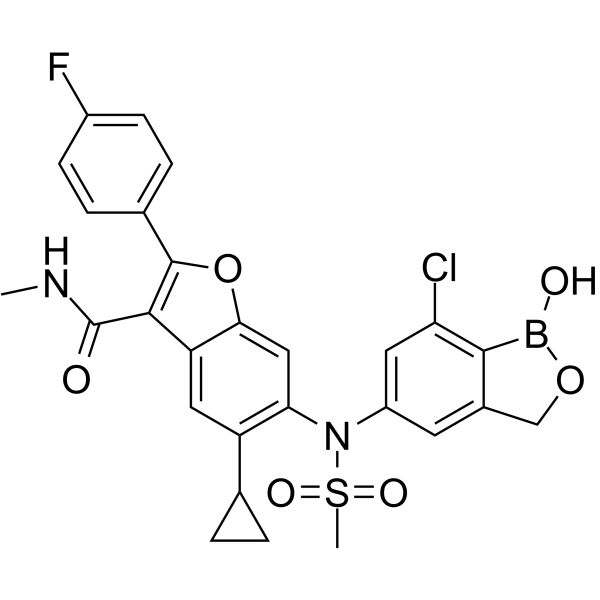
  • HY-112047

    GSK2878175

    HCV Infection
    GSK8175 is a non-nucleoside polymerase (NS5B) inhibitor of hepatitis C virus (HCV). GSK8175 is a sulfonamide- N-benzoxaborole analog with low in vivo clearance across preclinical species and broad-spectrum activity against HCV replicons .
    GSK8175
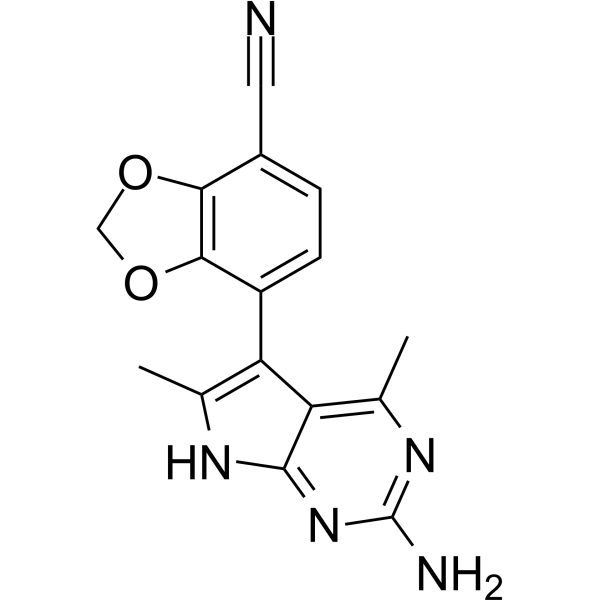
  • HY-174819

    HBV Infection
    VNRX-9945 is a potent, broadly and orally active HBV CAM (capsid assembly modulator) with an EC50 of 2.6 nM. VNRX-9945 exhibits excellent and broad antiviral activity against multiple HBV genotypes in vitro, along with favorable pharmacokinetic profiles across multiple species. VNRX-9945 demonstrates robust antiviral efficacy in the adeno-associated virus mice models of HBV (AAV-HBV) infection .
    VNRX-9945
  • HY-10826

    Aminopeptidase Cardiovascular Disease Neurological Disease
    DG051 (free acid) is an effective inhibitor of leukotriene A4 hydrolase (LTA4H), with a Kd of 26 nM. It has high water solubility (greater than 30 mg/mL) and high oral bioavailability (over 80% across different species). DG051 (free acid) can be used in research related to myocardial infarction and stroke .
    DG051 free acid
  • HY-131914B

    Sigma Receptor Inflammation/Immunology
    EST64454 maleate is a highly soluble σ1 receptor antagonist, demonstrating potent antinociceptive properties for pain treatment. EST64454 maleate exhibits excellent metabolic stability across various species and possesses an adequate pharmacokinetic profile in rodents. EST64454 maleate has been identified as a promising clinical candidate due to its favorable aqueous solubility and high permeability in Caco-2 cells.
    EST64454 maleate
  • HY-181825

    TrxR Apoptosis Cancer
    TrxR-IN-9 is a thioredoxin reductase (TrxR) inhibitor with an IC50 of 0.26 μM. TrxR-IN-9 disrupts cellular redox balance. TrxR-IN-9 induces S-phase cell cycle arrest, promotes apoptosis and exhibits antiproliferative activity across cancer cells. TrxR-IN-9 exerts effects via synergistic nitric oxide (NO) and reactive oxygen species (ROS) action. TrxR-IN-9 can be used for the research of breast cancer, gastric cancer, colorectal cancer, liver cancer .
    TrxR-IN-9
  • HY-165381

    MDM-2/p53 Reactive Oxygen Species (ROS) Cancer
    ZMC2 is a thiosemicarbazone-class metal ion chelator and zinc ionophore with a human mutant p53 R175H binding Ka of 27.4 nM.ZMC2 binds Fe, Cu, Mn, Zn, and other transition metals.ZMC2 facilitates zinc transport across membranes.ZMC2 restores zinc binding to zinc-deficient p53 mutants, restoring wild-type structure and function, including site-specific DNA binding.ZMC2 generates reactive oxygen species (ROS).ZMC2 can be used for the research of cancer .
    ZMC2
  • HY-181165

    PKC SARS-CoV IFNAR Infection
    SB2960 is a receptor for activated protein C kinase 1 (RACK1) binder with a human KD of 5.65 μM. SB2960 can promote stress granule (SG) formation and exhibit potent antiviral activity across diverse viral species. SB2960 suppresses viral replication with minimal cytotoxicity by modulating host antiviral immune responses. SB2960 increases the thermal stability of RACK1 and reduces SARS-CoV-2 N protein levels. SB2960 enhances type I interferon (IFN-β) expression and inhibits RIG-I, ISG56, and RANTES expression. SB2960 can be used for the research of virus infection .
    SB2960

Inquiry Online

Your information is safe with us. * Required Fields.

Salutation


Country or Region *

Applicant Name *


Organization Name *

Department *


Email Address *


Product Name *

Cat. No.


Requested quantity *

Phone Number *


Remarks

Inquiry Online

Inquiry Information

Product Name:
Cat. No.:
Quantity:
MCE Japan Authorized Agent:

