



Herbicide
Herbicide
Herbicides refer to the agents that can completely or selectively cause the death of weeds, and they are also known as weed killers. Herbicides are divided into inorganic compound types and organic synthetic types. Herbicides should possess characteristics such as high efficiency, selectivity, and convenience in use. Some herbicides, such as paraquat, can function by inhibiting the photosynthesis of weeds, blocking the photosynthetic electron transfer or inhibiting the synthesis of photosynthetic pigments. Some herbicides, such as naphthalene acetic acid, can interfere with the hormonal balance of plants, leading to abnormal growth and death of weeds. There are also some herbicides that can inhibit plant cell division or amino acid synthesis. Herbicides are widely applied in agricultural farmlands, garden green spaces, along roads and railways, industrial sites, etc., to control weeds, so as to ensure the growth of crops, maintain the landscape environment, and reduce potential safety hazards such as fires[1][2].
All Product Categories
-
Herbicide Related Products (550)
Related Products (550)

-
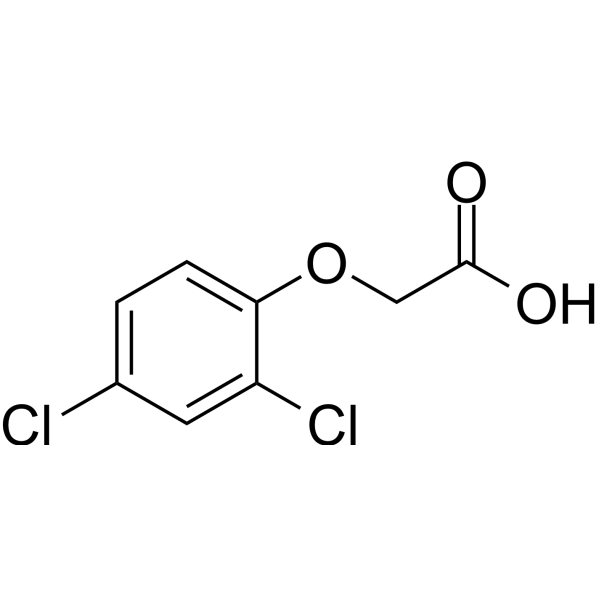
Fluridone
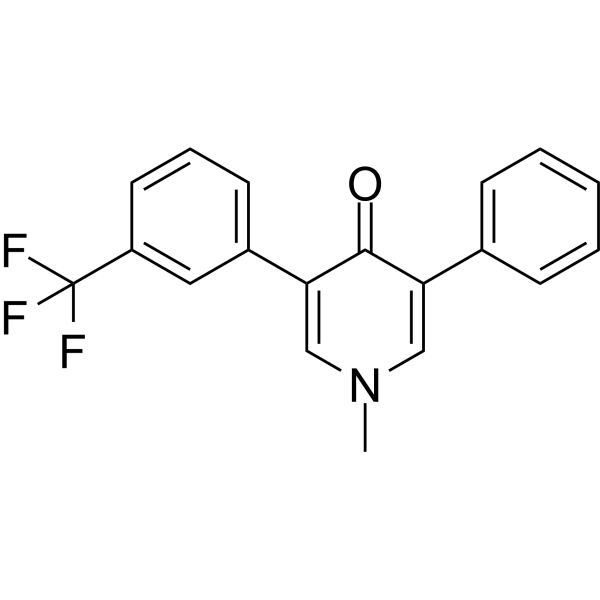 0 ImagesFluridone is a herbicide, particularly to eliminate aquatic plant growth in water reservoirs and irrigation channels. Fluridone is a potent Abscisic acid (ABA) biosynthesis inhibitor, and has anti-inflammatory effects.
-
Diuron
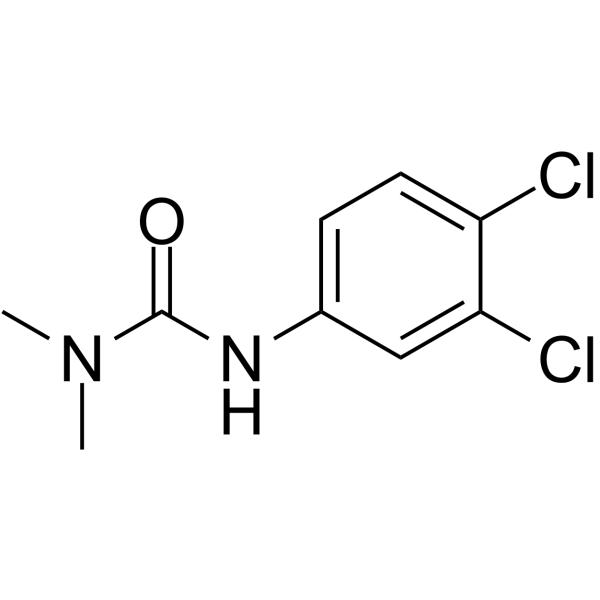 0 ImagesDiuron is an orally active phenylurea herbicide. Diuron inhibits photosynthesis in plants by blocking the formation of ATP and NADH. Diuron increases the production of ROS. Diuron increases expression of p53 in certain cell lines. Diuron has herbicidal activity against annual and perennial broadleaf weeds and grass weeds. Diuron promotes DMBA/BBN-induced bladder cancer. Diuron can be used in breast cancer research.
-
Clethodim
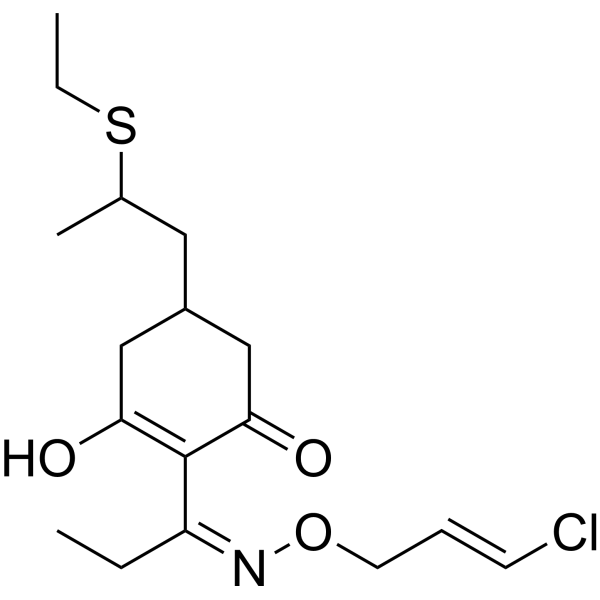 0 ImagesCat. No.: HY-119896CAS No.: 99129-21-2Clethodim is a potent acetyl-CoA A carboxylase (ACCase) inhibitor and herbicide. Clethodim inhibits ACCase in plants, thereby blocking fatty acid biosynthesis required for cell membrane and secondary metabolite production. Clethodim exhibits developmental toxicity and neurotoxicity in zebrafish embryos and larvae. Clethodim is used in studies on agricultural herbicides and developmental toxicity.
-
(±)-Jasmonic acid
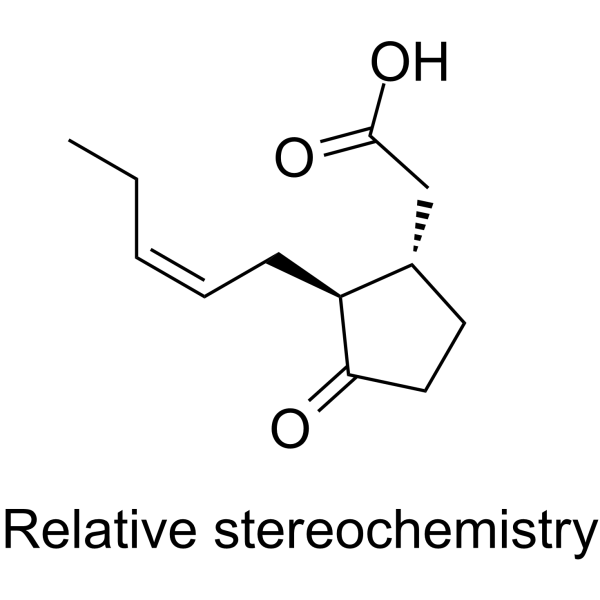 0 Images(±)-Jasmonic acid is an endogenous growth regulator closely related to plant resistance to abiotic stresses, used to activate defense responses to wounding, herbivory, and pathogen attacks. (±)-Jasmonic acid does not play an independent regulatory role, but works in a complex signaling network with other plant hormone signaling pathways. In addition, (±)-Jasmonic acid can also reduce chlorophyll levels in green and etiolated barley leaf segments and inhibit the elongation of rice seedlings.
-
Diquat dibromide hydrate
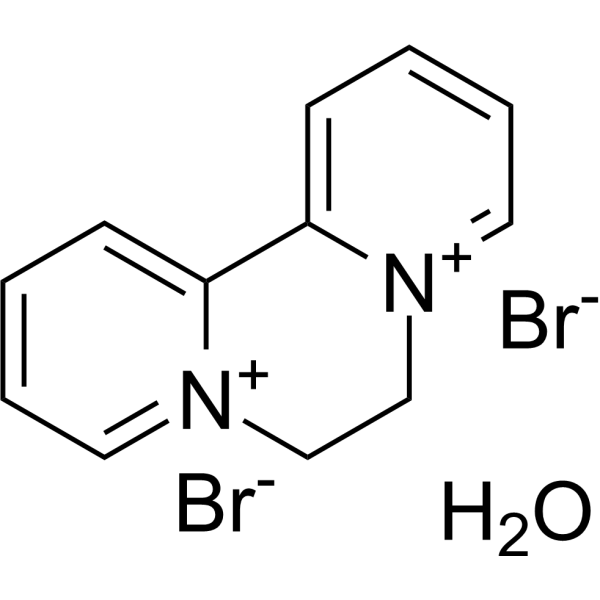 0 ImagesDiquat dibromide hydrate is a comprehensive herbicide. Diquat dibromide hydrate increases the production of ROS and triggers mitophagy. Diquat dibromide hydrate generates free radicals such as superoxide anions through redox cycles, which induce oxidative stress. Diquat dibromide hydrate is cytotoxic, reproductive, and neurotoxic. Diquat dibromide hydrate is used in cotton, soybean, and other crops to combat noxious weeds.
-
Diquat dibromide
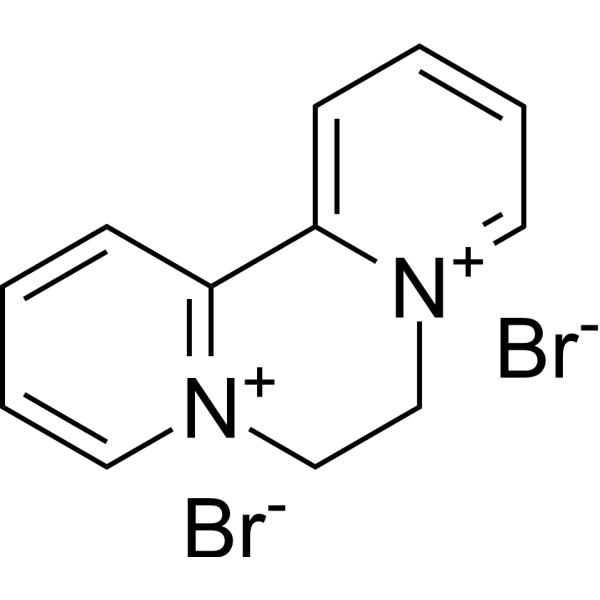 0 ImagesDiquat dibromide is a comprehensive herbicide. Diquat dibromide increases the production of ROS and triggers mitochondrial Autophagy. Diquat dibromide generates free radicals such as superoxide anions through redox cycles, which induce oxidative stress. Diquat dibromide is cytotoxic, reproductive, and neurotoxic. Diquat dibromide is used in cotton, soybean, and other crops to combat noxious weeds.
-
Trifluoromethanesulfonate lithium
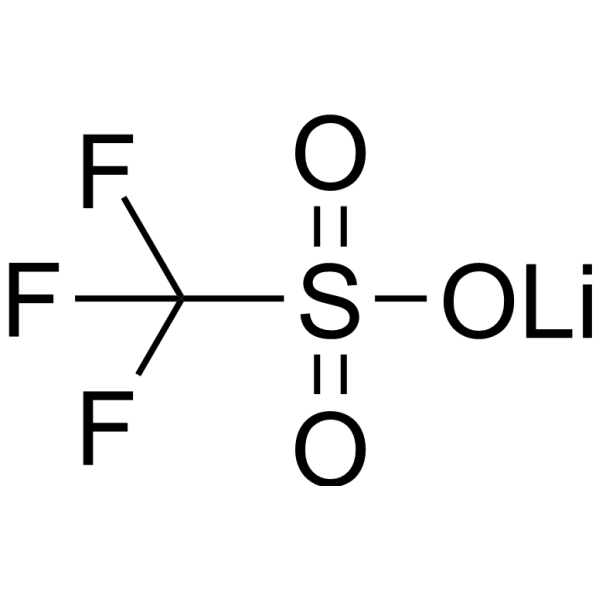 0 ImagesSynonyms: Triflate lithium; Trifluoromethylsulfonate lithium; Trifluoromethanesulphonic acid lithiumTrifluoromethanesulfonate (Triflate;Trifluoromethylsulfonate) lithium is a stable lithium salt and dopant with four resonance states, which is commonly used as an electrolyte component in polymer light-emitting electrochemical cells and primary lithium batteries. Trifluoromethanesulfonate lithiumalso acts as a catalyst for the preparation of the herbicide Imazapyr. In MEH-PPV-based light-emitting electrochemical cells, Trifluoromethanesulfonate lithium promotes electrochemical p-type doping at the anode interface under applied bias, thereby facilitating the formation of p-i-n junctions, exciton generation, and light emission. Trifluoromethanesulfonate lithiumexhibits strong ion pairing in non-aqueous electrolytes, but its electrochemical stability window is narrower than that of lithium bistrifluoromethylsulfonyl imidee.
-
Dicamba
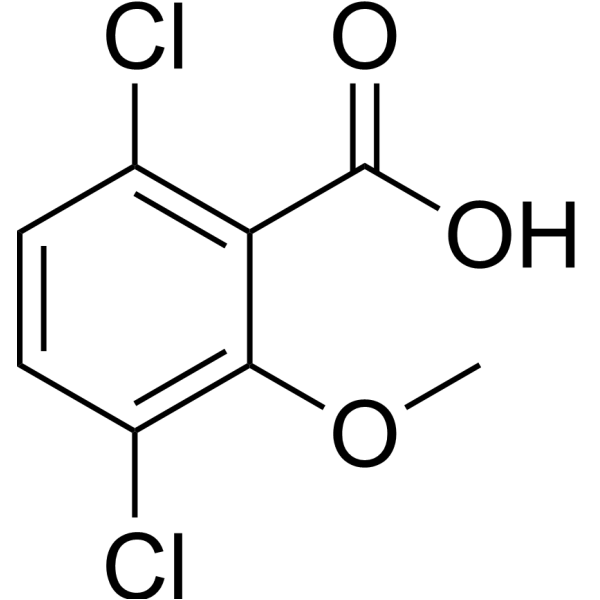 0 ImagesDicamba is a herbicide. Dicamba is currently used in agriculture and gardening to control the growth of different unwanted vegetable species, mainly in cereal grain crops, but also on sugar cane and soybeans, among others. Dicambais induces significant DNA damage. Dicambais induces genotoxicity and cytotoxicity.
-
Trifluralin
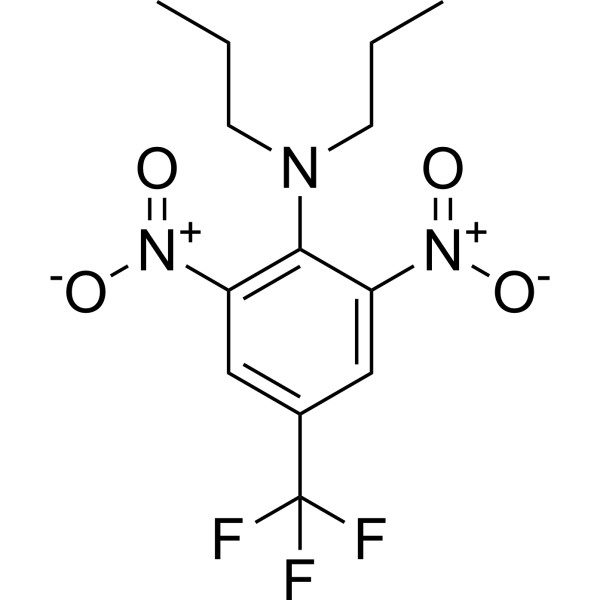 0 ImagesTrifluralin is a selective, preemergence, soil-applied herbicide providing control of many important annual grass and broadleaf weed species. Trifluralin prevents weed growth by inhibiting root development through the interruption of mitosis. Trifluralin binds to tubulin and results in the failure of spindle apparatus and cell plate formation. Trifluralin inhibits radicle development on roots. Trifluralin inhibits cell mitosis. Trifluralin is considered to be neurotoxic and haematotoxic.
-
Norflurazon
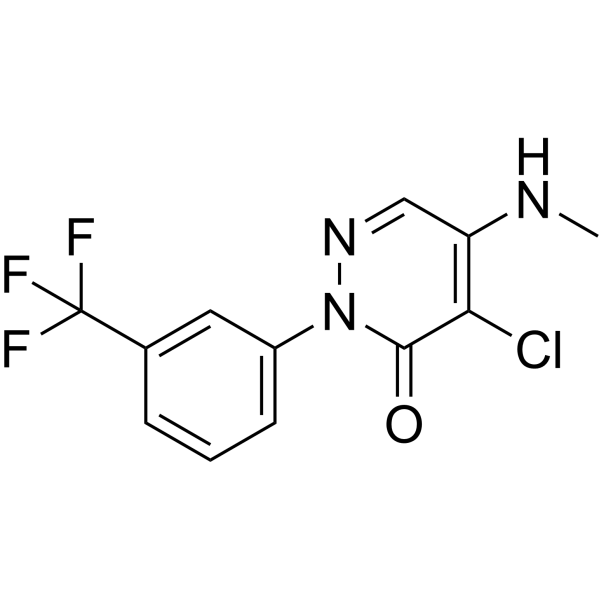 0 ImagesSynonyms: SAN 9789Norflurazon (SAN 9789) is a pre-emergence Herbicide. Norflurazon non-competitively inhibits phytoene desaturase by competing with the enzyme cofactor and disrupts carotenoid biosynthesis, thereby leading to chlorophyll photodegradation and chlorosis. Norflurazon inhibits MGDG synthase, CDP-choline phosphotransferase, Omega-3 FAD7 desaturase, and PG delta-3-trans desaturase, and activates LysoPC-acyltransferase and Omega-3 FAD3 desaturase. Norflurazon inhibits photosynthetic membrane organization, mitochondrial respiration, ATP production, PI3K signaling, and ERK1/2 phosphorylation. Norflurazon activates MAPK P38 phosphorylation and ER stress signaling. Norflurazon induces morphological malformations and cardiovascular effects in zebrafish embryos.
-
3,5,6-Trichloro-2-pyridinol
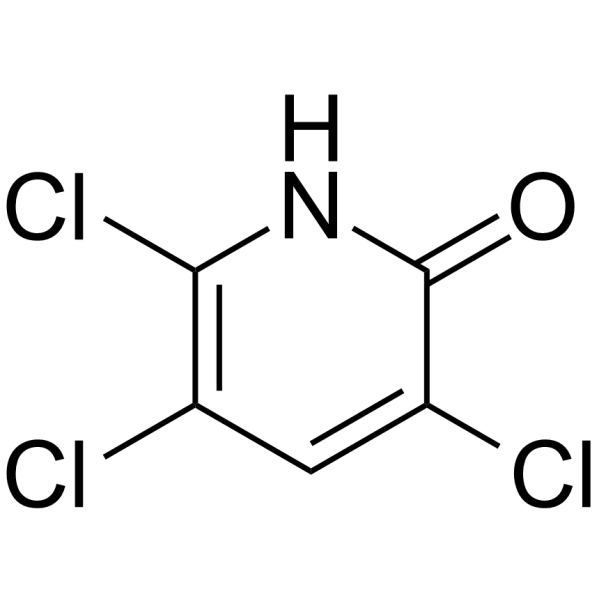 0 ImagesSynonyms: TCPy3,5,6-Trichloro-2-pyridinol (TCPy) is a chloride of 2-pyridone with oral activity. 3,5,6-Trichloro-2-pyridinol is the main degradation product of the herbicide Triclopyr and the insecticides Chlorpyrifos and chlorpyrifos-methyl. 3,5,6-Trichloro-2-pyridinol is associated with attention deficit hyperactivity disorder (ADHD) and decreased testosterone levels. 3,5,6-Trichloro-2-pyridinol causes hearing loss, hepatotoxicity and nephrotoxicity in mice .
-
Bialaphos sodium
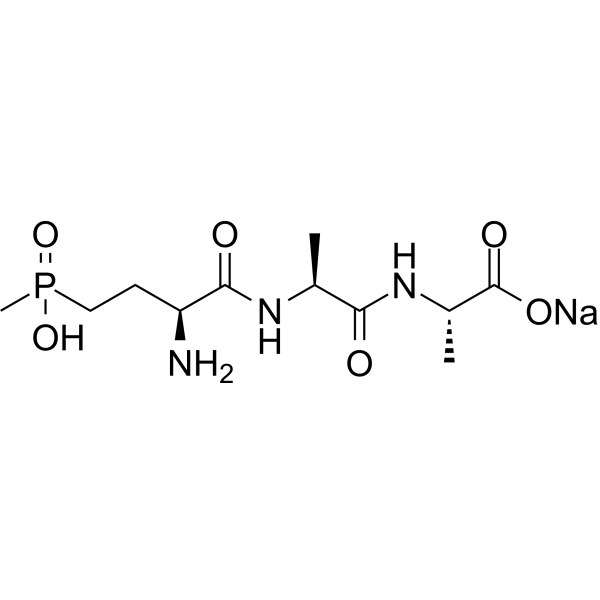 0 ImagesSynonyms: SF-1293 sodiumBialaphos (SF-1293) sodium is a phosphinothricinylalanylalanine. Bialaphos sodium also acts as a precursor of herbicides and antibacterial agents. After entering bacterial or plant cells, Bialaphos sodium is converted into phosphinothricin, an inhibitor of glutamine synthetase.



