1. Search Result
Search Result
Results for "

acute and chronic myeloid leukemia

" in MedChemExpress (MCE) Product Catalog:

23

Inhibitors & Agonists

1

Fluorescent Dyes

1

Biochemical Assay Reagents

4

Inhibitory Antibodies

4

Natural
Products

1

Click Chemistry

1

Oligonucleotides

1

GMP Molecules

Targets Recommended:
Cat. No. Product Name Target Research Areas Chemical Structure
  • HY-148813
    AK-2292
    2 Publications Verification

    PROTACs STAT Cancer
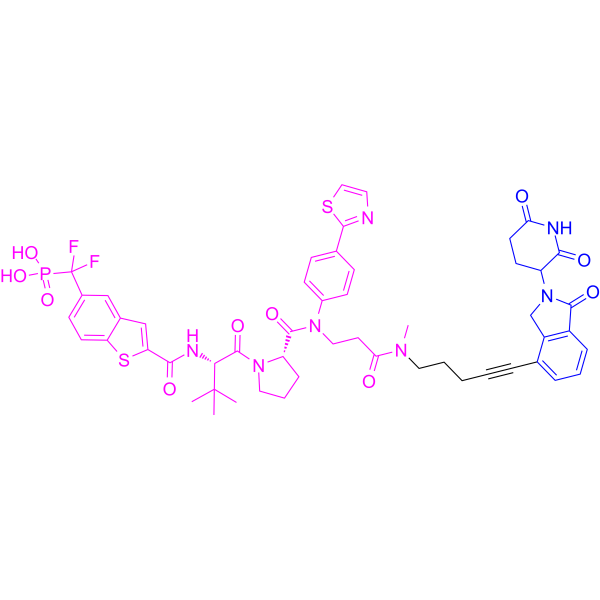
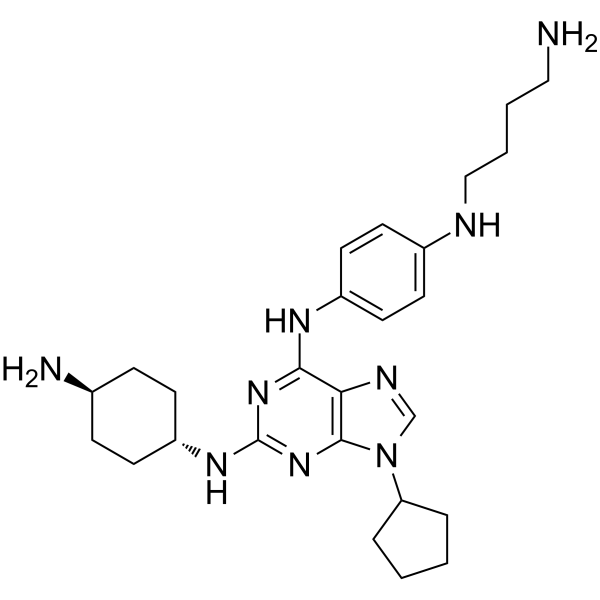
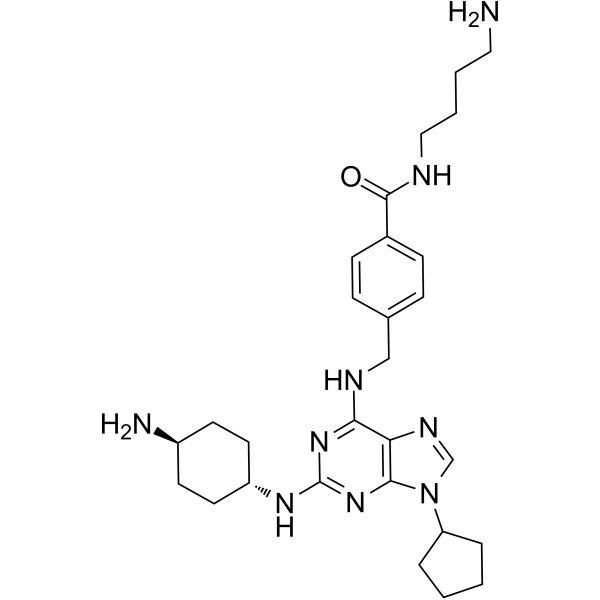
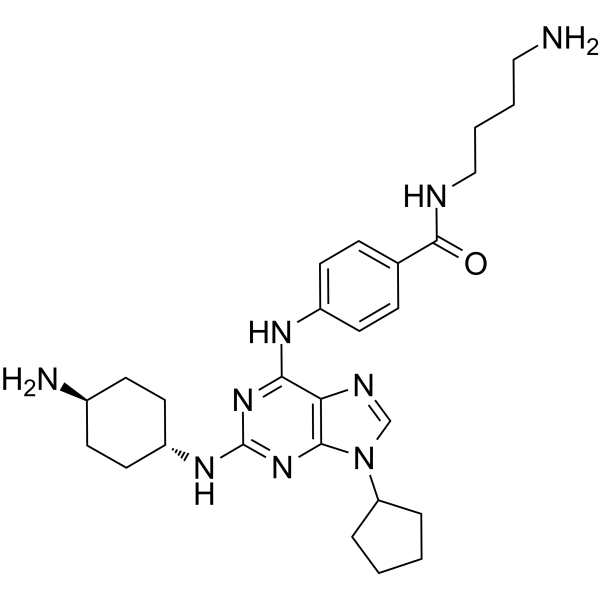
    AK-2292 is a potent and selective STAT5 PROTAC degrader, with a DC50 of 0.10 μM. AK-2292 induces degradation of STAT5A/B proteins in vitro and in vivo. AK-2292 can induce tumor regression in acute myeloid leukemia and chronic myeloid leukemia xenograft mouse models . AK-2292 is a click chemistry reagent, it contains an Alkyne group and can undergo copper-catalyzed azide-alkyne cycloaddition (CuAAc) with molecules containing Azide groups.
    AK-2292
  • HY-159520

    Ofirnoflast; HT-6184

    NEKs NOD-like Receptor (NLR) Caspase Apoptosis Pyroptosis NF-κB Cardiovascular Disease Inflammation/Immunology Cancer
    Ofirnoflastum (Ofirnoflast) is an orally active first-in-class allosteric NEK7 inhibitor with an IC50 of 46 nM. Ofirnoflastum binds an allosteric site adjacent to NEK7’s ATP-binding pocket, induces conformational shifts, disrupts NEK7-NLRP3 binding, blocks NLRP3 inflammasome assembly, spares NEK7’s physiological functions, and suppresses caspase-1, caspase-8, NF-κB, and TNF activity. Ofirnoflastum reduces pro-inflammatory cytokine production, suppresses ASC specks, IL-1β release, pyroptotic cell death, and leukemic burden, induces apoptosis and erythroid differentiation, restores hematopoiesis, and improves outcomes in colitis models. Ofirnoflastum can be used for the research of myelodysplastic syndromes, chronic myelomonocytic leukemia, and acute myeloid leukemia .

    Ofirnoflastum
  • HY-N0559
    Kirenol
    1 Publications Verification

    Casein Kinase Apoptosis AMPK Akt NF-κB TGF-beta/Smad Cardiovascular Disease Neurological Disease Metabolic Disease Inflammation/Immunology Cancer
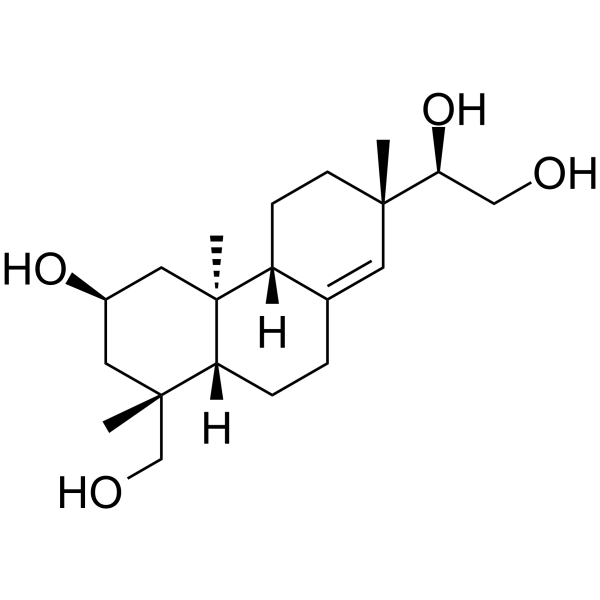
    Kirenol is a diterpenoid compound, an orally active apoptosis inducer and signaling pathway regulator, with a Kd value of 5.47 μM against the target CK2. Kirenol promotes the cleavage of Bid into tBid, regulates the protein levels/phosphorylation of Bax, Bcl-2, p53 and p21, and induces caspase-independent apoptosis, S-phase cell cycle arrest, ROS accumulation and cytotoxicity in cancer cells. Kirenol activates the CK2/AKT and AMPK-mTOR-ULK1 pathways, inhibits the signaling of NF-κB, TGF-β/Smads and NLRP3 inflammasome, and regulates the GSK3β, BMP and Wnt/β-catenin pathways. Kirenol induces autophagy, mitophagy and osteoblast differentiation, promotes mitochondrial fusion, and exerts antioxidant, anti-inflammatory, antifibrotic, renoprotective, cardioprotective, neuroprotective and analgesic effects. Kirenol is applicable to research related to chronic myeloid leukemia, ischemic stroke, diabetic nephropathy, heart failure, acute lung injury and osteoporosis .
    Kirenol
  • HY-P99488

    JSP-191; AMG-191

    c-Kit Inflammation/Immunology Cancer
    Briquilimab (JSP-191 or AMG-191) is a humanized IgG1 monoclonal antibody that binds human CD117 (c-Kit). Briquilimab blocks the interaction between CD117 receptor and stem cell factor on various CD117 expressing tissues. Briquilimab can lead to inhibition of SCF/c-Kit signaling and MC apoptosis. Briquilimab is a non-toxic approach to target and deplete HSC, enabling blood and immune reconstitution with minimal toxicity with the other agents being used for transient immune suppression to prevent immunologic rejection. Briquilimab can be used in various disease research such as severe combined immunodeficiency (SCID), myelodyplastic syndromes (MDS), acute myeloid leukemia (AML), chronic spontaneous urticarial (CSU), chronic inducible urticarial (CIndU) and asthema .
    Briquilimab
  • HY-108894

    Ferroptosis Reactive Oxygen Species (ROS) Cardiovascular Disease Inflammation/Immunology Cancer
    Ferumoxytol is an FDA-approved ultrasmall superparamagnetic iron oxide preparation and iron replacement agent that exerts selective activity against leukemia cells with low ferroportin expression. Ferumoxytol increases intracellular iron levels, induces reactive oxygen species (ROS) production via the Fenton reaction, and triggers oxidative stress and cell death. Ferumoxytol reduces disease burden in mouse models and patient-derived leukemia models. As an MRI contrast agent, Ferumoxytol enables imaging of vascular lesions, tumors and lymph nodes. Ferumoxytol can be used in research related to acute myeloid leukemia and blast-phase chronic myeloid leukemia .
    Ferumoxytol
  • HY-P99272
    Ulocuplumab
    1 Publications Verification

    BMS 936564; MDX 1338; Anti-Human CXCR4 Recombinant Antibody

    CXCR Cancer
    Ulocuplumab (Anti-Human CXCR4 Recombinant Antibody/BMS-936564/MDX1338) is a fully human IgG4 anti-CXCR4 antibody. Ulocuplumab induces apoptosis and inhibits CXCL12 mediated CXCR4 activation-migration of chronic lymphocytic leukemia (CLL). Ulocuplumab exhibits antitumor activity in established tumors including acute myeloid leukemia (AML), non-Hodgkin lymphoma (NHL), and multiple myeloma xenograft models .
    Ulocuplumab
  • HY-103275

    NSC 680410

    Bcr-Abl Apoptosis Cancer
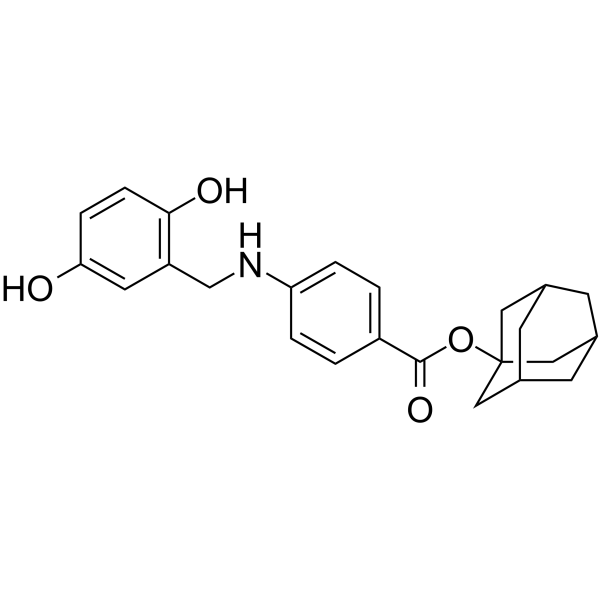
    Adaphostin (NSC 680410), the adamantyl ester of AG957, is a potent p210 bcr/abl inhibitor (IC50=14 μM). Adaphostin induces apoptosis in T-lymphoblastic human leukemia cell lines (IC50 ranging from 17 to 216 nM). Adaphostin has significant and selective activity against chronic and acute myeloid leukemia cells. Adaphostin increased the level of reactive oxygen species (ROS) within CLL B cells .
    Adaphostin
  • HY-170859

    PROTACs Casein Kinase Cancer
    AH078 is a PROTAC-based CK1δ/ε degrader (DC50=0.55 μM, Dmax=70%) that lacks subtype selectivity between CK1δ and CK1ε. AH078 induces target protein degradation either by recruiting the CUL4-CRBN E3 ligase complex and proteasome, or via the VHL- and ubiquitin-dependent pathway. AH078 also exhibits selectivity for CK1α, and is widely applicable to research related to colon cancer, pancreatic cancer, breast cancer, ovarian cancer, chronic lymphocytic leukemia, acute myeloid leukemia, glioma, and metastatic breast adenocarcinoma .
    AH078
  • HY-160952

    CPX 351; Cytarabine-daunorubicin

    Liposome Drug Derivative Cardiovascular Disease Cancer
    Cytarabine-daunorubicin (CPX 351) is a Liposomal formulation prepared from Cytarabine (HY-13605) and Daunorubicin (HY-13062A) at a fixed synergistic molar ratio of 5:1. Cytarabine-daunorubicin improves secondary acute myeloid leukemia. Cytarabine-daunorubicin can be used in research related to secondary acute myeloid leukemia, high-risk myelodysplastic syndrome, and chronic myelomonocytic leukemia .
    Daunorubicin-Cytarabine Liposome
  • HY-171146

    FLT3 Bcr-Abl RET PDGFR MNK Cancer
    HSN748 is a Ponatinib (HY-12047) analogue and a multikinase inhibitor. HSN748 has inhibitory activity on FLT3, ABL1, RET, PDGFRα/β, MNK1, MNK2 and other kinases. HSN748 can inhibit the growth of chronic myeloid leukemia and acute myeloid leukemia cell lines and can be used in the study of leukemia .
    HSN748
  • HY-N1830

    Others Cancer
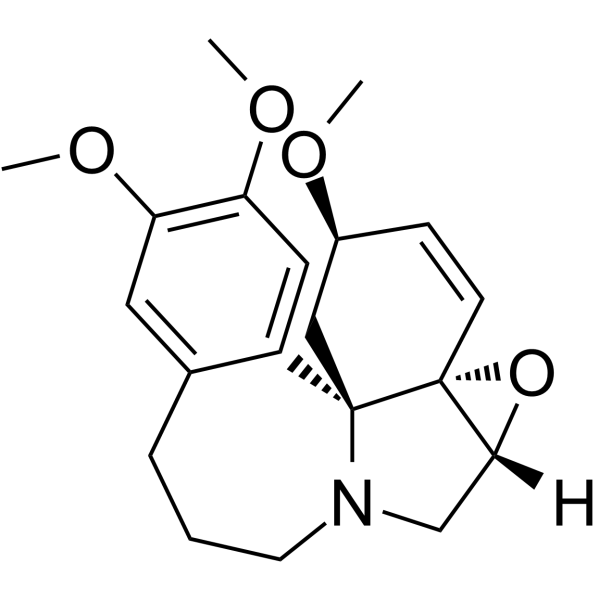
    3-Epiwilsonine is an alkaloid from Cephalotaxus wilsoniana, exhibits effect on acute and chronic myeloid leukemia and malignant lymphoma .
    3-Epiwilsonine
  • HY-145904

    PDGFR FLT3 Cancer
    PDGFRα/FLT3-ITD-IN-3 (Compound 18d) is a potent inhibitor of PDGFRα/FLT3 with IC50s of 0.153 and 0.004 μM, respectively. PDGFRα/FLT3-ITD-IN-3 has the potential for the research of acute myeloid leukemia or chronic eosinophilic leukemia .
    PDGFRα/FLT3-ITD-IN-3
  • HY-145903

    PDGFR FLT3 Cancer
    PDGFRα/FLT3-ITD-IN-2 (Compound 13d) is a potent inhibitor of PDGFRα/FLT3 with IC50s of more than 20 and 1.654 μM, respectively. PDGFRα/FLT3-ITD-IN-2 has the potential for the research of acute myeloid leukemia or chronic eosinophilic leukemia .
    PDGFRα/FLT3-ITD-IN-2
  • HY-145902

    PDGFR FLT3 Cancer
    PDGFRα/FLT3-ITD-IN-1 (Compound 12d) is a potent inhibitor of PDGFRα/FLT3 with IC50s of more than 0.036 and 0.003 μM, respectively. PDGFRα/FLT3-ITD-IN-1 has the potential for the research of acute myeloid leukemia or chronic eosinophilic leukemia .
    PDGFRα/FLT3-ITD-IN-1
  • HY-103275R

    NSC 680410 (Standard)

    Reference Standards Bcr-Abl Apoptosis Cancer
    Adaphostin (Standard) is the analytical standard of Adaphostin. This product is intended for research and analytical applications. Adaphostin (NSC 680410), the adamantyl ester of AG957, is a potent p210bcr/abl inhibitor (IC50=14 μM). Adaphostin induces apoptosis in T-lymphoblastic human leukemia cell lines (IC50 ranging from 17 to 216 nM). Adaphostin has significant and selective activity against chronic and acute myeloid leukemia cells. Adaphostin increased the level of reactive oxygen species (ROS) within CLL B cells .
    Adaphostin (Standard)
  • HY-N0559R

    Reference Standards Casein Kinase Apoptosis AMPK Akt NF-κB TGF-beta/Smad Cardiovascular Disease Neurological Disease Metabolic Disease Inflammation/Immunology Cancer
    Kirenol (Standard) is the analytical standard of Kirenol (HY-N0559). This product is intended for research and analytical applications. Kirenol is a diterpenoid compound, an orally active apoptosis inducer and signaling pathway regulator, with a Kd value of 5.47 μM against the target CK2. Kirenol promotes the cleavage of Bid into tBid, regulates the protein levels/phosphorylation of Bax, Bcl-2, p53 and p21, and induces caspase-independent apoptosis, S-phase cell cycle arrest, ROS accumulation and cytotoxicity in cancer cells. Kirenol activates the CK2/AKT and AMPK-mTOR-ULK1 pathways, inhibits the signaling of NF-κB, TGF-β/Smads and NLRP3 inflammasome, and regulates the GSK3β, BMP and Wnt/β-catenin pathways. Kirenol induces autophagy, mitophagy and osteoblast differentiation, promotes mitochondrial fusion, and exerts antioxidant, anti-inflammatory, antifibrotic, renoprotective, cardioprotective, neuroprotective and analgesic effects. Kirenol is applicable to research related to chronic myeloid leukemia, ischemic stroke, diabetic nephropathy, heart failure, acute lung injury and osteoporosis.
    Kirenol (Standard)
  • HY-N19312

    Apoptosis Glutathione S-transferase Topoisomerase Cancer
    Diospyrin is a dinaphthoquinone anticancer agent with pro-apoptotic (apoptosis) activity, glutathione S-transferase (Glutathione S-transferase) inhibitory activity, and topoisomerase (Topoisomerase) I inhibitory activity. Diospyrin is present in the heartwood of various Diospyros plants and can be used for research on Ehrlich ascites carcinoma, acute myeloid leukemia, chronic myeloid leukemia, mammary adenocarcinoma, cervical epithelial carcinoma, malignant cutaneous melanoma, laryngeal epidermoid carcinoma, human osteosarcoma, and human lymphoblastic carcinoma .
    Diospyrin
  • HY-180981

    PROTACs Bcr-Abl Cancer
    P19As is a BCR-ABL PROTAC degrader based on Asciminib (HY-104010), with a DC50 value of approximately 200 nM for the wild-type BCR-ABL protein. P19As can degrade the T315I mutant and exhibits potent anti-proliferative activity in BaF3-BCR-ABL (T315I) cells. P19As can be used for the study of chronic myeloid leukemia and acute lymphoblastic leukemia .
    P19As
  • HY-P992389

    LILRB Cancer
    IO-202 is a high-affinity LILRB4/ILT3 binder and myeloid checkpoint inhibitor. IO-202 blocks APOE binding and LILRB4 activation to reverse T-cell suppression and enhance T-cell cytotoxicity, while eliminating LILRB4-high-expressing leukemic blasts via ADCC and ADCP mechanisms. IO-202 promotes dendritic cell maturation and antigen presentation, reshapes the phenotype of tumor-associated macrophages, and reduces myeloid-derived suppressor cells. IO-202 is widely applicable to research on relapsed/refractory acute myeloid leukemia (AML), chronic myelomonocytic leukemia (CMML), and solid tumors .
    IO-202
  • HY-P992439

    CXCR Cancer
    PF-06747143 is recombinant anti-human antibody targeting CXCR4. PF-06747143 blocks CXCL12-induced calcium flux, F-actin polymerization, chemotaxis, cell migration, and leukemic cell bone marrow homing. PF-06747143 reduces tumor burden and improves survival in mouse models of hematologic malignancies. PF-06747143 can be used for the research of chronic lymphocytic leukemia, acute myeloid leukemia, and hematologic malignancies .
    PF-06747143
  • HY-180979

    PROTACs Bcr-Abl Cancer
    P22D is a BCR-ABL PROTAC degrader based on Dasatinib (HY-10181), with a DC50 value of approximately 10 nM for the wild-type BCR-ABL protein. P22D cannot degrade the BCR-ABL T315I mutant. P22D has inhibitory activity against K562 cells (wild type), but is ineffective against BaF3-BCR-ABL (T315I) cells. P22D can be used for research on chronic myeloid leukemia and acute lymphocytic leukemia .
    P22D
  • HY-180977

    PROTACs Bcr-Abl Cancer
    P19P is a BCR-ABL PROTAC degrader based on Ponatinib (HY-12047), with a DC50 value of approximately 20 nM for the wild-type BCR-ABL protein. P19P can effectively degrade various drug-resistant mutants such as T315I, E255K, H396R, and V468F, and exhibits potent anti-proliferative activity in BaF3-BCR-ABL (T315I) cells. P19P maintains strong inhibitory activity against ABL (T315I), with a IC50 of 13.1 nM. P19P does not inhibit the formation of vascular lumens in HUVEC. P19P can be used for research on chronic myeloid leukemia and acute lymphoblastic leukemia .
    P19P
  • HY-12292G

    NF-κB STAT GSK-3 β-catenin Bcr-Abl Cancer
    IM-12 GMP is IM-12 (HY-12292) produced by using GMP guidelines. GMP small molecules works appropriately as an auxiliary reagent for cell therapy manufacture. IM-12 is an orally active anti-inflammatory agent that targets and inhibits the NF-κB and STAT3 signaling pathways. IM-12 activates the Wnt signaling pathway and promotes the nuclear translocation of β-catenin by inhibiting GSK3β, while also blocking the tyrosine kinase activity of p210BCR/ABL. IM-12 reduces the levels of IL-6, IL-17, NO, prostaglandin E2, iNOS and COX-2, and induces ER stress, Ca 2+ release, autophagy and apoptosis. IM-12 is heat-sensitive and does not induce autophagy in IM-resistant p210BCR/ABL T315I mutant cells. IM-12 is also a component of the 5iLA medium used for naive pluripotent stem cell research. IM-12 has been applied in studies related to carrageenan (HY-125474)-induced hind paw edema, TNBS-induced colitis, and acute and chronic myeloid leukemia .
    IM-12

Inquiry Online

Your information is safe with us. * Required Fields.

Salutation


Country or Region *

Applicant Name *


Organization Name *

Department *


Email Address *


Product Name *

Cat. No.


Requested quantity *

Phone Number *


Remarks

Inquiry Online

Inquiry Information

Product Name:
Cat. No.:
Quantity:
MCE Japan Authorized Agent: