1. Search Result
Search Result
Results for "

arachidonic acid metabolite

" in MedChemExpress (MCE) Product Catalog:

41

Inhibitors & Agonists

8

Natural
Products

2

Isotope-Labeled Compounds

1

Oligonucleotides

Cat. No. Nom du produit Target Áreas de investigación Chemical Structure
  • HY-N0729
    Linoleic acid
    Maximum Cited Publications
    24 Publications Verification

    Environmental Pollutants Endogenous Metabolite Cardiovascular Disease Metabolic Disease Cancer
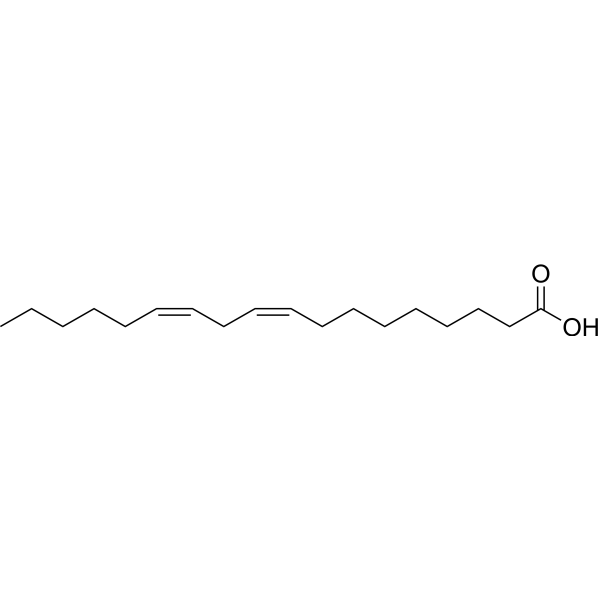
    Linoleic acid is a common polyunsaturated (PUFA) found in plant-based oils, nuts and seeds. Linoleic acid is a part of membrane phospholipids, and functions as a structural component to maintain a certain level of membrane fluidity of the transdermal water barrier of the epidermis. Linoleic acid induces red blood cells and hemoglobin damage via oxidative mechanism .
    Linoleic acid
  • HY-141570

    Phospholipase Others
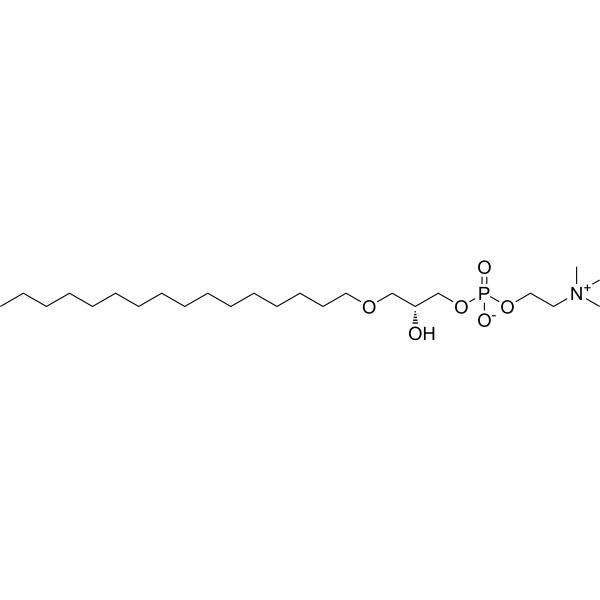
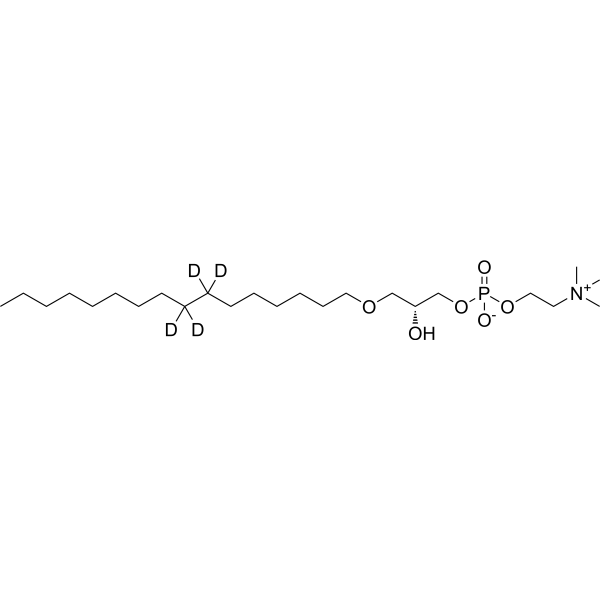
    Lyso-PAF C-16 is a precursor and metabolite of 1-O-hexadecyl-2-acetyl-sn-glycero-3-phosphocholine (PAF C-16). Lyso-PAF C-16 is a substrate for either PAF C-16 formation by the remodeling pathway or selective acylation with arachidonic acid by a CoA-independent transacylase .
    Lyso-PAF C-16
  • HY-113489

    14,15-EET

    Endogenous Metabolite Cardiovascular Disease Neurological Disease
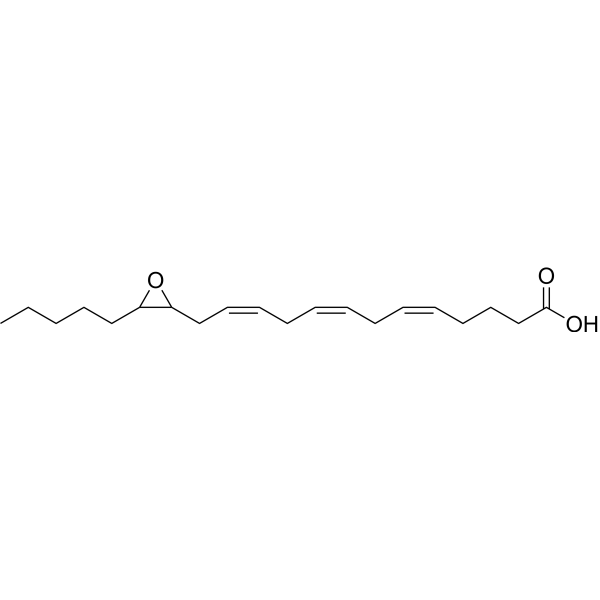
    14,15-Epoxyeicosatrienoic acid (14,15-EET) is a metabolite of Arachidonic acid (HY-109590). 14,15-Epoxyeicosatrienoic acid is a potent inhibitor of in vivo platelet aggregation. 14,15-Epoxyeicosatrienoic acid facilitates astrocytic Aβ clearance. 14,15-Epoxyeicosatrienoic acid can be used for Alzheimer's Disease research .
    14,15-Epoxyeicosatrienoic acid
  • HY-124404A

    ERK DNA/RNA Synthesis p38 MAPK Cancer
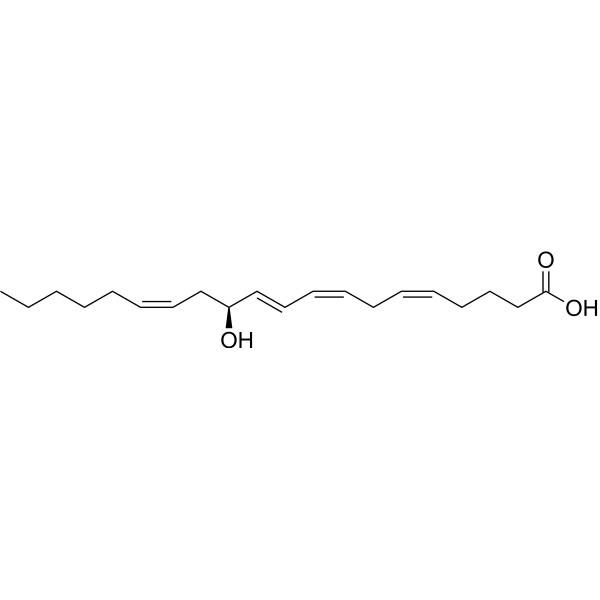
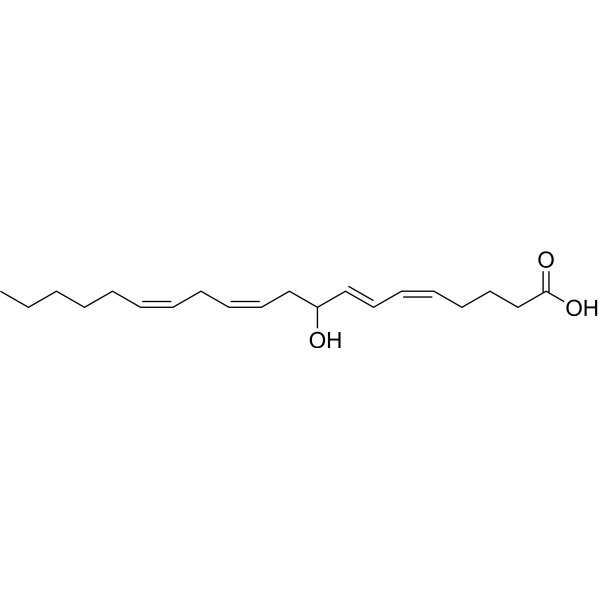
    12(S)-HETE is the 12-lipoxygenase metabolite of arachidonic acid and has a mitogenic effect on cancer cell proliferation. 12(S)-HETE induces tyrosine phosphorylation of cellular proteins, promotes ERK and P38 MAPK phosphorylation, increases DNA synthesis, and stimulates the proliferation of pancreatic cancer cells .
    12(S)-HETE
  • HY-113331
    Thromboxane B2
    1 Publications Verification

    Prostaglandin Receptor Cardiovascular Disease Inflammation/Immunology
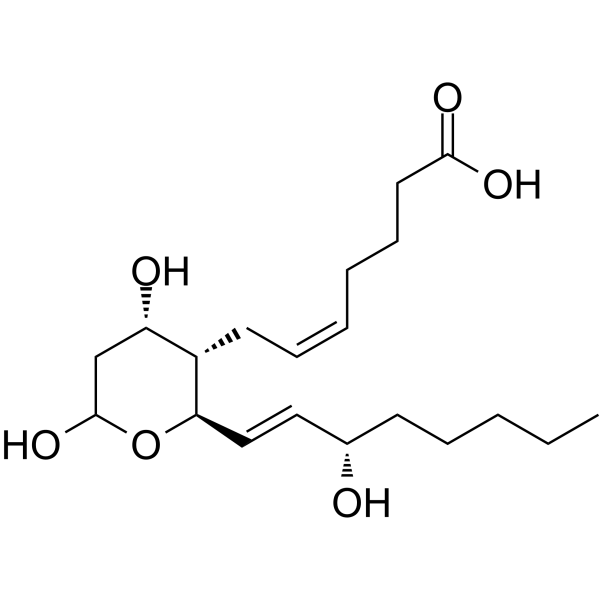
    Thromboxane B2 is a prostaglandin derivative that is released during anaphylaxis. Thromboxane B2 induces arterial contraction and platelet aggregation. Thromboxane B2 is a biological inactive product and circulating catabolite of thromboxane A2. Thromboxane B2 levels in peripheral venous blood and coronary sinus blood can be used as a diagnostic marker for angina. Thromboxane B2 level in serum is also associated with inhibition of COX-1 activity inhibition in platelets. Thromboxane B2 is a major product of prostaglandin endoperoxide metabolism. Thromboxane B2 produces dose-related decreases in airflow rate, tidal volume and dynamic lung compliance, whilst simultaneously increasing pulmonary airway resistance in dog model. Thromboxane B2 appears to be a naturally occurring bronchoactive metabolite in the bioconversion of arachidonic acid .
    Thromboxane B2
  • HY-139589

    ISC-27864; GRC-27864

    PGE synthase COX Collagen Neurological Disease Inflammation/Immunology
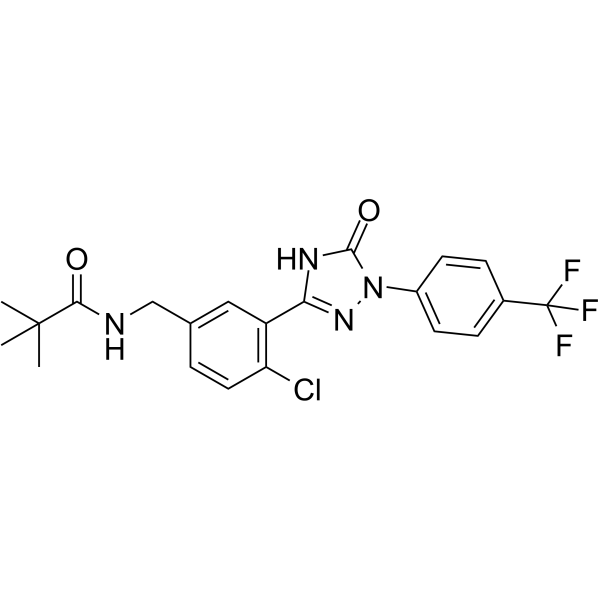
    Zaloglanstat (ISC-27864; GRC-27864) is a selective, orally active microsomal mPGES-1 inhibitor. Zaloglanstat has an IC50 of 5 nM for human mPGES-1 without significant inhibitory effect on COX-1/2 (IC50 >10 μM). Zaloglanstat blocks the conversion of arachidonic acid metabolite prostaglandin PGH2 to prostaglandin PGE2, thereby inhibiting inflammation-related PGE2 overproduction and reducing inflammatory responses and pain. Zaloglanstat inhibits IL-1β-induced PGE2 release in A549 cells and human synovial fibroblasts in vitro. Zaloglanstat inhibits PGE2 release in pig and dog whole blood with IC50s ??of 161 nM and 154 nM, respectively. Zaloglanstat can be used in the study of asthma, osteoarthritis, and neurodegenerative diseases .
    Zaloglanstat
  • HY-150084

    (±)14(15)-EET

    Cytochrome P450 Mitosis Cancer
    (±)14,15-Epoxyeicosatrienoic acid ((±)14(15)-EET) is the Cytochrome P450 metabolite of arachidonic acid. While CYP3A4 may be involved in breast cancer cell growth, (±)14,15-Epoxyeicosatrienoic acid may promote mitosis and anchorage-dependent cloning through STAT3 affected by CYP3A4. (±)14,15-Epoxyeicosatrienoic acid exhibits STAT3-dependent cell growth promotion and may also participate in the autocrine/paracrine pathway that drives cell growth .
    (±)14,15-Epoxyeicosatrienoic acid
  • HY-113111

    Drug Metabolite Inflammation/Immunology
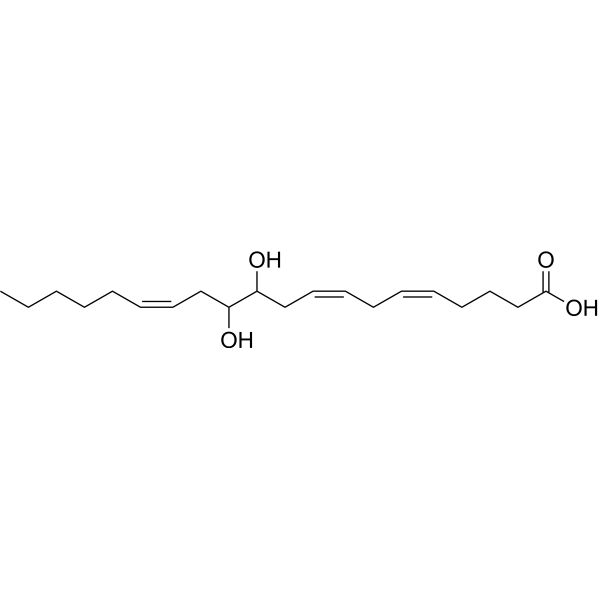
    11,12-DiHETrE is a dihydroxy fatty acid metabolite of Arachidonic Acid (HY-109590). 11,12-DiHETrE is converted to 11,12-DiHETrE under elevated soluble epoxide hydrolase (sEH) activity, a process closely related to inflammation and oxidative stress. 11,12-DiHETrE can serve as a single biomarker to differentiate between NAFL (non-alcoholic fatty liver disease) and NASH (non-alcoholic steatohepatitis). 11,12-DiHETrE can be used in studies on preterm birth, autism, and pulmonary hypertension .
    11,12-DiHETrE
  • HY-W011297

    arachidonic acid methyl ester

    PKC Metabolic Disease
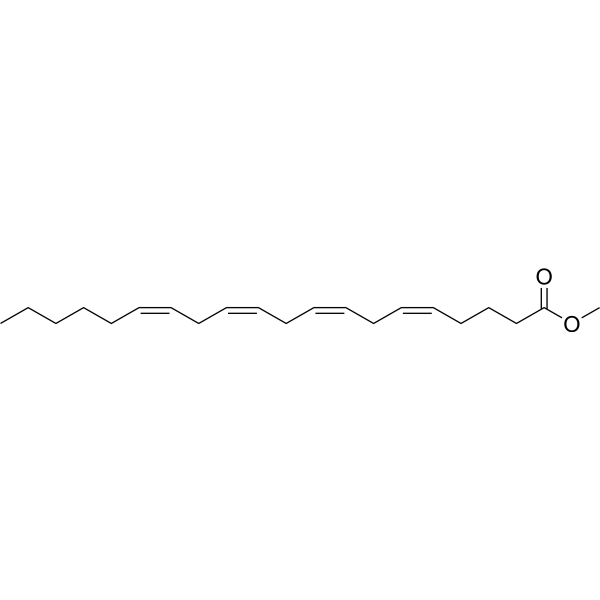
    Methyl arachidonate is a protein kinase C activator and also an orally active substrate that undergoes esterase-mediated hydrolysis. Methyl arachidonate indirectly activates protein kinase C via eicosanoid metabolites generated through the arachidonic acid metabolic pathway, exerting effects via cyclooxygenase products at low concentrations and via lipoxygenase products at high concentrations. Methyl arachidonate can be used in studies related to lipodystrophy .
    Methyl arachidonate
  • HY-N4237
    Saikogenin D
    1 Publications Verification

    Prostaglandin Receptor Potassium Channel Inflammation/Immunology
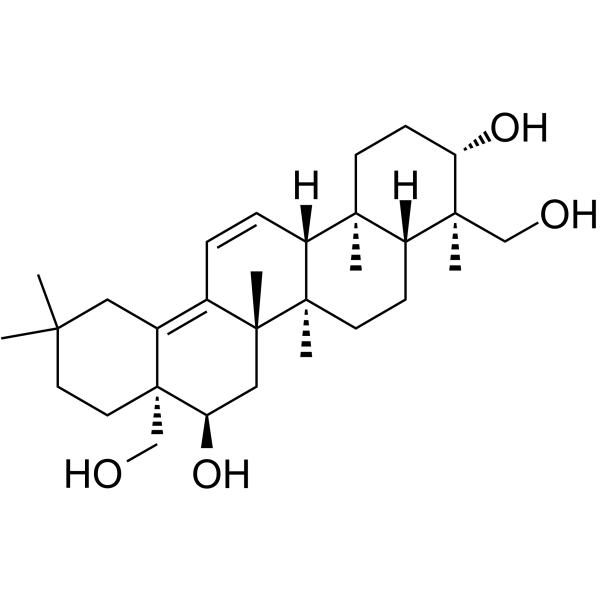
    Saikogenin D is isolated from?Bupleurum chinense, has anti-inflammatory effects. Saikogenin D activates epoxygenases that converts arachidonic acid to epoxyeicosanoids and dihydroxyeicosatrienoic acids, and the metabolites secondarily inhibit prostaglandin E2 (PGE2) production. Saikogenin D results in an elevation of [Ca 2+]i due to Ca 2+ release from intracellular stores .
    Saikogenin D
  • HY-113943A

    (±)9-HETE

    Endogenous Metabolite Others
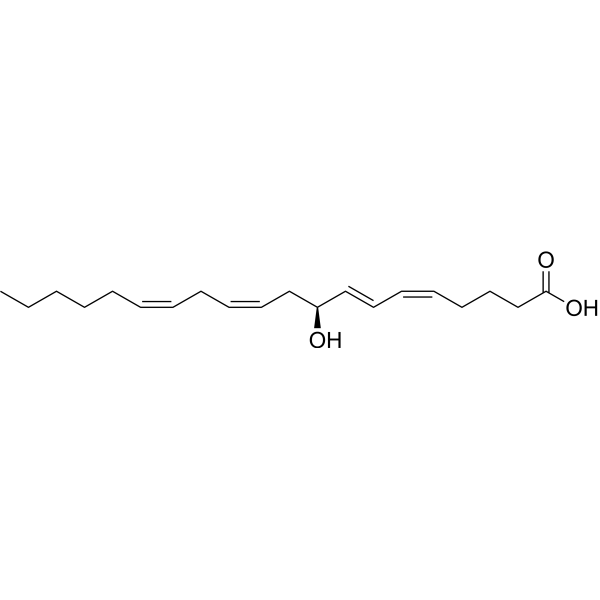
    9-HETE, a monohydroxy fatty acid, is the lipoxygenase metabolite of arachidonic acid (HY-109590) .
    9-HETE
  • HY-116196

    Na+/K+ ATPase Cytochrome P450 Cardiovascular Disease Inflammation/Immunology
    17-HETE is arachidonic acid metabolite through cytochrome P-450 pathways, which consists of 17R-HETE and 17S-HETE enantiomers. 17-HETE serves as allosteric activator of the cytochrome P450 1B1 and inhibitor of ATPase, induces cardic hypertrophy .
    17-HETE
  • HY-116246

    Drug Metabolite Inflammation/Immunology
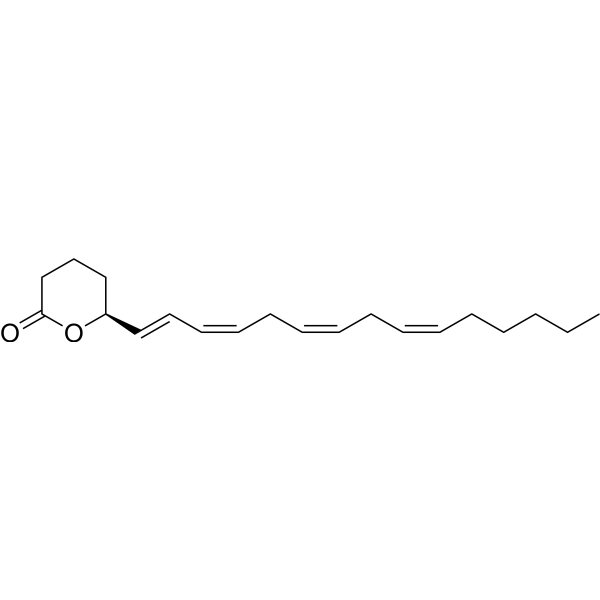
    5(S)-HETE lactone is an arachidonic acid (AA) metabolite .
    5(S)-HETE lactone
  • HY-124404

    Aryl Hydrocarbon Receptor Na+/K+ ATPase Prostaglandin Receptor Inflammation/Immunology
    12(R)-HETE is a CYP-dependent arachidonic acid metabolite that acts as a proinflammatory lipid mediator. 12 (R)-HETE widely exists in various tissues including the eye, skin and liver. In the cornea, 12(R)-HETE is metabolized via pathways such as β-oxidation into the precursor of 12(R)-HETrE. Without direct receptor binding, 12(R)-HETE indirectly activates AHR-mediated target gene transcription, while inhibiting the enzymatic activity of Na+,K+-ATPase and the intracellular calcium elevation induced by TP agonists. 12(R)-HETE also possesses multiple physiological effects such as chemotaxis, proangiogenesis, vasodilation, natriuresis, diuresis and intraocular pressure reduction, and can be widely used in studies related to psoriasis, inflammatory skin diseases and ocular inflammation .
    12(R)-HETE
  • HY-158843

    15(S)-Hydroxyeicosatetraenoic acid-biotin

    Endogenous Metabolite Others
    15(S)-Hete-biotin (15(S)-Hydroxyeicosatetraenoic acid-biotin) can be used to detect 15(S)-HETE binding proteins and/or receptors. 15(S)-HETE is an arachidonic acid metabolite produced by the 15-lipoxygenase pathway .
    15(S)-Hete-biotin
  • HY-113442

    Endogenous Metabolite Drug Metabolite Inflammation/Immunology
    6-trans-12-epi-Leukotriene B4, an arachidonic acid metabolite, is a potent anti-inflammatory agent .
    6-trans-12-epi-Leukotriene B4
  • HY-160431

    PPAR NF-κB COX Drug Metabolite Metabolic Disease
    8(9)-EET is one of the main metabolites produced by the metabolism of arachidonic acid (HY-109590) through the cytochrome P450 epoxide pathway. 8(9)-EET is an effective substrate for COX-1 and COX-2. 8(9)-EET activates PPARα in HEK293 cells and inhibits the activity of NF-κB induced by IL-1β in a PPARα-dependent and -independent manner. The (8S,9R)-isomer of 8(9)-EET ([(8S,9R)-EET]) causes vasoconstriction, thereby reducing renal plasma flow and glomerular filtration rate .
    8(9)-EET
  • HY-125770
    5(S)​-​HPETE
    1 Publications Verification

    Endogenous Metabolite Inflammation/Immunology
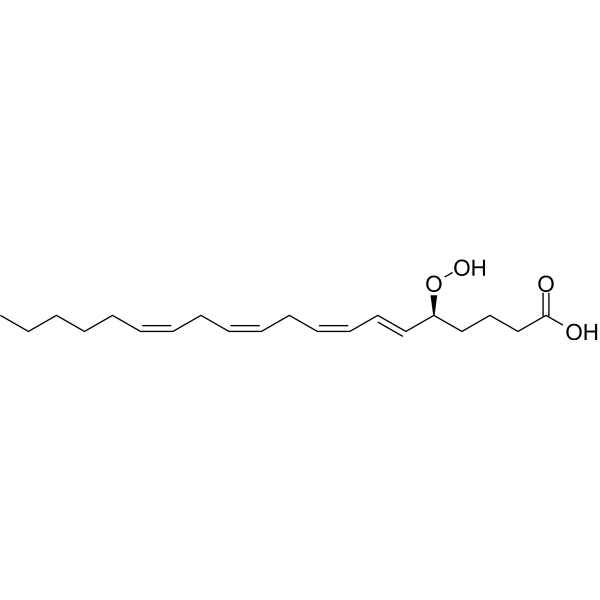
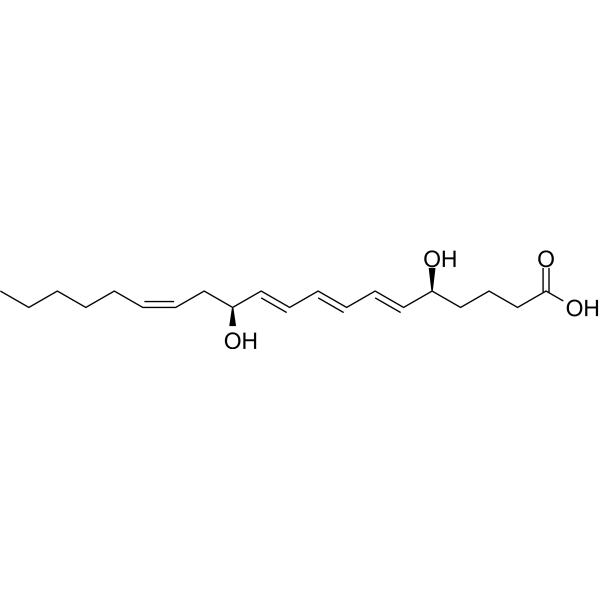
    5(S)-HPETE is a 5-lipoxygenase substrate and Arachidonic acid (HY-109590) metabolite. 5(S)-HPETE forms via 5-LOX-catalyzed hydroperoxidation of arachidonic acid. 5(S)-HPETE undergoes 5-LOX-catalyzed epoxidation (dehydration) to form leukotriene A4. 5(S)-HPETE can be used for the research of asthma, rheumatoid arthritis .
    5(S)​-​HPETE
  • HY-113943

    Endogenous Metabolite Others
    9(S)-HETE is the S isomer of 9-HETE (HY-113943A). 9-HETE, a monohydroxy fatty acid, is the lipoxygenase metabolite of arachidonic acid (HY-109590) .
    9(S)-HETE
  • HY-12956B

    Prostaglandin F2β; PGF2β

    Endogenous Metabolite Others
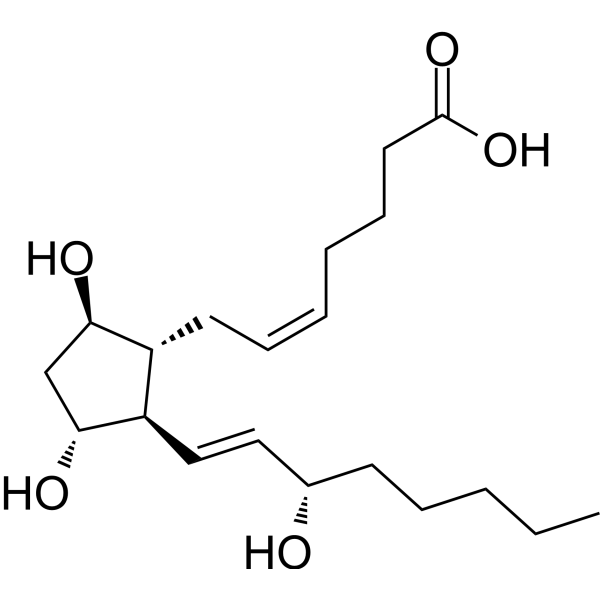
    (5R)-Dinoprost is a metabolite produced by cyclooxygenase metabolism of arachidonic acid. (5R)-Dinoprost (Prostaglandin F2β) induces dose-dependent release of hexose containing mucin .
    (5R)-Dinoprost
  • HY-165587

    Prostaglandin Receptor Cardiovascular Disease
    BM-573 is an orally active dual thromboxane A₂ (TXA₂) modulator with an IC50 of 1.3 nM. BM-573 possesses both thromboxane synthase (TxAS) inhibition and thromboxane receptor (TP) antagonistic effects. BM-573 can completely inhibit platelet aggregation induced by Arachidonic acid (HY-109590) or U-46619 (TXA₂ analogues). BM-573 completely blocks the generation of TXB₂ (the stable metabolite of TXA₂) in human platelets and does not inhibit cyclooxygenase (COX-1/COX-2), thus avoiding interference with other prostaglandin synthesis. BM-573 has an inhibitory effect on U-46619-induced contractions in rat gastric fundus smooth muscle (ED₅₀ = 4.2 μM), but has no effect on contractions caused by PGE₂, PGF₂α, or PGI₂. BM-573 can be used in the study of atherosclerosis, myocardial infarction, pulmonary hypertension and shock .
    BM-573
  • HY-114850A

    Prostaglandin F2β tromethamine; PGF2β tromethamine

    Endogenous Metabolite Others
    (5R)-Dinoprost tromethamine (Prostaglandin F2β tromethamine) is a metabolite produced by the metabolism of arachidonic acid cyclooxygenase. (5R)-Dinoprost tromethamine induces dose-dependent release of hexosaccharide containing mucin .
    (5R)-Dinoprost tromethamine
  • HY-142972

    Prostaglandin Receptor Cardiovascular Disease
    19(S)-HETE is an arachidonic acid metabolite produced by cytochrome P450 enzymes. 19(S)-HETE is a full orthosteric agonist of the prostacyclin (IP) receptor with an EC50 value of 567 nM. 19(S)-HETE inhibits platelet activation and relaxation of vessels .
    19(S)-HETE
  • HY-W011297S2

    arachidonic acid methyl ester-13C4

    Isotope-Labeled Compounds Others Metabolic Disease
    Methyl arachidonate- 13C4 (Arachidonic acid methyl ester- 13C4) is 13C labeled Methyl arachidonate. Methyl arachidonate (Arachidonic acid methyl ester) is a fatty acid methyl ester resulting from the formal condensation of the carboxy group of arachidonic acid with methanol. Methyl arachidonate has activity of human blood serum metabolite .
    Methyl arachidonate-13C4
  • HY-130219

    Endogenous Metabolite Others
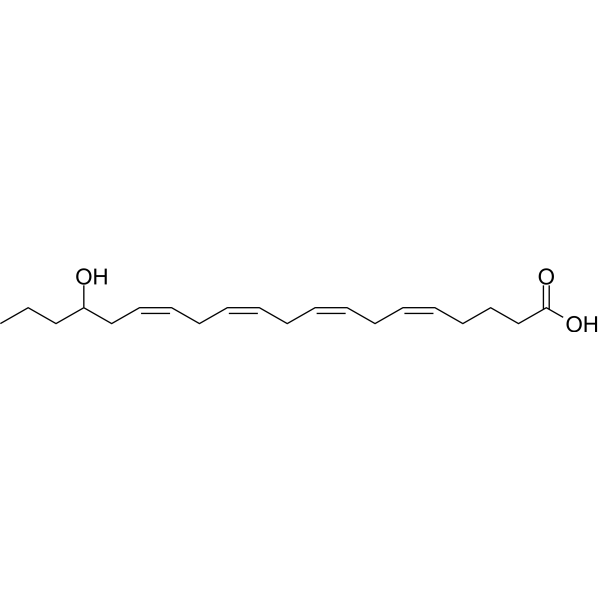
    18-HETE (compound 3) is a monooxygenase metabolite of cytochrome P450 (CYP450).18- HETE consists of arachidonic acid bearing a hydroxy substituent at position 18 .
    18-HETE
  • HY-137504

    ICI 74205; 20-ethyl PGF2α

    Prostaglandin Receptor Drug Metabolite Metabolic Disease
    20-ethyl Prostaglandin F2α (ICI 74205; 20-ethyl PGF2α) is an analog of PGF2α and an arachidonic acid (HY-109590) metabolite.
    20-ethyl Prostaglandin F2α
  • HY-116050A

    Cytochrome P450 Others
    17R-HETE is an arachidonic acid metabolite through cytochrome P-450 pathways. 17R-HETE exhibits efficacy in inducing cardic hypertrophy with less efficiency with compared to 17S-HETE .
    17(R)-HETE
  • HY-116444A

    Na+/K+ ATPase Cardiovascular Disease Inflammation/Immunology
    16-HETE is arachidonic acid metabolite through subterminal hydroxylation by cytochrome P-450. 16-HETE exhibits vasodilatory and PMN inhibitory effects and serves as biomarker for early stages of non-alcoholic fatty liver disease .
    16-HETE
  • HY-116050

    Cytochrome P450 Na+/K+ ATPase Cardiovascular Disease Inflammation/Immunology
    17S-HETE is arachidonic acid metabolite through cytochrome P-450 pathways. 17S-HETE serves as allosteric activator of the cytochrome P450 1B1 and inhibitor of ATPase, induces cardic hypertrophy .
    17(S)-HETE
  • HY-130220

    Drug Isomer Inflammation/Immunology
    (±)5-HETE lactone is the racemate of 5-HETE lactone. 5-HETE lactone is a metabolite generated by a series of enzymatic reactions of arachidonic acid, and is also a substrate of paraoxonase-1 (PON1). 5-HETE lactone can be used in the study of B cell activation .
    (±)5-HETE lactone
  • HY-125396

    11-Deoxy-PGF2β

    Endogenous Metabolite Others
    11-Deoxyprostaglandin F2β (11-deoxy PGF2β) is an analog of PGF2β (HY-12956B). PGF2β is a metabolite produced by cyclooxygenase metabolism of arachidonic acid. PGF2β induces dose-dependent release of hexose containing mucin .
    11-Deoxyprostaglandin F2β
  • HY-N7801

    Drug Isomer Metabolic Disease
    (±)5-HEPE is produced by non-enzymatic oxidation of EPA. It contains equal amounts of 5(S)-HEPE and 5(R)-HEPE. The biological activity of (±)5-HEPE is likely mediated by one of the individual isomers, most commonly the 5(S) isomer in mammalian systems. EPA can be metabolized to 5-HEPE in human and bovine neutrophils, and human eosinophils, which is further metabolized to 5-oxoEPE and LTB5. The 5-series metabolites of EPA, namely 5-HEPE, 5-oxoEPE, and LTB5, have significantly decreased biological effects compared to the arachidonic acid-derived metabolites.
    (±)5-HEPE
  • HY-168382A

    Prostaglandin Receptor Endogenous Metabolite Others
    5S(6R)-EET is the metabolite of Arachidonic acid (HY-109590). 5S(6R)-EET activates the synthesis of endogenous prostaglandin (PGE2), which inhibits the Na + absorption, increases the intracellular Ca 2+, and promotes the depolarization of transmembrane voltage. 5S(6R)-EET is more active than 5R(6S)-EET (HY-168382) .
    5S(6R)-EET
  • HY-168382

    Prostaglandin Receptor Endogenous Metabolite Others
    5R(6S)-EET is the metabolite of Arachidonic acid (HY-109590). 5R(6S)-EET activates the synthesis of endogenous prostaglandin (PGE2), which inhibits the Na + absorption, increases the intracellular Ca 2+, and promotes the depolarization of transmembrane voltage. 5R(6S)-EET exhibits stereoselectivity with less effectness than 5S(6R)-EET (HY-168382A) .
    5R(6S)-EET
  • HY-172569

    Drug Metabolite Metabolic Disease
    (±)8(9)-EET Ethanolamide is a CYP450 metabolite of Arachidonic acid (HY-109590). (±)8(9)-EET Ethanolamide induces preglomerular vasoconstriction .
    (±)8(9)-EET Ethanolamide
  • HY-W587743

    AMK hydrochloride

    Prostaglandin Receptor PGE synthase COX Reactive Oxygen Species (ROS) Neurological Disease Metabolic Disease
    N1-Acetyl-5-methoxykynuramine (AMK) hydrochloride is an active metabolite of the neurohormone melatonin (HY-B0075). N1-Acetyl-5-methoxykynuramine hydrochloride (200 µM) effectively scavenges singlet oxygen (ROS).1 It also inhibits the production of prostaglandin E2 (PGE2) and prostaglandin D2 (PGD2) induced by epinephrine and arachidonic acid in a concentration- and time-dependent manner, and suppresses the increase in COX-2 levels induced by LPS (HY-D1056) in RAW 264.7 macrophages at a concentration of 500 µM. In a mouse model of Parkinson's disease induced by MPTP (HY-15608), N1-Acetyl-5-methoxykynuramine hydrochloride (20 mg/kg) reduces the increase in lipid peroxidation in the cytosol and mitochondria of the substantia nigra and striatum. N1-Acetyl-5-methoxykynuramine hydrochloride can be used in research on metabolic and neurological diseases
    N1-Acetyl-5-methoxykynuramine hydrochloride
  • HY-W011297S3

    arachidonic acid methyl ester-13C5

    Isotope-Labeled Compounds Others Metabolic Disease
    Methyl arachidonate- 13C5 (Arachidonic acid methyl ester- 13C5) is 13C labeled Methyl arachidonate. Methyl arachidonate (Arachidonic acid methyl ester) is a fatty acid methyl ester resulting from the formal condensation of the carboxy group of arachidonic acid with methanol. Methyl arachidonate has activity of human blood serum metabolite .
    Methyl arachidonate-13C5
  • HY-165005

    Drug Metabolite Metabolic Disease
    14S(15R)-EET methyl ester is an oxylipin and a cytochrome P450 metabolite of Arachidonic acid (HY-109590).
    14S(15R)-EET methyl ester
  • HY-113519

    14R(15S)-EpETrE; 14R(15S)-Epoxyeicosatrienoic acid

    Drug Metabolite Metabolic Disease
    14R(15S)-EET (14R(15S)-EpETrE) is an oxylipin and a metabolite of Arachidonic acid (HY-109590) .
    14R(15S)-EET
  • HY-157874

    14,15-Leukotriene A4

    Endogenous Metabolite Cardiovascular Disease Inflammation/Immunology
    Eoxin A4 (14,15-Leukotriene A4) is an Arachidonic acid (HY-109590) metabolite. Eoxin A4 forms via the 15-lipoxygenase pathway .
    Eoxin A4
  • HY-179488

    PPAR NF-κB COX Drug Metabolite Metabolic Disease
    (±)8(9)-EET is one of the main metabolites produced by the metabolism of arachidonic acid (HY-109590) through the cytochrome P450 epoxide pathway. (±)8(9)-EET is an effective substrate for COX-1 and COX-2. (±)8(9)-EET activates PPARα in HEK293 cells and inhibits the activity of NF-κB induced by IL-1β in a PPARα-dependent and -independent manner. The (8S,9R)-isomer of (±)8(9)-EET ([(8S,9R)-EET]) causes vasoconstriction, thereby reducing renal plasma flow and glomerular filtration rate .
    (±)8(9)-EET

Demande en ligne

Your information is safe with us. * Required Fields.

Civilité


Country or Region *

Nom du demandeur *


Nom de l'organisation *

Department *


Adresse e-mail *


Nom du produit *

Cat. No.


Requested quantity *

Numéro de téléphone *


Remarques

Demande en ligne

Inquiry Information

Nom du produit:
Cat. No.:
Quantité:
MCE Japan Authorized Agent:

