Search Result
Results for "
blue fluorescent dye
" in MedChemExpress (MCE) Product Catalog:
1
Biochemical Assay Reagents
| Cat. No. |
Product Name |
Target |
Research Areas |
Chemical Structure |
-
- HY-111391
-
|
Diazoresorcinol sodium
|
Bacterial
Fluorescent Dye
|
Infection
|
|
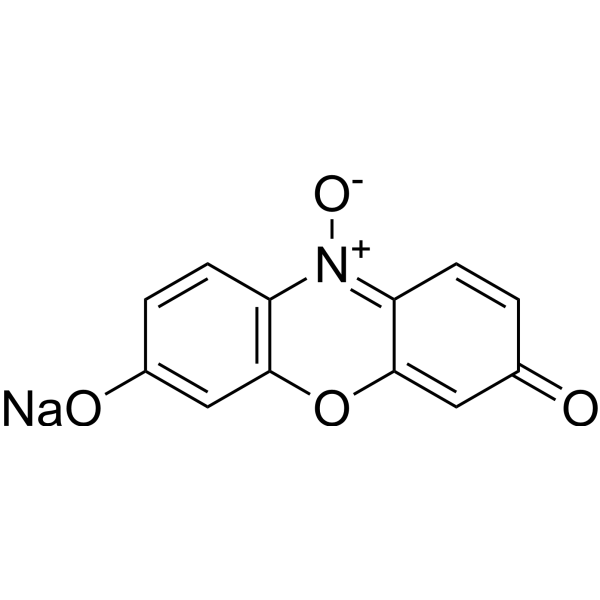
Resazurin sodium (Diazoresorcinol sodium) is a non-toxic, stable, membrane-permeable blue non-fluorescent dye (faintly fluorescent). Resazurin sodium is used as a redox indicator, can be reduced to pink, highly fluorescent Resorufin (Ex=530-560 nm, Em=590 nm) in living cells. Resazurin sodium can be used for the detection of cell viability, toxicity, proliferation, migration and invasion in cells (human, plant and animal, bacterial and fungal) .
|
-
-
- HY-D1462
-
|
|
Fluorescent Dye
|
Others
|
|
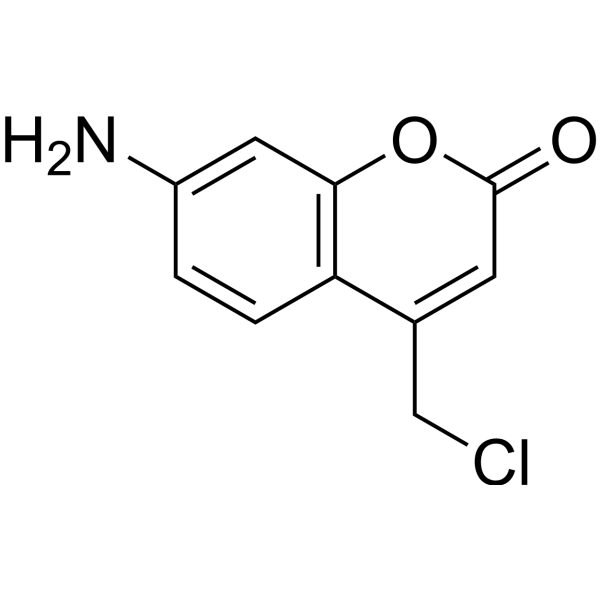
CellTracker Blue CMAC is a non-fluorescent cell membrane permeable dye. The chloromethyl groups of CellTracker Blue CMAC are enzymatically cleaved by intracellular glutathione (GSH) to generate a fluorescent product (blue fluorescence, Ex/Em: 360/460 nm). CellTracker Blue CMAC is suitable for long-term cell tracking (up to 72 hours) and cell proliferation studies, and can also quantify GSH levels .
|
-
-
- HY-D0915
-
|
Acid blue 9; FD&C blue No. 1; E133
|
Environmental Pollutants
Fluorescent Dye
|
Others
|
|
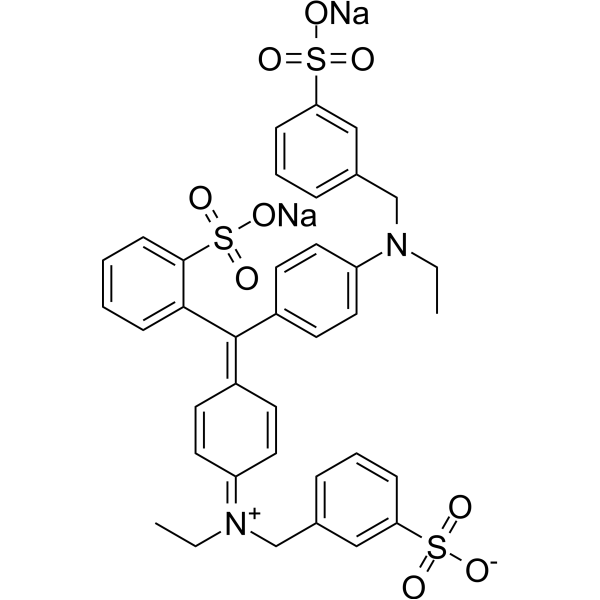
Brilliant Blue FCF is an aromatic hydrocarbon, a synthetic dye produced from petroleum and used as a colorant for food and other substances. The solution has a maximum absorption at 628 nm.
|
-
-
- HY-W751238
-
|
DMMB
|
Fluorescent Dye
|
Others
|
|
Dimethyl methylene blue zinc chloride double salt (DMMB) is a cationic dye. Dimethyl methylene blue zinc chloride double salt competitively binds to the active site of the PANI-Benz-Ag nanocomposite with endotoxin, releasing DMMB and increasing the fluorescence intensity. Dimethyl methylene blue zinc chloride double salt can be used as a fluorescent probe for the detection of bacteria (such as E. Coli) endotoxin . Dimethyl methylene blue zinc chloride double salt can be used for the quantification of sulfated glycosaminoglycans .
|
-

-
- HY-D0150
-
|
|
Fluorescent Dye
|
Others
|
|
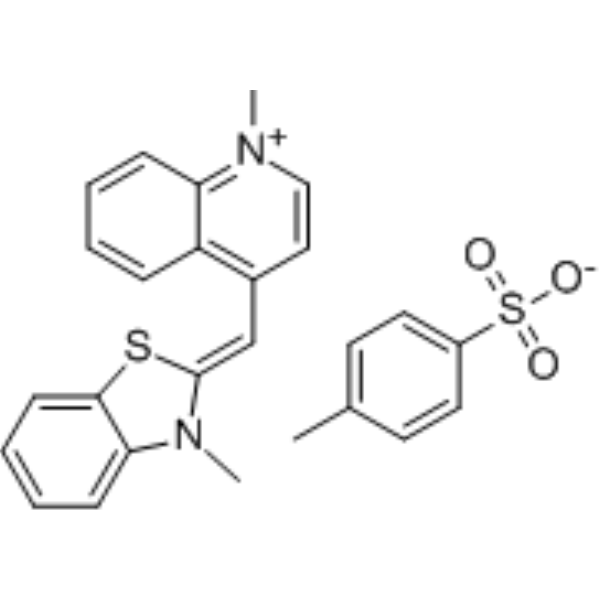
Thiazole Orange is an asymmetric anthocyanin dye that can be coupled with oligonucleotides (ONs) to prepare fluorescent hybridization probes. Thiazole Orange has been widely used in biomolecular detection and staining of DNA/ RNA in gels and can be used for reticulocyte analysis. Thiazole orange generates a significant fluorescence enhancement and high quantum yield when it binds with nucleic acids, especially RNA. Thiazole orange can permeate living cell membranes. Thiazole orange can use UV light for detection, but can also be detected with blue light. The excitation and emission of Thiazole orange are λex = 510 nm (488 nm and 470 nm also show strong excitation) and λem = 527 nm, respectively .
|
-
-
- HY-D0069
-
|
|
Fluorescent Dye
|
Others
Cancer
|
|
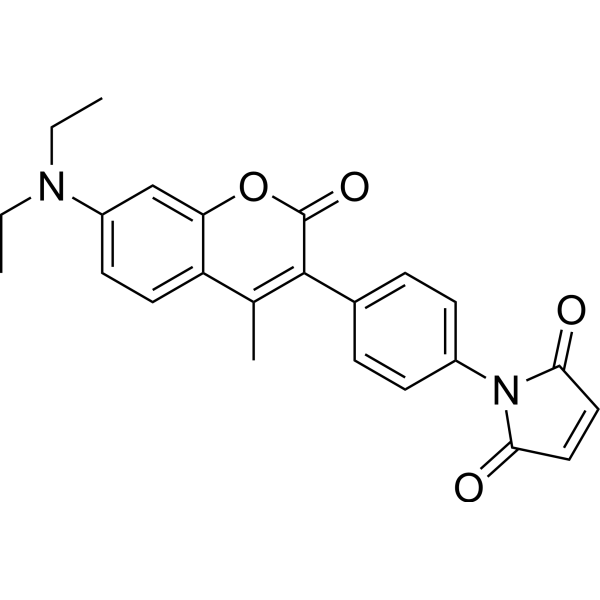
CPM is a maleimide derivative, acting as a blue fluorescent thiol-reactive dye (excitation/emission maxima of 387/463 nm) .
|
-
-
- HY-D1775
-
|
|
Fluorescent Dye
|
Neurological Disease
Cancer
|
|
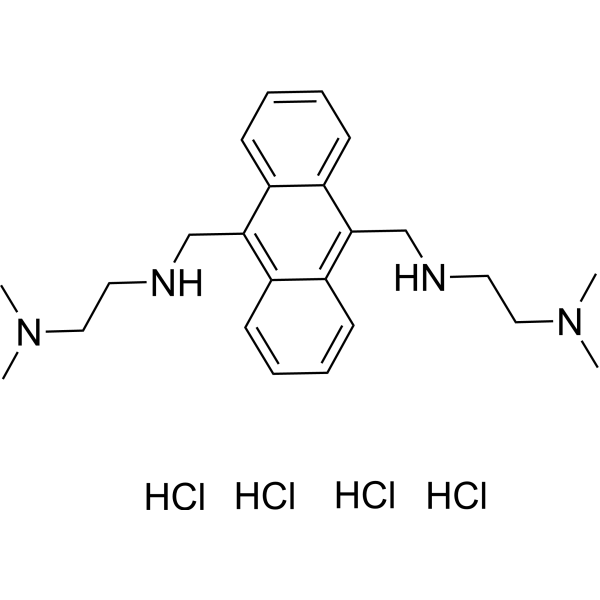
LysoTracker blue DND-22 is a blue fluorescent dye (Ex/Em: 373/422 nm). LysoTracker blue DND-22 stains acidic regions in living cells. LysoTracker blue DND-22 is used in the researches of neurodegenerative diseases and leukemia .
|
-
-
- HY-111391A
-
|
Diazoresorcinol sodium, indicator
|
Bacterial
Fluorescent Dye
|
Others
|
|
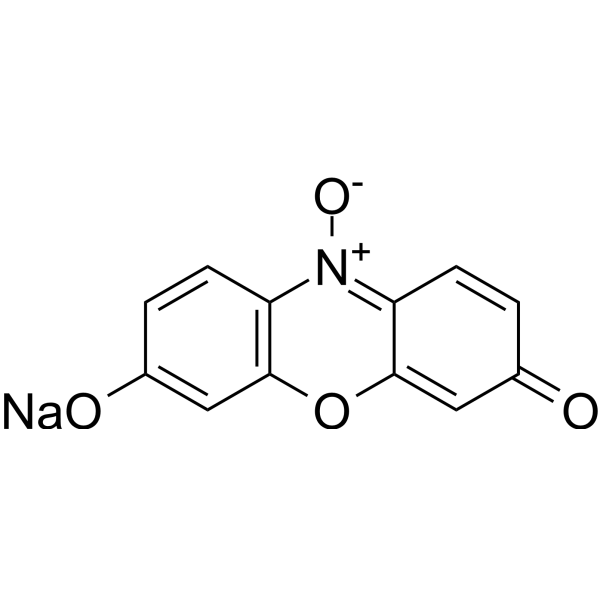
Resazurin (Diazoresorcinol) sodium, indicator is a non-toxic, stable, membrane-permeable blue non-fluorescent dye (faintly fluorescent). Resazurin sodium, indicator is used as a redox indicator, can be reduced to pink, highly fluorescent Resorufin (Ex=530-560 nm, Em=590 nm) in living cells. Resazurin sodium, indicator can be used for the detection of cell viability, toxicity, proliferation, migration and invasion in cells (human, plant and animal, bacterial and fungal) .
|
-
-
- HY-15558
-
Hoechst 33258
Maximum Cited Publications
22 Publications Verification
bisBenzimide H 33258; H 33258
|
Fluorescent Dye
DNA Stain
DNA Alkylator/Crosslinker
|
Others
|
|
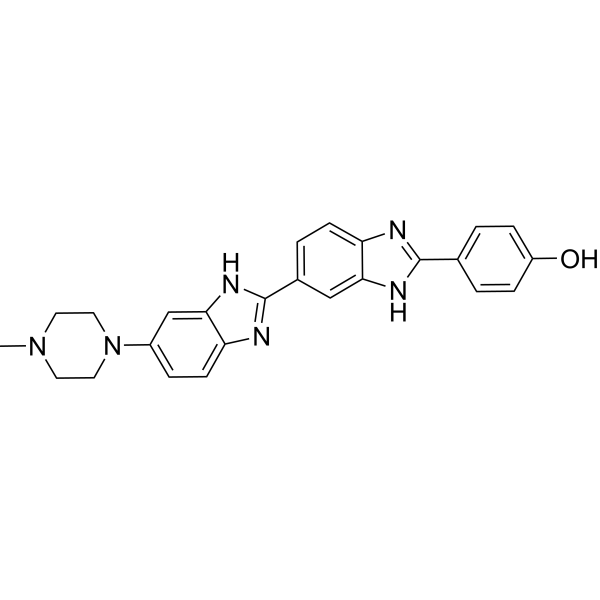
Hoechst 33258 is a blue to blue-green fluorescent live cell dye that can label DNA. Hoechst 33258 can specifically bind to the minor groove of DNA (and tends to bind to A/T-rich DNA), resulting in a significant increase in fluorescence intensity. Hoechst 33258 can cross the cell membrane and cause changes in DNA structure, such as G2/M phase arrest. Hoechst 33258 can bind to live or fixed cells, and the fluorescence intensity increases with increasing solution pH. As a DNA-specific probe, Hoechst 33258 can be used to detect DNA content, analyze cell cycle, etc. The excitation wavelength of Hoechst 33258 is 350-365 nm, and the emission wavelength is 460-490 nm .
|
-
-
- HY-D0025
-
|
|
Fluorescent Dye
Drug Intermediate
|
Others
|
|
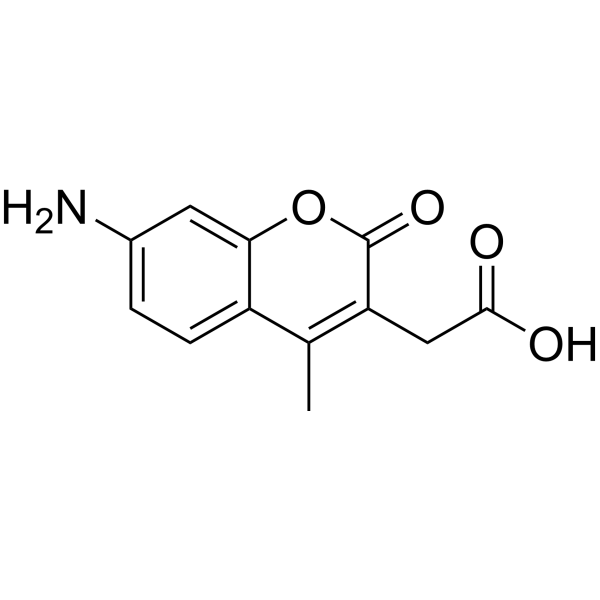
7-Amino-4-methylcoumarin-3-acetic acid (AMCA) serves as the parent structure of coumarin-based blue fluorescent dyes, and its activated form AMCA-NHS can directly conjugate with proteins (Ex/Em ≈ 350/440-460).
|
-
-
- HY-D0055
-
|
|
Cytochrome P450
|
Others
|
|
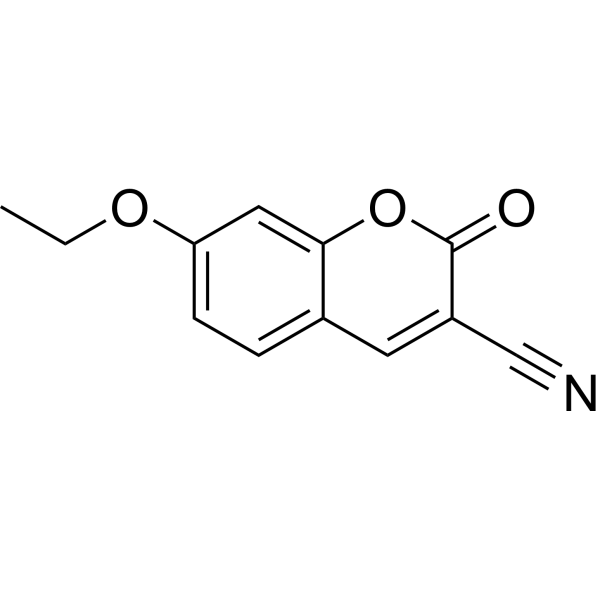
3-Cyano-7-ethoxycoumarin is a fluorescent cytochrome P-450 substrate that generates a blue fluorescent product upon enzymatic cleavage. 3-Cyano-7-ethoxycoumarin is used to detect the activity of mixed-function oxidases in isolated rat hepatocytes. 3-Cyano-7-ethoxycoumarin serves as a biological dye and indicator for research .
|
-
-
- HY-101887
-
|
|
Fluorescent Dye
|
Others
|
|
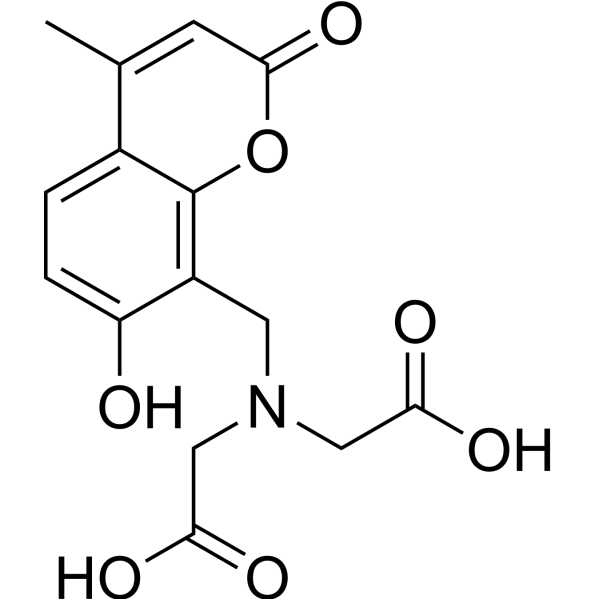
Calcein Blue, a membrane-impermeant fluorescent dye, is a coumarin derivative that contains an iminodiacetic acid structure. Calcein Blue is also a metallofluorochromic indicator .
|
-
-
- HY-D1161
-
|
NCI 240899
|
Fluorescent Dye
|
Neurological Disease
|
|
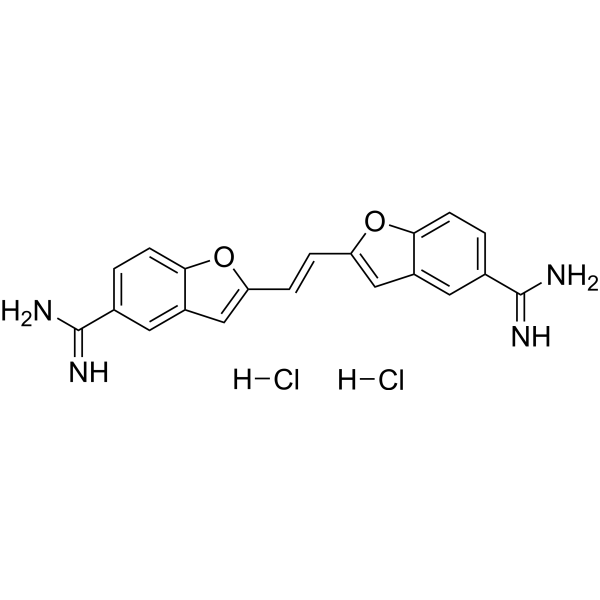
True Blue (NCI 240899) is a fluorescent dye, as neuronal retrograde tracer (excitation wavelength 395-425 nm, barrier filter 450 nm). True Blue can label neuron and has no effects on neuronal survival .
|
-
-
- HY-118540
-
|
Diazoresorcinol
|
Fluorescent Dye
Bacterial
|
Infection
|
|
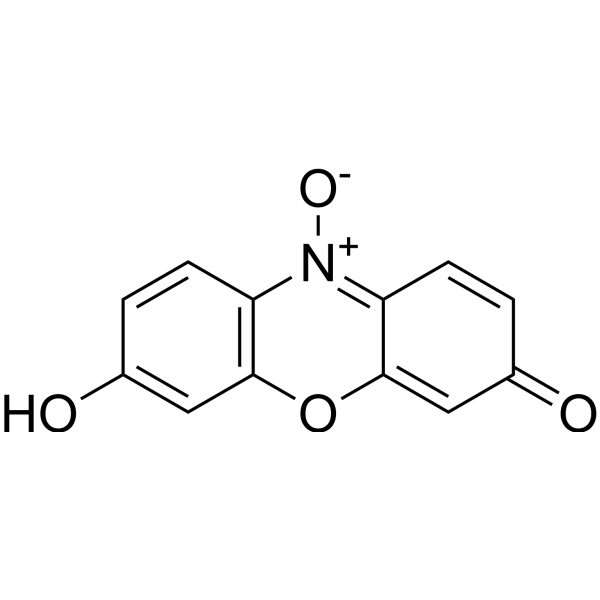
Resazurin (Diazoresorcinol) is a water-soluble, non-toxic, stable, membrane-permeable blue non-fluorescent dye (faintly fluorescent). Resazurin is used as a redox indicator, can be reduced to pink, highly fluorescent Resorufin (Ex=530-560 nm, Em=590 nm) in living cells. Resazurin can be used for the detection of cell viability, toxicity, proliferation, migration and invasion in cells (human, plant and animal, bacterial and fungal) .
|
-
-
- HY-D0026
-
|
7-Amino-4-methyl-3-coumarinacetic acid N-succinimidyl ester
|
Fluorescent Dye
|
Others
|
|
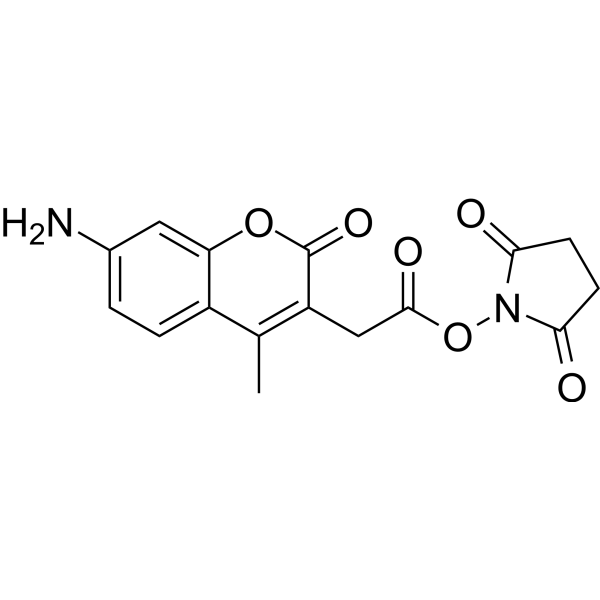
AMCA,SE (7-Amino-4-methyl-3-coumarinacetic acid N-succinimidyl ester) is a bright blue fluorescent dye. AMCA,SE reacts with amino groups and is excited by ultraviolet light. AMCA,SE can be used for amine reactive labeling (Ex/Em = 354/440 nm) .
|
-
-
- HY-W110898
-
|
|
Fluorescent Dye
|
Others
|
|
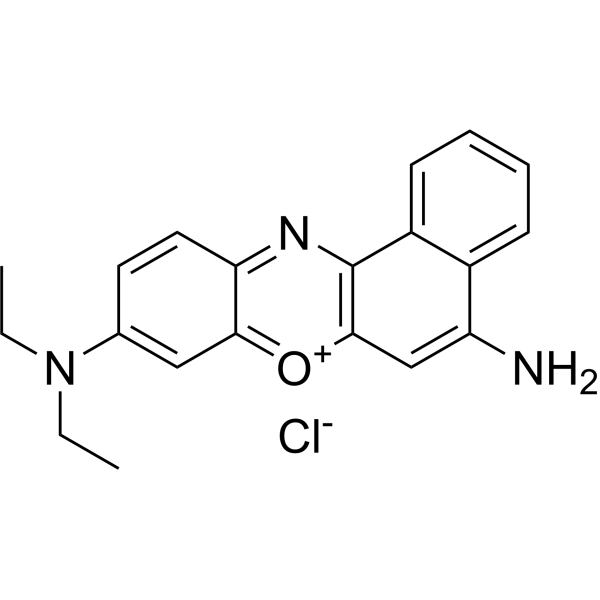
Nile blue chloride is a highly fluorescent and photostable organic dye. Nile blue chloride and fluorescein isothiocyanate (FITC) can be used to construct a ratiometric pH sensitive probe for tracking the pH of the extracellular fluid between cancer cells in realtime. Nile Blue chloride has the potential for the research of nonlinear optics .
|
-
-
- HY-DY1051
-
|
|
Bacterial
Fluorescent Dye
|
Infection
|
Resazurin sodium (Diazoresorcinol sodium) (solution) is a non-toxic, stable, membrane-permeable blue non-fluorescent dye (faintly fluorescent). Resazurin sodium is used as a redox indicator, can be reduced to pink, highly fluorescent Resorufin (Ex=530-560 nm, Em=590 nm) in living cells. Resazurin sodium can be used for the detection of cell viability, toxicity, proliferation, migration and invasion in cells (human, plant and animal, bacterial and fungal) .
Solvent and Concentration: Sterile water: 10 mM
|
-

-
- HY-DY1041
-
|
|
Fluorescent Dye
|
Others
|
CellTracker Blue CMAC (solution) is a non-fluorescent cell membrane permeable dye. The chloromethyl groups of CellTracker Blue CMAC are enzymatically cleaved by intracellular glutathione (GSH) to generate a fluorescent product (blue fluorescence, Ex/Em: 360/460 nm). CellTracker Blue CMAC is suitable for long-term cell tracking (up to 72 hours) and cell proliferation studies, and can also quantify GSH levels .
Solvent and concentration: DMSO: 10 mM
|
-

-
- HY-D0485
-
|
|
Fluorescent Dye
|
Others
|
|
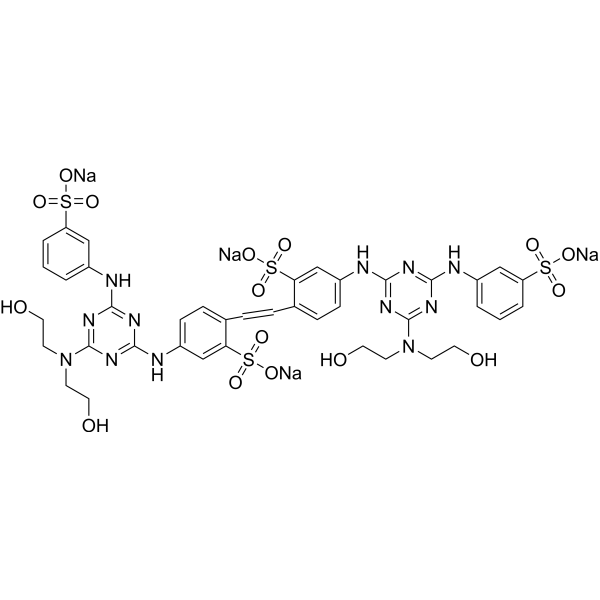
Fluorescent brightener 24 is a stilbene-type fluorescent brightener and fading regulator .
|
-
-
- HY-W250148
-
|
Spirit nigrosine
|
Biochemical Assay Reagents
|
Others
|
|
Solvent black 5 (Spirit nigrosine) is a synthetic dye belonging to the family of azo dyes. Also known as oil black or naphthol black, it is dark blue-black and has excellent solubility in organic solvents. Solvent black 5 is commonly used as a colorant in various industrial applications such as printing inks, coatings and plastics. It can also be used as an indicator dye to detect the presence of metals in solution. Furthermore, due to its high absorption and emission properties in the near-infrared region, it has been used in scientific research as a fluorescent biomarker for tissues and cells. However, Solvent black 5 has been reported to have potentially toxic effects on human health and the environment and its use is therefore regulated in some countries.
|
-

-
- HY-D2771
-
|
|
Fluorescent Dye
|
Others
|
|
BP Fluor 405 NHS Ester is a water-soluble, blue-fluorescent dye that is often used in multi-color applications, including flow cytometry and super-resolution microscopy using STORM. Its excitation is ideally suited for the 407 nm spectral line of the krypton laser or the 408 nm violet laser diode. BP Fluor 405 conjugates are pH-insensitive from pH 4 to pH 10.
The NHS ester (or succinimidyl ester) is the most popular amine reactive group for labeling with the primary amines of proteins (Lys), amine-modified oligonucleotides, and other amine-containing molecules. Proteins can be labeled with BP Fluor 405 NHS Ester at high molar ratios without significant self-quenching, leading to brighter conjugates and more sensitive detection. BP Fluor 405 conjugates can also be used for the detection of abundance targets.
|
-

-
- HY-D0115
-
|
|
DNA Stain
|
Others
|
|
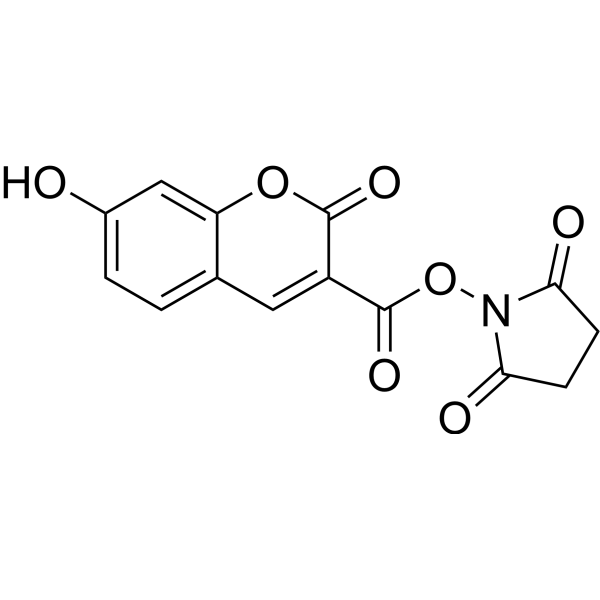
7-Hydroxycoumarin-3-carboxylic acid N-succinimidyl ester is the amine-reactive succinimidyl ester of 7-Hydroxycoumarin-3-carboxylic acid. 7-Hydroxycoumarin-3-carboxylic acid N-succinimidyl ester is a blue fluorescent dye for labeling proteins and nucleic acids .
|
-
-
- HY-W800692
-
|
|
Fluorescent Dye
|
Others
|
|
BP Fluor 350 Azide is a blue-fluorescent, azide-activated probe that reacts with terminal alkynes via a copper-catalyzed click reaction (CuAAC). It also reacts with strained cyclooctyne via a copper-free click chemistry reaction to form a stable triazole and does not require Cu-catalyst or elevated temperatures.
BP Fluor 350 is a water-soluble, moderately photostable, blue-fluorescent probe optimally excited by the 350 nm laser line. It is routinely used for generation of stable signal in imaging and flow cytometry. The brightness and photostability of blue dyes are best suited to direct imaging of high-abundance targets.
|
-

-
- HY-D2765
-
|
|
Biochemical Assay Reagents
|
Others
|
|
BP Fluor 405 Cadaverine is a carbonyl-reactive building block used to modify carboxylic groups in the presence of activators (e.g. EDC or DCC) or activated esters (e.g. NHS esters) through a stable amide bond. Another common application for BP Fluor 405 Cadaverine is cell fixing by treatment with formaldehyde or glutaraldehyde.
BP Fluor 405 is a water-soluble, blue-fluorescent dye that is often used in multi-color applications, including flow cytometry and super-resolution microscopy using STORM. Its excitation is ideally suited for the 407 nm spectral line of the krypton laser or the 408 nm violet laser diode.
|
-

-
- HY-113621B
-
|
|
Fluorescent Dye
MMP
|
Cancer
|
|
Ageladine A dihydrochloride is an inhibitor of matrix metalloproteinase (MMP) isolated from the marine sponge Agelas nakamurai, possessing anti-angiogenic activity. Ageladine A dihydrochloride not only inhibits MMP-2 but also MMP-1, MMP-8, MMP-9, MMP-12, and MMP-13, with IC50 values of 4.65 μM, 2.79 μM, 907.12 nM, 1.83 μM, 767.57 nM, and 1.09 μM, respectively. Additionally, Ageladine A dihydrochloride is a pH-sensitive membrane-permeable dye that emits fluorescence in the blue-green range upon UV excitation, featuring a maximum absorption peak at 370 nm. Furthermore, Ageladine A dihydrochloride serves as a reliable and stable fluorescent pH sensor for detecting changes in intracellular pH values .
|
-

-
- HY-D2747
-
|
|
Fluorescent Dye
|
Others
|
|
BP Fluor 405 acid is a water-soluble, blue-fluorescent dye that is often used in multi-color applications, including flow cytometry and super-resolution microscopy using STORM. Its excitation is ideally suited for the 407 nm spectral line of the krypton laser or the 408 nm violet laser diode. BP Fluor 405 conjugates are pH-insensitive from pH 4 to pH 10.
The carboxylic acid of BP Fluor 405 is a reagent of choice for the preparation of custom activated esters that often are not commercially available. Examples of such activated esters include sulfo-NHS, TFP (2,3,5,6-Tetrafluorophenol), and STP (4-Sulfo-2,3,5,6-Tetrafluorophenol, Sodium Salt). Another common application for the non-activated carboxylic acid is peptide modification during solid phase synthesis, which usually requires in-situ activation with peptide coupling regents, e.g. HATU. BP Fluor 405 acid is also often used for control experiments, and for calibration.
|
-

-
- HY-101887R
-
|
|
Fluorescent Dye
Reference Standards
|
Others
|
|
Calcein Blue (Standard) is the analytical standard of Calcein Blue (HY-101887). This product is intended for research and analytical applications. Calcein Blue, a membrane-impermeant fluorescent dye, is a coumarin derivative that contains an iminodiacetic acid structure. Calcein Blue is also a metallofluorochromic indicator .
|
-

-
- HY-W998644
-
|
|
Fluorescent Dye
|
Others
|
|
PB LC acid is a blue-fluorescent dye that is reactive with primary amines on biomolecules such as peptides, proteins, modified nucleotides and biopolymers (Ex/Em = 410/455 nm) .
|
-

-
- HY-D3354
-
|
|
Fluorescent Dye
|
Others
|
|
BP Fluor 350 alkyne is a blue fluorescent dye probe (Ex/Em = 346 nm/455 nm) that contains a terminal acetylene group (-C≡CH). BP Fluor 350 is specifically used for copper-catalyzed azide-alkyne cycloaddition and is employed to label azide groups in biological samples.
|
-

-
- HY-W800695
-
|
|
Fluorescent Dye
|
Others
|
|
BP Fluor 405 DBCO is a blue-fluorescent dye that often used in multi-color applications, including flow cytometry and super-resolution microscopy using STORM. Its excitation is ideally suited for the 407 nm spectral line of the krypton laser or the 408 nm violet laser diode. BP Fluor 405 DBCO reacts with azides via a copper-free click chemistry reaction to form a stable triazole and does not require a Cu-catalyst or elevated temperatures.
|
-

-
- HY-W800694
-
|
|
Fluorescent Dye
|
Others
|
|
BP Fluor 405 alkyne triTEA is a blue-fluorescent dye that often used in multi-color applications, including flow cytometry and super-resolution microscopy using STORM. Its excitation is ideally suited for the 407 nm spectral line of the krypton laser or the 408 nm violet laser diode. BP Fluor 405 alkyne triTEA reacts with azides via a copper-catalyzed click reaction (CuAAC) to form a stable triazole linker. A probe for copper-less detection (BP Fluor 405 DBCO) is also available for application where the presence of copper is not acceptable.
|
-

-
- HY-DY1097
-
|
|
Fluorescent Dye
|
Others
|
Thiazole Orange (solution) is an asymmetric anthocyanin dye that can be coupled with oligonucleotides (ONs) to prepare fluorescent hybridization probes. Thiazole Orange has been widely used in biomolecular detection and staining of DNA/ RNA in gels and can be used for reticulocyte analysis. Thiazole orange generates a significant fluorescence enhancement and high quantum yield when it binds with nucleic acids, especially RNA. Thiazole orange can permeate living cell membranes. Thiazole orange can use UV light for detection, but can also be detected with blue light. The excitation and emission of Thiazole orange are λex = 510 nm (488 nm and 470 nm also show strong excitation) and λem = 527 nm, respectively .
Solvent and concentration: DMSO: 10 mM
The 1 mL volume is defined as the base specification. All larger sizes correspond to incremental volumes of this base.
|
-

| Cat. No. |
Product Name |
Type |
-
- HY-111391
-
|
Diazoresorcinol sodium
|
Fluorescent Dyes
|
|
Resazurin sodium (Diazoresorcinol sodium) is a non-toxic, stable, membrane-permeable blue non-fluorescent dye (faintly fluorescent). Resazurin sodium is used as a redox indicator, can be reduced to pink, highly fluorescent Resorufin (Ex=530-560 nm, Em=590 nm) in living cells. Resazurin sodium can be used for the detection of cell viability, toxicity, proliferation, migration and invasion in cells (human, plant and animal, bacterial and fungal) .
|
-
- HY-D1462
-
|
|
Fluorescent Dyes
|
|
CellTracker Blue CMAC is a non-fluorescent cell membrane permeable dye. The chloromethyl groups of CellTracker Blue CMAC are enzymatically cleaved by intracellular glutathione (GSH) to generate a fluorescent product (blue fluorescence, Ex/Em: 360/460 nm). CellTracker Blue CMAC is suitable for long-term cell tracking (up to 72 hours) and cell proliferation studies, and can also quantify GSH levels .
|
-
- HY-D0915
-
|
Acid blue 9; FD&C blue No. 1; E133
|
Fluorescent Dyes
|
|
Brilliant Blue FCF is an aromatic hydrocarbon, a synthetic dye produced from petroleum and used as a colorant for food and other substances. The solution has a maximum absorption at 628 nm.
|
-
- HY-W751238
-
|
DMMB
|
Fluorescent Dyes
|
|
Dimethyl methylene blue zinc chloride double salt (DMMB) is a cationic dye. Dimethyl methylene blue zinc chloride double salt competitively binds to the active site of the PANI-Benz-Ag nanocomposite with endotoxin, releasing DMMB and increasing the fluorescence intensity. Dimethyl methylene blue zinc chloride double salt can be used as a fluorescent probe for the detection of bacteria (such as E. Coli) endotoxin . Dimethyl methylene blue zinc chloride double salt can be used for the quantification of sulfated glycosaminoglycans .
|
-
- HY-D0150
-
|
|
Fluorescent Dyes
|
|
Thiazole Orange is an asymmetric anthocyanin dye that can be coupled with oligonucleotides (ONs) to prepare fluorescent hybridization probes. Thiazole Orange has been widely used in biomolecular detection and staining of DNA/ RNA in gels and can be used for reticulocyte analysis. Thiazole orange generates a significant fluorescence enhancement and high quantum yield when it binds with nucleic acids, especially RNA. Thiazole orange can permeate living cell membranes. Thiazole orange can use UV light for detection, but can also be detected with blue light. The excitation and emission of Thiazole orange are λex = 510 nm (488 nm and 470 nm also show strong excitation) and λem = 527 nm, respectively .
|
-
- HY-D0069
-
|
|
Fluorescent Dyes
|
|
CPM is a maleimide derivative, acting as a blue fluorescent thiol-reactive dye (excitation/emission maxima of 387/463 nm) .
|
-
- HY-D1775
-
|
|
Fluorescent Dyes
|
|
LysoTracker blue DND-22 is a blue fluorescent dye (Ex/Em: 373/422 nm). LysoTracker blue DND-22 stains acidic regions in living cells. LysoTracker blue DND-22 is used in the researches of neurodegenerative diseases and leukemia .
|
-
- HY-15558
-
Hoechst 33258
Maximum Cited Publications
22 Publications Verification
bisBenzimide H 33258; H 33258
|
Fluorescent Dyes
|
|
Hoechst 33258 is a blue to blue-green fluorescent live cell dye that can label DNA. Hoechst 33258 can specifically bind to the minor groove of DNA (and tends to bind to A/T-rich DNA), resulting in a significant increase in fluorescence intensity. Hoechst 33258 can cross the cell membrane and cause changes in DNA structure, such as G2/M phase arrest. Hoechst 33258 can bind to live or fixed cells, and the fluorescence intensity increases with increasing solution pH. As a DNA-specific probe, Hoechst 33258 can be used to detect DNA content, analyze cell cycle, etc. The excitation wavelength of Hoechst 33258 is 350-365 nm, and the emission wavelength is 460-490 nm .
|
-
- HY-D0025
-
|
|
Fluorescent Dyes
|
|
7-Amino-4-methylcoumarin-3-acetic acid (AMCA) serves as the parent structure of coumarin-based blue fluorescent dyes, and its activated form AMCA-NHS can directly conjugate with proteins (Ex/Em ≈ 350/440-460).
|
-
- HY-D0055
-
|
|
Fluorescent Dyes
|
|
3-Cyano-7-ethoxycoumarin is a fluorescent cytochrome P-450 substrate that generates a blue fluorescent product upon enzymatic cleavage. 3-Cyano-7-ethoxycoumarin is used to detect the activity of mixed-function oxidases in isolated rat hepatocytes. 3-Cyano-7-ethoxycoumarin serves as a biological dye and indicator for research .
|
-
- HY-101887
-
|
|
Fluorescent Dyes
|
|
Calcein Blue, a membrane-impermeant fluorescent dye, is a coumarin derivative that contains an iminodiacetic acid structure. Calcein Blue is also a metallofluorochromic indicator .
|
-
- HY-D1161
-
|
NCI 240899
|
Fluorescent Dyes
|
|
True Blue (NCI 240899) is a fluorescent dye, as neuronal retrograde tracer (excitation wavelength 395-425 nm, barrier filter 450 nm). True Blue can label neuron and has no effects on neuronal survival .
|
-
- HY-118540
-
|
Diazoresorcinol
|
Fluorescent Dyes
|
|
Resazurin (Diazoresorcinol) is a water-soluble, non-toxic, stable, membrane-permeable blue non-fluorescent dye (faintly fluorescent). Resazurin is used as a redox indicator, can be reduced to pink, highly fluorescent Resorufin (Ex=530-560 nm, Em=590 nm) in living cells. Resazurin can be used for the detection of cell viability, toxicity, proliferation, migration and invasion in cells (human, plant and animal, bacterial and fungal) .
|
-
- HY-D0026
-
|
7-Amino-4-methyl-3-coumarinacetic acid N-succinimidyl ester
|
Fluorescent Dyes
|
|
AMCA,SE (7-Amino-4-methyl-3-coumarinacetic acid N-succinimidyl ester) is a bright blue fluorescent dye. AMCA,SE reacts with amino groups and is excited by ultraviolet light. AMCA,SE can be used for amine reactive labeling (Ex/Em = 354/440 nm) .
|
-
- HY-DY1051
-
|
|
Fluorescent Dyes
|
Resazurin sodium (Diazoresorcinol sodium) (solution) is a non-toxic, stable, membrane-permeable blue non-fluorescent dye (faintly fluorescent). Resazurin sodium is used as a redox indicator, can be reduced to pink, highly fluorescent Resorufin (Ex=530-560 nm, Em=590 nm) in living cells. Resazurin sodium can be used for the detection of cell viability, toxicity, proliferation, migration and invasion in cells (human, plant and animal, bacterial and fungal) .
Solvent and Concentration: Sterile water: 10 mM
|
-
- HY-DY1041
-
|
|
Fluorescent Dyes
|
CellTracker Blue CMAC (solution) is a non-fluorescent cell membrane permeable dye. The chloromethyl groups of CellTracker Blue CMAC are enzymatically cleaved by intracellular glutathione (GSH) to generate a fluorescent product (blue fluorescence, Ex/Em: 360/460 nm). CellTracker Blue CMAC is suitable for long-term cell tracking (up to 72 hours) and cell proliferation studies, and can also quantify GSH levels .
Solvent and concentration: DMSO: 10 mM
|
-
- HY-W250148
-
|
Spirit nigrosine
|
Fluorescent Dyes
|
|
Solvent black 5 (Spirit nigrosine) is a synthetic dye belonging to the family of azo dyes. Also known as oil black or naphthol black, it is dark blue-black and has excellent solubility in organic solvents. Solvent black 5 is commonly used as a colorant in various industrial applications such as printing inks, coatings and plastics. It can also be used as an indicator dye to detect the presence of metals in solution. Furthermore, due to its high absorption and emission properties in the near-infrared region, it has been used in scientific research as a fluorescent biomarker for tissues and cells. However, Solvent black 5 has been reported to have potentially toxic effects on human health and the environment and its use is therefore regulated in some countries.
|
-
- HY-D2771
-
|
|
Fluorescent Dyes
|
|
BP Fluor 405 NHS Ester is a water-soluble, blue-fluorescent dye that is often used in multi-color applications, including flow cytometry and super-resolution microscopy using STORM. Its excitation is ideally suited for the 407 nm spectral line of the krypton laser or the 408 nm violet laser diode. BP Fluor 405 conjugates are pH-insensitive from pH 4 to pH 10.
The NHS ester (or succinimidyl ester) is the most popular amine reactive group for labeling with the primary amines of proteins (Lys), amine-modified oligonucleotides, and other amine-containing molecules. Proteins can be labeled with BP Fluor 405 NHS Ester at high molar ratios without significant self-quenching, leading to brighter conjugates and more sensitive detection. BP Fluor 405 conjugates can also be used for the detection of abundance targets.
|
-
- HY-D0115
-
|
|
Fluorescent Dyes
|
|
7-Hydroxycoumarin-3-carboxylic acid N-succinimidyl ester is the amine-reactive succinimidyl ester of 7-Hydroxycoumarin-3-carboxylic acid. 7-Hydroxycoumarin-3-carboxylic acid N-succinimidyl ester is a blue fluorescent dye for labeling proteins and nucleic acids .
|
-
- HY-W800692
-
|
|
Fluorescent Dyes
|
|
BP Fluor 350 Azide is a blue-fluorescent, azide-activated probe that reacts with terminal alkynes via a copper-catalyzed click reaction (CuAAC). It also reacts with strained cyclooctyne via a copper-free click chemistry reaction to form a stable triazole and does not require Cu-catalyst or elevated temperatures.
BP Fluor 350 is a water-soluble, moderately photostable, blue-fluorescent probe optimally excited by the 350 nm laser line. It is routinely used for generation of stable signal in imaging and flow cytometry. The brightness and photostability of blue dyes are best suited to direct imaging of high-abundance targets.
|
-
- HY-D2765
-
|
|
Fluorescent Dyes
|
|
BP Fluor 405 Cadaverine is a carbonyl-reactive building block used to modify carboxylic groups in the presence of activators (e.g. EDC or DCC) or activated esters (e.g. NHS esters) through a stable amide bond. Another common application for BP Fluor 405 Cadaverine is cell fixing by treatment with formaldehyde or glutaraldehyde.
BP Fluor 405 is a water-soluble, blue-fluorescent dye that is often used in multi-color applications, including flow cytometry and super-resolution microscopy using STORM. Its excitation is ideally suited for the 407 nm spectral line of the krypton laser or the 408 nm violet laser diode.
|
-
- HY-D2747
-
|
|
Fluorescent Dyes
|
|
BP Fluor 405 acid is a water-soluble, blue-fluorescent dye that is often used in multi-color applications, including flow cytometry and super-resolution microscopy using STORM. Its excitation is ideally suited for the 407 nm spectral line of the krypton laser or the 408 nm violet laser diode. BP Fluor 405 conjugates are pH-insensitive from pH 4 to pH 10.
The carboxylic acid of BP Fluor 405 is a reagent of choice for the preparation of custom activated esters that often are not commercially available. Examples of such activated esters include sulfo-NHS, TFP (2,3,5,6-Tetrafluorophenol), and STP (4-Sulfo-2,3,5,6-Tetrafluorophenol, Sodium Salt). Another common application for the non-activated carboxylic acid is peptide modification during solid phase synthesis, which usually requires in-situ activation with peptide coupling regents, e.g. HATU. BP Fluor 405 acid is also often used for control experiments, and for calibration.
|
-
- HY-101887R
-
|
|
Fluorescent Dyes
|
|
Calcein Blue (Standard) is the analytical standard of Calcein Blue (HY-101887). This product is intended for research and analytical applications. Calcein Blue, a membrane-impermeant fluorescent dye, is a coumarin derivative that contains an iminodiacetic acid structure. Calcein Blue is also a metallofluorochromic indicator .
|
-
- HY-W998644
-
|
|
Fluorescent Dyes
|
|
PB LC acid is a blue-fluorescent dye that is reactive with primary amines on biomolecules such as peptides, proteins, modified nucleotides and biopolymers (Ex/Em = 410/455 nm) .
|
-
- HY-D3354
-
|
|
Fluorescent Dyes
|
|
BP Fluor 350 alkyne is a blue fluorescent dye probe (Ex/Em = 346 nm/455 nm) that contains a terminal acetylene group (-C≡CH). BP Fluor 350 is specifically used for copper-catalyzed azide-alkyne cycloaddition and is employed to label azide groups in biological samples.
|
-
- HY-W800695
-
|
|
Fluorescent Dyes
|
|
BP Fluor 405 DBCO is a blue-fluorescent dye that often used in multi-color applications, including flow cytometry and super-resolution microscopy using STORM. Its excitation is ideally suited for the 407 nm spectral line of the krypton laser or the 408 nm violet laser diode. BP Fluor 405 DBCO reacts with azides via a copper-free click chemistry reaction to form a stable triazole and does not require a Cu-catalyst or elevated temperatures.
|
-
- HY-W800694
-
|
|
Fluorescent Dyes
|
|
BP Fluor 405 alkyne triTEA is a blue-fluorescent dye that often used in multi-color applications, including flow cytometry and super-resolution microscopy using STORM. Its excitation is ideally suited for the 407 nm spectral line of the krypton laser or the 408 nm violet laser diode. BP Fluor 405 alkyne triTEA reacts with azides via a copper-catalyzed click reaction (CuAAC) to form a stable triazole linker. A probe for copper-less detection (BP Fluor 405 DBCO) is also available for application where the presence of copper is not acceptable.
|
-
- HY-DY1097
-
|
|
Fluorescent Dyes
|
Thiazole Orange (solution) is an asymmetric anthocyanin dye that can be coupled with oligonucleotides (ONs) to prepare fluorescent hybridization probes. Thiazole Orange has been widely used in biomolecular detection and staining of DNA/ RNA in gels and can be used for reticulocyte analysis. Thiazole orange generates a significant fluorescence enhancement and high quantum yield when it binds with nucleic acids, especially RNA. Thiazole orange can permeate living cell membranes. Thiazole orange can use UV light for detection, but can also be detected with blue light. The excitation and emission of Thiazole orange are λex = 510 nm (488 nm and 470 nm also show strong excitation) and λem = 527 nm, respectively .
Solvent and concentration: DMSO: 10 mM
The 1 mL volume is defined as the base specification. All larger sizes correspond to incremental volumes of this base.
|
| Cat. No. |
Product Name |
Type |
-
- HY-111391A
-
|
Diazoresorcinol sodium, indicator
|
Biochemical Assay Reagents
|
|
Resazurin (Diazoresorcinol) sodium, indicator is a non-toxic, stable, membrane-permeable blue non-fluorescent dye (faintly fluorescent). Resazurin sodium, indicator is used as a redox indicator, can be reduced to pink, highly fluorescent Resorufin (Ex=530-560 nm, Em=590 nm) in living cells. Resazurin sodium, indicator can be used for the detection of cell viability, toxicity, proliferation, migration and invasion in cells (human, plant and animal, bacterial and fungal) .
|
-
- HY-K0901
-
|
|
|
MCE AMCA Phalloidin is Phalloidin conjugated to the fluorescent dye AMCA. Phalloidin binds F-actins with high selectivity while AMCA provides stable and bright blue fluorescence.
|
| Cat. No. |
Product Name |
|
Classification |
-
- HY-W800694
-
|
|
|
Alkynes
|
|
BP Fluor 405 alkyne triTEA is a blue-fluorescent dye that often used in multi-color applications, including flow cytometry and super-resolution microscopy using STORM. Its excitation is ideally suited for the 407 nm spectral line of the krypton laser or the 408 nm violet laser diode. BP Fluor 405 alkyne triTEA reacts with azides via a copper-catalyzed click reaction (CuAAC) to form a stable triazole linker. A probe for copper-less detection (BP Fluor 405 DBCO) is also available for application where the presence of copper is not acceptable.
|
Your information is safe with us. * Required Fields.
Inquiry Information
- Product Name:
- Cat. No.:
- Quantity:
- MCE Japan Authorized Agent:








