Search Result
Results for "
cGMP signaling Pathway
" in MedChemExpress (MCE) Product Catalog:
1
Biochemical Assay Reagents
2
Isotope-Labeled Compounds
| Cat. No. |
Product Name |
Target |
Research Areas |
Chemical Structure |
-
- HY-B1142
-
Lipoamide
Maximum Cited Publications
9 Publications Verification
(±)-α-Lipoamide; DL-Lipoamide; DL-6,8-Thioctamide
|
NO Synthase
|
Others
|
|
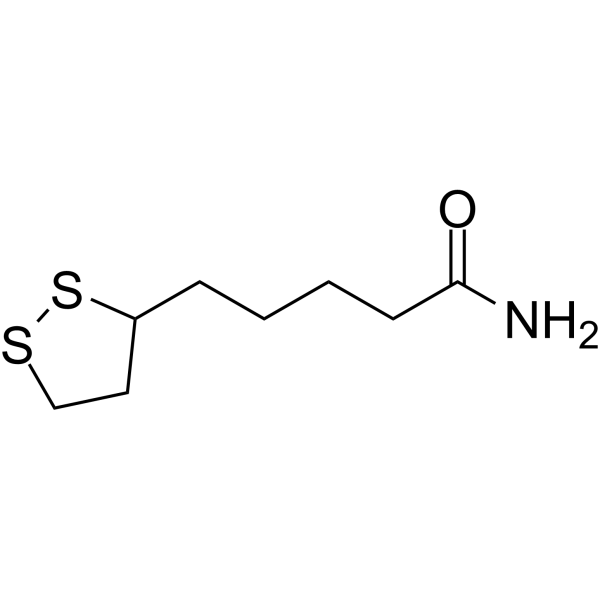
Lipoamide ((±)-α-Lipoamide) is a monocarboxylic acid derivative of a neutral amide, formed by the condensation of the carboxyl group of lipoic acid and ammonia. Lipoamide protects against oxidative stress-mediated neuronal cell damage and also acts as a coenzyme to transfer acetyl groups and hydrogen during pyruvate deacylation. Lipoamide also stimulates mitochondrial biogenesis in adipocytes through the endothelial NO synthase-cGMP-protein kinase G signaling pathway .
|
-
-
- HY-18252
-
|
TA1790
|
Phosphodiesterase (PDE)
NO Synthase
Endogenous Metabolite
|
Cardiovascular Disease
Endocrinology
|
|
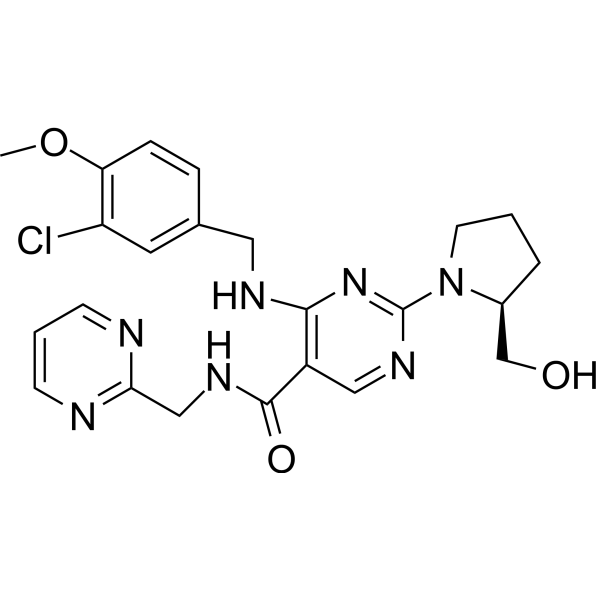
Avanafil (TA-1790) is a potent and selective phosphodiesterase-5 (PDE-5) inhibitor with IC50 values of 5.2 nM, 630 nM, 5700 nM, 6200 nM, 12000 nM, 27000 nM, 51000 nM and 53000 nM for PDE-5, PDE-6, PDE-4, PDE-10, PDE-8, PDE-7, PDE-2 and PDE-1, respectively. Avanafil activates NO/cGMP/PKG signaling-pathway to decrease loss in BMD, bone atrophy, and oxidative stress. Avanafil inhibits cyclic guanosine monophosphate (cGMP) hydrolysis and thus increases cGMP levels. Avanafil can be used for the research of erectile dysfunction and osteoporosis .
|
-
-
- HY-100113
-
|
AT2 receptor agonist C21
|
Angiotensin Receptor
p38 MAPK
TGF-beta/Smad
TGF-β Receptor
MMP
|
Cardiovascular Disease
Neurological Disease
Inflammation/Immunology
|
|
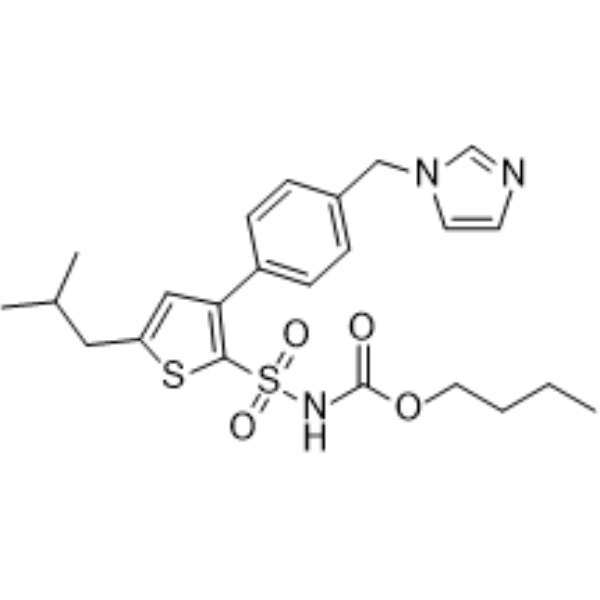
Buloxibutid (AT2 receptor agonist C21) is an orally active, selective angiotensin II type 2 receptor (AT2R) agonist, with a Ki value of 0.4 nM for porcine AT2R. Buloxibutid exerts effects such as vasodilation, anti-inflammation, anti-fibrosis (promoting the expression of collagenase MMP-13) and tissue repair mainly by activating the NO/cGMP pathway, inhibiting the pro-proliferative MAPK signaling, and suppressing the pro-fibrotic TGF-β/Smad pathway as well as the inflammatory NF-κB pathway. Buloxibutid can be used in research related to idiopathic pulmonary fibrosis, hypertension, and systemic sclerosis .
|
-
-
- HY-Y0488A
-
|
Ammonium formate
|
Environmental Pollutants
Calcium Channel
NO Synthase
Bacterial
ATP Synthase
|
Metabolic Disease
|
|
Formic acid ammonium is the ammonium salt form of formic acid, which is an endogenous metabolite. Formic acid ammonium activates the nitric oxide/cyclic guanosine monophosphate (NO/cGMP) signaling pathway in endothelial cells and inhibits calcium ion influx in vascular smooth muscle cells, resulting in vasomotor relaxation. Formic acid ammonium inhibits cytochrome C oxidase (CcO) and disrupts the electron transport chain, leading to ATP depletion. Formic acid ammonium can be used as a feed additive, which can lower the feed pH value, inhibit the growth of microorganisms (such as Escherichia coli, Salmonella), and extend the shelf life of the feed .
|
-

-
- HY-Y1325I
-
|
|
Environmental Pollutants
Biochemical Assay Reagents
Apoptosis
NO Synthase
p38 MAPK
Heme Oxygenase (HO)
Keap1-Nrf2
Wnt
β-catenin
|
Metabolic Disease
Inflammation/Immunology
Cancer
|
|
Sodium acetate trihydrate, 99.5% is a short-chain fatty acid salt with multiple biological activities. Sodium acetate trihydrate, 99.5% serves as a direct precursor of acetyl-CoA, and it extensively affects gene expression by promoting histone acetylation. Sodium acetate trihydrate, 99.5% can activate the p38 MAPK pathway to induce cancer cell apoptosis. Sodium acetate trihydrate, 99.5% can activate the Wnt/β-catenin signaling pathway to stimulate the proliferation and migration of cecal epithelial cells, thereby improving intestinal health. Sodium acetate trihydrate, 99.5% alleviates lead accumulation and oxidative damage by upregulating the testosterone-dependent eNOS/NO/cGMP signaling pathway, as well as activating the Nrf2/HO-1 pathway and its downstream antioxidant enzymes .
|
-

-
- HY-W013386
-
LY83583
1 Publications Verification
|
Guanylate Cyclase
|
Cardiovascular Disease
Neurological Disease
Cancer
|
|
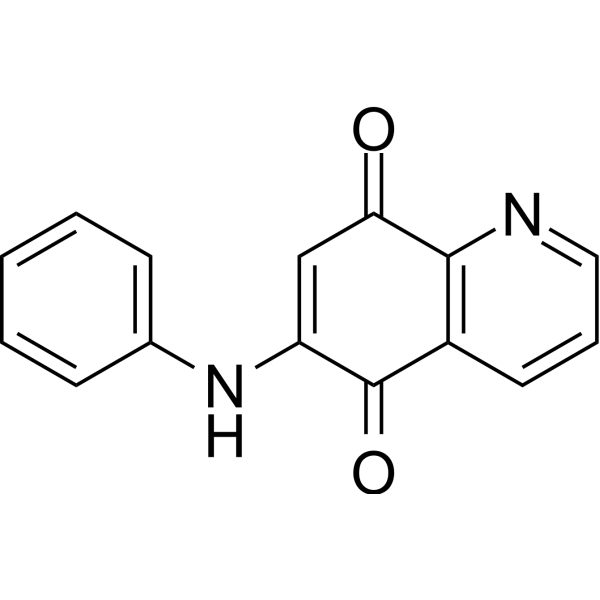
LY83583 is inhibitor of soluble guanylate cyclase (sGC) with the ability to target the cGMP signaling pathway. LY83583 inhibits the kinase activity-related proliferation of tumor cells by inducing the Cdk inhibitor p21. LY83583 can be used for the study of cancers (colorectal cancer, breast cancer and melanoma) and cardiovascular disease .
|
-
-
- HY-P1556
-
|
|
PKG
|
Cardiovascular Disease
|
|
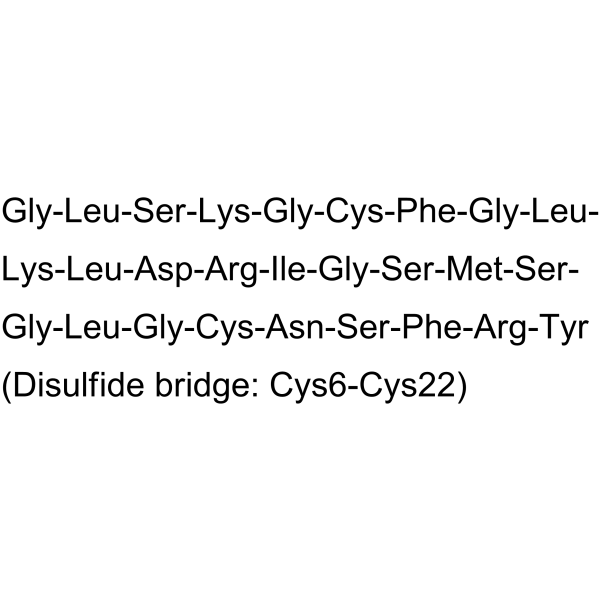
Vasonatrin Peptide (VNP) is a chimera of atrial natriuretic peptide (ANP) and C-type natriuretic peptide (CNP). Vasonatrin peptide possesses the venodilating actions of CNP, the natriuretic actions of ANP, and unique arterial vasodilating actions not associated with either ANP or CNP. Vasonatrin Peptide protects the diabetic heart against ischemia-reperfusion injury by inhibiting ER stress via the cGMP-PKG signaling pathway .
|
-
-
- HY-18252A
-
|
TA1790 dibenzenesulfonate
|
Phosphodiesterase (PDE)
NO Synthase
Endogenous Metabolite
|
Cardiovascular Disease
Endocrinology
|
|
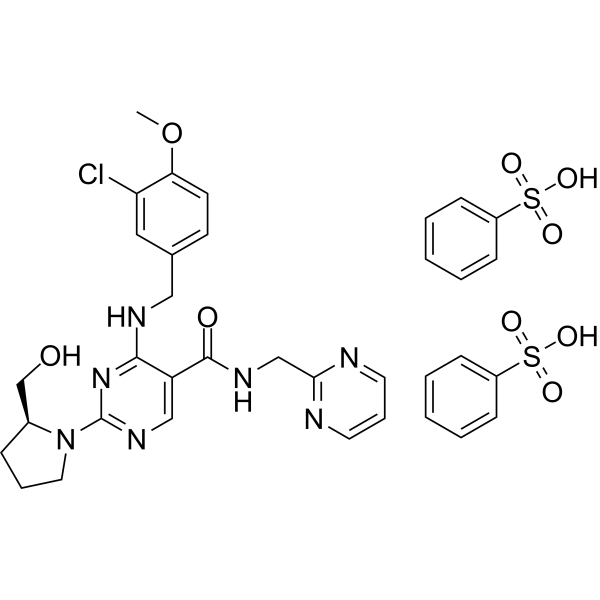
Avanafil (TA-1790) dibenzenesulfonate is a potent and selective phosphodiesterase-5 (PDE-5) inhibitor with IC50 values of 5.2 nM, 630 nM, 5700 nM, 6200 nM, 12000 nM, 27000 nM, 51000 nM and 53000 nM for PDE-5, PDE-6, PDE-4, PDE-10, PDE-8, PDE-7, PDE-2 and PDE-1, respectively. Avanafil dibenzenesulfonate activates NO/cGMP/PKG signaling-pathway to decrease loss in BMD, bone atrophy, and oxidative stress. Avanafil dibenzenesulfonate inhibits cyclic guanosine monophosphate (cGMP) hydrolysis and thus increases cGMP levels. Avanafil dibenzenesulfonate can be used for the research of erectile dysfunction and osteoporosis .
|
-
-
- HY-W013386R
-
|
|
Reference Standards
Guanylate Cyclase
|
Cardiovascular Disease
Neurological Disease
Cancer
|
|
LY83583 (Standard) is the analytical standard of LY83583 (HY-W013386). This product is intended for research and analytical applications. LY83583 is inhibitor of soluble guanylate cyclase (sGC) with the ability to target the cGMP signaling pathway. LY83583 inhibits the kinase activity-related proliferation of tumor cells by inducing the Cdk inhibitor p21. LY83583 can be used for the study of cancers (colorectal cancer, breast cancer and melanoma) and cardiovascular disease .
|
-

-
- HY-161578
-
|
|
PKG
|
Neurological Disease
|
|
Dithio-CN03 is a compound with the highest neuroprotective efficacy. Dithio-CN03 fights the progression of retinitis pigmentosa (RP) by inhibiting the cGMP mediated signaling pathway and reducing photoreceptor cell death. Dithio-CN03 can be used in research into RP and other retinal degenerative diseases .
|
-

-
- HY-137378A
-
|
|
PKG
|
Cardiovascular Disease
Inflammation/Immunology
|
|
8-Br-PET-cGMP is an agonist of cGMP-dependent protein kinase type I (cGKI). 8-Br-PET-cGMP promotes the dimerization of cGKI and activates its catalytic activity by binding to the regulatory domain of cGKI. 8-Br-PET-cGMP can be used to study the role of cGMP signaling pathways in cell growth, vasodilation, and smooth muscle cell function .
|
-

-
- HY-137629
-
|
|
PKG
|
Cardiovascular Disease
|
|
Sp-8-pCPT-PET-cGMPS is an activator for PKG-I. Sp-8-pCPT-PET-cGMPS can be used for research of NO/NOS/sGC/PKG-I signaling pathway in cardiac differentiation .
|
-

-
- HY-137633
-
|
|
PKG
|
Neurological Disease
|
|
Sp-8-Br-PET-cGMPS is a membrane-permeable PKG agonist and a membrane-permeable inhibitor of retinal-type cGMP-gated ion channels, as well as an activator of cGMP-dependent protein kinases I α and I β. Sp-8-Br-PET-cGMPS is resistant to mammalian cyclic nucleotide-dependent phosphodiesterases, has no metabolic side effects, and is more lipophilic and permeable than Sp-8-pCPT-cGMPS. Sp-8-Br-PET-cGMPS can be used to study the role of cGMP signaling pathways in the nervous system .
|
-

-
- HY-178478
-
|
|
Phosphodiesterase (PDE)
|
Metabolic Disease
|
|
PDE1-IN-11 (Compound 5cc) is an orally active and highly selective PDE1A1 inhibitor. PDE1-IN-11 increases intracellular cAMP and cGMP levels, activating the PKA-CREB and NO-cGMP-PKG signaling pathways, promoting osteoblast differentiation and bone formation, while suppressing osteoclastogenesis and bone resorption. PDE1-IN-11 is promising for research of postmenopausal osteoporosis (PMO) and other bone metabolism disorders .
|
-

-
- HY-N0081A
-
|
|
Calcium Channel
|
Cardiovascular Disease
|
|
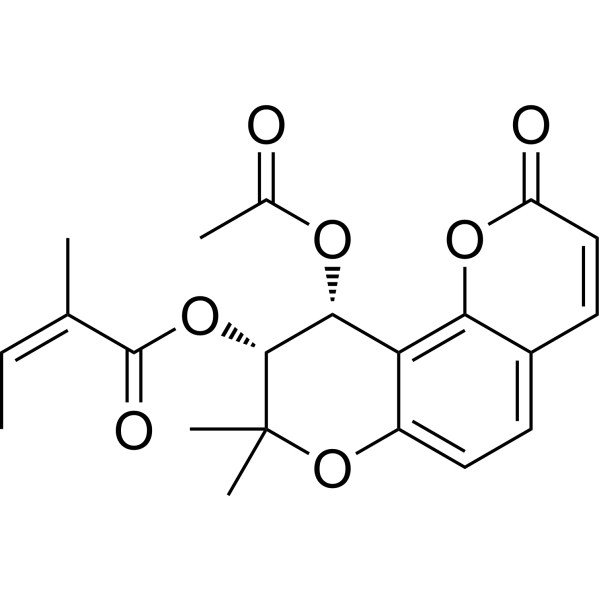
(-)-Praeruptorin A is a nature product that could be isolated from the roots of Peucedanum praeruptorum Dunn. (-)-Praeruptorin A relaxes ileum and tracheal smooth muscles by activating NO/cGMP signaling pathway. (-)-Praeruptorin A has dramatically therapeutic effects on hypertension mainly through acting as a Ca 2+-influx blocker .
|
-
-
- HY-142698
-
|
|
Guanylate Cyclase
|
Cardiovascular Disease
|
|
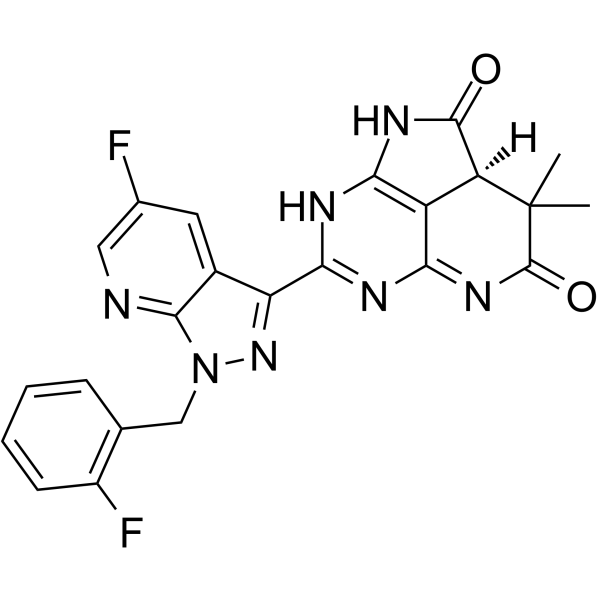
SGC agonist 2 is a potent agonist of soluble guanylate cyclase (SGC). Soluble guanylate cyclase is a key signal transduction enzyme in the NO-sGC-cGMP signaling pathway. SGC agonist 2 has the potential for the research of cardiovascular disease (heart failure, pulmonary hypertension, angina, myocardial infarction) and fibrotic diseases (renal fibrosis, systemic sclerosis) (extracted from patent WO2021219088A1, compound 031) .
|
-
-
- HY-169963
-
|
|
Phosphodiesterase (PDE)
|
Others
|
|
PDE1-IN-8 (Compound 3f) is the inhibitor for PDE1 with an IC50 of 11 nM. PDE1-IN-8 inhibits cAMP and cGMP signaling pathway, inhibits the differentiation and proliferation of cells into myofibroblast, and exhibits anti-fibrotic efficacy in Bleomycin (HY-17565)-induced rat pulmonary fibrosis model .
|
-

-
- HY-18252R
-
|
TA1790 (Standard)
|
Reference Standards
Phosphodiesterase (PDE)
NO Synthase
Endogenous Metabolite
|
Cardiovascular Disease
Endocrinology
|
|
Avanafil (Standard) is the analytical standard of Avanafil. This product is intended for research and analytical applications. Avanafil (TA-1790) is a potent and selective phosphodiesterase-5 (PDE-5) inhibitor with IC50 values of 5.2 nM, 630 nM, 5700 nM, 6200 nM, 12000 nM, 27000 nM, 51000 nM and 53000 nM for PDE-5, PDE-6, PDE-4, PDE-10, PDE-8, PDE-7, PDE-2 and PDE-1, respectively. Avanafil activates NO/cGMP/PKG signaling-pathway to decrease loss in BMD, bone atrophy, and oxidative stress. Avanafil inhibits cyclic guanosine monophosphate (cGMP) hydrolysis and thus increases cGMP levels. Avanafil can be used for the research of erectile dysfunction and osteoporosis .
|
-

-
- HY-18252S3
-
|
TA1790-13C5
|
Isotope-Labeled Compounds
Endogenous Metabolite
Phosphodiesterase (PDE)
NO Synthase
|
Cardiovascular Disease
Endocrinology
|
|
Avanafil- 13C5 (TA1790- 13C5) is 13C labeled Avanafil. Avanafil (TA-1790) is a potent and selective phosphodiesterase-5 (PDE-5) inhibitor with IC50 values of 5.2 nM, 630 nM, 5700 nM, 6200 nM, 12000 nM, 27000 nM, 51000 nM and 53000 nM for PDE-5, PDE-6, PDE-4, PDE-10, PDE-8, PDE-7, PDE-2 and PDE-1, respectively. Avanafil activates NO/cGMP/PKG signaling-pathway to decrease loss in BMD, bone atrophy, and oxidative stress. Avanafil inhibits cyclic guanosine monophosphate (cGMP) hydrolysis and thus increases cGMP levels. Avanafil can be used for the research of erectile dysfunction and osteoporosis .
|
-

-
- HY-18252S1
-
|
|
Endogenous Metabolite
NO Synthase
Phosphodiesterase (PDE)
Isotope-Labeled Compounds
|
Cardiovascular Disease
Endocrinology
|
|
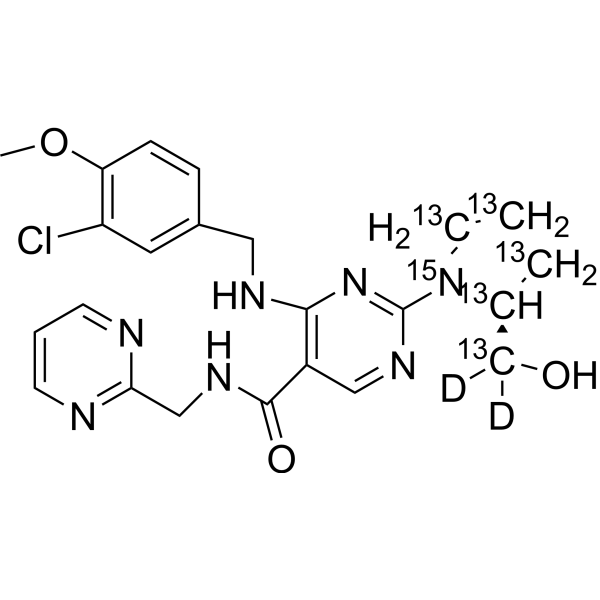
Avanafil- 13C5, 15N,d2 is 15N and deuterated labeled Avanafil (HY-18252). Avanafil (TA-1790) is a potent and selective phosphodiesterase-5 (PDE-5) inhibitor with IC50 values of 5.2 nM, 630 nM, 5700 nM, 6200 nM, 12000 nM, 27000 nM, 51000 nM and 53000 nM for PDE-5, PDE-6, PDE-4, PDE-10, PDE-8, PDE-7, PDE-2 and PDE-1, respectively. Avanafil activates NO/cGMP/PKG signaling-pathway to decrease loss in BMD, bone atrophy, and oxidative stress. Avanafil inhibits cyclic guanosine monophosphate (cGMP) hydrolysis and thus increases cGMP levels. Avanafil can be used for the research of erectile dysfunction and osteoporosis .
|
-
-
- HY-P1556A
-
|
|
PKG
|
Metabolic Disease
|
|
Vasonatrin Peptide (VNP) TFA is a chimera of atrial natriuretic peptide (ANP) and C-type natriuretic peptide (CNP). Vasonatrin peptide TFA possesses the venodilating actions of CNP, the natriuretic actions of ANP, and unique arterial vasodilating actions not associated with either ANP or CNP. Vasonatrin Peptide TFA protects the diabetic heart against ischemia-reperfusion injury by inhibiting ER stress via the cGMP-PKG signaling pathway .
|
-

-
- HY-P10869
-
dCNP
1 Publications Verification
|
Natriuretic Peptide Receptor (NPR)
|
Inflammation/Immunology
Cancer
|
|
dCNP binds to NPR-B/C receptor, activates cGMP signaling pathway, and regulates vascular function. dCNP exhibits anti-hypoxia property through downregulation of hypoxia-related genes expressions like HIF1α and HIF2α. dCNP inhibits the induction of tumor stroma and exhibits anti-fibrosis activity. dCNP upregulates CTLs, NK cells, and conventional type 1 dendritic cells in tumors, and activates immune responses .
|
-

-
- HY-Y0488AR
-
|
Ammonium formate (Standard)
|
Reference Standards
NO Synthase
Calcium Channel
Bacterial
ATP Synthase
|
Metabolic Disease
|
|
Formic acid ammonium (Standard) is the analytical standard of Formic acid ammonium. This product is intended for research and analytical applications. Formic acid ammonium is the ammonium salt form of formic acid, which is an endogenous metabolite. Formic acid ammonium activates the nitric oxide/cyclic guanosine monophosphate (NO/cGMP) signaling pathway in endothelial cells and inhibits calcium ion influx in vascular smooth muscle cells, resulting in vasomotor relaxation. Formic acid ammonium inhibits cytochrome C oxidase (CcO) and disrupts the electron transport chain, leading to ATP depletion. Formic acid ammonium can be used as a feed additive, which can lower the feed pH value, inhibit the growth of microorganisms (such as Escherichia coli, Salmonella), and extend the shelf life of the feed.
|
-

-
- HY-179550
-
|
|
Drug Metabolite
Phosphodiesterase (PDE)
PKG
|
Metabolic Disease
|
|
Avanafil metabolite M4 (Compound M-4ii) is a metabolite of Avanafil (HY-18252). Avanafil is a selective Phosphodiesterase-5 (PDE-5) inhibitor with IC50s of 5.2, 630, 5700, 6200, 12000, 27000, 51000 and 53000 nM for PDE-5, PDE-6, PDE-4, PDE-10, PDE-8, PDE-7, PDE-2 and PDE-1, respectively. Avanafil activates NO/cGMP/PKG signaling-pathway to decrease loss in BMD, bone atrophy, and oxidative stress. Avanafil inhibits cGMP hydrolysis and thus increases cGMP levels. Avanafil can be used for the research of erectile dysfunction and osteoporosis .
|
-

-
- HY-113972R
-
|
|
Reference Standards
Others
|
Inflammation/Immunology
|
|
Avanafil (Standard) is the analytical standard of Avanafil. This product is intended for research and analytical applications. Avanafil (TA-1790) is a potent and selective phosphodiesterase-5 (PDE-5) inhibitor with IC50 values of 5.2 nM, 630 nM, 5700 nM, 6200 nM, 12000 nM, 27000 nM, 51000 nM and 53000 nM for PDE-5, PDE-6, PDE-4, PDE-10, PDE-8, PDE-7, PDE-2 and PDE-1, respectively. Avanafil activates NO/cGMP/PKG signaling-pathway to decrease loss in BMD, bone atrophy, and oxidative stress. Avanafil inhibits cyclic guanosine monophosphate (cGMP) hydrolysis and thus increases cGMP levels. Avanafil can be used for the research of erectile dysfunction and osteoporosis .
|
-

-
- HY-100113A
-
|
AT2 receptor agonist C21 hydrochloride
|
Angiotensin Receptor
p38 MAPK
TGF-β Receptor
TGF-beta/Smad
MMP
|
Cardiovascular Disease
Neurological Disease
Inflammation/Immunology
|
Buloxibutid (AT2 receptor agonist C21) hydrochloride is an orally active, selective angiotensin II type 2 receptor (AT2R) agonist, with a Ki value of 0.4 nM for porcine AT2R. Buloxibutid hydrochloride exerts vasodilatory, anti-inflammatory, antifibrotic (promoting the expression of collagenase MMP-13) and tissue repair effects mainly by activating the NO/cGMP pathway, inhibiting the pro-proliferative MAPK signaling, and suppressing the pro-fibrotic TGF-β/Smad pathway and inflammatory NF-κB pathway. Buloxibutid hydrochloride can be used in research related to idiopathic pulmonary fibrosis, hypertension, systemic sclerosis and other conditions .
|
-

-
- HY-181755
-
|
|
NO Synthase
|
Inflammation/Immunology
|
|
Phenylaminojuglone AJ-2 is a nitric oxide synthase inhibitor that interacts with soluble guanylate cyclase, β-adrenergic receptor, CaV1.2 calcium channel, KV channel and KCa channel. Phenylaminojuglone AJ-2 blocks extracellular Ca 2+ influx, regulates the activity of the NO?sGC?cGMP signaling pathway, and inhibits pharmacologic and electromechanical contractions of smooth muscle. Phenylaminojuglone AJ-2 is applicable to studies related to intestinal spasm .
|
-

-
- HY-100113R
-
|
AT2 receptor agonist C21 (Standard)
|
Angiotensin Receptor
Reference Standards
p38 MAPK
TGF-beta/Smad
TGF-β Receptor
MMP
|
Cardiovascular Disease
Neurological Disease
Inflammation/Immunology
|
|
Buloxibutid (AT2 receptor agonist C21) (Standard) is the analytical standard of Buloxibutid (HY-100113). This product is intended for research and analytical applications. Buloxibutid is an orally active, selective angiotensin II type 2 receptor (AT2R) agonist, with a Ki value of 0.4 nM for porcine AT2R. Buloxibutid exerts effects such as vasodilation, anti-inflammation, anti-fibrosis (promoting the expression of collagenase MMP-13) and tissue repair mainly by activating the NO/cGMP pathway, inhibiting the pro-proliferative MAPK signaling, and suppressing the pro-fibrotic TGF-β/Smad pathway as well as the inflammatory NF-κB pathway. Buloxibutid can be used in research related to idiopathic pulmonary fibrosis, hypertension, and systemic sclerosis.
|
-

| Cat. No. |
Product Name |
Type |
-
- HY-Y1325I
-
|
|
Biochemical Assay Reagents
|
|
Sodium acetate trihydrate, 99.5% is a short-chain fatty acid salt with multiple biological activities. Sodium acetate trihydrate, 99.5% serves as a direct precursor of acetyl-CoA, and it extensively affects gene expression by promoting histone acetylation. Sodium acetate trihydrate, 99.5% can activate the p38 MAPK pathway to induce cancer cell apoptosis. Sodium acetate trihydrate, 99.5% can activate the Wnt/β-catenin signaling pathway to stimulate the proliferation and migration of cecal epithelial cells, thereby improving intestinal health. Sodium acetate trihydrate, 99.5% alleviates lead accumulation and oxidative damage by upregulating the testosterone-dependent eNOS/NO/cGMP signaling pathway, as well as activating the Nrf2/HO-1 pathway and its downstream antioxidant enzymes .
|
| Cat. No. |
Product Name |
Target |
Research Area |
-
- HY-P1556
-
|
|
PKG
|
Cardiovascular Disease
|
|
Vasonatrin Peptide (VNP) is a chimera of atrial natriuretic peptide (ANP) and C-type natriuretic peptide (CNP). Vasonatrin peptide possesses the venodilating actions of CNP, the natriuretic actions of ANP, and unique arterial vasodilating actions not associated with either ANP or CNP. Vasonatrin Peptide protects the diabetic heart against ischemia-reperfusion injury by inhibiting ER stress via the cGMP-PKG signaling pathway .
|
-
- HY-P1556A
-
|
|
PKG
|
Metabolic Disease
|
|
Vasonatrin Peptide (VNP) TFA is a chimera of atrial natriuretic peptide (ANP) and C-type natriuretic peptide (CNP). Vasonatrin peptide TFA possesses the venodilating actions of CNP, the natriuretic actions of ANP, and unique arterial vasodilating actions not associated with either ANP or CNP. Vasonatrin Peptide TFA protects the diabetic heart against ischemia-reperfusion injury by inhibiting ER stress via the cGMP-PKG signaling pathway .
|
-
- HY-P10869
-
dCNP
1 Publications Verification
|
Natriuretic Peptide Receptor (NPR)
|
Inflammation/Immunology
Cancer
|
|
dCNP binds to NPR-B/C receptor, activates cGMP signaling pathway, and regulates vascular function. dCNP exhibits anti-hypoxia property through downregulation of hypoxia-related genes expressions like HIF1α and HIF2α. dCNP inhibits the induction of tumor stroma and exhibits anti-fibrosis activity. dCNP upregulates CTLs, NK cells, and conventional type 1 dendritic cells in tumors, and activates immune responses .
|
-
- HY-P11184
-
|
|
Peptides
|
Others
|
|
CAP2b is a cardioacceleratory peptide that can be isolated from Drosophila. CAP2b stimulates tubule fluid secretion via cGMP-signaling pathway .
|
| Cat. No. |
Product Name |
Category |
Target |
Chemical Structure |
-
- HY-B1142
-
-
-
- HY-18252
-
|
TA1790
|
Cardiovascular Disease
Natural Products
Classification of Application Fields
Endogenous metabolite
Disease Research Fields
Endocrinology
Source Classification
|
Phosphodiesterase (PDE)
NO Synthase
Endogenous Metabolite
|
|
Avanafil (TA-1790) is a potent and selective phosphodiesterase-5 (PDE-5) inhibitor with IC50 values of 5.2 nM, 630 nM, 5700 nM, 6200 nM, 12000 nM, 27000 nM, 51000 nM and 53000 nM for PDE-5, PDE-6, PDE-4, PDE-10, PDE-8, PDE-7, PDE-2 and PDE-1, respectively. Avanafil activates NO/cGMP/PKG signaling-pathway to decrease loss in BMD, bone atrophy, and oxidative stress. Avanafil inhibits cyclic guanosine monophosphate (cGMP) hydrolysis and thus increases cGMP levels. Avanafil can be used for the research of erectile dysfunction and osteoporosis .
|
-
-
- HY-Y0488A
-
-
-
- HY-18252A
-
|
TA1790 dibenzenesulfonate
|
Cardiovascular Disease
Natural Products
Classification of Application Fields
Endogenous metabolite
Disease Research Fields
Endocrinology
Source Classification
|
Phosphodiesterase (PDE)
NO Synthase
Endogenous Metabolite
|
|
Avanafil (TA-1790) dibenzenesulfonate is a potent and selective phosphodiesterase-5 (PDE-5) inhibitor with IC50 values of 5.2 nM, 630 nM, 5700 nM, 6200 nM, 12000 nM, 27000 nM, 51000 nM and 53000 nM for PDE-5, PDE-6, PDE-4, PDE-10, PDE-8, PDE-7, PDE-2 and PDE-1, respectively. Avanafil dibenzenesulfonate activates NO/cGMP/PKG signaling-pathway to decrease loss in BMD, bone atrophy, and oxidative stress. Avanafil dibenzenesulfonate inhibits cyclic guanosine monophosphate (cGMP) hydrolysis and thus increases cGMP levels. Avanafil dibenzenesulfonate can be used for the research of erectile dysfunction and osteoporosis .
|
-
-
- HY-N0081A
-
-
-
- HY-18252R
-
|
TA1790 (Standard)
|
Structural Classification
Natural Products
Endogenous metabolite
Source Classification
|
Reference Standards
Phosphodiesterase (PDE)
NO Synthase
Endogenous Metabolite
|
|
Avanafil (Standard) is the analytical standard of Avanafil. This product is intended for research and analytical applications. Avanafil (TA-1790) is a potent and selective phosphodiesterase-5 (PDE-5) inhibitor with IC50 values of 5.2 nM, 630 nM, 5700 nM, 6200 nM, 12000 nM, 27000 nM, 51000 nM and 53000 nM for PDE-5, PDE-6, PDE-4, PDE-10, PDE-8, PDE-7, PDE-2 and PDE-1, respectively. Avanafil activates NO/cGMP/PKG signaling-pathway to decrease loss in BMD, bone atrophy, and oxidative stress. Avanafil inhibits cyclic guanosine monophosphate (cGMP) hydrolysis and thus increases cGMP levels. Avanafil can be used for the research of erectile dysfunction and osteoporosis .
|
-
-
- HY-Y0488AR
-
|
Ammonium formate (Standard)
|
Structural Classification
Ketones, Aldehydes, Acids
Endogenous metabolite
Source Classification
|
Reference Standards
NO Synthase
Calcium Channel
Bacterial
ATP Synthase
|
|
Formic acid ammonium (Standard) is the analytical standard of Formic acid ammonium. This product is intended for research and analytical applications. Formic acid ammonium is the ammonium salt form of formic acid, which is an endogenous metabolite. Formic acid ammonium activates the nitric oxide/cyclic guanosine monophosphate (NO/cGMP) signaling pathway in endothelial cells and inhibits calcium ion influx in vascular smooth muscle cells, resulting in vasomotor relaxation. Formic acid ammonium inhibits cytochrome C oxidase (CcO) and disrupts the electron transport chain, leading to ATP depletion. Formic acid ammonium can be used as a feed additive, which can lower the feed pH value, inhibit the growth of microorganisms (such as Escherichia coli, Salmonella), and extend the shelf life of the feed.
|
-
-
- HY-113972R
-
|
|
Structural Classification
Monophenols
Microorganisms
Marine natural products
Phenols
Marine microorganism
|
Reference Standards
Others
|
|
Avanafil (Standard) is the analytical standard of Avanafil. This product is intended for research and analytical applications. Avanafil (TA-1790) is a potent and selective phosphodiesterase-5 (PDE-5) inhibitor with IC50 values of 5.2 nM, 630 nM, 5700 nM, 6200 nM, 12000 nM, 27000 nM, 51000 nM and 53000 nM for PDE-5, PDE-6, PDE-4, PDE-10, PDE-8, PDE-7, PDE-2 and PDE-1, respectively. Avanafil activates NO/cGMP/PKG signaling-pathway to decrease loss in BMD, bone atrophy, and oxidative stress. Avanafil inhibits cyclic guanosine monophosphate (cGMP) hydrolysis and thus increases cGMP levels. Avanafil can be used for the research of erectile dysfunction and osteoporosis .
|
-
| Cat. No. |
Product Name |
Chemical Structure |
-
- HY-18252S3
-
|
|
|
Avanafil- 13C5 (TA1790- 13C5) is 13C labeled Avanafil. Avanafil (TA-1790) is a potent and selective phosphodiesterase-5 (PDE-5) inhibitor with IC50 values of 5.2 nM, 630 nM, 5700 nM, 6200 nM, 12000 nM, 27000 nM, 51000 nM and 53000 nM for PDE-5, PDE-6, PDE-4, PDE-10, PDE-8, PDE-7, PDE-2 and PDE-1, respectively. Avanafil activates NO/cGMP/PKG signaling-pathway to decrease loss in BMD, bone atrophy, and oxidative stress. Avanafil inhibits cyclic guanosine monophosphate (cGMP) hydrolysis and thus increases cGMP levels. Avanafil can be used for the research of erectile dysfunction and osteoporosis .
|
-
-
- HY-18252S1
-
|
|
|
Avanafil- 13C5, 15N,d2 is 15N and deuterated labeled Avanafil (HY-18252). Avanafil (TA-1790) is a potent and selective phosphodiesterase-5 (PDE-5) inhibitor with IC50 values of 5.2 nM, 630 nM, 5700 nM, 6200 nM, 12000 nM, 27000 nM, 51000 nM and 53000 nM for PDE-5, PDE-6, PDE-4, PDE-10, PDE-8, PDE-7, PDE-2 and PDE-1, respectively. Avanafil activates NO/cGMP/PKG signaling-pathway to decrease loss in BMD, bone atrophy, and oxidative stress. Avanafil inhibits cyclic guanosine monophosphate (cGMP) hydrolysis and thus increases cGMP levels. Avanafil can be used for the research of erectile dysfunction and osteoporosis .
|
-
Your information is safe with us. * Required Fields.
Inquiry Information
- Product Name:
- Cat. No.:
- Quantity:
- MCE Japan Authorized Agent:








