



Buloxibutid
Based on 7 publication(s) in Google Scholar
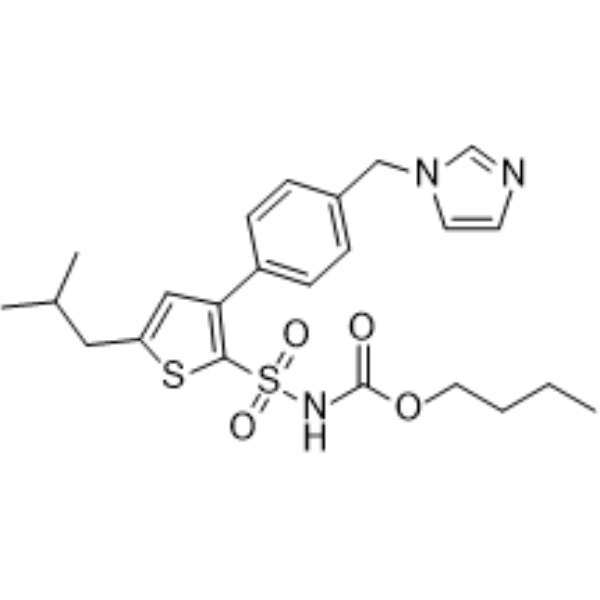
Buloxibutid (AT2 receptor agonist C21) is an orally active, selective angiotensin II type 2 receptor (AT2R) agonist, with a Ki value of 0.4 nM for porcine AT2R. Buloxibutid exerts effects such as vasodilation, anti-inflammation, anti-fibrosis (promoting the expression of collagenase MMP-13) and tissue repair mainly by activating the NO/cGMP pathway, inhibiting the pro-proliferative MAPK signaling, and suppressing the pro-fibrotic TGF-β/Smad pathway as well as the inflammatory NF-κB pathway. Buloxibutid can be used in research related to idiopathic pulmonary fibrosis, hypertension, and systemic sclerosis.
Nur für Forschungszwecke. Wir verkaufen nicht an Patienten.
- Reinheit : 98.94%
- CAS. Nr.: 477775-14-7
- Formel: C23H29N3O4S2
- Molecular Weight:475.62
-
Speicherung:Powder -20°C, 3 years ; In solvent -80°C, 6 months , -20°C, 1 month

To place orders, for customer services and technical support, please contact: MedChemExpress USA
Tel: 609-228-6898 E-mail: [email protected] [email protected]


-
 Biologische Aktivität
-
Chemical Information
-
Lösungsmittel & Löslichkeit
- Protokoll
- Reinheit & Dokumentation
- Verweise
-
 Help & FAQs


-
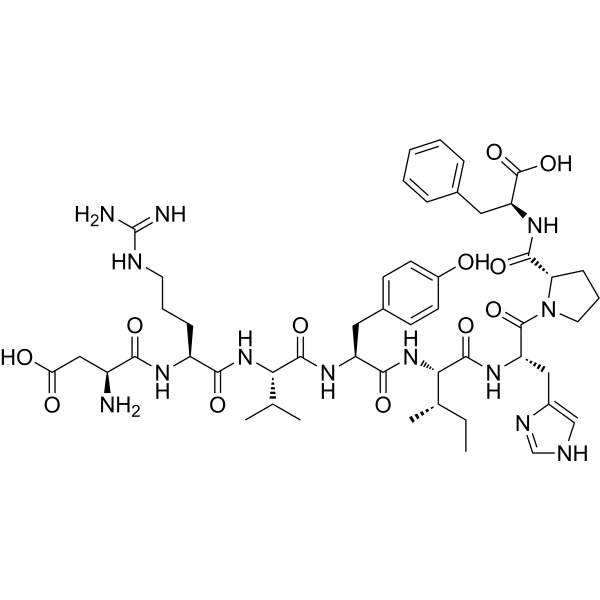
HY-13948
Angiotensin II humanVasoconstrictor -
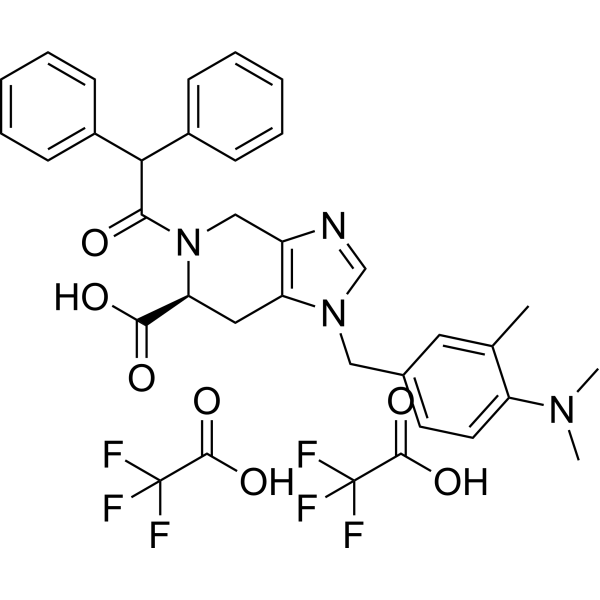
HY-10259A
PD 123319 ditrifluoroacetateAT2 Receptor Antagonist -
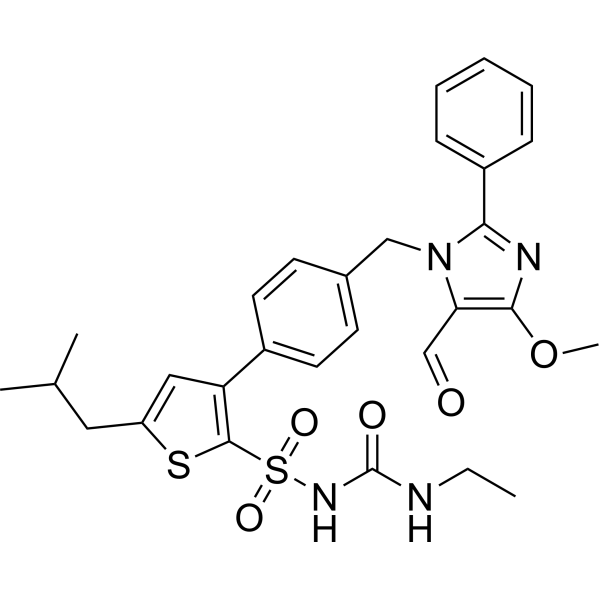
HY-15778
AVE 0991Ang-(1-7) Receptor Agonist -
HY-12405
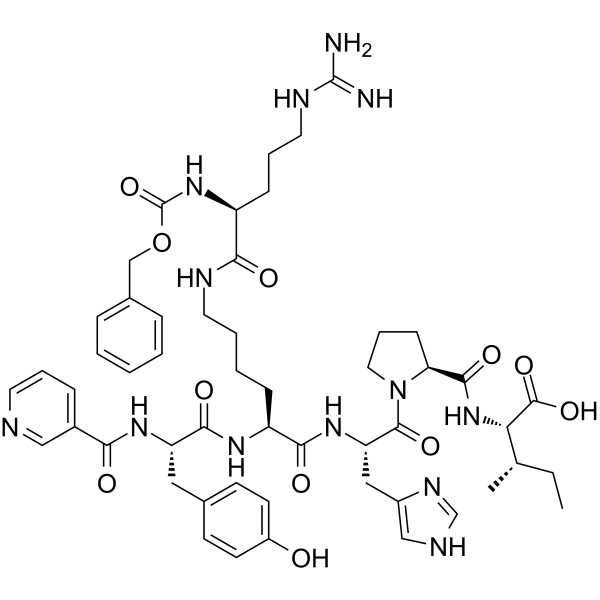
CGP-42112AT2 Agonist -
HY-13106
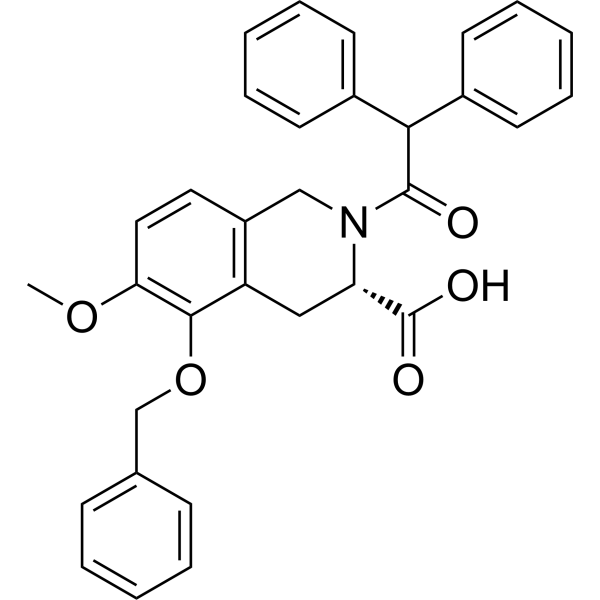
OlodanriganAT2R Antagonist -
HY-153192
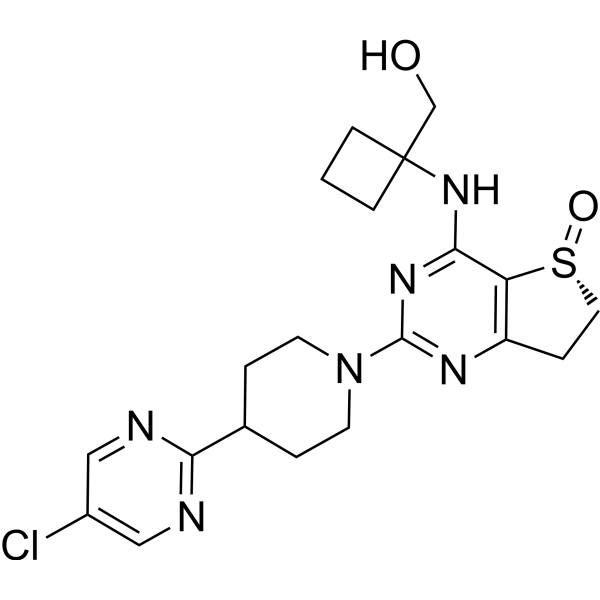
NerandomilastPDE4B Inhibitor -
HY-P0216
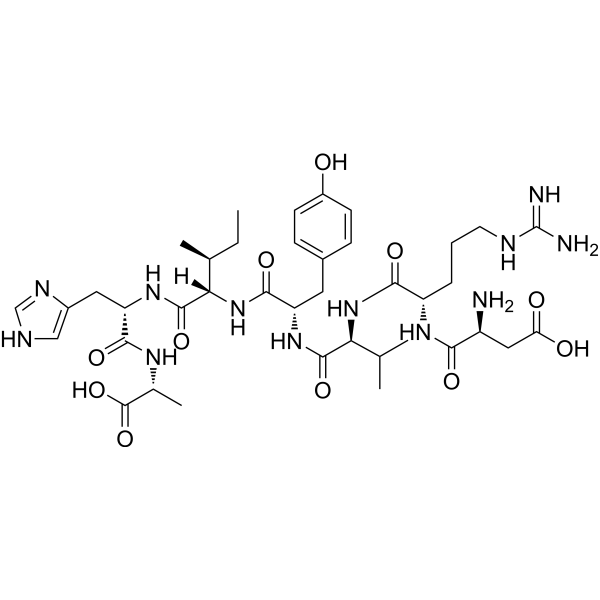
A 779Mas Receptor Antagonist -
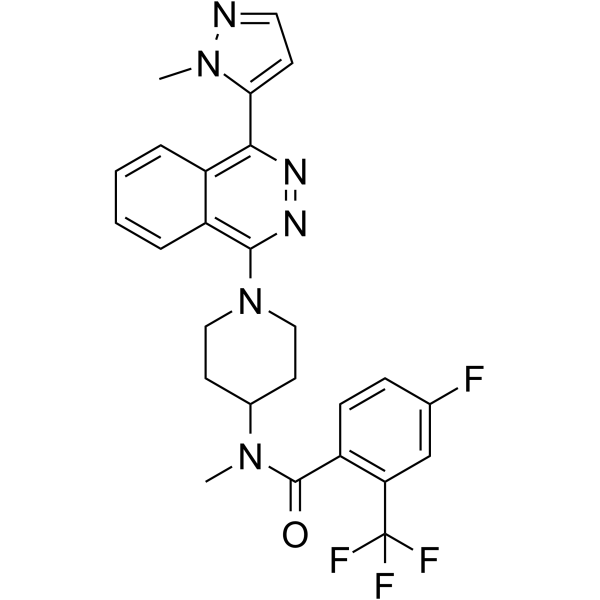
HY-13242
TaladegibSMO Antagonist -
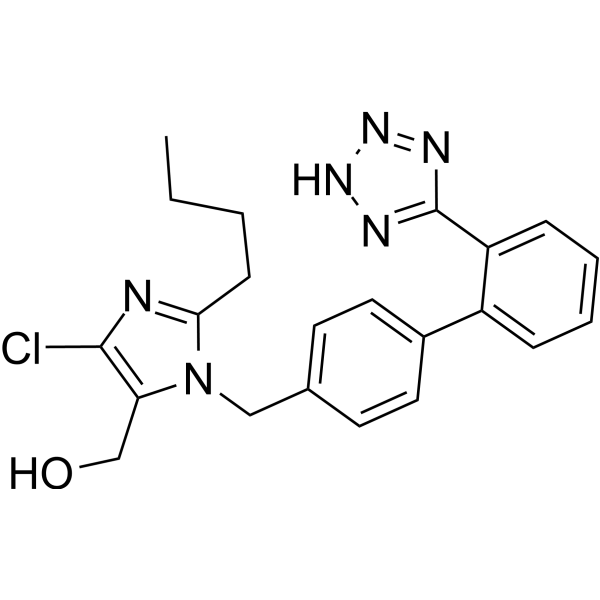
HY-17512
LosartanAngiotensin II Receptor Antagonist -
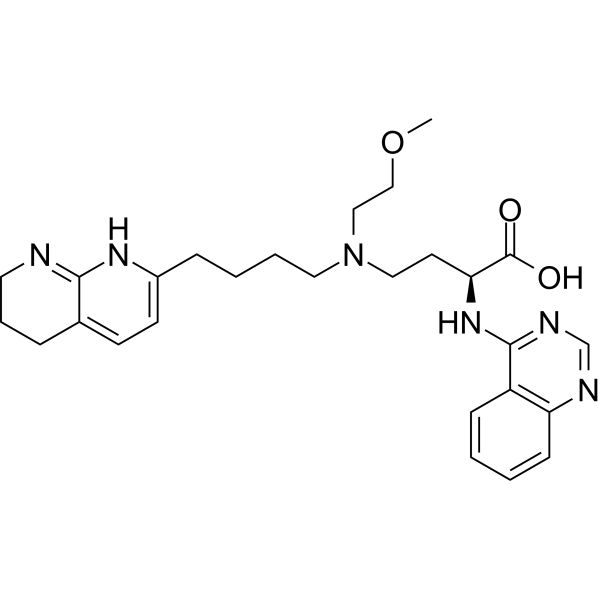
HY-137561
Bexotegrastαvβ6/αvβ1 Integrin Inhibitor -
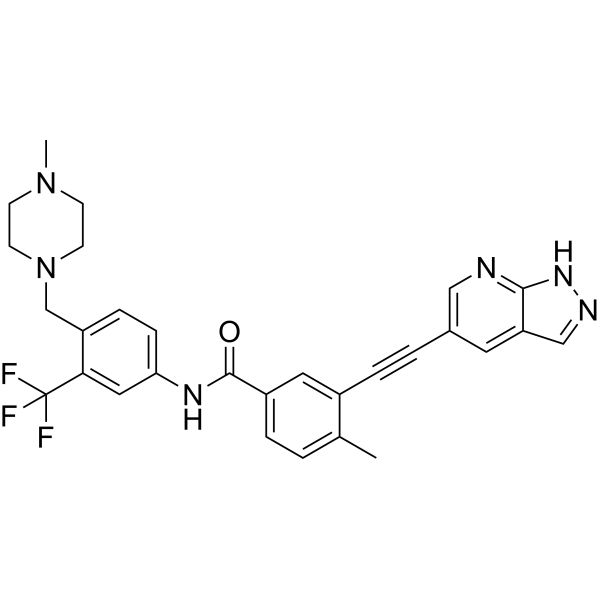
HY-15666
OlverembatinibBcr-Abl Inhibitor -

HY-100113R
Buloxibutid (Standard)Standard of Buloxibutid
Publications Citing Use of MedChemExpress (MCE) Buloxibutid
More- Acta Pharmacol Sin. 2024 Jun;45(6):1201-1213. [Abstract]
- Clin Sci. 2022 Jun 30;136(12):989-1003. [Abstract]
- Cell Mol Life Sci. 2025 Apr 18;82(1):165. [Abstract]
- Eur J Pharmacol. 2023 Feb 15:941:175466. [Abstract]
- Biomolecules. 2026 Jul 17;16(7):1042.
- SSRN. 2026 May 7.
- Dokkyo Medical Journal. 2023 Sep 8.
 Customer Validation & Images

-
In Vivo Efficacy Study

-
Histological Imaging/Staining

-
WB

-
Bio/Physico-chemical Assay

-
IF

Alle Angiotensin Receptor Isoform-spezifische Produkte anzeigen
More

Biologische Aktivität
Beschreibung
IC50 & Target
[4]|
AT2 Receptor 0.4 nM (Ki) |
AT1 Receptor > 10 μM (Ki) |
In Vitro
Buloxibutid (1-10 μM) inhibits the expression and signaling of proinflammatory pathways in LPS (HY-D1056)-induced THP-1 macrophages in a time- and concentration-dependent manner at concentrations of 1 and 10 μM[2].
Buloxibutid (Compound 21) (0.1-0.1 μM; 3 days) induces neurite outgrowth in NG108-15 cells by activating AT2 receptors. After treatment with 0.1 μM for 3 days, it increases the proportion of neurite-positive cells to 19.9%, and its signal transduction depends on the MAPK, cGMP and cGMP-dependent protein kinase pathways[4].
Buloxibutid (100 nM; 0-1 h) transiently activates p42/p44mapk in NG108-15 cells via activation of the AT2 receptor, and its phosphorylation level increases by 2.2-fold after treatment with 0.1 μM for 30 min[4].
MedChemExpress (MCE) has not independently confirmed the accuracy of these methods. They are for reference only.
-
Cell Line:NG108-15 neuroblastoma-glioma hybrid cells
-
Concentration:0.1 nM、1 nM、0.1 μM、1 μM
-
Incubation Time:3 days
-
Result:Increased the percentage of neurite-positive cells from 5.5% (control) to 19.9% at 0.1 μM treatment.
Induced neurite outgrowth at concentrations ≥ 0.1 nM.
Had its neurite outgrowth effect abolished by co-incubation with PD 123,319.
Had its neurite outgrowth effect reduced by co-incubation with PD 98,059, LY-83,583, or KT 5823.
-
Cell Line:NG108-15 neuroblastoma-glioma hybrid cells
-
Concentration:100 nM
-
Incubation Time:0, 30 and 60 min
-
Result:Induced a 2.2-fold increase in phosphorylated p42/p44mapk levels relative to control within 30 min.
Decreased phosphorylated p42/p44mapk levels to basal levels by 60 min.
Had its 30-min activation abolished by pre-incubation with PD 123,319.
In Vivo
Buloxibutid (0.3 mg/kg/day; mini pump; daily administration; for 7 consecutive days) alleviates bleomycin-induced pulmonary fibrosis in rats[2].
Buloxibutid (1 mg/kg; i.p.; single administration) attenuates lung injury and inflammation induced by ventilator-induced lung injury (VILI) in Sprague-Dawley rats[2].
Buloxibutid (0.3 mg/kg/day; i.p.; daily) alleviates LPS-induced acute lung injury in C57Bl/6 mice[2].
Buloxibutid (0.3 mg/kg/day; i.p.; daily administration) alleviates hyperoxia-induced acute lung injury in C57Bl/6 mice[2].
Buloxibutid (0.1-1 mg/kg/day; i.p.; administered daily for 7 consecutive days) reduces acute cigarette smoke-induced inflammation in female BALB/c mice, with the maximum efficacy observed at a dose of 0.3 mg/kg/day[2].
Buloxibutid (0.3 mg/kg/day; i.p.; daily administration; for 3 consecutive weeks) reduces chronic cigarette smoke-induced inflammation, epithelial injury and profibrotic responses, while improving pulmonary function in BALB/c mice[2].
Buloxibutid (0.03 mg/kg/day; i.p.; daily administration for 2 consecutive weeks) reverses monocrotaline-induced pulmonary fibrosis and myocardial fibrosis in male Sprague-Dawley rats[2].
Buloxibutid (0.03 mg/kg; i.p.; once daily; for 14 consecutive days) significantly reduces systolic blood pressure, diastolic blood pressure, and mean blood pressure by 34.4%, 40.2%, and 38.0%, respectively, in male Sprague Dawley rats with hypertension induced by L-NAME/NaCl. It also improves the antioxidant status of the heart and aorta, alleviates histopathological damage to cardiac tissue, and restores normal aortic structure[3].
Buloxibutid (0.03 mg/kg; i.p.; daily; 14 days) combined with Empagliflozin (HY-15409) significantly improves the antioxidant status of the heart and aorta in male Sprague Dawley rats with hypertension induced by L-NAME/NaCl, reduces aortic MDA levels by 27.5%, restores normal aortic structure, alleviates cardiac histopathological damage, and exerts a synergistic effect on aortic SOD and CAT activities[3].
Buloxibutid (Compound 21) (0.003-0.3 mg/kg/h; i.v.; continuous infusion; 100 μM; intraluminal perfusion) dose-dependently enhances duodenal mucosal alkaline secretion in male Sprague-Dawley rats via activation of the AT2 receptor, with the maximal effect observed at an intravenous dose of 0.3 mg/kg/h[4].
Buloxibutid (0.008-4 mg/kg; i.v.; single bolus) induces a significant AT2 receptor-mediated reduction in mean arterial pressure at intravenous doses of 0.008 mg/kg and 0.05 mg/kg in anesthetized spontaneously hypertensive rats[4].
MedChemExpress (MCE) has not independently confirmed the accuracy of these methods. They are for reference only.
-
Animal Model:Sprague-Dawley (bleomycin-induced pulmonary fibrosis)[2]
-
Dosage:0.03 mg/kg/day
-
Administration:i.p.; daily; 2 weeks
-
Result:Attenuated bleomycin-induced increases in right ventricular systolic pressure (RVSP).
Reduced cardiac and pulmonary vascular remodeling.
Caused significant reductions in % fibrotic area, Ashcroft scoring, and hydroxyproline content.
Prevented or reversed bleomycin-induced increases in Col1a/3a1, CTGF, MMP-12, TIMP-1, and IL-13 gene expression to baseline levels.
Mitigated inflammatory responses, reducing pro-inflammatory gene expression (CCL2, IL-6, TLR4) and infiltration of CD68+ macrophages.
Reduced bleomycin-induced increases in AT2R gene expression.
-
Animal Model:Sprague-Dawley (bleomycin-induced pulmonary fibrosis)[2]
-
Dosage:0.3 mg/kg/day
-
Administration:minipump; daily; 7 days
-
Result:Reduced bleomycin-induced increases in Ashcroft score and % interstitial collagen area, with slightly greater efficacy than β-Pro7 Ang III.
Exhibited higher efficacy than pirfenidone at reducing these fibrotic measures.
Reduced lung myofibroblast accumulation and TGFβ expression to a similar extent as β-Pro7 Ang III and pirfenidone.
Tended to increase lung compliance relative to the bleomycin group.
-
Animal Model:Sprague-Dawley (ventilation-induced lung injury)[2]
-
Dosage:1 mg/kg
-
Administration:i.p.; single dose
-
Result:Significantly attenuated VILI-induced lung damage.
Reduced cell and protein content in BALF.
Caused a significant increase in the anti-inflammatory cytokines IL-4 and IL-10.
-
Animal Model:BALB/c (female; acute cigarette smoke-induced chronic obstructive pulmonary disease)[2]
-
Dosage:0.1 mg/kg/day; 0.3 mg/kg/day; 1 mg/kg/day
-
Administration:i.p.; daily; 7 days
-
Result:Exhibited dose-dependent anti-inflammatory effects, with reduced cytokines and cells in BAL fluid; maximal effects were seen with the 0.3 mg/kg dose.
Restored alveolar macrophage phagocytic ability at 0.3 mg/kg/day.
Suppressed cigarette smoke-induced pro-inflammatory marker expression at 0.3 mg/kg/day.
Restored M2-phenotypic marker expression at 0.3 mg/kg/day.
Upregulated AT2R and MasR expression at 0.3 mg/kg/day.
Reversed cigarette smoke-induced reductions in AT2R expression.
-
Animal Model:BALB/c (chronic cigarette smoke-induced chronic obstructive pulmonary disease)[2]
-
Dosage:0.3 mg/kg/day
-
Administration:i.p.; daily; 3 weeks
-
Result:Significantly reduced cigarette smoke-induced increases in pro-inflammatory cytokines and alveolar epithelial thickening.
Opposed cigarette smoke-induced pro-fibrotic responses, reducing active TGFβ1, SMAD2/3, hydroxyproline, MMP-9, and MMP-12 levels; augmented cigarette smoke-induced increase in TIMP-1.
Elicited significant protective effects in all measured lung function parameters.
Reversed cigarette smoke-induced increases in AT2R expression toward baseline.
-
Animal Model:Sprague-Dawley (male; monocrotaline-induced pulmonary hypertension with interstitial fibrosis)[2]
-
Dosage:0.03 mg/kg/day
-
Administration:i.p.; daily; 2 weeks
-
Result:Reversed lung interstitial and peri-vascular fibrosis, as well as cardiac fibrosis; this anti-fibrotic effect was abrogated by co-administration of an AT2R antagonist or MasR antagonist.
Reversed monocrotaline-induced increases in ACE gene expression and decreases in ACE2 gene expression, increasing ACE2 to double control levels.
Significantly increased AT2R gene expression relative to monocrotaline-treated and control rats.
-
Animal Model:Sprague Dawley (male, hypertension induced via 40 mg/kg L-NAME i.p. daily for 28 days plus 1% NaCl in drinking water for 28 days)[3]
-
Dosage:0.03 mg/kg
-
Administration:i.p.; once daily; 14 days
-
Result:Reduced median systolic blood pressure to 73.77 mmHg.
Reduced median diastolic blood pressure to 57.82 mmHg.
Reduced median mean blood pressure to 67.465 mmHg.
Reduced median heart rate to 215.075 beats/min.
Reduced median heart weight to 1.177 g.
Increased median superoxide dismutase (SOD) activity to 6.303 U/g protein.
Increased median glutathione peroxidase (GPx) activity to 79.698 U/mg protein.
Increased median glutathione (GSH) level to 51.333 μmol/g tissue.
Increased median aortic SOD activity to 16.511 U/g protein.
Increased median catalase (CAT) activity to 42.085 K/g protein.
Increased median aortic GPx activity to 104.833 U/mg protein.
Increased median calcium level to 9.95 mg/dL.
Reduced median total cholesterol to 38.5 mg/dL.
Reduced median histopathological damage scores for degenerated cardiomyocytes, hemorrhage, inflammatory infiltration, and collagen deposition to 0.
Restored thoracic aorta sections to normal histological structure, similar to control group, with no dilatation or irregularities in elastic lamellae.
-
Animal Model:Sprague Dawley (male, hypertension induced via 40 mg/kg L-NAME i.p. daily for 28 days plus 1% NaCl in drinking water for 28 days)[3]
-
Dosage:0.03 mg/kg (buloxibutid); 7 mg/kg (empagliflozin)
-
Administration:i.p. (buloxibutid; once daily; 14 days); p.o. (Empagliflozin; once daily; 14 days)
-
Result:Increased median heart rate to 298.69 beats/min.
Increased median cardiac SOD activity to 6.476 U/g protein.
Increased median cardiac GPx activity to 82.782 U/mg protein.
Reduced median total oxidant level (TOS) to 4.01 μmol/L.
Reduced median malondialdehyde (MDA) level to 55.23 nmol/g tissue.
Increased median aortic GSH level to 50.264 μmol/g tissue.
Increased median aortic SOD activity to 18.059 U/g protein.
Increased median aortic CAT activity to 63.554 K/g protein.
Increased median aortic GPx activity to 110.402 U/mg protein.
Increased median calcium level to 10 mg/dL.
Increased median total cholesterol to 46 mg/dL.
Increased median low-density lipoprotein (LDL) cholesterol to 15 mg/dL.
Reduced median chlorine level to 101 mmol/L.
Reduced median sodium level to 138 mmol/L.
Reduced median histopathological damage scores for degenerated cardiomyocytes, hemorrhage, inflammatory infiltration, with residual inflammatory cell infiltration observed.
Restored thoracic aorta sections to normal histological structure, similar to control group, with no dilatation or irregularities in elastic lamellae.
-
Animal Model:Sprague-Dawley (male, nonfasted, surgically isolated duodenal segments)[4]
-
Dosage:0.003-0.3 mg/kg/h; 100 μM
-
Administration:i.v.; continuous infusion; intraluminal perfusion
-
Result:Increased duodenal mucosal alkaline secretion in a dose-dependent manner: 0.003 mg/kg/h induced a small secretion increase, 0.03 mg/kg/h induced a moderate increase, and 0.3 mg/kg/h induced the largest increase (mean change from baseline ~47%).
Increased alkaline secretion by mean change from baseline ~30% at 100 μM intraluminal administration.
Produced secretory responses that were significantly inhibited by co-administration of the AT2 receptor antagonist PD 123,319.
-
Animal Model:Spontaneously hypertensive (SHR, male, anesthetized)[4]
-
Dosage:0.008 mg/kg; 0.05 mg/kg; 4 mg/kg
-
Administration:i.v.; single bolus
-
Result:Reduced mean arterial pressure by a mean of ~25 mmHg within 30 minutes at 0.05 mg/kg i.v., and this effect was attenuated by co-administration of PD 123,319.
Decreased mean arterial pressure at low-dose 0.008 mg/kg.
Did not produce a statistically significant change in mean arterial pressure compared to vehicle at higher dose 4 mg/kg.
- Fibrosis/Collagen Morphometry
- Collagen: Sirius Red Staining
- RNA extraction experimental
- Mitochondrial membrane-potential fluorescent assay
- Connective Tissue: Masson's Trichrome/Collagen Trichrome Staining
- Mitochondrial membrane-potential and mitochondrial mass staining
- Research Protocol for Cardiovascular Diseases
- Research Protocol for Inflammation-related Diseases
Clinical Trial
| NCT Number | Sponsor | Condition | Start Date |
Phase

|
|---|---|---|---|---|
| NCT01329991 | 2011-05 | PHASE1 |


Chemical Information
-
CAS. Nr. 477775-14-7
-
Appearance Solid
-
Molecular Weight 475.62
-
Formel C23H29N3O4S2
-
Color White to yellow
-
SMILES
O=C(OCCCC)NS(=O)(C1=C(C2=CC=C(CN3C=CN=C3)C=C2)C=C(CC(C)C)S1)=O
-
Synonyms
AT2 receptor agonist C21
-
Versand
Room temperature in continental US; may vary elsewhere.
-
Speicherung
Powder -20°C 3 years In solvent -80°C 6 months -20°C 1 month


Publications (7)
-
Journal Impact Factor
-
Most Recent
-
Acta Pharmacol Sin
Angiotensin II type-2 receptor signaling facilitates liver injury repair and regeneration via inactivation of Hippo pathway. [Abstract]2024 Jun;45(6):1201-1213. PMID: 38491160
Buloxibutid purchased from MedChemExpress. Usage Cited in: Acta Pharmacol Sin. 2024 Jun;45(6):1201-1213. [Abstract]
Representative images of liver tissue sections from wild-type mice (aged 10 days) treated with vehicle or C21 (Buloxibutid; i.p.) 0.3 mg/kg every 12 h for 10 days. The liver-to-body weight ratios were significantly higher in the treatment groups than in the vehicle groups.
Buloxibutid purchased from MedChemExpress. Usage Cited in: Acta Pharmacol Sin. 2024 Jun;45(6):1201-1213. [Abstract]
Immunohistochemical analysis of Ki-67, Yap, and BrdU expression levels in liver tissue sections from wild-type mice (aged 10 days) treated with vehicle or C21 (Buloxibutid; i.p.) 0.3 mg/kg every 12 h for 10 days.
Buloxibutid purchased from MedChemExpress. Usage Cited in: Acta Pharmacol Sin. 2024 Jun;45(6):1201-1213. [Abstract]
Immunoblot analysis of the indicated proteins in liver tissue sections from wild-type mice (aged 10 days) treated with vehicle or C21 (Buloxibutid; i.p.) 0.3 mg/kg every 12 h for 10 days. The results showed that p-Yap and p-LATS1 expression levels were significantly lower in the C21-treated groups than in the vehicle groups, suggesting a potential regulatory role for the AT2R in modulation of the Hippo–Yap signaling pathway.
Buloxibutid purchased from MedChemExpress. Usage Cited in: Acta Pharmacol Sin. 2024 Jun;45(6):1201-1213. [Abstract]
Serum alanine aminotransferase and aspartate aminotransferase levels in wild-type mice (n = 6) at 6 h after treatment with vehicle or C21 (Buloxibutid; 0.3 mg/kg; i.p.; single dose) following exposure to acetaminophen. At 6 h after administration of acetaminophen, serum ALT and AST levels were significantly lower in the C21-treated group than in the vehicle-treated control group.
Buloxibutid purchased from MedChemExpress. Usage Cited in: Acta Pharmacol Sin. 2024 Jun;45(6):1201-1213. [Abstract]
Immunofluorescence staining of F-actin (red), Yap (green), and DAPI (blue) in AML12 cells treated with C21 (Buloxibutid; 10 μM; 24 h). The result indicated a correlation between cellular F-actin abundance and the nuclear localization of Yap.
-
Clin Sci
G-protein-coupled receptor kinase 4 causes renal angiotensin II type 2 receptor dysfunction by increasing its phosphorylation. [Abstract]2022 Jun 30;136(12):989-1003. PMID: 35695067 -
Cell Mol Life Sci
Involvement of miRNA-204 carried by the exosomes of macrophages in the AT2 receptor-mediated improvement of vascular calcification. [Abstract]2025 Apr 18;82(1):165. PMID: 40249512 -
Eur J Pharmacol
Activation of angiotensin II type 2 receptor attenuates lung injury of collagen-induced arthritis by alleviating endothelial cell injury and promoting Ly6Clo monocyte transition. [Abstract]2023 Feb 15:941:175466. PMID: 36528072 -
-
-


Lösungsmittel & Löslichkeit
In Vitro:
DMSO : 50 mg/mL (105.13 mM; Need ultrasonic; Hygroscopic DMSO has a significant impact on the solubility of product, please use newly opened DMSO)
Please refer to the solubility information to select the appropriate solvent. Once prepared, please aliquot and store the solution to prevent product inactivation from repeated freeze-thaw cycles.
Storage method and period of stock solution: -80°C, 6 months; -20°C, 1 month. When stored at -80°C, please use it within 6 months. When stored at -20°C, please use it within 1 month.
Please refer to the solubility information to select the appropriate solvent. Once prepared, please aliquot and store the solution to prevent product inactivation from repeated freeze-thaw cycles.
Storage method and period of stock solution: -80°C, 6 months; -20°C, 1 month. When stored at -80°C, please use it within 6 months. When stored at -20°C, please use it within 1 month.
Konzentration (Stammlösung) × Volumen (Stammlösung) = Konzentration (Ziellösung) × Volumen (Ziellösung)
In Vivo:
Select the appropriate dissolution method based on your experimental animal and administration route.
- For the following dissolution methods, please ensure to first prepare a clear stock solution using an In Vitro approach and then sequentially add co-solvents:
- To ensure reliable experimental results, the clarified stock solution can be appropriately stored based on storage conditions. As for the working solution for In Vivo experiments, it is recommended to prepare freshly and use it on the same day.
- The percentages shown for the solvents indicate their volumetric ratio in the final prepared solution. If precipitation or phase separation occurs during preparation, heat and/or sonication can be used to aid dissolution.
Add each solvent one by one: 10% DMSO 40% PEG300 5% Tween-80 45% Saline
Solubility: ≥ 2.08 mg/mL (4.37 mM); Clear solution
This protocol yields a clear solution of ≥ 2.08 mg/mL (saturation unknown).
Taking 1 mL working solution as an example, add 100 μL DMSO stock solution (20.8 mg/mL) to 400 μL PEG300, and mix evenly; then add 50 μL Tween-80 and mix evenly; then add 450 μL Saline to adjust the volume to 1 mL.
Preparation of Saline: Dissolve 0.9 g sodium chloride in ddH₂O and dilute to 100 mL to obtain a clear Saline solution.
Add each solvent one by one: 10% DMSO 90% (20% SBE-β-CD in Saline)
Solubility: ≥ 2.08 mg/mL (4.37 mM); Clear solution
This protocol yields a clear solution of ≥ 2.08 mg/mL (saturation unknown).
Taking 1 mL working solution as an example, add 100 μL DMSO stock solution (20.8 mg/mL) to 900 μL 20% SBE-β-CD in Saline, and mix evenly.
Preparation of 20% SBE-β-CD in Saline (4°C, storage for one week): 2 g SBE-β-CD powder is dissolved in 10 mL Saline, completely dissolve until clear.
In Vivo Dissolution Calculator
Please enter the basic information of animal experiments:
-
-
-
-
Recommended: Prepare an additional quantity of animals to account for potential losses during experiments.
Please enter your animal formula composition:
-
%DMSO +
Recommended: Keep the proportion of DMSO in working solution below 2% if your animal is weak.
-
%+
-
+%Tween-80 + +
-
%Saline +
The co-solvents required include: DMSO, . All of co-solvents are available by MedChemExpress (MCE). , Tween 80. All of co-solvents are available by MedChemExpress (MCE).
Working solution concentration: 0.22 mg/mL
Method for preparing stock solution: mg drug dissolved in μL DMSO. Stock solution concentration: mg/mL.
1. Take μL DMSO stock solution;
2. Add μL .
μL , mix evenly;
3. Then add μL Tween 80, mix evenly;
4. Then add μL
Please ensure that the stock solution in the first step is dissolved to a clear state, and add co-solvents in sequence. You can use ultrasonic heating (ultrasonic cleaner, recommended frequency 20-40 kHz), vortexing, etc. to assist dissolution.


Reinheit & Dokumentation
-
Data Sheet (298 KB)
-
SDS (393 KB)
- English - EN (393 KB)
- Français - FR (393 KB)
- Deutsch - DE (393 KB)
- Norwegian - NO (393 KB)
- Español - ES (393 KB)
- Swedish - SV (393 KB)
- Italian - IT (393 KB)
- Korean - KR (393 KB)
- Portuguese - PT (393 KB)
-
Handling Instructions (2659 KB)
Verweise
[1]. Rein-Hedin E, et al. Utilizing venous occlusion plethysmography to assess vascular effects: A study with buloxibutid, an angiotensin II type 2 receptor agonist. Clin Transl Sci. 2024;17(2):e13735. [Content Brief]
[2]. Young ON, et al. Investigational insights into the potential of angiotensin type II receptor agonists as therapeutics for idiopathic pulmonary fibrosis. Expert Opin Investig Drugs. 2026;35(1):63-73. [Content Brief]
[3]. Ozhan O, et al. Protective effects of buloxibutid and empagliflozin on hypertension-induced cardiac and vascular injury in rats. J Mol Histol. 2026;57(1):35. Published 2026 Jan 10. [Content Brief]
[4]. Wan Y, et al. Design, synthesis, and biological evaluation of the first selective nonpeptide AT2 receptor agonist. J Med Chem. 2004;47(24):5995-6008. [Content Brief]


Complete Stock Solution Preparation Table
Please refer to the solubility information to select the appropriate solvent. Once prepared, please aliquot and store the solution to prevent product inactivation from repeated freeze-thaw cycles.
Storage method and period of stock solution: -80°C, 6 months; -20°C, 1 month. When stored at -80°C, please use it within 6 months. When stored at -20°C, please use it within 1 month.
| Optional Solvent | Concentration Solvent Mass | 1 mg | 5 mg | 10 mg | 25 mg |
|---|---|---|---|---|---|
| DMSO | 1 mM | 2.1025 mL | 10.5126 mL | 21.0252 mL | 52.5630 mL |
| 5 mM | 0.4205 mL | 2.1025 mL | 4.2050 mL | 10.5126 mL | |
| 10 mM | 0.2103 mL | 1.0513 mL | 2.1025 mL | 5.2563 mL | |
| 15 mM | 0.1402 mL | 0.7008 mL | 1.4017 mL | 3.5042 mL | |
| 20 mM | 0.1051 mL | 0.5256 mL | 1.0513 mL | 2.6281 mL | |
| 25 mM | 0.0841 mL | 0.4205 mL | 0.8410 mL | 2.1025 mL | |
| 30 mM | 0.0701 mL | 0.3504 mL | 0.7008 mL | 1.7521 mL | |
| 40 mM | 0.0526 mL | 0.2628 mL | 0.5256 mL | 1.3141 mL | |
| 50 mM | 0.0421 mL | 0.2103 mL | 0.4205 mL | 1.0513 mL | |
| 60 mM | 0.0350 mL | 0.1752 mL | 0.3504 mL | 0.8760 mL | |
| 80 mM | 0.0263 mL | 0.1314 mL | 0.2628 mL | 0.6570 mL | |
| 100 mM | 0.0210 mL | 0.1051 mL | 0.2103 mL | 0.5256 mL |


Buloxibutid Related Classifications
HY-100113 Related Classifications
 Powered by Bioz
Keywords
- Buloxibutid
- 477775-14-7
- AT2 receptor agonist C21
- Angiotensin Receptor
- p38 MAPK
- TGF-beta/Smad
- TGF-β Receptor
- MMP
- angiotensin II type 2 receptor
- rat liver AT1 receptors
- C57Bl/6 mice
- AT2R
- porcine uterus AT2 receptors
- BALB/c mice
- NG108-15 cells
- THP-1 macrophages
- idiopathic pulmonary fibrosis
- Sprague-Dawley rats
- Inhibitor
- inhibitor
- inhibit