Search Result
Results for "
chronic bacterial infections
" in MedChemExpress (MCE) Product Catalog:
1
Isotope-Labeled Compounds
| Cat. No. |
Product Name |
Target |
Research Areas |
Chemical Structure |
-
- HY-B0958
-
|
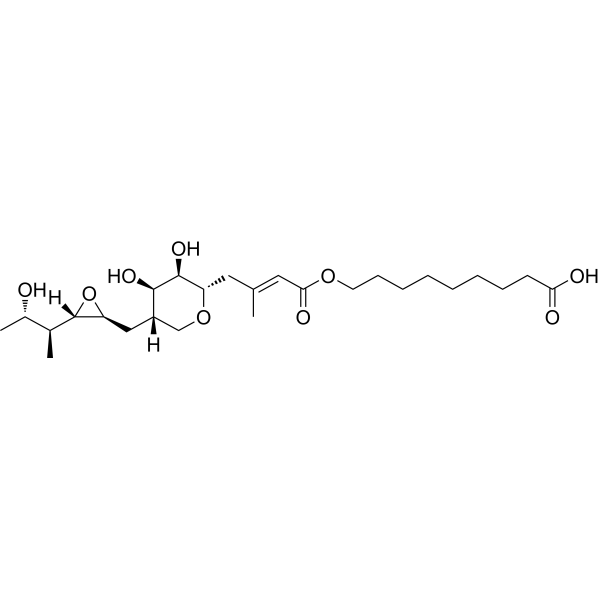
BRL-4910A; Pseudomonic acid
|
Bacterial
Antibiotic
Aminoacyl-tRNA Synthetase
|
Infection
Endocrinology
|
|
Mupirocin is an antibiotic. Mupirocin inhibits bacterial isoleucyl-tRNA synthetase, blocking protein synthesis. Mupirocin has high activity against Gram-positive bacteria such as Staphylococcus and Streptococcus, as well as some Gram-negative bacteria (such as Haemophilus influenzae). Mupirocin can be used in the research of diseases such as skin infections (such as MRSA infections) and chronic sinusitis .
|
-
-
- HY-B1235
-
|
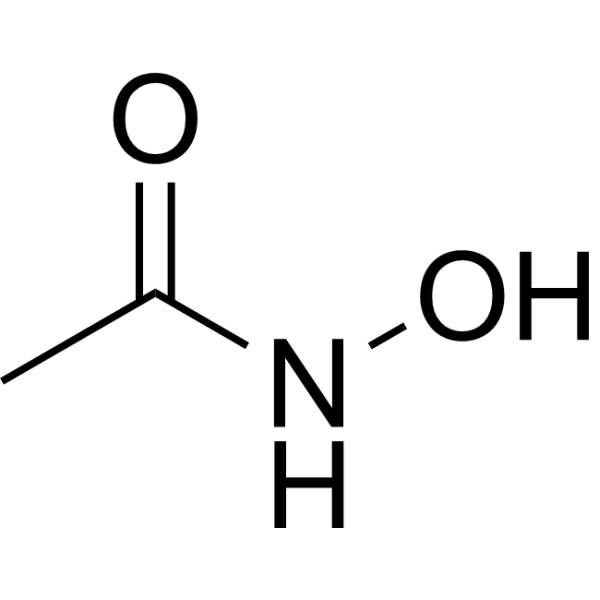
N-Hydroxyacetamide
|
Bacterial
HIV
|
Infection
Inflammation/Immunology
|
|
Acetohydroxamic acid is the inhibitor for bacterial and plant urease that can be used for chronic urinary tract infections. Acetohydroxamic acid selectively inhibits arachidonic acid 5-lipoxygenase that is useful in the research of asthma. Acetohydroxamic acid inhibits the formation of advanced glycation end products, and reduces oxidative stress and inflammatory responses. Acetohydroxamic acid exhibits antiviral activity against HIV .
|
-
-
- HY-N0444
-
|
|
Reactive Oxygen Species (ROS)
NF-κB
HBV
Apoptosis
Bacterial
Fungal
Parasite
|
Infection
Neurological Disease
Metabolic Disease
Inflammation/Immunology
Cancer
|
|
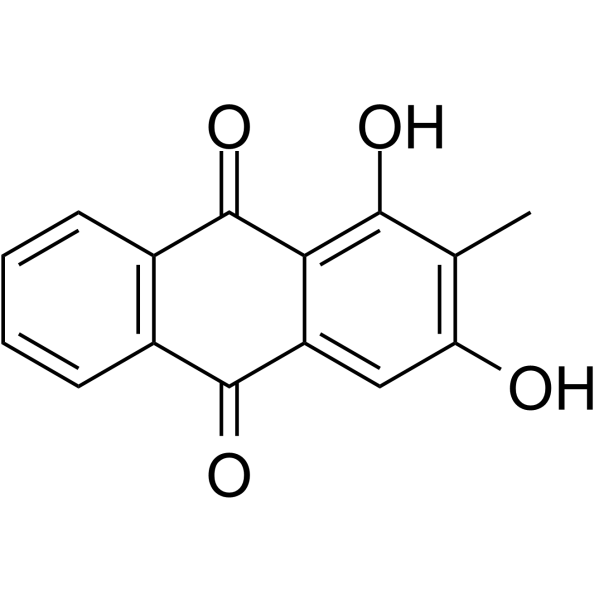
Rubiadin is an orally active free radical scavenger that inhibits the activation of the NF-κB pathway. Rubiadin inhibits osteoclast formation, bone resorption, lipid peroxidation, HBV DNA replication and cancer cell proliferation; reduces pro-inflammatory cytokine levels; induces cancer cell apoptosis; and possesses antifungal, antimalarial, antibacterial and anticonvulsant activities. Rubiadin can be used in the research of osteoporosis, acute inflammation, chronic inflammation, carbon tetrachloride-induced liver injury, Alzheimer's disease, breast cancer, iron overload disorders, hepatitis B virus infection, colon cancer, liver cancer, T-lymphocytic leukemia, cervical cancer, diabetic nephropathy, epileptic seizures, fungal infections, malaria and bacterial infections .
|
-
-
- HY-W108875
-
|
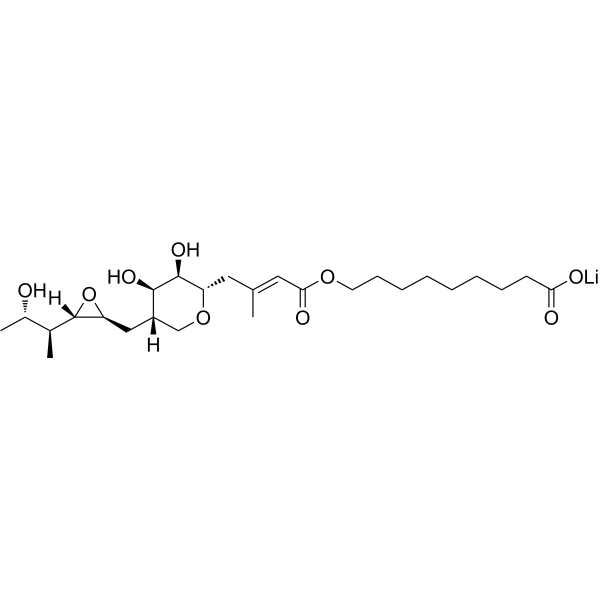
BRL-4910A lithium; Pseudomonic acid lithium
|
Antibiotic
Bacterial
Aminoacyl-tRNA Synthetase
|
Infection
Endocrinology
|
|
Mupirocin lithium is an antibiotic. Mupirocin lithium inhibits bacterial isoleucyl-tRNA synthetase, blocking protein synthesis. Mupirocin lithium has high activity against Gram-positive bacteria such as Staphylococcus and Streptococcus, as well as some Gram-negative bacteria (such as Haemophilus influenzae). Mupirocin lithium can be used in the research of diseases such as skin infections (such as MRSA infections) and chronic sinusitis .
|
-
-
- HY-A0130
-
|
Sulfametopyrazine; AS-18908
|
Parasite
Bacterial
|
Infection
Inflammation/Immunology
|
|
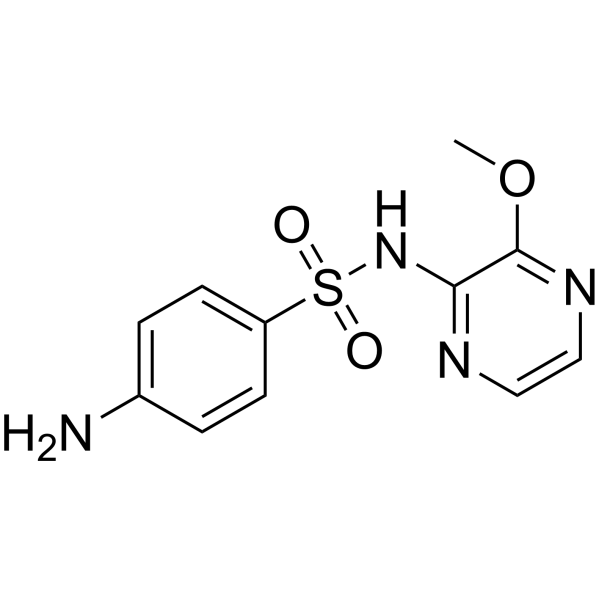
Sulfalene (Sulfametopyrazine) is an orally active antimalarial agent. Sulfalene competes with para-aminobenzoic acid in plasmodial and bacterial folic acid synthesis pathways. Sulfalene reduces trachoma-associated pathological changes. Sulfalene can be used for the research of acute falciparum malaria, Schistosoma mansoni infection, trachoma, chronic bronchitis, and bacteriuria in pregnancy .
|
-
-
- HY-B0330B
-
|
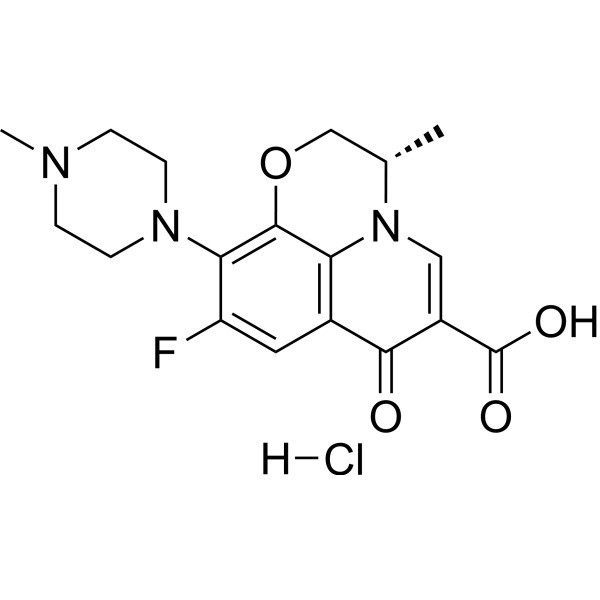
(-)-Ofloxacin hydrochloride
|
Antibiotic
Bacterial
DNA/RNA Synthesis
Topoisomerase
Orthopoxvirus
Apoptosis
|
Infection
Neurological Disease
Cancer
|
|
Levofloxacin hydrochloride is an orally active antibiotic. Levofloxacin inhibits DNA gyrase and topoisomerase IV activity, inducing Apoptosis. Levofloxacin hydrochloride has antibacterial activity against both Gram-positive and Gram-negative bacteria. Levofloxacin hydrochloride exhibits anticancer activity against lung cancer. Levofloxacin hydrochloride has anti-acnegenic, anxiogenic, and analgesic effects. Levofloxacin hydrochloride shortens sleep duration in mice. Levofloxacin hydrochloride can be used in the research of infectious diseases (such as tuberculosis, chronic periodontitis, bacterial infections associated with stable COPD, and BK viremia) and lung cancer .
|
-
-
- HY-N5112A
-
|
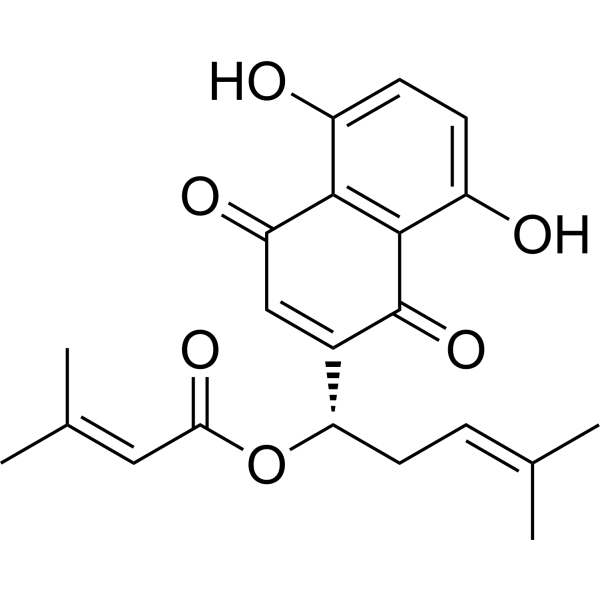
Arnebin 1
|
FGFR
Necroptosis
Apoptosis
CDK
JNK
|
Inflammation/Immunology
|
|
β,β-Dimethylacrylalkannin (Arnebin 1) is an orally active FGFR1 inhibitor (IC50=2.5 μM) and the main active component of Lithospermum erythrorhizon. β,β-Dimethylacrylalkannin blocks downstream signaling by binding to the ATP pocket of FGFR1, and regulates the CDK1/Cdc25C pathway and ROS-JNK axis, thereby inducing G2/M phase arrest, necrosis and apoptosis in cancer cells, and inhibiting tumor proliferation. β,β-Dimethylacrylalkannin also acts as a colistin adjuvant to disrupt the cell membrane of Gram-negative bacteria. β,β-Dimethylacrylalkannin exhibits significant tumor-inhibitory effects with no obvious toxicity in PDX models, but chronic exposure to high doses may alter the relative lung/liver weights of rats, while acute exposure to high doses causes responses such as reduced motor activity. β,β-Dimethylacrylalkannin finds wide application in studies related to hepatocellular carcinoma, colorectal cancer, colistin-resistant bacterial infections, hepatitis and psoriasis .
|
-
-
- HY-136436
-
|
|
Drug Metabolite
Antibiotic
Bacterial
Fungal
|
Infection
Inflammation/Immunology
|
|
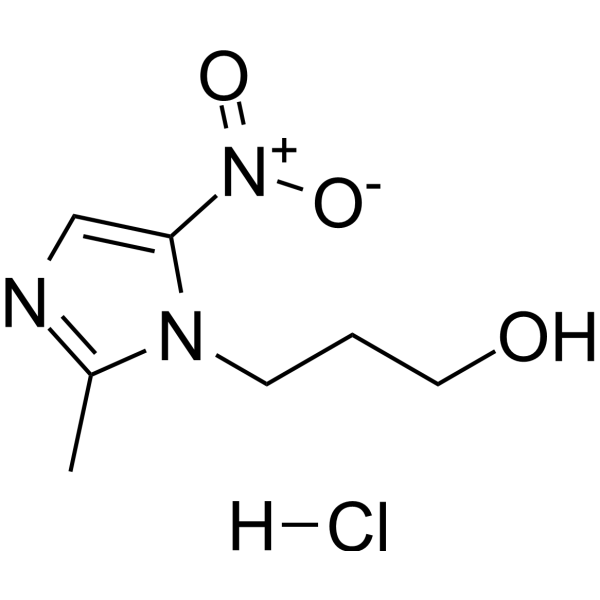
Ternidazole hydrochloride is a nitroimidazole Antibiotic with anti-pathogenic microbial activity. Ternidazole hydrochloride kills and inhibits the visible growth of Clostridium perfringens type A in vitro. Ternidazole hydrochloride helps improve the therapeutic efficacy against bacterial vaginosis, candidal vaginitis and mixed vaginitis. Ternidazole hydrochloride effectively alleviates chronic alcoholism. Ternidazole hydrochloride can be used in research related to vaginitis, pathogenic microbial infections and chronic alcoholism .
|
-
-
- HY-B1235R
-
|
N-Hydroxyacetamide (Standard)
|
Reference Standards
Bacterial
HIV
|
Infection
Inflammation/Immunology
|
|
Acetohydroxamic acid (Standard) is the analytical standard of Acetohydroxamic acid. This product is intended for research and analytical applications. Acetohydroxamic acid is the inhibitor for bacterial and plant urease that can be used for chronic urinary tract infections. Acetohydroxamic acid selectively inhibits arachidonic acid 5-lipoxygenase that is useful in the research of asthma. Acetohydroxamic acid inhibits the formation of advanced glycation end products, and reduces oxidative stress and inflammatory responses. Acetohydroxamic acid exhibits antiviral activity against HIV .
|
-
-
- HY-136436A
-
|
|
Antibiotic
Bacterial
Drug Metabolite
Fungal
|
Infection
Inflammation/Immunology
|
|
Ternidazole is a nitroimidazole Antibiotic with anti-pathogenic microbial activity. Ternidazole kills and inhibits the visible growth of Clostridium perfringens type A in vitro. Ternidazole helps improve the therapeutic efficacy against bacterial vaginosis, candidal vaginitis and mixed vaginitis. Ternidazole effectively alleviates chronic alcoholism. Ternidazole can be used in research related to vaginitis, pathogenic microbial infections and chronic alcoholism .
|
-
-
- HY-B0330BR
-
|
(-)-Ofloxacin hydrochloride (Standard)
|
Reference Standards
Antibiotic
Bacterial
DNA/RNA Synthesis
Topoisomerase
Orthopoxvirus
Apoptosis
|
Infection
Neurological Disease
Cancer
|
|
Levofloxacin (hydrochloride) (Standard) is the analytical standard of Levofloxacin hydrochloride (HY-B0330B). This product is intended for research and analytical applications. Levofloxacin hydrochloride is an orally active antibiotic. Levofloxacin inhibits DNA gyrase and topoisomerase IV activity, inducing Apoptosis. Levofloxacin hydrochloride has antibacterial activity against both Gram-positive and Gram-negative bacteria. Levofloxacin hydrochloride exhibits anticancer activity against lung cancer. Levofloxacin hydrochloride has anti-acnegenic, anxiogenic, and analgesic effects. Levofloxacin hydrochloride shortens sleep duration in mice. Levofloxacin hydrochloride can be used in the research of infectious diseases (such as tuberculosis, chronic periodontitis, bacterial infections associated with stable COPD, and BK viremia) and lung cancer .
|
-
-
- HY-172349
-
|
|
Bacterial
|
Infection
|
|
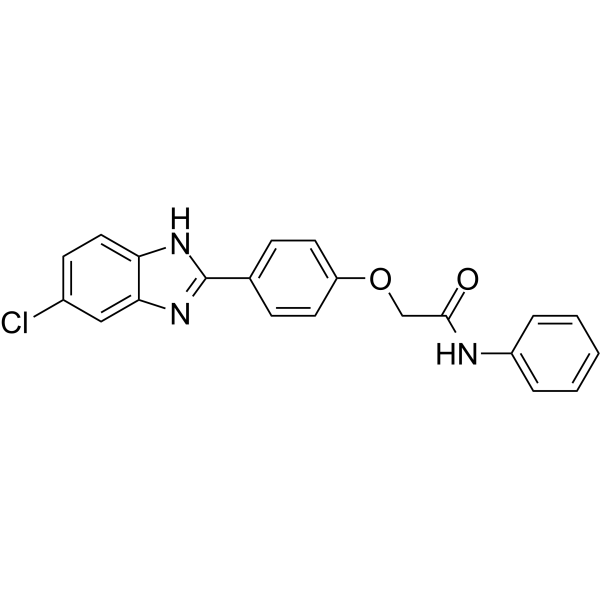
JNJ-2901 is an inhibitor of M. tuberculosis cytochrome bc1:aa3. JNJ-2901 reduces bacterial load in the acute/chronic mouse infection models of M. tuberculosis H37Rv-ΔcydAB. JNJ-2901 can be used in tuberculosis (TB) research .
|
-
-
- HY-N0444R
-
|
|
Reference Standards
Reactive Oxygen Species (ROS)
Apoptosis
Fungal
Parasite
NF-κB
HBV
Bacterial
|
Infection
Neurological Disease
Metabolic Disease
Inflammation/Immunology
Cancer
|
|
Rubiadin (Standard) is the analytical standard of Rubiadin (HY-N0444). This product is intended for research and analytical applications. Rubiadin is an orally active free radical scavenger that inhibits the activation of the NF-κB pathway. Rubiadin inhibits osteoclast formation, bone resorption, lipid peroxidation, HBV DNA replication and cancer cell proliferation; reduces pro-inflammatory cytokine levels; induces cancer cell apoptosis; and possesses antifungal, antimalarial, antibacterial and anticonvulsant activities. Rubiadin can be used in the research of osteoporosis, acute inflammation, chronic inflammation, carbon tetrachloride-induced liver injury, Alzheimer's disease, breast cancer, iron overload disorders, hepatitis B virus infection, colon cancer, liver cancer, T-lymphocytic leukemia, cervical cancer, diabetic nephropathy, epileptic seizures, fungal infections, malaria and bacterial infections.
|
-
-
- HY-151164
-
|
|
Bacterial
|
Infection
|
|
LasR-IN-2 is a LasR inhibitor that forms H-bonding with TRY-56 residue. LasR-IN-2 can be used in the research of bacterial infection, neutropenia, severe burns and chronic lung disease in cystic fibrosis (CF) .
|
-
-
- HY-P10970
-
|
|
Bacterial
|
Infection
|
|
RT2 is a tryptophan-rich cationic amphipathic antibacterial peptide, with main targets including lipopolysaccharide (LPS) on the bacterial surface and intracellular DNA. RT2 binds to bacterial surface LPS, and interacts with cytoplasmic membrane phospholipids, enabling it to rapidly penetrate the bacterial cell membrane and enter the cell, and then bind to components such as DNA in the cytoplasmic membrane, thereby exerting antibacterial effects. RT2 is promising for research of acute and chronic infections caused by planktonic bacteria .
|
-
-
- HY-136436S
-
|
|
Isotope-Labeled Compounds
Antibiotic
Bacterial
Drug Metabolite
Fungal
|
Infection
Inflammation/Immunology
|
|
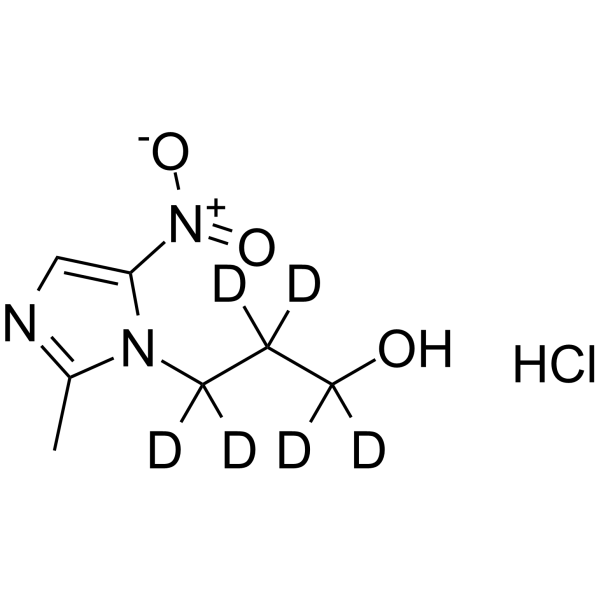
Ternidazole-d6 hydrochloride is the deuterium labeled Ternidazole hydrochloride (HY-136436). Ternidazole hydrochloride is a nitroimidazole Antibiotic with anti-pathogenic microbial activity. Ternidazole hydrochloride kills and inhibits the visible growth of Clostridium perfringens type A in vitro. Ternidazole hydrochloride helps improve the therapeutic efficacy against bacterial vaginosis, candidal vaginitis and mixed vaginitis. Ternidazole hydrochloride effectively alleviates chronic alcoholism. Ternidazole hydrochloride can be used in research related to vaginitis, pathogenic microbial infections and chronic alcoholism .
|
-
-
- HY-B0958R
-
|
BRL-4910A (Standard); Pseudomonic acid (Standard)
|
Reference Standards
Bacterial
Antibiotic
Aminoacyl-tRNA Synthetase
|
Infection
Endocrinology
|
|
Mupirocin (Standard) is the analytical standard of Mupirocin (HY-B0958). This product is intended for research and analytical applications. Mupirocin is an antibiotic. Mupirocin inhibits bacterial isoleucyl-tRNA synthetase, blocking protein synthesis. Mupirocin has high activity against Gram-positive bacteria such as Staphylococcus and Streptococcus, as well as some Gram-negative bacteria (such as Haemophilus influenzae). Mupirocin can be used in the research of diseases such as skin infections (such as MRSA infections) and chronic sinusitis .
|
-
-
- HY-136436R
-
|
|
Reference Standards
Antibiotic
Bacterial
Drug Metabolite
Fungal
|
Infection
Inflammation/Immunology
|
|
Ternidazole hydrochloride (Standard) is the analytical standard of Ternidazole hydrochloride (HY-136436). This product is intended for research and analytical applications. Ternidazole hydrochloride is a nitroimidazole Antibiotic with anti-pathogenic microbial activity. Ternidazole hydrochloride kills and inhibits the visible growth of Clostridium perfringens type A in vitro. Ternidazole hydrochloride helps improve the therapeutic efficacy against bacterial vaginosis, candidal vaginitis and mixed vaginitis. Ternidazole hydrochloride effectively alleviates chronic alcoholism. Ternidazole hydrochloride can be used in research related to vaginitis, pathogenic microbial infections and chronic alcoholism .
|
-
-
- HY-W108875R
-
|
BRL-4910A lithium (Standard); Pseudomonic acid lithium (Standard)
|
Antibiotic
Bacterial
Reference Standards
Aminoacyl-tRNA Synthetase
|
Infection
Endocrinology
|
|
Mupirocin (lithium) (Standard) is the analytical standard of Mupirocin lithium (HY-W108875). This product is intended for research and analytical applications. Mupirocin lithium is an antibiotic. Mupirocin lithium inhibits bacterial isoleucyl-tRNA synthetase, blocking protein synthesis. Mupirocin lithium has high activity against Gram-positive bacteria such as Staphylococcus and Streptococcus, as well as some Gram-negative bacteria (such as Haemophilus influenzae). Mupirocin lithium can be used in the research of diseases such as skin infections (such as MRSA infections) and chronic sinusitis .
|
-
-
- HY-D3194
-
|
|
Fluorescent Dye
|
Infection
|
|
CDy14 is a fluorescent probe targeting the extracellular polysaccharide Psl. CDy14 enables the detection of biofilms. CDy14 can be used for research on chronic bacterial infections .
|
-
-
- HY-E71367
-
|
|
Proteolytic Enzyme
Bacterial
Fungal
|
Cardiovascular Disease
Infection
Inflammation/Immunology
Cancer
|
|
Bromelain USP is an orally active proteolytic agent. Bromelain USP converts plasminogen to plasmin to support fibrinolysis, cleaves CD44 adhesion molecules from cell surfaces, and diminishes uPAR expression and uPA activity. Bromelain USP can inhibit the activity of a variety of fungi and bacteria. Bromelain USP can be used for the research of angina pectoris, atherosclerotic disease, fungal infections, bacterial infections, chronic inflammatory bowel disease, and cancer .
|
-
-
- HY-181146
-
|
TBD09
|
Bacterial
|
Infection
|
|
MK-7762 is an orally active xazolidinone compound with antitubercular activity. MK-7762 inhibits MAO-B and mammalian mitochondrial protein synthesis. MK-7762 reduces lung bacterial burden in BALB/c mouse models of acute and chronic tuberculosis infection, penetrates caseous necrotic lung lesions in C3HeB/FeJ mice, and maintains concentrations above unbound MIC in lesion compartments. MK-7762 can be used for the research of tuberculosis .
|
-
| Cat. No. |
Product Name |
Type |
-
- HY-D3194
-
|
|
Fluorescent Dyes
|
|
CDy14 is a fluorescent probe targeting the extracellular polysaccharide Psl. CDy14 enables the detection of biofilms. CDy14 can be used for research on chronic bacterial infections .
|
| Cat. No. |
Product Name |
Target |
Research Area |
-
- HY-P10970
-
|
|
Bacterial
|
Infection
|
|
RT2 is a tryptophan-rich cationic amphipathic antibacterial peptide, with main targets including lipopolysaccharide (LPS) on the bacterial surface and intracellular DNA. RT2 binds to bacterial surface LPS, and interacts with cytoplasmic membrane phospholipids, enabling it to rapidly penetrate the bacterial cell membrane and enter the cell, and then bind to components such as DNA in the cytoplasmic membrane, thereby exerting antibacterial effects. RT2 is promising for research of acute and chronic infections caused by planktonic bacteria .
|
| Cat. No. |
Product Name |
Category |
Target |
Chemical Structure |
-
- HY-B0958
-
-
-
- HY-N0444
-
|
|
Quinones
Structural Classification
Classification of Application Fields
Anthraquinones
Rubiaceae
Phenols
Polyphenols
Plants
Morinda officinalis How
Inflammation/Immunology
Disease Research Fields
Source Classification
|
Reactive Oxygen Species (ROS)
NF-κB
HBV
Apoptosis
Bacterial
Fungal
Parasite
|
|
Rubiadin is an orally active free radical scavenger that inhibits the activation of the NF-κB pathway. Rubiadin inhibits osteoclast formation, bone resorption, lipid peroxidation, HBV DNA replication and cancer cell proliferation; reduces pro-inflammatory cytokine levels; induces cancer cell apoptosis; and possesses antifungal, antimalarial, antibacterial and anticonvulsant activities. Rubiadin can be used in the research of osteoporosis, acute inflammation, chronic inflammation, carbon tetrachloride-induced liver injury, Alzheimer's disease, breast cancer, iron overload disorders, hepatitis B virus infection, colon cancer, liver cancer, T-lymphocytic leukemia, cervical cancer, diabetic nephropathy, epileptic seizures, fungal infections, malaria and bacterial infections .
|
-
-
- HY-N5112A
-
|
Arnebin 1
|
Quinones
Structural Classification
other families
Classification of Application Fields
Other Diseases
Plants
Naphthalene Quinones
Pteris livida Mett.
Disease Research Fields
|
FGFR
Necroptosis
Apoptosis
CDK
JNK
|
|
β,β-Dimethylacrylalkannin (Arnebin 1) is an orally active FGFR1 inhibitor (IC50=2.5 μM) and the main active component of Lithospermum erythrorhizon. β,β-Dimethylacrylalkannin blocks downstream signaling by binding to the ATP pocket of FGFR1, and regulates the CDK1/Cdc25C pathway and ROS-JNK axis, thereby inducing G2/M phase arrest, necrosis and apoptosis in cancer cells, and inhibiting tumor proliferation. β,β-Dimethylacrylalkannin also acts as a colistin adjuvant to disrupt the cell membrane of Gram-negative bacteria. β,β-Dimethylacrylalkannin exhibits significant tumor-inhibitory effects with no obvious toxicity in PDX models, but chronic exposure to high doses may alter the relative lung/liver weights of rats, while acute exposure to high doses causes responses such as reduced motor activity. β,β-Dimethylacrylalkannin finds wide application in studies related to hepatocellular carcinoma, colorectal cancer, colistin-resistant bacterial infections, hepatitis and psoriasis .
|
-
-
- HY-136436
-
-
-
- HY-136436A
-
|
|
Structural Classification
Natural Products
Animals
Source Classification
|
Antibiotic
Bacterial
Drug Metabolite
Fungal
|
|
Ternidazole is a nitroimidazole Antibiotic with anti-pathogenic microbial activity. Ternidazole kills and inhibits the visible growth of Clostridium perfringens type A in vitro. Ternidazole helps improve the therapeutic efficacy against bacterial vaginosis, candidal vaginitis and mixed vaginitis. Ternidazole effectively alleviates chronic alcoholism. Ternidazole can be used in research related to vaginitis, pathogenic microbial infections and chronic alcoholism .
|
-
-
- HY-N0444R
-
|
|
Quinones
Structural Classification
Anthraquinones
Rubiaceae
Phenols
Polyphenols
Plants
Morinda officinalis How
Source Classification
|
Reference Standards
Reactive Oxygen Species (ROS)
Apoptosis
Fungal
Parasite
NF-κB
HBV
Bacterial
|
|
Rubiadin (Standard) is the analytical standard of Rubiadin (HY-N0444). This product is intended for research and analytical applications. Rubiadin is an orally active free radical scavenger that inhibits the activation of the NF-κB pathway. Rubiadin inhibits osteoclast formation, bone resorption, lipid peroxidation, HBV DNA replication and cancer cell proliferation; reduces pro-inflammatory cytokine levels; induces cancer cell apoptosis; and possesses antifungal, antimalarial, antibacterial and anticonvulsant activities. Rubiadin can be used in the research of osteoporosis, acute inflammation, chronic inflammation, carbon tetrachloride-induced liver injury, Alzheimer's disease, breast cancer, iron overload disorders, hepatitis B virus infection, colon cancer, liver cancer, T-lymphocytic leukemia, cervical cancer, diabetic nephropathy, epileptic seizures, fungal infections, malaria and bacterial infections.
|
-
-
- HY-B0958R
-
-
-
- HY-136436R
-
|
|
Structural Classification
Natural Products
Endogenous metabolite
Source Classification
|
Reference Standards
Antibiotic
Bacterial
Drug Metabolite
Fungal
|
|
Ternidazole hydrochloride (Standard) is the analytical standard of Ternidazole hydrochloride (HY-136436). This product is intended for research and analytical applications. Ternidazole hydrochloride is a nitroimidazole Antibiotic with anti-pathogenic microbial activity. Ternidazole hydrochloride kills and inhibits the visible growth of Clostridium perfringens type A in vitro. Ternidazole hydrochloride helps improve the therapeutic efficacy against bacterial vaginosis, candidal vaginitis and mixed vaginitis. Ternidazole hydrochloride effectively alleviates chronic alcoholism. Ternidazole hydrochloride can be used in research related to vaginitis, pathogenic microbial infections and chronic alcoholism .
|
-
| Cat. No. |
Product Name |
Chemical Structure |
-
- HY-136436S
-
|
|
|
Ternidazole-d6 hydrochloride is the deuterium labeled Ternidazole hydrochloride (HY-136436). Ternidazole hydrochloride is a nitroimidazole Antibiotic with anti-pathogenic microbial activity. Ternidazole hydrochloride kills and inhibits the visible growth of Clostridium perfringens type A in vitro. Ternidazole hydrochloride helps improve the therapeutic efficacy against bacterial vaginosis, candidal vaginitis and mixed vaginitis. Ternidazole hydrochloride effectively alleviates chronic alcoholism. Ternidazole hydrochloride can be used in research related to vaginitis, pathogenic microbial infections and chronic alcoholism .
|
-
Your information is safe with us. * Required Fields.
Inquiry Information
- Product Name:
- Cat. No.:
- Quantity:
- MCE Japan Authorized Agent:

