



β,β-Dimethylacrylalkannin
Based on 3 publication(s) in Google Scholar
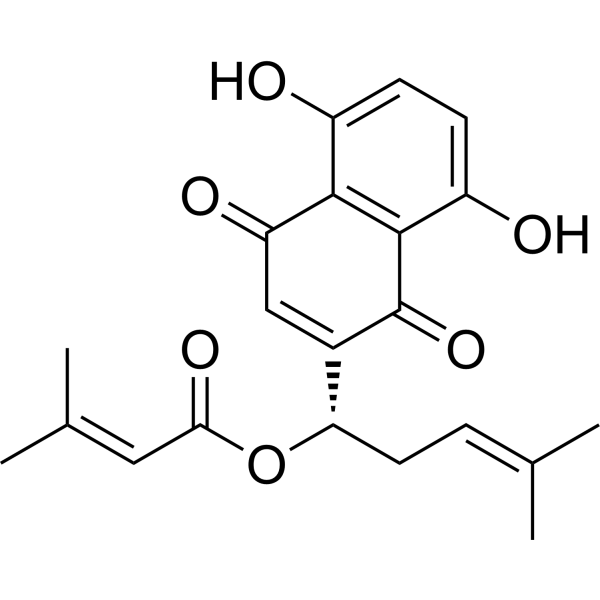
β,β-Dimethylacrylalkannin (Arnebin 1) is an orally active FGFR1 inhibitor (IC50=2.5 μM) and the main active component of Lithospermum erythrorhizon. β,β-Dimethylacrylalkannin blocks downstream signaling by binding to the ATP pocket of FGFR1, and regulates the CDK1/Cdc25C pathway and ROS-JNK axis, thereby inducing G2/M phase arrest, necrosis and apoptosis in cancer cells, and inhibiting tumor proliferation. β,β-Dimethylacrylalkannin also acts as a colistin adjuvant to disrupt the cell membrane of Gram-negative bacteria. β,β-Dimethylacrylalkannin exhibits significant tumor-inhibitory effects with no obvious toxicity in PDX models, but chronic exposure to high doses may alter the relative lung/liver weights of rats, while acute exposure to high doses causes responses such as reduced motor activity. β,β-Dimethylacrylalkannin finds wide application in studies related to hepatocellular carcinoma, colorectal cancer, colistin-resistant bacterial infections, hepatitis and psoriasis.
연구목적의 판매만을 진행합니다. 환자를 대상으로 한 판매는 하지 않습니다.
- Purity : 99.36%
- CAS No.: 34539-65-6
- 화학식: C21H22O6
- 분자량:370.40
-
보관:
4°C, protect from light
* In solvent : -80°C, 6 months; -20°C, 1 month (protect from light)

To place orders, for customer services and technical support, please contact: MedChemExpress USA
Tel: 609-228-6898 E-mail: [email protected] [email protected]


-
 Biological Activity
-
Chemical Information
-
용액&용해도
- Protocol
- 순도&문서
- References
-
 Help & FAQs


-
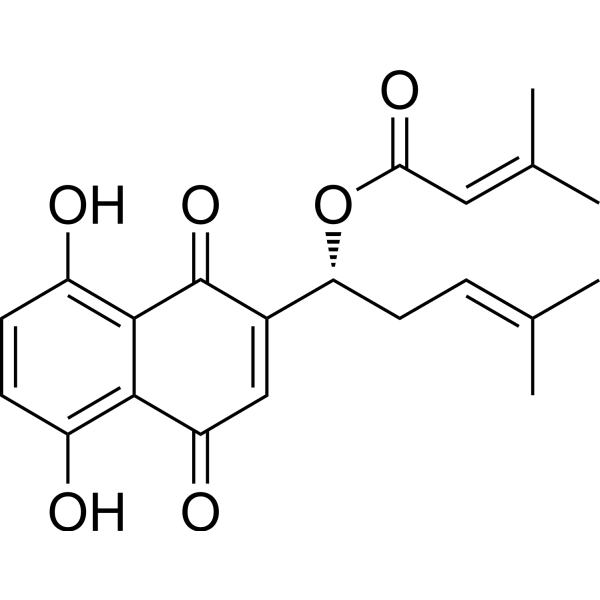
HY-N5112B
β,β-DimethylacrylshikoninAnticancer Compound -
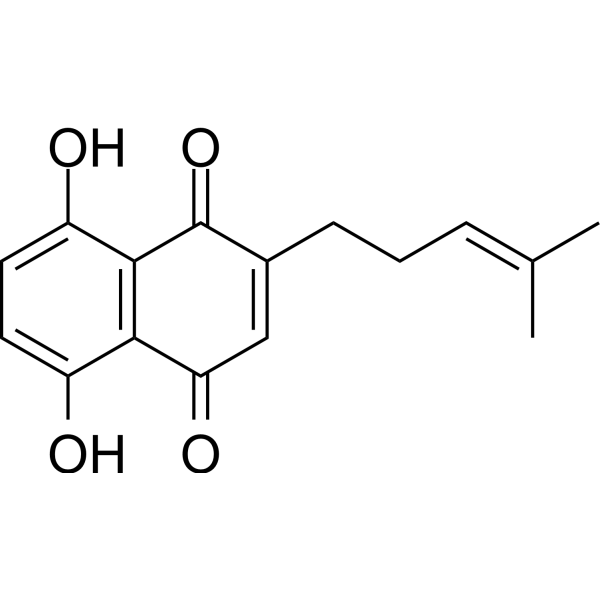
HY-N2187
DeoxyshikoninAntibacterial Agent -
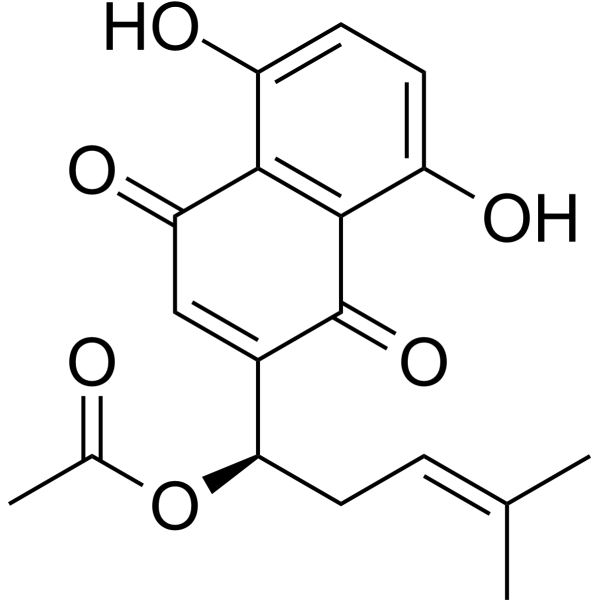
HY-N2181
AcetylshikoninAnti-inflammatory agent, AChE Inhibitor, P450 Inhibitor, Neuroprotective agents -
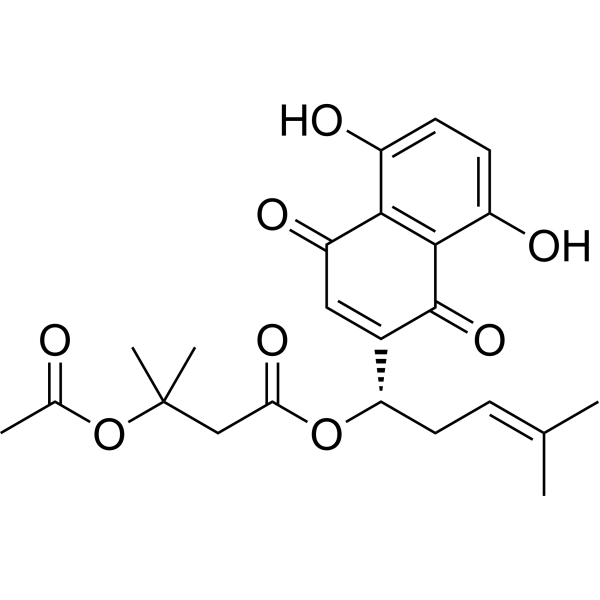
HY-N2188
Beta-AcetoxyisovalerylshikoninHIV Inhibitor -
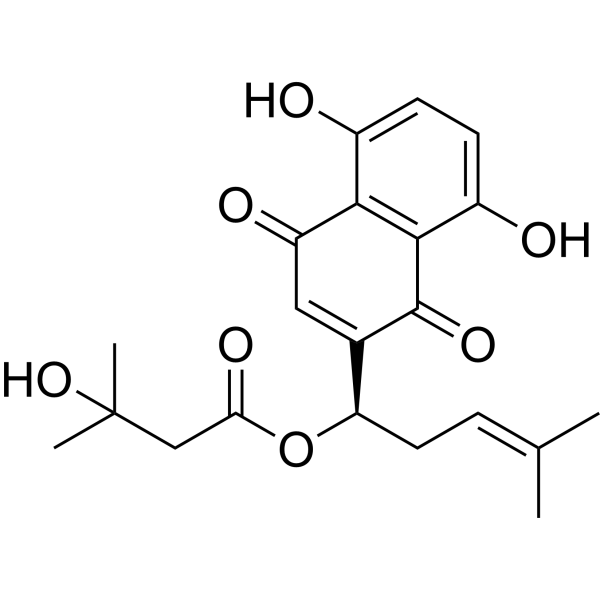
HY-N4201
β-HydroxyisovalerylshikoninSrc Inhibitor -
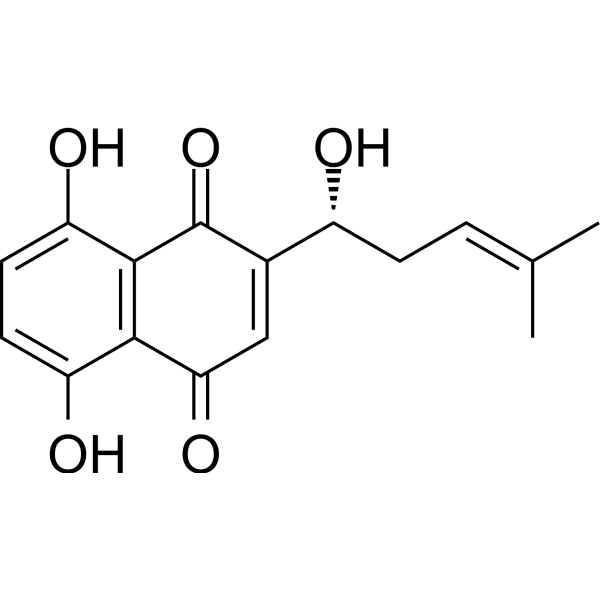
HY-N0822
ShikoninChloride Channel Inhibitor -
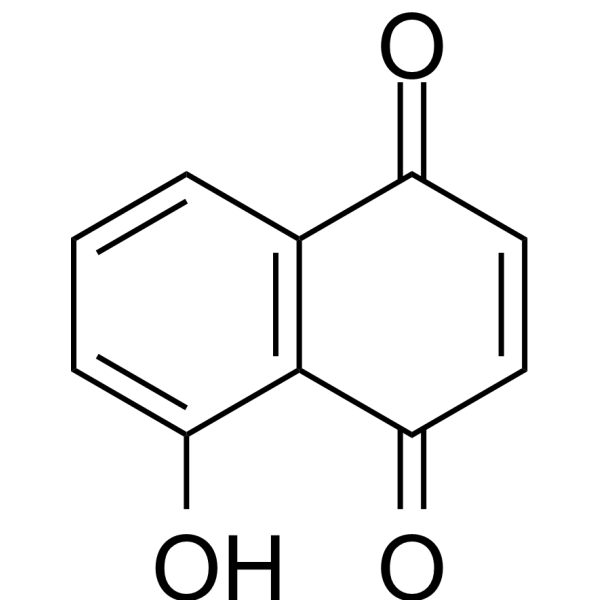
HY-N6949
JugloneAntimicrobial Drug -
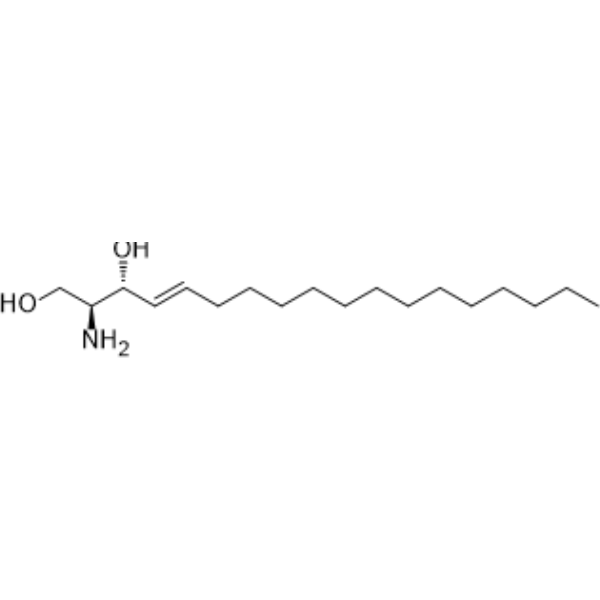
HY-101047
D-erythro-SphingosinePKC Inhibitor -
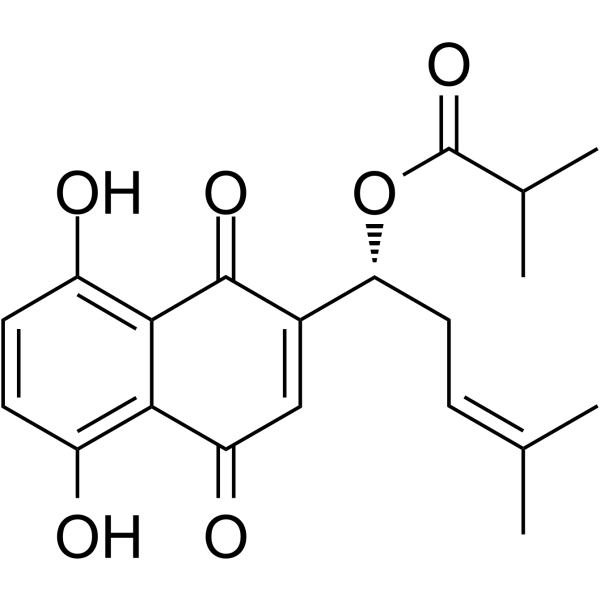
HY-N2592
IsobutylshikoninShikonin Pigment -
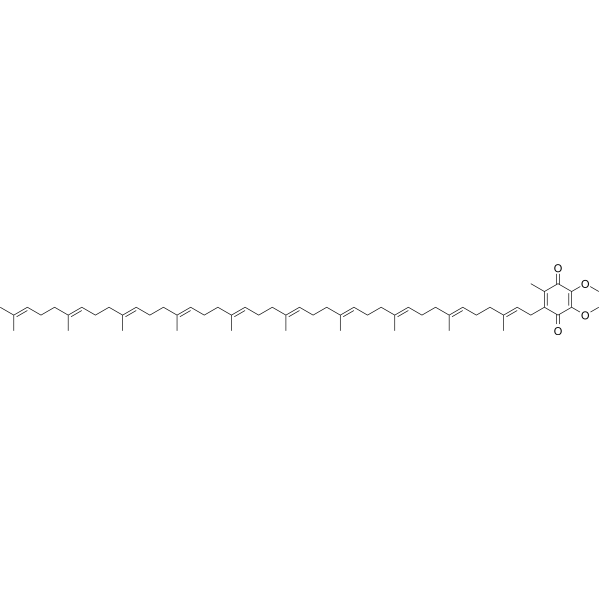
HY-N0111
Coenzyme Q10Antioxidant -
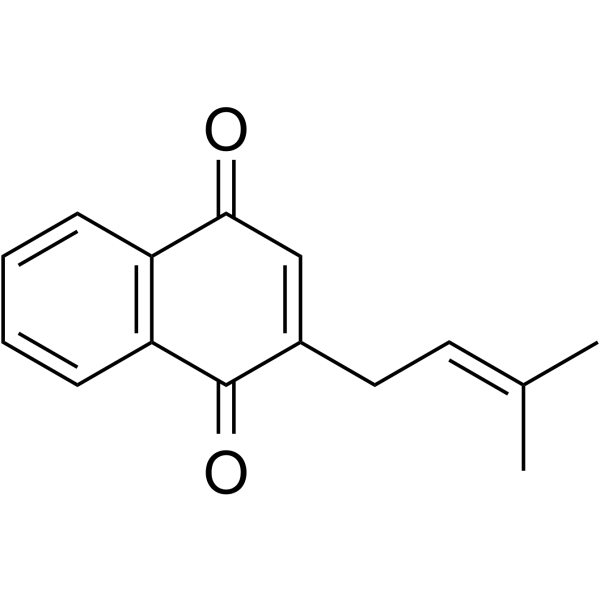
HY-N3733
DeoxylapacholFungal Inhibitor -

HY-N0111R
Coenzyme Q10 (Standard)Antioxidant
Publications Citing Use of MedChemExpress (MCE) β,β-Dimethylacrylalkannin
More

Biological Activity
제품 설명
IC50 & Target
|
FGFR1 2.5 μM (IC50) |
Cellular Effect
|
Cell Line

|
Type | Value | Description | References |
|---|---|---|---|---|
| AU565 | IC50 |
0.62 μM
Compound: 2
|
Cytotoxicity against human AU565 cells after 48 hrs by MTT assay
Cytotoxicity against human AU565 cells after 48 hrs by MTT assay
|
[PMID: 20405844] |
| DU-145 | IC50 |
4.81 μM
Compound: 2
|
Cytotoxicity against human DU145 cells after 48 hrs by MTT assay
Cytotoxicity against human DU145 cells after 48 hrs by MTT assay
|
[PMID: 20405844] |
| HeLa | IC50 |
0.96 μM
Compound: 2
|
Cytotoxicity against human HeLa cells after 48 hrs by MTT assay
Cytotoxicity against human HeLa cells after 48 hrs by MTT assay
|
[PMID: 20405844] |
| Hep 3B2 | IC50 |
4.09 μM
Compound: 2
|
Cytotoxicity against human Hep3B cells after 48 hrs by MTT assay
Cytotoxicity against human Hep3B cells after 48 hrs by MTT assay
|
[PMID: 20405844] |
| HepG2 | IC50 |
1 μM
Compound: 2
|
Cytotoxicity against human HepG2 cells after 48 hrs by MTT assay
Cytotoxicity against human HepG2 cells after 48 hrs by MTT assay
|
[PMID: 20405844] |
| HT-29 | IC50 |
0.8 μM
Compound: 2
|
Cytotoxicity against human HT-29 cells after 48 hrs by MTT assay
Cytotoxicity against human HT-29 cells after 48 hrs by MTT assay
|
[PMID: 20405844] |
| LNCaP | IC50 |
11.26 μM
Compound: 2
|
Cytotoxicity against human LNCAP cells after 48 hrs by MTT assay
Cytotoxicity against human LNCAP cells after 48 hrs by MTT assay
|
[PMID: 20405844] |
| MCF7 | IC50 |
5.15 μM
Compound: 2
|
Cytotoxicity against human MCF7 cells after 48 hrs by MTT assay
Cytotoxicity against human MCF7 cells after 48 hrs by MTT assay
|
[PMID: 20405844] |
| MDA-MB-231 | IC50 |
0.32 μM
Compound: 2
|
Cytotoxicity against human MDA-MB-231 cells after 48 hrs by MTT assay
Cytotoxicity against human MDA-MB-231 cells after 48 hrs by MTT assay
|
[PMID: 20405844] |
| NIH3T3 | IC50 |
0.77 μM
Compound: 2
|
Cytotoxicity against mouse 3T3 cells after 48 hrs by MTT assay
Cytotoxicity against mouse 3T3 cells after 48 hrs by MTT assay
|
[PMID: 20405844] |
| PC-3 | IC50 |
1.1 μM
Compound: 2
|
Cytotoxicity against human PC3 cells after 48 hrs by MTT assay
Cytotoxicity against human PC3 cells after 48 hrs by MTT assay
|
[PMID: 20405844] |
| SAOS-2 | IC50 |
0.84 μM
Compound: 2
|
Cytotoxicity against human Saos2 cells after 48 hrs by MTT assay
Cytotoxicity against human Saos2 cells after 48 hrs by MTT assay
|
[PMID: 20405844] |
| SK-BR-3 | IC50 |
0.68 μM
Compound: 2
|
Cytotoxicity against human SKBR3 cells after 48 hrs by MTT assay
Cytotoxicity against human SKBR3 cells after 48 hrs by MTT assay
|
[PMID: 20405844] |
| Vero | IC50 |
0.32 μM
Compound: 2
|
Cytotoxicity against african green monkey Vero cells after 48 hrs by MTT assay
Cytotoxicity against african green monkey Vero cells after 48 hrs by MTT assay
|
[PMID: 20405844] |
In Vitro
β,β-Dimethylacrylalkannin (0.1-100 μM; 24, 48 h) significantly reduces the viability of HepG2 and Huh7 hepatocellular carcinoma (HCC) cells in a dose-dependent manner[1].
β,β-Dimethylacrylalkannin (1-5 μM; 24 h) regulates cell cycle regulatory proteins in HepG2 and Huh7 hepatocellular carcinoma cells, reduces the activity of the Cyclin B1/CDK1 complex, and inhibits Cdc25C function, thereby inducing G2/M phase arrest[1].
β,β-Dimethylacrylalkannin (30 μM; 8-24 h) induces necrosis in HepG2 and Huh7 hepatocellular carcinoma (HCC) cells, and this effect is not inhibited by ferroptosis or necroptosis inhibitors[1].
β,β-Dimethylacrylalkannin (2.5 μM; 72 h) inhibits the growth of patient-derived colorectal cancer organoids, such as Huh7 organoids[1][2].
β,β-Dimethylacrylalkannin (5-10 μM; 24 h) induces G1-phase cell cycle arrest in HCT 116, DLD-1, SW 620 and HCT-15 colorectal cancer cells[2].
β,β-Dimethylacrylalkannin inhibits FGFR1-mediated downstream signaling pathways in HCT 116, DLD-1, SW 620 and HCT-15 colorectal cancer cells, and reduces the phosphorylation levels of FRS2, JAK2, STAT3 and MEK1/2 without altering the total protein levels[2].
Combination treatment with β,β-Dimethylacrylalkannin (8 μg/mL; 1 h) and polymyxin alters the gene expression profiles of polymyxin-resistant Escherichia coli BW25113-mcr-1 and *Escherichia coli BW25113-pmrBR93P, significantly downregulating lptD and upregulating marR, thereby disrupting LPS transport and efflux pump activity[3].
MedChemExpress (MCE) has not independently confirmed the accuracy of these methods. They are for reference only. Further protocols information, click here.
-
Cell Line:HepG2, Huh7 (3D spheroids)
-
Concentration:1-30 μM
-
Incubation Time:8 days
-
Result:Suppressed spheroid growth in a dose-dependent manner.
Showed minimal spheroid growth, sparse edges, scattered single cells, and significant PI-positive dead cells in high-dose groups.
Showed inhibited volume growth but fewer PI-positive cells in low-dose groups.
-
Cell Line:HepG2, Huh7
-
Concentration:1-5 μM
-
Incubation Time:24 h
-
Result:Reduced Cyclin B1 and CDK1 expression, diminished binding between CDK1 and Cyclin B1, decreased CDK1 phosphorylation at Thr-161, increased CDK1 phosphorylation at Tyr-15 and Thr-14, decreased total Cdc25C expression, and increased Cdc25C phosphorylation at Ser-216 in both cell lines.
-
Cell Line:HepG2, Huh7
-
Concentration:1-5 μM (24 h incubation); 10-30 μM (4 h incubation); 5 μM (24 h with SP600125/siRNA); 30 μM (24 h with SP600125/siRNA)
-
Incubation Time:4 h (high dose); 24 h (low dose; with SP600125/siRNA)
-
Result:Increased phosphorylated JNK levels at both low and high doses, which was reversed by NAC.
Prevented low-dose-induced G2/M phase arrest when co-treated with JNK inhibitor SP600125 (20 μM) or JNK knockdown.
Did not block high-dose-induced necrosis when co-treated with SP600125 or JNK knockdown.
-
Cell Line:CCD-18Co normal colon fibroblasts; HCT 116, HCT-15, SW 620, DLD-1 colorectal cancer cells
-
Concentration:1.25-10 μM
-
Incubation Time:24-72 h
-
Result:Showed no significant toxicity to CCD-18Co normal colon fibroblasts at 10 μM across 24, 48, or 72 h.
Suppressed proliferation of colorectal cancer cells in a dose-dependent and time-dependent manner.
Exhibited greater inhibitory effect on DLD-1 and HCT 116 cell proliferation than oxaliplatin at 2.5 and 10 μM.
In Vivo
β,β-Dimethylacrylalkannin (60-120 mg/kg; p.o.; daily; 29-57 days) inhibits tumor growth in FGFR1-positive colorectal cancer PDX mice with average tumor weight reductions ranging from 33.6% to 67.8%, and exhibits no notable systemic toxicity[2].
β,β-Dimethylacrylalkannin (2 mg/kg; i.p.; single dose) combined with colistin (0.2 mg/kg; i.p.; single dose) increases survival to 80% and reduces bacterial organ burdens in mice with systemic Klebsiella pneumoniae infection[3].
β,β-Dimethylacrylalkannin (10 g/kg; p.o.; single dose) has an oral LD50 greater than 10 g/kg bw in KM mice, with transient mild toxicity signs and no lasting pathological changes in surviving animals[4].
β,β-Dimethylacrylalkannin (10 g/kg; p.o.; single dose) has an oral MTD greater than 10 g/kg bw in Wistar rats, with only transient mild toxicity signs and no pathological changes observed[4].
β,β-Dimethylacrylalkannin (10-160 mg/kg/day; p.o.; 6 days per week; 26 weeks) administered orally for 26 weeks at up to 160 mg/kg/day in Wistar rats causes only transient, reversible changes and dose-related renal tubular pigmentation, with a NOAEL of 10 mg/kg/day[4].
MedChemExpress (MCE) has not independently confirmed the accuracy of these methods. They are for reference only.
-
Animal Model:BALB/c nude mice with Hepatocellular carcinoma (male)[1]
-
Dosage:5 mg/kg; 20 mg/kg
-
Administration:p.o.; daily; 14 days
-
Result:Significantly inhibited tumor volume growth over the 14-day period, with the 20 mg/kg dose showing more pronounced reduction.
Significantly reduced tumor weights compared to controls, with the 20 mg/kg group having the smallest tumor mass.
Induced vacuole formation in tumor tissue.
Reduced Ki67 expression, indicating suppressed tumor cell proliferation.
-
Animal Model:BALB/c mice with Systemic bacterial infection (female, 8 weeks old, 20 g)[3]
-
Dosage:2 mg/kg (in combination with colistin 0.2 mg/kg)
-
Administration:i.p.; single dose
-
Result:Increased mouse survival rate from 20% to 80% at day 5 post-infection.
Reduced bacterial loads in the heart, liver, spleen, lung, and kidneys by 1.5-6 Log10 CFUs/g compared to control groups.
Substantially mitigated tissue damage including cardiac edema, hepatic necrosis, inflammatory infiltration, spleen pulp atrophy, alveolar congestion, and renal interstitial congestion.


Chemical Information
-
CAS No. 34539-65-6
-
Appearance Solid
-
분자량 370.40
-
화학식 C21H22O6
-
Color Brown to reddish brown
-
SMILES
C/C(C)=C\C(O[C@H](C(C1=O)=CC(C2=C1C(O)=CC=C2O)=O)C/C=C(C)\C)=O
-
Synonyms
Arnebin 1
-
Structure Classification
-
선적
Room temperature in continental US; may vary elsewhere.
-
보관
4°C, protect from light
* In solvent : -80°C, 6 months; -20°C, 1 month (protect from light)


Publications (3)
-
Journal Impact Factor
-
Most Recent
-
Phytomedicine
β,β-Dimethylacrylalkannin, a key component of Zicao, induces cell cycle arrest and necrosis in hepatocellular carcinoma cells. [Abstract]2024 Nov:134:155959. PMID: 39178682 -
Molecules
β,β-Dimethylacrylalkannin, a Natural Naphthoquinone, Inhibits the Growth of Hepatocellular Carcinoma Cells by Modulating Tumor-Associated Macrophages. [Abstract]2024 Aug 20;29(16):3919. PMID: 39202998 -
Vet Microbiol
Identification and evaluation of Nordihydroguaiaretic acid (NDGA) as an active traditional Chinese medicine compound inhibiting the 3C-like protease of feline infectious peritonitis virus. [Abstract]2025 Sep 15:310:110730. PMID: 40976146


용액&용해도
In Vitro:
DMSO : 23.75 mg/mL (64.12 mM; Need ultrasonic; Hygroscopic DMSO has a significant impact on the solubility of product, please use newly opened DMSO)
Please refer to the solubility information to select the appropriate solvent. Once prepared, please aliquot and store the solution to prevent product inactivation from repeated freeze-thaw cycles.
Storage method and period of stock solution: -80°C, 6 months; -20°C, 1 month (protect from light). When stored at -80°C, please use it within 6 months. When stored at -20°C, please use it within 1 month.
Please refer to the solubility information to select the appropriate solvent. Once prepared, please aliquot and store the solution to prevent product inactivation from repeated freeze-thaw cycles.
Storage method and period of stock solution: -80°C, 6 months; -20°C, 1 month (protect from light). When stored at -80°C, please use it within 6 months. When stored at -20°C, please use it within 1 month.
Concentration (start) × Volume (start) = Concentration (final) × Volume (final)

Protocol
-
Annexin V plus membrane-impermeant dye apoptosis staining
Annexin V-based apoptosis assays rely on the detection of phosphatidylserine (PS) externalization from the inner leaflet of the plasma membrane to the outer leaflet, an early biochemical hallmark of apoptosis. Fluorescently labeled Annexin V binds PS in a calcium-dependent manner, enabling identification of early apoptotic cells by flow cytometry or fluorescence microscopy. When combined with a membrane-impermeant DNA-binding dye (e. g. , propidium iodide), this approach allows discrimination between viable (Annexin V−/dye−), early apoptotic (Annexin V+/dye−), and late apoptotic or necrotic (Annexin V+/dye+) cell populations by assessing membrane integrity and PS exposure.
-
ROS/oxidative-stress fluorescent staining
ROS/oxidative-stress fluorescent staining uses cell-permeant fluorogenic probes that become fluorescent after oxidation inside cells or tissues; commonly used examples include DCFH-DA/DCFDA for broad cellular oxidant detection, DHE for superoxide-related signal detection, MitoSOX for mitochondrial superoxide-related signal detection, and CellROX probes for oxidative-stress-associated fluorescence readouts. The assay detects probe oxidation rather than a single ROS species unless the probe and analysis method have been chemically validated for that species. DCFH-DA enters cells, is deacetylated by intracellular esterases to DCFH, and produces fluorescent DCF after oxidation, so the readout is used as an operational measure of total cellular oxidative stress rather than a species-specific ROS measurement. DHE and MitoSOX can report superoxide-related oxidation, but red fluorescence alone can include non-specific ethidium-like oxidation products; HPLC or optimized spectral approaches are
-
Protocol for Cell Cycle
Cell-cycle analysis by flow cytometry measures DNA content in single cells to estimate the fraction of cells in G0/G1, S, and G2/M phases. Propidium iodide intercalates into DNA, and after RNA removal with RNase, fluorescence intensity reflects cellular DNA content: 2N cells are assigned to G0/G1, cells between 2N and 4N to S phase, and 4N cells to G2/M. DNA-content analysis alone cannot reliably separate G0 from G1 or G2 from M. Ki-67 can distinguish quiescent G0 cells from cycling cells, EdU or BrdU incorporation marks active DNA synthesis in S phase, and phospho-histone H3 staining identifies mitotic cells within the 4N population.
-
Gram Staining of Tissue Sections
Gram staining of tissue sections is a histochemical technique used to differentiate Gram-positive and Gram-negative bacteria within histological specimens based on differences in bacterial cell wall structure and dye retention, adapted from classical bacteriological Gram staining into tissue-compatible “histological Gram stain” variants. In tissue applications, modifications of the Brown-Hopps and Brown-Brenn methods are commonly used to improve differentiation of microorganisms embedded within host connective tissue and to reduce overstaining or loss of Gram-negative signal, which are known limitations of earlier approaches. The principle relies on crystal violet-iodine complex retention in Gram-positive organisms and subsequent decolorization and counterstaining steps that allow contrast visualization of Gram-negative organisms against tissue background.
-
Liver Cancer Modeling
Liver cancer can be classified into primary liver cancer and secondary liver cancer. Secondary liver cancer is the metastatic liver cancer. Primary liver cancer includes hepatocellular carcinoma (HCC), intrahepatic cholangiocarcinoma (ICC) and fibrolamellar HCC, of which HCC is the most common form, accounting for approximately 90% of primary liver cancers[1]. HCC mouse models include chemical agent-induced models, transplanted tumor models, and genetic engineered models.
-
Cell Viability Determination by MTT Colorimetric Assay
The following protocol uses the MTT colorimetric assay as a classic literature-established method for assessing cell viability/metabolic activity in cultured mammalian cells. MTT[3-(4,5-dimethylthiazol-2-yl)-2,5-diphenyltetrazolium bromide] is reduced by metabolically active cells to a colored formazan product; the amount of formazan is quantified spectrophotometrically and provides an indirect measure of metabolically active viable cells. Importantly, MTT reduction reflects cellular oxidoreductase/metabolic activity rather than an absolute direct count of living cells, so changes in cellular metabolism can alter the signal independently of cell number.
-
Apoptosis
Apoptosis, also called programmed cell death, is generally characterized by distinct morphological characteristics.
-
TUNEL staining for apoptotic DNA fragmentation
TUNEL staining detects DNA strand breaks by using terminal deoxynucleotidyl transferase to add labeled nucleotides to exposed 3′-OH DNA termini, generating either microscopic staining in fixed cells or tissue sections, or fluorescence/cytometric signal in cell suspensions. TUNEL positivity reflects DNA fragmentation but should not be interpreted alone as definitive apoptosis, because TUNEL can also label necrotic, autolytic, mechanically damaged, or DNA-repair-associated DNA breaks.
-
Cell Cytotoxicity Assay
Cytotoxicity assays are usually based on the assessment of cell membrane damage, which can also be indirectly detected by measuring cell viability. Detection methods include MTT assay, CKK-8 assay, LDH assay and ATP assay, etc.
-
Flow cytometric DNA-content cell-cycle staining
Flow cytometric DNA-content cell-cycle staining measures the fluorescence intensity of DNA-bound fluorochromes in single cells or nuclei to estimate DNA content distributions, allowing assignment of populations to G0/G1, S, and G2/M phases by DNA histogram deconvolution. Propidium iodide (PI) intercalates into DNA, and PI fluorescence is proportional to cellular DNA content when staining is performed under conditions that make DNA accessible and minimize non-DNA signal. Cells with G2/M DNA content are expected to show approximately twice the fluorescence intensity of G0/G1 cells, while S-phase cells occupy intermediate fluorescence values. PI-based DNA-content analysis can also detect cells with fractional DNA content, often reported as sub-G1, when DNA fragmentation and extraction during staining reduce retained DNA signal in apoptotic cells. DAPI is an alternative DNA fluorochrome for univariate DNA-content analysis, while bivariate approaches combining DNA content with proliferation
-
Imiquimod-Induced Psoriasiform Dermatitis
Imiquimod (IMQ)-induced psoriasiform dermatitis is a widely used murine model in which topical application of IMQ, a Toll-like receptor 7 (TLR7) agonist, triggers innate immune activation in the skin and induces a psoriasis-like inflammatory cascade characterized by epidermal hyperplasia, immune cell infiltration, and cytokine production dominated by the IL-23/IL-17 axis. This inflammatory response is mediated through activation of dendritic cells and downstream induction of IL-23, IL-17A, IL-22, and related pro-inflammatory mediators, recapitulating key features of human plaque psoriasis and enabling mechanistic and therapeutic studies. The model is commonly induced using Aldara (5% IMQ cream) applied topically to murine skin, resulting in rapid onset of erythema, scaling, and thickening that can be quantified as disease severity indices and validated histologically.
-
Patient-Derived Xenograft (PDX)
Patient-derived xenograft (PDX) models are generated by engrafting primary human tumor tissue directly into immunodeficient mice, allowing in vivo propagation of patient tumor biology without initial in vitro adaptation. These models are used to preserve key histopathological and molecular characteristics of the original tumor and enable assessment of tumor growth dynamics and therapeutic response in a living organism. The biological readout is tumor engraftment and subsequent growth in the murine host, which reflects the ability of human tumor cells to survive, vascularize, and expand in an immunocompromised microenvironment.
-
Apoptosis Solutions
Apoptosis is a regulated, generally non-lytic cell-death pathway that removes unwanted, damaged, infected, or abnormal cells through coordinated morphological changes, caspase activation, DNA fragmentation, and membrane remodeling. The intrinsic apoptosis pathway is controlled mainly by mitochondrial outer membrane permeabilization, BCL-2 family proteins, cytochrome c release, apoptosome formation, caspase-9 activation, and downstream executioner caspase-3/7 activation. The extrinsic apoptosis pathway is initiated by death receptors such as Fas, TNFR, and TRAIL receptors, which recruit adaptor proteins and activate caspase-8 before engaging executioner caspases or mitochondrial amplification through BID cleavage. Apoptosis is linked to many phenotypes, including cancer cell killing, tissue homeostasis, immune regulation, neurodegeneration, infection response, and treatment-induced cytotoxicity; unresolved questions include how apoptosis interacts with necroptosis, pyroptosis, ferroptos


순도&문서
-
Data Sheet (291 KB)
-
SDS (252 KB)
- English - EN (252 KB)
- Français - FR (252 KB)
- Deutsch - DE (252 KB)
- Norwegian - NO (252 KB)
- Español - ES (252 KB)
- Swedish - SV (252 KB)
- Italian - IT (252 KB)
- Korean - KR (252 KB)
- Portuguese - PT (252 KB)
-
Handling Instructions (2659 KB)
References
[1]. Shen LS, et al. β,β-Dimethylacrylalkannin, a key component of Zicao, induces cell cycle arrest and necrosis in hepatocellular carcinoma cells. Phytomedicine. 2024;134:155959. [Content Brief]
[2]. Zhao R, et al. Targeting FGFR1 by β,β-dimethylacrylalkannin suppresses the proliferation of colorectal cancer in cellular and xenograft models. Phytomedicine. 2024;129:155612. [Content Brief]
[3]. Liu Y, et al. β,β-Dimethylacrylalkannin Restores Colistin Efficacy Against mcr- and TCS-Mediated Resistant Gram-Negative Bacteria via Membrane Disturbance. Antibiotics (Basel). 2025;15(1):3. Published 2025 Dec 19. [Content Brief]


Complete Stock Solution Preparation Table
Please refer to the solubility information to select the appropriate solvent. Once prepared, please aliquot and store the solution to prevent product inactivation from repeated freeze-thaw cycles.
Storage method and period of stock solution: -80°C, 6 months; -20°C, 1 month (protect from light). When stored at -80°C, please use it within 6 months. When stored at -20°C, please use it within 1 month.
| Optional Solvent | Concentration Solvent Mass | 1 mg | 5 mg | 10 mg | 25 mg |
|---|---|---|---|---|---|
| DMSO | 1 mM | 2.6998 mL | 13.4989 mL | 26.9978 mL | 67.4946 mL |
| 5 mM | 0.5400 mL | 2.6998 mL | 5.3996 mL | 13.4989 mL | |
| 10 mM | 0.2700 mL | 1.3499 mL | 2.6998 mL | 6.7495 mL | |
| 15 mM | 0.1800 mL | 0.8999 mL | 1.7999 mL | 4.4996 mL | |
| 20 mM | 0.1350 mL | 0.6749 mL | 1.3499 mL | 3.3747 mL | |
| 25 mM | 0.1080 mL | 0.5400 mL | 1.0799 mL | 2.6998 mL | |
| 30 mM | 0.0900 mL | 0.4500 mL | 0.8999 mL | 2.2498 mL | |
| 40 mM | 0.0675 mL | 0.3375 mL | 0.6749 mL | 1.6874 mL | |
| 50 mM | 0.0540 mL | 0.2700 mL | 0.5400 mL | 1.3499 mL | |
| 60 mM | 0.0450 mL | 0.2250 mL | 0.4500 mL | 1.1249 mL |


β,β-Dimethylacrylalkannin Related Classifications
HY-N5112A Related Classifications
 Powered by Bioz