1. Search Result
Search Result
Results for "

epidermal keratinocytes

" in MedChemExpress (MCE) Product Catalog:

18

Inhibitors & Agonists

1

Biochemical Assay Reagents

1

Peptides

2

Inhibitory Antibodies

4

Natural
Products

1

Isotope-Labeled Compounds

1

Oligonucleotides

Targets Recommended:
Cat. No. Product Name Target Research Areas Chemical Structure
  • HY-113509
    Lipoxin A4
    1 Publications Verification

    LXA4

    Interleukin Related Endogenous Metabolite Inflammation/Immunology
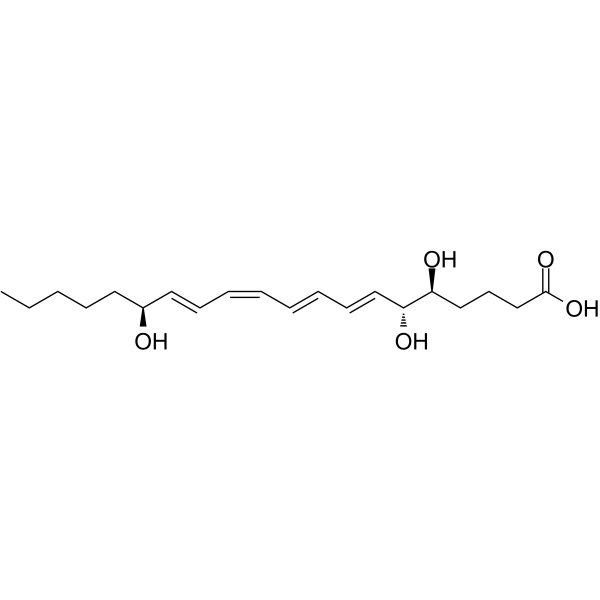
    Lipoxin A4 (LXA4), an endogenous lipoxygenase-derived eicosanoid mediator, has potent dual pro-resolving and anti-inflammatory properties . Lipoxin A4 inhibits proliferation and inflammatory cytokine/chemokine production of human epidermal keratinocytes (NHEKs) associated with the ERK1/2 and NF-kB pathways . Lipoxin A4 inhibits serum amyloid A (SAA)-mediated IL-8 release with an IC50 value of 25.74 nM .
    Lipoxin A4
  • HY-111940

    Raf p38 MAPK ERK Inflammation/Immunology
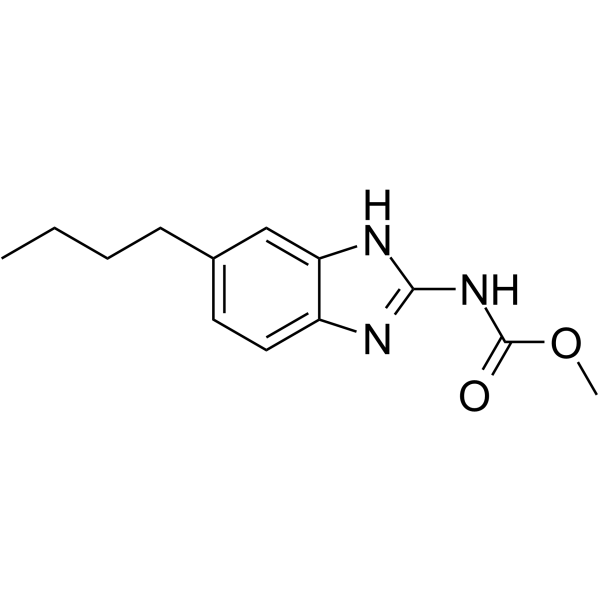
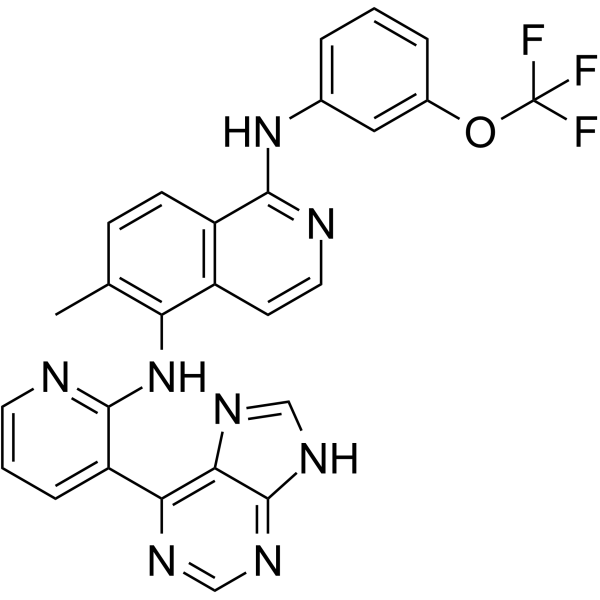
    LUT014 is a topical inhibitor targeting BRAF that cannot pass through the blood-brain barrier. LUT014 inhibits BRAF kinase and abnormally activates the MAPK/ERK signaling pathway, promoting the proliferation of epidermal keratinocytes, repairing skin barrier damage caused by radiation damage, and alleviating inflammatory responses. LUT014 is independent of RAS signaling and accelerates the repair and regeneration of damaged skin cells. LUT014 can be used to study radiation dermatitis, especially skin damage caused by breast cancer radiotherapy .
    LUT014
  • HY-W089800

    trans-2-Nonen-1-al

    COX Lipoxygenase Apoptosis Cardiovascular Disease Inflammation/Immunology
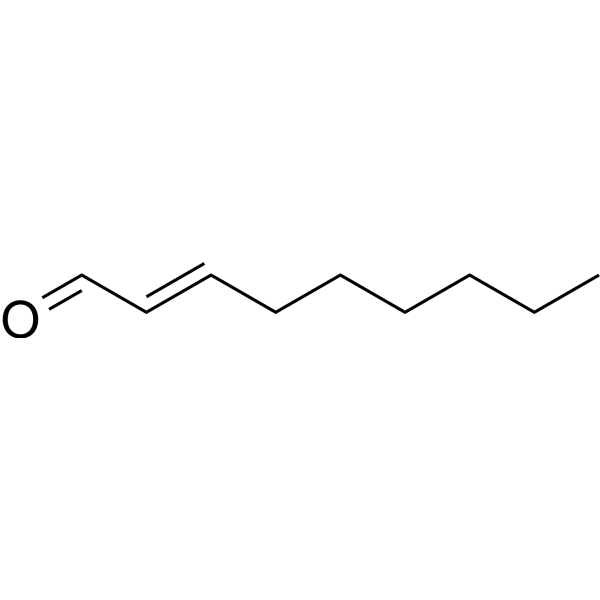
    trans-2-Nonenal (trans-2-Nonen-1-al) is an endogenous peroxidation product of polyunsaturated fatty acids, acting as an inhibitor of COX and 12-LOX, as well as an inducer of apoptosis. trans-2-Nonenal is also a malodorous compound secreted by the human body, and its content gradually increases with aging. trans-2-Nonenal inhibits the activities of multiple enzymes such as platelet membrane-bound PTPase, preferentially covalently modifies proteins at lysine residues to form immunogenic adducts, and regulates platelet Arachidonic acid (HY-109590) metabolism. trans-2-Nonenal also exhibits significant cytotoxicity, reduces the viability of keratinocytes, promotes their apoptosis, and effectively decreases the thickness of epidermal models and the number of proliferating cells. trans-2-Nonenal is commonly used in studies of thrombotic, atherosclerotic diseases, renal adenocarcinoma, etc. .
    trans-2-Nonenal
  • HY-133079

    tetra-isopalmitoyl Ascorbic acid; IPAA; Tetrahexyldecyl Ascorbate

    Prostaglandin Receptor Endocrinology
    Ascorbyl tetra-2-hexyldecanoate (tetra-isopalmitoyl Ascorbic acid; IPAA) is a lipophilic derivative of vitamin C (L-ascorbic acid). Ascorbyl tetra-2-hexyldecanoate (100 μM ) can prevent the decrease in viability of HaCaT keratinocytes induced by UVB, hydrogen peroxide, or tert-butyl hydroperoxide, and reduce the production of IL-1α and prostaglandin E2 (PGE2). Topical application of ascorbyl tetra-2-hexyldecanoate (1%) increases epidermal viability thickness, stratum corneum water content, and skin smoothness, and reduces skin roughness in hairless mice. Ascorbyl tetra-2-hexyldecanoate can be used to develop skin whitening agents in the beauty industry.
    Ascorbyl tetra-2-hexyldecanoate
  • HY-77278

    VD/VDR Aryl Hydrocarbon Receptor LXR PPAR Others
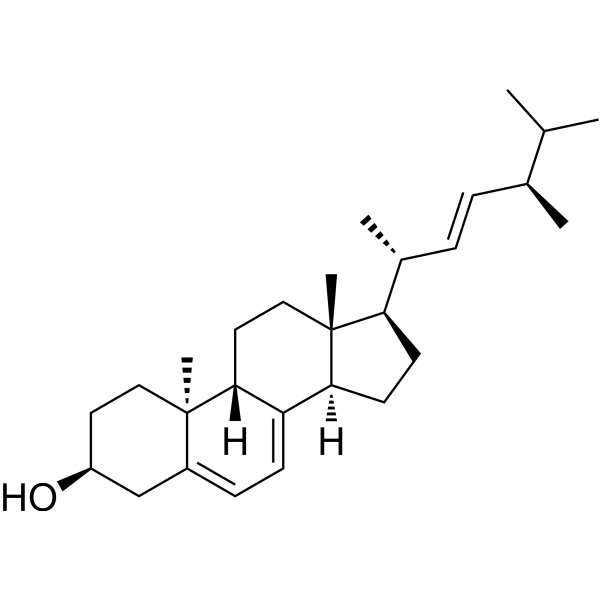
    25-Hydroxytachysterol3 is the metabolite of Vitamin D3 (HY-15398). 25-Hydroxytachysterol3 inhibits the proliferation of epidermal keratinocytes and dermal fibroblasts, stimulates the expression of differentiation- and antioxidant-related genes in keratinocytes. 25-Hydroxytachysterol3 activates vitamin D receptor (VDR) and aryl hydrocarbon receptor (AhR), liver X receptor α/β (LXR α/β) and peroxisome proliferator-activated receptor γ (PPARγ), stimulates the expression of CYP24A1 .
    25-Hydroxytachysterol3
  • HY-145726

    TNF Receptor Cardiovascular Disease Inflammation/Immunology
    ISIS 104838 is an antisense oligonucleotide targeting TNF-α. ISIS 104838 specifically binds to human TNF-α mRNA via Watson-Crick base pairing to form a DNA:RNA hybrid duplex, thereby recruiting the ubiquitously expressed intracellular enzyme RNase H to degrade the target mRNA and inhibit TNF-α protein synthesis at the transcriptional level. ISIS 104838 induces moderate, self-limiting thrombocytopenia in cynomolgus monkeys. ISIS 104838 can be used for the study of inflammatory diseases .
    ISIS 104838
  • HY-164826

    Interleukin Related Reactive Oxygen Species (ROS) MMP Pyroptosis Ferroptosis Notch Keap1-Nrf2 PINK1/Parkin Mitophagy Caspase Apoptosis Inflammation/Immunology Cancer
    Acetyl zingerone is an analog of Zingerone (HY-14621). Acetyl zingerone downregulates the expression of ROS metabolism-related genes, fibroblast senescence-related genes, keratinocyte differentiation-related genes, and IL-17A target genes. Acetyl zingerone inhibits the activities of MMP-1, MMP-3, and MMP-12, as well as the activation of NLRP3 inflammasome, pyroptosis (pyroptosis), ferroptosis (ferroptosis), cartilage destruction, and UVA-induced cyclobutane pyrimidine dimer formation. Acetyl zingerone upregulates the expression of collagen, proteoglycan, extracellular matrix glycoprotein, Notch pathway, and GPX4 gene, activates Nrf2 and HO-1, induces extracellular matrix synthesis and PINK1/Parkin-mediated mitophagy (mitophagy), and promotes chondrocyte survival. Acetyl zingerone alleviates the progression of osteoarthritis in mice . Acetyl zingerone can be used in research related to skin aging, inflammatory skin diseases, osteoarthritis, melanoma, and non-melanoma skin cancer .
    Acetyl zingerone
  • HY-117081

    Others Others
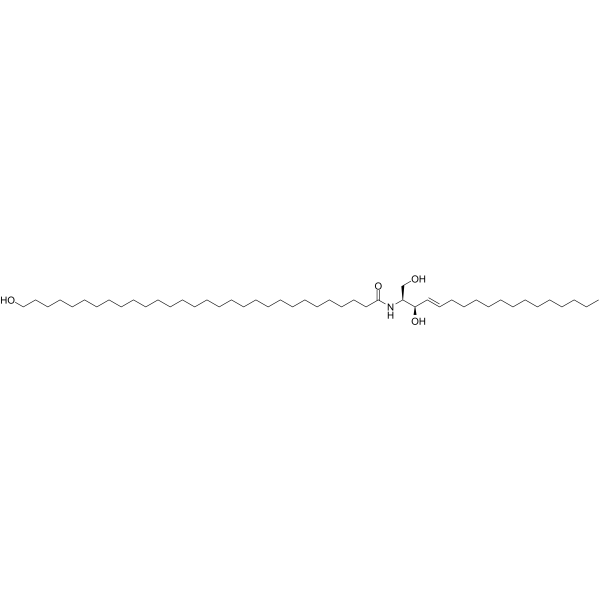
    C30(ω-hydroxy) Ceramide (d18:1/30:0), a sphingolipid, is an epidermis-specifically vital component of the water barrier in mammalian skin. C30(ω-hydroxy) Ceramide (d18:1/30:0) is expressed in epidermal keratinocytes and male germ cells during their differentiation and maturation. C30(ω-hydroxy) Ceramide (d18:1/30:0) deficiency in the epiderm of Elovl4 deletion or mutation mice .
    C30(ω-hydroxy) Ceramide (d18:1/30:0)
  • HY-148400

    TXC hydrochloride

    Ser/Thr Protease Drug Derivative Metabolic Disease
    Cetyl tranexamate (TXC) hydrochloride is an ester derivative of Tranexamic acid (HY-B0149). Cetyl tranexamate hydrochloride is an inhibitor of fibrinogen activation and can reduce the production of fibrinogen in keratinocytes induced by ultraviolet rays or damage, indirectly inhibiting the melanin production pathway. Cetyl tranexamate hydrochloride also targets melanin (dark spots) and hemoglobin (red spots), reducing vascular dilation and pigmentation by inhibiting inflammatory mediators (such as prostaglandins, platelet activating factors). Cetyl tranexamate hydrochloride can be used as a cosmetic ingredient and is suitable for epidermal pigment disorders such as photoaging, post-inflammatory hyperpigmentation (PIH), and melasma .
    Cetyl tranexamate hydrochloride
  • HY-P11417

    DNA/RNA Synthesis Cancer
    Epidermal mitosis inhibiting pentapeptide is a five-peptide that acts as a physiological inhibitor of epidermal cell proliferation. This pentapeptide can significantly reduce the DNA synthesis rate and mitotic rate of epidermal keratinocytes. Epidermal mitosis inhibiting pentapeptide moderately enhances the occurrence of skin tumors in skin cancer models, but also shows a higher tendency to promote the regression of already formed tumors. Epidermal mitosis inhibiting pentapeptide can be hydrolyzed by angiotensin-converting enzyme (ACE). Epidermal mitosis inhibiting pentapeptide can be used in cancer process research .
    Epidermal mitosis inhibiting pentapeptide
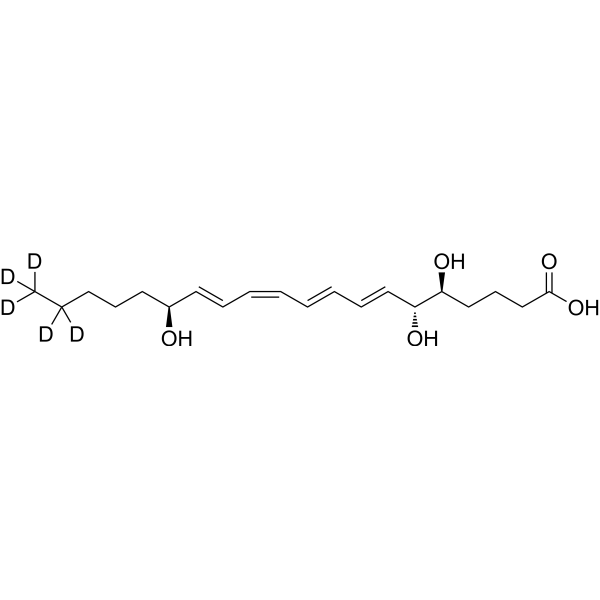
  • HY-113509S

    LXA4-d5

    Interleukin Related Endogenous Metabolite Inflammation/Immunology
    Lipoxin A4-d5 is the deuterium labeled Lipoxin A4. Lipoxin A4 (LXA4), an endogenous lipoxygenase-derived eicosanoid mediator, has potent dual pro-resolving and anti-inflammatory properties . Lipoxin A4 inhibits proliferation and inflammatory cytokine/chemokine production of human epidermal keratinocytes (NHEKs) associated with the ERK1/2 and NF-kB pathways . Lipoxin A4 inhibits serum amyloid A (SAA)-mediated IL-8 release with an IC50 value of 25.74 nM .
    Lipoxin A4-d5
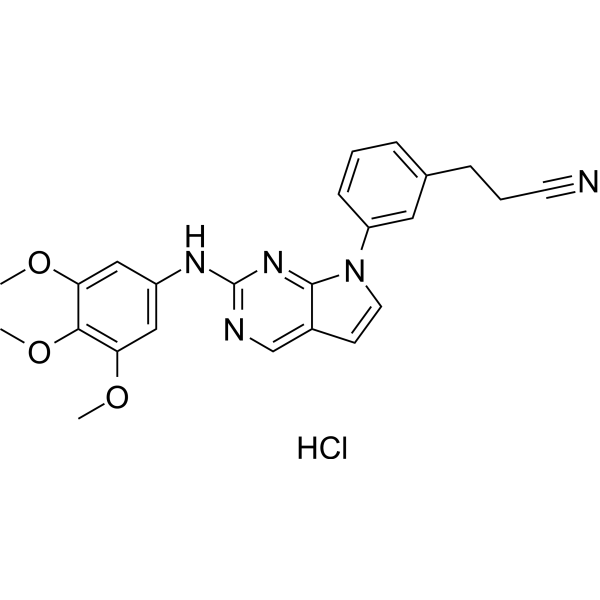
  • HY-111378A

    Casein Kinase Others
    Casein Kinase II Inhibitor IV Hydrochloride is a small-molecule inducer of epidermal keratinocyte differentiation.
    Casein Kinase II Inhibitor IV hydrochloride
  • HY-172148

    Interleukin Related Inflammation/Immunology
    Itaconic acid prodrug-1 (Compound P2) is an orally active prodrug of Itaconic acid (HY-Y0520) that efficiently delivers the active ingredient Itaconic acid to skin tissue following oral administration. Itaconic acid prodrug-1 possesses immunomodulatory properties, significantly inhibiting Poly(I:C)/IFNγ-induced inflammatory cytokines in human epidermal keratinocytes. Itaconic acid prodrug-1 can be utilized for the research of alopecia areata and other inflammatory skin diseases .
    Itaconic acid prodrug-1
  • HY-182824

    Autophagy Others
    Sucrose dilaurate acts as an emulsifier, dispersant and stabilizer. Sucrose dilaurate reduces the release of HMGB1 from UVB-irradiated keratinocytes. Sucrose dilaurate inhibits melanogenesis and decreases bilirubin levels. Sucrose dilaurate induces autophagy in human epidermal keratinocytes, thereby reducing carboxymethyl lysine (CML) levels. Sucrose dilaurate reduces the secretion of insulin-like growth factor-binding protein 3 (IGFBP3) and nerve growth factor (NGF) by senescent keratinocytes. Sucrose dilaurate is investigated as an emulsifier, dispersant or stabilizer in the cosmetics, food and pharmaceutical industries .
    Sucrose dilaurate
  • HY-P992413

    Integrin Inflammation/Immunology
    MOR102 is a fully human IgG4 monoclonal antibody and an ICAM-1 inhibitor, lacking cross-reactivity with ICAM-2 and ICAM-3. MOR102 binds to the LFA-1 binding site within ICAM-1 domain 1, blocks ICAM-1/LFA-1 interaction, binds human keratinocytes with increased binding to interferon-γ-stimulated keratinocytes. MOR102 inhibits lymphocyte adhesion, reduces lymphocyte proliferation, prevents local T-cell activation, reduces inflammatory infiltrate, restores orthokeratotic differentiation, and reduces epidermal thickness. MOR102 can be used for the research of psoriasis .
    MOR102
  • HY-N17732

    Drug Derivative Inflammation/Immunology
    7-Hydroxy-5,3',4'-trimethoxyflavanone (Compound AG2) is a key flavanone derivative obtained from the hydrolysis of Methyl-Hesperidin (HY-N0165). 7-Hydroxy-5,3',4'-trimethoxyflavanone exhibits only weak Nrf2-ARE activation activity and is insufficient to initiate the cellular antioxidant defense system .
    7-Hydroxy-5,3'4'-trimethoxyflavanone
  • HY-182517

    TRP Channel Inflammation/Immunology
    AG1529 is a TRPV1 inhibitor and capsaicinoid-based soft agent with a human TRPV1 IC50 of 0.9-0.93 μM. AG1529 reversibly blocks capsaicin-evoked TRPV1 activation, binds to the TRPV1 capsaicin binding site, moderately affects pH-induced TRPV1 gating, and does not alter voltage- or heat-mediated TRPV1 responses. AG1529 suppresses TRPV1-mediated neuronal excitability, reduces capsaicin- and pH-evoked neuronal firing, abolishes histaminergic and inflammation-mediated TRPV1 sensitization. AG1529 exhibits anti-nociceptive and antipruritic effects, attenuates in vivo hyperalgesia and pruritus, dose-dependently reduces acute histaminergic itch in rodents, and mildly blocks hTRPA1 and hTRPM8 channel activity. AG1529 undergoes hydrolysis and dermal deactivation, minimizes TRPV1-associated side reactions, does not evoke capsaicin-like burning sensation, and does not disrupt physiological thermal regulation. AG1529 can be used for the research of inflammatory cutaneous nociception and acute histaminergic pruritus .
    AG1529
  • HY-P992384

    Interleukin Related Inflammation/Immunology
    IMG-008 is a fully human antagonistic antibody targeting IL-36R, acting as a high-affinity IL-36R inhibitor (Kd = 6.23 pM). IMG-008 competitively blocks the pro-inflammatory signaling pathway mediated by human IL-36R, inhibiting receptor activation and the production of inflammatory cytokines. IMG-008 suppresses Imiquimod (HY-B0180)-induced skin inflammation in humanized mice, and Fc modification increases its serum exposure and prolongs its half-life. IMG-008 can be used in studies related to IL-36R-mediated inflammatory diseases such as psoriasis .
    IMG-008

Inquiry Online

Your information is safe with us. * Required Fields.

Salutation


Country or Region *

Applicant Name *


Organization Name *

Department *


Email Address *


Product Name *

Cat. No.


Requested quantity *

Phone Number *


Remarks

Inquiry Online

Inquiry Information

Product Name:
Cat. No.:
Quantity:
MCE Japan Authorized Agent:

