
Search Result
Results for "
leukocyte infiltration
" in MedChemExpress (MCE) Product Catalog:
3
Isotope-Labeled Compounds
| Cat. No. |
Product Name |
Target |
Research Areas |
Chemical Structure |
-
- HY-A0134
-
-
-
- HY-114041
-
|
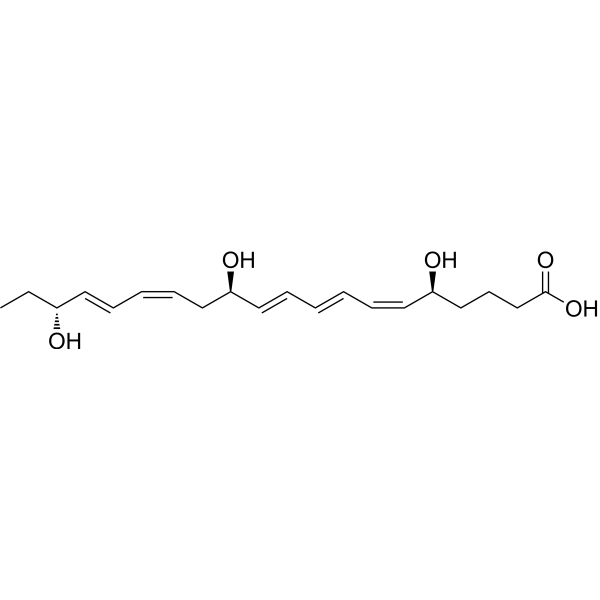
RvE1
|
Endogenous Metabolite
|
Inflammation/Immunology
|
|
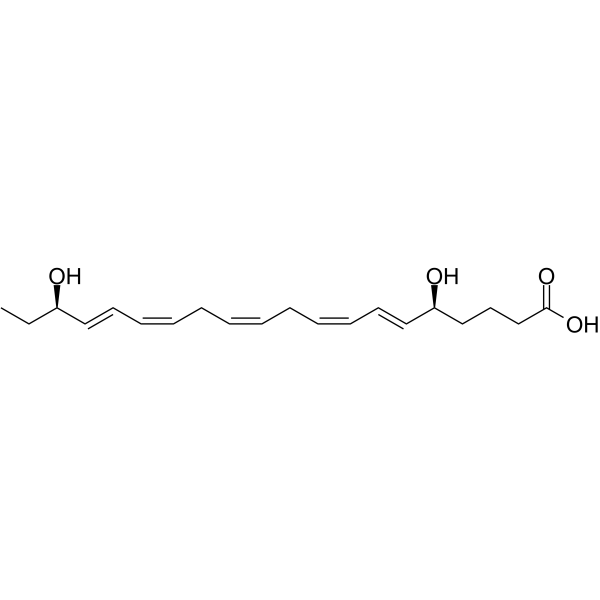
Resolvin E1 (RvE1), a potent endogenous pro-resolving mediator of inflammation, is derived from omega-3 fatty acid eicosapentaenoic acid (EPA). Resolvin E1 is endogenously biosynthesized from EPA in the presence of Aspirin during the spontaneous resolution phase of acute inflammation, where specific cell-cell interactions occur. Resolvin E1 possesses unique counterregulatory actions that inhibit polymorphonuclear leukocyte (PMN) transendothelial migration. Resolvin E1 also acts as a potent inhibitor of leukocyte infiltration, dendritic cell migration, and IL-12 production .
|
-
-
- HY-17001A
-
|
D 9998
|
Potassium Channel
iGluR
GABA Receptor
|
Neurological Disease
Inflammation/Immunology
|
|
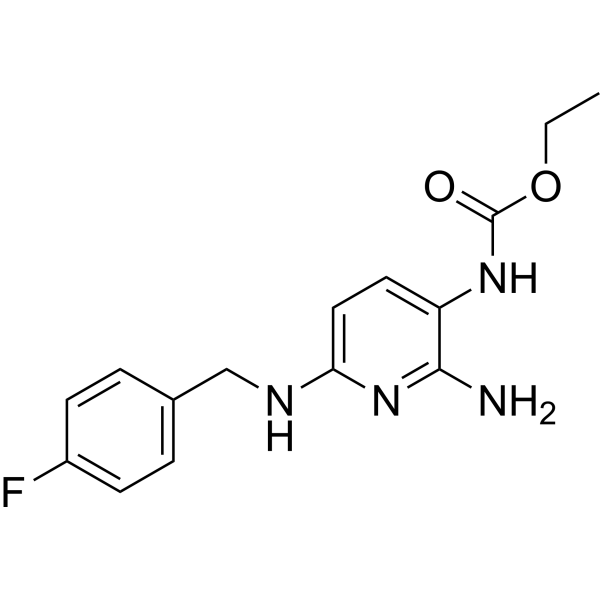
Flupirtine (D 9998) is an orally active, blood-brain barrier-crossing non-opioid analgesic and neuroprotective agent. Flupirtine is a neuronal potassium channel opener (Kv7 activator), a NMDA receptor antagonist and a GABA receptor activator. Flupirtine stabilizes blood-brain-barrier integrity, reduces oxidative stress and brain leukocyte infiltration, enhances angioneurogenesis, suppresses calcium influx, stabilizes neuronal resting membrane potential, and counteracts focal cerebral ischemia. Flupirtine exhibits analgesic, muscle relaxant properties, protects neurons from excitotoxic, ischemic, or cytokine-mediated death. Flupirtine functions as a non-opioid analgesic without antipyretic or antiphlogistic properties, shows no relevant affinity to opiate receptor. Flupirtine can be used for the research of focal cerebral ischemia, pain, Alzheimer’s disease, or multiple sclerosis .
|
-
-
- HY-17001
-
|
D 9998 Maleate
|
Potassium Channel
iGluR
GABA Receptor
|
Neurological Disease
Inflammation/Immunology
|
|
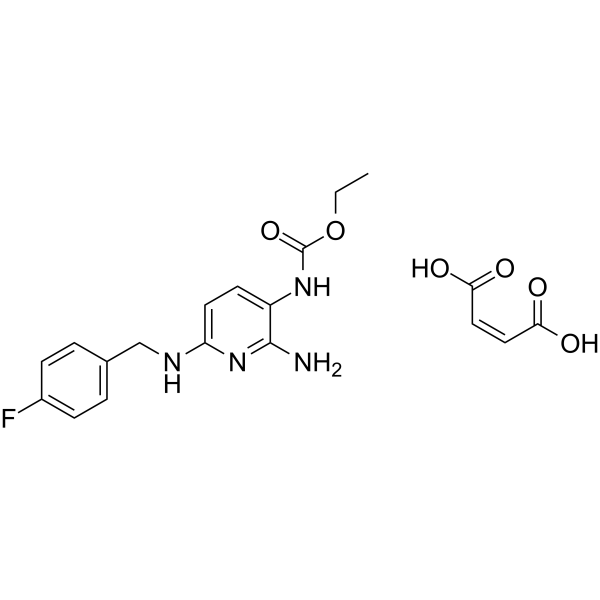
Flupirtine (D 9998) Maleate is an orally active, blood-brain barrier-crossing non-opioid analgesic and neuroprotective agent. Flupirtine Maleate is a neuronal potassium channel opener (Kv7 activator), a NMDA receptor antagonist and a GABA receptor activator. Flupirtine Maleate stabilizes blood-brain-barrier integrity, reduces oxidative stress and brain leukocyte infiltration, enhances angioneurogenesis, suppresses calcium influx, stabilizes neuronal resting membrane potential, and counteracts focal cerebral ischemia. Flupirtine Maleate exhibits analgesic, muscle relaxant properties, protects neurons from excitotoxic, ischemic, or cytokine-mediated death. Flupirtine Maleate functions as a non-opioid analgesic without antipyretic or antiphlogistic properties, shows no relevant affinity to opiate receptor. Flupirtine Maleate can be used for the research of focal cerebral ischemia, pain, Alzheimer’s disease, or multiple sclerosis .
|
-
-
- HY-124686
-
|
|
STAT
Interleukin Related
TNF Receptor
|
Inflammation/Immunology
|
|
ER-464195-01 is an orally active calreticulin (CRT) and integrin α subunits (ITGAs) binding inhibitor. ER-464195-01 inhibits leukocyte infiltration and subsequent inflammatory cascade reactions by dissociating the binding between CRT and ITGA. ER-464195-01 down-regulates the expression of pro-inflammatory genes (such as TNF-α, IL-1β, IL-6, IL-17f) induced by DSS (HY-116282C), and inhibit the phosphorylation of STAT3 and the production of serum amyloid A (SAA). ER-464195-01 can be used for the study of inflammatory bowel disease (IBD) .
|
-
-
- HY-133159
-
|
(-)-Resolvin E2
|
Endogenous Metabolite
Leukotriene Receptor
Chemerin Receptor
COX
Lipoxygenase
|
Neurological Disease
Inflammation/Immunology
|
|
Resolvin E2 ((-)-Resolvin E2) is an endogenous lipid mediator produced from eicosapentaenoic acid (EPA) under the catalysis of 5-lipoxygenase (5-LOX), and its production increases in hypoxic environments. Resolvin E2 antagonizes BLT1, partially activates ChemR23, and promotes ubiquitin-proteasome-mediated degradation of COX-2. Resolvin E2 reduces the production of prostaglandin E2, blocks polymorphonuclear leukocyte infiltration, and promotes the resolution of airway inflammation. Resolvin E2 ameliorates lipopolysaccharide (LPS) (HY-D1056)-induced depressive-like behaviors . Resolvin E2 can be used in research related to depression, murine peritonitis, neonatal asthma, and other conditions .
|
-
-
- HY-P4846
-
|
|
CXCR
Apoptosis
IFNAR
TNF Receptor
Interleukin Related
|
Infection
Inflammation/Immunology
|
|
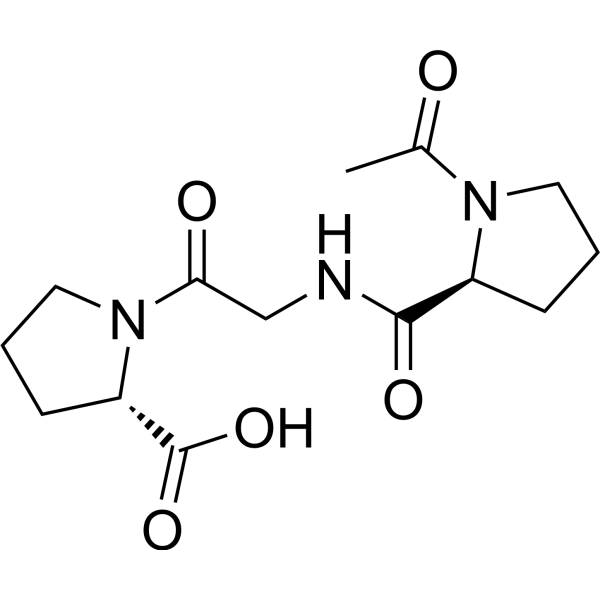
Ac-Pro-Gly-Pro-OH is an endogenous degradation product of extracellular collagen and acts as a CXCR2 agonist . Ac-Pro-Gly-Pro-OH exerts bactericidal activity by generating hydrogen peroxide, inhibits pulmonary inflammation, and reduces immune cell apoptosis (apoptosis). Ac-Pro-Gly-Pro-OH promotes the production of IFN-γ and inhibits the production of TNF-α and IL-6 in leukocytes. Ac-Pro-Gly-Pro-OH increases the survival rate of mice in sepsis models, enhances the bactericidal activity of neutrophils, acts as a neutrophil chemoattractant, induces neutrophil polarization, and regulates inflammatory and repair processes. Ac-Pro-Gly-Pro-OH induces chronic inflammation and tissue remodeling through sustained action. Ac-Pro-Gly-Pro-OH is released via alkaline hydrolysis of corneal proteins in alkali-injured eyes, thereby driving the early infiltration of neutrophils into the cornea. Ac-Pro-Gly-Pro-OH is applicable to research related to sepsis, chronic obstructive pulmonary disease, cystic fibrosis, bronchiolitis obliterans syndrome, severe asthma, idiopathic pulmonary fibrosis, and corneal ulcer .
|
-
-
- HY-114041S
-
|
RvE1-d4
|
Isotope-Labeled Compounds
Endogenous Metabolite
|
Inflammation/Immunology
|
|
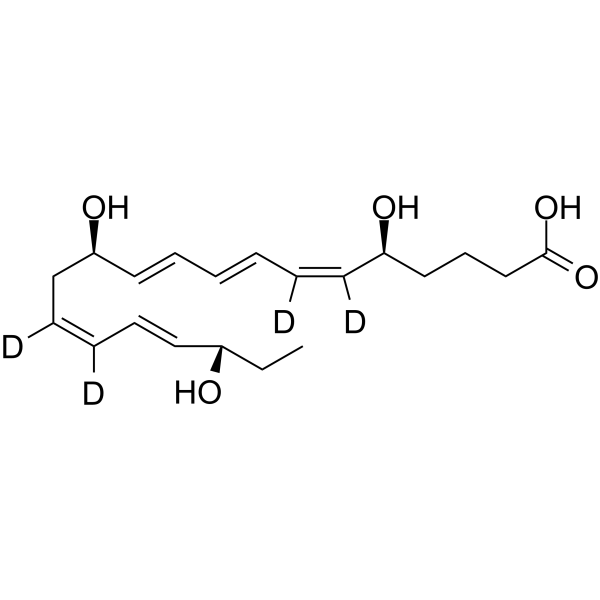
Resolvin E1-d4 (RvE1-d4) is deuterium labeled Resolvin E1. Resolvin E1 (RvE1), a potent endogenous pro-resolving mediator of inflammation, is derived from omega-3 fatty acid eicosapentaenoic acid (EPA). Resolvin E1 is endogenously biosynthesized from EPA in the presence of Aspirin during the spontaneous resolution phase of acute inflammation, where specific cell-cell interactions occur. Resolvin E1 possesses unique counterregulatory actions that inhibit polymorphonuclear leukocyte (PMN) transendothelial migration. Resolvin E1 also acts as a potent inhibitor of leukocyte infiltration, dendritic cell migration, and IL-12 production .
|
-
-
- HY-116953
-
|
LXB4
|
Endogenous Metabolite
|
Inflammation/Immunology
|
|
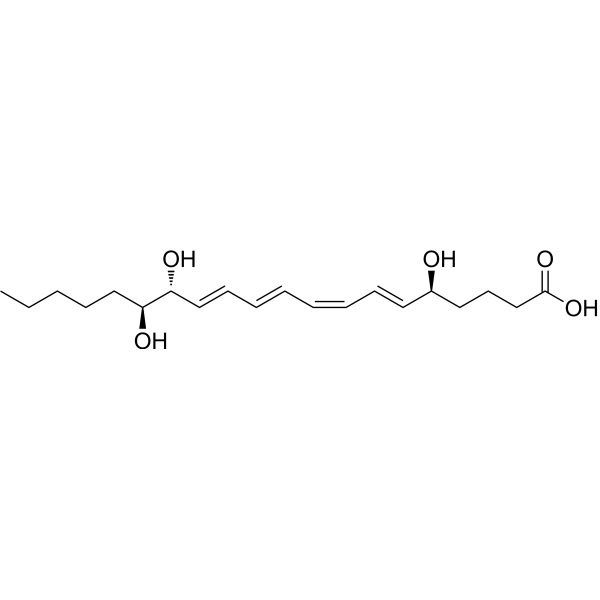
Lipoxin B4 (LXB4) is a structurally distinct product of arachidonic acid metabolism. Lipoxin B4 reduces leukocyte infiltration and mucus secretion in the nasal mucosa and decreases mast cell and eosinophil degranulation in the upper airway. Lipoxin B4 decreases airway inflammation, mucus metaplasia and hyper- responsiveness in the lower airway. Lipoxin B4 shows mucosal protective actions and has the potential for the research of allergic inflammation in the upper and lower airways .
|
-
-
- HY-130046
-
|
16-epi-Estriol; 16β,17β-Estriol
|
UGT
Bacterial
|
Infection
Inflammation/Immunology
|
|
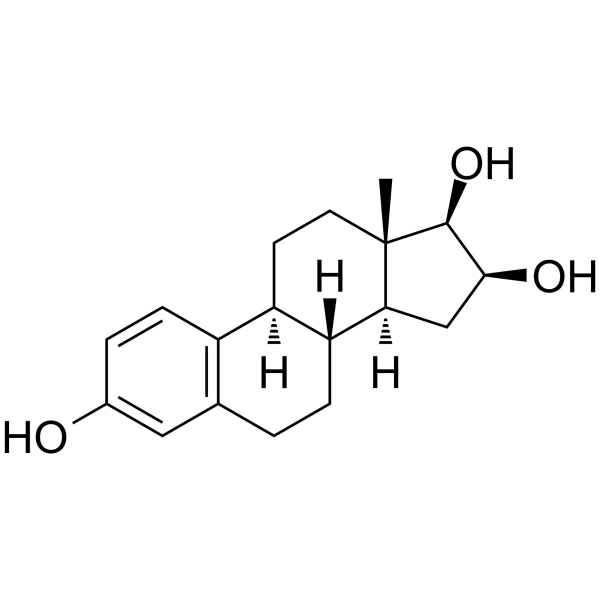
16-Epiestriol (16-epi-Estriol; 16β,17β-Estriol) is a natural stereoisomer of estriol and an anti-inflammatory agent that targets UGT. The Ki values of 16-Epiestriol against human UGT1A10 and UGT2B7 are 98.1 μM and 162 μM, respectively. As a glucuronidation substrate, 16-Epiestriol can be modified at the 3-OH, 16-OH and 17-OH sites by various UGT enzymes; in liver microsomes, the modification mainly occurs at the 16-OH and 17-OH sites, while reactions take place at all three sites in intestinal microsomes. 16-Epiestriol acts on the phase II inflammatory process by blocking edema mediated by prostaglandins and leukocyte infiltration. It lacks glycogenic activity or any effect on blood glucose levels, and serves as an important candidate molecule in the research of inflammatory diseases .
|
-
-
- HY-114041S1
-
|
RvE1-d4-1
|
Isotope-Labeled Compounds
Endogenous Metabolite
|
Inflammation/Immunology
|
|
Resolvin E1-d4-1 is the deuterium labeled Resolvin E1. Resolvin E1 (RvE1), a potent endogenous pro-resolving mediator of inflammation, is derived from omega-3 fatty acid eicosapentaenoic acid (EPA). Resolvin E1 is endogenously biosynthesized from EPA in the presence of Aspirin during the spontaneous resolution phase of acute inflammation, where specific cell-cell interactions occur. Resolvin E1 possesses unique counterregulatory actions that inhibit polymorphonuclear leukocyte (PMN) transendothelial migration. Resolvin E1 also acts as a potent inhibitor of leukocyte infiltration, dendritic cell migration, and IL-12 production .
|
-
-
- HY-110230
-
|
D 9998-d4 hydrochloride
|
Isotope-Labeled Compounds
Potassium Channel
iGluR
GABA Receptor
|
Neurological Disease
Inflammation/Immunology
|
|
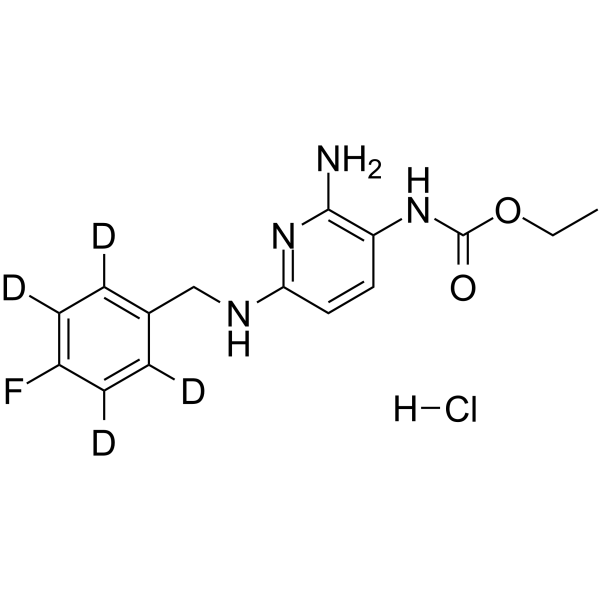
Flupirtine-d4 (D 9998-d4) hydrochloride is the deuterium labeled Flupirtine hydrochloride (HY-W709349). Flupirtine hydrochloride is an orally active, blood-brain barrier-crossing non-opioid analgesic and neuroprotective agent. Flupirtine hydrochloride is a neuronal potassium channel opener (Kv7 activator), a NMDA receptor antagonist and a GABA receptor activator. Flupirtine hydrochloride stabilizes blood-brain-barrier integrity, reduces oxidative stress and brain leukocyte infiltration, enhances angioneurogenesis, suppresses calcium influx, stabilizes neuronal resting membrane potential, and counteracts focal cerebral ischemia. Flupirtine hydrochloride exhibits analgesic, muscle relaxant properties, protects neurons from excitotoxic, ischemic, or cytokine-mediated death. Flupirtine hydrochloride functions as a non-opioid analgesic without antipyretic or antiphlogistic properties, shows no relevant affinity to opiate receptor. Flupirtine hydrochloride can be used for the research of focal cerebral ischemia, pain, Alzheimer’s disease, or multiple sclerosis .
|
-
-
- HY-P99886
-
|
h5G1. 1-SC
|
Complement System
Apoptosis
|
Cardiovascular Disease
Neurological Disease
|
|
Pexelizumab (h5G1. 1-SC) is a humanized scFv monoclonal antibody directed against the C5 complement component. Pexelizumab inhibits apoptosis and leukocyte infiltration. Pexelizumab can be used for the research of cerebral IR injury and myocardial infarction .
|
-
-
- HY-173596
-
|
|
VAP-1
Glutathione Peroxidase
|
Inflammation/Immunology
|
|
SNT-8370 is an orally active inhibitor of VAP-1 (IC50: 10 nM) and myeloperoxidase (MPO) (IC50: 17 nM), with >100-1000 fold more potency for VAP-1 and MPO versus other mammalian (per)oxidases. SNT-8370 inhibits MPO-mediated LDL lipid peroxidation. SNT-8370 inhibits leukocyte infiltration in lung injury models of acute inflammation. SNT-8370 is an anti-inflammatory agent, and can be used for research of inflammatory disorders .
|
-
-
- HY-15616
-
|
|
Melanocortin Receptor
|
Cancer
|
|
BMS-470539 is a synthetic MC-1R agonist with potent anti-inflammatory properties. BMS-470539 selectively activates human and murine MC-1R with EC50 values ??of 16.8 nM and 11.6 nM, respectively. In vitro studies have shown that BMS-470539 is able to dose-dependently inhibit TNF-alpha-induced NF-kB activation in human melanoma cells expressing MC-1R. In vivo, subcutaneous injection of BMS-470539 into BALB/c mice effectively inhibited LPS-induced TNF-alpha production with an ED50 of approximately 10 μmol/kg and a pharmacodynamic half-life of approximately 8 hours. It also significantly reduced leukocyte infiltration in a lung inflammation model and attenuated paw swelling in a delayed-type hypersensitivity model, highlighting its efficacy as an anti-inflammatory agent through MC-1R modulation .
|
-
-
- HY-P10692
-
|
|
Interleukin Related
|
Inflammation/Immunology
|
|
HB-107 is a peptide with wound healing properties. HB-107 promotes the proliferation of keratinocytes and increased leukocyte infiltration at the wound site, and it also stimulates cultured endothelial cells to secrete interleukin 8 (IL-8). HB-107 holds potential for research in the fields of wound healing and inflammation .
|
-
-
- HY-P990214
-
|
|
Interleukin Related
Parasite
|
Infection
Inflammation/Immunology
|
|
Anti-Mouse IL-3 Antibody (MP2-8F8) is an anti-mouse IL-3 IgG1 monoclonal antibody. Anti-Mouse IL-3 Antibody (MP2-8F8) relieves joint inflammation by reducing synovial leukocyte infiltration and cytokine levels. Anti-Mouse IL-3 Antibody (MP2-8F8) can reduce the accumulation of basophils. Anti-Mouse IL-3 Antibody (MP2-8F8) can be used for researches on inflammation or infection conditions such as arthritis and parasitic infections .
|
-
-
- HY-W709349
-
|
D 9998 hydrochloride
|
Potassium Channel
iGluR
GABA Receptor
|
Neurological Disease
Inflammation/Immunology
|
|
Flupirtine (D 9998) hydrochloride is an orally active, blood-brain barrier-crossing non-opioid analgesic and neuroprotective agent. Flupirtine hydrochloride is a neuronal potassium channel opener (Kv7 activator), a NMDA receptor antagonist and a GABA receptor activator. Flupirtine hydrochloride stabilizes blood-brain-barrier integrity, reduces oxidative stress and brain leukocyte infiltration, enhances angioneurogenesis, suppresses calcium influx, stabilizes neuronal resting membrane potential, and counteracts focal cerebral ischemia. Flupirtine hydrochloride exhibits analgesic, muscle relaxant properties, protects neurons from excitotoxic, ischemic, or cytokine-mediated death. Flupirtine hydrochloride functions as a non-opioid analgesic without antipyretic or antiphlogistic properties, shows no relevant affinity to opiate receptor. Flupirtine hydrochloride can be used for the research of focal cerebral ischemia, pain, Alzheimer’s disease, or multiple sclerosis .
|
-
-
- HY-17001R
-
|
D 9998 Maleate (Standard)
|
Reference Standards
Potassium Channel
iGluR
GABA Receptor
|
Neurological Disease
Inflammation/Immunology
|
|
Flupirtine Maleate (Standard) is the analytical standard of Flupirtine Maleate (HY-17001). This product is intended for research and analytical applications. Flupirtine Maleate is an orally active, blood-brain barrier-crossing non-opioid analgesic and neuroprotective agent. Flupirtine Maleate is a neuronal potassium channel opener (Kv7 activator), a NMDA receptor antagonist and a GABA receptor activator. Flupirtine Maleate stabilizes blood-brain-barrier integrity, reduces oxidative stress and brain leukocyte infiltration, enhances angioneurogenesis, suppresses calcium influx, stabilizes neuronal resting membrane potential, and counteracts focal cerebral ischemia. Flupirtine Maleate exhibits analgesic, muscle relaxant properties, protects neurons from excitotoxic, ischemic, or cytokine-mediated death. Flupirtine Maleate functions as a non-opioid analgesic without antipyretic or antiphlogistic properties, shows no relevant affinity to opiate receptor. Flupirtine Maleate can be used for the research of focal cerebral ischemia, pain, Alzheimer’s disease, or multiple sclerosis .
|
-
-
- HY-17001AR
-
|
D 9998 (Standard)
|
Reference Standards
Potassium Channel
iGluR
GABA Receptor
|
Neurological Disease
Inflammation/Immunology
|
|
Flupirtine (Standard) (D 9998 (Standard)) is the analytical standard of Flupirtine (HY-17001A). This product is intended for research and analytical applications. Flupirtine is an orally active, blood-brain barrier-crossing non-opioid analgesic and neuroprotective agent. Flupirtine is a neuronal potassium channel opener (Kv7 activator), a NMDA receptor antagonist and a GABA receptor activator. Flupirtine stabilizes blood-brain-barrier integrity, reduces oxidative stress and brain leukocyte infiltration, enhances angioneurogenesis, suppresses calcium influx, stabilizes neuronal resting membrane potential, and counteracts focal cerebral ischemia. Flupirtine exhibits analgesic, muscle relaxant properties, protects neurons from excitotoxic, ischemic, or cytokine-mediated death. Flupirtine functions as a non-opioid analgesic without antipyretic or antiphlogistic properties, shows no relevant affinity to opiate receptor. Flupirtine can be used for the research of focal cerebral ischemia, pain, Alzheimer’s disease, or multiple sclerosis .
|
-
-
- HY-118903
-
|
|
PI3K
|
Cancer
|
|
PIK-124 is a thiazolidinone-based PI3Kγ-biased PI3K inhibitor, with an IC50 of 3 nM against PI3Kγ. PIK-124 exhibits cross-reactivity with PI3Kα (IC50 = 23 nM), PI3Kδ (IC50 = 340 nM), PI3KC2α (IC50 = 140 nM) and PI3KC2β (IC50 = 370 nM). PIK-124 is applicable to breast cancer-related research .
|
-
-
- HY-179502
-
|
|
NF-κB
Glutathione Peroxidase
TNF Receptor
Interleukin Related
mTOR
SOD
|
Inflammation/Immunology
|
|
Anti-inflammatory agent 107 is an orally active anti-inflammatory agent. Anti-inflammatory agent 107 inhibits and NF-κB with a superior binding affinity of -9.4578 kcal/mol. Anti-inflammatory agent 107 reduces levels of inflammatory biomarkers (TNF-α, IL-6, INF-γ, NF-κβ, C-reactive protein and Erythrocyte Sedimentation Rate) and enhances the endogenous antioxidant defense system by elevating SOD (Superoxide Dismutase), CAT (Catalase) and GSH (Glutathione) activities. Anti-inflammatory agent 107 not induces liver toxicity and demonstrates hepatoprotective effects. Anti-inflammatory agent 107 dose-dependently ameliorates leukocyte infiltration and tissue edema. Anti-inflammatory agent 107 can be used for anti-inflammatory research .
|
-
-
- HY-180109
-
|
Benzo-17R-Resolvin D2
|
TNF Receptor
Interleukin Related
|
Cardiovascular Disease
Neurological Disease
Inflammation/Immunology
Cancer
|
|
Benzo-17R-RvD2 (Benzo-17R-Resolvin D2) is a benzo-containing analog of RvD2 (HY-121636). Benzo-17R-RvD2 enhances human macrophage efferocytosis, limits neutrophil infiltration, reduces TNF-α, and increases IL-1 receptor antagonist in peritonitis. Benzo-17R-RvD2 promotes E. coli killing by human leukocytes and reduces neutrophil swarm area without compromising anti-Candida activity. Benzo-17R-RvD2 activates the human-RvD2 receptor with an EC50 ∼1.5 nM. Benzo-17R-RvD2 can be used in research on inflammation-associated diseases such as cardiovascular disease, cancer, neuroinflammation, pain, and muscle regeneration .
|
-
-
- HY-W709349S
-
|
D 9998-d6 hydrochloride
|
Isotope-Labeled Compounds
Potassium Channel
iGluR
GABA Receptor
|
Neurological Disease
|
|
Flupirtine-d6 (D 9998-d6) hydrochloride is the deuterium labeled Flupirtine hydrochloride (HY-W709349). Flupirtine hydrochloride is an orally active, blood-brain barrier-crossing non-opioid analgesic and neuroprotective agent. Flupirtine hydrochloride is a neuronal potassium channel opener (Kv7 activator), a NMDA receptor antagonist and a GABA receptor activator. Flupirtine hydrochloride stabilizes blood-brain-barrier integrity, reduces oxidative stress and brain leukocyte infiltration, enhances angioneurogenesis, suppresses calcium influx, stabilizes neuronal resting membrane potential, and counteracts focal cerebral ischemia. Flupirtine hydrochloride exhibits analgesic, muscle relaxant properties, protects neurons from excitotoxic, ischemic, or cytokine-mediated death. Flupirtine hydrochloride functions as a non-opioid analgesic without antipyretic or antiphlogistic properties, shows no relevant affinity to opiate receptor. Flupirtine hydrochloride can be used for the research of focal cerebral ischemia, pain, Alzheimer’s disease, or multiple sclerosis .
|
-
-
- HY-130046R
-
|
16-epi-Estriol (Standard); 16β,17β-Estriol (Standard)
|
Endogenous Metabolite
Reference Standards
Bacterial
|
Infection
Inflammation/Immunology
|
|
16-Epiestriol (Standard) is the analytical standard of 16-Epiestriol (HY-130046). This product is intended for research and analytical applications. 16-Epiestriol (16-epi-Estriol; 16β,17β-Estriol) is a natural stereoisomer of estriol and an anti-inflammatory agent that targets UGT. The Ki values of 16-Epiestriol against human UGT1A10 and UGT2B7 are 98.1 μM and 162 μM, respectively. As a glucuronidation substrate, 16-Epiestriol can be modified at the 3-OH, 16-OH and 17-OH sites by various UGT enzymes; in liver microsomes, the modification mainly occurs at the 16-OH and 17-OH sites, while reactions take place at all three sites in intestinal microsomes. 16-Epiestriol acts on the phase II inflammatory process by blocking edema mediated by prostaglandins and leukocyte infiltration. It lacks glycogenic activity or any effect on blood glucose levels, and serves as an important candidate molecule in the research of inflammatory diseases .
|
-
| Cat. No. |
Product Name |
Target |
Research Area |
-
- HY-P4846
-
|
|
CXCR
Apoptosis
IFNAR
TNF Receptor
Interleukin Related
|
Infection
Inflammation/Immunology
|
|
Ac-Pro-Gly-Pro-OH is an endogenous degradation product of extracellular collagen and acts as a CXCR2 agonist . Ac-Pro-Gly-Pro-OH exerts bactericidal activity by generating hydrogen peroxide, inhibits pulmonary inflammation, and reduces immune cell apoptosis (apoptosis). Ac-Pro-Gly-Pro-OH promotes the production of IFN-γ and inhibits the production of TNF-α and IL-6 in leukocytes. Ac-Pro-Gly-Pro-OH increases the survival rate of mice in sepsis models, enhances the bactericidal activity of neutrophils, acts as a neutrophil chemoattractant, induces neutrophil polarization, and regulates inflammatory and repair processes. Ac-Pro-Gly-Pro-OH induces chronic inflammation and tissue remodeling through sustained action. Ac-Pro-Gly-Pro-OH is released via alkaline hydrolysis of corneal proteins in alkali-injured eyes, thereby driving the early infiltration of neutrophils into the cornea. Ac-Pro-Gly-Pro-OH is applicable to research related to sepsis, chronic obstructive pulmonary disease, cystic fibrosis, bronchiolitis obliterans syndrome, severe asthma, idiopathic pulmonary fibrosis, and corneal ulcer .
|
-
- HY-P10692
-
|
|
Interleukin Related
|
Inflammation/Immunology
|
|
HB-107 is a peptide with wound healing properties. HB-107 promotes the proliferation of keratinocytes and increased leukocyte infiltration at the wound site, and it also stimulates cultured endothelial cells to secrete interleukin 8 (IL-8). HB-107 holds potential for research in the fields of wound healing and inflammation .
|
| Cat. No. |
Product Name |
Target |
Research Area |
Image |
-
- HY-P99886
-
|
h5G1. 1-SC
|
Complement System
Apoptosis
|
Cardiovascular Disease
Neurological Disease
|
|
Pexelizumab (h5G1. 1-SC) is a humanized scFv monoclonal antibody directed against the C5 complement component. Pexelizumab inhibits apoptosis and leukocyte infiltration. Pexelizumab can be used for the research of cerebral IR injury and myocardial infarction .
|
-
(5)
-
- HY-P990214
-
|
|
Interleukin Related
Parasite
|
Infection
Inflammation/Immunology
|
|
Anti-Mouse IL-3 Antibody (MP2-8F8) is an anti-mouse IL-3 IgG1 monoclonal antibody. Anti-Mouse IL-3 Antibody (MP2-8F8) relieves joint inflammation by reducing synovial leukocyte infiltration and cytokine levels. Anti-Mouse IL-3 Antibody (MP2-8F8) can reduce the accumulation of basophils. Anti-Mouse IL-3 Antibody (MP2-8F8) can be used for researches on inflammation or infection conditions such as arthritis and parasitic infections .
|
-
(5)
| Cat. No. |
Product Name |
Category |
Target |
Chemical Structure |
| Cat. No. |
Product Name |
Chemical Structure |
-
- HY-114041S
-
|
|
|
Resolvin E1-d4 (RvE1-d4) is deuterium labeled Resolvin E1. Resolvin E1 (RvE1), a potent endogenous pro-resolving mediator of inflammation, is derived from omega-3 fatty acid eicosapentaenoic acid (EPA). Resolvin E1 is endogenously biosynthesized from EPA in the presence of Aspirin during the spontaneous resolution phase of acute inflammation, where specific cell-cell interactions occur. Resolvin E1 possesses unique counterregulatory actions that inhibit polymorphonuclear leukocyte (PMN) transendothelial migration. Resolvin E1 also acts as a potent inhibitor of leukocyte infiltration, dendritic cell migration, and IL-12 production .
|
-
-
- HY-114041S1
-
|
|
|
Resolvin E1-d4-1 is the deuterium labeled Resolvin E1. Resolvin E1 (RvE1), a potent endogenous pro-resolving mediator of inflammation, is derived from omega-3 fatty acid eicosapentaenoic acid (EPA). Resolvin E1 is endogenously biosynthesized from EPA in the presence of Aspirin during the spontaneous resolution phase of acute inflammation, where specific cell-cell interactions occur. Resolvin E1 possesses unique counterregulatory actions that inhibit polymorphonuclear leukocyte (PMN) transendothelial migration. Resolvin E1 also acts as a potent inhibitor of leukocyte infiltration, dendritic cell migration, and IL-12 production .
|
-
-
- HY-W709349S
-
|
|
|
Flupirtine-d6 (D 9998-d6) hydrochloride is the deuterium labeled Flupirtine hydrochloride (HY-W709349). Flupirtine hydrochloride is an orally active, blood-brain barrier-crossing non-opioid analgesic and neuroprotective agent. Flupirtine hydrochloride is a neuronal potassium channel opener (Kv7 activator), a NMDA receptor antagonist and a GABA receptor activator. Flupirtine hydrochloride stabilizes blood-brain-barrier integrity, reduces oxidative stress and brain leukocyte infiltration, enhances angioneurogenesis, suppresses calcium influx, stabilizes neuronal resting membrane potential, and counteracts focal cerebral ischemia. Flupirtine hydrochloride exhibits analgesic, muscle relaxant properties, protects neurons from excitotoxic, ischemic, or cytokine-mediated death. Flupirtine hydrochloride functions as a non-opioid analgesic without antipyretic or antiphlogistic properties, shows no relevant affinity to opiate receptor. Flupirtine hydrochloride can be used for the research of focal cerebral ischemia, pain, Alzheimer’s disease, or multiple sclerosis .
|
-
Your information is safe with us. * Required Fields.
Inquiry Information
- Product Name:
- Cat. No.:
- Quantity:
- MCE Japan Authorized Agent:

