Search Result
Results for "
lysophosphatidic acid (LPA) receptor
" in MedChemExpress (MCE) Product Catalog:
-
- HY-107614
-
|
1-Oleoyl-sn-glycero-3-phosphate sodium; 1-Oleoyl-LPA sodium
|
LPL Receptor
Mitosis
|
Neurological Disease
|
|
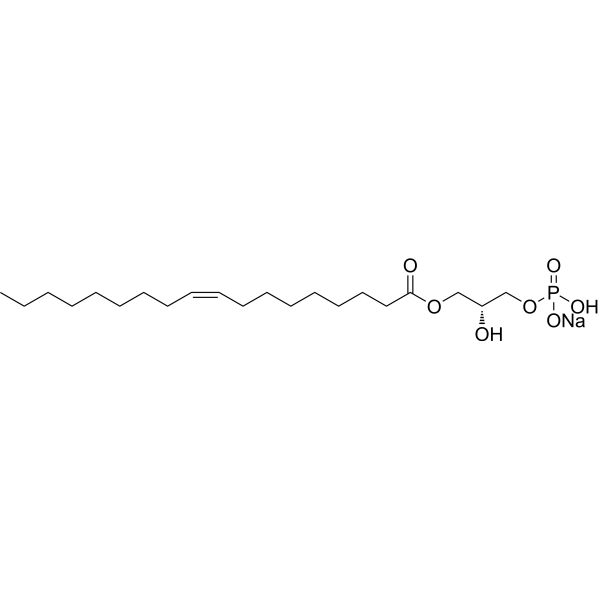
1-Oleoyl lysophosphatidic acid (1-Oleoyl-sn-glycero-3-phosphate) sodium, a potent bioactive phospholipid, is a LPA receptor activator. 1-Oleoyl lysophosphatidic acid sodium can promote mitosis by inducing DNA synthesis. 1-Oleoyl lysophosphatidic acid sodium is also involved in normal and pathological emotional responses, including anxiety and depression .
|
-
-
- HY-139853
-
|
Admilparant
|
LPL Receptor
|
Others
|
|
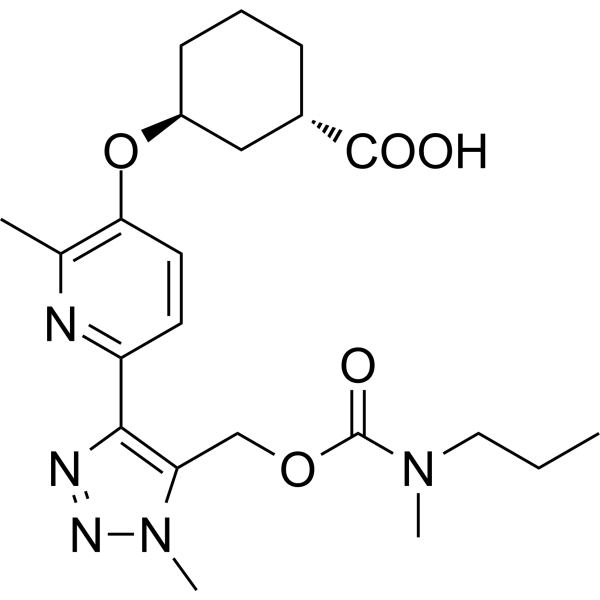
BMS-986278 is a potent and orally active lysophosphatidic acid receptor 1 (LPA1) antagonist, with Kbs of 6.9 nM and 4.0 nM for human and mouse LPA1, respectively. BMS-986278 can be used for the research of pulmonary fibrotic diseases .
|
-
-
- HY-137862
-
|
1-Oleoyl-sn-glycero-3-phosphate; 1-Oleoyl-LPA
|
LPL Receptor
|
Neurological Disease
|
|
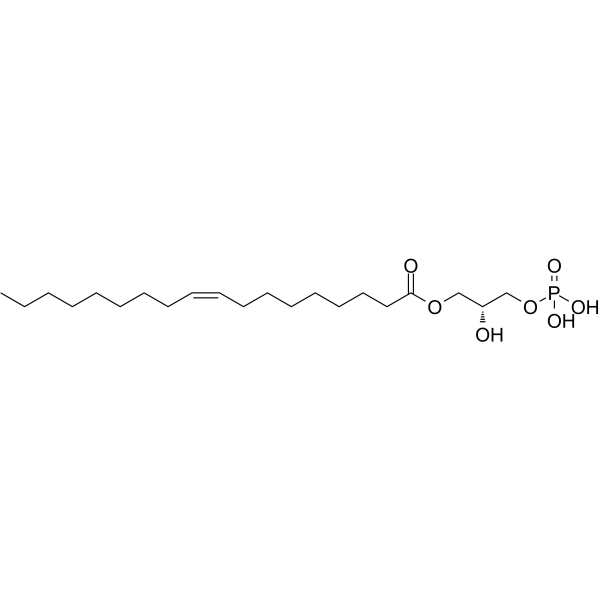
1-Oleoyl lysophosphatidic acid (1-Oleoyl-sn-glycero-3-phosphate) is an abundant lysophosphatidic acid (LPA) species with high biological activity due to its strong affinity for the LPA receptors. 1-Oleoyl lysophosphatidic acid is commonly used in most laboratories as a reagent for LPA receptor activation . 1-Oleoyl lysophosphatidic acid increases SRE-driven β-galactosidase activity .
|
-
-
- HY-100619
-
BMS-986020
Maximum Cited Publications
9 Publications Verification
AM152
|
LPL Receptor
|
Metabolic Disease
Inflammation/Immunology
|
|
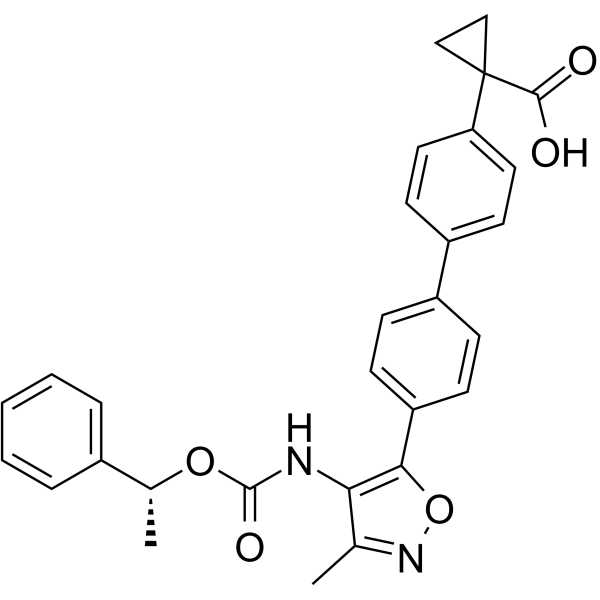
BMS-986020 (AM152) is a high-affinity and selective lysophosphatidic acid receptor 1 (LPA1) antagonist . BMS-986020 inhibits bile acid and phospholipid transporters with IC50s of 4.8 μM, 6.2 μM, and 7.5 μM for BSEP, MRP4, and MDR3, respectively . BMS-986020 has the potential for the treatment of idiopathic pulmonary fibrosis (IPF) .
|
-
-
- HY-114379
-
|
|
LPL Receptor
|
Neurological Disease
Inflammation/Immunology
|
|
AS2717638 is a highly selective, brain-penetrant and orally active lysophosphatidic acid receptor 5 (LPA5) antagonist with an IC50 value of 38 nM. AS2717638 is highly selective and shows no significant antagonistic activity against other LPA receptors (LPA1, LPA2, and LPA3). AS2717638 can be used in the research of pain and neuroinflammation-related diseases .
|
-
-
- HY-100882
-
-
-
- HY-18076
-
-
-
- HY-150204
-
|
|
LPL Receptor
|
Others
|
|
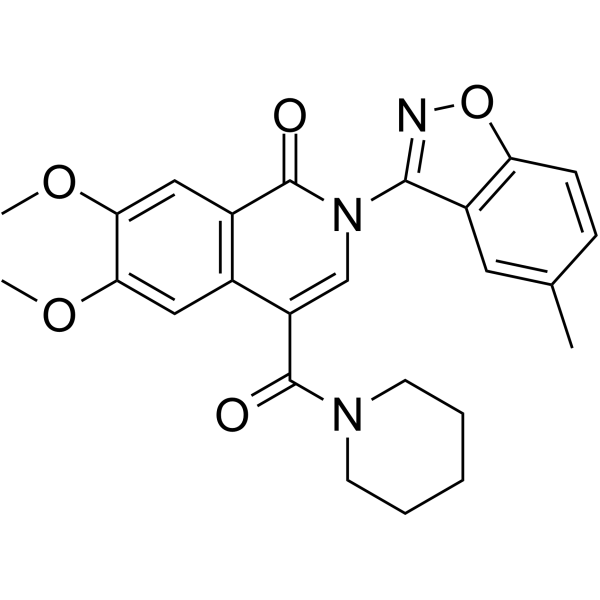
ONO-0740556 is a potent Gi-coupled human lysophosphatidic acid receptor 1 (LPA1) agonist with an EC50 value of 0.26 nM .
|
-
-
- HY-157693
-
|
|
Endogenous Metabolite
|
Cancer
|
|
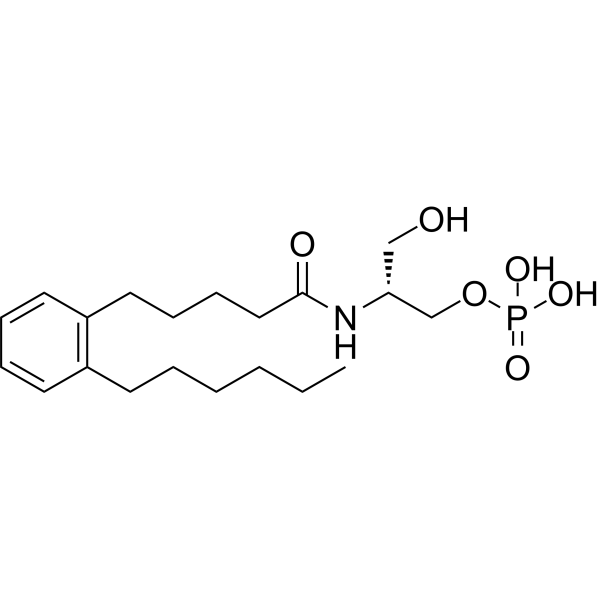
C18:1 Cyclic LPA is a naturally occurring analog of the growth factor-like phospholipid mediator, lysophosphatidic acid (LPA), characterized by the formation of a 5-membered ring between its sn-2 hydroxy group and the sn-3 phosphate. This unique structure allows C18:1 Cyclic LPA to influence a variety of cellular functions, such as inhibiting cell cycle progression, promoting the formation of stress fibers, curtailing tumor cell invasiveness and metastasis, and modulating the differentiation and survival of neuronal cells. Notably, many of these cellular effects elicited by C18:1 Cyclic LPA appear to counter those induced by LPA, despite the activation of seemingly similar receptor populations.
|
-

-
- HY-120967
-
|
|
p38 MAPK
Akt
Interleukin Related
|
Cancer
|
|
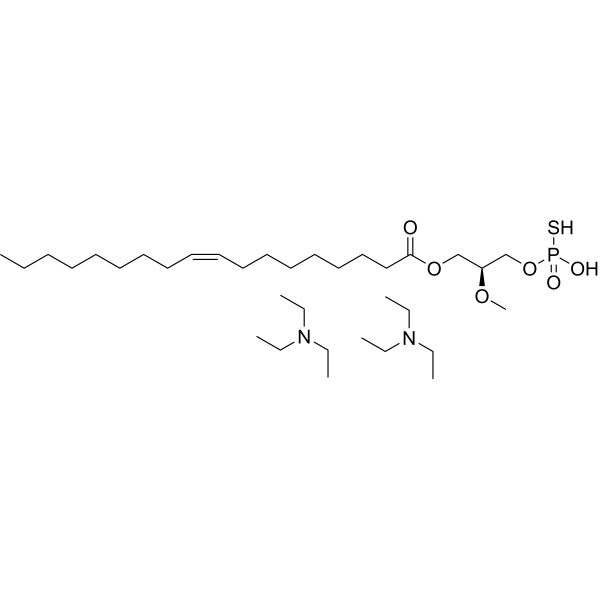
(2S)-OMPT (triethylamine), in ethanol:chloroform (1:1), 98%, Lysophosphatidic acid analogue, is a LPA3 G-protein-coupled receptor agonist. (2S)-OMPT (triethylamine), in ethanol:chloroform (1:1), 98% selectively activates LPA3 G-protein-coupled receptor to trigger downstream cellular signaling events. (2S)-OMPT (triethylamine), in ethanol:chloroform (1:1), 98% induces calcium, IL-6 release in cancer cells and activates MAPK and Akt signaling pathways. (2S)-OMPT (triethylamine), in ethanol:chloroform (1:1), 98% can be used for the research of ovarian cancer .
|
-
-
- HY-100619A
-
|
AM152 sodium
|
LPL Receptor
|
Metabolic Disease
Inflammation/Immunology
|
|
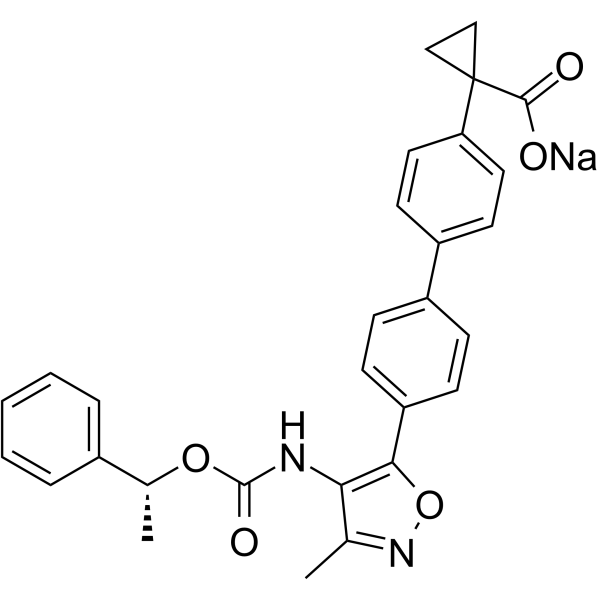
BMS-986020 (AM152) sodium is a high-affinity lysophosphatidic acid receptor 1 (LPA1) antagonist . BMS-986020 sodium inhibits bile acid and phospholipid transporters with IC50s of 4.8 μM, 6.2 μM, and 7.5 μM for BSEP, MRP4, and MDR3, respectively . BMS-986020 sodium has the potential for the treatment of idiopathic pulmonary fibrosis (IPF) .
|
-
-
- HY-15706
-
|
|
LPL Receptor
|
Cardiovascular Disease
|
|
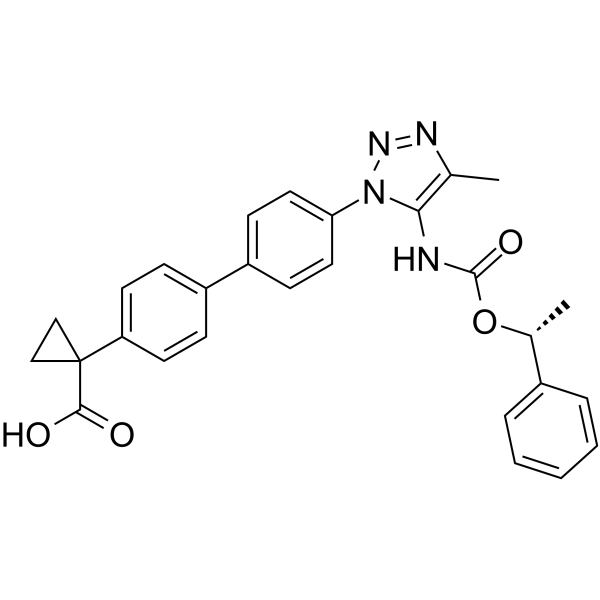
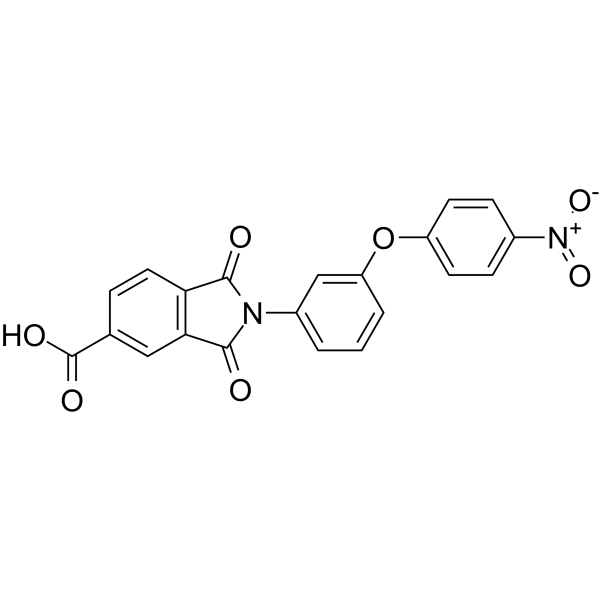
H2L 5765834 is an antagonist of lysophosphatidic acid receptors LPA1, LPA3, and LPA5, with IC50s of 94, 752, and 463 nM respectively .
|
-
-
- HY-128127
-
|
|
LPL Receptor
|
Others
|
|
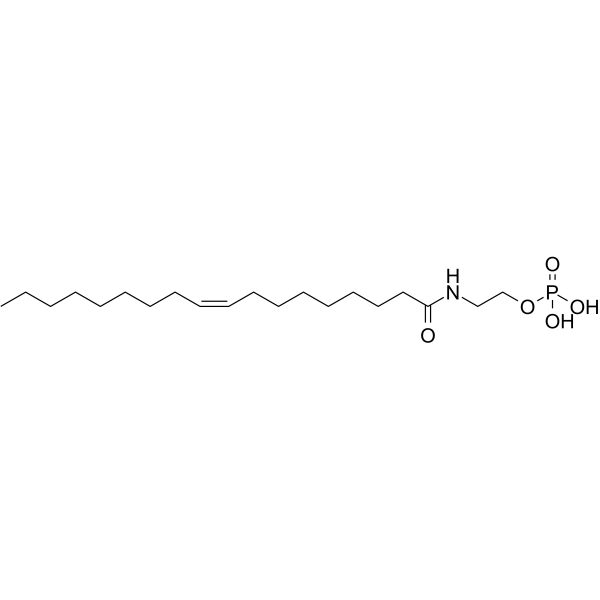
NAEPA, a phosphate-mimetic derivative, is a lysophosphatidic acid (LPA) receptor agonist .
|
-
-
- HY-137862A
-
|
(Rac)-1-Oleoyl-sn-glycero-3-phosphate; (Rac)-1-Oleoyl-LPA
|
LPL Receptor
Drug Isomer
|
Neurological Disease
|
|
(Rac)-1-Oleoyl lysophosphatidic acid is an isomer of 1-Oleoyl lysophosphatidic acid sodium (HY-107614). 1-Oleoyl lysophosphatidic acid sodium is a bioactive lipid that can activate the LPA receptors .
|
-

-
- HY-114380
-
|
|
LPL Receptor
|
Others
|
|
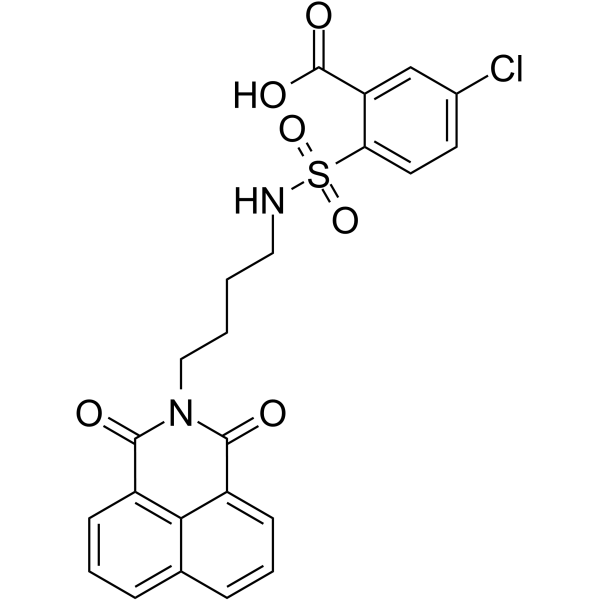
Radioprotectin-1 is a potent and specific nonlipid agonist of lysophosphatidic acid receptor 2 (LPA2), with an EC50 value of 25 nM for murine LPA2 subtype .
|
-
-
- HY-117444
-
|
|
LPL Receptor
|
Cancer
|
|
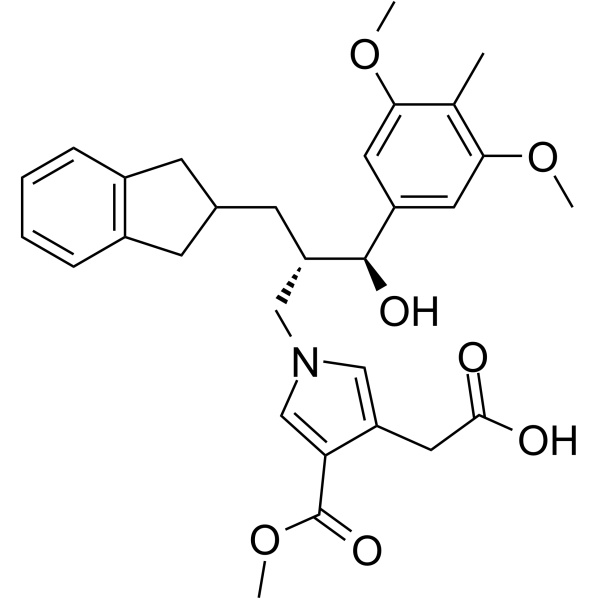
ONO-9780307 is a specific synthetic LPA1 (lysophosphatidic acid receptor 1) antagonist with an IC50 value of 2.7 nM .
|
-
-
- HY-120967A
-
|
|
p38 MAPK
Akt
Interleukin Related
|
Cancer
|
|
(2S)-OMPT, Lysophosphatidic acid analogue, is a LPA3 G-protein-coupled receptor agonist. (2S)-OMPT selectively activates LPA3 G-protein-coupled receptor to trigger downstream cellular signaling events. (2S)-OMPT induces calcium, IL-6 release in cancer cells and activates MAPK and Akt signaling pathways. (2S)-OMPT can be used for the research of ovarian cancer .
|
-

-
- HY-117779
-
DBIBB
2 Publications Verification
|
Apoptosis
|
Endocrinology
|
|
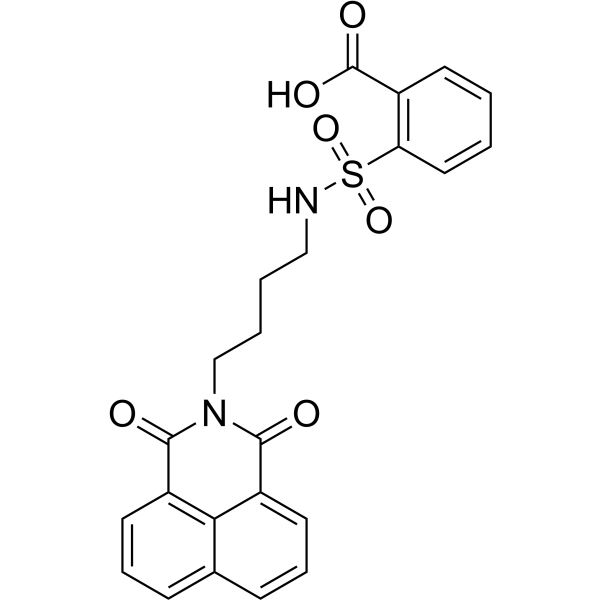
DBIBB is a specific nonlipid agonist of the type 2 G protein coupled receptor for lysophosphatidic acid (LPA2). DBIBB mitigates the gastrointestinal radiation syndrome, increases intestinal crypt survival and enterocyte proliferation, and reduces apoptosis. DBIBB represents a agent candidate capable of mitigating acute radiation syndrome caused by high-dose γ-radiation to the hematopoietic and gastrointestinal system .
|
-
-
- HY-115450
-
|
|
LPL Receptor
|
Endocrinology
Cancer
|
|
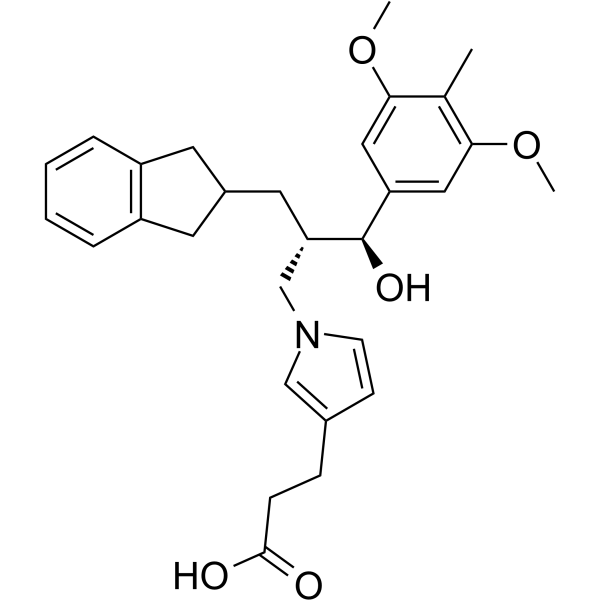
ONO-0300302 is an orally active and potent LPA1 (lysophosphatidic acid receptor 1) antagonist, with an IC50 of 0.086 μM. ONO-0300302 is a slow tight binding inhibitor, and its binding affinity increases with time, with Kd of 0.34 nM (37 °C, 2 h). ONO-0300302 can be used for benign prostatic hyperplasia (BPH) research .
|
-
-
- HY-120478
-
|
|
LPL Receptor
|
Infection
|
|
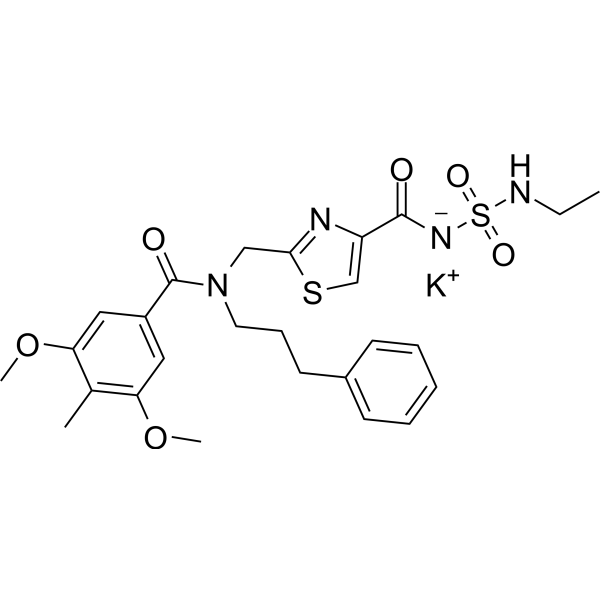
ASP6432 is a potent and selective type 1 lysophosphatidic acid receptor (LPA1) antagonist with IC50s of 11 nM and 30 nM for human LPA1 and rat LPA1, respectively .
|
-
-
- HY-W127502
-
|
1-Hexadecyl LPA; 1-Palmityl LPA; LPA O-16:0
|
Biochemical Assay Reagents
|
Others
|
|
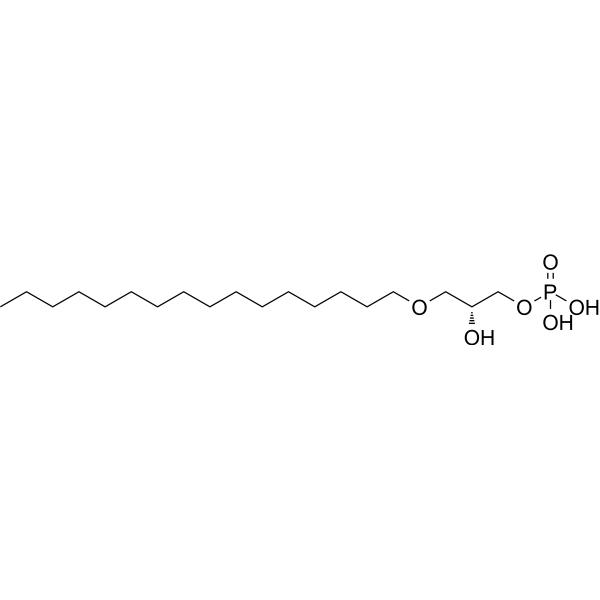
1-Hexadecyl lysophosphatidic acid is an ether analog of lysophosphatidic acid (LPA) containing a hexadecyl group in the sn-1 position. LPA binds to five different G protein-coupled receptors and mediates a variety of biological responses, including cell proliferation, smooth muscle contraction, platelet aggregation, neurite contraction, and cell motility.
|
-
-
- HY-167862A
-
|
|
LPL Receptor
|
Neurological Disease
|
|
UCM-05194 (ammonium) is a lysophosphatidic acid receptor 1 (LPA1) agonist. UCM-05194 (ammonium) induces calcium mobilization in LPA1-expressing RH7777 cells (EC50 = 0.24 µM). UCM-05194 (ammonium) induces neurite retraction and migration in LPA1-overexpressing B103 rat neuroblastoma cells. UCM-05194 (ammonium) attenuates acetic acid-induced writhing and hind paw mechanical hypersensitivity in mice .
|
-

-
- HY-151391
-
|
|
Biochemical Assay Reagents
|
Neurological Disease
|
|
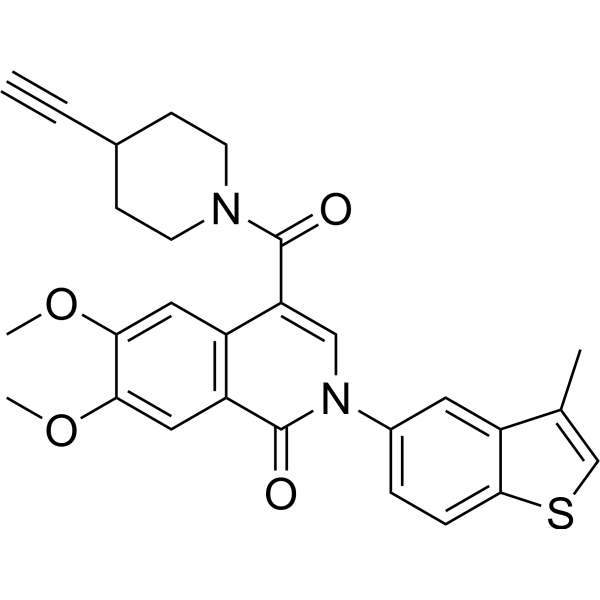
LPA5 antagonist 1 (Compound 66) is a potent and selective lysophosphatidic acid receptor 5 (LPA5) antagonist (IC50=32 nM). LPA5 antagonist 1 shows high blood-brain-barrier permeability and anti-nociceptive activity. LPA5 antagonist 1 can be used in inflammatory and neuropathic pain research . LPA5 antagonist 1 is a click chemistry reagent, it contains an Alkyne group and can undergo copper-catalyzed azide-alkyne cycloaddition (CuAAc) with molecules containing Azide groups.
|
-
-
- HY-124072
-
|
|
Cyclophilin
LPL Receptor
MDM-2/p53
Apoptosis
Reactive Oxygen Species (ROS)
|
Cancer
|
|
HL001 is an orally active small molecule inhibitor of Cyclophilin A (CypA) and a receptor antagonist of Lysophosphatidic acid 1 (LPA1). HL001 induces cell cycle arrest and apoptosis of tumor cells by p53. HL001 stabilizes p53 by down-regulating G3BP1, inducing reactive oxygen species and DNA damage. HL001 disrupts the interaction between MDM2 and p53-72R in a CypA dependent manner. HL001 has antitumor activity. HL001 can also be used to study pulmonary fibrosis .
|
-

-
- HY-N15794
-
-

-
- HY-W040176
-
|
N-Palmitoyl-tyrosine phosphoric acid ammonium
|
LPL Receptor
|
Cardiovascular Disease
Neurological Disease
Inflammation/Immunology
|
|
N-PTyrosine PA (N-Palmitoyl-tyrosine phosphoric acid) ammonium is a lysophosphatidic acid (LPA) receptor modulator, which exhibits weak inhibitory activity against LPA1 and partial agonist properties towards LPA5. N-PTyrosine PA ammonium inhibits the activation of LPA receptors and downstream responses by competing with agonists for binding sites. N-PTyrosine PA ammonium can induce morphological changes and aggregation, and also inhibit LPA-induced morphological changes through receptor desensitization caused by pre-incubation. N-PTyrosine PA ammonium can be used in the research of related diseases such as atherosclerosis and acute ischemic syndromes (e.g., unstable angina, myocardial infarction, stroke) .
|
-

-
- HY-160173
-
|
|
LPL Receptor
|
Others
|
|
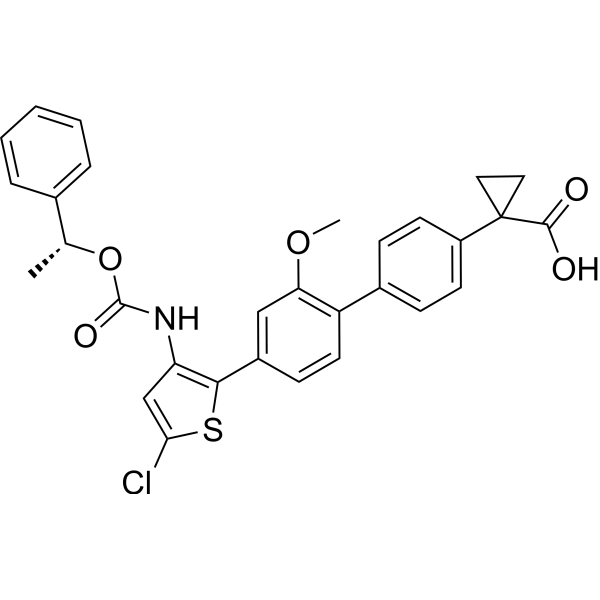
LPA receptor antagonist-1 (example 52) is an antagonist of lysophosphatidic acid (LPA) receptor. LPA receptor antagonist-1 can be used for kinds of studies .
|
-
-
- HY-171906A
-
|
1-Arachidonoyl-sn-glycerol 3-phosphate sodium; 1-Arachidonoyl LPA sodium; LPA (20:4) sodium
|
LPL Receptor
|
Cancer
|
|
1-Arachidonoyl-2-hydroxy-sn-glycero-3-PA (sodium) (1-Arachidonoyl-sn-glycerol 3-phosphate (sodium)) is a phospholipid with arachifonic acid at the sn-1 position. 1-Arachidonoyl-2-hydroxy-sn-glycero-3-PA (sodium) binds to the LPA2/EDG4 receptor (EC50 of 10 nM). 1-Arachidonoyl-2-hydroxy-sn-glycero-3-PA (sodium) can be found in rat brain as 37% of the arachidoinic acid-containing lysophosphatidic acid species. 1-Arachidonoyl-2-hydroxy-sn-glycero-3-PA (sodium) is the precursor to 1-arachidonoyl glycerol. 1-Arachidonoyl-2-hydroxy-sn-glycero-3-PA (sodium) can prevent TNF-α and IL-6 secretion in wild type LPS-stimulated dendritic cells. 1-Arachidonoyl-2-hydroxy-sn-glycero-3-PA (sodium) reduces differentiation of HT-29 colon carcinoma cells into goblet cells when sodium butyrate is present .
|
-

-
- HY-175084
-
|
1-Hexadecyl LPA sodium; 1-Palmityl LPA sodium; LPA O-16:0 sodium
|
LPL Receptor
|
Metabolic Disease
|
|
1-Hexadecyl lysophosphatidic acid (1-Hexadecyl LPA) sodium, an ether analog of lysophosphatidic acid (LPA), is a LPA receptor activator .
|
-

-
- HY-160616
-
-
-
- HY-151392
-
|
|
LPL Receptor
|
Neurological Disease
Inflammation/Immunology
|
|
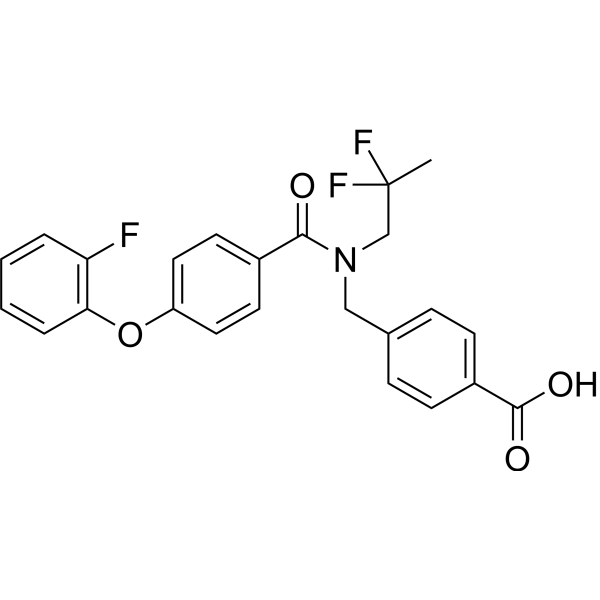
LPA5 antagonist 2 (compound 65) is a high aqueous solubility LPA5 (lysophosphatidic acid receptor 5) antagonist. LPA5 antagonist 2 significantly attenuates nociceptive hypersensitivity and it can be used for the research of inflammatory and neuropathic pains .
|
-
-
- HY-W923661
-
|
PA(O-18:0/0:0); 1-Oleyl LPA; 1-Octadecyl LPA
|
LPL Receptor
|
Others
|
|
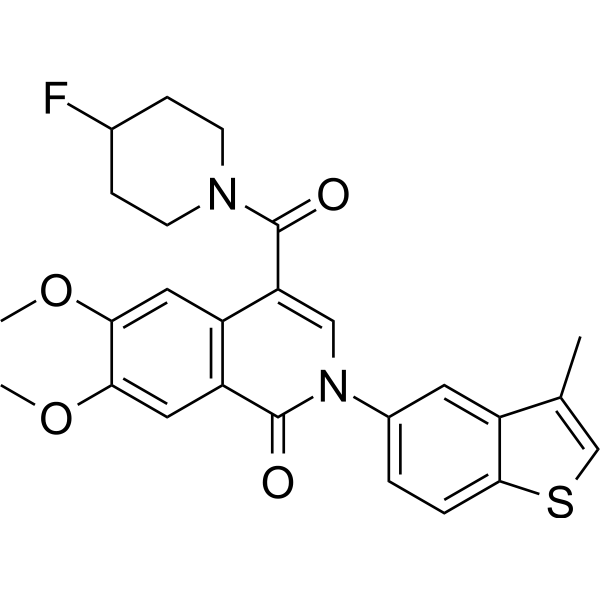
1-Octadecyl lysophosphatidic acid (compound 10) is a GPR92 receptor (LPA5) activator with potential flavoring effects .
|
-

-
- HY-160823
-
|
2ccPA18:1 sodium
|
LPL Receptor
|
Inflammation/Immunology
Cancer
|
|
2ccPA sodium is a lysophosphatidic acid (LPA) receptor agonist. 2ccPA sodium modulates processes such as cell proliferation, migration, and apoptosis by activating LPA receptors and inhibiting autotaxin (ATX) enzyme activity. 2ccPA sodium is promising for research of cancers, inflammation, and fibrosis .
|
-

-
- HY-160003
-
|
|
PPAR
|
Metabolic Disease
|
|
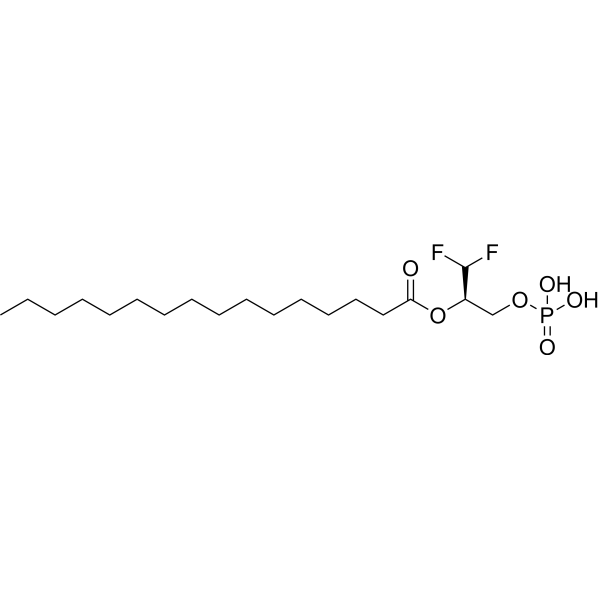
PPARγ agonist 9 is an agonist of PPARγ. PPARγ agonist 9 is the analogue of lysophosphatidic acid with an EC50 more than 10 μM for LPA3 receptor .
|
-
-
- HY-107614R
-
|
1-Oleoyl-sn-glycero-3-phosphate sodium (Standard); 1-Oleoyl-LPA sodium (Standard)
|
LPL Receptor
Mitosis
Reference Standards
|
Neurological Disease
|
|
1-Oleoyl lysophosphatidic acid sodium (Standard) is the analytical standard of 1-Oleoyl lysophosphatidic acid (sodium) (HY-107614). This product is intended for research and analytical applications. 1-Oleoyl lysophosphatidic acid (1-Oleoyl-sn-glycero-3-phosphate) sodium, a potent bioactive phospholipid, is a LPA receptor activator. 1-Oleoyl lysophosphatidic acid sodium can promote mitosis by inducing DNA synthesis. 1-Oleoyl lysophosphatidic acid sodium is also involved in normal and pathological emotional responses, including anxiety and depression .
|
-

-
- HY-100882R
-
|
|
LPL Receptor
Reference Standards
|
Cardiovascular Disease
|
|
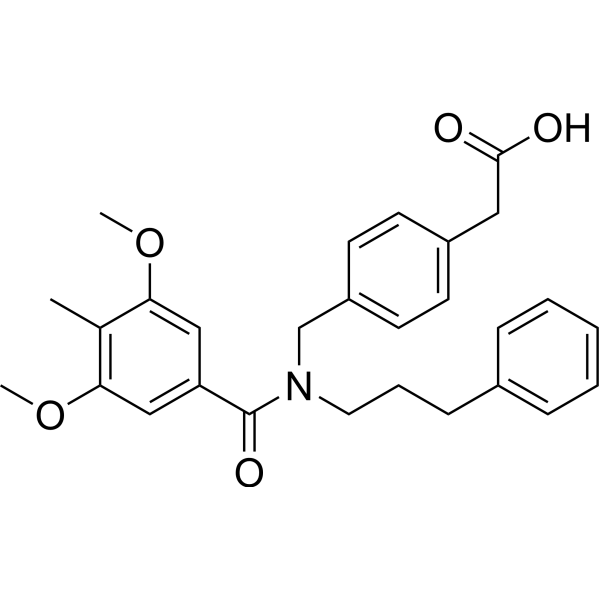
ONO-7300243 (Standard) is the analytical standard of ONO-7300243 (HY-100882). This product is intended for research and analytical applications. ONO-7300243 is a novel, potent lysophosphatidic acid receptor 1 (LPA1) antagonist with IC50 of 0.16 μM.
|
-

-
- HY-100619AR
-
|
AM152 sodium (Standard)
|
LPL Receptor
Reference Standards
|
Metabolic Disease
Inflammation/Immunology
|
|
BMS-986020 (sodium) (Standard) is the analytical standard of BMS-986020 (sodium) (HY-100619A). This product is intended for research and analytical applications. BMS-986020 (AM152) sodium is a high-affinity lysophosphatidic acid receptor 1 (LPA1) antagonist . BMS-986020 sodium inhibits bile acid and phospholipid transporters with IC50s of 4.8 μM, 6.2 μM, and 7.5 μM for BSEP, MRP4, and MDR3, respectively . BMS-986020 sodium has the potential for the treatment of idiopathic pulmonary fibrosis (IPF) .
|
-

-
- HY-100619R
-
|
AM152 (Standard)
|
LPL Receptor
Reference Standards
|
Metabolic Disease
Inflammation/Immunology
|
|
BMS-986020 (Standard) is the analytical standard of BMS-986020 (HY-100619). This product is intended for research and analytical applications. BMS-986020 (AM152) is a high-affinity and selective lysophosphatidic acid receptor 1 (LPA1) antagonist . BMS-986020 inhibits bile acid and phospholipid transporters with IC50s of 4.8 μM, 6.2 μM, and 7.5 μM for BSEP, MRP4, and MDR3, respectively . BMS-986020 has the potential for the treatment of idiopathic pulmonary fibrosis (IPF) .
|
-

-
- HY-120967
-
|
|
生化学アッセイ試薬
|
|
(2S)-OMPT (triethylamine), in ethanol:chloroform (1:1), 98%, Lysophosphatidic acid analogue, is a LPA3 G-protein-coupled receptor agonist. (2S)-OMPT (triethylamine), in ethanol:chloroform (1:1), 98% selectively activates LPA3 G-protein-coupled receptor to trigger downstream cellular signaling events. (2S)-OMPT (triethylamine), in ethanol:chloroform (1:1), 98% induces calcium, IL-6 release in cancer cells and activates MAPK and Akt signaling pathways. (2S)-OMPT (triethylamine), in ethanol:chloroform (1:1), 98% can be used for the research of ovarian cancer .
|
-
- HY-W127502
-
|
1-Hexadecyl LPA; 1-Palmityl LPA; LPA O-16:0
|
生化学アッセイ試薬
|
|
1-Hexadecyl lysophosphatidic acid is an ether analog of lysophosphatidic acid (LPA) containing a hexadecyl group in the sn-1 position. LPA binds to five different G protein-coupled receptors and mediates a variety of biological responses, including cell proliferation, smooth muscle contraction, platelet aggregation, neurite contraction, and cell motility.
|
| 製品番号 |
製品名 |
Category |
Target |
構造式 |
-
- HY-N15794
-
|
|
Lipid
|
LPL Receptor
|
|
AzoLPA ammonium is a photoswitchable lipid that activates the Lysophosphatidic acid 1-5 (LPA1-5) receptors’ signaling .
|
-
| 製品番号 |
Compare |
製品名 |
Application |
Reactivity |
Image |
Compare Products
|
| Products |
|
| Cat. No. |
|
| Host |
|
| Reactivity |
|
| Application |
|
Dilution
Ratio |
|
| Molecular Weight |
|
| Conjugation |
|
| Clonality |
|
| Immunogen |
|
| Appearance |
|
| Isotype |
|
| Gene ID |
|
| SwissProt ID |
|
| Purity |
|
| Formulation |
|
| Free Sample |
Yes
No
|
| Size |
* This product has been "discontinued".
Optimized version of product available:
|
-
- HY-151391
-
|
|
|
Alkynes
|
|
LPA5 antagonist 1 (Compound 66) is a potent and selective lysophosphatidic acid receptor 5 (LPA5) antagonist (IC50=32 nM). LPA5 antagonist 1 shows high blood-brain-barrier permeability and anti-nociceptive activity. LPA5 antagonist 1 can be used in inflammatory and neuropathic pain research . LPA5 antagonist 1 is a click chemistry reagent, it contains an Alkyne group and can undergo copper-catalyzed azide-alkyne cycloaddition (CuAAc) with molecules containing Azide groups.
|
-
- HY-157693
-
|
|
|
Phospholipids
|
|
C18:1 Cyclic LPA is a naturally occurring analog of the growth factor-like phospholipid mediator, lysophosphatidic acid (LPA), characterized by the formation of a 5-membered ring between its sn-2 hydroxy group and the sn-3 phosphate. This unique structure allows C18:1 Cyclic LPA to influence a variety of cellular functions, such as inhibiting cell cycle progression, promoting the formation of stress fibers, curtailing tumor cell invasiveness and metastasis, and modulating the differentiation and survival of neuronal cells. Notably, many of these cellular effects elicited by C18:1 Cyclic LPA appear to counter those induced by LPA, despite the activation of seemingly similar receptor populations.
|
-
- HY-120967A
-
|
|
|
Phospholipids
|
|
(2S)-OMPT, Lysophosphatidic acid analogue, is a LPA3 G-protein-coupled receptor agonist. (2S)-OMPT selectively activates LPA3 G-protein-coupled receptor to trigger downstream cellular signaling events. (2S)-OMPT induces calcium, IL-6 release in cancer cells and activates MAPK and Akt signaling pathways. (2S)-OMPT can be used for the research of ovarian cancer .
|
入力情報は安全に管理されます. ※ 必須入力項目.
Inquiry Information
- 製品名:
- 製品番号:
- 数量:
- MCE 日本正規代理店:








