Search Result
Results for "
mammalian cell culture
" in MedChemExpress (MCE) Product Catalog:
8
Biochemical Assay Reagents
4
Isotope-Labeled Compounds
| Cat. No. |
Product Name |
Target |
Research Areas |
Chemical Structure |
-
- HY-B1777
-
|
NSC 268508; Neuridine
|
Endogenous Metabolite
Bacterial
Reactive Oxygen Species (ROS)
DNA/RNA Synthesis
|
Infection
Neurological Disease
Inflammation/Immunology
|
|
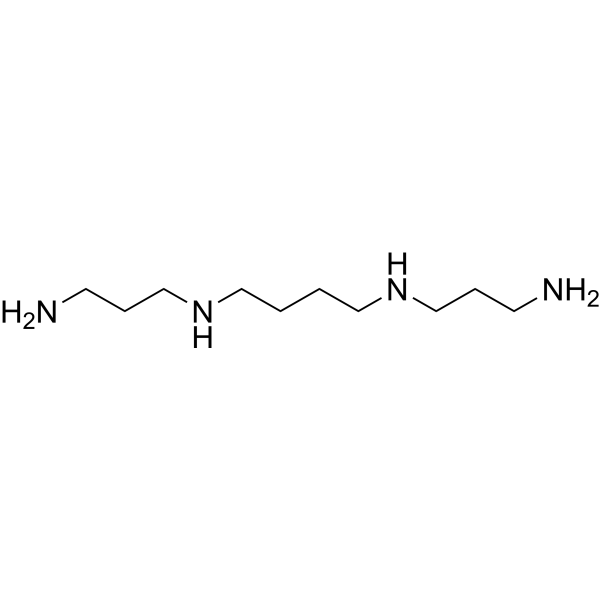
Spermine is a natural antioxidant and anti-inflammatory agent. Spermine is known to inhibit some bacterial cultures, especially strains of Staphylococcus aureus. Spermine induces neurotoxicity in the striarum dose-dependently. Spermine can reversibly inhibits DNA synthetic response, mixed lymphocyte response and the induction of cytolytic lymphocyte response in primary cultures of murine spleen cells. Spermine tetrahydrochloride is a polyamine nitric oxide donor that can provide nitric oxide to platelets and inhibit platelet activation to a certain extent concentration-dependently. Spermine tetrahydrochloride occurs in mammalian tissues, plants, bacteria, ribosomes and bacteriophage. Spermine tetrahydrochloride inhibits primary human embryo lung fibroblasts in vitro .
|
-
-
- HY-D0859
-
MOPS
1 Publications Verification
|
Biochemical Assay Reagents
|
Others
|
|
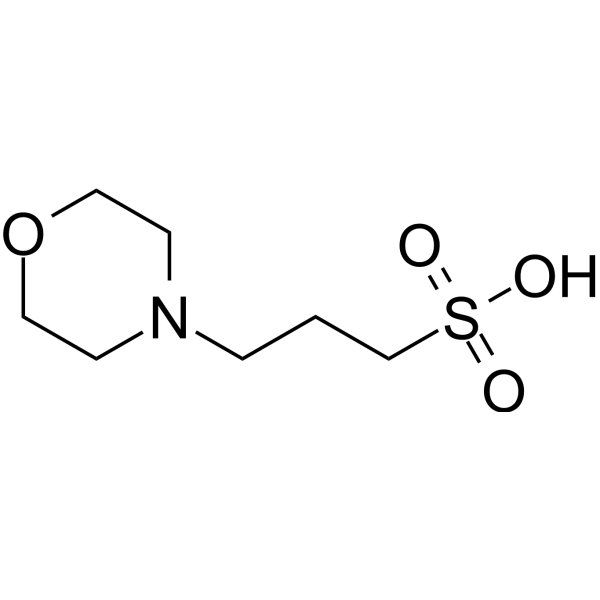
MOPS is a buffering agent used in biology. MOPS buffer maintains the pH of mammalian cell culture media. MOPS significantly improves the thermal stability of BSA (HY-D0842) .
|
-
-
- HY-23430
-
|
|
Biochemical Assay Reagents
|
Others
|
|
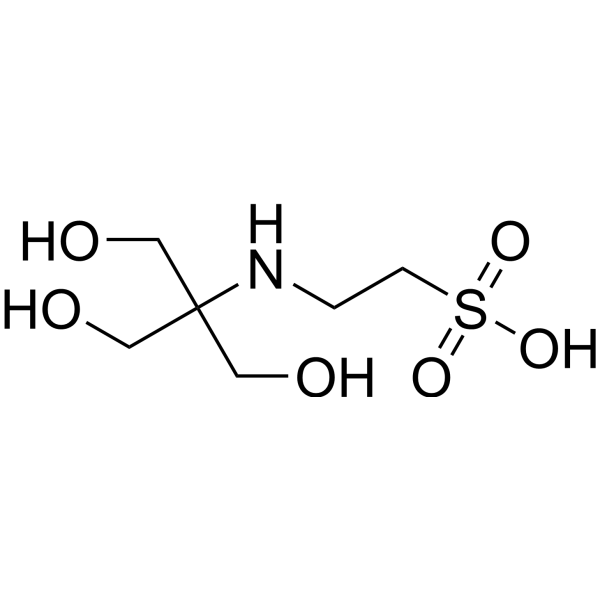
TES is an excellent hydrogen ion buffer. TES has characteristics such as an appropriate dissociation constant, a low metal-binding constant, and high water solubility. TES can be used in the research of mammalian cell culture, viruses, and so on .
|
-
-
- HY-153079
-
|
|
mRNA
|
Others
|
|
eGFP mRNA (N1-Me-Pseudo UTP) will express green fluorescent protein, originally isolated from the jellyfish, Aequorea victoria. The eGFP is a commonly used direct detection reporter in mammalian cell culture, yielding bright green fluorescence. The substitution with N1-Me-Pseudo UTP (m1Ψ) improves protein expression and reduces innate immune response.
|
-

-
- HY-B1777AS
-
|
|
Isotope-Labeled Compounds
Endogenous Metabolite
Reactive Oxygen Species (ROS)
Bacterial
DNA/RNA Synthesis
|
Metabolic Disease
|
|
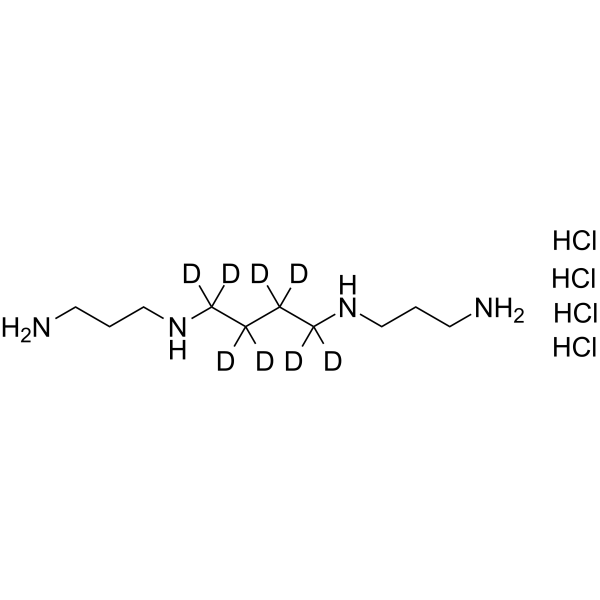
Spermine-d8 (tetrahydrochloride) is the deuterium labeled Spermine tetrahydrochloride. Spermine tetrahydrochloride is a polyamine nitric oxide donor that can provide nitric oxide to platelets and inhibit platelet activation to a certain extent concentration-dependently. Spermine tetrahydrochloride occurs in mammalian tissues, plants, bacteria, ribosomes and bacteriophage. Spermine tetrahydrochloride inhibits primary human embryo lung fibroblasts in vitro. Spermine is a natural antioxidant and anti-inflammatory agent. Spermine is known to inhibit some bacterial cultures, especially strains of Staphylococcus aureus. Spermine induces neurotoxicity in the striarum dose-dependently. Spermine can reversibly inhibits DNA synthetic response, mixed lymphocyte response and the induction of cytolytic lymphocyte response in primary cultures of murine spleen cells .
|
-
-
- HY-B1777A
-
|
|
Endogenous Metabolite
Bacterial
Reactive Oxygen Species (ROS)
DNA/RNA Synthesis
|
Infection
Neurological Disease
Inflammation/Immunology
|
|
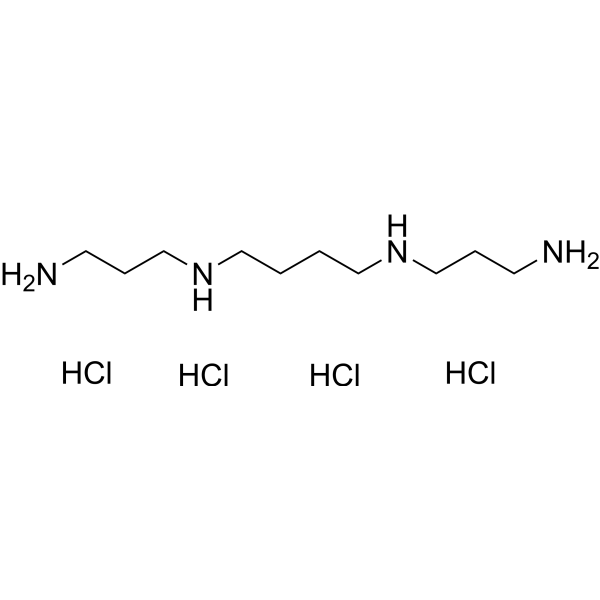
Spermine tetrahydrochloride is a polyamine nitric oxide donor that can provide nitric oxide to platelets and inhibit platelet activation to a certain extent concentration-dependently. Spermine tetrahydrochloride occurs in mammalian tissues, plants, bacteria, ribosomes and bacteriophage. Spermine tetrahydrochloride inhibits primary human embryo lung fibroblasts in vitro. Spermine is a natural antioxidant and anti-inflammatory agent. Spermine is known to inhibit some bacterial cultures, especially strains of Staphylococcus aureus. Spermine induces neurotoxicity in the striarum dose-dependently. Spermine can reversibly inhibits DNA synthetic response, mixed lymphocyte response and the induction of cytolytic lymphocyte response in primary cultures of murine spleen cells .
|
-
-
- HY-D0859A
-
|
|
Biochemical Assay Reagents
|
Others
|
|
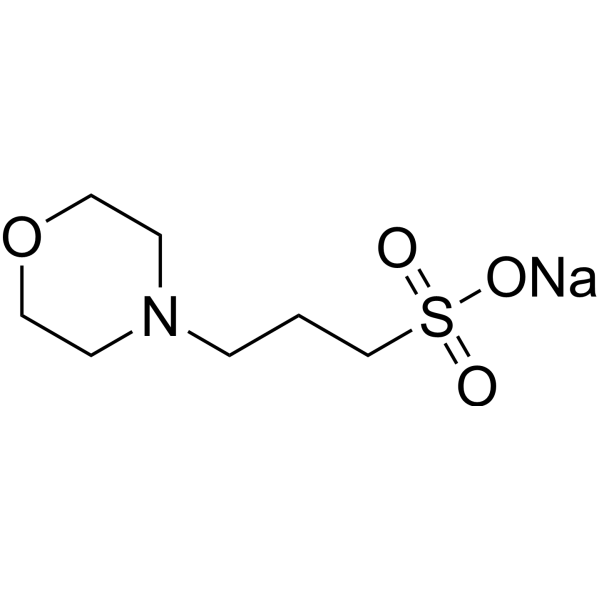
MOPS sodium salt is a buffering agent used in biology. MOPS buffer maintains the pH of mammalian cell culture media. MOPS sodium salt significantly improves the thermal stability of BSA (HY-D0842) .
|
-
-
- HY-174497
-
|
|
mRNA
|
Others
|
|
eGFP mRNA expresses green fluorescent protein derived from the jellyfish Aequorea victoria. eGFP is a commonly used direct-detection reporter gene in mammalian cell culture, which produces bright green fluorescence. This product is synthesized without modified nucleosides, with a Cap1 version cap analog at the 5' end and a 100nt PolyA tail at the 3' end. It can be used as a positive reference for IVT (in vitro transcription) or LNP delivery systems.
|
-

-
- HY-Y1365C
-
|
|
Biochemical Assay Reagents
|
Others
|
|
Fish Gelatin,suitable for cell culture is an essential natural biopolymer. Fish Gelatin,suitable for cell culture can be isolated from fish processing by-products, such as fish skin, scales, bones and fish maw. Fish Gelatin,suitable for cell culture has been considered as a feasible substitute for mammalian gelatin. Modified Fish gelatin shows significant promise across various industries, including nanomaterials, 3D printing, thin films, coatings, and biopharmaceuticals. Fish Gelatin,suitable for cell culture can be used for cell culture .
|
-

-
- HY-122672
-
|
|
FAK
|
Neurological Disease
|
|
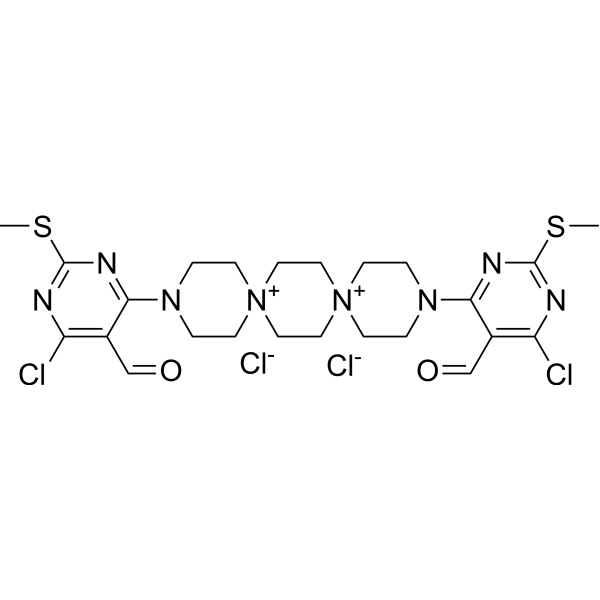
Adhesamine, dumbbell-shaped molecule, activates MAPK/FAK pathway. Adhesamine promotes adhesion and growth of mammalian cells. Adhesamine accelerates the differentiation and improves the survival of mice hippocampal neurons in primary culture .
|
-
-
- HY-153081
-
|
|
Fluorescent Dye
|
Others
|
|
The eGFP circRNA will express green fluorescent protein, originally isolated from the jellyfish, Aequorea victoria. The eGFP is a commonly used direct detection reporter in mammalian cell culture, yielding bright green fluorescence with an emission peak at 509 nm. The eGFP circRNA is therefore ideal for monitoring and optimizing transfection efficiency and is recommended as a positive control for circular RNA transfections.
|
-

-
- HY-W259668
-
|
|
Biochemical Assay Reagents
|
Others
|
|
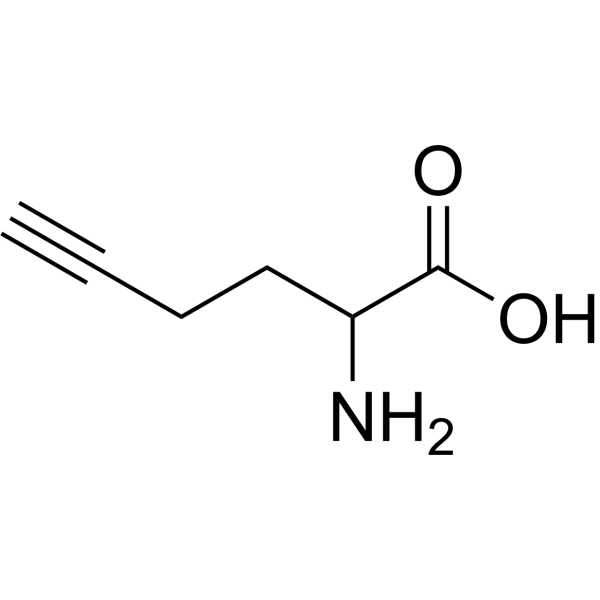
Homopropargylglycine is a Methionine (HY-13694) analogue. Homopropargylglycine is incorporated at a suitable rate into newly synthesized proteins in a variety of systems, including mammalian cell culture. Homopropargylglycine can be used to identify old and new protein populations . Homopropargylglycine is a click chemistry reagent, it contains an Alkyne group and can undergo copper-catalyzed azide-alkyne cycloaddition (CuAAc) with molecules containing Azide groups.
|
-
-
- HY-174493
-
|
|
mRNA
|
Others
|
|
Firefly luciferase (FLuc) mRNA (5moU) expresses a luciferase protein, originally isolated from the firefly, Photinus pyralis. FLuc is commonly used in mammalian cell culture to measure both gene expression and cell viability. It emits bioluminescence in the presence of the substrate, luciferin.
|
-

-
- HY-23430A
-
|
|
Biochemical Assay Reagents
|
Others
|
|
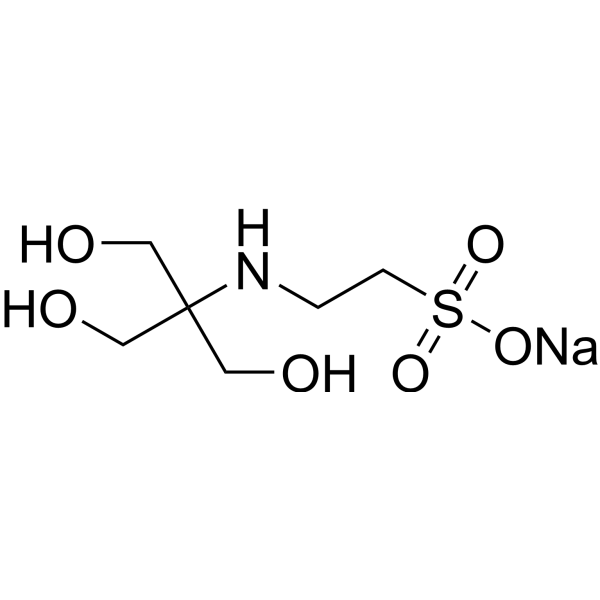
TES sodium is an excellent hydrogen ion buffer. TES sodium has characteristics such as an appropriate dissociation constant, a low metal-binding constant, and high water solubility. TES sodium can be used in the research of mammalian cell culture, viruses, and so on .
|
-
-
- HY-132975
-
|
|
Bacterial
|
Others
|
|
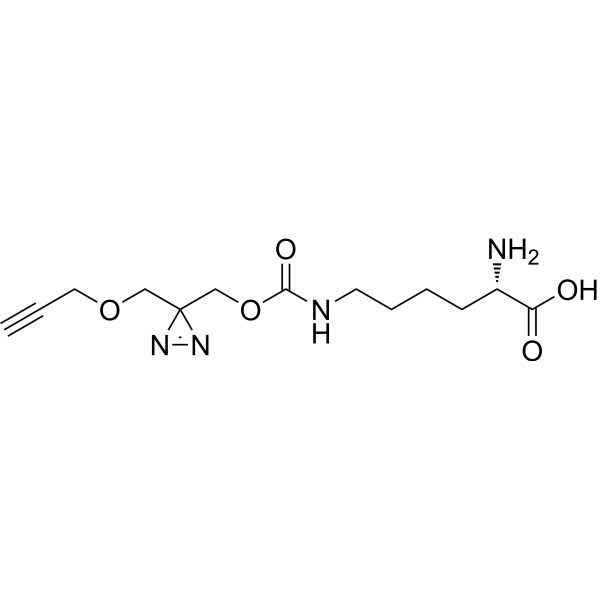
PrDiAzK is a bifunctional amino acid. PrDiAzK can be site-selectively incorporated into proteins in both bacterial and mammalian cell culture. PrDiAzK can be used for proteome-wide incorporation via stochastic orthogonal recoding of translation (SORT) . PrDiAzK is a click chemistry reagent, it contains an Alkyne group and can undergo copper-catalyzed azide-alkyne cycloaddition (CuAAc) with molecules containing Azide groups.
|
-
-
- HY-174496
-
|
|
mRNA
|
Others
|
|
eGFP mRNA (5moU) expresses a green fluorescent protein, originally isolated from the jellyfish, Aequorea victoria. EGFP is a commonly used direct detection reporter in mammalian cell culture, yielding bright green fluorescence. The substitution with 5’-Methoxyuridine (5moU) improves protein expression and reduces innate immune response.
|
-

-
- HY-B1777S
-
|
NSC 268508-15N2; Neuridine-15N2
|
Isotope-Labeled Compounds
Endogenous Metabolite
Bacterial
Reactive Oxygen Species (ROS)
DNA/RNA Synthesis
|
Infection
Neurological Disease
Inflammation/Immunology
|
|
Spermine- 15N2 (NSC 268508- 15N2) is the 15N-labeled Spermine (HY-B1777). Spermine is a natural antioxidant and anti-inflammatory agent. Spermine is known to inhibit some bacterial cultures, especially strains of Staphylococcus aureus. Spermine induces neurotoxicity in the striarum dose-dependently. Spermine can reversibly inhibits DNA synthetic response, mixed lymphocyte response and the induction of cytolytic lymphocyte response in primary cultures of murine spleen cells. Spermine tetrahydrochloride is a polyamine nitric oxide donor that can provide nitric oxide to platelets and inhibit platelet activation to a certain extent concentration-dependently. Spermine tetrahydrochloride occurs in mammalian tissues, plants, bacteria, ribosomes and bacteriophage. Spermine tetrahydrochloride inhibits primary human embryo lung fibroblasts in vitro .
|
-

-
- HY-D0859S
-
|
|
Isotope-Labeled Compounds
|
Others
|
|
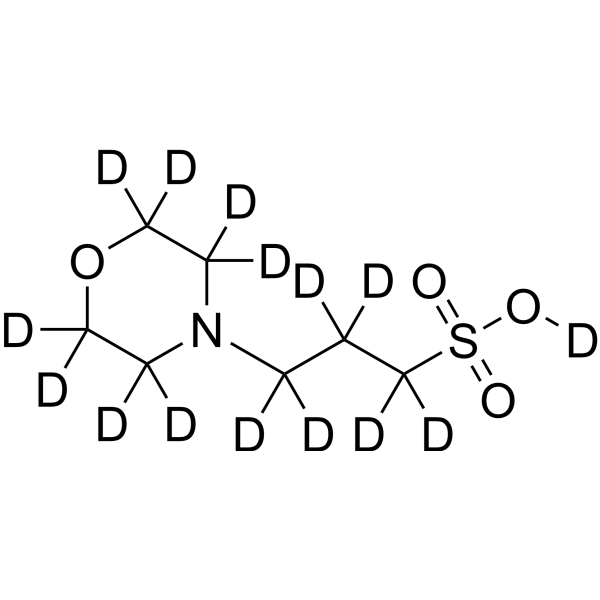
MOPS-d15 is the deuterium labeled MOPS (HY-D0859). MOPS is a buffering agent used in biology. MOPS buffer maintains the pH of mammalian cell culture media. MOPS significantly improves the thermal stability of BSA (HY-D0842) .
|
-
-
- HY-23430S
-
|
|
Isotope-Labeled Compounds
Biochemical Assay Reagents
|
Others
|
|
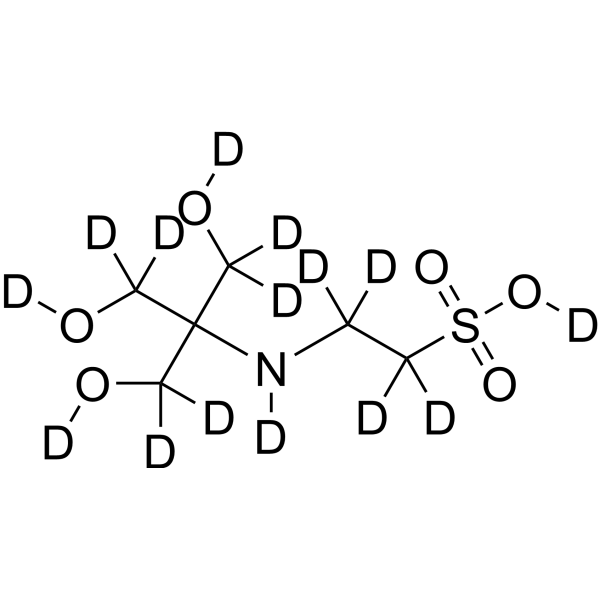
TES-d15 is the deuterium labeled TES (HY-23430). TES is an excellent hydrogen ion buffer. TES has characteristics such as an appropriate dissociation constant, a low metal-binding constant, and high water solubility. TES can be used in the research of mammalian cell culture, viruses, and so on .
|
-
-
- HY-117092
-
|
|
Antibiotic
Fungal
|
Infection
|
|
BE-31405 is an antifungal antibiotic. BE-31405 can be isolated from the culture broth of the fungal strains such as Penicillium minioluteum F31405, Talaromyces siamensis FKA-61, and Phomopsis sp. FKA-62. BE-31405 exhibits potent growth inhibitory activity against pathogenic fungal strains including Candida albicans, Candida glabrata, and Cryptococcus neoformans. BE-31405 shows no cytotoxicity against mammalian cells .
|
-

-
- HY-B1777AR
-
|
|
Reference Standards
Endogenous Metabolite
Bacterial
Reactive Oxygen Species (ROS)
DNA/RNA Synthesis
|
Infection
Neurological Disease
Inflammation/Immunology
|
|
Spermine (tetrahydrochloride) (Standard) is the analytical standard of Spermine (tetrahydrochloride). This product is intended for research and analytical applications. Spermine tetrahydrochloride is a polyamine nitric oxide donor that can provide nitric oxide to platelets and inhibit platelet activation to a certain extent concentration-dependently. Spermine tetrahydrochloride occurs in mammalian tissues, plants, bacteria, ribosomes and bacteriophage. Spermine tetrahydrochloride inhibits primary human embryo lung fibroblasts in vitro. Spermine is a natural antioxidant and anti-inflammatory agent. Spermine is known to inhibit some bacterial cultures, especially strains of Staphylococcus aureus. Spermine induces neurotoxicity in the striarum dose-dependently. Spermine can reversibly inhibits DNA synthetic response, mixed lymphocyte response and the induction of cytolytic lymphocyte response in primary cultures of murine spleen cells .
|
-

-
- HY-182730
-
|
|
Biochemical Assay Reagents
|
Others
|
|
1% Gelatin solution for cell culture. Used for coating surfaces of cell culture plates, dishes, etc., to promote the adhesion and proliferation of mammalian cells. The gelatin solution may precipitate at lower temperatures; therefore, it can be incubated at 25°C-55°C until completely dissolved before use. Dilute with sterile ultrapure water before coating.
|
-

-
- HY-182609
-
|
|
Biochemical Assay Reagents
|
Others
|
|
0.5% Gelatin solution for cell culture. Used for coating surfaces of cell culture plates, dishes, etc., to promote the adhesion and proliferation of mammalian cells. The gelatin solution may precipitate at lower temperatures; therefore, it can be incubated at 25°C-55°C until completely dissolved before use. Dilute with sterile ultrapure water before coating.
|
-

-
- HY-182608
-
|
|
Biochemical Assay Reagents
|
Others
|
|
0.1% Gelatin solution for cell culture. Used for coating surfaces of cell culture plates, dishes, etc., to promote the adhesion and proliferation of mammalian cells. The gelatin solution may precipitate at lower temperatures; therefore, it can be incubated at 25°C-55°C until completely dissolved before use. Dilute with sterile ultrapure water before coating.
|
-

| Cat. No. |
Product Name |
Type |
-
- HY-23430
-
|
|
Biochemical Assay Reagents
|
|
TES is an excellent hydrogen ion buffer. TES has characteristics such as an appropriate dissociation constant, a low metal-binding constant, and high water solubility. TES can be used in the research of mammalian cell culture, viruses, and so on .
|
-
- HY-D0859A
-
|
|
Biochemical Assay Reagents
|
|
MOPS sodium salt is a buffering agent used in biology. MOPS buffer maintains the pH of mammalian cell culture media. MOPS sodium salt significantly improves the thermal stability of BSA (HY-D0842) .
|
-
- HY-Y1365C
-
|
|
Biochemical Assay Reagents
|
|
Fish Gelatin,suitable for cell culture is an essential natural biopolymer. Fish Gelatin,suitable for cell culture can be isolated from fish processing by-products, such as fish skin, scales, bones and fish maw. Fish Gelatin,suitable for cell culture has been considered as a feasible substitute for mammalian gelatin. Modified Fish gelatin shows significant promise across various industries, including nanomaterials, 3D printing, thin films, coatings, and biopharmaceuticals. Fish Gelatin,suitable for cell culture can be used for cell culture .
|
-
- HY-W782399
-
|
Sodium boranocarbonate
|
Biochemical Assay Reagents
|
|
CORM-A1 (Sodium boranocarbonate) is a water-soluble carbon monoxide (CO) releasing molecule that facilitates the investigation of CO's impact on cellular systems. As CO is generated from heme degradation by the enzyme heme oxygenase, it serves as a crucial gaseous signaling mediator in mammalian cells. CORM-A1 not only exhibits anti-oxidant and anti-inflammatory properties but also regulates CO release in a manner dependent on pH and temperature, promoting mild vasorelaxation and hypotension. Furthermore, CORM-A1 has been shown to provide cytoprotection in primary cultures of astrocytes under oxidative stress while also enhancing autophagy due to its boron-containing composition.
|
-
- HY-23430A
-
|
|
Biochemical Assay Reagents
|
|
TES sodium is an excellent hydrogen ion buffer. TES sodium has characteristics such as an appropriate dissociation constant, a low metal-binding constant, and high water solubility. TES sodium can be used in the research of mammalian cell culture, viruses, and so on .
|
-
- HY-182730
-
|
|
Biochemical Assay Reagents
|
|
1% Gelatin solution for cell culture. Used for coating surfaces of cell culture plates, dishes, etc., to promote the adhesion and proliferation of mammalian cells. The gelatin solution may precipitate at lower temperatures; therefore, it can be incubated at 25°C-55°C until completely dissolved before use. Dilute with sterile ultrapure water before coating.
|
-
- HY-182609
-
|
|
Biochemical Assay Reagents
|
|
0.5% Gelatin solution for cell culture. Used for coating surfaces of cell culture plates, dishes, etc., to promote the adhesion and proliferation of mammalian cells. The gelatin solution may precipitate at lower temperatures; therefore, it can be incubated at 25°C-55°C until completely dissolved before use. Dilute with sterile ultrapure water before coating.
|
-
- HY-182608
-
|
|
Biochemical Assay Reagents
|
|
0.1% Gelatin solution for cell culture. Used for coating surfaces of cell culture plates, dishes, etc., to promote the adhesion and proliferation of mammalian cells. The gelatin solution may precipitate at lower temperatures; therefore, it can be incubated at 25°C-55°C until completely dissolved before use. Dilute with sterile ultrapure water before coating.
|
-
- HY-K1013
-
|
|
|
MCE Renilla-Firefly Luciferase Dual Assay Kit is designed to be used for high-throughput, rapid quantitation of both Firefly and Renilla luciferases from a single sample in mammalian cell culture.
|
-
- HY-K3030
-
|
|
|
Ham’s F-12K Medium was originally designed for the culture of primary human hepatocytes and differentiated rat and chicken cells. It is particularly suitable for single-cell cloning of Chinese hamster ovary (CHO) cells under serum-free conditions. When supplemented with serum, it can also be used for the culture of various other mammalian cell types, including chondrocytes and rat prostate epithelial cells.
|
-
- HY-K3029
-
|
|
|
MCE Advanced DMEM/F-12 is an optimized mammalian cell culture medium designed to reduce the requirement for fetal bovine serum (FBS). Compared with classical DMEM/F-12 medium, it can reduce serum usage by 50–90% while maintaining comparable cell growth rates and cellular morphology, thereby effectively lowering serum consumption and reducing overall cell culture costs.
|
-
- HY-K1051
-
1 Publications Verification
|
|
MCE Hygromycin B, Sterile (50 mg/mL) is a filtered and sterilized antibiotic solution that can be used directly in cell culture.Hygromycin B is an aminoglycosidic antibiotic purified from Streptomyces hygroscopicus. It acts by binding to the 70S subunit of the bacterial ribosome and inhibiting protein synthesis, leading to the death of bacteria, fungi and mammalian cells.
|
-
- HY-K3028
-
|
|
|
MCE Advanced MEM Reduced Serum Medium is a chemically defined essential medium developed based on classical MEM formulation. Enables at least a 50% reduction in fetal bovine serum (FBS) usage while maintaining normal cell growth rates and cellular morphology, and is suitable for the culture of a wide variety of suspension and adherent mammalian cells.
|
-
- HY-K1046
-
|
|
|
L-glutamine is an important amino acid supplement commonly added to mammalian cell culture media. L-glutamine serves as an auxiliary energy source, especially when cells are rapidly dividing. L-glutamine is also important in the production of purine and pyrimidine nucleotides, amino sugars, glutathione, L-glutamate, other amino acids, and plays a role in protein synthesis and glucose production.
|
| Cat. No. |
Product Name |
Category |
Target |
Chemical Structure |
-
- HY-B1777
-
-
-
- HY-B1777A
-
-
-
- HY-B1777AR
-
|
|
Structural Classification
Natural Products
Endogenous metabolite
Source Classification
|
Reference Standards
Endogenous Metabolite
Bacterial
Reactive Oxygen Species (ROS)
DNA/RNA Synthesis
|
|
Spermine (tetrahydrochloride) (Standard) is the analytical standard of Spermine (tetrahydrochloride). This product is intended for research and analytical applications. Spermine tetrahydrochloride is a polyamine nitric oxide donor that can provide nitric oxide to platelets and inhibit platelet activation to a certain extent concentration-dependently. Spermine tetrahydrochloride occurs in mammalian tissues, plants, bacteria, ribosomes and bacteriophage. Spermine tetrahydrochloride inhibits primary human embryo lung fibroblasts in vitro. Spermine is a natural antioxidant and anti-inflammatory agent. Spermine is known to inhibit some bacterial cultures, especially strains of Staphylococcus aureus. Spermine induces neurotoxicity in the striarum dose-dependently. Spermine can reversibly inhibits DNA synthetic response, mixed lymphocyte response and the induction of cytolytic lymphocyte response in primary cultures of murine spleen cells .
|
-
| Cat. No. |
Product Name |
Chemical Structure |
-
- HY-B1777AS
-
|
|
|
Spermine-d8 (tetrahydrochloride) is the deuterium labeled Spermine tetrahydrochloride. Spermine tetrahydrochloride is a polyamine nitric oxide donor that can provide nitric oxide to platelets and inhibit platelet activation to a certain extent concentration-dependently. Spermine tetrahydrochloride occurs in mammalian tissues, plants, bacteria, ribosomes and bacteriophage. Spermine tetrahydrochloride inhibits primary human embryo lung fibroblasts in vitro. Spermine is a natural antioxidant and anti-inflammatory agent. Spermine is known to inhibit some bacterial cultures, especially strains of Staphylococcus aureus. Spermine induces neurotoxicity in the striarum dose-dependently. Spermine can reversibly inhibits DNA synthetic response, mixed lymphocyte response and the induction of cytolytic lymphocyte response in primary cultures of murine spleen cells .
|
-
-
- HY-B1777S
-
|
|
|
Spermine- 15N2 (NSC 268508- 15N2) is the 15N-labeled Spermine (HY-B1777). Spermine is a natural antioxidant and anti-inflammatory agent. Spermine is known to inhibit some bacterial cultures, especially strains of Staphylococcus aureus. Spermine induces neurotoxicity in the striarum dose-dependently. Spermine can reversibly inhibits DNA synthetic response, mixed lymphocyte response and the induction of cytolytic lymphocyte response in primary cultures of murine spleen cells. Spermine tetrahydrochloride is a polyamine nitric oxide donor that can provide nitric oxide to platelets and inhibit platelet activation to a certain extent concentration-dependently. Spermine tetrahydrochloride occurs in mammalian tissues, plants, bacteria, ribosomes and bacteriophage. Spermine tetrahydrochloride inhibits primary human embryo lung fibroblasts in vitro .
|
-
-
- HY-D0859S
-
|
|
|
MOPS-d15 is the deuterium labeled MOPS (HY-D0859). MOPS is a buffering agent used in biology. MOPS buffer maintains the pH of mammalian cell culture media. MOPS significantly improves the thermal stability of BSA (HY-D0842) .
|
-
-
- HY-23430S
-
|
|
|
TES-d15 is the deuterium labeled TES (HY-23430). TES is an excellent hydrogen ion buffer. TES has characteristics such as an appropriate dissociation constant, a low metal-binding constant, and high water solubility. TES can be used in the research of mammalian cell culture, viruses, and so on .
|
-
| Cat. No. |
Product Name |
|
Classification |
-
- HY-W259668
-
|
|
|
Alkynes
|
|
Homopropargylglycine is a Methionine (HY-13694) analogue. Homopropargylglycine is incorporated at a suitable rate into newly synthesized proteins in a variety of systems, including mammalian cell culture. Homopropargylglycine can be used to identify old and new protein populations . Homopropargylglycine is a click chemistry reagent, it contains an Alkyne group and can undergo copper-catalyzed azide-alkyne cycloaddition (CuAAc) with molecules containing Azide groups.
|
-
- HY-132975
-
|
|
|
Alkynes
|
|
PrDiAzK is a bifunctional amino acid. PrDiAzK can be site-selectively incorporated into proteins in both bacterial and mammalian cell culture. PrDiAzK can be used for proteome-wide incorporation via stochastic orthogonal recoding of translation (SORT) . PrDiAzK is a click chemistry reagent, it contains an Alkyne group and can undergo copper-catalyzed azide-alkyne cycloaddition (CuAAc) with molecules containing Azide groups.
|
| Cat. No. |
Product Name |
|
Classification |
-
- HY-153079
-
|
|
|
mRNA
|
|
eGFP mRNA (N1-Me-Pseudo UTP) will express green fluorescent protein, originally isolated from the jellyfish, Aequorea victoria. The eGFP is a commonly used direct detection reporter in mammalian cell culture, yielding bright green fluorescence. The substitution with N1-Me-Pseudo UTP (m1Ψ) improves protein expression and reduces innate immune response.
|
-
- HY-174497
-
|
|
|
mRNA
Reporter Genes
|
|
eGFP mRNA expresses green fluorescent protein derived from the jellyfish Aequorea victoria. eGFP is a commonly used direct-detection reporter gene in mammalian cell culture, which produces bright green fluorescence. This product is synthesized without modified nucleosides, with a Cap1 version cap analog at the 5' end and a 100nt PolyA tail at the 3' end. It can be used as a positive reference for IVT (in vitro transcription) or LNP delivery systems.
|
-
- HY-174493
-
|
|
|
mRNA
Reporter Genes
|
|
Firefly luciferase (FLuc) mRNA (5moU) expresses a luciferase protein, originally isolated from the firefly, Photinus pyralis. FLuc is commonly used in mammalian cell culture to measure both gene expression and cell viability. It emits bioluminescence in the presence of the substrate, luciferin.
|
-
- HY-174496
-
|
|
|
mRNA
Reporter Genes
|
|
eGFP mRNA (5moU) expresses a green fluorescent protein, originally isolated from the jellyfish, Aequorea victoria. EGFP is a commonly used direct detection reporter in mammalian cell culture, yielding bright green fluorescence. The substitution with 5’-Methoxyuridine (5moU) improves protein expression and reduces innate immune response.
|
Your information is safe with us. * Required Fields.
Inquiry Information
- Product Name:
- Cat. No.:
- Quantity:
- MCE Japan Authorized Agent:








