Search Result
Results for "
mevalonate+pathway
" in MedChemExpress (MCE) Product Catalog:
2
Biochemical Assay Reagents
4
Isotope-Labeled Compounds
| Cat. No. |
Product Name |
Target |
Research Areas |
Chemical Structure |
-
- HY-113071A
-
|
MVA lithium salt
|
Endogenous Metabolite
|
Cardiovascular Disease
Neurological Disease
Metabolic Disease
Cancer
|
|
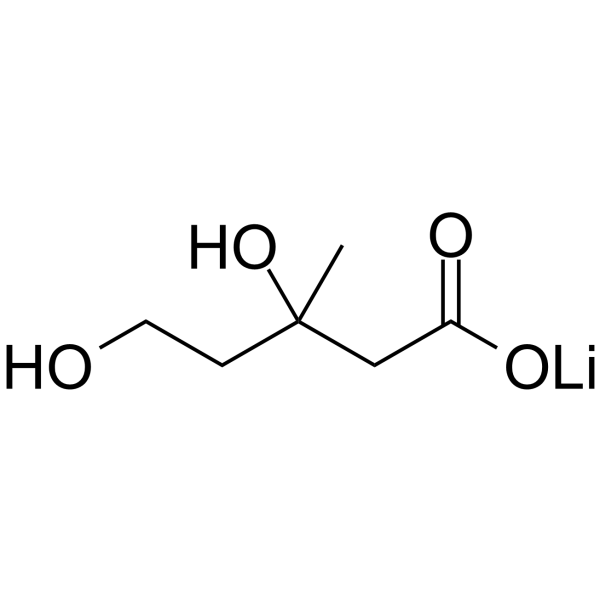
Mevalonic acid (MVA) lithium salt is a precursor substance of the mevalonate pathway, which is essential for cell growth and proliferation. Mevalonic acid lithium salt is effective in inhibiting Simvastatin (HY-17502)-induced decrease in C2C12 cell viability in vitro. Mevalonic acid lithium salt can be used in studies of myopathy and heart failure .
|
-
-
- HY-W011474
-
|
|
NF-κB
|
Inflammation/Immunology
|
|
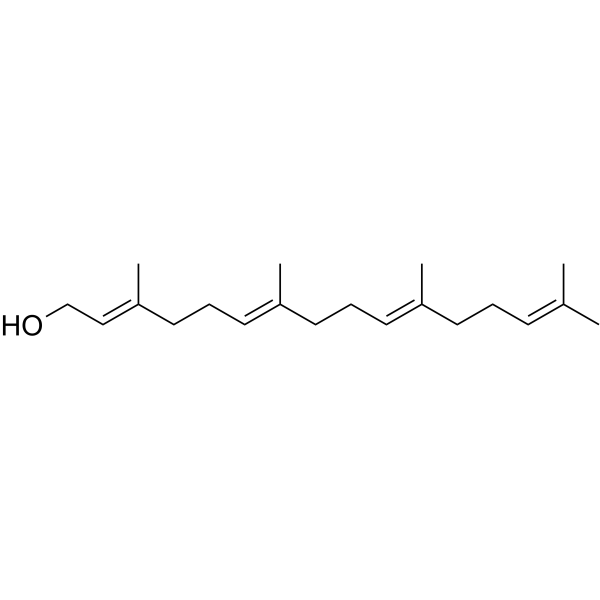
Geranylgeraniol is an orally acitve vitamin K2 sub-type, an intermediate of the mevalonate pathway. Geranylgeraniol targets NF-kB signaling pathway and could alleviate LPS-induced microglial inflammation in animal model .
|
-
-
- HY-126370A
-
|
|
Endogenous Metabolite
YAP
Apoptosis
Interleukin Related
STAT
ERK
Ras
|
Cancer
|
|
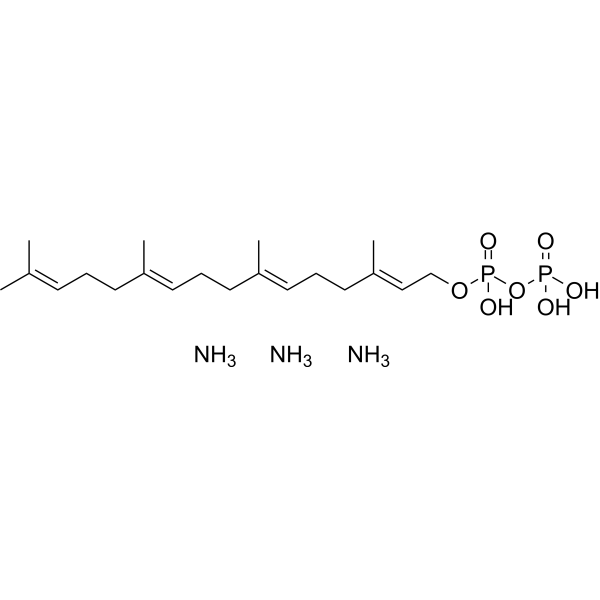
Geranylgeranyl pyrophosphate triammonium is a type of isoprenoid metabolic intermediate, mainly synthesized through the mevalonate pathway. Geranylgeranyl pyrophosphate triammonium is a key precursor in various biological synthesis processes, especially as a necessary substrate for post-translational modification of proteins - geranylgeranyl phosphorylation. Geranylgeranyl pyrophosphate triammonium regulates various cellular processes and disease progression through protein geranylgeranyl phosphorylation, such as activating the YAP signaling pathway, promoting cell proliferation and inhibiting apoptosis; promoting IL-2 production and STAT5 phosphorylation; and influencing metabolic homeostasis and cancer, etc .
|
-
-
- HY-W011209
-
|
Riboprine
|
Autophagy
Endogenous Metabolite
|
Cancer
|
|
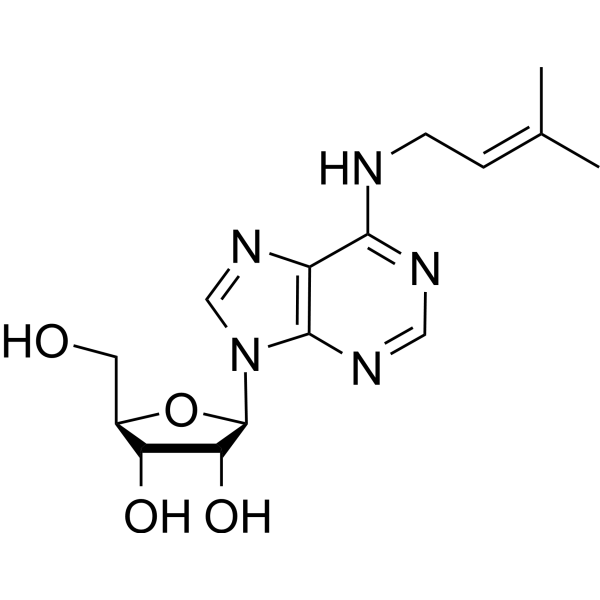
N6-Isopentenyladenosine (Riboprine), an RNA modification found in cytokinins, which regulate plant growth/differentiation, and a subset of tRNAs, where it improves the efficiency and accuracy of translation. N6-Isopentenyladenosine, an end product of the mevalonate pathway, is an autophagy inhibitor with an interesting anti-melanoma activity .
|
-
-
- HY-N9474
-
|
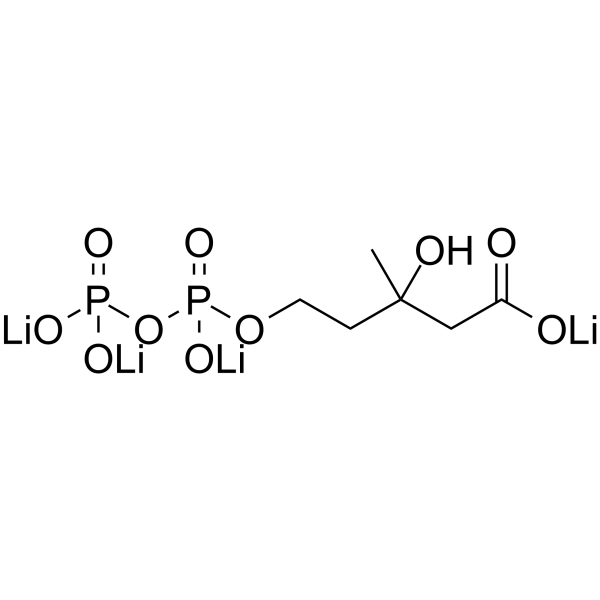
5-Diphosphomevalonic acid tetralithium; Mevalonic acid 5-diphosphate tetralithium
|
Endogenous Metabolite
|
Others
|
|
Mevalonic acid 5-pyrophosphate (5-Diphosphomevalonic acid) tetralithium is an endogenous metabolite of the mevalonate pathway .
|
-
-
- HY-107855
-
|
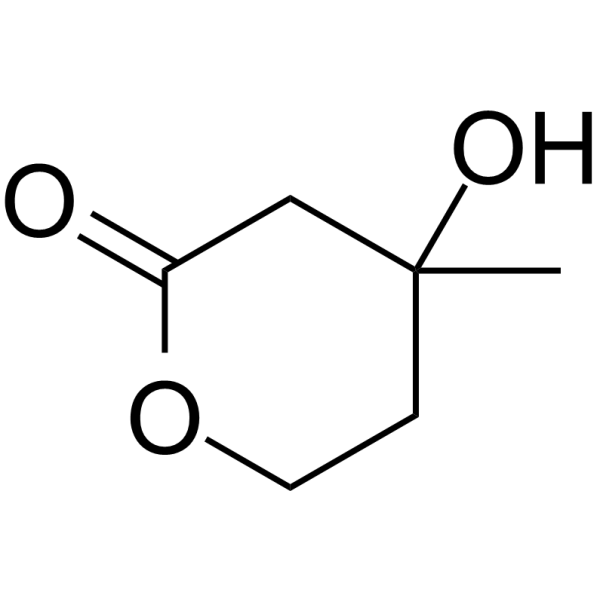
(±)-Mevalonolactone; Mevalolactone
|
Endogenous Metabolite
|
Metabolic Disease
Inflammation/Immunology
|
|
DL-Mevalonolactone ((±)-Mevalonolactone;Mevalolactone) is the δ-lactone form of mevalonic acid, a precursor in the mevalonate pathway. DL-Mevalonolactone is orally active against HMGCR mutation and statin caused myopathy . DL-Mevalonolactone induces inflammation and oxidative stress response with decreased mitochondrial membrane potential (MMP) and induces mitochondrial swelling [2][4].
|
-
-
- HY-N7392A
-
|
3-Oxobutanoyl-coenzyme A sodium hydrate
|
Endogenous Metabolite
|
Metabolic Disease
|
|
Acetoacetyl CoA sodium hydrate is the precursor of HMG-CoA in the mevalonate pathway. Acetoacetyl-CoA thiolase catalyzes the reaction to form acetoacetyl-CoA sodium hydrate from two acetyl-CoA molecules. Acetoacetyl CoA sodium hydrate is essential for cholesterol biosynthesis. Acetoacetyl-CoA sodium hydrate is also a intermediate in the biological breakdown and synthesis of fatty acids .
|
-

-
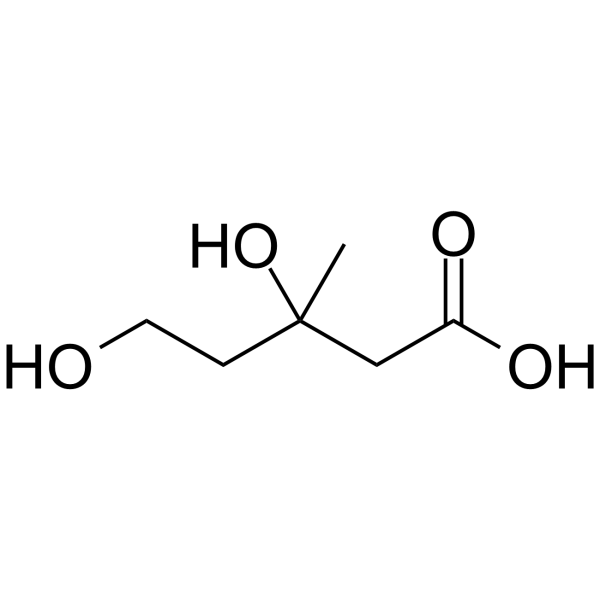
- HY-113071
-
-
-
- HY-B0515
-
|
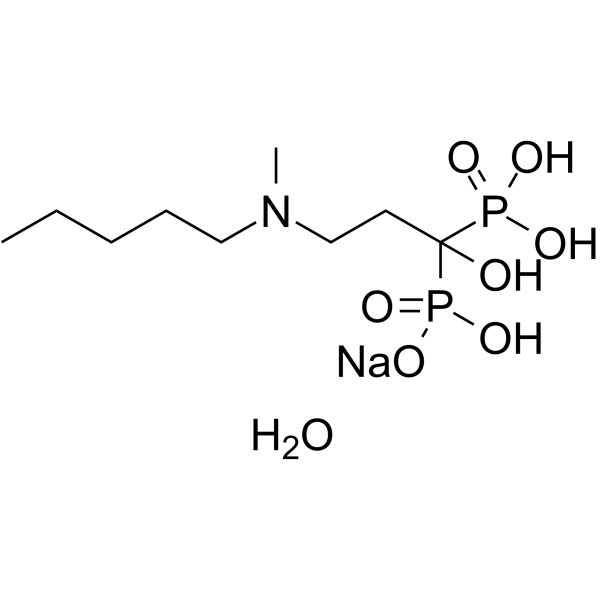
BM-210955; RPR-102289A
|
Apoptosis
|
Metabolic Disease
Cancer
|
|
Ibandronate Sodium Monohydrate (BM-210955; RPR-102289A) is an orally active, selective inhibitor of farnesyl pyrophosphate synthase (FPP synthase). Ibandronate Sodium Monohydrate can block the mevalonate pathway to inhibit the isoprenylation modification of small GTPases (such as RAS, RHO family proteins), induce tumor cell apoptosis and inhibit bone resorption. Ibandronate Sodium Monohydrate inhibits tumor cell proliferation (such as ER + breast cancer cells), promotes the expression of the pro-apoptotic gene FAS, and can produce synergistic anti-tumor effects with anti-estrogen compounds. Ibandronate Sodium Monohydrate is used in the study of osteoporosis and bone metastatic tumors (such as breast cancer bone metastasis) .
|
-
-
- HY-N7392
-
|
3-Oxobutanoyl-coenzyme A
|
Endogenous Metabolite
|
Metabolic Disease
|
|
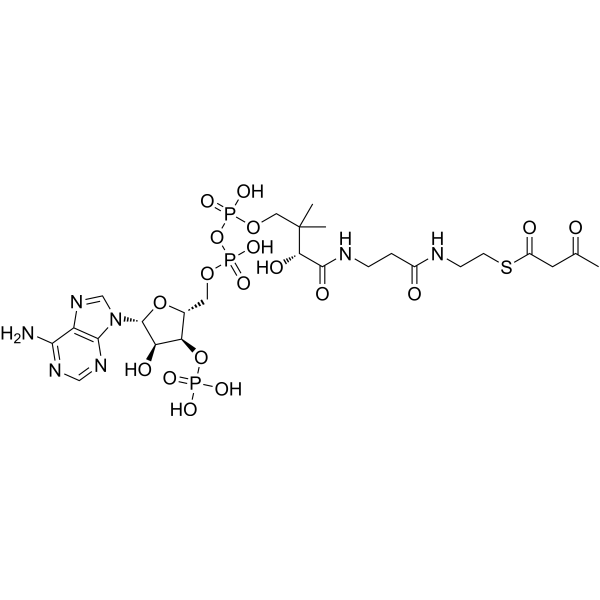
Acetoacetyl CoA is the precursor of HMG-CoA in the mevalonate pathway. Acetoacetyl-CoA thiolase catalyzes the reaction to form acetoacetyl-CoA from two acetyl-CoA molecules. Acetoacetyl CoA is essential for cholesterol biosynthesis. Acetoacetyl-CoA is also a intermediate in the biological breakdown and synthesis of fatty acids .
|
-
-
- HY-134891
-
|
(E)-4-Hydroxy-3-methyl-but-2-enyl diphosphate lithium
|
Nuclear Factor of activated T Cells (NFAT)
|
Infection
Inflammation/Immunology
|
|
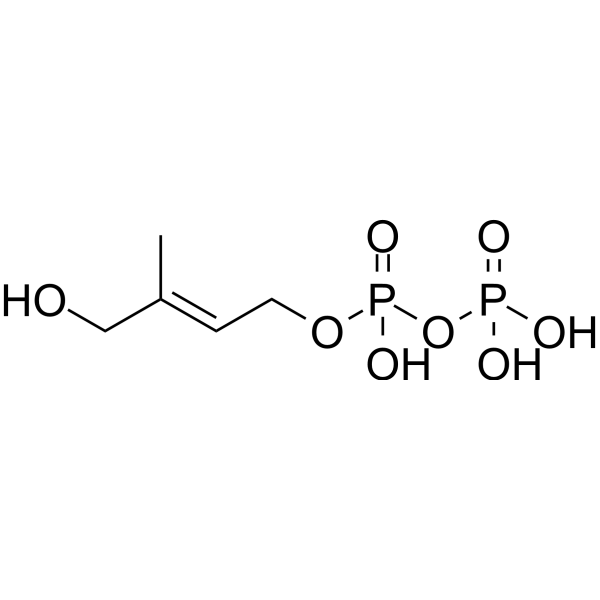
HMBPP lithium is an intermediate in isoprenoid biosynthesis that can be produced by bacteria and protozoa that use the non-mevalonate pathway for isoprenoid biosynthesis. HMBPP lithium is a ligand of the internal domain of BTN3A1 and is an activator for human Vγ9/Vδ2 T cells. HMBPP lithium exhibits phagostimulant property in mosquitos .
|
-
-
- HY-126370
-
|
|
Endogenous Metabolite
YAP
Apoptosis
Interleukin Related
STAT
ERK
Ras
|
Cancer
|
|
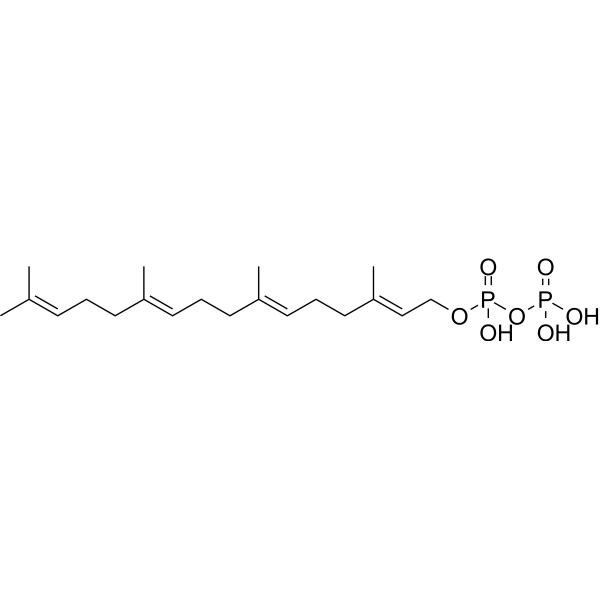
Geranylgeranyl pyrophosphate is a type of isoprenoid metabolic intermediate, mainly synthesized through the mevalonate pathway. Geranylgeranyl pyrophosphate is a key precursor in various biological synthesis processes, especially as a necessary substrate for post-translational modification of proteins - geranylgeranyl phosphorylation. Geranylgeranyl pyrophosphate regulates various cellular processes and disease progression through protein geranylgeranyl phosphorylation, such as activating the YAP signaling pathway, promoting cell proliferation and inhibiting apoptosis; promoting IL-2 production and STAT5 phosphorylation; and influencing metabolic homeostasis and cancer, etc .
|
-
-
- HY-135700
-
|
|
Calcineurin
Ras
HMG-CoA Reductase (HMGCR)
|
Metabolic Disease
Inflammation/Immunology
|
|
Mevalonolactone is an intermediate metabolite in the eukaryotic mevalonate pathway, serving as the stable δ-lactone form of mevalonate with oral activity. Mevalonolactone exhibits binding affinity for ZNF384 (Ka = 12.6 μM) and inhibitory activity against aconitase (aconitase). Mevalonolactone promotes the nuclear localization of ZNF384 and enhances its binding to the GGPPS promoter. Mevalonolactone induces insulin resistance, disrupts glucose and lipid metabolism, enhances the isoprenylation of K-Ras, and inhibits the activation of the insulin signaling pathway. Mevalonolactone inhibits polypeptide synthesis of HMG-CoA reductase in isolated rat hepatocytes, promotes its degradation, and reduces its enzymatic activity. Mevalonolactone impairs mitochondrial function in rat brains. Mevalonolactone promotes the development of metabolically unhealthy obesity. Mevalonolactone can be used in research related to metabolically abnormal obesity, mevalonic aciduria, HMGCR-related limb-girdle myopathy, and statin-induced myopathy .
|
-

-
- HY-B0515B
-
|
|
Apoptosis
|
Metabolic Disease
Cancer
|
|
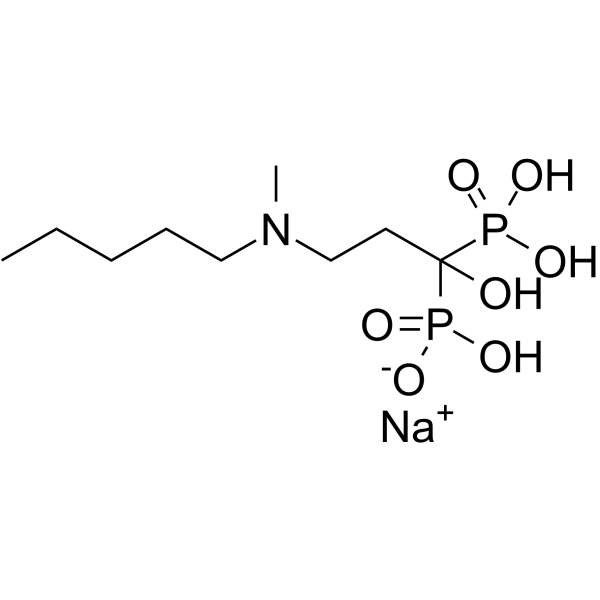
Ibandronate Sodium is an orally active, selective inhibitor of farnesyl pyrophosphate synthase (FPP synthase). Ibandronate Sodium can block the mevalonate pathway to inhibit the isoprenylation modification of small GTPases (such as RAS, RHO family proteins), induce tumor cell apoptosis and inhibit bone resorption. Ibandronate Sodium inhibits tumor cell proliferation (such as ER+ breast cancer cells), promotes the expression of the pro-apoptotic gene FAS, and can produce synergistic anti-tumor effects with anti-estrogen compounds. Ibandronate Sodium is used in the study of osteoporosis and bone metastatic tumors (such as breast cancer bone metastasis) .
|
-
-
- HY-W011474R
-
|
|
Reference Standards
NF-κB
|
Inflammation/Immunology
|
|
Geranylgeraniol (Standard) is the analytical standard of Geranylgeraniol. This product is intended for research and analytical applications. Geranylgeraniol is an orally acitve vitamin K2 sub-type, an intermediate of the mevalonate pathway. Geranylgeraniol targets NF-kB signaling pathway and could alleviate LPS-induced microglial inflammation in animal model [4].
|
-

-
- HY-107855S
-
|
(±)-Mevalonolactone-d7; Mevalolactone-d7
|
Endogenous Metabolite
|
Metabolic Disease
|
|
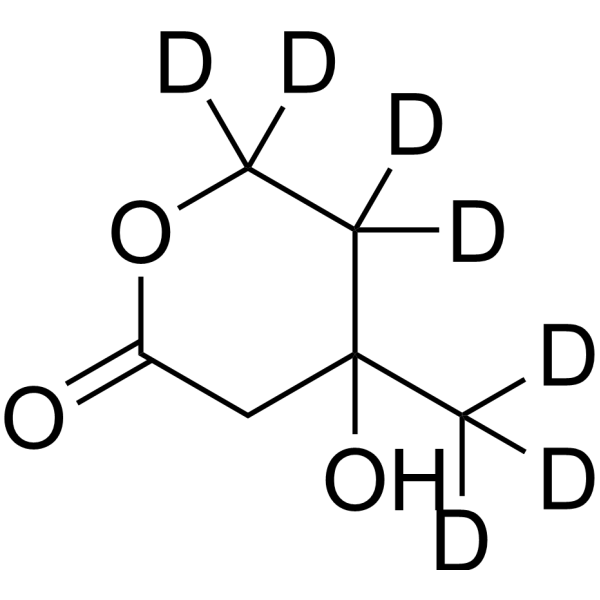
DL-Mevalonolactone-d7 is the deuterium labeled DL-Mevalonolactone. DL-Mevalonolactone ((±)-Mevalonolactone) is the δ-lactone form of mevalonic acid, a precursor in the mevalonate pathway. DL-Mevalonolactone (Mevalonolactone) decreases mitochondrial membrane potential (?Ψm), NAD(P)H content and the capacity to retain Ca2+ in the brain, besides inducing mitochondrial swelling .
|
-
-
- HY-W011209R
-
|
Riboprine (Standard)
|
Reference Standards
Autophagy
Endogenous Metabolite
|
Cancer
|
|
N6-Isopentenyladenosine (Riboprine), an RNA modification found in cytokinins, which regulate plant growth/differentiation, and a subset of tRNAs, where it improves the efficiency and accuracy of translation. N6-Isopentenyladenosine, an end product of the mevalonate pathway, is an autophagy inhibitor with an interesting anti-melanoma activity .
|
-

-
- HY-113071C
-
|
(S)-MVA
|
Endogenous Metabolite
|
Cardiovascular Disease
Neurological Disease
Metabolic Disease
|
|
(S)-Mevalonic acid is the isomer of Mevalonic acid (HY-113071). Mevalonic acid ((S)-DCIT) is a precursor substance of the mevalonate pathway, which is essential for cell growth and proliferation. Mevalonic acid is effective in inhibiting Simvastatin (HY-17502)-induced decrease in C2C12 cell viability in vitro. Mevalonic acid can be used in studies of myopathy and heart failure .
|
-

-
- HY-W415921
-
|
|
Biochemical Assay Reagents
|
|
|
1-Deoxy-D-threo-pentulose is a derivative of D-xylulose, which has application activity in the study of mevalonate pathway. 1-Deoxy-D-threo-pentulose is widely used to explore the mechanism of cell metabolism. 1-Deoxy-D-threo-pentulose has important experimental value in biochemical research.
|
-

-
- HY-W011474S
-
|
|
Isotope-Labeled Compounds
NF-κB
|
Inflammation/Immunology
|
|
Geranylgeraniol-d5 is the deuterium labeled Geranylgeraniol (HY-W011474). Geranylgeraniol is an orally acitve vitamin K2 sub-type, an intermediate of the mevalonate pathway. Geranylgeraniol targets NF-kB signaling pathway and could alleviate LPS-induced microglial inflammation in animal model .
|
-

-
- HY-107855S1
-
|
(±)-Mevalonolactone-d3; Mevalolactone-d3
|
Endogenous Metabolite
|
Metabolic Disease
|
|
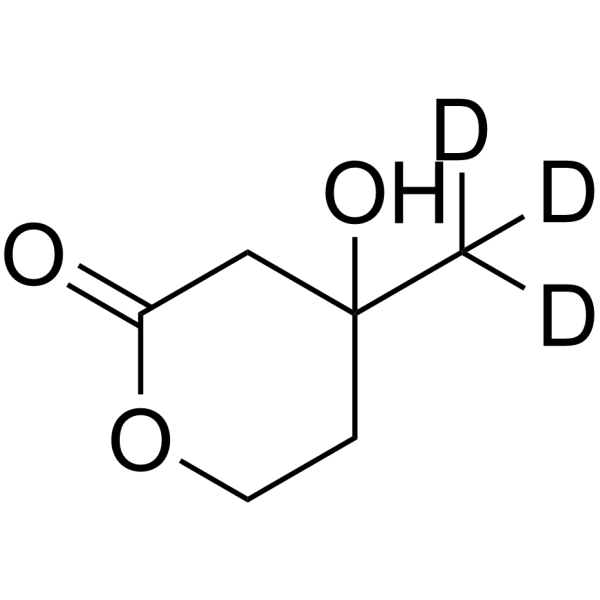
DL-Mevalonolactone-d3 is the deuterium labeled DL-Mevalonolactone . DL-Mevalonolactone ((±)-Mevalonolactone;Mevalolactone) is the δ-lactone form of mevalonic acid, a precursor in the mevalonate pathway. DL-Mevalonolactone (Mevalonolactone) decreases mitochondrial membrane potential ( Ψm), NAD(P)H content and the capacity to retain Ca2+ in the brain, besides inducing mitochondrial swelling .
|
-
-
- HY-113071AR
-
|
MVA lithium salt (Standard)
|
Reference Standards
Endogenous Metabolite
|
Cardiovascular Disease
Neurological Disease
Metabolic Disease
|
|
Mevalonic acid lithium salt (Standard) is the analytical standard of Mevalonic acid lithium salt. This product is intended for research and analytical applications. Mevalonic acid (MVA) lithium salt is a precursor substance of the mevalonate pathway, which is essential for cell growth and proliferation. Mevalonic acid lithium salt is effective in inhibiting Simvastatin (HY-17502)-induced decrease in C2C12 cell viability in vitro. Mevalonic acid lithium salt can be used in studies of myopathy and heart failure .
|
-

-
- HY-107855R
-
|
(±)-Mevalonolactone (Standard); Mevalolactone (Standard)
|
Endogenous Metabolite
Reference Standards
|
Metabolic Disease
Inflammation/Immunology
|
|
DL-Mevalonolactone (Standard) is the analytical standard of DL-Mevalonolactone. This product is intended for research and analytical applications. DL-Mevalonolactone ((±)-Mevalonolactone;Mevalolactone) is the δ-lactone form of mevalonic acid, a precursor in the mevalonate pathway. DL-Mevalonolactone is orally active against HMGCR mutation and statin caused myopathy . DL-Mevalonolactone induces inflammation and oxidative stress response with decreased mitochondrial membrane potential (MMP) and induces mitochondrial swelling .
|
-

-
- HY-B0515R
-
|
BM-210955 (Standard); RPR-102289A (Standard)
|
Reference Standards
Apoptosis
|
Cancer
|
|
Ibandronate Sodium Monohydrate (BM-210955; RPR-102289A) (Standard) is the analytical standard of Ibandronate Sodium Monohydrate (HY-B0515). This product is intended for research and analytical applications. Ibandronate Sodium Monohydrate (BM-210955; RPR-102289A) is an orally active, selective inhibitor of farnesyl pyrophosphate synthase (FPP synthase). Ibandronate Sodium Monohydrate can block the mevalonate pathway to inhibit the isoprenylation modification of small GTPases (such as RAS, RHO family proteins), induce tumor cell apoptosis and inhibit bone resorption. Ibandronate Sodium Monohydrate inhibits tumor cell proliferation (such as ER + breast cancer cells), promotes the expression of the pro-apoptotic gene FAS, and can produce synergistic anti-tumor effects with anti-estrogen compounds. Ibandronate Sodium Monohydrate is used in the study of osteoporosis and bone metastatic tumors (such as breast cancer bone metastasis) .
|
-

-
- HY-W725424
-
|
(R)-MVA sodium
|
Drug Isomer
|
Others
|
|
(R) -Mevalonic acid ( (R) -MVA) sodium is an isomer of Mevalonic acid (HY-113071) . Mevalonic acid (MVA) is a precursor substance in the mevalonate pathway and is crucial for cell growth and proliferation.
|
-

-
- HY-N19716
-
|
|
Drug Derivative
|
Others
|
|
Austamide is an indole alkaloid found in cultures of Aspergillus ustus. Austamide undergoes biosynthesis via the classical mevalonate pathway with nonface-selective reverse prenylation of its indole ring .
|
-

-
- HY-W752587
-
|
(±)-Mevalonolactone-d4; Mevalolactone-d4
|
Isotope-Labeled Compounds
Endogenous Metabolite
|
Metabolic Disease
Inflammation/Immunology
|
|
DL-Mevalonolactone-d4 ( (±)-Mevalonolactone-d4) is the deuterium labeled DL-Mevalonolactone (HY-107855). DL-Mevalonolactone ((±)-Mevalonolactone;Mevalolactone) is the δ-lactone form of mevalonic acid, a precursor in the mevalonate pathway. DL-Mevalonolactone is orally active against HMGCR mutation and statin caused myopathy . DL-Mevalonolactone induces inflammation and oxidative stress response with decreased mitochondrial membrane potential (MMP) and induces mitochondrial swelling .
|
-

| Cat. No. |
Product Name |
Type |
-
- HY-N7392
-
|
3-Oxobutanoyl-coenzyme A
|
Biochemical Assay Reagents
|
|
Acetoacetyl CoA is the precursor of HMG-CoA in the mevalonate pathway. Acetoacetyl-CoA thiolase catalyzes the reaction to form acetoacetyl-CoA from two acetyl-CoA molecules. Acetoacetyl CoA is essential for cholesterol biosynthesis. Acetoacetyl-CoA is also a intermediate in the biological breakdown and synthesis of fatty acids .
|
-
- HY-W415921
-
|
|
Biochemical Assay Reagents
|
|
1-Deoxy-D-threo-pentulose is a derivative of D-xylulose, which has application activity in the study of mevalonate pathway. 1-Deoxy-D-threo-pentulose is widely used to explore the mechanism of cell metabolism. 1-Deoxy-D-threo-pentulose has important experimental value in biochemical research.
|
| Cat. No. |
Product Name |
Category |
Target |
Chemical Structure |
-
- HY-113071A
-
-
-
- HY-W011474
-
|
|
Natural Products
Microorganisms
|
NF-κB
|
|
Geranylgeraniol is an orally acitve vitamin K2 sub-type, an intermediate of the mevalonate pathway. Geranylgeraniol targets NF-kB signaling pathway and could alleviate LPS-induced microglial inflammation in animal model .
|
-
-
- HY-126370A
-
-
-
- HY-W011209
-
-
-
- HY-N9474
-
-
-
- HY-107855
-
-
-
- HY-N7392A
-
-
-
- HY-113071
-
-
-
- HY-N7392
-
-
-
- HY-134891
-
|
(E)-4-Hydroxy-3-methyl-but-2-enyl diphosphate lithium
|
Natural Products
Microorganisms
Source Classification
|
Nuclear Factor of activated T Cells (NFAT)
|
|
HMBPP lithium is an intermediate in isoprenoid biosynthesis that can be produced by bacteria and protozoa that use the non-mevalonate pathway for isoprenoid biosynthesis. HMBPP lithium is a ligand of the internal domain of BTN3A1 and is an activator for human Vγ9/Vδ2 T cells. HMBPP lithium exhibits phagostimulant property in mosquitos .
|
-
-
- HY-126370
-
-
-
- HY-135700
-
|
|
Structural Classification
Microorganisms
Other Phenylpropanoids
Phenylpropanoids
Source Classification
|
Calcineurin
Ras
HMG-CoA Reductase (HMGCR)
|
|
Mevalonolactone is an intermediate metabolite in the eukaryotic mevalonate pathway, serving as the stable δ-lactone form of mevalonate with oral activity. Mevalonolactone exhibits binding affinity for ZNF384 (Ka = 12.6 μM) and inhibitory activity against aconitase (aconitase). Mevalonolactone promotes the nuclear localization of ZNF384 and enhances its binding to the GGPPS promoter. Mevalonolactone induces insulin resistance, disrupts glucose and lipid metabolism, enhances the isoprenylation of K-Ras, and inhibits the activation of the insulin signaling pathway. Mevalonolactone inhibits polypeptide synthesis of HMG-CoA reductase in isolated rat hepatocytes, promotes its degradation, and reduces its enzymatic activity. Mevalonolactone impairs mitochondrial function in rat brains. Mevalonolactone promotes the development of metabolically unhealthy obesity. Mevalonolactone can be used in research related to metabolically abnormal obesity, mevalonic aciduria, HMGCR-related limb-girdle myopathy, and statin-induced myopathy .
|
-
-
- HY-W011474R
-
|
|
Structural Classification
Natural Products
Microorganisms
|
Reference Standards
NF-κB
|
|
Geranylgeraniol (Standard) is the analytical standard of Geranylgeraniol. This product is intended for research and analytical applications. Geranylgeraniol is an orally acitve vitamin K2 sub-type, an intermediate of the mevalonate pathway. Geranylgeraniol targets NF-kB signaling pathway and could alleviate LPS-induced microglial inflammation in animal model [4].
|
-
-
- HY-W011209R
-
-
-
- HY-113071AR
-
|
MVA lithium salt (Standard)
|
Structural Classification
Ketones, Aldehydes, Acids
Endogenous metabolite
Source Classification
|
Reference Standards
Endogenous Metabolite
|
|
Mevalonic acid lithium salt (Standard) is the analytical standard of Mevalonic acid lithium salt. This product is intended for research and analytical applications. Mevalonic acid (MVA) lithium salt is a precursor substance of the mevalonate pathway, which is essential for cell growth and proliferation. Mevalonic acid lithium salt is effective in inhibiting Simvastatin (HY-17502)-induced decrease in C2C12 cell viability in vitro. Mevalonic acid lithium salt can be used in studies of myopathy and heart failure .
|
-
-
- HY-107855R
-
|
(±)-Mevalonolactone (Standard); Mevalolactone (Standard)
|
Structural Classification
Natural Products
Endogenous metabolite
Source Classification
|
Endogenous Metabolite
Reference Standards
|
|
DL-Mevalonolactone (Standard) is the analytical standard of DL-Mevalonolactone. This product is intended for research and analytical applications. DL-Mevalonolactone ((±)-Mevalonolactone;Mevalolactone) is the δ-lactone form of mevalonic acid, a precursor in the mevalonate pathway. DL-Mevalonolactone is orally active against HMGCR mutation and statin caused myopathy . DL-Mevalonolactone induces inflammation and oxidative stress response with decreased mitochondrial membrane potential (MMP) and induces mitochondrial swelling .
|
-
-
- HY-N19716
-
-
| Cat. No. |
Product Name |
Chemical Structure |
-
- HY-107855S
-
|
|
|
DL-Mevalonolactone-d7 is the deuterium labeled DL-Mevalonolactone. DL-Mevalonolactone ((±)-Mevalonolactone) is the δ-lactone form of mevalonic acid, a precursor in the mevalonate pathway. DL-Mevalonolactone (Mevalonolactone) decreases mitochondrial membrane potential (?Ψm), NAD(P)H content and the capacity to retain Ca2+ in the brain, besides inducing mitochondrial swelling .
|
-
-
- HY-W011474S
-
|
|
|
Geranylgeraniol-d5 is the deuterium labeled Geranylgeraniol (HY-W011474). Geranylgeraniol is an orally acitve vitamin K2 sub-type, an intermediate of the mevalonate pathway. Geranylgeraniol targets NF-kB signaling pathway and could alleviate LPS-induced microglial inflammation in animal model .
|
-
-
- HY-107855S1
-
|
|
|
DL-Mevalonolactone-d3 is the deuterium labeled DL-Mevalonolactone . DL-Mevalonolactone ((±)-Mevalonolactone;Mevalolactone) is the δ-lactone form of mevalonic acid, a precursor in the mevalonate pathway. DL-Mevalonolactone (Mevalonolactone) decreases mitochondrial membrane potential ( Ψm), NAD(P)H content and the capacity to retain Ca2+ in the brain, besides inducing mitochondrial swelling .
|
-
-
- HY-W752587
-
|
|
|
DL-Mevalonolactone-d4 ( (±)-Mevalonolactone-d4) is the deuterium labeled DL-Mevalonolactone (HY-107855). DL-Mevalonolactone ((±)-Mevalonolactone;Mevalolactone) is the δ-lactone form of mevalonic acid, a precursor in the mevalonate pathway. DL-Mevalonolactone is orally active against HMGCR mutation and statin caused myopathy . DL-Mevalonolactone induces inflammation and oxidative stress response with decreased mitochondrial membrane potential (MMP) and induces mitochondrial swelling .
|
-
Your information is safe with us. * Required Fields.
Inquiry Information
- Product Name:
- Cat. No.:
- Quantity:
- MCE Japan Authorized Agent:








