



Calcineurin
PP2B; PPP3
Calcineurin is a Ca2+/calmodulin-dependent serine/threonine protein phosphatase that plays a critical role in immune regulation, neural signal transmission, cardiovascular modulation, and cell apoptosis. One of its most important functions is dephosphorylating NFAT (nuclear factor of activated T cells), promoting its nuclear translocation and thereby regulating T cell activation and immune response. Additionally, Calcineurin modulates synaptic plasticity (by influencing the AMPA/NMDA receptor pathway), cardiac hypertrophy (via NFAT and CaMKII pathways regulating cardiomyocyte growth), and cell survival and apoptosis (through Bcl-2 and FasL-related signaling pathways). Calcineurin is widely studied in organ transplant rejection prevention and autoimmune disease research.
Calcineurin has three major isoforms:
CNAα: Primarily expressed in immune cells (T and B cells), neural tissues, and the heart, where it participates in immune regulation, neural signaling, and cardiovascular control.
CNAβ: Widely distributed in most tissues, with high expression in the skeletal muscle, liver, and pancreas, playing roles in metabolic regulation and cell proliferation.
CNAγ: Mainly expressed in the testes, potentially associated with spermatogenesis and male reproductive function.
Calcineurin is implicated in various diseases, including autoimmune diseases (psoriasis, rheumatoid arthritis), neurodegenerative disorders (Alzheimer’s disease, Parkinson’s disease), cardiovascular diseases (hypertension, cardiac hypertrophy), and cancers (T-cell lymphoma, breast cancer). Overactivation of Calcineurin may lead to excessive immune responses, neural damage, and cardiomyopathy, whereas its inhibition could result in immune deficiency, osteoporosis, and kidney damage[1].
All Product Categories
-
Calcineurin Related Products (12)
Related Products (12)

-
Antibodies (1)
- 1
-
Glutathione Reductase, baker's yeast
 0 ImagesGlutathione reductase, baker's yeast (EC 1.6.4.2) is a reductase. Glutathione reductase, baker's yeast eliminates intracellular ROS. Glutathione reductase, baker's yeast reduces oxidized glutathione (GSSG) to reduced glutathione (GSH) using NADPH as an electron donor. Glutathione reductase, baker's yeast exerts antioxidant activity. Glutathione reductase is mainly used to study diseases associated with oxidative stress, such as Parkinson's disease and sickle cell anemia.
-
Mevalonolactone
 0 ImagesMevalonolactone is an intermediate metabolite in the eukaryotic mevalonate pathway, serving as the stable δ-lactone form of mevalonate with oral activity. Mevalonolactone exhibits binding affinity for ZNF384 (Ka = 12.6 μM) and inhibitory activity against aconitase (aconitase). Mevalonolactone promotes the nuclear localization of ZNF384 and enhances its binding to the GGPPS promoter. Mevalonolactone induces insulin resistance, disrupts glucose and lipid metabolism, enhances the isoprenylation of K-Ras, and inhibits the activation of the insulin signaling pathway. Mevalonolactone inhibits polypeptide synthesis of HMG-CoA reductase in isolated rat hepatocytes, promotes its degradation, and reduces its enzymatic activity. Mevalonolactone impairs mitochondrial function in rat brains. Mevalonolactone promotes the development of metabolically unhealthy obesity. Mevalonolactone can be used in research related to metabolically abnormal obesity, mevalonic aciduria, HMGCR-related limb-girdle myopathy, and statin-induced myopathy.
-
NFAT Inhibitor-2
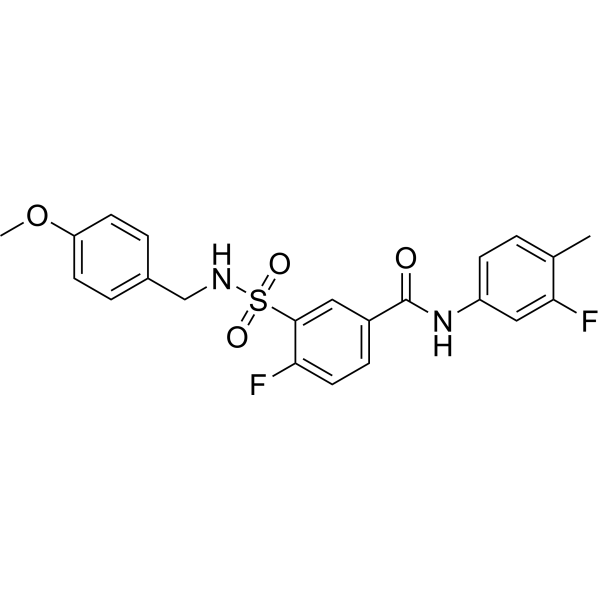 0 ImagesNFAT Inhibitor-2 is a potent inhibitor of calcineurin NFAT signalling. Calcineurin is a serine/threonine protein phosphatase regulated by Ca2+ and calmodulin. NFAT Inhibitor-2 has the potential for the research of inflammatory disease, an autoimmune disorder, a cardiovascular disease, a neurodegenerative disease, a disease occurring with uncontrolled cell proliferation and/or differentiation, an angiogenesis-related disease, an allergy, anaphylaxis and alopecia (extracted from patent WO2016207212A1, compound 17).
-
Antifungal agent 18
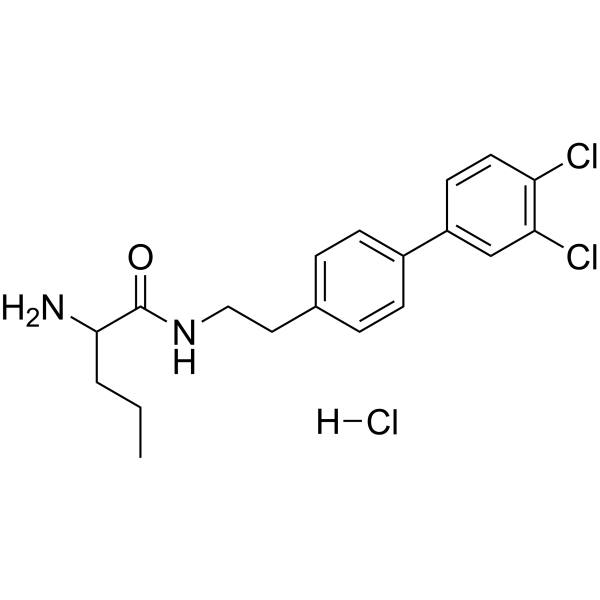 0 ImagesAntifungal agent 18 is an antifungal agent. Antifungal agent 18 shows a broad-spectrum antifungal activity against major human fungal pathogens. Antifungal agent 18 compromises fungal cell wall integrity by targeting the unfolded protein response (UPR), calcineurin, and MAPK pathways. Antifungal agent 18 shows antifungal activity in virto and vivo. Antifungal agent 18 can be used for the research of invasive fungal pathogens and cutaneous dermatophytes.
-
Pisiferic acid
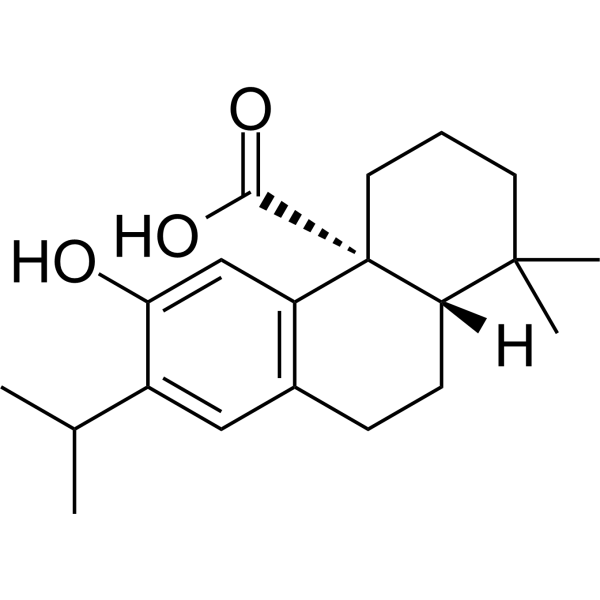 0 ImagesPisiferic acid is a blood-brain barrier-permeable Kv1.1/Kv1.2 opener and Antibacterial agent. Pisiferic acid has no activity against KCNQ2/3, hERG, or Kv2.1. Pisiferic acid inhibits Perilipin1 and PPARγ protein expression. Pisiferic acid activates PP2C, inhibits PP2B/calcineurin, and induces Apoptosis/Caspase-3/7. Pisiferic acid inhibits macromolecule synthesis in Proteus vulgaris and inhibits DNA/lipid/peptidoglycan synthesis in Bacillus subtilis. Pisiferic acid has antibacterial effects against Proteus vulgaris, Staphylococcus aureus, and Bacillus subtilis. Pisiferic acid can be used for research on episodic ataxia type 1, Kv1.2 loss-of-function channelopathy, obesity, and acute promyelocytic leukemia.
-
Cyclosporin A-Derivative 1 Free base
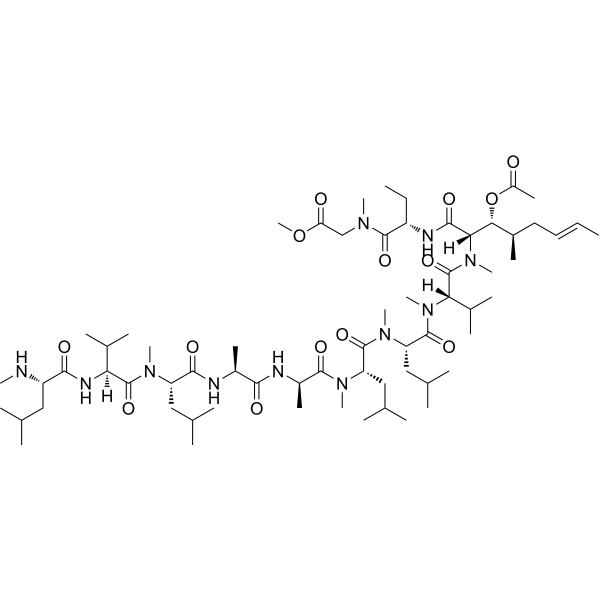 0 ImagesCyclosporin A-Derivative 1 (Free base) is a crystalline intermediate derived from the opening of cyclosporin A extracted from patent WO 2013167703 A1. Cyclosporin A is an immunosuppressive agent which can bind to the cyclophilin and inhibit calcineurin.
-
APX879
 0 ImagesCat. No.: HY-148992CAS No.: 1801372-27-9APX879 is a fungal-specific calcineurin inhibitor that has less immunosuppressive activities and toxicities. APX879 is a C22-modified FK506 (HY-13756) analog, which maintains broad-spectrum antifungal activity.
-
Cyclosporin A-Derivative 2
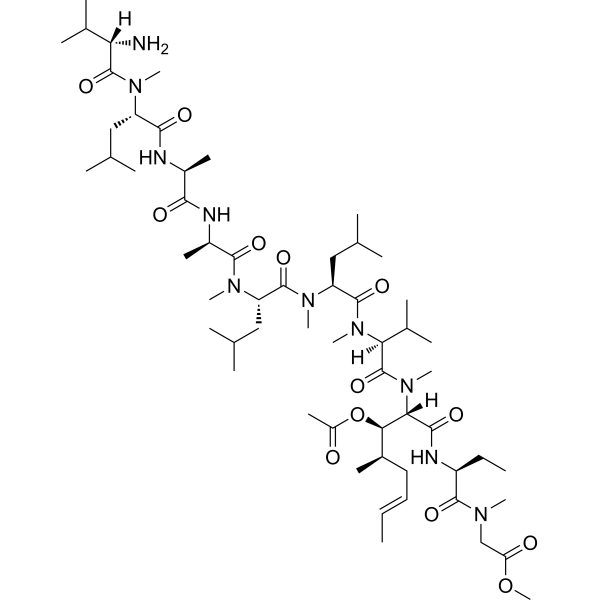 0 ImagesCat. No.: HY-P1354CAS No.: 156047-45-9Cyclosporin A-Derivative 2 is a novel derivative from cyclosporin A. Cyclosporin A is an immunosuppressive agent which can bind to the cyclophilin and inhibit calcineurin.
-
6,4'-Dihydroxy-7-methoxyflavanone
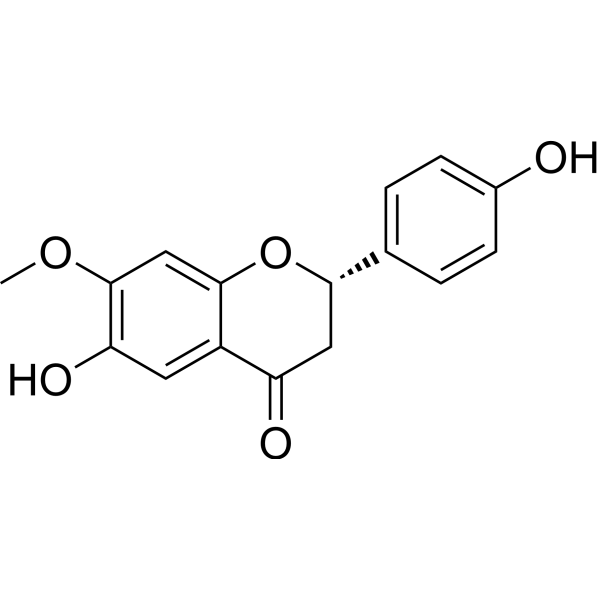 0 ImagesCat. No.: HY-N9736CAS No.: 189689-32-56,4'-Dihydroxy-7-methoxyflavanone, a flavonoid, is a nature product that could be isolated from Heartwood Dalbergia odorifera. 6,4'-Dihydroxy-7-methoxyflavanone inhibits receptor activators of nuclear factor kappa-B ligand (RANKL) induced osteoclastogenesis. 6,4'-Dihydroxy-7-methoxyflavanone has antioxidant, anti-inflammatory and neuroprotective effects. 6,4'-Dihydroxy-7-methoxyflavanone can be used in research of osteoporosis.
-
DY-9760e
 0 ImagesCat. No.: HY-19230CAS No.: 179185-73-0DY-9760e is a calmodulin (CaM) inhibitor. DY-9760e selectively inhibits the activity of various calmodulin-dependent enzymes by antagonizing the Ca²⁺/CaM complex, exhibiting the strongest inhibitory activity against nNOS, CaM kinase II, and calcineurin (Ki: 0.9, 1.4, and 2.0 μM, respectively). DY-9760e inhibits excessive nitric oxide production and protein tyrosine nitration, as well as the activation of calpain and caspase-3. DY-9760e reduces infarct size, improves cardiac function, and inhibits oxidative stress and cell death. DY-9760e can be used in research on the treatment of myocardial infarction, cerebral ischemia, and other diseases.
-
Senkyunolide B
 0 ImagesCat. No.: HY-W782599CAS No.: 93236-67-0Senkyunolide B is a phthalide found in Angelica sinensis. Senkyunolide B has broad antifungal activities. Senkyunolide B affects the spore germination and hyphae growth of Aspergillus fumigatus via down-regulating phosphatidylinositol-PKC-calcineurin axis and the expression of ENG genes.
-
Cyclosporin A-Derivative 1
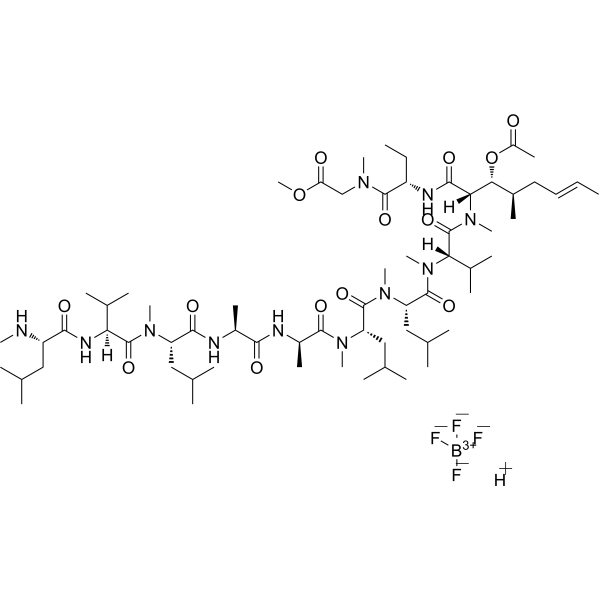 0 ImagesCat. No.: HY-P1355CAS No.: 1487360-85-9Cyclosporin A-Derivative 1 is a crystalline intermediate derived from the opening of cyclosporin A extracted from patent WO 2013167703 A1. Cyclosporin A is an immunosuppressive agent which can bind to the cyclophilin and inhibit calcineurin.
- 1




