Search Result
Results for "
non-alcoholic fatty liver disease mice
" in MedChemExpress (MCE) Product Catalog:
1
Biochemical Assay Reagents
4
Isotope-Labeled Compounds
| Cat. No. |
Product Name |
Target |
Research Areas |
Chemical Structure |
-
- HY-N0401A
-
|
|
Bacterial
Estrogen Receptor/ERR
FATP
|
Infection
Metabolic Disease
Cancer
|
|
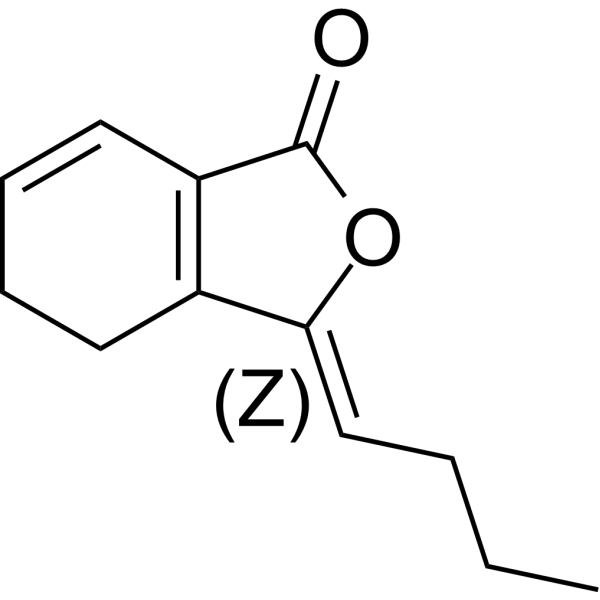
(Z)-Ligustilide is extracted from Ligusticum chuanxiong Hort, has antimicrobial and antifungal activity, exhibits an average antifungal score of 5.6 . (Z)-Ligustilide is orally active, it inhibits the expression of FATP5 and DGAT, inhibits fatty acid uptake and esterification in mice and has potential as therapeutics for nonalcoholic fatty liver disease (NAFLD) . (Z)-Ligustilide is also able to reactivate ERα, has epigenetic regulation, and is used in the study of tamoxifen-resistant breast cancer .
|
-
-
- HY-12756A
-
|
|
Toll-like Receptor (TLR)
Stearoyl-CoA Desaturase (SCD)
|
Metabolic Disease
Inflammation/Immunology
|
|
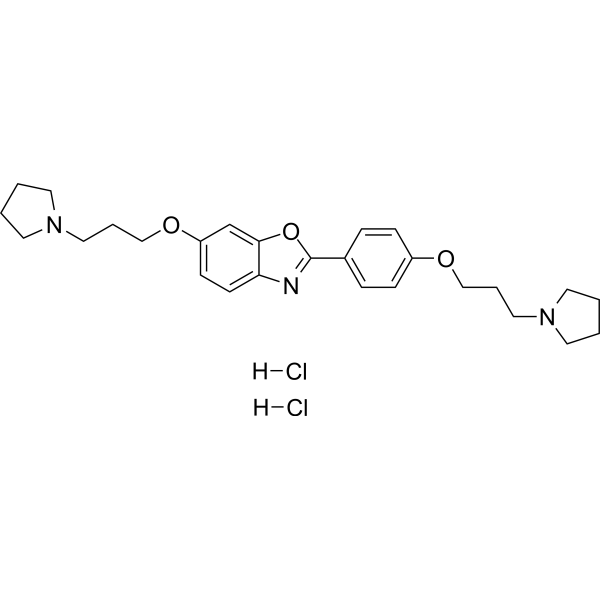
E6446 dihydrochloride is a potent and orally acitve TLR7 and TLR9 antagonist, used in the research of deleterious inflammatory responses. E6446 dihydrochloride is also a potent SCD1 inhibitor (KD: 4.61 μM), significantly inhibiting adipogenic differentiation and hepatic lipogenesis through SCD1-ATF3 signaling. E6446 dihydrochloride also improves liver pathology in high-fat diet (HFD)-fed mice and may be useful in the study of non-alcoholic fatty liver disease (NAFLD) .
|
-
-
- HY-12756
-
|
|
Toll-like Receptor (TLR)
Stearoyl-CoA Desaturase (SCD)
|
Metabolic Disease
Inflammation/Immunology
|
|
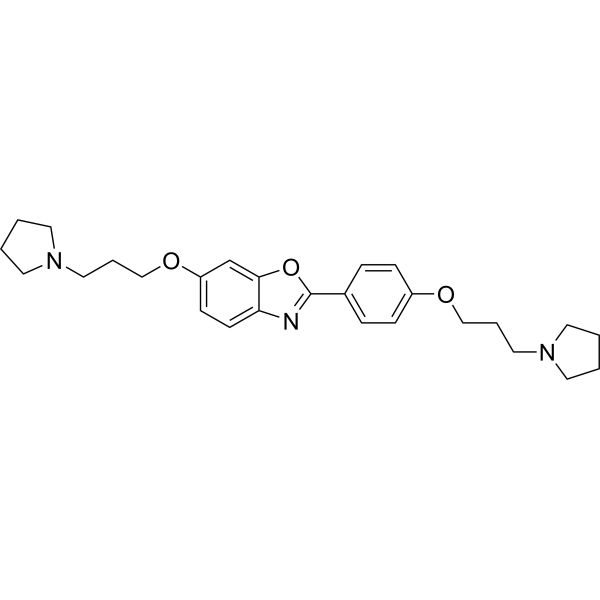
E6446 is a potent and orally acitve TLR7 and TLR9 antagonist, used in the research of deleterious inflammatory responses. E6446 is also a potent SCD1 inhibitor (KD: 4.61 μM), significantly inhibiting adipogenic differentiation and hepatic lipogenesis through SCD1-ATF3 signaling. E6446 also improves liver pathology in high-fat diet (HFD)-fed mice and may be useful in the study of non-alcoholic fatty liver disease (NAFLD) .
|
-
-
- HY-114360
-
|
|
Endogenous Metabolite
COX
Interleukin Related
Glutathione Peroxidase
TNF Receptor
|
Neurological Disease
Metabolic Disease
Inflammation/Immunology
Cancer
|
|
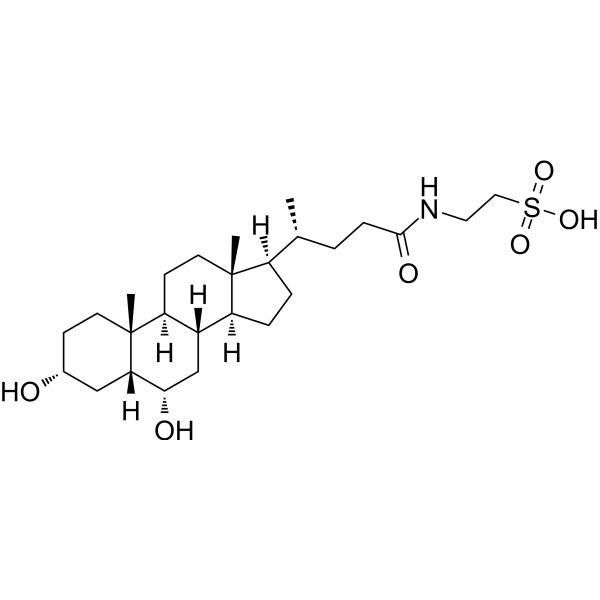
Taurohyodeoxycholic acid is an orally active 6 alpha-hydroxylated bile acid. Taurohyodeoxycholic acid decreases colonic MPO activity, TNF-α, lL-6 serum levels and the expression of COX-2. Taurohyodeoxycholic acid alleviates trinitrobenzene sulfonic acid induced ulcerative colitis via regulating Th1/Th2 and Th17/Treg cells balance. Taurohyodeoxycholic acid ameliorates high-fat diet-induced nonalcoholic fatty liver disease in mice. Taurohyodeoxycholic acid prevents Taurochenodeoxycholic acid (HY-N2027)-induced hepatotoxicity in bile fistula rats. Taurohyodeoxycholic acid can be used for the study of nonalcoholic fatty liver disease (NAFLD), colitis and biliary fistula .
|
-
-
- HY-19696B
-
|
Tauroursodeoxycholic acid dihydrate; TUDCA dihydrate; UR 906 dihydrate
|
Caspase
Apoptosis
Endogenous Metabolite
IRE1
NF-κB
JNK
Reactive Oxygen Species (ROS)
Akt
|
Neurological Disease
Metabolic Disease
Inflammation/Immunology
|
|
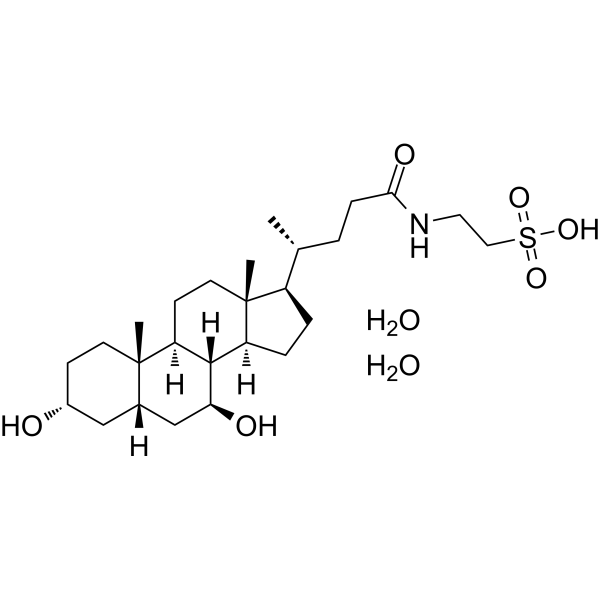
Tauroursodeoxycholate dehydrate is an orally active taurine conjugate of Ursodeoxycholic acid (HY-13771). Tauroursodeoxycholate dehydrate inhibits caspase-3/7, Apoptosis, IRE1α/TRAF2/NF-κB, prevents JNK phosphorylation, inhibits ROS generation, and activates Akt signaling. Tauroursodeoxycholate dehydrate prevents cataract formation, reduces renal tubular damage in type 2 diabetic mice, reduces I/R injury in liver, and inhibits intestinal inflammation and barrier disruption in nonalcoholic fatty liver disease .
|
-
-
- HY-177704
-
|
|
ACSL Family
Drug Derivative
|
Metabolic Disease
Cancer
|
|
ACSL5-IN-1 (Compound A) is an ACSL5 inhibitor with body weight-reducing activity. ACSL5-IN-1 inhibits ACSL5, an enzyme linked to fatty acid metabolism. ACSL5-IN-1 reduces body weight in diet-induced obesity mice. ACSL5-IN-1 can be used for the research of obesity, metabolic dysfunction-associated steatohepatitis, metabolic syndrome, non-alcoholic fatty liver disease, type 2 diabetes, acute myeloid leukemia, colorectal cancer, and breast cancer .
|
-

-
- HY-155157
-
|
|
Endogenous Metabolite
|
Cardiovascular Disease
|
|
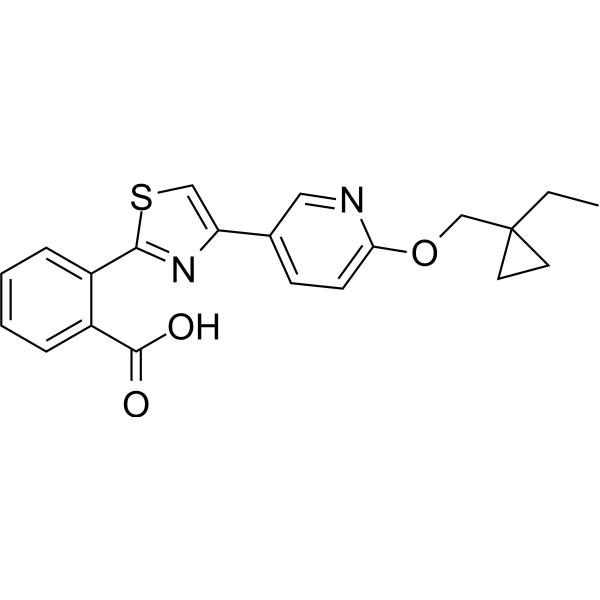
PF-07247685 is a BCKDC kinase (BDK) inhibitor (EC50=2.2 nM). PF-07247685 stabilizes the interaction between BDK and BCKDH core subunit E2 and prevents phosphorylation of E1. While BDK mediates branched-chain ketoacid dehydrogenase (BCKDH) phosphorylation, and inhibition of BCKDH is involved in controlling the rate-limiting step of branched-chain amino acid (BCAA) degradation. Impaired BCAA catabolism has been associated with several diseases, particularly cardiometabolic diseases, including heart failure (HF), type 2 diabetes mellitus (T2DM), non-alcoholic fatty liver disease (NAFLD), and obesity. PF-07247685 improved cardiometabolic endpoints and improves glucose tolerance in mice .
|
-
-
- HY-120657
-
|
|
CGRP Receptor
NF-κB
|
Neurological Disease
Metabolic Disease
Inflammation/Immunology
|
|
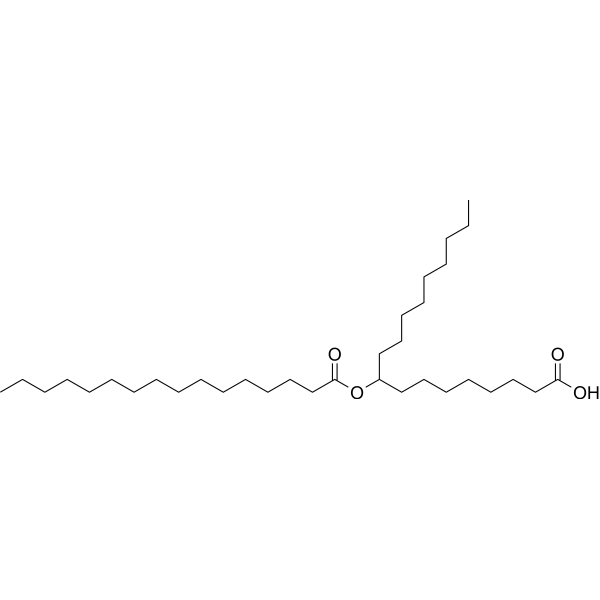
9-PAHSA is an orally active endogenous GPR120 agonist (EC50=18 μM). 9-PAHSA significantly inhibits LPS-induced inflammatory responses by blocking the NF-κB pathway. 9-PAHSA induces adipocyte browning, enhances glucose uptake and reduces lipid accumulation, while improving mitochondrial function and the survival rate of steatotic hepatocytes. In terms of neuroprotection, 9-PAHSA regulates the expression of REST and BDNF in the prefrontal cortex of diabetic mice, and effectively prevents spatial working memory deficits and abnormal social behaviors. 9-PAHSA does not directly regulate insulin secretion or improve systemic insulin sensitivity, and possesses specific anti-inflammatory, metabolic regulatory and neuroprotective properties. 9-PAHSA can be used in the research of diabetes-related cognitive impairment, obesity and non-alcoholic fatty liver disease .
|
-
-
- HY-109569
-
|
|
Autophagy
Apoptosis
Interleukin Related
|
Metabolic Disease
Inflammation/Immunology
Cancer
|
|
Vitamin K2 is an orally active proliferation inhibitor. Vitamin K2 induces Autophagy and Apoptosis. Vitamin K2 reduces the levels of proinflammatory cytokines (such as IL-1β, TNF-α, and IL-6). Vitamin K2 inhibits cell growth in leukemia cells. Vitamin K2 can be used for the research of involutional osteoporosis, non-alcoholic fatty liver disease, ulcerative colitis, acute myeloid leukemia, myelodysplastic syndromes, and hepatocellular carcinoma .
|
-
-
- HY-151959
-
|
|
FXR
|
Cardiovascular Disease
Metabolic Disease
Inflammation/Immunology
|
|
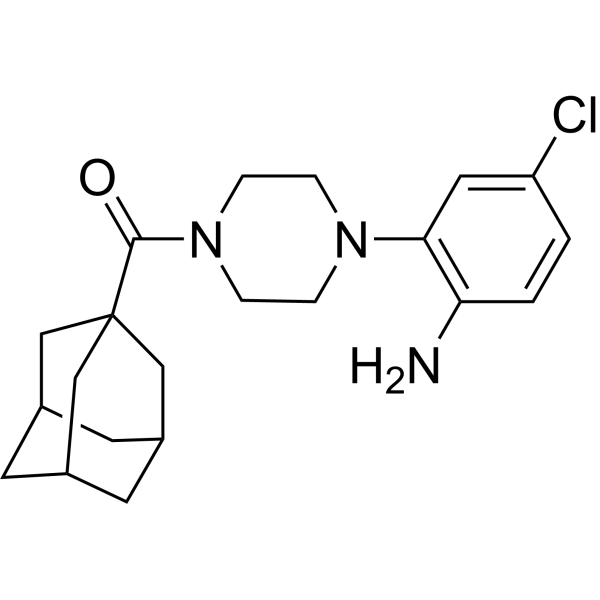
FXR agonist 4 (compound 10a) is an agonist of farnesoid X receptor (FXR) with an EC50 value of 1.05 μM. FXR agonist 4 effectively improves hyperlipidemia, hepatic steatosis, insulin resistance and hepatic inflammation in DIO mice. FXR agonist 4 can be used for the research of non-alcoholic fatty liver disease (NAFLD) .
|
-
-
- HY-130437
-
|
|
MDM-2/p53
TGF-β Receptor
Caspase
|
Infection
Metabolic Disease
|
|
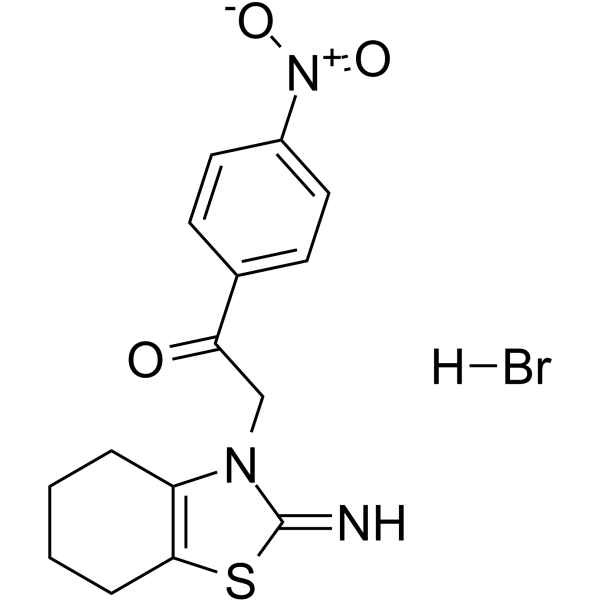
p-nitro-Pifithrin-α, a cell-permeable analog of pifithrin-α, is a potent p53 inhibitor. p-nitro-Pifithrin-α suppresses p53-mediated TGF-β1 expression in HK-2 cells. p-nitro-Pifithrin-α inhibits the activation of caspase-3 by Zika virus (ZIKV) strains. p-nitro-Pifithrin-α attenuates steatosis and liver injury in mice fed a high-fat diet [4].
non-alcoholic fatty liver disease .
|
-
-
- HY-155539
-
|
|
IKZF Family
Zinc Finger Protein
|
Inflammation/Immunology
|
|
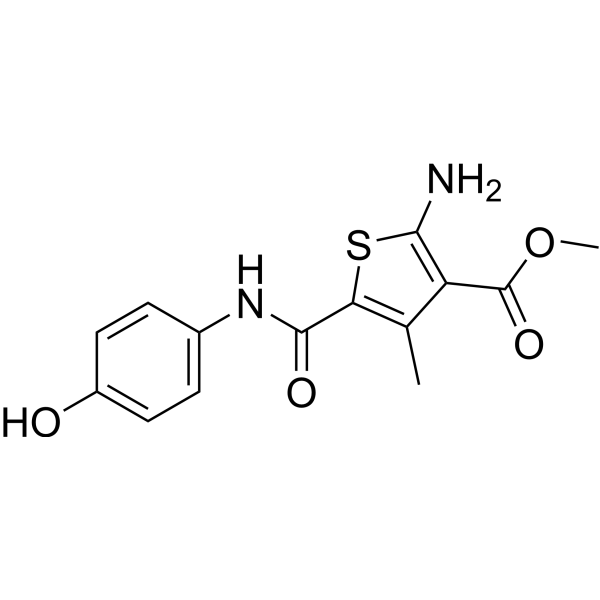
Cisd2 agonist 2 (compound 6) is a Cisd2 activator (EC50=191 nM), and Cisd2 levels are associated with non-alcoholic fatty liver disease (NAFLD). Cisd2 agonist 2 has no significant in vivo toxicity in Cisd2hKO-het mice (heterozygous hepatocyte-specific Cisd2 knockout). Cisd2 (CDGSH iron sulfur domain 2) is a zinc finger protein that is mainly localized in the endoplasmic reticulum or mitochondrial membrane. Cisd2 participates in mitochondrial function by forming homodimers containing two redox-active 2Fe-2S clusters .
|
-
-
- HY-W770410
-
|
|
Isotope-Labeled Compounds
CGRP Receptor
NF-κB
|
Others
|
|
9-PAHSA- 13C4 is 13C-labeled 9-PAHSA. 9-PAHSAis an orally active endogenous GPR120 agonist (EC50=18 μM). 9-PAHSAsignificantly inhibits LPS-induced inflammatory responses by blocking the NF-κB pathway. 9-PAHSAinduces adipocyte browning, enhances glucose uptake and reduces lipid accumulation, while improving mitochondrial function and the survival rate of steatotic hepatocytes. In terms of neuroprotection, 9-PAHSAregulates the expression of REST and BDNF in the prefrontal cortex of diabetic mice, and effectively prevents spatial working memory deficits and abnormal social behaviors. 9-PAHSAdoes not directly regulate insulin secretion or improve systemic insulin sensitivity, and possesses specific anti-inflammatory, metabolic regulatory and neuroprotective properties. 9-PAHSAcan be used in the research of diabetes-related cognitive impairment, obesity and non-alcoholic fatty liver disease .
|
-

-
- HY-123115
-
|
5-O-α-D-Glucopyranosyl-D-fructose
|
JAK
STAT
TNF Receptor
Interleukin Related
|
Metabolic Disease
Inflammation/Immunology
|
|
Leucrose (5-O-α-D-Glucopyranosyl-D-fructose) is an orally active Sucrose (HY-B1779) isomer naturally found in pollen and honey. Leucrose promotes phosphorylation of JAK1 and STAT6, reduces pro-inflammatory mediators and cytokinesas (TNFα, and IL-1β), increases M2 macrophage polarization and suppresses DSS (HY-116282C)-induced colitis. Leucrose suppresses hepatic triglyceride accumulation, improves fasting blood glucose levels, and regulates hepatic lipogenesis and fatty acid β-oxidation in high-fat diet-induced obese mice. Leucrose is slowly hydrolyzed into glucose and fructose by α-glucosidase and acts as as a sugar substitute in diet .
|
-

-
- HY-155156
-
|
|
Endogenous Metabolite
|
Cardiovascular Disease
|
|
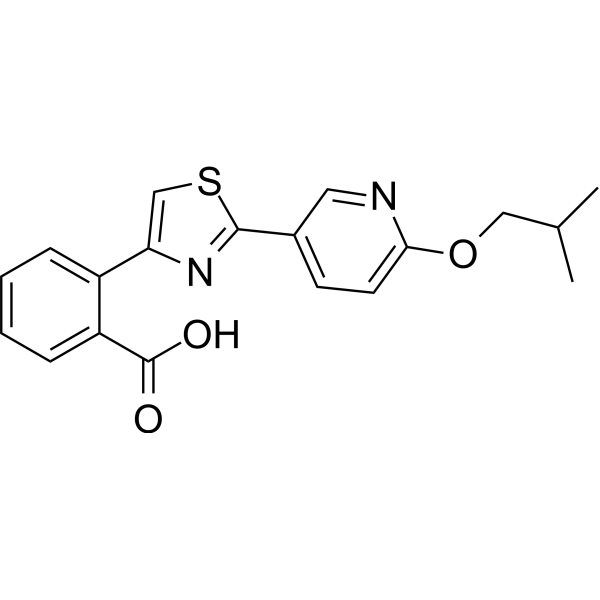
PF-07238025 is a BCKDC kinase (BDK) inhibitor (EC50=19 nM). PF-07238025 stabilizes the interaction between BDK and BCKDH core subunit E2 and prevents phosphorylation of E1. While BDK mediates branched-chain ketoacid dehydrogenase (BCKDH) phosphorylation, and inhibition of BCKDH is involved in controlling the rate-limiting step of branched-chain amino acid (BCAA) degradation. Impaired BCAA catabolism has been associated with several diseases, particularly cardiometabolic diseases, including heart failure (HF), type 2 diabetes mellitus (T2DM), non-alcoholic fatty liver disease (NAFLD), and obesity. PF-07238025 improved cardiometabolic endpoints and improves glucose tolerance in mice .
|
-
-
- HY-120657S
-
|
|
Isotope-Labeled Compounds
CGRP Receptor
NF-κB
|
Others
|
|
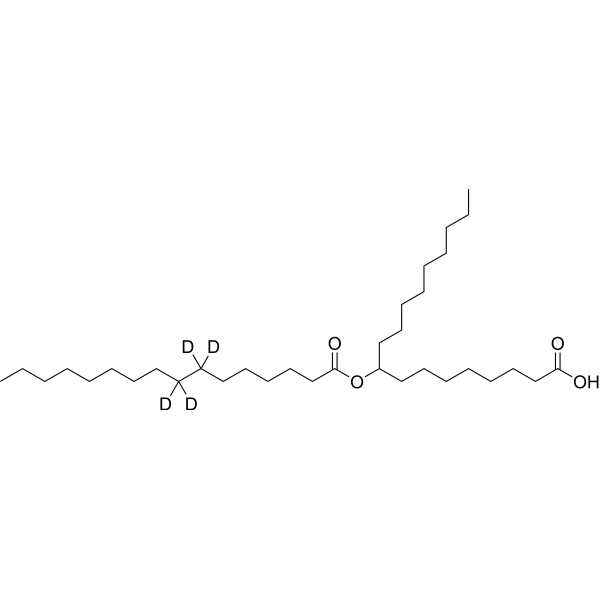
9-PAHSA-d4 is the deuterium labeled 9-PAHSA. 9-PAHSA is an orally active endogenous GPR120 agonist (EC50=18 μM). 9-PAHSA significantly inhibits LPS-induced inflammatory responses by blocking the NF-κB pathway. 9-PAHSA induces adipocyte browning, enhances glucose uptake and reduces lipid accumulation, while improving mitochondrial function and the survival rate of steatotic hepatocytes. In terms of neuroprotection, 9-PAHSA regulates the expression of REST and BDNF in the prefrontal cortex of diabetic mice, and effectively prevents spatial working memory deficits and abnormal social behaviors. 9-PAHSA does not directly regulate insulin secretion or improve systemic insulin sensitivity, and possesses specific anti-inflammatory, metabolic regulatory and neuroprotective properties. 9-PAHSA can be used in the research of diabetes-related cognitive impairment, obesity and non-alcoholic fatty liver disease .
|
-
-
- HY-161926
-
|
|
PPAR
|
Metabolic Disease
|
|
YGT-31 is a modulator for PPARγ with an IC50 of 1.72 μM, and a Ki of 0.62 μM. YGT-31 reduces blood glucose levels and improves insulin resistance in db/db mice type 2 diabetes models, through inhibition of CDK5-mediated PPARγ-Ser273 phosphorylation. YGT-31 exhibits anti-hepatic steatosis effect in mice non-alcoholic fatty liver disease (NAFLD) model .
|
-

-
- HY-12756AR
-
|
|
Toll-like Receptor (TLR)
Stearoyl-CoA Desaturase (SCD)
|
Metabolic Disease
Inflammation/Immunology
|
|
E6446 (dihydrochloride) (Standard) is the analytical standard of E6446 (dihydrochloride). This product is intended for research and analytical applications. E6446 dihydrochloride is a potent and orally acitve TLR7 and TLR9 antagonist, used in the research of deleterious inflammatory responses. E6446 dihydrochloride is also a potent SCD1 inhibitor (KD: 4.61 μM), significantly inhibiting adipogenic differentiation and hepatic lipogenesis through SCD1-ATF3 signaling. E6446 dihydrochloride also improves liver pathology in high-fat diet (HFD)-fed mice and may be useful in the study of non-alcoholic fatty liver disease (NAFLD) .
|
-

-
- HY-120657R
-
|
|
Reference Standards
CGRP Receptor
NF-κB
|
Cardiovascular Disease
Inflammation/Immunology
|
|
Flumethrin (Standard) is the analytical standard of Flumethrin. This product is intended for research and analytical applications. 9-PAHSA is an orally active endogenous GPR120 agonist (EC50=18 μM). 9-PAHSA significantly inhibits LPS-induced inflammatory responses by blocking the NF-κB pathway. 9-PAHSA induces adipocyte browning, enhances glucose uptake and reduces lipid accumulation, while improving mitochondrial function and the survival rate of steatotic hepatocytes. In terms of neuroprotection, 9-PAHSA regulates the expression of REST and BDNF in the prefrontal cortex of diabetic mice, and effectively prevents spatial working memory deficits and abnormal social behaviors. 9-PAHSA does not directly regulate insulin secretion or improve systemic insulin sensitivity, and possesses specific anti-inflammatory, metabolic regulatory and neuroprotective properties. 9-PAHSA can be used in the research of diabetes-related cognitive impairment, obesity and non-alcoholic fatty liver disease .
|
-

-
- HY-144026S
-
|
|
CGRP Receptor
NF-κB
|
Inflammation/Immunology
|
|
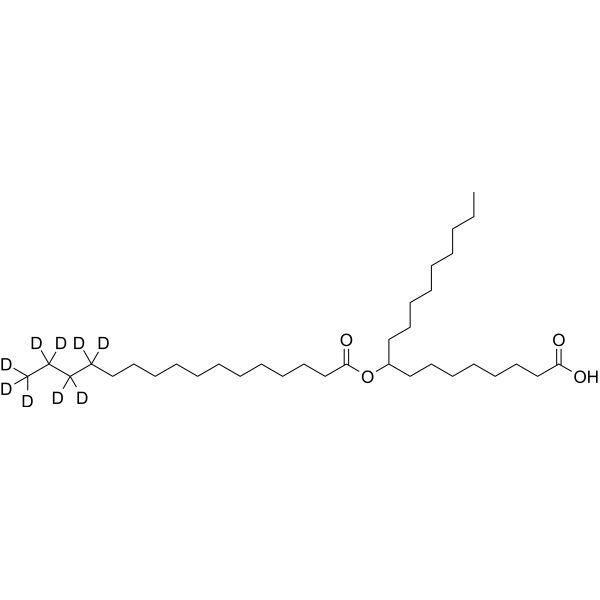
9-PAHSA-d9 is the deuterium labeled 9-PAHSA (HY-120657). 9-PAHSA is an orally active endogenous GPR120 agonist (EC50=18 μM). 9-PAHSA significantly inhibits LPS-induced inflammatory responses by blocking the NF-κB pathway. 9-PAHSA induces adipocyte browning, enhances glucose uptake and reduces lipid accumulation, while improving mitochondrial function and the survival rate of steatotic hepatocytes. In terms of neuroprotection, 9-PAHSA regulates the expression of REST and BDNF in the prefrontal cortex of diabetic mice, and effectively prevents spatial working memory deficits and abnormal social behaviors. 9-PAHSA does not directly regulate insulin secretion or improve systemic insulin sensitivity, and possesses specific anti-inflammatory, metabolic regulatory and neuroprotective properties. 9-PAHSA can be used in the research of diabetes-related cognitive impairment, obesity and non-alcoholic fatty liver disease .
|
-
-
- HY-120657S1
-
|
|
Isotope-Labeled Compounds
CGRP Receptor
NF-κB
|
Others
|
|
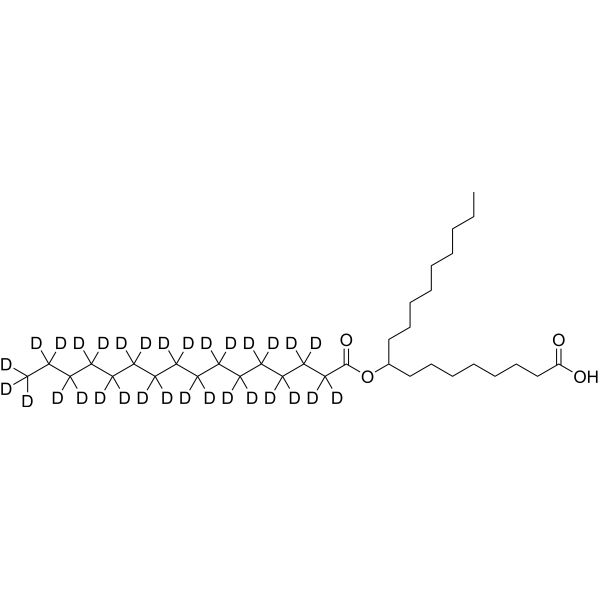
9-PAHSA-d31 is the deuterium labeled 9-PAHSA. 9-PAHSA is an orally active endogenous GPR120 agonist (EC50=18 μM). 9-PAHSA significantly inhibits LPS-induced inflammatory responses by blocking the NF-κB pathway. 9-PAHSA induces adipocyte browning, enhances glucose uptake and reduces lipid accumulation, while improving mitochondrial function and the survival rate of steatotic hepatocytes. In terms of neuroprotection, 9-PAHSA regulates the expression of REST and BDNF in the prefrontal cortex of diabetic mice, and effectively prevents spatial working memory deficits and abnormal social behaviors. 9-PAHSA does not directly regulate insulin secretion or improve systemic insulin sensitivity, and possesses specific anti-inflammatory, metabolic regulatory and neuroprotective properties. 9-PAHSA can be used in the research of diabetes-related cognitive impairment, obesity and non-alcoholic fatty liver disease .
|
-
-
- HY-N18066
-
|
|
Drug Derivative
Acyltransferase
NF-κB
PPAR
Fatty Acid Synthase (FASN)
Keap1-Nrf2
|
Cardiovascular Disease
Metabolic Disease
Inflammation/Immunology
|
|
Esculeogenin A is the sapogenol of tomato saponin Esculeoside A (HY-N18067). Esculeogenin A is an orally active hepatoprotective, hypolipidemic, and antioxidant agent. Esculeogenin A regulates molecular targets like PPARα, SREBP1, Nrf2, NF-κB, ACAT1/ACAT2 to promote hepatic fatty acid oxidation, suppress de novo lipogenesis, enhance antioxidant defense, and inhibit inflammation. Esculeogenin A improves liver function, alleviates hyperlipidemia, and inhibits hepatic steatosis and foam cell formation, preventing nonalcoholic fatty liver disease in high-fat-diet-fed rats and reducing atherosclerotic lesions in apoE-deficient mice. Esculeogenin A can be used for the research of nonalcoholic fatty liver disease, atherosclerosis, and hyperlipidemia .
|
-

| Cat. No. |
Product Name |
Type |
-
- HY-123115
-
|
5-O-α-D-Glucopyranosyl-D-fructose
|
Biochemical Assay Reagents
|
|
Leucrose (5-O-α-D-Glucopyranosyl-D-fructose) is an orally active Sucrose (HY-B1779) isomer naturally found in pollen and honey. Leucrose promotes phosphorylation of JAK1 and STAT6, reduces pro-inflammatory mediators and cytokinesas (TNFα, and IL-1β), increases M2 macrophage polarization and suppresses DSS (HY-116282C)-induced colitis. Leucrose suppresses hepatic triglyceride accumulation, improves fasting blood glucose levels, and regulates hepatic lipogenesis and fatty acid β-oxidation in high-fat diet-induced obese mice. Leucrose is slowly hydrolyzed into glucose and fructose by α-glucosidase and acts as as a sugar substitute in diet .
|
| Cat. No. |
Product Name |
Category |
Target |
Chemical Structure |
-
- HY-N0401A
-
-
-
- HY-114360
-
-
-
- HY-19696B
-
-
-
- HY-155157
-
|
|
Cardiovascular Disease
Natural Products
Classification of Application Fields
Endogenous metabolite
Disease Research Fields
Source Classification
|
Endogenous Metabolite
|
|
PF-07247685 is a BCKDC kinase (BDK) inhibitor (EC50=2.2 nM). PF-07247685 stabilizes the interaction between BDK and BCKDH core subunit E2 and prevents phosphorylation of E1. While BDK mediates branched-chain ketoacid dehydrogenase (BCKDH) phosphorylation, and inhibition of BCKDH is involved in controlling the rate-limiting step of branched-chain amino acid (BCAA) degradation. Impaired BCAA catabolism has been associated with several diseases, particularly cardiometabolic diseases, including heart failure (HF), type 2 diabetes mellitus (T2DM), non-alcoholic fatty liver disease (NAFLD), and obesity. PF-07247685 improved cardiometabolic endpoints and improves glucose tolerance in mice .
|
-
-
- HY-120657
-
|
|
Structural Classification
Classification of Application Fields
Ketones, Aldehydes, Acids
Other Diseases
Endogenous metabolite
Disease Research Fields
Source Classification
|
CGRP Receptor
NF-κB
|
|
9-PAHSA is an orally active endogenous GPR120 agonist (EC50=18 μM). 9-PAHSA significantly inhibits LPS-induced inflammatory responses by blocking the NF-κB pathway. 9-PAHSA induces adipocyte browning, enhances glucose uptake and reduces lipid accumulation, while improving mitochondrial function and the survival rate of steatotic hepatocytes. In terms of neuroprotection, 9-PAHSA regulates the expression of REST and BDNF in the prefrontal cortex of diabetic mice, and effectively prevents spatial working memory deficits and abnormal social behaviors. 9-PAHSA does not directly regulate insulin secretion or improve systemic insulin sensitivity, and possesses specific anti-inflammatory, metabolic regulatory and neuroprotective properties. 9-PAHSA can be used in the research of diabetes-related cognitive impairment, obesity and non-alcoholic fatty liver disease .
|
-
-
- HY-109569
-
-
-
- HY-155156
-
-
-
- HY-120657R
-
|
|
Structural Classification
Ketones, Aldehydes, Acids
Endogenous metabolite
Source Classification
|
Reference Standards
CGRP Receptor
NF-κB
|
|
Flumethrin (Standard) is the analytical standard of Flumethrin. This product is intended for research and analytical applications. 9-PAHSA is an orally active endogenous GPR120 agonist (EC50=18 μM). 9-PAHSA significantly inhibits LPS-induced inflammatory responses by blocking the NF-κB pathway. 9-PAHSA induces adipocyte browning, enhances glucose uptake and reduces lipid accumulation, while improving mitochondrial function and the survival rate of steatotic hepatocytes. In terms of neuroprotection, 9-PAHSA regulates the expression of REST and BDNF in the prefrontal cortex of diabetic mice, and effectively prevents spatial working memory deficits and abnormal social behaviors. 9-PAHSA does not directly regulate insulin secretion or improve systemic insulin sensitivity, and possesses specific anti-inflammatory, metabolic regulatory and neuroprotective properties. 9-PAHSA can be used in the research of diabetes-related cognitive impairment, obesity and non-alcoholic fatty liver disease .
|
-
-
- HY-N18066
-
|
|
Structural Classification
Solanum lycopersicum L.
Solanaceae
Plants
Steroids
Source Classification
|
Drug Derivative
Acyltransferase
NF-κB
PPAR
Fatty Acid Synthase (FASN)
Keap1-Nrf2
|
|
Esculeogenin A is the sapogenol of tomato saponin Esculeoside A (HY-N18067). Esculeogenin A is an orally active hepatoprotective, hypolipidemic, and antioxidant agent. Esculeogenin A regulates molecular targets like PPARα, SREBP1, Nrf2, NF-κB, ACAT1/ACAT2 to promote hepatic fatty acid oxidation, suppress de novo lipogenesis, enhance antioxidant defense, and inhibit inflammation. Esculeogenin A improves liver function, alleviates hyperlipidemia, and inhibits hepatic steatosis and foam cell formation, preventing nonalcoholic fatty liver disease in high-fat-diet-fed rats and reducing atherosclerotic lesions in apoE-deficient mice. Esculeogenin A can be used for the research of nonalcoholic fatty liver disease, atherosclerosis, and hyperlipidemia .
|
-
| Cat. No. |
Product Name |
Chemical Structure |
-
- HY-W770410
-
|
|
|
9-PAHSA- 13C4 is 13C-labeled 9-PAHSA. 9-PAHSAis an orally active endogenous GPR120 agonist (EC50=18 μM). 9-PAHSAsignificantly inhibits LPS-induced inflammatory responses by blocking the NF-κB pathway. 9-PAHSAinduces adipocyte browning, enhances glucose uptake and reduces lipid accumulation, while improving mitochondrial function and the survival rate of steatotic hepatocytes. In terms of neuroprotection, 9-PAHSAregulates the expression of REST and BDNF in the prefrontal cortex of diabetic mice, and effectively prevents spatial working memory deficits and abnormal social behaviors. 9-PAHSAdoes not directly regulate insulin secretion or improve systemic insulin sensitivity, and possesses specific anti-inflammatory, metabolic regulatory and neuroprotective properties. 9-PAHSAcan be used in the research of diabetes-related cognitive impairment, obesity and non-alcoholic fatty liver disease .
|
-
-
- HY-120657S
-
|
|
|
9-PAHSA-d4 is the deuterium labeled 9-PAHSA. 9-PAHSA is an orally active endogenous GPR120 agonist (EC50=18 μM). 9-PAHSA significantly inhibits LPS-induced inflammatory responses by blocking the NF-κB pathway. 9-PAHSA induces adipocyte browning, enhances glucose uptake and reduces lipid accumulation, while improving mitochondrial function and the survival rate of steatotic hepatocytes. In terms of neuroprotection, 9-PAHSA regulates the expression of REST and BDNF in the prefrontal cortex of diabetic mice, and effectively prevents spatial working memory deficits and abnormal social behaviors. 9-PAHSA does not directly regulate insulin secretion or improve systemic insulin sensitivity, and possesses specific anti-inflammatory, metabolic regulatory and neuroprotective properties. 9-PAHSA can be used in the research of diabetes-related cognitive impairment, obesity and non-alcoholic fatty liver disease .
|
-
-
- HY-144026S
-
|
|
|
9-PAHSA-d9 is the deuterium labeled 9-PAHSA (HY-120657). 9-PAHSA is an orally active endogenous GPR120 agonist (EC50=18 μM). 9-PAHSA significantly inhibits LPS-induced inflammatory responses by blocking the NF-κB pathway. 9-PAHSA induces adipocyte browning, enhances glucose uptake and reduces lipid accumulation, while improving mitochondrial function and the survival rate of steatotic hepatocytes. In terms of neuroprotection, 9-PAHSA regulates the expression of REST and BDNF in the prefrontal cortex of diabetic mice, and effectively prevents spatial working memory deficits and abnormal social behaviors. 9-PAHSA does not directly regulate insulin secretion or improve systemic insulin sensitivity, and possesses specific anti-inflammatory, metabolic regulatory and neuroprotective properties. 9-PAHSA can be used in the research of diabetes-related cognitive impairment, obesity and non-alcoholic fatty liver disease .
|
-
-
- HY-120657S1
-
|
|
|
9-PAHSA-d31 is the deuterium labeled 9-PAHSA. 9-PAHSA is an orally active endogenous GPR120 agonist (EC50=18 μM). 9-PAHSA significantly inhibits LPS-induced inflammatory responses by blocking the NF-κB pathway. 9-PAHSA induces adipocyte browning, enhances glucose uptake and reduces lipid accumulation, while improving mitochondrial function and the survival rate of steatotic hepatocytes. In terms of neuroprotection, 9-PAHSA regulates the expression of REST and BDNF in the prefrontal cortex of diabetic mice, and effectively prevents spatial working memory deficits and abnormal social behaviors. 9-PAHSA does not directly regulate insulin secretion or improve systemic insulin sensitivity, and possesses specific anti-inflammatory, metabolic regulatory and neuroprotective properties. 9-PAHSA can be used in the research of diabetes-related cognitive impairment, obesity and non-alcoholic fatty liver disease .
|
-
Your information is safe with us. * Required Fields.
Inquiry Information
- Product Name:
- Cat. No.:
- Quantity:
- MCE Japan Authorized Agent:








