



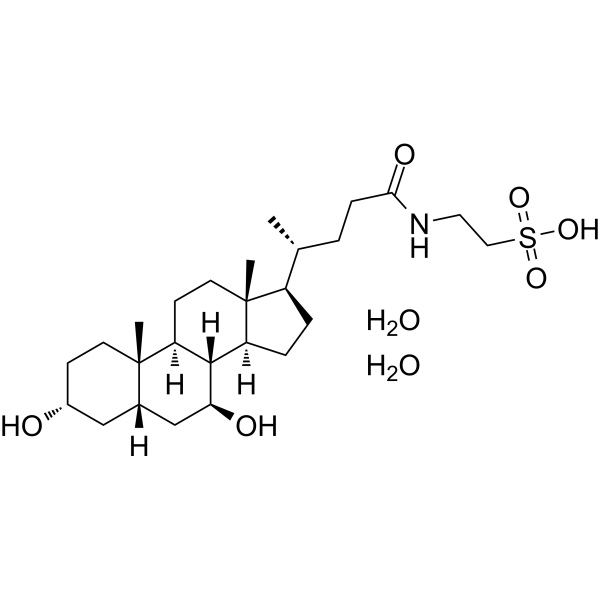
Tauroursodeoxycholate dihydrate

Based on 1 Customer Validation
Tauroursodeoxycholate dehydrate is an orally active taurine conjugate of Ursodeoxycholic acid (HY-13771). Tauroursodeoxycholate dehydrate inhibits caspase-3/7, Apoptosis, IRE1α/TRAF2/NF-κB, prevents JNK phosphorylation, inhibits ROS generation, and activates Akt signaling. Tauroursodeoxycholate dehydrate prevents cataract formation, reduces renal tubular damage in type 2 diabetic mice, reduces I/R injury in liver, and inhibits intestinal inflammation and barrier disruption in nonalcoholic fatty liver disease.
商品は「研究用試薬」です。人や動物の医療用・臨床診断用・食品用の製品ではありません。
研究用途以外に使用した場合、当社は一切の責任を負いかねます。
- 純度 : 99.96%
- CAS 番号: 117609-50-4
- 分子式: C26H49NO8S
- 分子量:535.73
-
保管条件:Powder -20°C, 3 years , 4°C, 2 years ; In solvent -80°C, 6 months , -20°C, 1 month

To place orders, for customer services and technical support, please contact: MedChemExpress USA
Tel: 609-228-6898 E-mail: [email protected] [email protected]


-
 生物活性
-
化学情報
-
溶剤 & 溶解度
- プロトコル
- 純度とドキュメンテーション
- 参考文献
-
 Help & FAQs


-
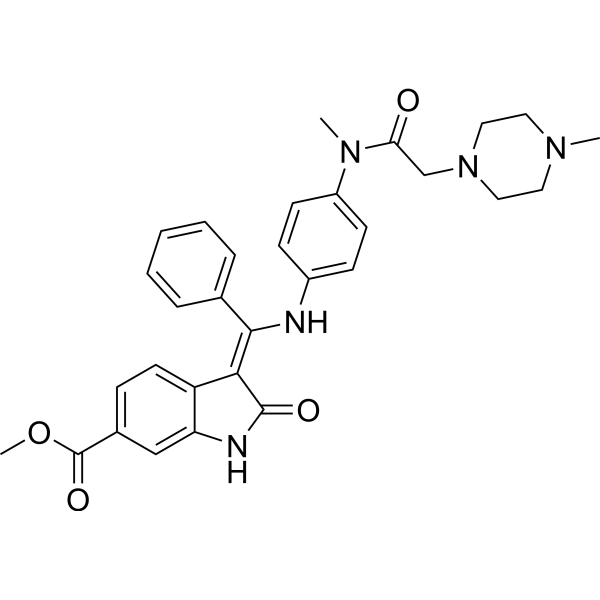
HY-50904
NintedanibPDGFR/VEGFR/FGFR Inhibitor -
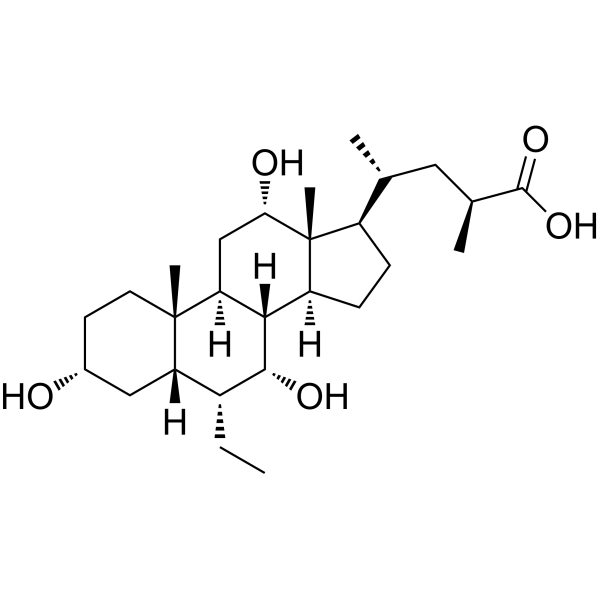
HY-15677
INT-777TGR5 Agonist -

HY-K0301
Cell Counting Kit-8 -
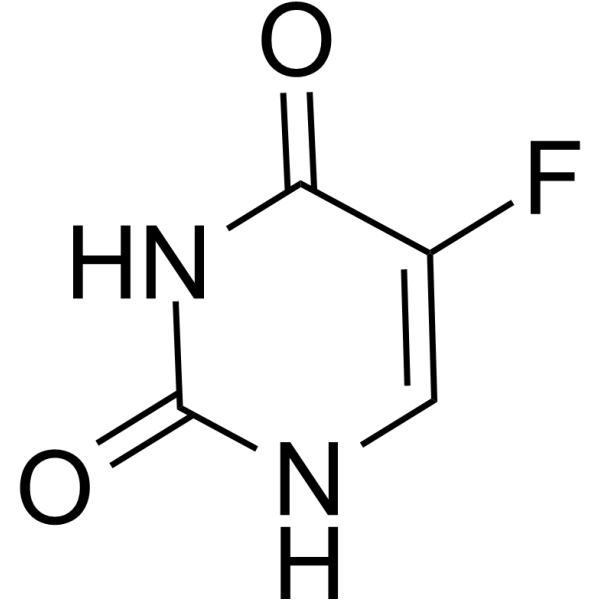
HY-90006
5-FluorouracilThymidylate Synthase Inhibitor -
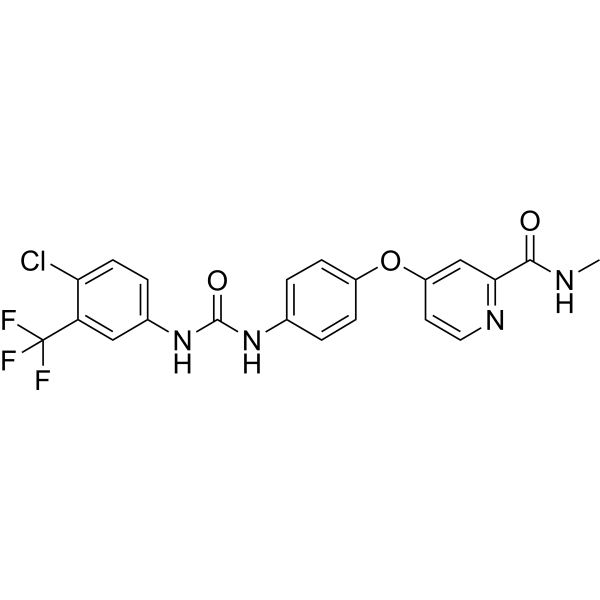
HY-10201
SorafenibMultikinase Inhibitor -
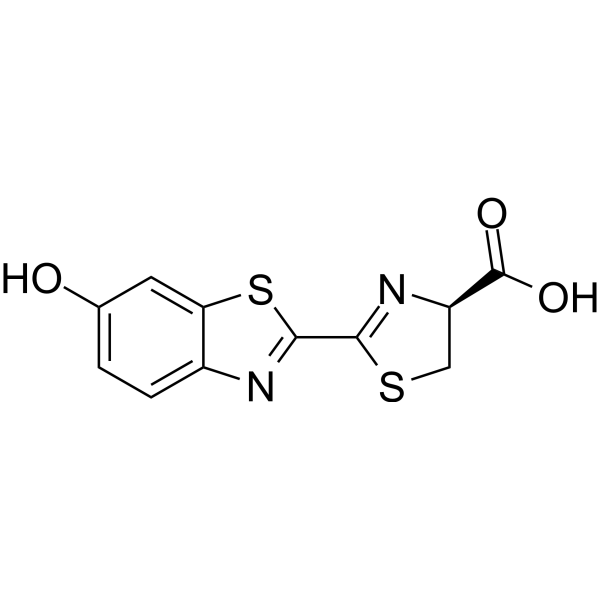
HY-12591A
D-LuciferinSubstrate for Luciferase -
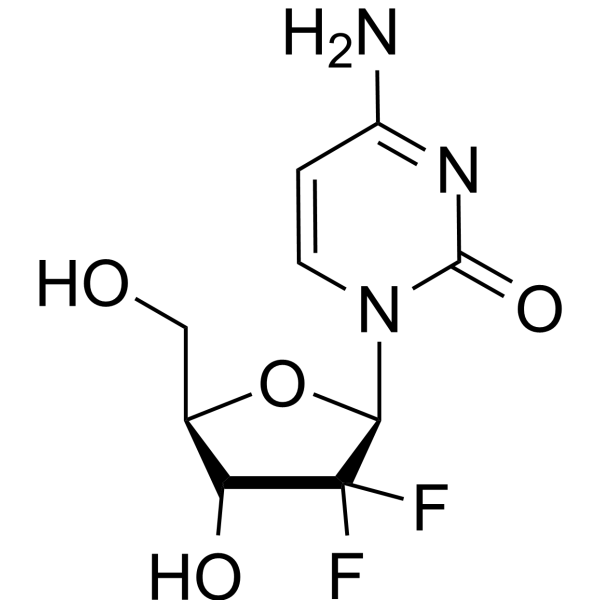
HY-17026
GemcitabineDNA Synthesis Inhibitor -
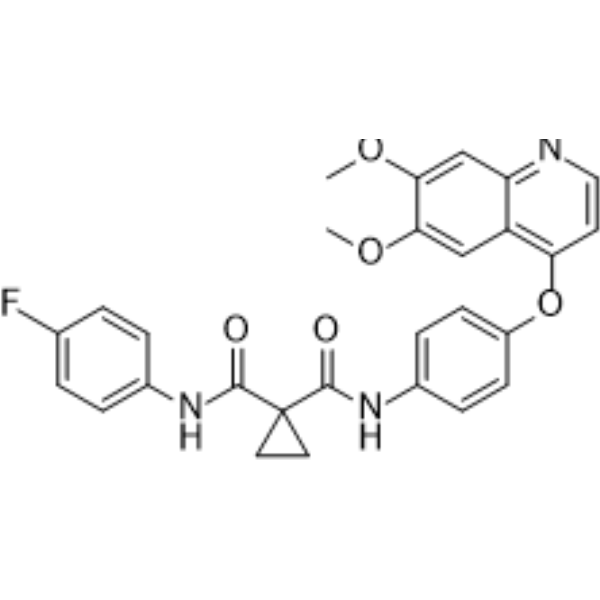
HY-13016
CabozantinibVEGFR2/MET Inhibitor -
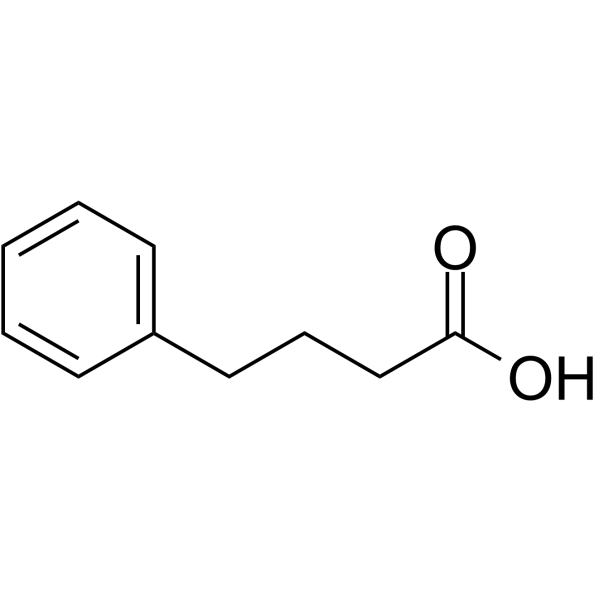
HY-A0281
4-Phenylbutyric acidHDAC Inhibitor -
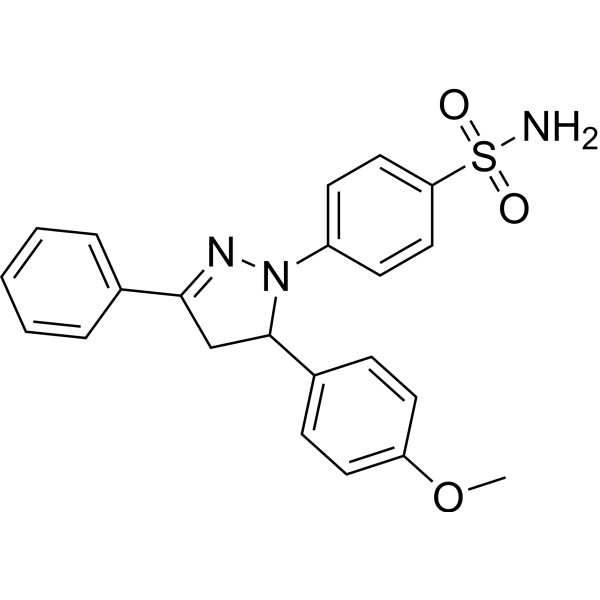
HY-12755
ML141Cdc42 GTPase Inhibitor -
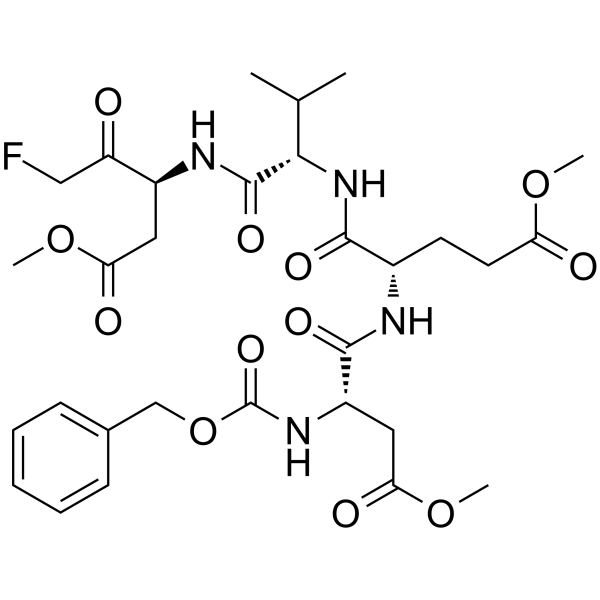
HY-12466
Z-DEVD-FMKCaspase-3 Inhibitor -
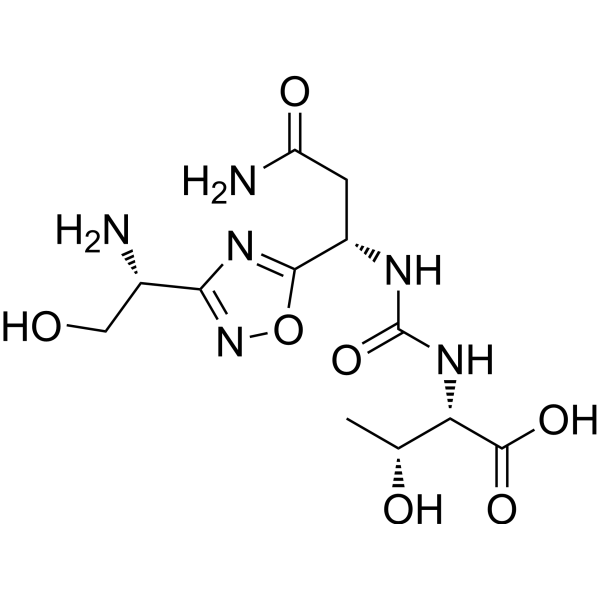
HY-101093
CA-170VISTA/PD-L1 Inhibitor


生物活性
製品説明
|
Human Endogenous Metabolite |
Caspase-3 |
Caspase-7 |
IRE1α |
体外実験
Tauroursodeoxycholate (5 μM) dihydrate induces a sustained increase of [Ca2+]i in isolated hepatocytes[1].
Tauroursodeoxycholate (50 μM; 4 h) dihydrate reduces Glycochenodeoxycholic acid (HY-N2334)-induced apoptosis in primary human hepatocytes, as indicated by decreased oligonucleosomal DNA cleavage[4].
Tauroursodeoxycholate (50-500 μM) dihydrate inhibits Clostridioides difficile toxin-induced caspase-3/7 activation in Caco-2 and HCT116 cells[5].
Tauroursodeoxycholate (500 mM; 6-hour co-stimulation) dihydrate attenuates the increased expression of inflammation-related factors and innate immunity components in Caco-2 cells co-stimulated with Palmitic acid (HY-N0830) and LPS[9].
Tauroursodeoxycholate (0-100 μM; 24 h) dihydrate dose-dependently suppresses the expression of inflammatory factors and the activity of the IRE1α/TRAF2/NF-κB pathway in Kupffer cells activated by LPS [10].
MedChemExpress (MCE) has not independently confirmed the accuracy of these methods. They are for reference only.
体内実験
Tauroursodeoxycholate (250 mg/kg; i.p.; twice a day; 8 weeks) dihydrate attenuates renal tubular injury in a mouse model of type 2 diabetes[7].
Tauroursodeoxycholate (50 mg/kg; i.p.; once a day; 3 days) dihydrate prevents MPTP (HY-W114750) -induced JNK phosphorylation, impairs ROS production, activates Akt signaling, and protects against MPTP-induced dopaminergic degeneration in C57BL/6 GSTP null mice[8].
Tauroursodeoxycholate (1000 mg/kg; p.o.; once daily; 4 weeks) dihydrate attenuates HFD-induced hepatic steatosis, inflammation, obesity, insulin resistance, improves intestinal barrier function, decreases intestinal fat transport, and modulates gut microbiota composition in C57BL/6J mice[9].
Tauroursodeoxycholate (400 mg/kg; i.p.; once per day; 3 days) dihydrate alleviates hepatic I/R injury, reduces levels of liver function markers, hepatocyte apoptosis, proinflammatory factors, and suppresses the function of Kupffer cells by down-regulating the IRE1α/TRAF2/NF-κB pathway in male Balb/c mice[10].
MedChemExpress (MCE) has not independently confirmed the accuracy of these methods. They are for reference only.
-
Animal Model:Male db/db (C57BLKS/J-LepRdb/LepRdb) mice (6 weeks old) with type 2 diabetes; age-matched lean non-diabetic littermates db/m (C57BLKS/J-LepRdb/+) mice as normal control[7]
-
Dosage:250 mg/kg
-
Administration:Intraperitoneal injection, twice a day, 8 weeks
-
Result:Significantly reduced blood glucose and albuminuria.
Ameliorated renal histopathological changes including mesangial cell proliferation, mesangial matrix expansion, and collagen deposition.
Decreased expression of ER stress markers (GRP78, CHOP) and ER stress-associated apoptotic markers (cleaved caspase12, cleaved caspase3).
Reduced number of TUNEL-positive tubular cells.
- Kinase activity and phosphorylation assays
- Western Blot
- Detection of Apoptosis
- TUNEL staining for apoptotic DNA fragmentation
- Annexin V plus membrane-impermeant dye apoptosis staining
- ROS/oxidative-stress fluorescent staining
- DSS-Induced Colitis
- TNBS-Induced Colitis
- Apoptosis Solutions
- Research Protocol for Inflammation-related Diseases
- Protocol for Kinase activity and phosphorylation assays
- Research Protocol for Metabolic Diseases


化学情報
-
CAS 番号 117609-50-4
-
性状 Solid
-
分子量 535.73
-
分子式 C26H49NO8S
-
Color White to off-white
-
SMILES
C[C@H](CCC(NCCS(=O)(O)=O)=O)[C@H]1CC[C@@]2([H])[C@]3([H])[C@@H](O)C[C@]4([H])C[C@H](O)CC[C@]4(C)[C@@]3([H])CC[C@]12C.O.O
-
別名
Tauroursodeoxycholic acid dihydrate; TUDCA dihydrate; UR 906 dihydrate
-
Structure Classification
-
Initial Source
-
輸送条件
Room temperature in continental US; may vary elsewhere.
-
保管条件
Powder -20°C 3 years 4°C 2 years In solvent -80°C 6 months -20°C 1 month


溶剤 & 溶解度
体外:
DMSO : 83.33 mg/mL (155.54 mM; Need ultrasonic; Hygroscopic DMSO has a significant impact on the solubility of product, please use newly opened DMSO)
Please refer to the solubility information to select the appropriate solvent. Once prepared, please aliquot and store the solution to prevent product inactivation from repeated freeze-thaw cycles.
Storage method and period of stock solution: -80°C, 6 months; -20°C, 1 month. When stored at -80°C, please use it within 6 months. When stored at -20°C, please use it within 1 month.
濃度 (開始) × 体積 (開始) = 濃度 (終了) × 体積 (終了)
体内:
Select the appropriate dissolution method based on your experimental animal and administration route.
- For the following dissolution methods, please ensure to first prepare a clear stock solution using an In Vitro approach and then sequentially add co-solvents:
- To ensure reliable experimental results, the clarified stock solution can be appropriately stored based on storage conditions. As for the working solution for In Vivo experiments, it is recommended to prepare freshly and use it on the same day.
- The percentages shown for the solvents indicate their volumetric ratio in the final prepared solution. If precipitation or phase separation occurs during preparation, heat and/or sonication can be used to aid dissolution.
Add each solvent one by one: 10% DMSO 40% PEG300 5% Tween-80 45% Saline
Solubility: ≥ 2.08 mg/mL (3.88 mM); Clear solution
This protocol yields a clear solution of ≥ 2.08 mg/mL (saturation unknown).
Taking 1 mL working solution as an example, add 100 μL DMSO stock solution (20.8 mg/mL) to 400 μL PEG300, and mix evenly; then add 50 μL Tween-80 and mix evenly; then add 450 μL Saline to adjust the volume to 1 mL.
Preparation of Saline: Dissolve 0.9 g sodium chloride in ddH₂O and dilute to 100 mL to obtain a clear Saline solution.
Add each solvent one by one: 10% DMSO 90% (20% SBE-β-CD in Saline)
Solubility: ≥ 2.08 mg/mL (3.88 mM); Clear solution
This protocol yields a clear solution of ≥ 2.08 mg/mL (saturation unknown).
Taking 1 mL working solution as an example, add 100 μL DMSO stock solution (20.8 mg/mL) to 900 μL 20% SBE-β-CD in Saline, and mix evenly.
Preparation of 20% SBE-β-CD in Saline (4°C, storage for one week): 2 g SBE-β-CD powder is dissolved in 10 mL Saline, completely dissolve until clear.
In Vivo Dissolution Calculator
Please enter the basic information of animal experiments:
-
-
-
-
Recommended: Prepare an additional quantity of animals to account for potential losses during experiments.
Please enter your animal formula composition:
-
%DMSO +
Recommended: Keep the proportion of DMSO in working solution below 2% if your animal is weak.
-
%+
-
+%Tween-80 + +
-
%Saline +
The co-solvents required include: DMSO, . All of co-solvents are available by MedChemExpress (MCE). , Tween 80. All of co-solvents are available by MedChemExpress (MCE).
Working solution concentration: 0.22 mg/mL
Method for preparing stock solution: mg drug dissolved in μL DMSO. Stock solution concentration: mg/mL.
1. Take μL DMSO stock solution;
2. Add μL .
μL , mix evenly;
3. Then add μL Tween 80, mix evenly;
4. Then add μL
Please ensure that the stock solution in the first step is dissolved to a clear state, and add co-solvents in sequence. You can use ultrasonic heating (ultrasonic cleaner, recommended frequency 20-40 kHz), vortexing, etc. to assist dissolution.


純度とドキュメンテーション
-
データシート (282 KB)
-
SDS (396 KB)
- English - EN (396 KB)
- Français - FR (396 KB)
- Deutsch - DE (396 KB)
- Norwegian - NO (396 KB)
- Español - ES (396 KB)
- Swedish - SV (396 KB)
- Italian - IT (396 KB)
- Korean - KR (396 KB)
- Portuguese - PT (396 KB)
-
取扱説明書 (2659 KB)
参考文献
[1]. Beuers U. Effects of bile acids on hepatocellular signaling and secretion. Yale J Biol Med. 1997 Jul-Aug;70(4):341-6. [Content Brief]
[2]. Boatright JH, et al. Bile acids in treatment of ocular disease. J Ocul Biol Dis Infor. 2009 Sep;2(3):149-159. [Content Brief]
[3]. Vang S, et al. The Unexpected Uses of Urso- and Tauroursodeoxycholic Acid in the Treatment of Non-liver Diseases. Glob Adv Health Med. 2014 May;3(3):58-69. [Content Brief]
[4]. Benz C, et al. Effect of tauroursodeoxycholic acid on bile acid-induced apoptosis in primary human hepatocytes. Eur J Clin Invest. 2000 Mar;30(3):203-9. [Content Brief]
[5]. Pike CM, et al. Tauroursodeoxycholic Acid Inhibits Clostridioides difficile Toxin-Induced Apoptosis. Infect Immun. 2022 Aug 18;90(8):e0015322. [Content Brief]
[6]. Shekels LL, et al. Tauroursodeoxycholic acid protects in vitro models of human colonic cancer cells from cytotoxic effects of hydrophobic bile acids. J Lab Clin Med. 1996 Jan;127(1):57-66. [Content Brief]
[7]. Zhang J, et al. Tauroursodeoxycholic Acid Attenuates Renal Tubular Injury in a Mouse Model of Type 2 Diabetes. Nutrients. 2016 Sep 22;8(10):589. [Content Brief]
[8]. Castro-Caldas M, et al. Tauroursodeoxycholic acid prevents MPTP-induced dopaminergic cell death in a mouse model of Parkinson's disease. Mol Neurobiol. 2012 Oct;46(2):475-86. [Content Brief]
[9]. Wang W, et al. Tauroursodeoxycholic acid inhibits intestinal inflammation and barrier disruption in mice with non-alcoholic fatty liver disease. Br J Pharmacol. 2018 Feb;175(3):469-484. [Content Brief]
[10]. Xu X, et al. Tauroursodeoxycholic acid alleviates hepatic ischemia reperfusion injury by suppressing the function of Kupffer cells in mice. Biomed Pharmacother. 2018 Oct;106:1271-1281. [Content Brief]


Complete Stock Solution Preparation Table
Please refer to the solubility information to select the appropriate solvent. Once prepared, please aliquot and store the solution to prevent product inactivation from repeated freeze-thaw cycles.
Storage method and period of stock solution: -80°C, 6 months; -20°C, 1 month. When stored at -80°C, please use it within 6 months. When stored at -20°C, please use it within 1 month.
| Optional Solvent | Concentration Solvent Mass | 1 mg | 5 mg | 10 mg | 25 mg |
|---|---|---|---|---|---|
| DMSO | 1 mM | 1.8666 mL | 9.3331 mL | 18.6661 mL | 46.6653 mL |
| 5 mM | 0.3733 mL | 1.8666 mL | 3.7332 mL | 9.3331 mL | |
| 10 mM | 0.1867 mL | 0.9333 mL | 1.8666 mL | 4.6665 mL | |
| 15 mM | 0.1244 mL | 0.6222 mL | 1.2444 mL | 3.1110 mL | |
| 20 mM | 0.0933 mL | 0.4667 mL | 0.9333 mL | 2.3333 mL | |
| 25 mM | 0.0747 mL | 0.3733 mL | 0.7466 mL | 1.8666 mL | |
| 30 mM | 0.0622 mL | 0.3111 mL | 0.6222 mL | 1.5555 mL | |
| 40 mM | 0.0467 mL | 0.2333 mL | 0.4667 mL | 1.1666 mL | |
| 50 mM | 0.0373 mL | 0.1867 mL | 0.3733 mL | 0.9333 mL | |
| 60 mM | 0.0311 mL | 0.1556 mL | 0.3111 mL | 0.7778 mL | |
| 80 mM | 0.0233 mL | 0.1167 mL | 0.2333 mL | 0.5833 mL | |
| 100 mM | 0.0187 mL | 0.0933 mL | 0.1867 mL | 0.4667 mL |


Tauroursodeoxycholate dihydrate 関連分類
HY-19696B 関連分類
 Powered by Bioz
Keywords
- Tauroursodeoxycholate dihydrate
- 117609-50-4
- Tauroursodeoxycholic acid dihydrate
- TUDCA dihydrate
- UR 906 dihydrate
- Caspase
- Apoptosis
- Endogenous Metabolite
- IRE1
- NF-κB
- JNK
- Reactive Oxygen Species (ROS)
- Akt
- Balb/c
- mice
- hepatic steatosis
- renal tubular injury
- type 2 diabetes
- retinal degeneration
- Kupffer
- Caco-2
- Inhibitor
- inhibitor
- inhibit