Search Result
Results for "
reference+standard
" in MedChemExpress (MCE) Product Catalog:
17
Biochemical Assay Reagents
| Cat. No. |
Product Name |
Target |
Research Areas |
Chemical Structure |
-
- HY-W116335A
-
|
|
Environmental Pollutants
Biochemical Assay Reagents
|
Inflammation/Immunology
|
|
Dried aluminum hydroxide gel, United States Pharmacopeia (USP) Reference Standard is a commonly used antacid with remarkable compound adhesion and release activity. Dried aluminum hydroxide gel, United States Pharmacopeia (USP) Reference Standard can effectively neutralize gastric acid and relieve stomach discomfort. Dried aluminum hydroxide gel, United States Pharmacopeia (USP) Reference Standard is also often used as an adjuvant in vaccines to enhance immune responses. Dried aluminum hydroxide gel, United States Pharmacopeia (USP) Reference Standard can improve the stability and bioavailability of compounds in preparations .
|
-

-
- HY-W073080
-
|
|
MOFs
|
Others
|
|
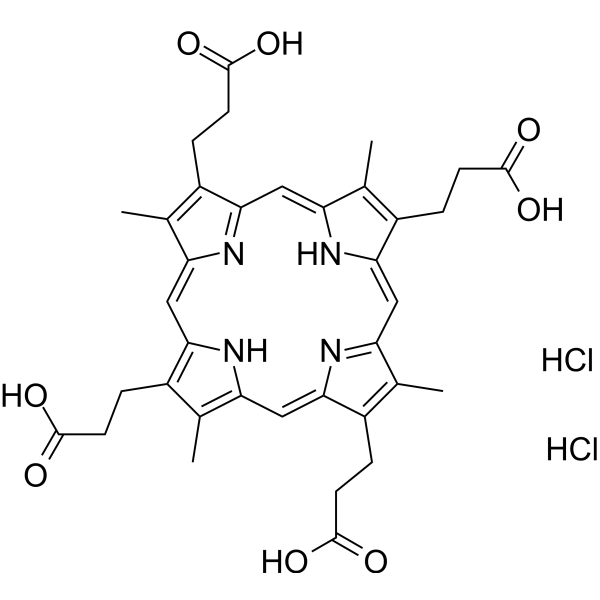
Coproporphyrin I dihydrochlorideIt is an organic compound belonging to the class of porphyrins. It is a derivative of heme, an iron-containing molecule found in hemoglobin and other proteins. Coproporphyrin I dihydrochlorideOften used as a biomarker in the assessment of certain liver and metabolic diseases, especially those related to bile synthesis and transport. It can also be used as a reference standard for analytical chemistry and pharmacological research.
|
-
-
- HY-W098756
-
-

-
- HY-141749B
-
|
CLPM hydrochloride; SR 26334 hydrochloride
|
Drug Metabolite
|
Cardiovascular Disease
|
|
Clopidogrel carboxylic acid (CLPM) hydrochloride is an inactive metabolite of the widely used antiplatelet medication clopidogrel, which serves as a reference standard for quantitative analysis of clopidogrel metabolism. Clopidogrel carboxylic acid hydrochloride has been shown to represent approximately 85% of circulating clopidogrel, hydrolyzed from the active form by esterases. Clopidogrel carboxylic acid hydrochloride plays a crucial role in assessing the pharmacokinetics and bioavailability of clopidogrel in various clinical and research settings.
|
-

-
- HY-W127680
-
|
Tetra-n-butylammonium perchlorate
|
Biochemical Assay Reagents
|
Others
|
|
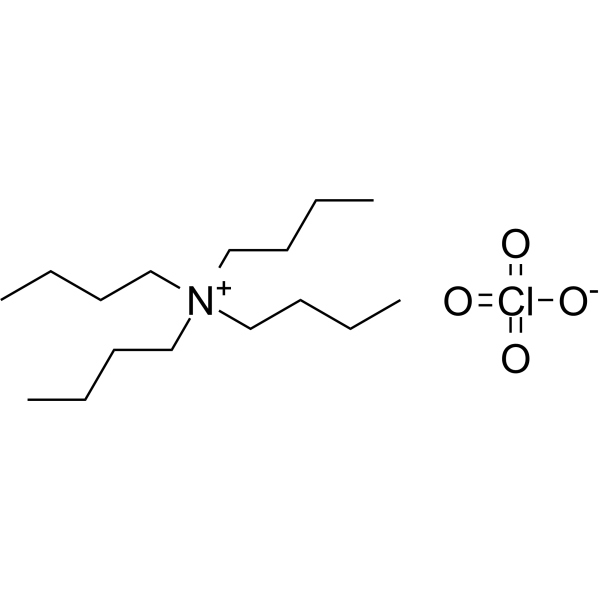
Tetrabutylammonium perchlorate is an organic compound containing ammonium ions and perchlorate ions. It is commonly used as an electrolyte in electrochemistry and as a source of perchlorate anion in analytical chemistry. Tetrabutylammonium perchlorate has a variety of applications in the production of batteries, fuel cells and electronic components due to its high ionic conductivity and stability under extreme conditions. In addition, it can be used as a reference standard in analytical methods such as ion chromatography.
|
-
-
- HY-W030562
-
|
|
Others
|
Inflammation/Immunology
|
|
Bemethyl is a synthetic adaptogen that exhibits actoprotector and antihypoxant activities. Bemethyl has the ability to increase the body's resistance to stress and improve physical endurance. Bemethyl regulatory mechanisms include vasodilation and lowering blood sugar and lactate levels. Bemethyl is an analytical reference standard for adaptogen .
|
-

-
- HY-W127676
-
|
N,N,N-Triethylethanaminium perchlorate
|
Biochemical Assay Reagents
|
Others
|
|
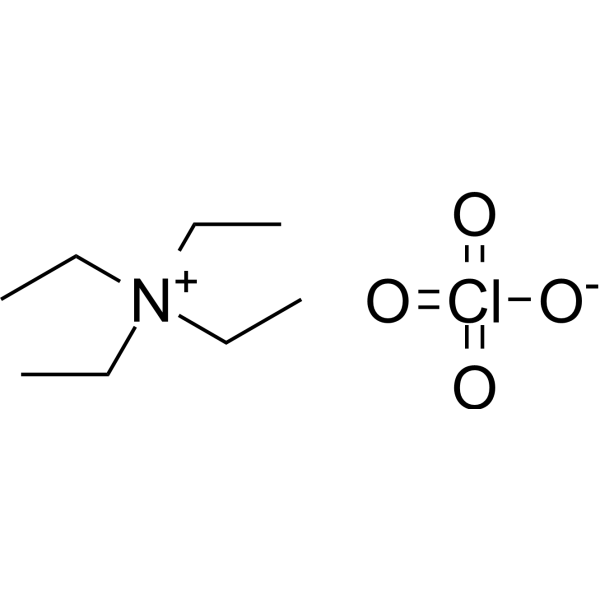
Tetraethylammonium perchlorate is an organic compound containing ammonium ions and perchlorate ions. It is commonly used as an electrolyte in electrochemistry and as a source of perchlorate anion in analytical chemistry. Due to its high ionic conductivity and stability under extreme conditions, tetraethylammonium perchlorate has a variety of applications in the production of batteries, fuel cells and electronic components. In addition, it can be used as a reference standard in analytical methods such as ion chromatography.
|
-
-
- HY-Y0344H
-
|
Halite (Pharmaceutical primary standard, USP)
|
Biochemical Assay Reagents
Na+/K+ ATPase
Interleukin Related
|
Inflammation/Immunology
Cancer
|
|
Sodium chloride, United States Pharmacopeia (USP) Reference Standard is an orally active salt. Sodium chloride, United States Pharmacopeia (USP) Reference Standard induces the expression of ATP1A1. Sodium chloride, for cell culture induces the pro-inflammatory cytokines IL-2, TNFα, IL-9 and several chemokines. Sodium chloride, United States Pharmacopeia (USP) Reference Standard enhances the anti-tumor activities of Digoxin (HY-B1049) against small cell lung cancer. Sodium chloride, United States Pharmacopeia (USP) Reference Standard drives autoimmune disease by the induction of pathogenic Th17 cells .
|
-

-
- HY-W088875
-
-

-
- HY-W008813
-
-

-
- HY-160849
-
|
|
GABA Receptor
|
Others
Metabolic Disease
|
|
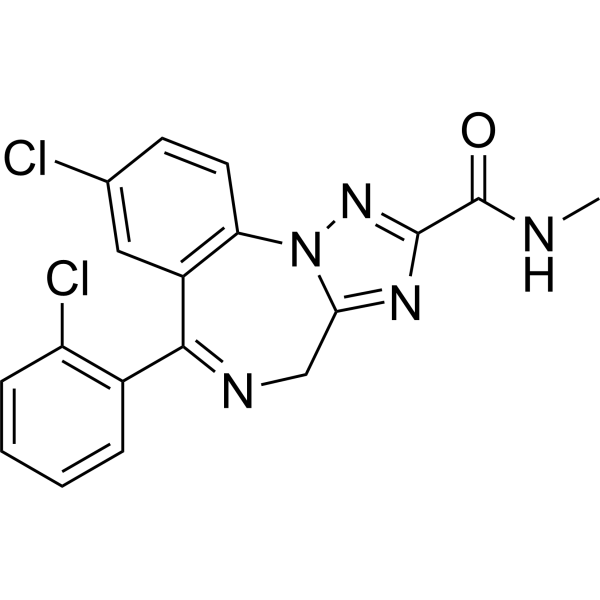
N-desmethyl Rilmazolam, a triazolobenzodiazepine, serves as an analytical reference standard. N-desmethyl Rilmazolam is an active metabolite derived from rilmazafone (HY-106547). N-desmethyl Rilmazolam is designed for use in research and forensic settings .
|
-
-
- HY-W015495R
-
|
|
Reference Standards
Endogenous Metabolite
Dihydroorotate Dehydrogenase
|
Others
|
|
L-Dihydroorotic acid (Standard) is an analytical reference standard for L-Dihydroorotic acid. This product is used for research and analytical applications. L-Dihydroorotic acid is an important intermediate in the metabolism of orotic acid and a substrate of dihydroorotate dehydrogenase (DHODH). L-Dihydroorotic acid can reversibly hydrolyze to yield the acyclic L-ureidosuccinic acid by dihydrowhey enzyme .
|
-

-
- HY-P3363
-
|
|
Caspase
|
Cancer
|
|
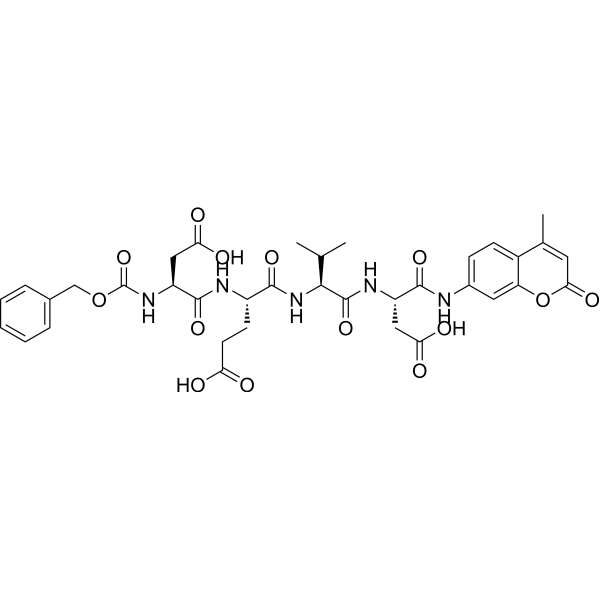
Z-DEVD-AMC is a selective caspase-3 substrate that can be measured by fluorescence spectrometry. AMC can be used as a fluorescence reference standard for AMC-based enzyme substrates including AMC-based caspase substrates .
|
-
-
- HY-W725213
-
|
BL-3912; alpha-EH DOM
|
Biochemical Assay Reagents
|
Others
|
|
α-ethyl 2C-D (BL-3912) hydrochloride is a phenethylamine and amphetamine compound. In drug discrimination studies, α-ethyl 2C-D hydrochloride can serve as a reference standard for MDMA .
|
-

-
- HY-W152363
-
|
1,2,3,4-Tetra-O-acetyl-α-L-fucopyranose
|
Biochemical Assay Reagents
|
Others
|
|
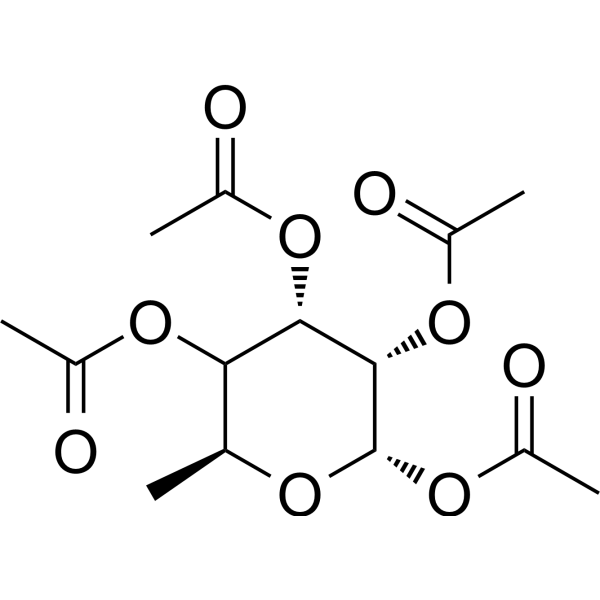
1,2,3,4-Tetra-O-acetyl-alpha-L-fucopyranoseIt is an organic compound commonly used as a substrate or reference standard in enzymology and sugar chemistry research. It can be used in the synthesis of polysaccharide analogs, drug development and biotechnology, and is widely used in the research of glycosyl chemistry and sugar metabolism pathways. In addition, this compound is used as a catalyst or buffer in certain biochemical reactions.
|
-
-
- HY-Y0319C1
-
|
Calcium acetate (Pharmaceutical primary standard, USP)
|
Biochemical Assay Reagents
|
Metabolic Disease
|
|
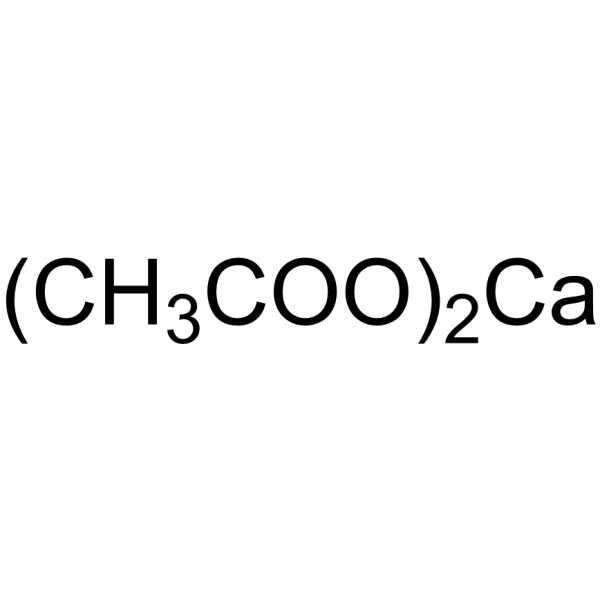
Calcium acetate, United States Pharmacopeia (USP) Reference Standard (Calcium acetate (Pharmaceutical primary standard, USP)), a phosphate binder that can reduce phosphorus content, United States Pharmacopeia (USP) reference standard .
|
-
-
- HY-Y0332J
-
|
Potassium phosphate monobasic (Pharmaceutical primary standard, USP)
|
Biochemical Assay Reagents
|
Cancer
|
|
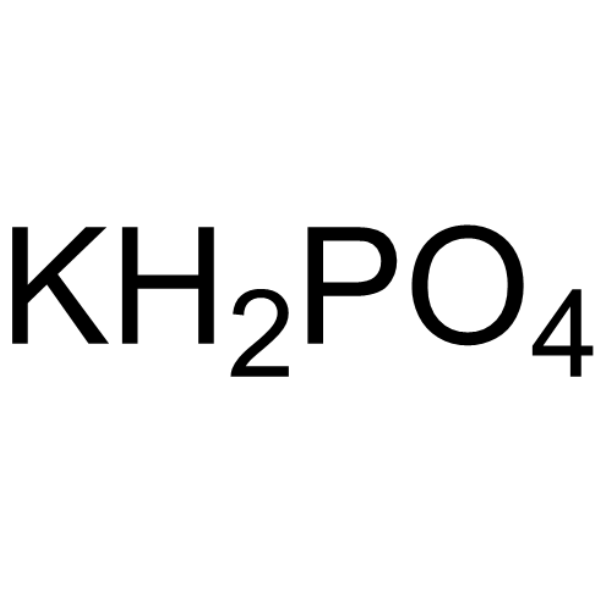
Potassium dihydrogen phosphate, United States Pharmacopeia (USP) Reference Standard is a inorganic compound.
|
-
-
- HY-Y1325E
-
|
Sodium acetate trihydrate (Pharmaceutical primary standard, USP)
|
Biochemical Assay Reagents
|
Others
|
|
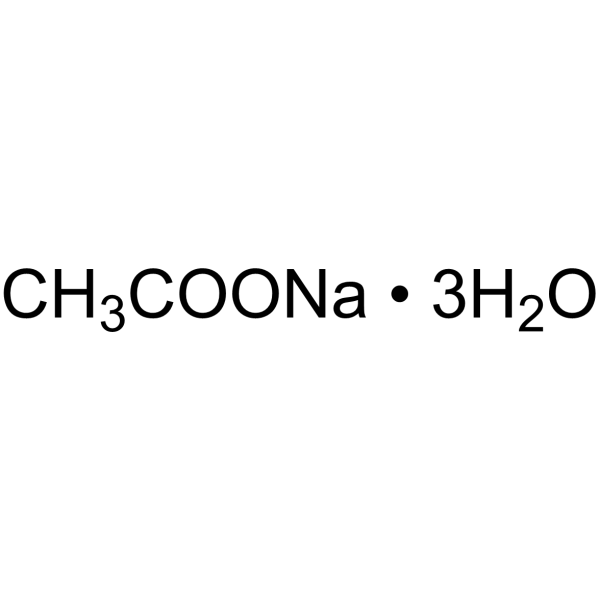
Sodium acetate trihydrate, United States Pharmacopeia (USP) Reference Standard is an inorganic salt that can be used for life science related research .
|
-
-
- HY-B1610H
-
|
Trisodium citrate dihydrate (Pharmaceutical primary standard, USP)
|
Biochemical Assay Reagents
|
Others
|
|
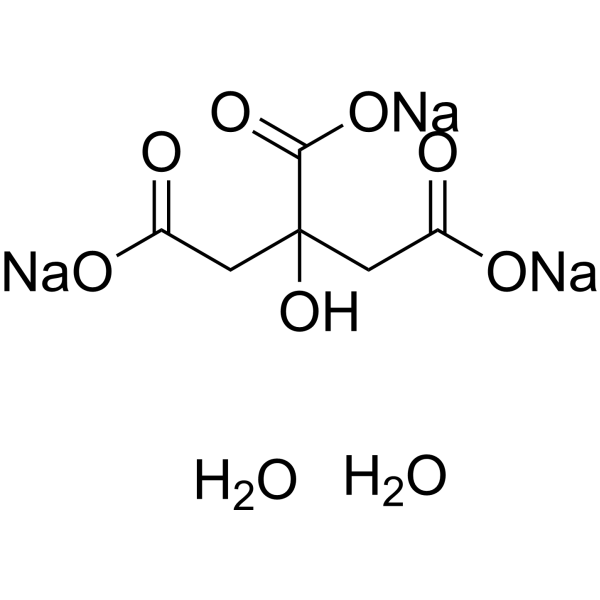
Sodium citrate dihydrate, United States Pharmacopeia (USP) Reference Standard is an antacid used in studies to neutralize gastric acid. Sodium citrate dehydrate can also be used to prepare biological buffers. Sodium citrate dehydrate is a reference standard grade of the United States Pharmacopeia (USP) and a first-class pharmaceutical standard .
|
-
-
- HY-W251598J
-
|
Sodium hydrogen carbonate (Pharmaceutical primary standard, USP); Soda bicarbonate (Pharmaceutical primary standard, USP)
|
Bacterial
NO Synthase
|
Inflammation/Immunology
Cancer
|
|
Sodium bicarbonate, United States Pharmacopeia (USP) Reference Standard is an inorganic salt. Sodium bicarbonate, United States Pharmacopeia (USP) Reference Standard can maintain the pH of the culture medium, thereby affecting the expression of inducible nitric oxide synthase (iNOS) and nitric oxide (NO) production in macrophages and reversing the acidosis of the tumor microenvironment. Sodium bicarbonate, United States Pharmacopeia (USP) Reference Standard is widely used in the fields of food, cosmetics, etc. Its main uses include buffers, flavoring agents, disinfectants, pharmaceuticals, and proton gradient regulators. Sodium bicarbonate, United States Pharmacopeia (USP) Reference Standard is also commonly used as an antacid to inhibit gastrointestinal diseases, neutralize gastric acid, and reduce gastric discomfort .
|
-

-
- HY-W094475E
-
|
Epsom salts (Pharmaceutical primary standard, USP)
|
Drug Derivative
|
Neurological Disease
Metabolic Disease
|
|
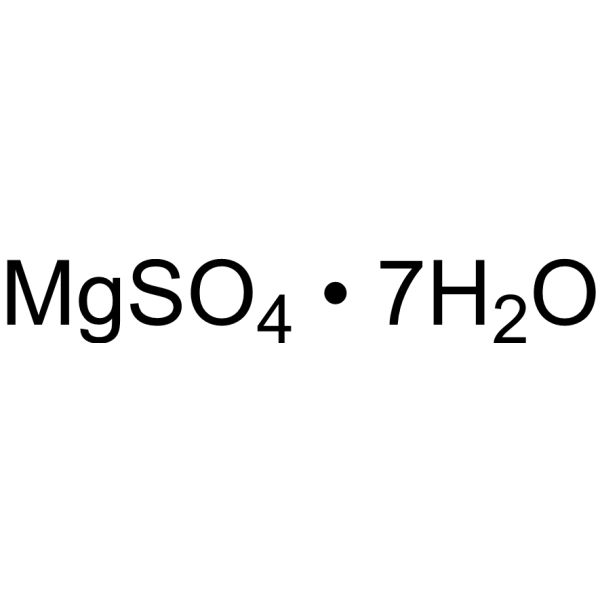
Magnesium sulfate heptahydrate, United States Pharmacopeia (USP) Reference Standard (Epsom salts (Pharmaceutical primary standard, USP)) is currently the anticonvulsant of choice for the prevention and control of eclamptic fits and is also widely used as a tocolytic agent .
|
-
-
- HY-169443
-
-

-
- HY-169442
-
|
|
Biochemical Assay Reagents
|
Neurological Disease
|
|
Methylmethaqualone is a quinazolinone psychoactive substance that can be used as an analytical reference standard for quinazolinone compounds. Methylmethaqualone has acute neurotoxicity and can cause psychomotor stimulation .
|
-

-
- HY-172637
-
|
|
Opioid Receptor
|
Neurological Disease
|
|
Phenethyl 4-ANPP is a MOR (μ-opioid receptor) agonist. Phenethyl 4-ANPP is an analytical reference standard that is structurally similar to known opioids .
|
-

-
- HY-170477
-
|
Δ8-Tetrahydrocannabiphorol; n-Heptyl ∆8-THC
|
Cannabinoid Receptor
|
Others
|
|
Δ8-THCP (Δ8-Tetrahydrocannabiphorol; n-Heptyl Δ8-THC) (Compound 1a) is a semisynthetic cannabinoid that serves as an analytical reference standard and exhibits affinity for the CB1 receptor .
|
-

-
- HY-124265R
-
|
|
Reference Standards
Endogenous Metabolite
|
Metabolic Disease
|
|
4β-hydroxy Cholesterol (Standard) is the analytical reference standard of 4β-hydroxy Cholesterol (HY-124265). This product is used for research and analytical applications. 4β-Hydroxycholesterol is a major Cholesterol (HY-N0322) metabolite and a precursor in the synthesis of bile acids that is found in human circulation .
|
-

-
- HY-169785
-
|
7-TMT
|
5-HT Receptor
|
Neurological Disease
|
|
7-Methyl DMT (7-TMT) is a 5-HT2 receptor agonist. Structurally, 7-Methyl DMT is a tryptamine derivative. It can be used as an analytical reference standard for the psychoactive substance DOM. 7-Methyl DMT is also used in research in the field of neurological diseases .
|
-

-
- HY-W003607R
-
|
|
Reference Standards
Tyrosinase
|
Inflammation/Immunology
|
|
3-O-Ethyl-L-ascorbic acid (Standard) is the analytical reference standard for 3-O-Ethyl-L-ascorbic acid. 3-O-Ethyl-L-ascorbic acid is a stable derivative of vitamin C and a cosmetic tyrosinase inhibitor. 3-O-Ethyl-L-ascorbic acid has antioxidant, anti-aging, and skin-whitening activities. 3-O-Ethyl-L-ascorbic acid is often used in the study of cosmetic .
|
-

-
- HY-W027553R
-
|
NIK-247 free base (Standard); Amiridine free base (Standard)
|
Reference Standards
Cholinesterase (ChE)
Potassium Channel
Sodium Channel
|
Neurological Disease
Metabolic Disease
|
|
Ipidacrine (Standard) is the analytical reference standard of Ipidacrine. This product is used for research and analytical applications. Ipidacrine is orally active and blood-brain-barrier-penetrant AChE and BuChE inhibitors with IC50 values of 1 μM and 1.9 μM, respectively, which is also a partial agonist of M2-cholinergic receptors and a reversible cholinesterase inhibitor. Ipidacrine has a stimulating effect on neuromuscular transmission and excitation along the nerve fibres with a moderately anti-pain effect. Ipidacrine is an aminopyridines and is structurally similar to Tacrine (HY-111338). Ipidacrine is effective in various amnesia models, improves erectile function and inhibits K + and Na +-channels in the neuronal membrane in diabetic rats. Ipidacrine is promising for research of Alzheimer’s disease, ischaemic stroke, idiopathic neuropathy of the facial nerve, diabetes mellitus-induced erectile dysfunction and other deficits in central or peripheral cholinergic deseases .
|
-

-
- HY-Y0537I
-
|
Potassium chloride (Pharmaceutical primary standard, USP)
|
Biochemical Assay Reagents
|
Others
|
|
Potassium chloride, United States Pharmacopeia (USP) Reference Standard is an inorganic salt, which can be used for the buffer preparation .
|
-

-
- HY-B1580B
-
|
Bioban-C (Pharmaceutical primary standard, USP)
|
Biochemical Assay Reagents
|
Metabolic Disease
|
|
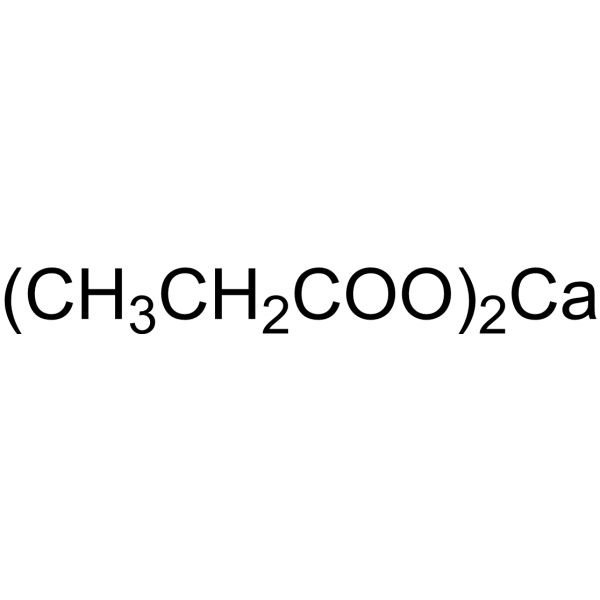
Calcium propionate, United States Pharmacopeia (USP) Reference Standard is an orally active auxiliary agent for preventing milk fever and improving the health of dairy cows. Calcium propionate can be used for research on dairy cow milk fever and subclinical hypocalcemia. Calcium propionate is a reference standard grade of the United States Pharmacopeia (USP) and a primary pharmaceutical standard .
|
-
-
- HY-Y0317E
-
|
Disodium sulfate (Pharmaceutical primary standard, USP)
|
Biochemical Assay Reagents
|
Others
|
|
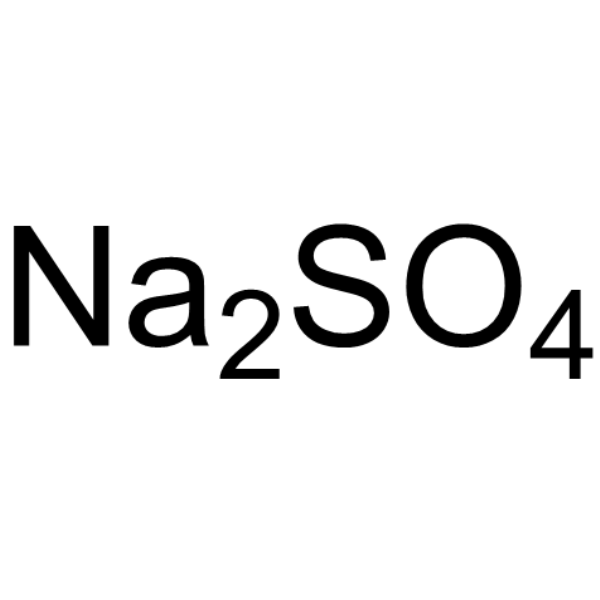
Sodium sulfate anhydrous (Disodium sulfate), can be widely used as a desiccant, pH regulator, etc. in biochemical experiments. It is a reference standard grade of the United States Pharmacopeia (USP), pharmaceutical primary standard.
|
-
-
- HY-Y1269I
-
|
Salmiac (Pharmaceutical primary standard, USP)
|
Biochemical Assay Reagents
Autophagy
|
Cancer
|
|
Ammonium chloride United States Pharmacopeia (USP) Reference Standard (Salmiac, Pharmaceutical primary standard, USP) is a reagent that can be used in cell culture to provide a source of nitrogen. Ammonium chloride can be used as a heteropolar compound to regulate pH value, which can cause intracellular alkalination and metabolic acidosis, thus affecting the activity of enzymes and affecting the process of biological systems. Ammonium chloride is also a lysosome inhibitor .
|
-

-
- HY-172857
-
|
|
Reference Standards
|
Others
|
|
MMB-5Br-INACA is an analytical reference standard categorized as a precursor for the synthesis of synthetic cannabinoids.
|
-

-
- HY-W009686F
-
|
|
Fluorescent Dye
|
Others
|
|
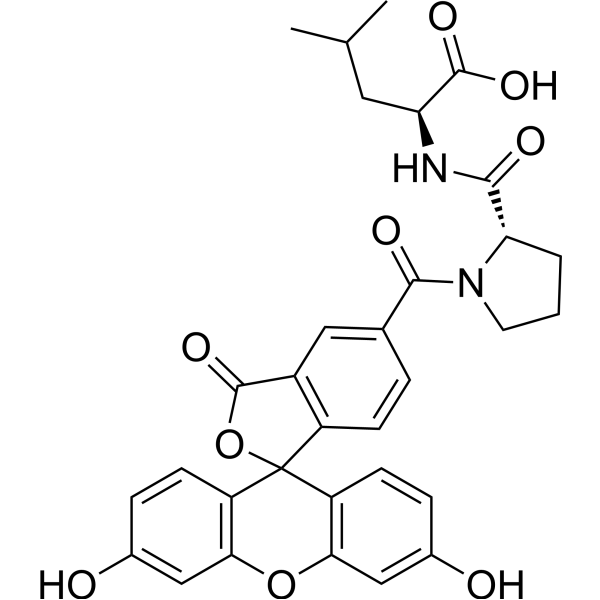
5-FAM-Pro-Leu-OH is a biological active peptide. (Used as MMP fluorescent reference standard)
|
-
-
- HY-W354693
-
|
|
Environmental Pollutants
|
Others
|
|
2,4-Diaminoanisole is a carcinogenic aromatic primary amine compound that can be used in the analysis of reference standards .
|
-

-
- HY-172547
-
|
3b-FBT hydrochloride; Fluorotropacocaine hydrochloride
|
Biochemical Assay Reagents
|
Neurological Disease
|
|
3-p-FBT (hydrochloride) (3b-FBT (hydrochloride); Fluorotropacocaine (hydrochloride)) is an analytical reference standard that is structurally categorized as a tropane alkaloid .
|
-

-
- HY-W716866
-
|
10α-Hydroxy-Δ9'11-hexahydrocannabinol
|
Cannabinoid Receptor
Drug Metabolite
|
Neurological Disease
|
|
10α-hydroxy-exo-THC is a cannabinoid compound, a metabolite of Δ9-THC, and can be found in cannabis. 10α-hydroxy-exo-THC can serve as an analytical reference standard for cannabinoid compounds .
|
-

-
- HY-W087988R
-
-

-
- HY-W127670
-
|
|
Biochemical Assay Reagents
|
Others
|
|
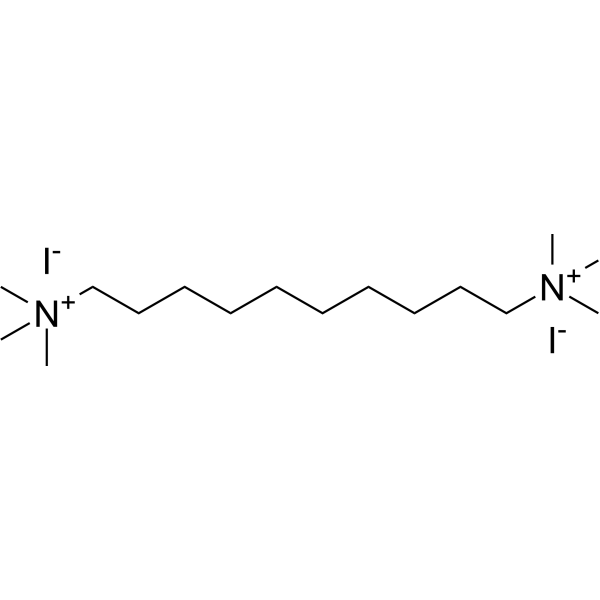
Decamethonium (iodide) is an organic compound containing ammonium and iodide ions. It is commonly used as a neuromuscular blocking agent in anesthesia to induce muscle relaxation during surgery. Decamethonium Iodide acts by binding to nicotinic acetylcholine receptors (nAChRs) in the neuromuscular junction, causing depolarization block and subsequent skeletal muscle paralysis. In addition, it can also serve as a reference standard for pharmacological studies of nAChRs.
|
-
-
- HY-W004078R
-
|
|
Reference Standards
Endogenous Metabolite
|
Metabolic Disease
|
|
4-Hydroxybenzylamine (Standard) is the analytical reference standard of 4-Hydroxybenzylamine (HY-W004078). This product is used for research and analytical applications. 4-Hydroxybenzylamine is a natural biogenic amine. 4-Hydroxybenzylamine can be produced through the breakdown metabolism of glucosinolates, with glutamine serving as the non-classical ammonia donor. 4-Hydroxybenzylamine can be used for studying the biosynthesis of plant amines.
|
-

-
- HY-W004292R
-
|
Undecyl alcohol (Standard)
|
Drug Derivative
Reference Standards
Insecticide
|
Infection
|
|
1-Undecanol (Standard) (Undecyl alcohol (Standard)) is an analytical reference standard for 1-Undecanol (HY-W004292). This product is used for research and analytical applications. 1-Undecanol (Undecyl alcohol) is the main product generated from the degradation of 2-tridecanone by Pseudomonas bacteria isolated from the soil. 1-Undecanol can enhance the attraction of Grapholita molesta to sex pheromone traps .
|
-

-
- HY-117660R
-
|
U-10149 (Standard)
|
Reference Standards
DNA/RNA Synthesis
Antibiotic
Bacterial
|
Infection
Metabolic Disease
|
|
Lincomycin (U-10149) (Standard) is the analytical reference standard of Lincomycin (HY-117660). This product is used for research and analytical applications. Lincomycin is an orally active lincosamide antibiotic. Lincomycin binds to the ribosomes of Gram-positive bacteria to inhibit protein synthesis. Lincomycin can inhibit chloroplast translation, disrupt chloroplast integrity, and activate chloroplast-to-nucleus retrograde signaling in Arabidopsis thaliana seedlings. Lincomycin induces alterations in lipid profiles and liver injury, disrupts blood glucose and insulin levels, and increases growth rate in mice.
|
-

-
- HY-B0428BR
-
|
OKY-046 hydrochloride (Standard)
|
Reference Standards
Prostaglandin Receptor
|
Cardiovascular Disease
Neurological Disease
Inflammation/Immunology
|
|
Ozagrel hydrochloride (Standard) is the analytical reference standard of Ozagrel hydrochloride (HY-B0428B). Ozagrel hydrochloride (OKY-046 hydrochloride) is a high selective and orally active thromboxane A2 (TXA2) synthase inhibitor with an IC50 of 11 nM. Ozagrel hydrochloride exerts anti-platelet aggregation, vasodilation and anti-inflammatory effects by inhibiting the production of TXA2 and increasing the production of prostacyclin (PGI2). Ozagrel hydrochloride can be used for the study of ischemic stroke, asthma and thromboembolic diseases .
|
-

-
- HY-W394935
-
|
Disulfide,bis(2,4-dimethylphenyl)
|
Biochemical Assay Reagents
|
Others
|
|
Dixylyl disulphide (Disulfide, bis(2,4-dimethylphenyl)) is a 1,2-bis(2,4-dimethylphenyl) thioether that can serve as an impurity reference standard for hydrobromide vortioxetine, used for monitoring impurities in the synthesis process. Hydrobromide vortioxetine is a 5-HT3, 5-HT7, and 5-HT1D receptor antagonist and a 5-HT1A receptor agonist, exhibiting antidepressant activity .
|
-

-
- HY-176101
-
-

-
- HY-176095
-
|
|
Reference Standards
|
Others
|
|
2,6-Dibromomescaline (hydrochloride) is an analytical reference standard categorized as a phenethylamine. 2,6-Dibromomescaline (hydrochloride) can be used in research or forensic applications.
|
-

-
- HY-Z17392
-
|
|
Drug Intermediate
|
Others
|
|
Sunitinib impurity 61 (Compound 5h) is an intermediate. Sunitinib impurity 61 is a synthetic intermediate or impurity of Sunitinib (HY-10255A) and can be used as a reference standard for purity analysis and quality control .
|
-

-
- HY-A0236AR
-
|
|
Reference Standards
Sodium Channel
Potassium Channel
Calcium Channel
Calmodulin
|
Cardiovascular Disease
|
|
Aprindine hydrochloride (Standard) is the analytical reference standard of Aprindine hydrochloride (HY-A0236A). This product is used for research and analytical applications. Aprindine hydrochloride is an Ib-class anti-arrhythmic agent. Aprindine hydrochloride mainly exerts its effect by blocking sodium channels (INa), thereby reducing the excitability and conduction velocity of cardiac muscle cells. Aprindine hydrochloride significantly inhibits delayed potassium currents, which helps to prolong the atrial effective refractory period (AERP) and inhibit the occurrence of atrial fibrillation. Aprindine hydrochloride can also regulate intracellular calcium ion concentration by inhibiting Na +/Ca 2+ exchange current (INCX), thereby further stabilizing cardiac electrical activity. Aprindine hydrochloride can be used for the study of atrial fibrillation (AF) and ventricular arrhythmias.
|
-

| Cat. No. |
Product Name |
Type |
-
- HY-P3363
-
|
|
Fluorescent Dye
|
|
Z-DEVD-AMC is a selective caspase-3 substrate that can be measured by fluorescence spectrometry. AMC can be used as a fluorescence reference standard for AMC-based enzyme substrates including AMC-based caspase substrates .
|
| Cat. No. |
Product Name |
Type |
-
- HY-W073080
-
|
|
Biochemical Assay Reagents
|
|
Coproporphyrin I dihydrochlorideIt is an organic compound belonging to the class of porphyrins. It is a derivative of heme, an iron-containing molecule found in hemoglobin and other proteins. Coproporphyrin I dihydrochlorideOften used as a biomarker in the assessment of certain liver and metabolic diseases, especially those related to bile synthesis and transport. It can also be used as a reference standard for analytical chemistry and pharmacological research.
|
-
- HY-W127680
-
|
Tetra-n-butylammonium perchlorate
|
Biochemical Assay Reagents
|
|
Tetrabutylammonium perchlorate is an organic compound containing ammonium ions and perchlorate ions. It is commonly used as an electrolyte in electrochemistry and as a source of perchlorate anion in analytical chemistry. Tetrabutylammonium perchlorate has a variety of applications in the production of batteries, fuel cells and electronic components due to its high ionic conductivity and stability under extreme conditions. In addition, it can be used as a reference standard in analytical methods such as ion chromatography.
|
-
- HY-W127676
-
|
N,N,N-Triethylethanaminium perchlorate
|
Biochemical Assay Reagents
|
|
Tetraethylammonium perchlorate is an organic compound containing ammonium ions and perchlorate ions. It is commonly used as an electrolyte in electrochemistry and as a source of perchlorate anion in analytical chemistry. Due to its high ionic conductivity and stability under extreme conditions, tetraethylammonium perchlorate has a variety of applications in the production of batteries, fuel cells and electronic components. In addition, it can be used as a reference standard in analytical methods such as ion chromatography.
|
-
- HY-Y0344H
-
|
Halite (Pharmaceutical primary standard, USP)
|
Biochemical Assay Reagents
|
|
Sodium chloride, United States Pharmacopeia (USP) Reference Standard is an orally active salt. Sodium chloride, United States Pharmacopeia (USP) Reference Standard induces the expression of ATP1A1. Sodium chloride, for cell culture induces the pro-inflammatory cytokines IL-2, TNFα, IL-9 and several chemokines. Sodium chloride, United States Pharmacopeia (USP) Reference Standard enhances the anti-tumor activities of Digoxin (HY-B1049) against small cell lung cancer. Sodium chloride, United States Pharmacopeia (USP) Reference Standard drives autoimmune disease by the induction of pathogenic Th17 cells .
|
-
- HY-W152363
-
|
1,2,3,4-Tetra-O-acetyl-α-L-fucopyranose
|
Biochemical Assay Reagents
|
|
1,2,3,4-Tetra-O-acetyl-alpha-L-fucopyranoseIt is an organic compound commonly used as a substrate or reference standard in enzymology and sugar chemistry research. It can be used in the synthesis of polysaccharide analogs, drug development and biotechnology, and is widely used in the research of glycosyl chemistry and sugar metabolism pathways. In addition, this compound is used as a catalyst or buffer in certain biochemical reactions.
|
-
- HY-Y0319C1
-
|
Calcium acetate (Pharmaceutical primary standard, USP)
|
Biochemical Assay Reagents
|
|
Calcium acetate, United States Pharmacopeia (USP) Reference Standard (Calcium acetate (Pharmaceutical primary standard, USP)), a phosphate binder that can reduce phosphorus content, United States Pharmacopeia (USP) reference standard .
|
-
- HY-Y0332J
-
|
Potassium phosphate monobasic (Pharmaceutical primary standard, USP)
|
Biochemical Assay Reagents
|
|
Potassium dihydrogen phosphate, United States Pharmacopeia (USP) Reference Standard is a inorganic compound.
|
-
- HY-Y1325E
-
|
Sodium acetate trihydrate (Pharmaceutical primary standard, USP)
|
Biochemical Assay Reagents
|
|
Sodium acetate trihydrate, United States Pharmacopeia (USP) Reference Standard is an inorganic salt that can be used for life science related research .
|
-
- HY-B1610H
-
|
Trisodium citrate dihydrate (Pharmaceutical primary standard, USP)
|
Biochemical Assay Reagents
|
|
Sodium citrate dihydrate, United States Pharmacopeia (USP) Reference Standard is an antacid used in studies to neutralize gastric acid. Sodium citrate dehydrate can also be used to prepare biological buffers. Sodium citrate dehydrate is a reference standard grade of the United States Pharmacopeia (USP) and a first-class pharmaceutical standard .
|
-
- HY-W251598J
-
|
Sodium hydrogen carbonate (Pharmaceutical primary standard, USP); Soda bicarbonate (Pharmaceutical primary standard, USP)
|
Biochemical Assay Reagents
|
|
Sodium bicarbonate, United States Pharmacopeia (USP) Reference Standard is an inorganic salt. Sodium bicarbonate, United States Pharmacopeia (USP) Reference Standard can maintain the pH of the culture medium, thereby affecting the expression of inducible nitric oxide synthase (iNOS) and nitric oxide (NO) production in macrophages and reversing the acidosis of the tumor microenvironment. Sodium bicarbonate, United States Pharmacopeia (USP) Reference Standard is widely used in the fields of food, cosmetics, etc. Its main uses include buffers, flavoring agents, disinfectants, pharmaceuticals, and proton gradient regulators. Sodium bicarbonate, United States Pharmacopeia (USP) Reference Standard is also commonly used as an antacid to inhibit gastrointestinal diseases, neutralize gastric acid, and reduce gastric discomfort .
|
-
- HY-W094475E
-
|
Epsom salts (Pharmaceutical primary standard, USP)
|
Biochemical Assay Reagents
|
|
Magnesium sulfate heptahydrate, United States Pharmacopeia (USP) Reference Standard (Epsom salts (Pharmaceutical primary standard, USP)) is currently the anticonvulsant of choice for the prevention and control of eclamptic fits and is also widely used as a tocolytic agent .
|
-
- HY-Y0537I
-
|
Potassium chloride (Pharmaceutical primary standard, USP)
|
Biochemical Assay Reagents
|
|
Potassium chloride, United States Pharmacopeia (USP) Reference Standard is an inorganic salt, which can be used for the buffer preparation .
|
-
- HY-B1580B
-
|
Bioban-C (Pharmaceutical primary standard, USP)
|
Biochemical Assay Reagents
|
|
Calcium propionate, United States Pharmacopeia (USP) Reference Standard is an orally active auxiliary agent for preventing milk fever and improving the health of dairy cows. Calcium propionate can be used for research on dairy cow milk fever and subclinical hypocalcemia. Calcium propionate is a reference standard grade of the United States Pharmacopeia (USP) and a primary pharmaceutical standard .
|
-
- HY-ER013E
-
|
Calcined soda (Pharmaceutical primary standard, USP)
|
Biochemical Assay Reagents
|
|
Sodium carbonate anhydrous, United States Pharmacopeia (USP) Reference Standard can be used as as a standard of reference in acidimetry .
|
-
- HY-Y0317E
-
|
Disodium sulfate (Pharmaceutical primary standard, USP)
|
Biochemical Assay Reagents
|
|
Sodium sulfate anhydrous (Disodium sulfate), can be widely used as a desiccant, pH regulator, etc. in biochemical experiments. It is a reference standard grade of the United States Pharmacopeia (USP), pharmaceutical primary standard.
|
-
- HY-Y1269I
-
|
Salmiac (Pharmaceutical primary standard, USP)
|
Biochemical Assay Reagents
|
|
Ammonium chloride United States Pharmacopeia (USP) Reference Standard (Salmiac, Pharmaceutical primary standard, USP) is a reagent that can be used in cell culture to provide a source of nitrogen. Ammonium chloride can be used as a heteropolar compound to regulate pH value, which can cause intracellular alkalination and metabolic acidosis, thus affecting the activity of enzymes and affecting the process of biological systems. Ammonium chloride is also a lysosome inhibitor .
|
-
- HY-W127670
-
|
|
Biochemical Assay Reagents
|
|
Decamethonium (iodide) is an organic compound containing ammonium and iodide ions. It is commonly used as a neuromuscular blocking agent in anesthesia to induce muscle relaxation during surgery. Decamethonium Iodide acts by binding to nicotinic acetylcholine receptors (nAChRs) in the neuromuscular junction, causing depolarization block and subsequent skeletal muscle paralysis. In addition, it can also serve as a reference standard for pharmacological studies of nAChRs.
|
| Cat. No. |
Product Name |
Target |
Research Area |
-
- HY-P3363
-
|
|
Caspase
|
Cancer
|
|
Z-DEVD-AMC is a selective caspase-3 substrate that can be measured by fluorescence spectrometry. AMC can be used as a fluorescence reference standard for AMC-based enzyme substrates including AMC-based caspase substrates .
|
-
- HY-W009686F
-
|
|
Fluorescent Dye
|
Others
|
|
5-FAM-Pro-Leu-OH is a biological active peptide. (Used as MMP fluorescent reference standard)
|
| Cat. No. |
Product Name |
Category |
Target |
Chemical Structure |
Your information is safe with us. * Required Fields.
Inquiry Information
- Product Name:
- Cat. No.:
- Quantity:
- MCE Japan Authorized Agent:








