Search Result
Results for "
two carboxylic acid
" in MedChemExpress (MCE) Product Catalog:
11
Biochemical Assay Reagents
| Cat. No. |
Product Name |
Target |
Research Areas |
Chemical Structure |
-
- HY-W073501A
-
|
2-Pentenedioic acid
|
Drug Derivative
|
Others
|
|
Glutaconic acid is an organic compound with two carboxylic acid groups .
|
-

-
- HY-W061674
-
|
(E)-Pent-2-enoic acid
|
Biochemical Assay Reagents
|
Others
|
|
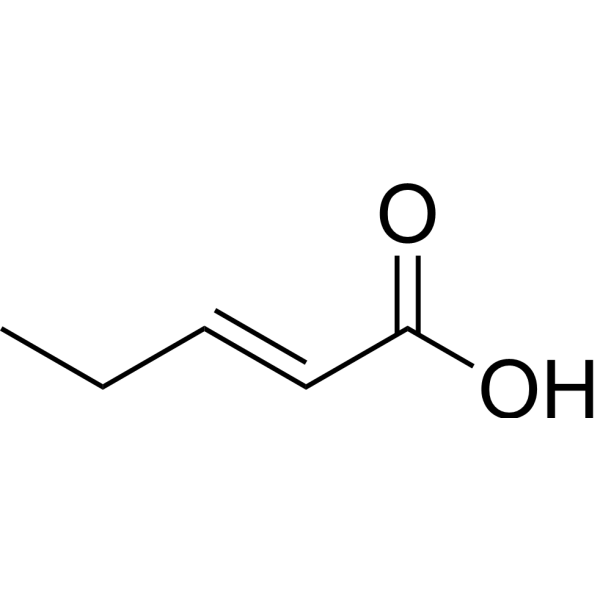
(2E)-Pent-2-enoic acid is an unsaturated carboxylic acid, it is also known as 2-pentenoic acid or crotonic acid, the "2E" designation indicates that the molecule has a trans double bond configuration, where the double bond The two carbon atoms on both sides are located on opposite sides, (2E)-Pent-2-enoic acid has a pungent odor, is miscible with water and most organic solvents, it is commonly used in organic synthesis as a variety of chemical reactions, including esterification, oxidation, and reduction, and in addition, its potential use as a flavoring agent in the food industry was investigated.
|
-
-
- HY-W451406C
-
|
|
PROTAC Linkers
|
Others
|
|
NH2-PEG2000-NH2 is a polyethylene glycol derivative containing two primary amine groups. The amino group can react quickly with activated carboxylic acid or carboxyl groups such as NHS esters to form stable amide bonds. The PEGylation of NH2-PEG-NH2 can increase solubility and stability, and reduce the immunogenicity of peptides and proteins, so it is mostly used to modify proteins, peptides and other substances.
|
-

-
- HY-34439
-
|
NSC 49139
|
Environmental Pollutants
Endogenous Metabolite
|
Metabolic Disease
|
|
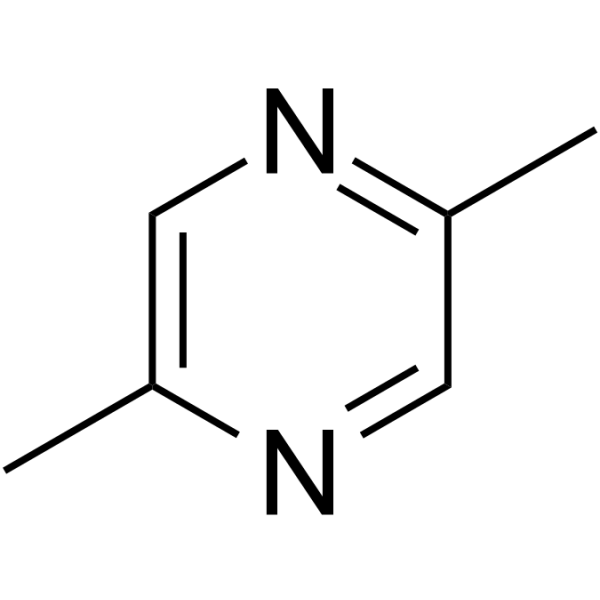
2,5-Dimethylpyrazine (NSC 49139) is an endogenous metabolite. 2,5-Dimethylpyrazine in produced in food systems of two whey protein hydrolysates, obtained using either trypsin or proteinase from Aspergillus melleus. 2,5-Dimethylpyrazine can be qualitatively monitored using a stable isotope dilution assay. 2,5-Dimethylpyrazine can also be generated via microbial mechanisms using Bacillus subtilis. 2,5-Dimethylpyrazine can be oxidized to form 5-methylpyrazine-2-carboxylic acid, which is the intermediate in the synthesis of antilipoltic agent. 2,5-Dimethylpyrazine is a volatile compound that can give a roasted peanut flavor .
|
-
-
- HY-W800793
-
|
1,2-dipalmitoyl-sn-glycero-3-phosphoethanolamine-N-(succinyl)
|
Liposome
|
Cancer
|
|
16:0 Succinyl PE is a carboxylic acid-functionalized lipid with a two carbon linker to a phosphoethanolamine bound to two palmitic acid tails.
|
-

-
- HY-W190915
-
|
|
Biochemical Assay Reagents
|
Others
|
|
4,7,10,13,16–Pentaoxanonadecane-1,19-diamine is a PEG based linker with two terminal amine groups. The amine group is reactive with carboxylic acids, activated NHS esters, carbonyls (ketone, aldehyde) etc.
|
-

-
- HY-W127409
-
|
|
Biochemical Assay Reagents
|
Others
|
|
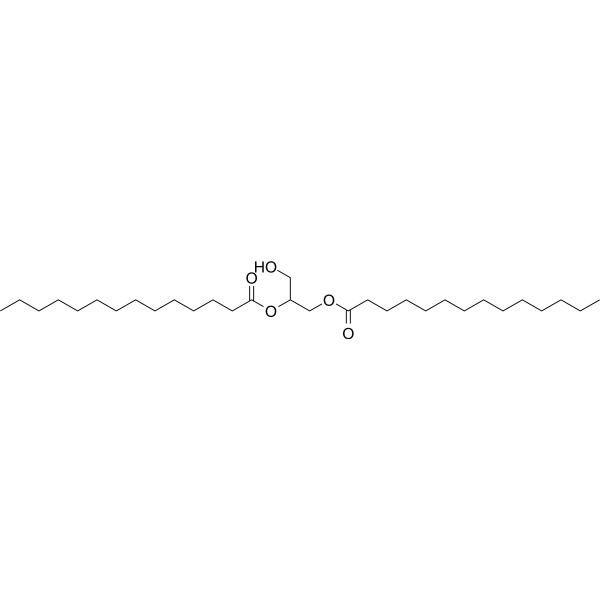
1,2-Dimyristoyl-rac-glycerol (C14:0) is a carboxylic acid ester, glycerolipid and diglyceride with an additional myristoyl group that facilitates interactions between proteins and lipids. Can be used as detergent or reagent. It plays a role in cell biology experiments involving the metabolism and metabolic pathways of glycerolipids. As a diglyceride, this substance consists of two fatty acid chains covalently bonded in the 1,2-form to a glycerol molecule. The diglyceride (DAG) study investigated the process by which DAG is depleted to inhibit fat accumulation. Reagent grade, for research use only.
|
-
-
- HY-W012885
-
|
|
Biochemical Assay Reagents
|
Others
|
|
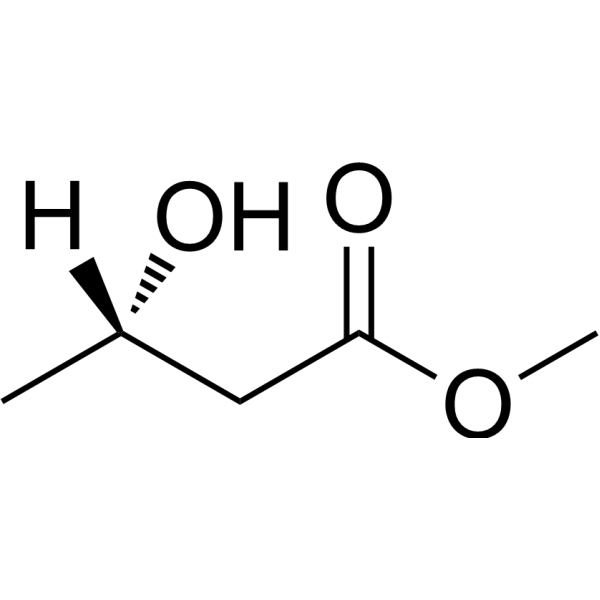
(S)-Methyl 3-hydroxybutanoate consists of a chiral center, resulting in two enantiomers, where (S)-Methyl 3-hydroxybutanoate means that the hydroxyl group is located on the third carbon atom of the S-configuration carboxylic acid group stereoisomers. This compound is often used as a building block for the synthesis of various pharmaceuticals and natural products. Due to its fruity taste, it is also used as a flavor and fragrance ingredient.
|
-
-
- HY-P10563
-
|
BHV-1100
|
CD38
|
Cancer
|
|
Noraramtide (BHV-1100) is an antibody recruitment molecule. Noraramtide can specifically bind to CD38 molecules to recruit natural killer (NK) cells. Noraramtide enhances the ability of NK cells to kill tumor cells through antibody-dependent cellular cytotoxicity (ADCC). This mechanism allows NK cells to more effectively recognize and eliminate tumor cells while avoiding mutual killing between NK cells. Noraramtide can be used for the study of autologous cancer immunity .
|
-

-
- HY-W073382
-
|
Bis–sulfone acid
|
Biochemical Assay Reagents
|
Others
|
|
4-(3-Tosyl-2-(tosylmethyl)propanoyl)benzoic acid (Bis-sulfone Acid) is a strong covalent linker featuring a free carboxylic acid and two tosyl groups.
|
-

-
- HY-130695
-
|
|
ADC Linker
|
Cancer
|
|
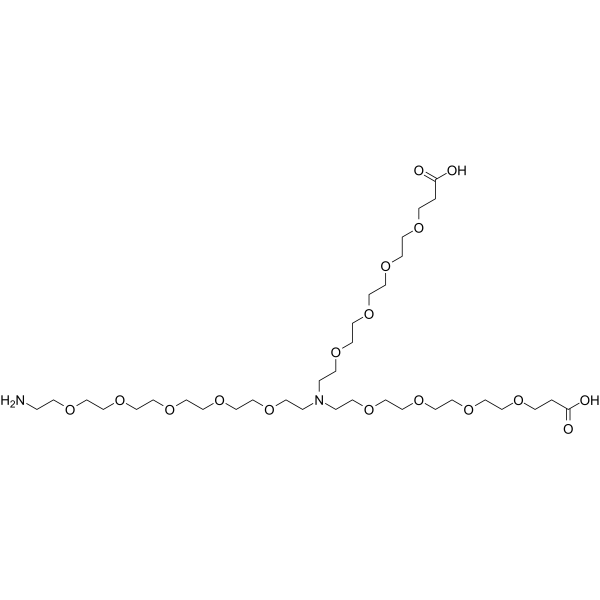
N-(Amino-PEG5)-N-bis(PEG4-acid) is a PEG derivative containing an amino group with two terminal carboxylic acids. The amino group is reactive with carboxylic acids, activated NHS esters. The terminal carboxylic acids can react with primary amine groups in the presence of activators to form a stable amide bond. N-(Amino-PEG5)-N-bis(PEG4-acid) can be useful in the development of antibody drug conjugates (ADCs) .
|
-
-
- HY-W1048542
-
|
|
Biochemical Assay Reagents
|
Others
|
|
Fmoc-NH-PEG1000-COOH is a PEG product containing two Fmoc-protected amines and a carboxylic acid. Fmoc-NH-PEG1000-COOH is an important cross-linking agent with PEG chains .
|
-

-
- HY-W099632
-
|
|
Biochemical Assay Reagents
|
Infection
Inflammation/Immunology
|
|
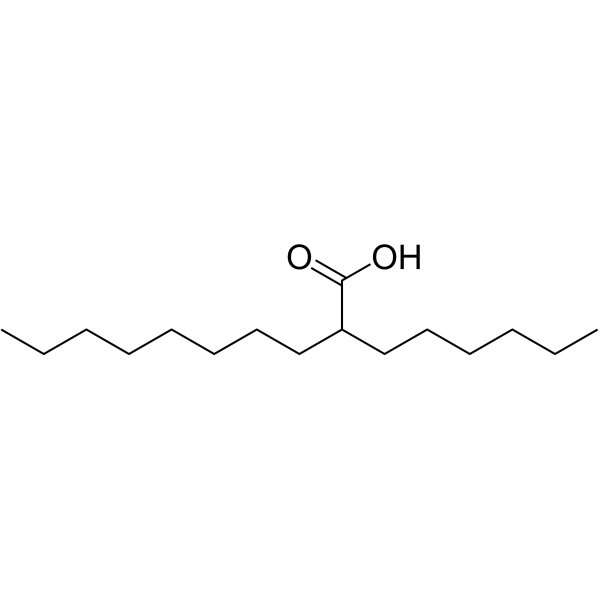
2-Hexyldecanoic acid is a lipid containing one carboxylic acid group and two non-polar tails. In the presence of EDC, HATU and DCC, carboxylic acid groups can undergo continuous amide coupling reactions with amine-containing biomolecules to form stable amide bonds. 2-Hexyldecanoic acid can be used as an aerolysin inhibitor to prevent bacterial pathogens. 2-Hexyldecanoic acid can cause contact dermatitis .
|
-
-
- HY-42222
-
|
|
Biochemical Assay Reagents
|
Others
|
|
N1,N5-Bis-Boc-spermidine is a linker containing an amino group with two Boc-protected amino groups. The amino group is reactive with carboxylic acids, activated NHS esters, carbonyls (ketone, aldehyde) etc. The Boc group can be deprotected under mild acidic conditions to form the free amine.
|
-

-
- HY-23212A
-
|
|
Amino Acid Derivatives
|
Cancer
|
|
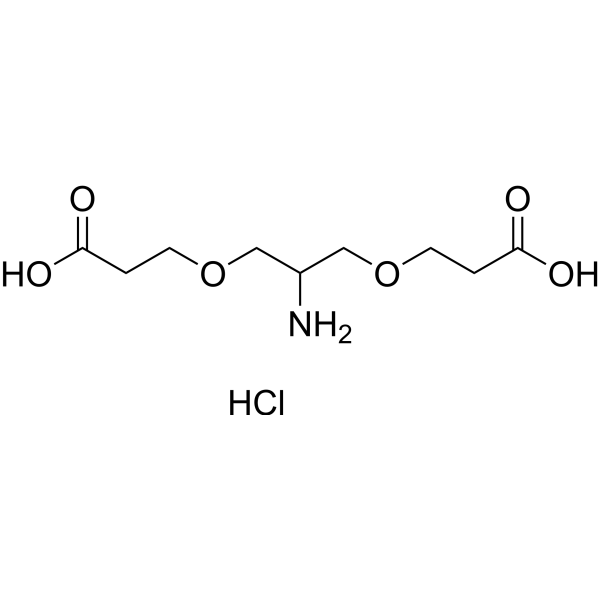
2-Amino-1,3-bis(carboxylethoxy)propane hydrochloride is a non-protein amino acid, sulfamic acid.2-Amino-1,3-bis(carboxylethoxy)propane hydrochloride contains one amino group and two terminal carboxylic acids.2-Amino-1,3-bis(carboxylethoxy)propane hydrochloride has a variety of physiological functions, including maintaining the stability of cell membranes, regulating cholesterol metabolism, supporting the normal function of the nervous system, participating in collagen synthesis, and anti-oxidation .
|
-
-
- HY-W800794
-
|
DPPE-NG; 1,2-dipalmitoyl-sn-glycero-3-phosphoethanolamine-N-(glutaryl)
|
Liposome
|
Cancer
|
|
16:0 Glutaryl PE is is a carboxylic acid-functionalized lipid with a three carbon linker to a phosphoethanolamine bound to two palmitic acid tails.
|
-

-
- HY-W591402
-
|
|
ADC Linker
|
Cancer
|
|
3,4-Dibromo-Mal-PEG4-acid is a site specific ADC linker with a dibromomaleimide group and an acid group. The dibromomaleimide group allows for two points of substitution due to the two bromine atoms. The carboxylic acid can react with primary amines in the presence of EDC and HATU to form a stable amide bond. The hydrophilic PEG linker increases the water solubility of compounds in aqueous media.
|
-

-
- HY-P11243
-
|
|
Ephrin Receptor
|
Neurological Disease
|
|
EphA4 agonist compound 23 is a novel EphA4 agonist peptide mimic. EphA4 agonist compound 23 exhibits high affinity, high selectivity, and significant receptor activation ability. EphA4 agonist compound 23 is commonly used in the study of neurodegenerative diseases .
|
-

-
- HY-W010361
-
|
|
Biochemical Assay Reagents
|
Others
|
|
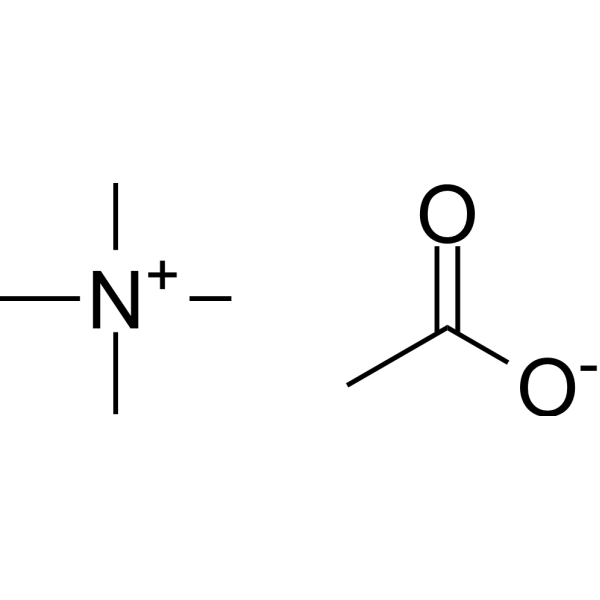
Tetramethylammonium acetate is an organic compound commonly used as a phase transfer catalyst in organic synthesis reactions, especially those involving charged species or polar reagents. It can facilitate the transfer of reactants between two immiscible phases, such as water and organic solvents, by forming stable ion pairs. Additionally, Tetramethylammonium acetate has been used to prepare a variety of organic compounds, including esters, amides, and carboxylic acids. Due to its unique physicochemical properties, it has also been investigated for its potential use in developing new materials such as ionic liquids and liquid crystals. "x" in the formula represents the number of water molecules in the crystal structure, which can vary depending on the preparation method.
|
-
-
- HY-W800792
-
|
1,2-dioleoyl-sn-glycero-3-phosphoethanolamine-N-(succinyl)
|
Liposome
|
Cancer
|
|
18:1 Succinyl PE is a carboxylic acid-functionalized lipid with a two carbon linker to a phosphoethanolamine bound to two oleic acid tails.
|
-

-
- HY-W800795
-
|
DOPE-NG; 1,2-dioleoyl-sn-glycero-3-phosphoethanolamine-N-(dodecanoyl)
|
Liposome
|
Cancer
|
|
18:1 Dodecanyl PE is a carboxylic acid-functionalized lipid with a ten carbon linker to a phosphoethanolamine bound to two oleic acid tails.
|
-

-
- HY-W190905
-
|
|
Biochemical Assay Reagents
|
Others
|
|
N4, N9-di-Boc-spermine is a spermine linker containing two a Boc-protected amino groups and two amine groups. The Boc groups can be deprotected under mild acidic conditions to form the free amine. The amino groups are reactive with carboxylic acids, activated NHS esters, carbonyls (ketone, aldehyde) etc. Spermidine is a polyamine that modulates various cellular activities like cellular development and differentiation, stability of DNA, and apoptosis.
|
-

-
- HY-W1048542A
-
|
|
Biochemical Assay Reagents
|
Others
|
|
Fmoc-NH-PEG2000-COOH is a linear hetero-bifunctional PEG product with two Fmoc-protected amines and a carboxylic acid at both ends. Fmoc-NH-PEG2000-COOH is an important cross-linking agent with PEG chains. The protected amine can be regenerated by mild alkaline conditions .
|
-

-
- HY-W1048542D
-
|
|
Biochemical Assay Reagents
|
Others
|
|
Fmoc-NH-PEG5000-COOH is a linear hetero-bifunctional PEG product with two Fmoc-protected amines and a carboxylic acid at both ends. Fmoc-NH-PEG5000-COOH is an important cross-linking agent with PEG chains. The protected amine can be regenerated by mild alkaline conditions .
|
-

-
- HY-W1048542I
-
|
|
Biochemical Assay Reagents
|
Others
|
|
Fmoc-NH-PEG40000-COOH is a linear hetero-bifunctional PEG product with two Fmoc-protected amines and a carboxylic acid at both ends. Fmoc-NH-PEG40000-COOH is an important cross-linking agent with PEG chains. The protected amine can be regenerated by mild alkaline conditions .
|
-

-
- HY-W1048542E
-
|
|
Biochemical Assay Reagents
|
Others
|
|
Fmoc-NH-PEG10000-COOH is a linear hetero-bifunctional PEG product with two Fmoc-protected amines and a carboxylic acid at both ends. Fmoc-NH-PEG10000-COOH is an important cross-linking agent with PEG chains. The protected amine can be regenerated by mild alkaline conditions .
|
-

-
- HY-W1048542C
-
|
|
Biochemical Assay Reagents
|
Others
|
|
Fmoc-NH-PEG3400-COOH is a linear hetero-bifunctional PEG product with two Fmoc-protected amines and a carboxylic acid at both ends. Fmoc-NH-PEG3400-COOH is an important cross-linking agent with PEG chains. The protected amine can be regenerated by mild alkaline conditions .
|
-

-
- HY-W1048542H
-
|
|
Biochemical Assay Reagents
|
Others
|
|
Fmoc-NH-PEG20000-COOH is a linear hetero-bifunctional PEG product with two Fmoc-protected amines and a carboxylic acid at both ends. Fmoc-NH-PEG20000-COOH is an important cross-linking agent with PEG chains. The protected amine can be regenerated by mild alkaline conditions .
|
-

-
- HY-42213
-
|
|
Biochemical Assay Reagents
|
Others
|
|
N1,N4-Bis-Boc-spermidine is a linker containing an amino group with two Boc-protected amino groups. The amino group is reactive with carboxylic acids, activated NHS esters, carbonyls (ketone, aldehyde) etc. The Boc group can be deprotected under mild acidic conditions to form the free amine.
|
-

-
- HY-W451406A
-
|
|
PROTAC Linkers
|
Others
|
|
NH2-PEG5000-NH2 is a polyethylene glycol derivative containing two primary amine groups. The amino group can react quickly with activated carboxylic acid or carboxyl groups such as NHS esters to form stable amide bonds. The PEGylation of NH2-PEG-NH2 can increase solubility and stability, and reduce the immunogenicity of peptides and proteins, so it is mostly used to modify proteins, peptides and other substances.
|
-

-
- HY-W451406D
-
|
|
PROTAC Linkers
|
Others
|
|
NH2-PEG10000-NH2 is a polyethylene glycol derivative containing two primary amine groups. The amino group can react quickly with activated carboxylic acid or carboxyl groups such as NHS esters to form stable amide bonds. The PEGylation of NH2-PEG-NH2 can increase solubility and stability, and reduce the immunogenicity of peptides and proteins, so it is mostly used to modify proteins, peptides and other substances.
|
-

-
- HY-151833
-
|
|
ADC Linker
|
Others
|
|
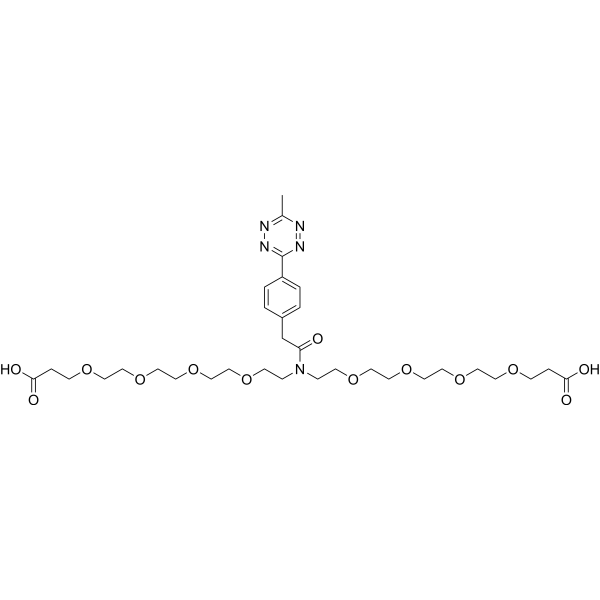
Methyltetrazine-amido-N-bis(PEG4-acid) is a click chemistry reagent containing an azide group. Methyltetrazine-amido-N-bis(PEG4-acid) is a PEG derivative that contains a methyltetrazine group and two acid groups. This reagent can react with TCO-containing compounds to form a stable covalent bond without the catalysis of Cu or elevated temperatures. The inverse-electron demand Diels-Alder cycloaddition reaction of TCO with tetrazines is the fastest bioorthogonal reaction with exceptional selectivity. The terminal carboxylic acid can react with primary amine groups in the presence of activators (e.g. EDC, or HATU) to form a stable amide bond. PEG linker increases the water solubility of the compound. Reagent grade, for research use only . Methyltetrazine-amido-N-bis(PEG4-acid) is a click chemistry reagent, it contains a Tetrazine group that can undergo an inverse electron demand Diels-Alder reaction (iEDDA) with molecules containing TCO groups.
|
-
-
- HY-W671472
-
|
|
Biochemical Assay Reagents
|
Others
|
|
10-Oxononadecanedioic acid is a long alkane linker with two terminal carboxylic acid groups. The terminal carboxylic acid groups can react with primary amine groups in the presence of activators (e.g. HATU) to form a stable amide bond.
|
-

-
- HY-W800844
-
|
|
Biochemical Assay Reagents
|
Others
|
|
NH-bis(PEG8-OH) is a homobifunctional reagent containing two alcohols joined together by a secondary amine. The alcohols can be used in a variety of ways such as in forming esters with carboxylic acids, while the secondary amine can be used as a nucleophile in linking with ketones, aldehydes, and carboxylic acids. The PEG spacers make this molecule water-soluble, potentially altering its DMPK properties.
|
-

-
- HY-W591379
-
|
|
Biochemical Assay Reagents
|
Others
|
|
Amino-PEG19-amine is a PEG linker containing two amine functional groups. The hydrophilic PEG spacer increases solubility in aqueous media. The amino groups are reactive with carboxylic acids, activated NHS esters, carbonyls (ketone, aldehyde), etc.
|
-

-
- HY-W800708
-
|
|
Biochemical Assay Reagents
|
Others
|
|
N-(TCO)-N-bis(PEG4-acid) is a branched click chemistry reagent with a terminal TCO group and two terminal carboxylic acids. This reagent can react with tetrazine-containing molecule to form a stable covalent bond . The inverse-electron demand Diels-Alder cycloaddition reaction of TCO with tetrazines is the fastest bioorthogonal reaction with exceptional selectivity. The terminal carboxylic acids can react with primary amino groups in the presence of activators (e.g. EDC, HATU ).
|
-

-
- HY-W099632R
-
|
|
Biochemical Assay Reagents
Reference Standards
|
Others
|
|
Dipotassium glycyrrhizinate (Standard) is the analytical standard of Dipotassium glycyrrhizinate. This product is intended for research and analytical applications. 2-Hexyldecanoic acid is a lipid containing one carboxylic acid group and two non-polar tails. In the presence of EDC, HATU and DCC, carboxylic acid groups can undergo continuous amide coupling reactions with amine-containing biomolecules to form stable amide bonds. 2-Hexyldecanoic acid can be used as an aerolysin inhibitor to prevent bacterial pathogens. 2-Hexyldecanoic acid can cause contact dermatitis.
|
-

-
- HY-W800709
-
|
|
Biochemical Assay Reagents
|
Others
|
|
N-(acid-PEG10)-N-bis(PEG10-azide) is a very popular PEG reagent containing a terminal carboxylic acid and two azide groups. The hydrophilic PEG spacer increases solubility in aqueous media. The azide groups can react with alkyne, BCN, DBCO via Click Chemistry to yield a stable triazole linkage. The terminal carboxylic acid can react with primary amine groups in the presence of activators (e.g. EDC, or HATU) to form a stable amide bond.
|
-

-
- HY-W092344
-
|
|
Biochemical Assay Reagents
|
Others
|
|
1,5-Bis-Boc-1,5,9-triazanonane is a linker containing two Boc-protected amino groups and a terminal amine. The Boc groups can be deprotected under mild acidic conditions to form the free amines. The terminal amine is reactive with carboxylic acids, activated NHS esters, carbonyls (ketone, aldehyde) etc.
|
-

-
- HY-WAA0302
-
|
|
Biochemical Assay Reagents
|
Others
|
|
1,4-Bis-Boc-1,4,7-triazaheptane is a PEG derivative containing an amino group with two Boc-protected amino groups. The amino group is reactive with carboxylic acids, activated NHS esters, carbonyls (ketone, aldehyde) etc. The Boc group can be deprotected under mild acidic conditions to form the free amine.
|
-

| Cat. No. |
Product Name |
Type |
-
- HY-W061674
-
|
(E)-Pent-2-enoic acid
|
Biochemical Assay Reagents
|
|
(2E)-Pent-2-enoic acid is an unsaturated carboxylic acid, it is also known as 2-pentenoic acid or crotonic acid, the "2E" designation indicates that the molecule has a trans double bond configuration, where the double bond The two carbon atoms on both sides are located on opposite sides, (2E)-Pent-2-enoic acid has a pungent odor, is miscible with water and most organic solvents, it is commonly used in organic synthesis as a variety of chemical reactions, including esterification, oxidation, and reduction, and in addition, its potential use as a flavoring agent in the food industry was investigated.
|
-
- HY-W127409
-
|
|
Biochemical Assay Reagents
|
|
1,2-Dimyristoyl-rac-glycerol (C14:0) is a carboxylic acid ester, glycerolipid and diglyceride with an additional myristoyl group that facilitates interactions between proteins and lipids. Can be used as detergent or reagent. It plays a role in cell biology experiments involving the metabolism and metabolic pathways of glycerolipids. As a diglyceride, this substance consists of two fatty acid chains covalently bonded in the 1,2-form to a glycerol molecule. The diglyceride (DAG) study investigated the process by which DAG is depleted to inhibit fat accumulation. Reagent grade, for research use only.
|
-
- HY-W012885
-
|
|
Biochemical Assay Reagents
|
|
(S)-Methyl 3-hydroxybutanoate consists of a chiral center, resulting in two enantiomers, where (S)-Methyl 3-hydroxybutanoate means that the hydroxyl group is located on the third carbon atom of the S-configuration carboxylic acid group stereoisomers. This compound is often used as a building block for the synthesis of various pharmaceuticals and natural products. Due to its fruity taste, it is also used as a flavor and fragrance ingredient.
|
-
- HY-W1048542
-
|
|
Biochemical Assay Reagents
|
|
Fmoc-NH-PEG1000-COOH is a PEG product containing two Fmoc-protected amines and a carboxylic acid. Fmoc-NH-PEG1000-COOH is an important cross-linking agent with PEG chains .
|
-
- HY-W010361
-
|
|
Biochemical Assay Reagents
|
|
Tetramethylammonium acetate is an organic compound commonly used as a phase transfer catalyst in organic synthesis reactions, especially those involving charged species or polar reagents. It can facilitate the transfer of reactants between two immiscible phases, such as water and organic solvents, by forming stable ion pairs. Additionally, Tetramethylammonium acetate has been used to prepare a variety of organic compounds, including esters, amides, and carboxylic acids. Due to its unique physicochemical properties, it has also been investigated for its potential use in developing new materials such as ionic liquids and liquid crystals. "x" in the formula represents the number of water molecules in the crystal structure, which can vary depending on the preparation method.
|
-
- HY-W1048542A
-
|
|
Biochemical Assay Reagents
|
|
Fmoc-NH-PEG2000-COOH is a linear hetero-bifunctional PEG product with two Fmoc-protected amines and a carboxylic acid at both ends. Fmoc-NH-PEG2000-COOH is an important cross-linking agent with PEG chains. The protected amine can be regenerated by mild alkaline conditions .
|
-
- HY-W1048542D
-
|
|
Biochemical Assay Reagents
|
|
Fmoc-NH-PEG5000-COOH is a linear hetero-bifunctional PEG product with two Fmoc-protected amines and a carboxylic acid at both ends. Fmoc-NH-PEG5000-COOH is an important cross-linking agent with PEG chains. The protected amine can be regenerated by mild alkaline conditions .
|
-
- HY-W1048542I
-
|
|
Biochemical Assay Reagents
|
|
Fmoc-NH-PEG40000-COOH is a linear hetero-bifunctional PEG product with two Fmoc-protected amines and a carboxylic acid at both ends. Fmoc-NH-PEG40000-COOH is an important cross-linking agent with PEG chains. The protected amine can be regenerated by mild alkaline conditions .
|
-
- HY-W1048542E
-
|
|
Biochemical Assay Reagents
|
|
Fmoc-NH-PEG10000-COOH is a linear hetero-bifunctional PEG product with two Fmoc-protected amines and a carboxylic acid at both ends. Fmoc-NH-PEG10000-COOH is an important cross-linking agent with PEG chains. The protected amine can be regenerated by mild alkaline conditions .
|
-
- HY-W1048542C
-
|
|
Biochemical Assay Reagents
|
|
Fmoc-NH-PEG3400-COOH is a linear hetero-bifunctional PEG product with two Fmoc-protected amines and a carboxylic acid at both ends. Fmoc-NH-PEG3400-COOH is an important cross-linking agent with PEG chains. The protected amine can be regenerated by mild alkaline conditions .
|
-
- HY-W1048542H
-
|
|
Biochemical Assay Reagents
|
|
Fmoc-NH-PEG20000-COOH is a linear hetero-bifunctional PEG product with two Fmoc-protected amines and a carboxylic acid at both ends. Fmoc-NH-PEG20000-COOH is an important cross-linking agent with PEG chains. The protected amine can be regenerated by mild alkaline conditions .
|
| Cat. No. |
Product Name |
Target |
Research Area |
-
- HY-P10563
-
|
BHV-1100
|
CD38
|
Cancer
|
|
Noraramtide (BHV-1100) is an antibody recruitment molecule. Noraramtide can specifically bind to CD38 molecules to recruit natural killer (NK) cells. Noraramtide enhances the ability of NK cells to kill tumor cells through antibody-dependent cellular cytotoxicity (ADCC). This mechanism allows NK cells to more effectively recognize and eliminate tumor cells while avoiding mutual killing between NK cells. Noraramtide can be used for the study of autologous cancer immunity .
|
-
- HY-P11243
-
|
|
Ephrin Receptor
|
Neurological Disease
|
|
EphA4 agonist compound 23 is a novel EphA4 agonist peptide mimic. EphA4 agonist compound 23 exhibits high affinity, high selectivity, and significant receptor activation ability. EphA4 agonist compound 23 is commonly used in the study of neurodegenerative diseases .
|
| Cat. No. |
Product Name |
Category |
Target |
Chemical Structure |
| Cat. No. |
Product Name |
|
Classification |
-
- HY-151833
-
|
|
|
Tetrazine
|
|
Methyltetrazine-amido-N-bis(PEG4-acid) is a click chemistry reagent containing an azide group. Methyltetrazine-amido-N-bis(PEG4-acid) is a PEG derivative that contains a methyltetrazine group and two acid groups. This reagent can react with TCO-containing compounds to form a stable covalent bond without the catalysis of Cu or elevated temperatures. The inverse-electron demand Diels-Alder cycloaddition reaction of TCO with tetrazines is the fastest bioorthogonal reaction with exceptional selectivity. The terminal carboxylic acid can react with primary amine groups in the presence of activators (e.g. EDC, or HATU) to form a stable amide bond. PEG linker increases the water solubility of the compound. Reagent grade, for research use only . Methyltetrazine-amido-N-bis(PEG4-acid) is a click chemistry reagent, it contains a Tetrazine group that can undergo an inverse electron demand Diels-Alder reaction (iEDDA) with molecules containing TCO groups.
|
| Cat. No. |
Product Name |
|
Classification |
-
- HY-W800793
-
|
1,2-dipalmitoyl-sn-glycero-3-phosphoethanolamine-N-(succinyl)
|
|
Phospholipids
|
|
16:0 Succinyl PE is a carboxylic acid-functionalized lipid with a two carbon linker to a phosphoethanolamine bound to two palmitic acid tails.
|
-
- HY-W800794
-
|
DPPE-NG; 1,2-dipalmitoyl-sn-glycero-3-phosphoethanolamine-N-(glutaryl)
|
|
Phospholipids
|
|
16:0 Glutaryl PE is is a carboxylic acid-functionalized lipid with a three carbon linker to a phosphoethanolamine bound to two palmitic acid tails.
|
-
- HY-W800795
-
|
DOPE-NG; 1,2-dioleoyl-sn-glycero-3-phosphoethanolamine-N-(dodecanoyl)
|
|
Phospholipids
|
|
18:1 Dodecanyl PE is a carboxylic acid-functionalized lipid with a ten carbon linker to a phosphoethanolamine bound to two oleic acid tails.
|
Your information is safe with us. * Required Fields.
Inquiry Information
- Product Name:
- Cat. No.:
- Quantity:
- MCE Japan Authorized Agent:








